Attractions and Places To See around Avinyó - Top 20
Attractions and places to see around Avinyó, a municipality in Catalonia's Bages region, offer a blend of historical architecture and natural landscapes. The area features historical monuments and structures, such as a 14th-century Gothic bridge. Visitors can explore diverse terrain, from historical sites to natural features like waterfalls and old roads. This region provides opportunities to discover cultural assets and natural beauty.
Best attractions and places to see around Avinyó
- The most popular attractions is Salt de la Tosca Waterfall…
Last updated: May 10, 2026
Salt de la Tosca Waterfall and Molí de Brotons
Highlight • Waterfall
Translated by Google •
Tip by

Old road from Monistrol to Granera
Highlight (Segment) • Cycleway
Translated by Google •
Tip by

Sign up now to discover places like this
Get recommendations on the best single tracks, peaks, & plenty of other exciting outdoor places.
Sign up for free
Talamanca Castle
Highlight • Castle
Translated by Google •
Tip by

Molí del Menut
Highlight • Structure
Translated by Google •
Tip by
Talamanca Fountain and Boxelder (Acer negundo)
Highlight • Natural Monument
Translated by Google •
Tip by

Sign up for free to discover even more attractions around Avinyó.
Sign up for free
Already have an account?
Start today with a free account
Your next adventure awaits.
Login or Signup

Tips from the Community

Waterfall encased in rough rock and an old flour mill documented since the 18th century, taking advantage of the constant force of the Llobeta stream. In addition to what everyone says, there is a little-mentioned detail here: the mill had a small auxiliary lock up the road that allowed the flow to be regulated so that the mill would not stop in dry summers. Remains of the canal and the hole where the wood of the old roller was repaired can still be seen. The path is short and cool, and the constant sound of the water explains why this corner was so valuable to the farmers of the entire valley.
0
0

Molí del Menut. Private property Old mill restored and well preserved 👍
1
0
A town with a great history that is worth visiting 🤩
1
0

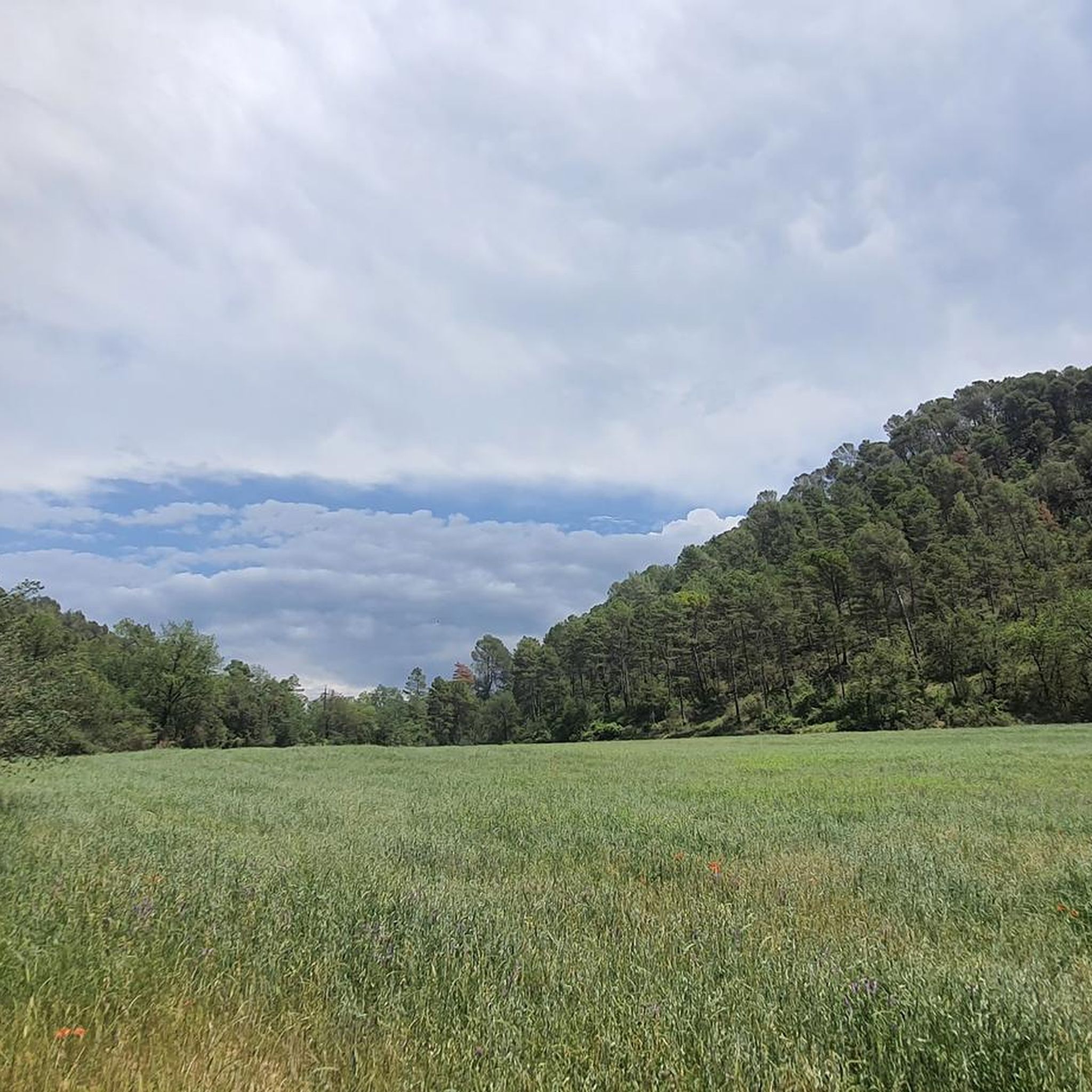
Pleasant walk through Talamanca and its surroundings with a moderate slope. The route runs along well-marked tracks and is marked with milestones with white and green labels. With this itinerary we will discover the medieval origins of Talamanca based on its cultural and natural heritage. The route follows a section of the stream between small gorges and waterfalls that have emerged between the rocks. The itinerary discovers constructions such as the dry stone huts, the water lilies or the unique area of the balma salt of the Gobians and a part following the stream bed, scene of one of the most important battles of the war of succession. Part of the excursion goes through Sant Llorenç del Munt i l'Obac Natural Park.
0
0
During the repopulation (11th century), some settlers gathered in the sagrera, but the majority dispersed in small and isolated farmhouses organizing the exploitation of the territory: cereals, vegetable gardens and livestock (sheep, pigs, poultry). In the modern age, technical improvements transformed small medieval farms into large economic units: on the first floor, the productive area; in the second, the residence, and in the third, the pantry. The Molí del Menut is an example of small dimensions. The widgets on the first floor stand out: press, vats and cellar for producing wine, hydraulic mill for grinding grain and corrals for cattle. Outside, notice the vaulted door and sundial.
0
0
Fountain built in 1683, which was one of the main meeting points of the village, where its inhabitants went to wash their clothes and fetch water until the 70s. The boys of the village came to this fountain, morning and afternoon , to look for water to see from the houses, and it was at this moment that battles were often fought between the boys from the upper part of town and those from the Raval. Where the fountain is now, there was the cattle trough, and next to it were the washrooms. We highlight the presence of a specimen of maple, a tree planted during a tree festival at the beginning of the 20th century. Next to the source, coming out of a crack we will observe the red falzia, a small fern and also some liverwort plants.
0
0
The original building, built in the 11th century, was the embryo of the town and the political center of the district. It was part of the network of castles aimed at the defense of the colonists who repopulated the lands conquered by the Saracens. In the twelfth century, the Saracen threat faded but the process of feudalization caused disputes between Castilians for control of the castle, with several sagas taking place: the Cardona, the Talamanca, the Castellbell. In 1717, Bourbon troops demolished the castle, a fate shared by many of the castles of Old Catalonia. In the 18th century, the Castellbells built the manor house with a tower.
0
0

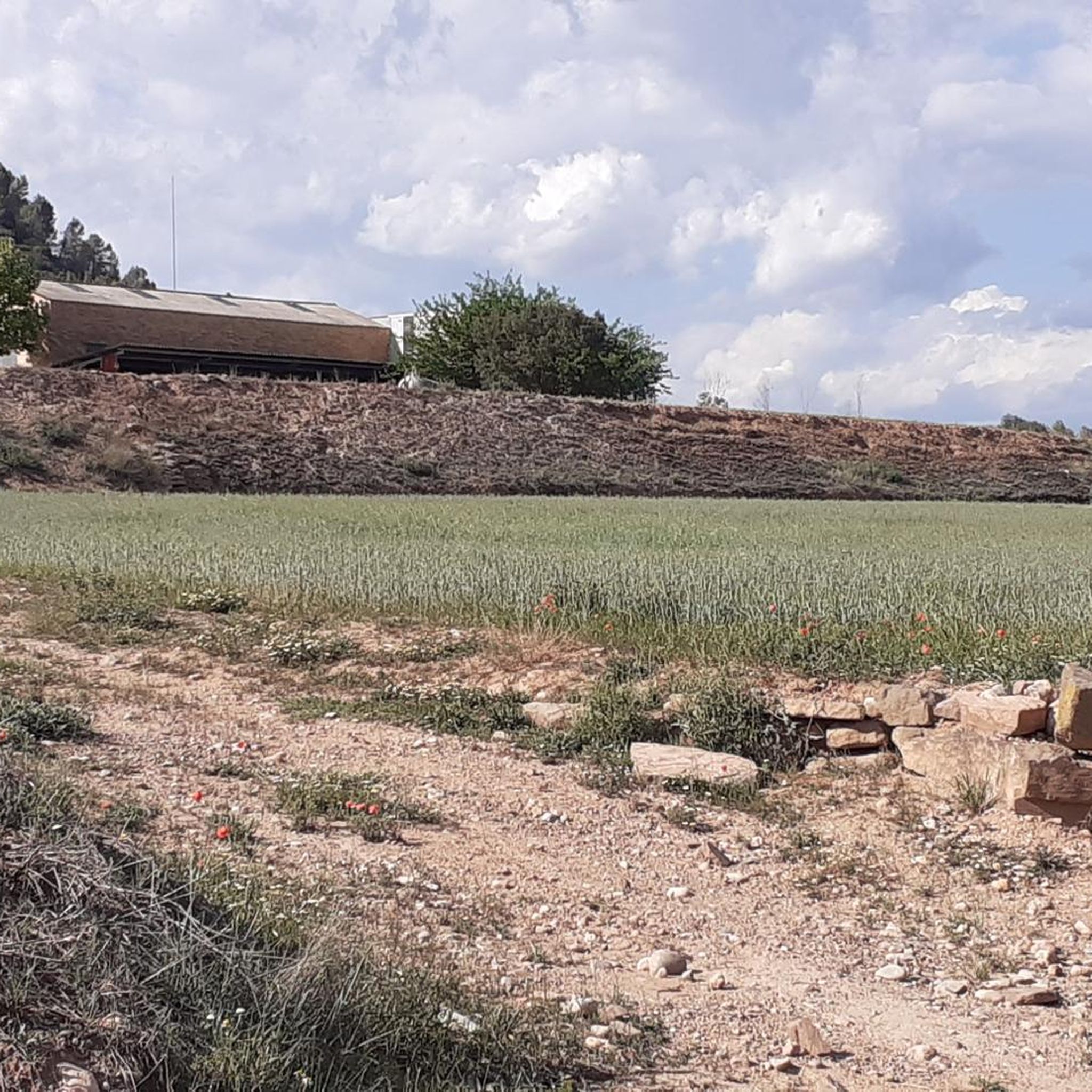
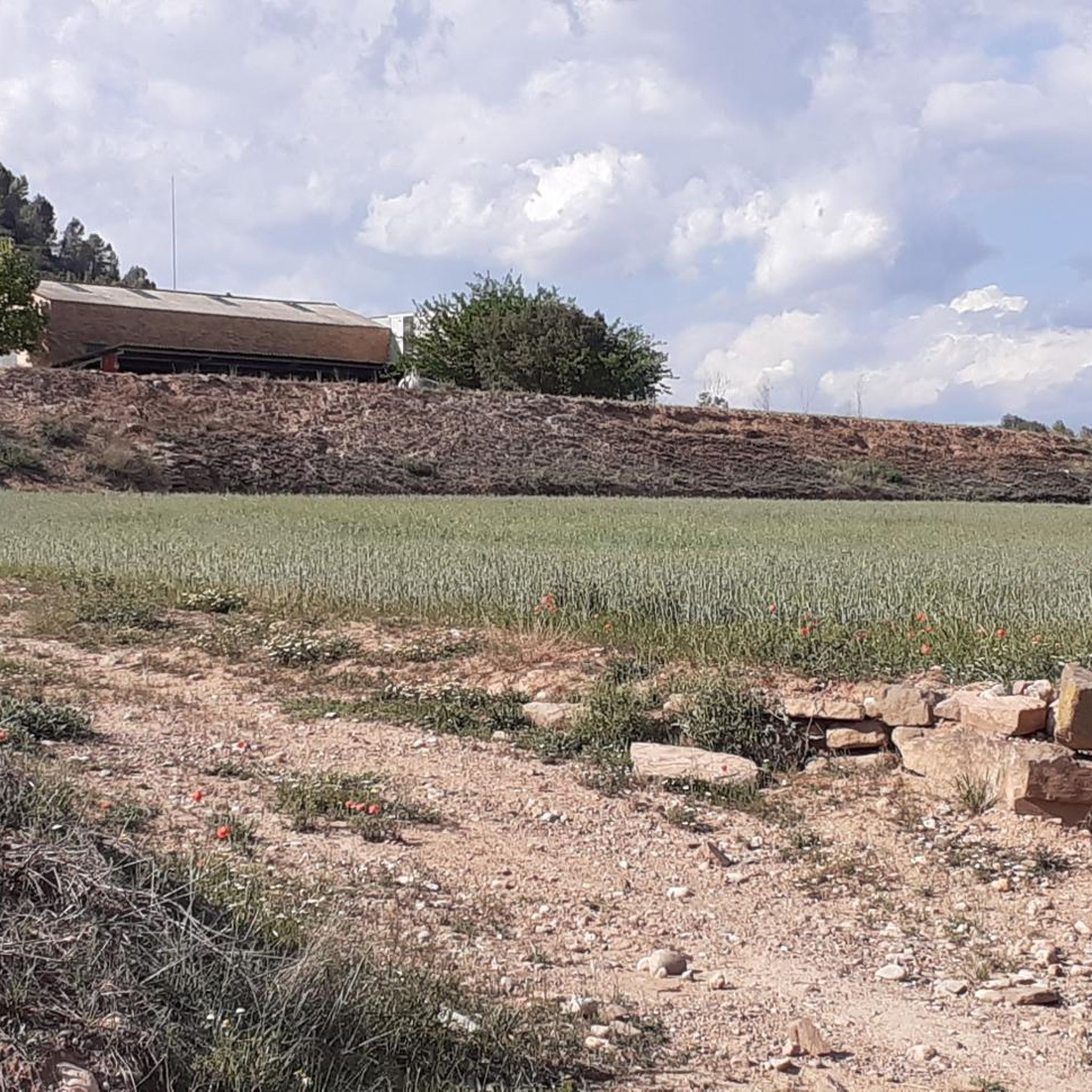
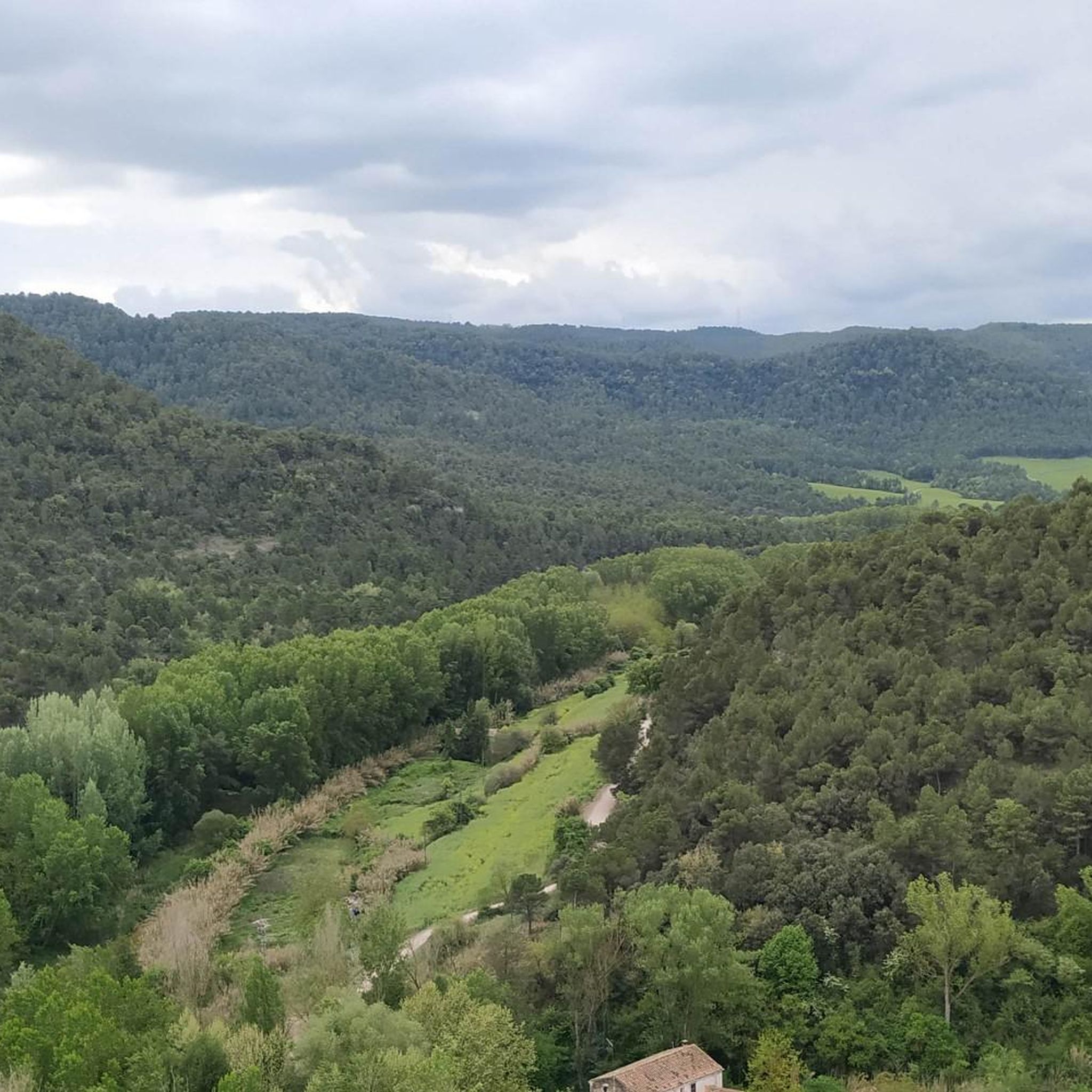
It is a beautiful climb on a paved track in perfect condition. There are hard sections alternating with breaks. At the exit of Monistrol de Calders, you will find the hardest ramps. Then comes a break with a descent towards the stream. After crossing it, the climb begins again, which is now more constant, with some sections still very hard. The arrival at Granera is beautiful and the views from there are spectacular.
0
0
Frequently Asked Questions
What natural attractions or waterfalls can I visit around Avinyó?
You can explore the beautiful Salt de la Tosca Waterfall and Molí de Brotons. This site features a stunning waterfall and a semi-troglodyte mill, offering both natural beauty and historical significance. It's also noted as a perfect place to stop for lunch or dinner, being cool and sheltered from the sun.
Are there any historical castles or significant monuments in the Avinyó area?
Yes, a prominent historical site is Talamanca Castle, a Romanesque castle dating from the 10th century. It is considered a cultural asset of national interest and a significant landmark. Additionally, the municipality of Avinyó (Bages) features the 19th-century Torre dels Soldats and the 14th-century Pont d'Avinyó (Old Bridge).
What cycling opportunities are available near Avinyó?
For cyclists, the Old road from Monistrol to Granera is a recently paved cycle way offering beautiful views and a quiet area for riding. For more extensive routes, you can find various gravel biking and road cycling options, such as the challenging 'Avinyó – Old Bridge of Avinyó loop' or the 'Road to El Moianés – Talamanca Village loop'. You can find detailed routes in the Gravel biking around Avinyó and Road Cycling Routes around Avinyó guides.
Are there family-friendly attractions or activities around Avinyó?
Several attractions are suitable for families. The Salt de la Tosca Waterfall and Molí de Brotons is a good route for the whole family. Talamanca Castle and the Talamanca Fountain and Boxelder (Acer negundo) are also marked as family-friendly, offering historical exploration and a pleasant natural setting.
Where can I find scenic viewpoints in the Avinyó region?
The Old road from Monistrol to Granera offers excellent views. Talamanca Castle also provides a vantage point over the surrounding area. In Avinyonet del Penedès, the lookout point known as “El Circell” offers panoramic 360º views of the local vineyards.
What hiking or walking trails are available near Avinyó's attractions?
The region offers diverse terrain for walking and hiking. While specific trails for each attraction aren't detailed, you can find various running and walking routes in the area. For example, the 'Running loop from Artés' or the 'Font de les Tàpies loop from Artés' are moderate options. More details can be found in the Running Trails around Avinyó guide.
What is the best time of year to visit Avinyó's attractions?
Given the focus on outdoor activities and historical sites, spring and autumn generally offer the most pleasant weather for exploring. Temperatures are milder, making hiking, cycling, and visiting outdoor monuments more comfortable than in the peak summer heat or colder winter months.
Are there any dog-friendly trails or attractions around Avinyó?
While specific dog-friendly designations for each attraction are not provided, many natural trails and outdoor areas in Catalonia are suitable for dogs, provided they are kept on a leash and owners clean up after them. It's always advisable to check local regulations for specific sites or trails before visiting with your dog.
Are there any unique historical sites related to Roman or Iberian history in the broader Avinyó area?
Yes, if you venture towards Avinyonet del Penedès, you can find the Iberian Archaeological Site of “Turó de la Font de la Canya” and the Roman Tower and Old Quarter of Les Gunyoles. In Barcelona's Ciutat Vella, MUHBA Domus d'Avinyó showcases remnants of Barcelona's Roman past, including a Roman house.
What are some other notable historical buildings or structures to see?
Beyond the main highlights, you can visit the Molí del Menut, an old, well-preserved mill. In Avinyó (Bages), L'Abadal d'Avinyó is an example of 17th-century popular architecture. In Avinyonet del Penedès, the 11th-century Romanesque Monastery of Sant Sebastià dels Gorgs is an asset of national interest, and you can also find the Medieval Dovecote and Tower of L'Arboçar amidst vineyards.
How can I get to Avinyó and its attractions using public transport?
Public transport options to Avinyó (Bages) are generally limited, as it is a smaller municipality. Bus services connect Avinyó with larger towns in the Bages region, such as Manresa. From there, you might need to rely on local taxis or personal vehicles to reach specific attractions, especially those located in more rural settings. It's recommended to check current bus schedules from your starting point.
Most popular attractions around Avinyó

Get inspired with the komoot mobile app


Explore more
Still not found the Highlight you’re looking for? See guides of the top attractions in other regions:
