Attractions and Places To See around Almodóvar Del Campo - Top 20
Best attractions and places to see around Almodóvar Del Campo include a blend of historical, cultural, and natural sites. Situated on the northern side of the Sierra de Alcudia, the region features a diverse landscape, including volcanic formations and natural parks. The town itself is built on the slope of an ancient volcano, part of the Campo de Calatrava, known for its geological activity. This area offers a range of experiences from exploring historical landmarks to discovering unique natural features.
Best attractions and places to see around Almodóvar Del Campo
- The most popular attractions is Puertollano, a settlement that represents the mining history of the city and borders the volcanic area of Campo de Calatrava. It features the Monument to the Miner and a Mining Museum, highlighting its industrial heritage.
- Another must-see spot is Puerta de la Villa, a historical site. It is the only remaining gate from the late walled enclosure of Santa Eufemia, featuring a lowered horseshoe arch flanked by Gothic columns.
- Visitors also love The Almodóvar Mill, ruins of an 18th-century windmill located on the Cerro de los Molinos. This site is popularly known as El Castillo, near where an ancient fortress once stood.
- Almodóvar Del Campo is known for its historical sites, volcanic landscapes, and natural parks. The area offers a variety of attractions to see and explore, from ancient architecture to unique geological formations.
- The attractions around Almodóvar Del Campo are appreciated by the komoot community, with 14 upvotes and 6 photos shared by visitors.
Last updated: July 7, 2026
Puertollano
Highlight • Settlement
The mining tradition of this town is very present in its different corners, such as the Castillete de Santa María, which welcomes its visitors at the entrance to the city. It is also worth seeing the Monument to the Miner, mentioned above and located on the Cerro de Santa Ana, from which we will obtain a fantastic panoramic view of the city and its surroundings.
Translated by Google •
Tip by

Puerta de la Villa
Highlight • Historical Site
Translated by Google •
Tip by

Sign up now to discover places like this
Get recommendations on the best single tracks, peaks, & plenty of other exciting outdoor places.
Sign up for free
The Almodóvar Mill
Highlight • Monument
The historic castle was a fortress with four stone towers, surrounded by high walls and thick walls, with a moat around it, built during the Islamic domination of the Peninsula. These data are known from historical documents, but there are no current vestiges of their presence.
Translated by Google •
Tip by
Almodóvar del Campo
Highlight • Settlement
Translated by Google •
Tip by
Maar and Strombolian volcano of Almodóvar del Campo
Highlight • Volcano
Translated by Google •
Tip by
Sign up for free to discover even more attractions around Almodóvar Del Campo.
Sign up for free
Already have an account?
Start today with a free account
Your next adventure awaits.
Login or Signup
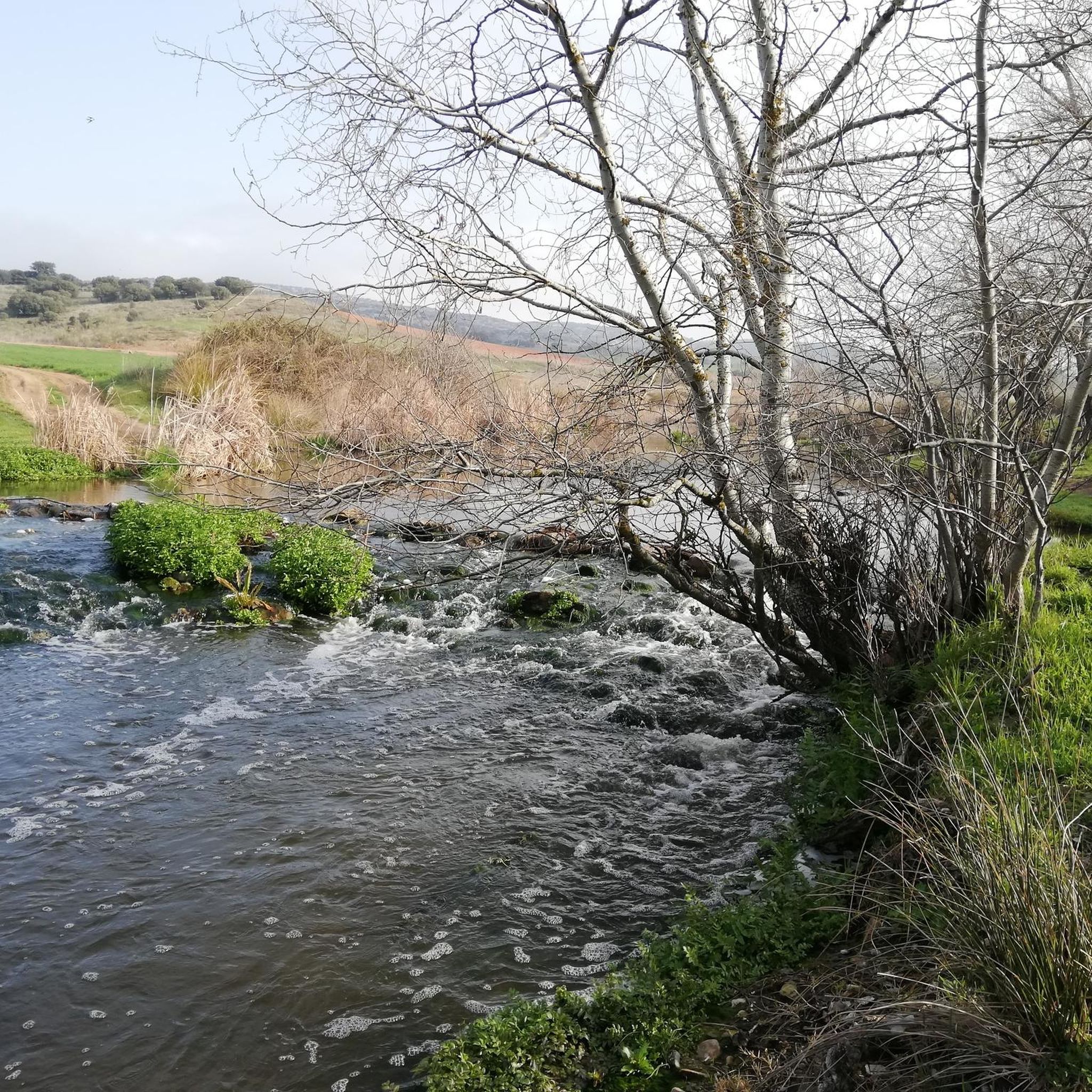

Tips from the Community

La Puerta de la Villa de Santa Eufemia is one of the most notable remains of the municipality's old walled enclosure. This stone arch, of medieval origin, gave access to the interior of the villa and today is integrated into the urban area, preserving its historical and heritage value.
0
0

The monuments and centers of cultural interest are spread throughout its streets: the Palermo Museum, the Casa-Convent of La Merced, current home of the Hieronymite nuns, in a modernist style and dating back to the 19th century. Continuing the visit you can visit the Cervantina Library, inside which countless editions of Don Quixote are collected, in various languages, formats and periods, as well as canvases and drawings related to the Cervantine character. From here you can also see the Municipal Theater, built in 1845 on the site of the old Carmelite Convent.
19
0
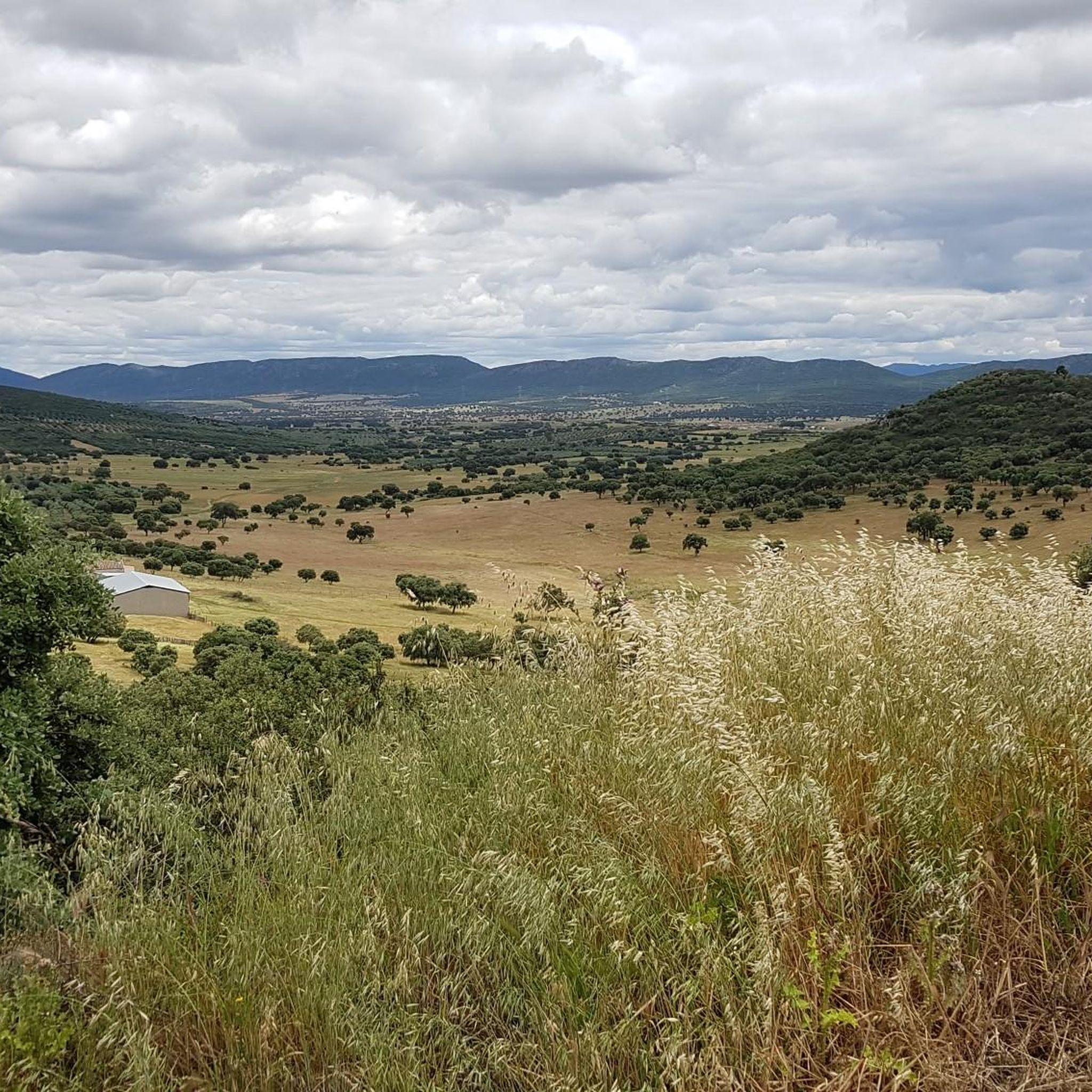
In the Alcudia Valley, we find the municipality of Almodóvar del Campo built on the side of a volcano, so present in Campo de Calatrava, and whose crater is now a lagoon. The Arab footprint is the most emblematic of the city, leaving behind the memory of the Castle and above all the unique Parish of Our Lady of the Assumption. There you can see the first videomapping in Spain permanently installed in a closed space, under the theme of the life and work of San Juan de Ávila.
29
0
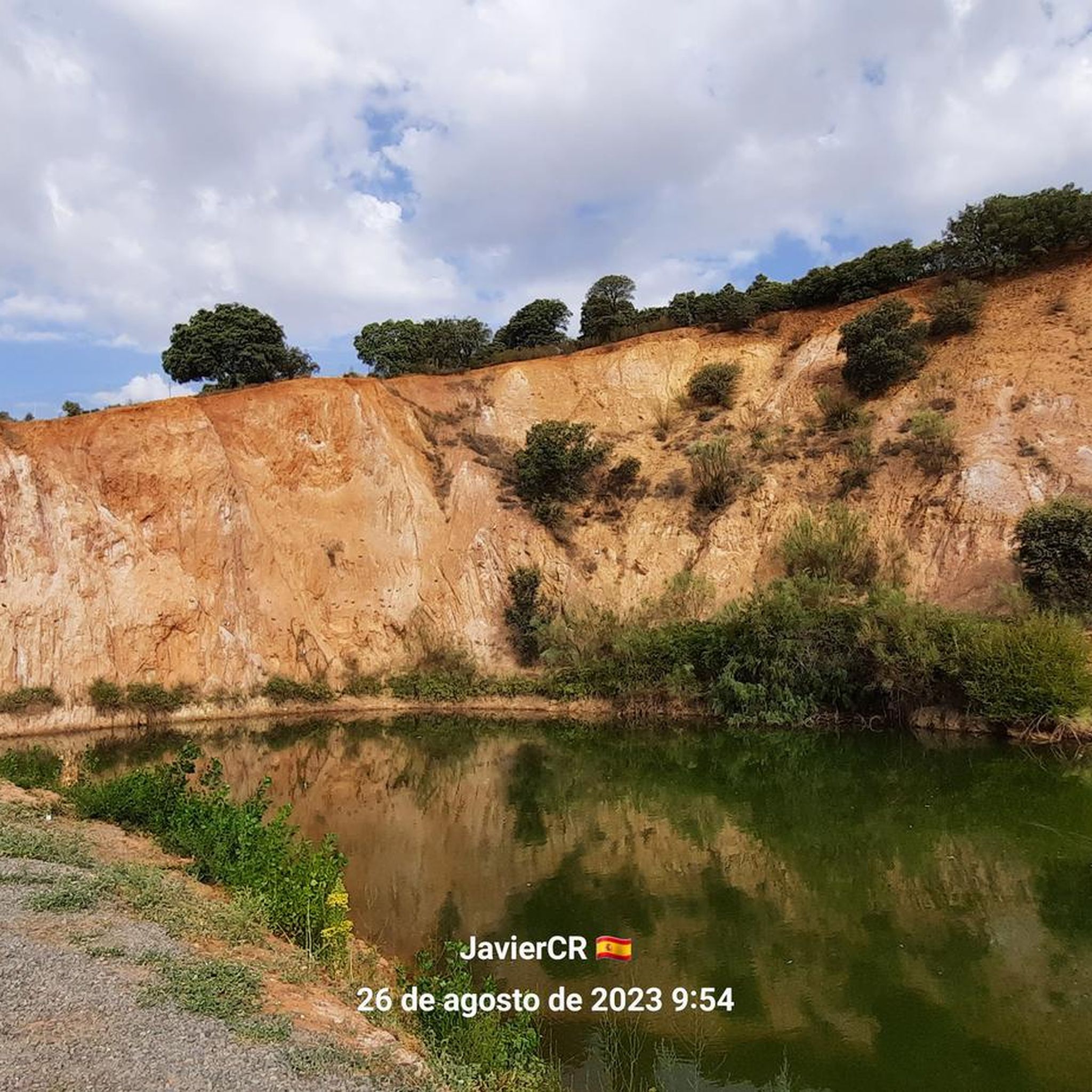
It is formed by a Strombolian volcanic cone of pyroclasts, and due to the quarry in it, its internal structure is exposed. Attached to the foot of this volcano is the Almodóvar maar, which is a phreatomagmatic explosion crater that erupted at the edge of the Paleozoic series, cutting a substrate of hard lithology and destroying part of the previous volcano. The maar crater is funnel-type (hard-type substrate) and houses an ephemeral lagoon inside. In its southern and eastern contour the maar has a ring of tuffs, with pyroclastic facies. The phreatomagmatic deposits of the maar ring are located on a Cenozoic red colluvium. The main interest is of a volcanological (petrological) type and as a secondary interest the geomorphological interest stands out.
28
0
On the hill of Cerro de los Molinos you can see the ruins of an old windmill built in the 18th century, near the old castle, which is why this place is popularly known as El Castillo. The historic castle was a fortress with four stone towers, surrounded by high walls and thick walls, with a moat around it, built during the Islamic domination of the Peninsula. These data are known from historical documents, but there are no current vestiges of their presence.
29
0
In the Alcudia Valley, we find the municipality of Almodóvar del Campo built on the side of a volcano, so present in Campo de Calatrava, and whose crater is now a lagoon. The Arab footprint is the most emblematic of the city, leaving behind the memory of the Castle and above all the unique Parish of Our Lady of the Assumption. There you can see the first videomapping in Spain permanently installed in a closed space, under the theme of the life and work of San Juan de Ávila. The monuments and centers of cultural interest are spread throughout its streets: the Palermo Museum, the House-Convent of La Merced, current home of the Hieronymite nuns, in a modernist style and dating back to the 19th century. Continuing the visit you can visit the Cervantina Library, inside which countless editions of Don Quixote are collected, in various languages, formats and periods, as well as canvases and drawings related to the Cervantine character. From here you can also see the Municipal Theater, built in 1845 on the site of the old Carmelite Convent.
4
1
In the Alcudia Valley, we find the municipality of Almodóvar del Campo built on the slope of a volcano, so present in Campo de Calatrava, and whose crater is now a lagoon. The Arab footprint is the most emblematic of the city, leaving behind the memory of the Castle and above all the unique Parish of Our Lady of the Assumption. There you can see the first videomapping in Spain permanently installed in a closed space, under the theme of the life and work of San Juan de Ávila. Monuments and centers of cultural interest are scattered throughout its streets: the Palermo Museum, the Casa-Convento de La Merced, the current home of the Hieronymite nuns, modernist in style and dating from the 19th century. Continuing the visit you can visit the Cervantina Library, inside which an infinite number of editions of Don Quixote are collected, in different languages, formats and periods, as well as canvases and drawings related to the Cervantine character. From here you can also see the Municipal Theatre, built in 1845 on the site of the old Carmelite Convent.
6
0

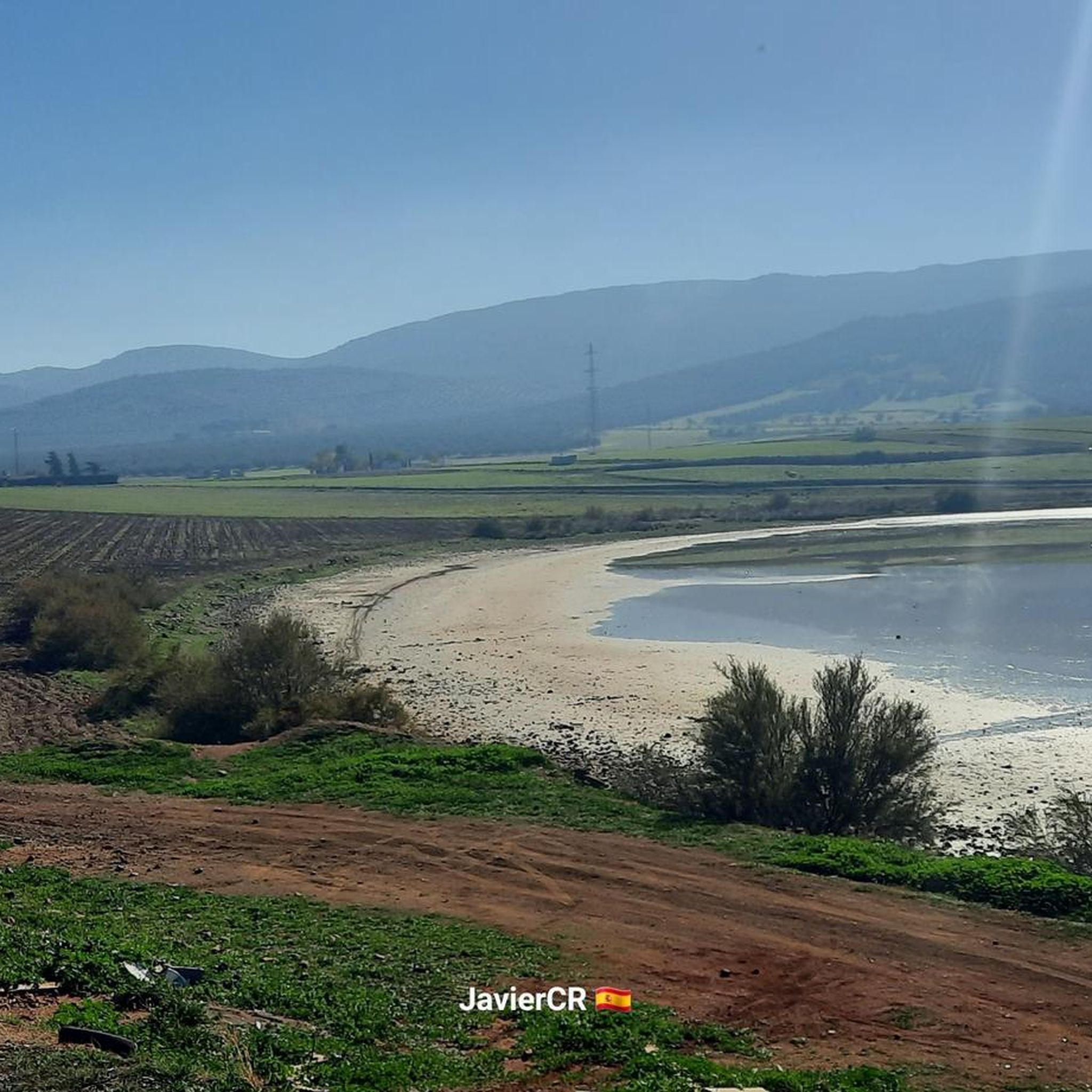
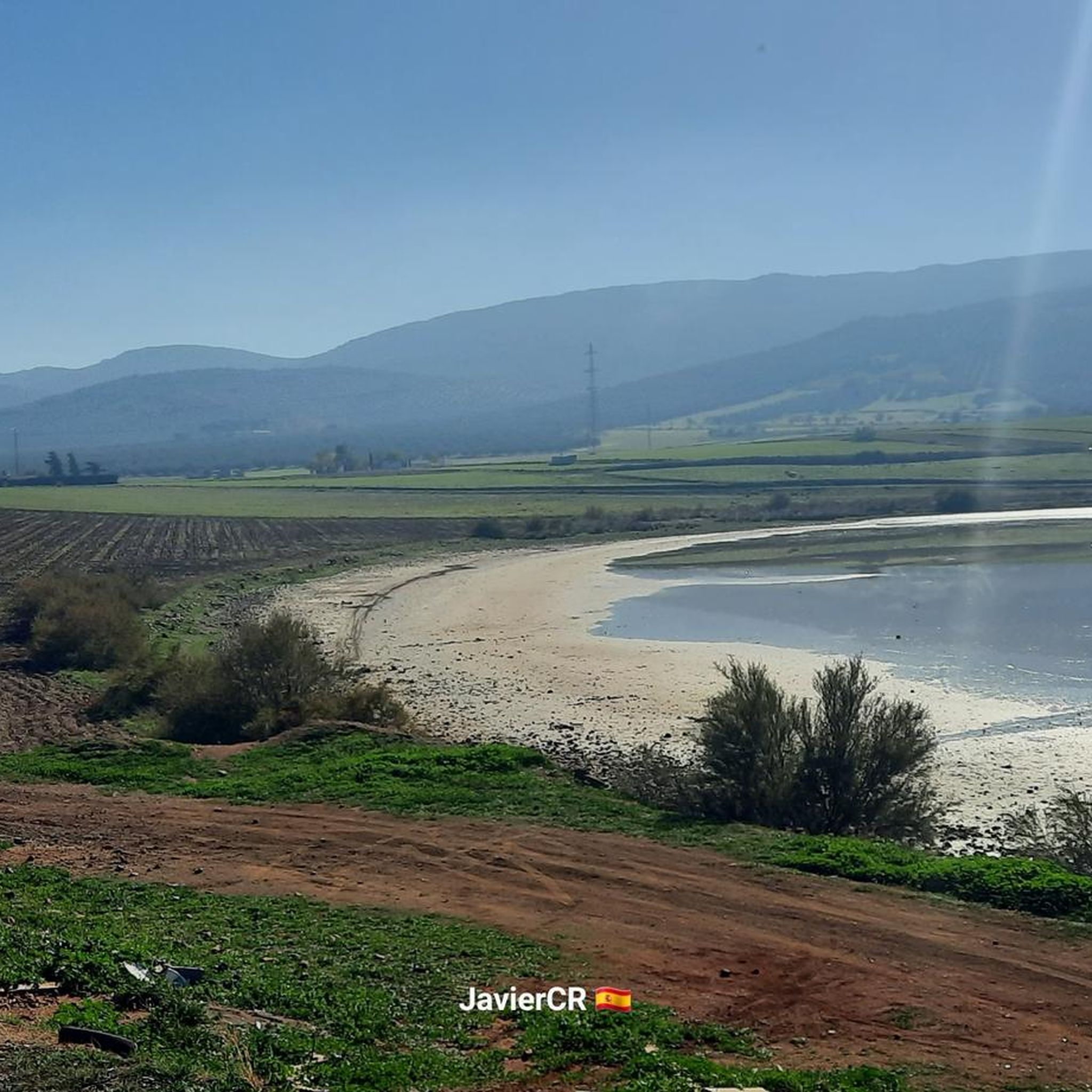
Small town that is located to the north of the foot of the Sierra Decarada de la Santa and that also has a lagoon that bears the same name on its right side.
1
1
Frequently Asked Questions
What historical sites can I explore in Almodóvar Del Campo?
Almodóvar Del Campo offers a rich historical tapestry. You can visit the impressive Parish Church of Nuestra Señora de la Asunción, known for its 15th-century Mudejar coffered ceiling. Don't miss the Puerta de la Villa, the last remaining gate of the old walled enclosure, featuring a distinctive horseshoe arch. The town also has the Old Hermitage of La Trinidad and the Casa-Convento de La Merced. For a glimpse into the past, explore the ruins of The Almodóvar Mill, an 18th-century windmill on Cerro de los Molinos.
Are there any natural parks or significant natural features nearby?
Yes, a significant portion of the municipality is covered by the Valle de Alcudia and Sierra Madrona Natural Park, renowned for its ecological value and opportunities for hiking and wildlife observation, including endangered species like the black vulture and Iberian lynx. The region is also known for its unique volcanic landscape, including the Los Castillejos Volcánicos de la Bienvenida and the Maar and Strombolian volcano of Almodóvar del Campo, which features an ephemeral lagoon.
What outdoor activities can I do near these attractions?
The area around Almodóvar Del Campo is excellent for outdoor activities. You can find numerous routes for cycling, hiking, and gravel biking. For example, there are several cycling routes like the 'Villamayor de Calatrava from Puertollano — circular via Almodóvar del Campo' and the 'Almodóvar del Campo and Valle de Alcudia Loop'. Hikers can enjoy trails such as the 'Miner's Monument loop from Puertollano' or the 'Padres Carmelitas Promenade loop from Almodóvar del Campo'. You can find more details on these and other routes in the dedicated guides for cycling, hiking, and gravel biking around Almodóvar Del Campo.
Are there any family-friendly attractions in the area?
Many attractions around Almodóvar Del Campo are suitable for families. Exploring the historical Puerta de la Villa or the ruins of The Almodóvar Mill can be an engaging experience. The nearby town of Argamasilla de Calatrava, with its volcanic lagoons and historical buildings, also offers family-friendly exploration. Additionally, the Municipal Garden in Almodóvar Del Campo provides a pleasant spot for relaxation.
Where can I learn about the region's mining history?
The nearby settlement of Puertollano is deeply rooted in mining history. Here, you can visit the Monument to the Miner and the Mining Museum, which is built around an old headframe and details the transformation of Puertollano into an industrial city due to coal discovery. The Castillete de Santa María also serves as a reminder of this heritage.
What cultural institutions or museums are available?
Almodóvar Del Campo boasts several cultural gems. The Palmero Museum (Museo Palmero) is a beautiful two-story house displaying the private collection of local painter Alfredo Palmero de Gregorio, including works by other renowned artists. The Cervantine Library (Biblioteca Cervantina) holds an extensive collection of 'El Quijote' editions in various languages and formats, along with related artworks.
Can I see any ancient Roman or Iberian archaeological sites?
Yes, the important Sisapo Archaeological Site (Yacimiento de Sisapo / La Bienvenida) is located in the hamlet of La Bienvenida. This Iberian-Roman site was a significant mining center for cinnabar, silver, and lead, featuring mosaics, a Roman wall, a necropolis, and a Tartessian sanctuary.
Are there good viewpoints for panoramic scenery?
For incredible panoramic views, head to the Mirador de Santa Brígida. While the path can be challenging, the reward is an almost infinite horizon. Additionally, the Cerro de Santa Ana in Puertollano, where the Monument to the Miner is located, offers fantastic views of the city and its surroundings.
What is unique about the volcanic landscape in this region?
The region is part of the Campo de Calatrava, known for its distinctive volcanic activity. Almodóvar Del Campo itself is built on the slope of an ancient volcano. You can explore sites like the Maar and Strombolian volcano of Almodóvar del Campo, which showcases a phreatomagmatic explosion crater with an ephemeral lagoon. The area also features several volcanic lagoons, including Laguna de Almodóvar, Laguna de Cucharas, and Laguna de los Almeros.
Are there any literary connections to Almodóvar Del Campo?
Indeed, the region has a connection to Miguel de Cervantes. The Venta de la Inés is notable for being one of the settings in Cervantes' short novel, 'Rinconete y Cortadillo.' The Cervantine Library also celebrates his legacy with its vast collection of 'El Quijote' editions.
What kind of traditional architecture can I expect to see?
Walking through the streets of Almodóvar Del Campo allows you to appreciate traditional urban architecture. You'll find houses with stone facades and coats of arms, reflecting the town's historical way of life and providing a charming glimpse into its past.
Most popular routes around Almodóvar Del Campo
Most popular attractions around Almodóvar Del Campo

Get inspired with the komoot mobile app


Explore more
Still not found the Highlight you’re looking for? See guides of the top attractions in other regions:
