The best walks and hikes around Freila
4.5
(168)
749
hikers
36
hikes
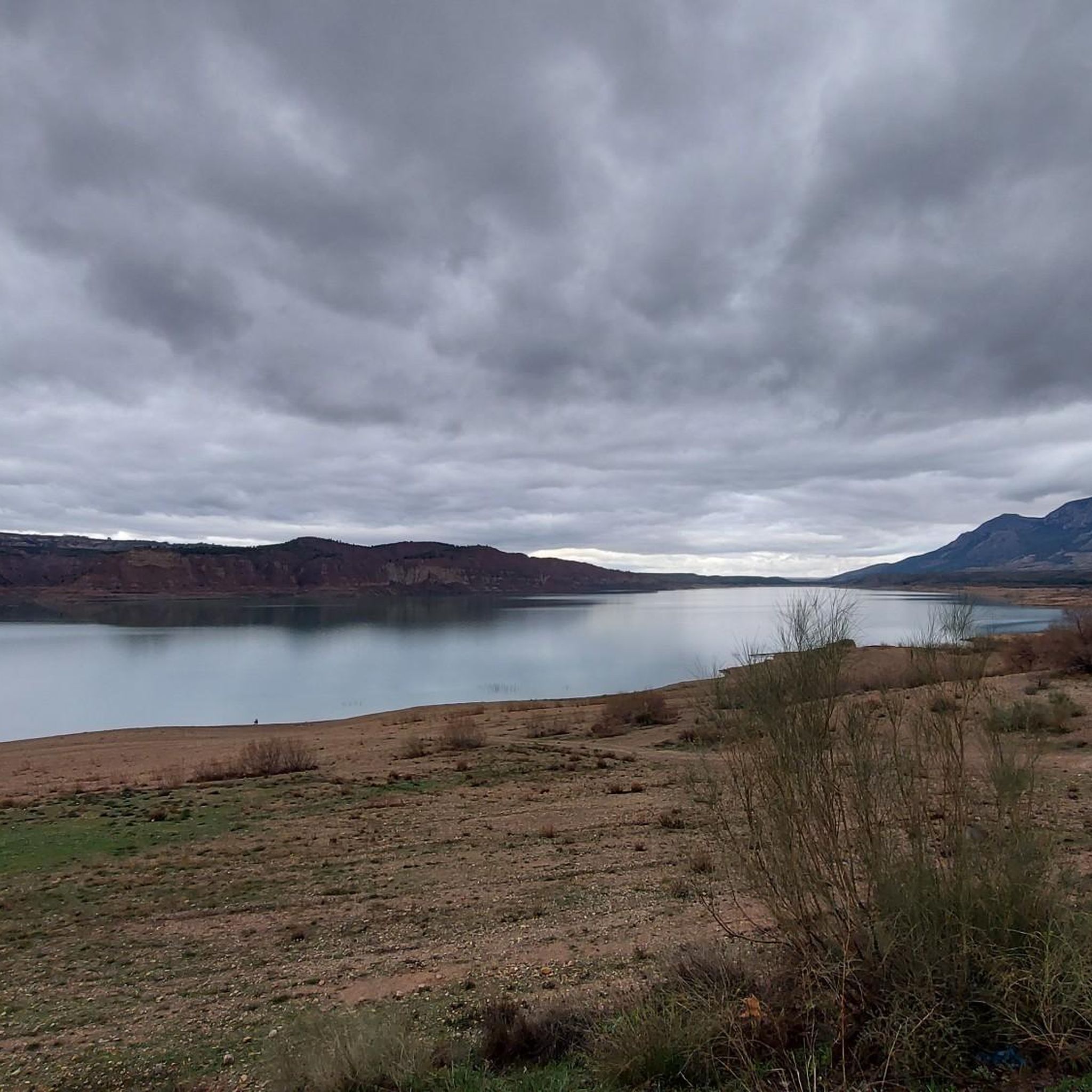
Hiking around Freila offers diverse landscapes, from fertile valleys with olive and fruit trees to arid badlands and semi-desert terrain. The region is situated within the Granada Geopark, characterized by unique geological formations with alternating white and reddish sedimentary layers. The Negratín Reservoir, the third-largest in Andalusia, is a central feature, providing panoramic views and shaping the surrounding sub-desert landscape. Nearby, the Sierra de Baza Natural Park offers additional hiking opportunities through unique forests.
Best hiking trails around Freila
- The…
Last updated: June 21, 2026
4.3
(7)
21
hikers
6.17km
01:49
180m
190m
Easy hike. Great for any fitness level. Easily-accessible paths. Suitable for all skill levels.
4.3
(3)
16
hikers
18.2km
06:22
1,040m
1,040m
Hard hike. Very good fitness required. Easily-accessible paths. Suitable for all skill levels.

Sign up for free
4.7
(25)
115
hikers
6.82km
02:08
240m
230m
Moderate hike. Good fitness required. Easily-accessible paths. Suitable for all skill levels.
4.9
(9)
39
hikers
13.7km
03:54
300m
300m
Moderate hike. Good fitness required. Easily-accessible paths. Suitable for all skill levels.
4.9
(9)
39
hikers
13.7km
03:54
300m
310m
Moderate hike. Good fitness required. Easily-accessible paths. Suitable for all skill levels.
Get access to more routes and recommendations from other explorers.
Sign up for free
Already have an account?
Our route recommendations are based on thousands of hikes, rides, and runs completed by other people on komoot.
Start today with a free account
Your next adventure awaits.
Login or Signup
Tips from the Community

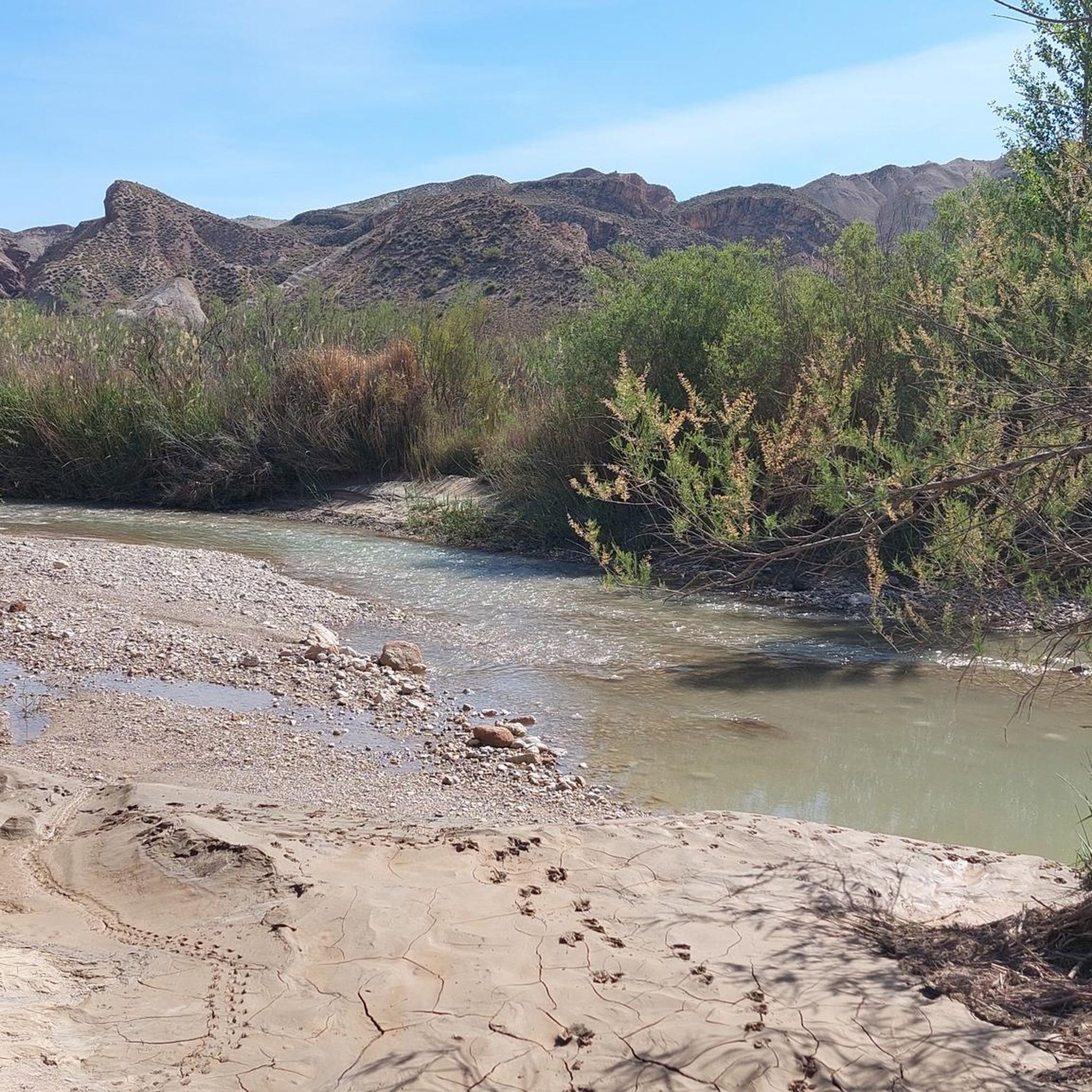
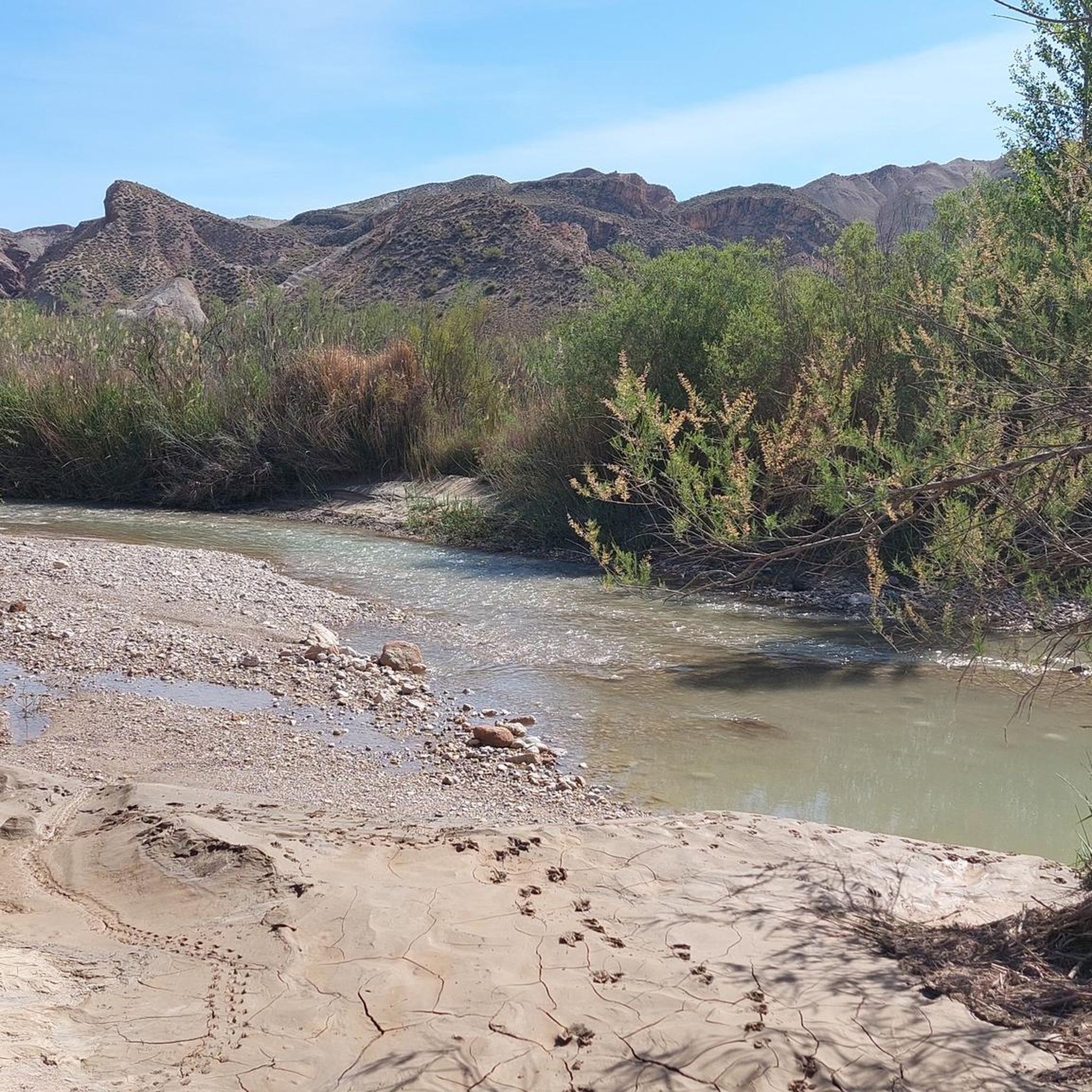
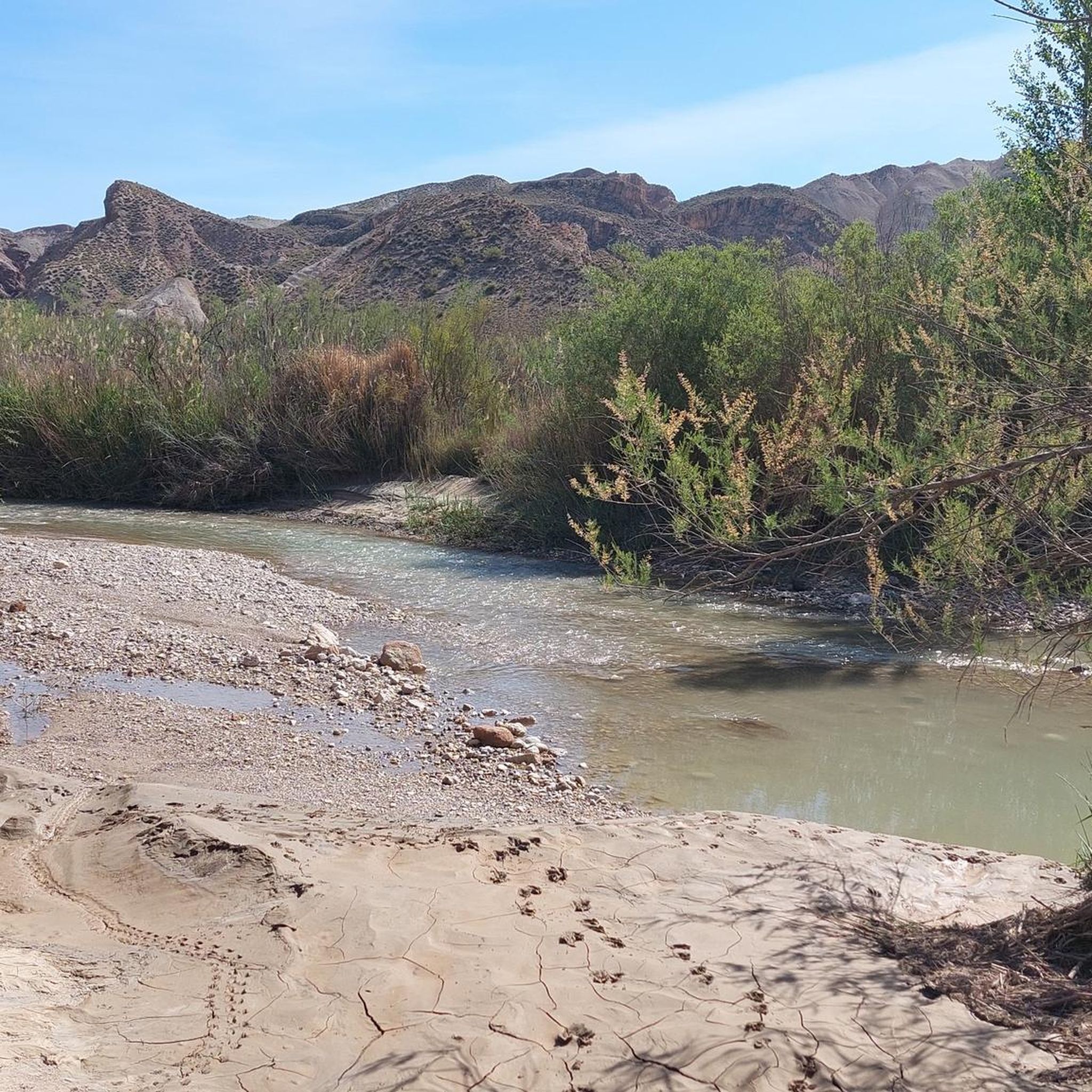
The Negratín reservoir was inaugurated in 1984 and its construction meant the disappearance of the town of Las Juntas and the old spa of Zujar, as well as various farmhouses that remained under the waters of the reservoir. The Negratín reservoir is the second largest reservoir in the Autonomous Community of Andalusia, with more than 567 Hm3.
7
0

The Canaleja Alta Shelter is located in the recreational area of the same name, located at the head of the Canaleja ravine. This refuge is on the road that leads to the Prados del Rey and the Calares. The area is cool, with dense vegetation and numerous water currents. The recreational area has tables and barbecues under the trees, and the shelter itself is a two-story rectangular building. If you want to explore the surroundings, you will find the Neveros, Collado del Resinero and GR-7 trails near the refuge. Enjoy nature in Canaleja Alta! 🌲🏞️
1
0
La Fuente de la Salud is a charming place located in Baza. Legend has it that this was the place where Alfonso XI set up his camp. Its origin was due to the need to channel the spring that supplies the population. The Health Fountain was built by Francisco del Castillo in the 16th century, although local stonemason Alonso González Bailén also took part. It is located about 2 km northeast of Baza along the Virgen de la Salud path. If you are a lover of nature and history, the Fountain of Health and its surroundings are a perfect place to explore. Enjoy the beauty of Baza and its landscapes! 🌿🏞️
2
0
The Narváez Visitor Center is located in the heart of the Sierra de Baza Natural Park, in Andalusia. This building, with an elegant classical style, dates from the beginning of the last century. By touring the center, visitors can learn about the particularities of this mountain range, which is a haven of biodiversity in its surroundings. The vegetation varies depending on factors such as the difference in altitude, climate and relief. Furthermore, inside the reception space, you will find a shop with attractive local products and those from the Network of Natural Spaces of Andalusia (RENPA). Surrounding the building, there is a beautiful garden where you can relax and get to know some of the park's own species. Next to this center, there are several trails and the nature classroom of the same name. Opening hours are Fridays, Saturdays, Sundays and holidays, from 10:00 a.m. to 4:30 p.m.
1
1
The Mirador de Narváez is an impressive place in the Sierra de Baza Natural Park. From the top, we can see the Hoya de Baza behind and the Morrón Alto forest surveillance booth. The Calar de Santa Bárbara, at 2271 meters, is the highest peak in the Sierra de Baza Natural Park.
3
0

This is a good place to start an adventure or stop during one. You can find maps of the area, parking is close and there is a place to get some food.
1
0

Perfect viewpoint to the Negratín reservoir and its adjacent mountains.
2
0

To get here you will first have passed through almond and elm trees, and later through pine trees. Once up, there is a wide panoramic view of the area, with views of the highest peak in the Sierra de Baza Natural Park, the Calar de Santa Bárbara (2,271 m.) and the Hoya de Baza that contrasts with the greenery of this mountain range.
1
0
Frequently Asked Questions
How many hiking trails are available around Freila?
There are over 30 hiking routes available around Freila, catering to various fitness levels. You'll find a good mix of easy, moderate, and difficult trails to explore the diverse landscapes of the region.
What kind of landscapes can I expect to see while hiking in Freila?
Freila offers strikingly diverse landscapes. You'll encounter fertile valleys with olive and fruit trees, dramatic arid badlands, and semi-desert terrain. The region is part of the Granada Geopark, showcasing unique geological formations with alternating white and reddish sedimentary layers, sometimes compared to the Colorado Canyon.
Are there any easy hiking routes suitable for beginners in Freila?
Yes, Freila has several easy hiking options. For instance, the Narváez Viewpoint Trail is an easy 3.8-mile (6.2 km) route in Sierra de Baza Natural Park, offering expansive views without significant challenge. There are 5 easy routes in total.
Can I find challenging hikes with significant elevation gain around Freila?
Absolutely. For those seeking a challenge, the Barranco de la Fonfría and Pino de la Señora Trail is a difficult 11.3-mile (18.2 km) path that winds through the distinctive forests of Sierra de Baza, featuring over 1000 meters of elevation gain. There are 5 difficult routes in total.
Are there any circular hiking routes in the Freila area?
Yes, many routes around Freila are circular. For example, the Negratín Badlands loop from SL-A 314 Chimeneas del Negratín is a moderate 4.2-mile (6.8 km) trail that takes you through the unique badlands terrain. Other circular options include the Cathedrals of the Geopark loop from Loma de las Amoladeras and the Cathedrals of the Geopark loop from Embalse del Negratín.
What natural attractions or landmarks can I discover on hikes near Freila?
Hiking near Freila allows you to discover several natural attractions. You can explore the dramatic Los Coloraos Badlands, the expansive Gorafe Desert, and the unique Gorafe Desert Canyons. The Negratín Reservoir itself is a central feature, offering panoramic views and an inland beach at Cortijo del Cura.
Is Freila a good destination for family-friendly hikes?
Freila offers options for family-friendly hikes, especially with its easy routes and the diverse scenery of the Granada Geopark. The less strenuous paths provide an opportunity for families to enjoy the unique geological formations and views without excessive difficulty. Consider routes with shorter distances and minimal elevation gain.
Are dogs allowed on the hiking trails around Freila?
Generally, dogs are welcome on many hiking trails around Freila, especially in the open natural areas. However, if you plan to hike within the Sierra de Baza Natural Park, it's advisable to keep dogs on a leash to protect wildlife and ensure a pleasant experience for all visitors. Always clean up after your pet.
What is the best time of year to go hiking in Freila?
The best time to hike in Freila is typically during the spring (March to May) and autumn (September to November). During these seasons, temperatures are milder and more comfortable for outdoor activities. Summer can be very hot, especially in the arid badlands, while winter can bring cooler temperatures, though hiking is still possible on many days.
How can I access the trailheads around Freila, particularly regarding parking?
Access to trailheads around Freila is generally by car, with parking often available near popular starting points or villages. For routes within the Sierra de Baza Natural Park or near the Negratín Reservoir, designated parking areas are usually provided. Public transport options might be limited, so driving is often the most convenient way to reach many trailheads.
What do other hikers enjoy most about the trails in Freila?
The trails in Freila are highly rated by the komoot community, with an average score of 4.5 stars. Hikers frequently praise the unique geological contrasts, the stunning views of the Negratín Reservoir, and the varied landscapes of the Granada Geopark. The sense of exploring a truly distinctive natural environment is often highlighted.
Are there any specific geological features to look out for while hiking in the Granada Geopark near Freila?
Yes, the Granada Geopark is renowned for its geology. Look for the distinct white (lacustrine) and reddish (river) sedimentary layers that create a visually striking landscape. The reddish hues, rich in oxidized iron minerals, dominate the western part, while the eastern areas display white or grayish tones from ancient lakebed sediments like limestone and gypsum. These formations are particularly evident in the badlands areas.
Can I combine hiking with water activities near Freila?
Absolutely. The Negratín Reservoir, the third-largest in Andalusia, is a central feature near Freila. Its edges offer areas for swimming and various water sports such as canoeing, rowing, and fishing. There's even an inland beach at Cortijo del Cura, making it perfect for combining a hike with a refreshing dip or other water-based recreation.
Most popular attractions around Freila

Get inspired with the komoot mobile app


Explore more
Browse the best Hikes in other regions.
