Attractions and Places To See around Tamarite De Litera - Top 6
Attractions and places to see around Tamarite De Litera offer a blend of historical, cultural, and natural features. This town, the historical and cultural capital of the La Litera comarca, showcases ancient heritage and local traditions. Visitors can explore its old quarter, significant archaeological sites, and unique geological landscapes. The region provides diverse opportunities for those interested in history and outdoor exploration.
Best attractions and places to see around Tamarite De Litera
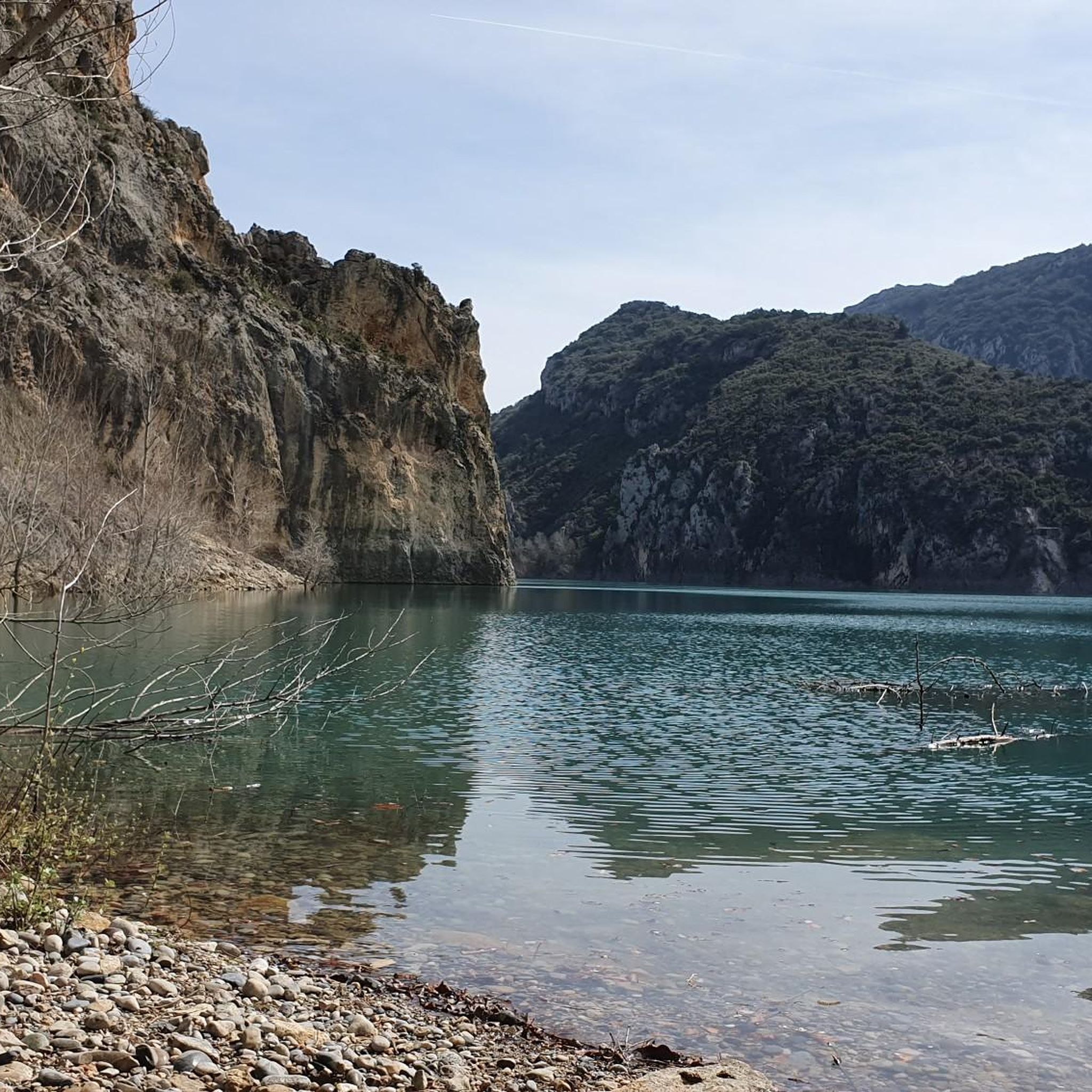
- The most popular attractions is Baldellou Gorge, a gorge that offers a romantic hiking trail between crevices and a small stream. It features information boards about local fauna and flora.
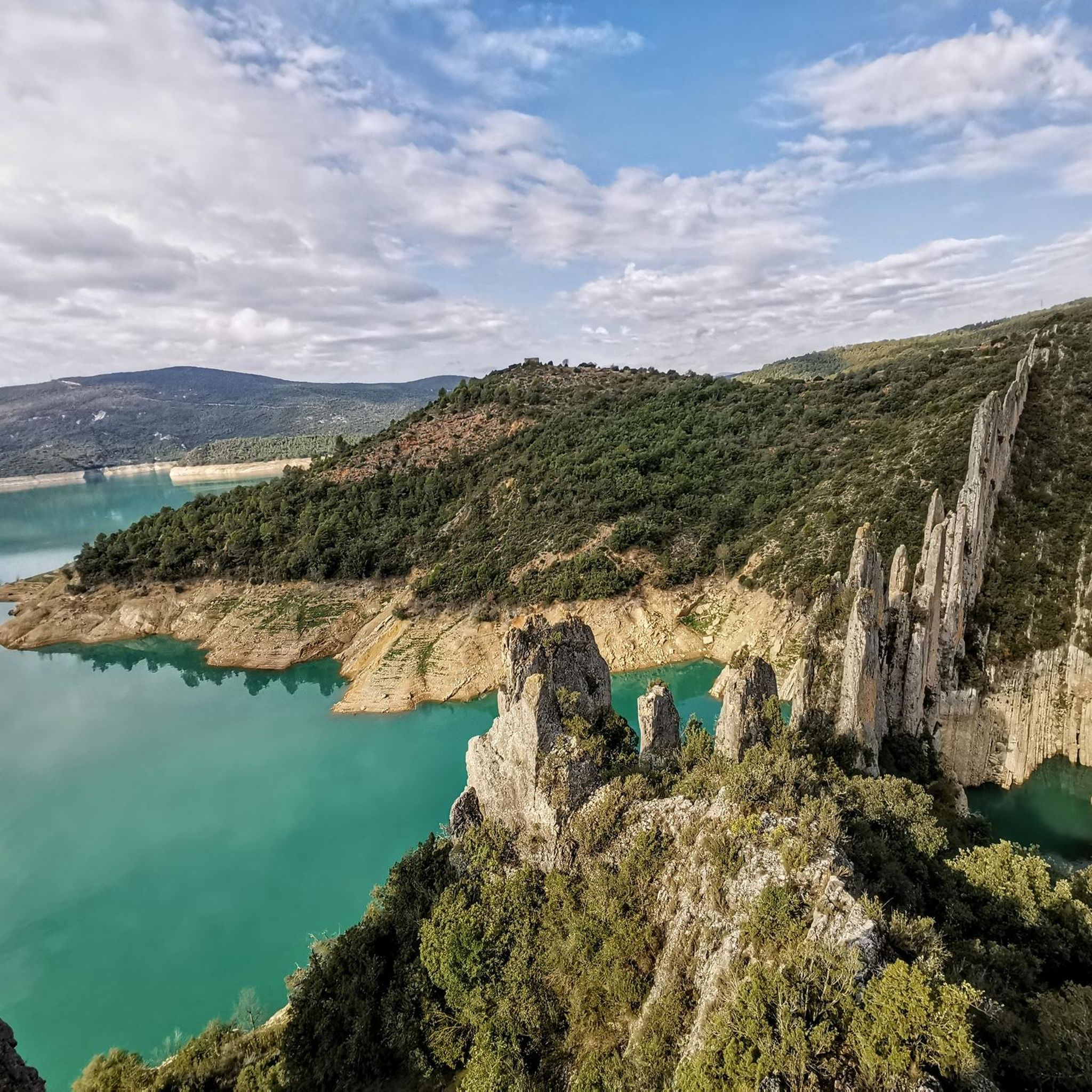
- Another must-see spot is Castillo de la Mora and Monmagastre Hermitage, a castle and historical site with probable Roman origins. It served as a defensive structure and later became the nucleus of the town of Monmagastre.
- Visitors also love Castillonroy, an agricultural and cattle town with a unique legend. It is an ideal starting or finishing point for mountain bike or road bike routes.
- Tamarite De Litera is known for its historical sites, natural landscapes, and cultural events. Visitors can explore ancient castles, significant churches, and unique geological formations.
- The attractions around Tamarite De Litera are appreciated by the komoot community. With 23 upvotes and 16 photos, these spots are popular among explorers.
Last updated: August 30, 2026
Baldellou Gorge
Highlight (Segment) • Gorge
Tip by

Tamarite de Litera
Highlight • Settlement
Translated by Google •
Tip by

Sign up now to discover places like this
Get recommendations on the best single tracks, peaks, & plenty of other exciting outdoor places.
Sign up for free
Castillo de la Mora and Monmagastre Hermitage
Highlight • Castle
Of probable Roman origin (Magnum Castrum or "Big Castle"), it was later reused by the Muslims (Mamacasra) for the line of defenses of Lleida against the county of Ribagorza, until it was conquered in 1083 by Ermengol IV of Urgel. The castle, which changed hands, was the nucleus of the town of Monmagastre, until it was depopulated at the end of the Middle Ages.2 In the 15th century it passed into the hands of the Lanuza family.
Translated by Google •
Tip by

Castillonroy
Highlight • Settlement
Translated by Google •
Tip by
Hermitage of the Holy Martyrs
Highlight • Religious Site
Translated by Google •
Tip by

Sign up for free to discover even more attractions around Tamarite De Litera.
Sign up for free
Already have an account?
Start today with a free account
Your next adventure awaits.
Login or Signup

Tips from the Community

Easy and fresh, it can be done with children and with dogs. But it is appreciated that they are on a leash -/-leash-/-/ so as not to stop at the crossing of some backwater where the dog is bathing and you have to wait for them to pick up the dogs to pass with the children.
0
0

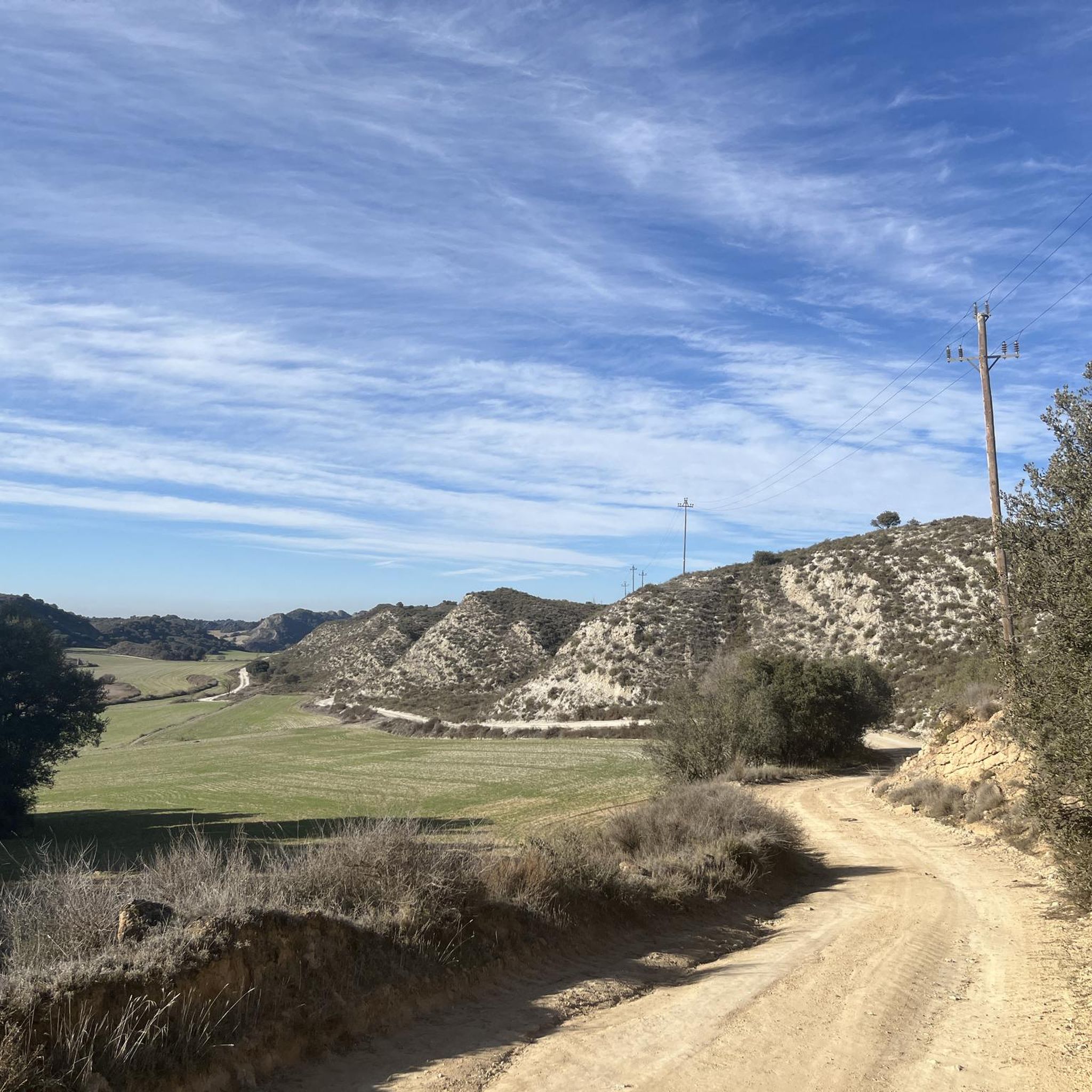
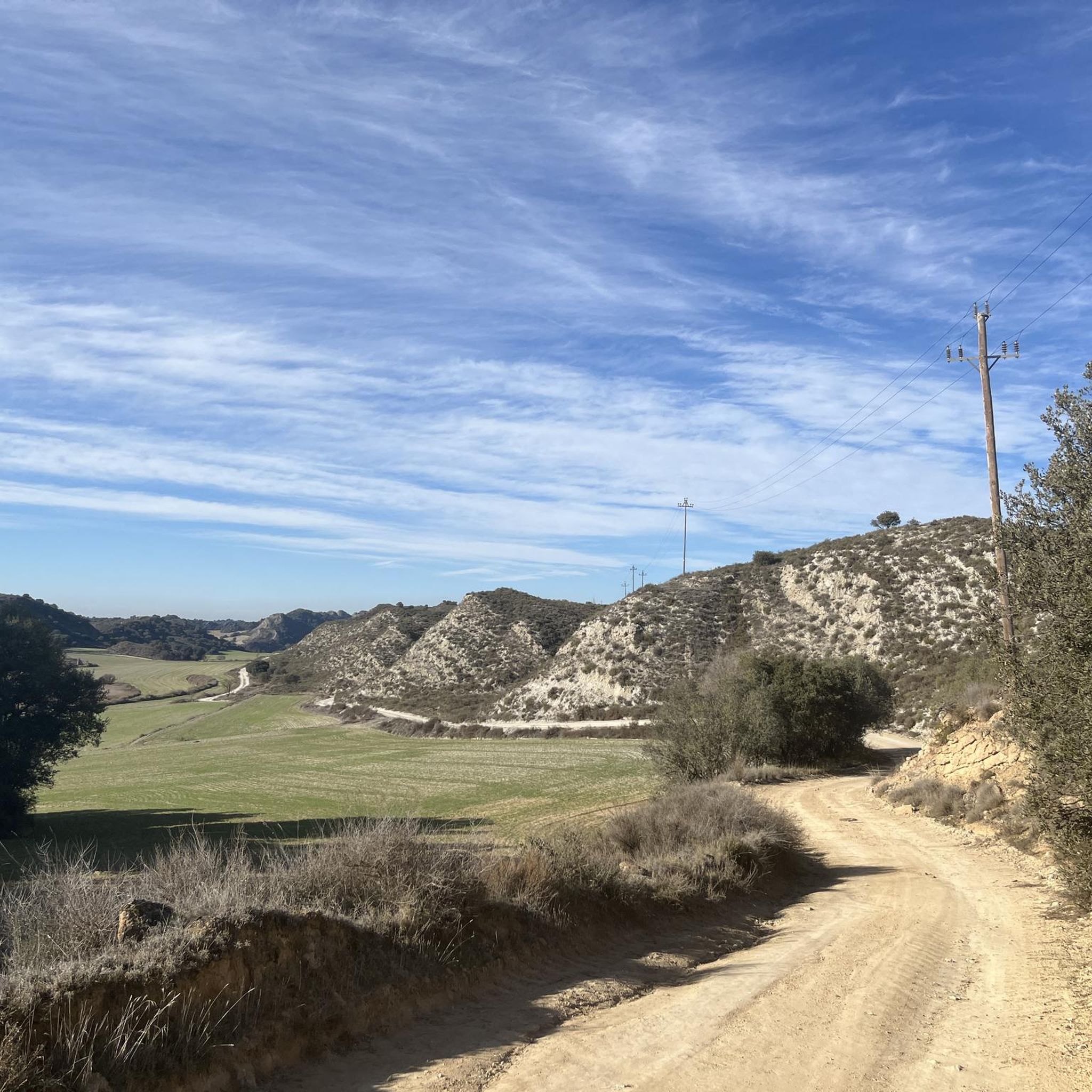
An exceptional village where you can start and finish mountain bike or road bike routes.
0
0

The cultural capital of the La Litera region, Tamarite is a town with historic charm, medieval streets, remains of city walls, old doorways, and stately homes. Highlights include the Gothic church of Santa María la Mayor and its traditional urban layout. Bilingual (Spanish/Catalan), it is ideal as a starting, stopping, or finishing point for MTB or gravel routes through the Pre-Pyrenees, with access to rural roads, ravines, and open fields in the eastern Somontano.
0
0

Castillo de la Mora or Castillo de Monmagastre is a castle located about 2 kilometers south of the town of Peralta de la Sal. Of probable Roman origin (Magnum Castrum or "Big Castle"), it was later reused by the Muslims (Mamacasra) for the line of defenses of Lleida against the county of Ribagorza, until it was conquered in 1083 by Ermengol IV of Urgel. The castle, which changed hands, was the nucleus of the town of Monmagastre, until it was depopulated at the end of the Middle Ages.2 In the 15th century it passed into the hands of the Lanuza family.
0
0

First town in Aragon following the route from Alfarràs. Place of passage where you can make a technical stop to refuel and load water.
1
0

Agricultural and cattle town with a united community. Legend has it that on top of the reddish rocks that preside over the town lived a dragon (or some kind of winged monster) that devastated the crops. One night of San Juan, the neighbors rebelled against Dugo, the dragon, they set fire to his cave and killed him. Next to his cave there was a small castle, which together with the reddish color of the rocks created the name of Castillonroy.
1
0
In this town the Festival of the Carpets is celebrated every year during Corpus Christi. Many locals participate in the creation of intricate floral patterns in a half kilometer length that runs through the village. For them they use sawdust dyed in different colors.
2
0

Bring drinking water, there are no fountains and trekking shoes, section 3 and 4 is on the road going up
0
0
Frequently Asked Questions
What historical sites can I explore in and around Tamarite de Litera?
Tamarite de Litera offers a rich historical tapestry. You can explore the town's old quarter with its medieval streets and stately homes like Casa Cariello. Key historical sites include the significant Romanesque temple, Excolegiata de Santa María la Mayor, and the archaeological remains of the Islamic-era Castillo de los Moros. Further afield, visit the Castillo de la Mora and Monmagastre Hermitage, a site with probable Roman origins that served as a defensive structure.
Are there any significant natural attractions near Tamarite de Litera?
Yes, the region boasts several natural points of interest. The Baldellou Gorge is a popular spot, offering a romantic hiking trail between crevices and a small stream, with information boards about local fauna and flora. You can also explore the unique geological landscapes of the Cordillera de la Gessa, also known as the "Yesos de Barbastro," which is a designated Place of Community Importance.
What cultural events are notable in Tamarite de Litera?
Tamarite de Litera is particularly renowned for its Corpus Christi Festival. During this celebration, the town's streets are adorned with beautiful, intricate carpets made from colored sawdust and flower petals, transforming the town into a vibrant spectacle. This tradition is considered a festival of tourist interest in Aragon.
Are there family-friendly activities or places to visit in the area?
The town of Castillonroy, an agricultural and cattle town, is considered family-friendly. The main settlement of Tamarite de Litera itself, with its historic charm and medieval streets, offers a pleasant environment for families to explore together. The Baldellou Gorge also features information boards about local fauna and flora, which can be engaging for children.
What kind of outdoor activities can I do near these attractions?
The area around Tamarite de Litera is excellent for various outdoor activities. You can find numerous cycling routes, including road cycling and touring bicycle options, as well as challenging mountain bike trails. For detailed routes and guides, explore the Road Cycling Routes around Tamarite De Litera, Cycling around Tamarite De Litera, and MTB Trails around Tamarite De Litera guides.
Are there any specific hiking trails recommended near Tamarite de Litera?
The Baldellou Gorge offers a romantic hiking trail. For those interested in longer walks, the region provides access to the protected landscape of the Paisaje zona LIC, Anticlinal Barbastro-Balaguer. Additionally, a branch of the Camino de Santiago Catalán (or Camino de Montserrat) passes through Tamarite de Litera, offering a historical walking route.
What do visitors enjoy most about Tamarite de Litera?
Visitors appreciate the blend of historical charm and natural beauty. The town of Tamarite de Litera itself is noted for its medieval streets, old doorways, and stately homes. The Baldellou Gorge is a popular highlight, especially for its scenic trail and opportunities for a refreshing dip in the stream. The community also enjoys the unique cultural experience of the Corpus Christi Festival.
Can I find any religious buildings or hermitages to visit?
Yes, Tamarite de Litera has several significant religious sites. The Excolegiata de Santa María la Mayor is a prominent Romanesque temple. You can also visit the Hermitage of Santo Toribio, dedicated to the patron saint of nearby Baells, which is a good spot for a break on local routes. The Castillo de la Mora and Monmagastre Hermitage also includes a religious building alongside the historical castle.
Are there any viewpoints offering scenic vistas?
The Castillo de la Mora and Monmagastre Hermitage is noted as a viewpoint, offering panoramic views of the surrounding landscape. The Hermitage of Santo Toribio also provides a good area to take in the scenery.
What is the best way to explore the town of Tamarite de Litera itself?
The best way to explore Tamarite de Litera is by walking through its old quarter. The narrow, steep streets allow you to discover its historical charm, including various stately homes and the area of the old Jewish quarter near Sant Benet street. It's an ideal starting or stopping point for cycling routes through the Pre-Pyrenees.
Are there any lesser-known or 'hidden gems' in the area?
While not strictly hidden, the archaeological sites of Los Castellassos and La Vispesa offer a deeper dive into the region's ancient past, with vestiges of Iberian and Roman presence, including Iberian houses, a cistern, Roman mosaics, and the Vispesa Stele. These sites provide a unique perspective beyond the more commonly visited attractions.
Most popular routes around Tamarite De Litera

Get inspired with the komoot mobile app


Explore more
Still not found the Highlight you’re looking for? See guides of the top attractions in other regions:
