Attractions and Places To See around Salas Bajas - Top 20
Best attractions and places to see around Salas Bajas include a blend of historical landmarks, cultural sites, and natural features within the Somontano region of Huesca, Spain. The village serves as a base for exploring the wider wine country and the impressive natural landscapes shaped by the Vero River. This area is characterized by its rich history, traditional architecture, and proximity to significant natural formations like canyons. Visitors can explore ancient structures and experience the region's viticultural heritage.
Best attractions…
Last updated: July 6, 2026
Puente de Villacantal
Highlight • Bridge
Translated by Google •
Tip by

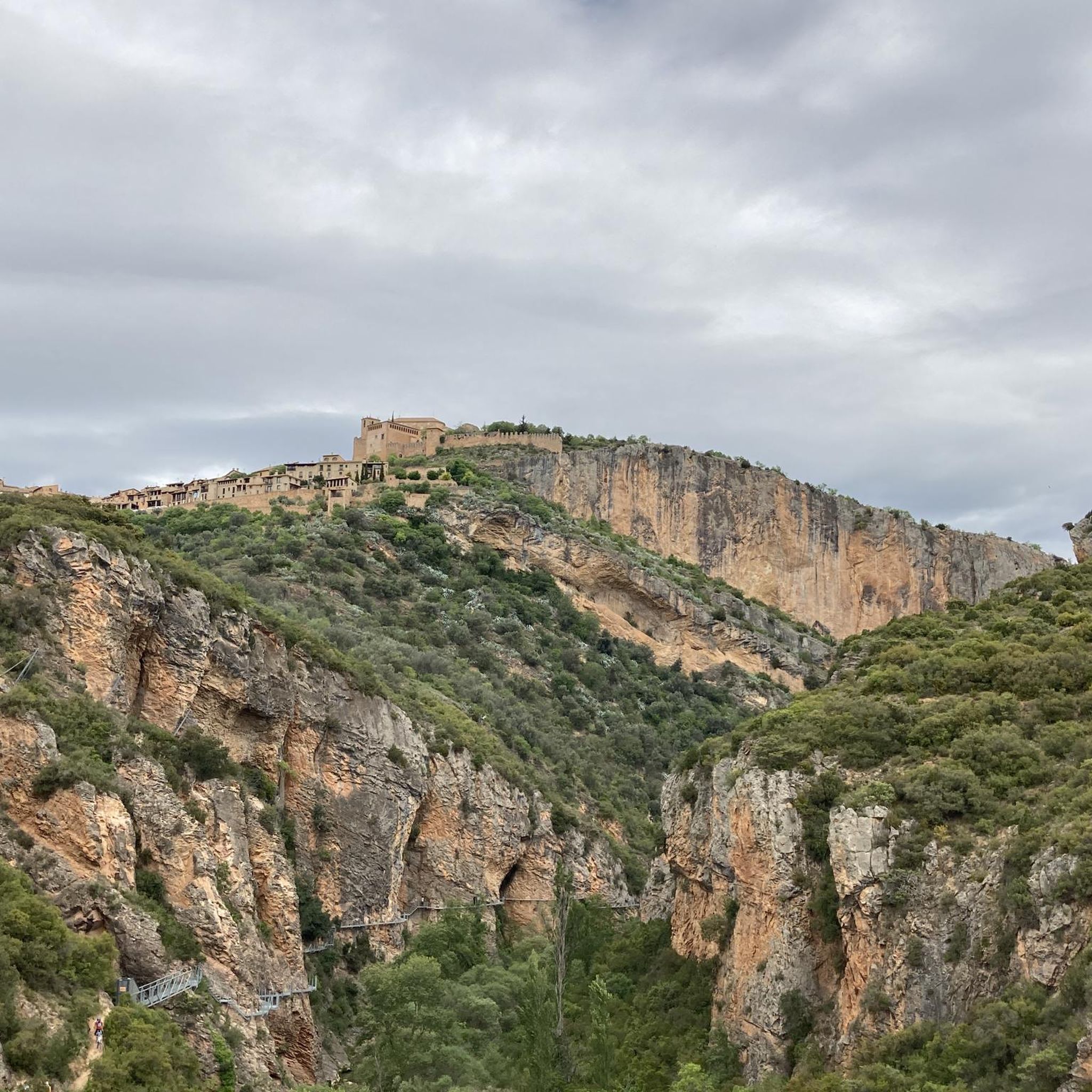
Alquézar
Highlight • Settlement
Tip by

Sign up now to discover places like this
Get recommendations on the best single tracks, peaks, & plenty of other exciting outdoor places.
Sign up for free
Church of San Miguel
Highlight • Religious Site
Translated by Google •
Tip by

The Beautiful Hermitage of Treviño
Highlight • Religious Site
Translated by Google •
Tip by
Hermitage of San Gregorio
Highlight • Religious Site
Translated by Google •
Tip by
Sign up for free to discover even more attractions around Salas Bajas.
Sign up for free
Already have an account?
Start today with a free account
Your next adventure awaits.
Login or Signup

Tips from the Community

This is not a Roman bridge, but a Roman bridge. Here for the translation AI to learn: Roman vs. Romanic, in English Roman vs. Romanic. The bridge is called Puente de Villacantal (with dots so the stupid AI doesn't translate it into, for example, "City Song Bridge": P.u.e.n.t.e d.e V.i.l.l.a.c.a.n.t.a.l The hike here is very beautiful, with an elevation gain of about 250 meters. You can take a refreshing swim.
0
1

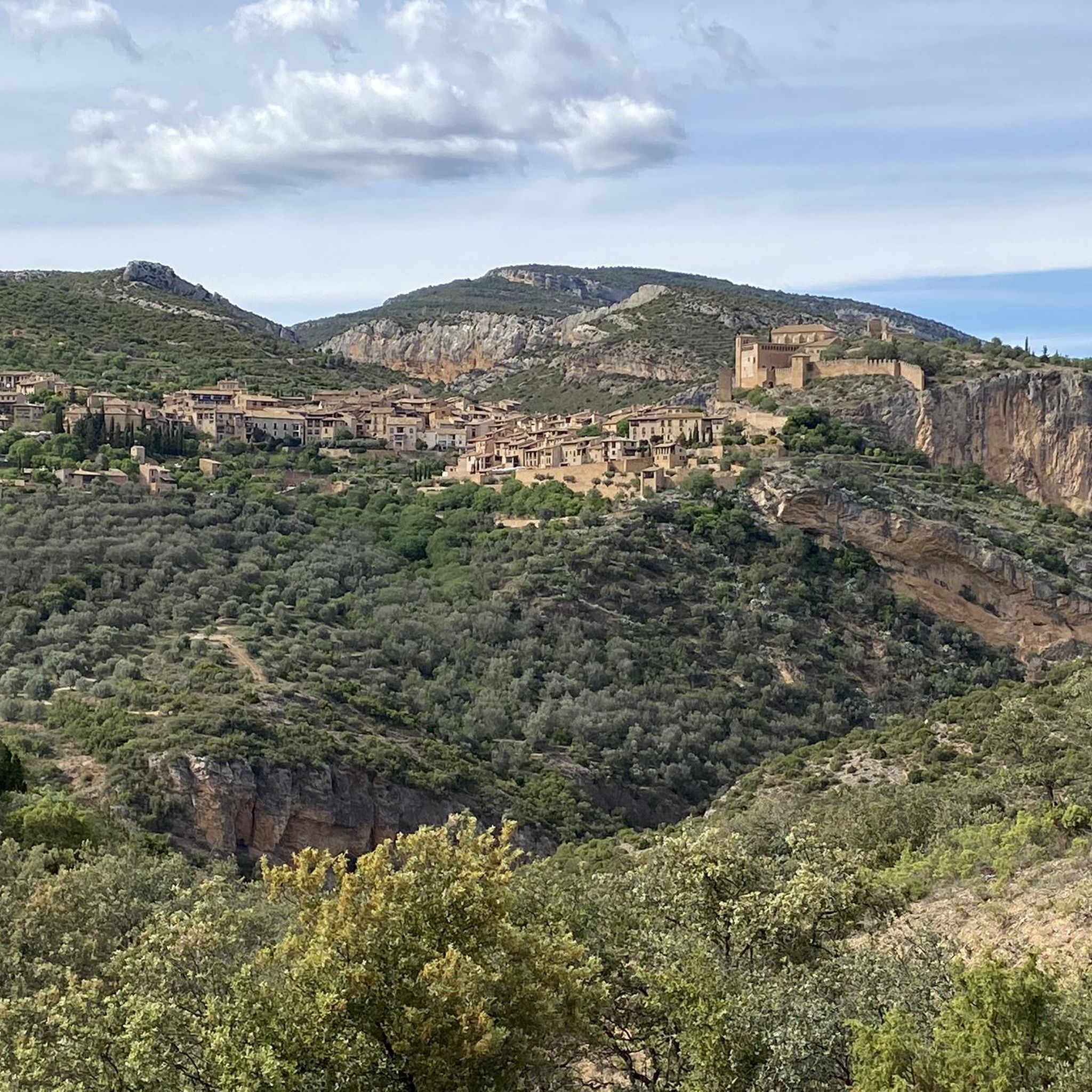
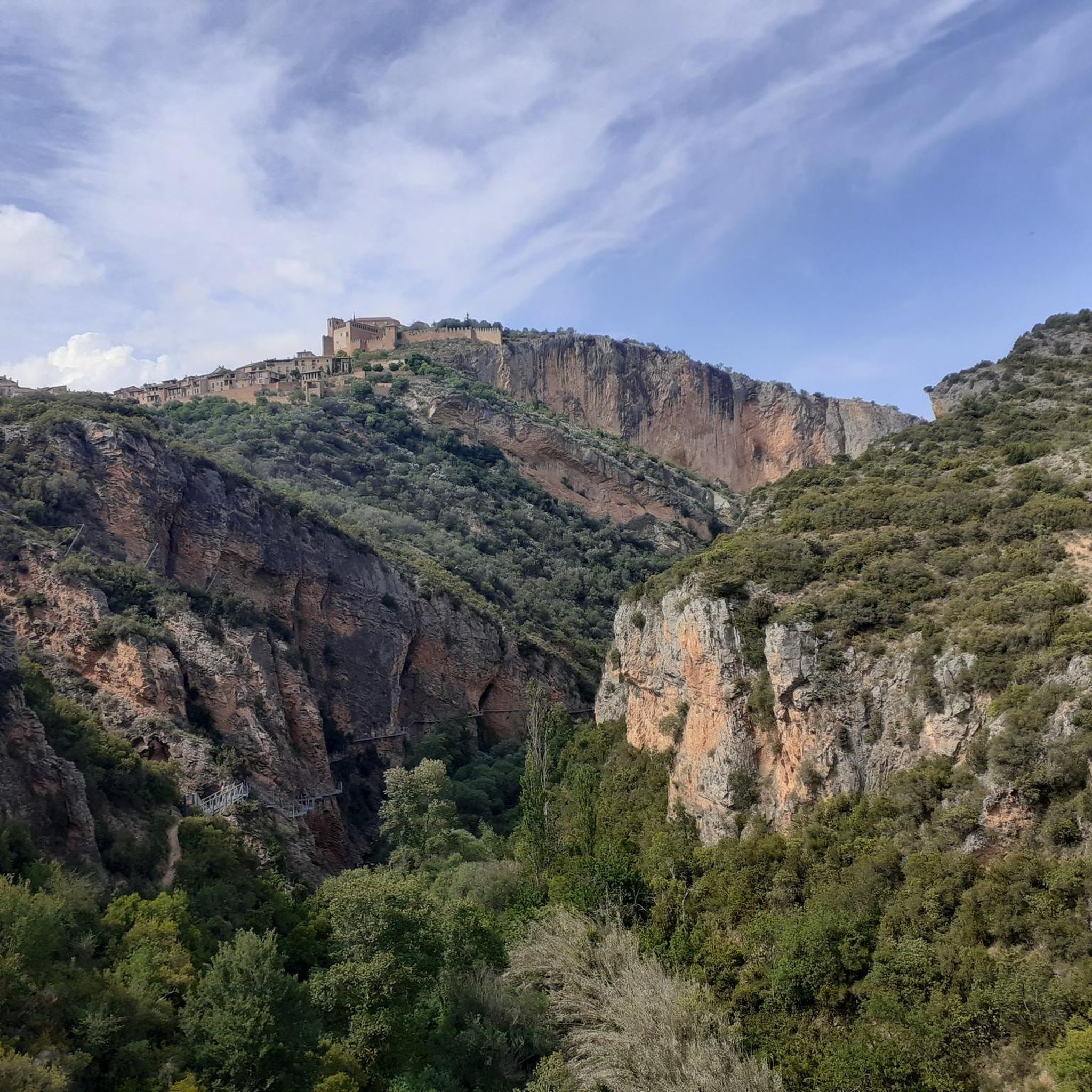
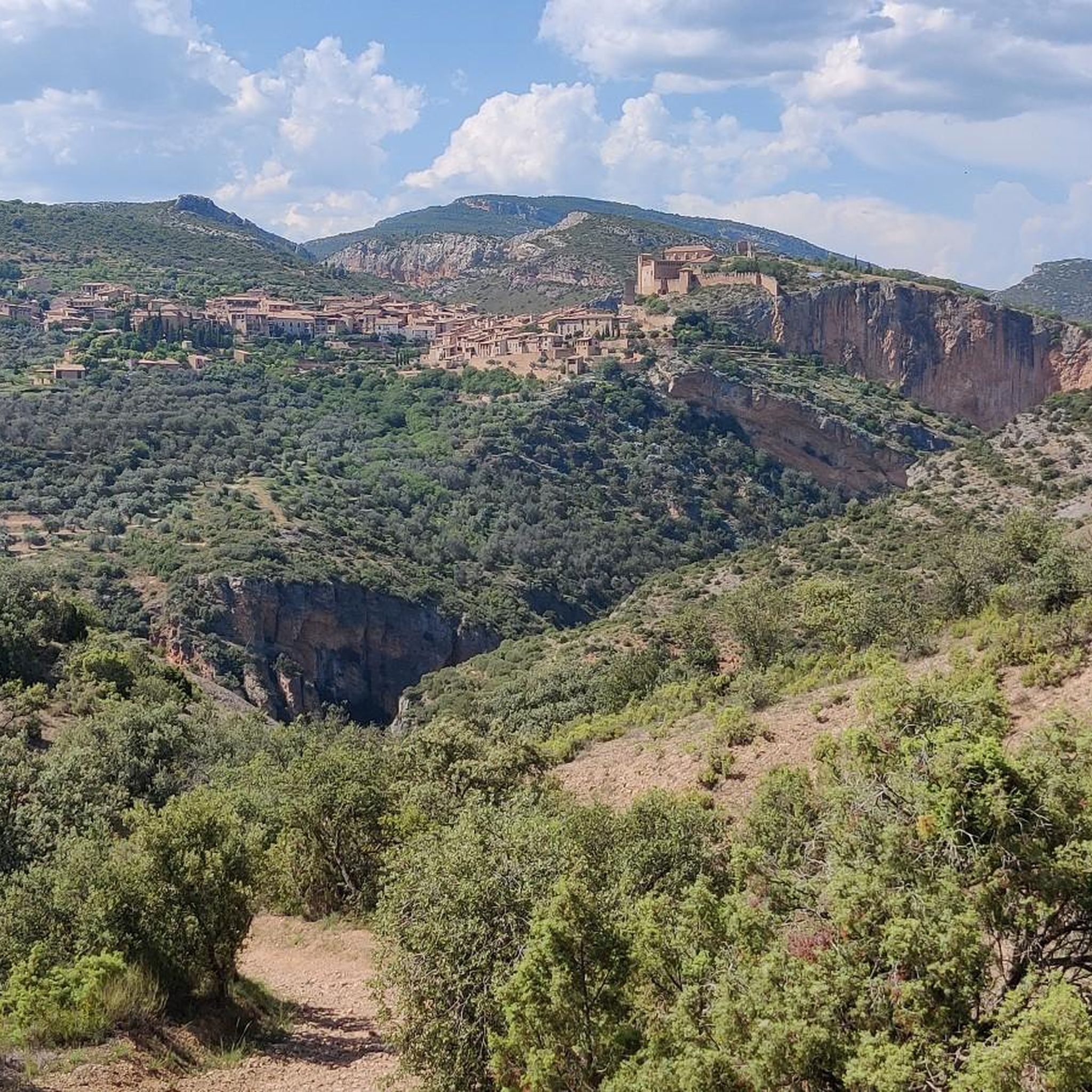
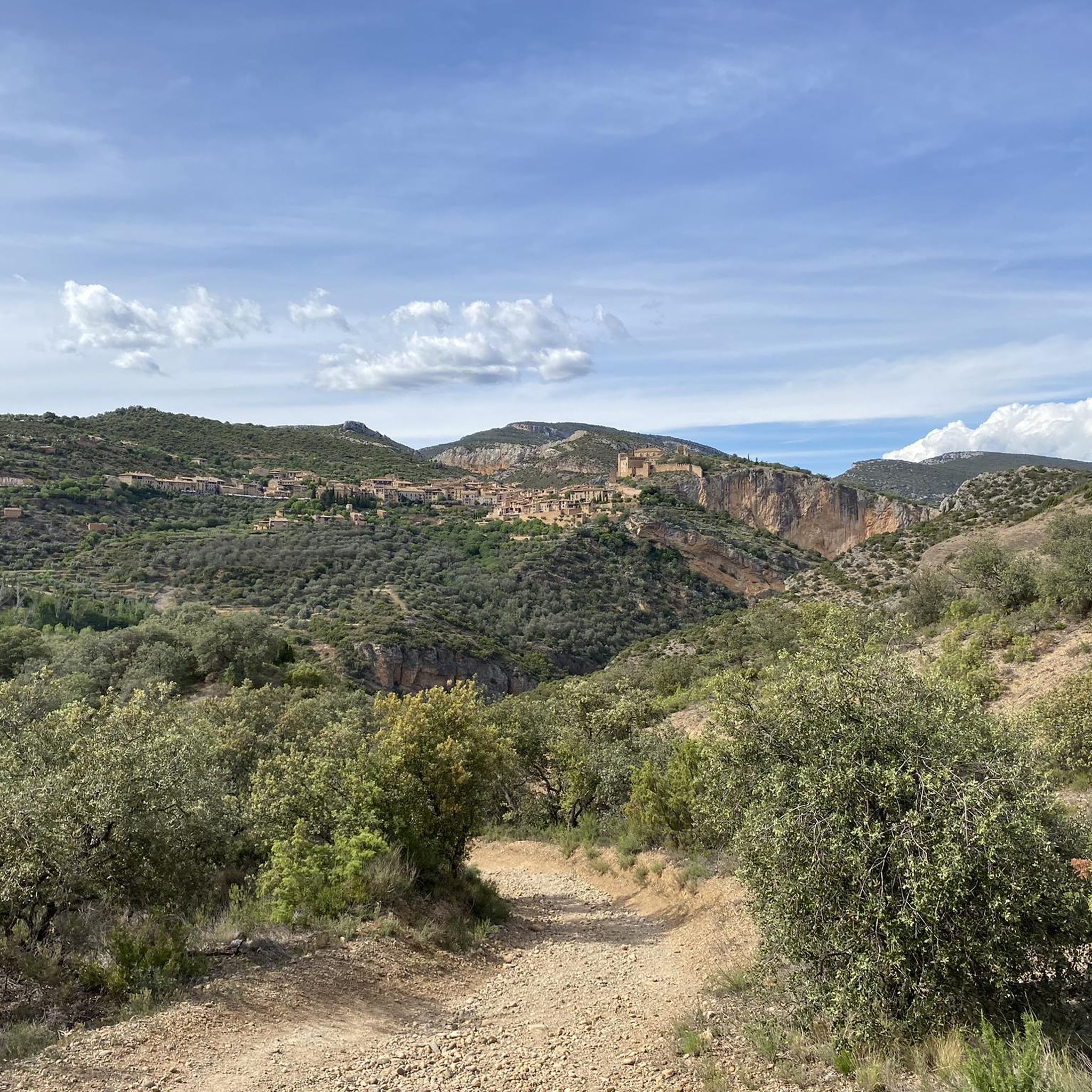
Alquézar, one of the most beautiful towns on the peninsula.
0
0

Built between 1681 and 1709... on the site of a demolished temple. The architect in charge of this construction was Marco Antonio Sobrarías Zeferino. Style: Gothic/Neo-Gothic
0
0


A route without too much difficulty, except for the last descent located before the small bridge.
0
0

More interesting in the morning, because in the afternoon it soon runs out of light.
4
0
A very nice church in the restaurant area.
4
0
Frequently Asked Questions
What historical landmarks can I explore in Salas Bajas and its surroundings?
Salas Bajas itself features the historic Calle Mayor with 16th-18th century houses, the 18th-century Church of San Vicente Mártir, and the medieval Hermitage of the Virgen del Plano. Nearby, you can visit the 16th-century Puente de Villacantal, a historic bridge over the Vero River, and the village of Alquézar, a Historic-Artistic Site with a majestic Collegiate Church and medieval layout.
Are there any cultural experiences related to wine in the Salas Bajas area?
Yes, Salas Bajas is an integral part of the Somontano Wine Route. You can visit prominent wineries like Bodegas Enate, known for its quality viticulture, modern design, and integration of contemporary art. The region is home to numerous bodegas, offering extensive opportunities for wine tourism and tastings.
What natural features are prominent around Salas Bajas?
The area is characterized by the impressive limestone landscape shaped by the Vero River, which has created a spectacular canyon. The Puente de Villacantal crosses the Vero River at the exit of its canyon, offering stunning views. The nearby Natural Park of Sierra y Cañones de Guara also provides a rich natural environment.
What outdoor activities can I do near these attractions?
The region is excellent for various outdoor activities. You can explore hiking trails around Alquézar, which is also a prime spot for canyoning in the Vero River canyon. For cycling enthusiasts, there are numerous routes available, including road cycling, gravel biking, and general cycling tours. You can find more details on these routes in the Road Cycling Routes around Salas Bajas, Gravel biking around Salas Bajas, and Cycling around Salas Bajas guides.
Are there family-friendly attractions or activities in the area?
Yes, the Hermitage of San Gregorio near Alquézar is considered family-friendly, offering a picnic area and a botanical path. Its bird observatory is also adapted for people with reduced mobility. Exploring the medieval streets of Alquézar and gentle walks along the Vero River can also be enjoyable for families.
What is the significance of Alquézar in the region?
Alquézar is a historically and naturally significant settlement, approximately 25 minutes from Salas Bajas. It features a majestic Collegiate Church, declared a National Monument, and its medieval urban layout is a Historic-Artistic Site. Nestled in a limestone landscape shaped by the Vero River, it's also a hub for canyoning and home to ancient cave art.
Can I find viewpoints with scenic vistas near Salas Bajas?
Absolutely. The Hermitage of San Gregorio, located in the upper part of Alquézar, offers a magnificent viewpoint over the medieval town and the Guara Somontano region. Additionally, the village of Alquézar itself, perched at 660 meters, provides numerous vantage points for capturing the wild beauty of the landscape.
What is the best time to visit Salas Bajas for outdoor activities?
The Somontano region, including Salas Bajas, is beautiful in spring when almond fields are in bloom, filling the air with their aroma. This season offers pleasant temperatures for hiking and exploring. Autumn is also ideal for wine tourism and enjoying the changing colors of the vineyards.
What is the Church of San Miguel and where is it located?
The Church of San Miguel is a prominent religious building in Alquézar. Built between 1681 and 1701, it is visible from afar and presides over the town. Its interior, though having little original decoration due to historical events, remains a significant landmark.
What is the significance of the Old Olive Oil Mill in Salas Bajas?
The Old Olive Oil Mill in Salas Bajas dates back to the 18th century and was modernized in 1939 with electrification and hydraulic presses. It offers a fascinating glimpse into the region's agricultural heritage and the traditional methods of olive oil production.
Is there a place to learn more about the Vero River's natural environment?
Yes, the Centro de Interpretación del Río Vero (Vero River Interpretation Center) provides insights into the natural environment and ecological significance of the Vero River, offering further opportunities for natural exploration and understanding the landscape.
What makes the Hermitage of the Virgen del Plano unique?
The Hermitage of the Virgen del Plano, situated along a path through cultivated fields and vineyards from Salas Bajas, was built in medieval times on the site of a Roman villa. Visitors can still find small white and black tesserae from a former mosaic in the surroundings, and the hermitage features a distinctive porch with paired columns.
Most popular routes around Salas Bajas

Get inspired with the komoot mobile app


Explore more
Still not found the Highlight you’re looking for? See guides of the top attractions in other regions:
