The best walks and hikes around Senyera
4.6
(141)
1,013
hikers
71
hikes
Hiking around Senyera offers access to diverse landscapes, characterized by agricultural plains, gentle hills, and historical routes. The region features accessible trails, including sections of old railway lines converted into natural paths suitable for walking. Nearby natural attractions like Anna's Lake and Gorgo De La Escalera provide additional scenic points of interest for outdoor enthusiasts. The area's terrain is generally mild, making it suitable for various hiking abilities.
Best hiking trails around Senyera
- The most popular hiking route is High…
Last updated: October 11, 2026
20
hikers
10.8km
02:51
100m
100m
Moderate hike. Good fitness required. Easily-accessible paths. Suitable for all skill levels.
4.7
(3)
13
hikers
13.6km
03:45
220m
220m
Moderate hike. Good fitness required. Easily-accessible paths. Suitable for all skill levels.

4.0
(2)
14
hikers
6.72km
01:51
110m
110m
Easy hike. Great for any fitness level. Easily-accessible paths. Suitable for all skill levels.
4.0
(1)
6
hikers
5.30km
01:39
200m
200m
Easy hike. Great for any fitness level. Easily-accessible paths. Suitable for all skill levels.
7
hikers
Moderate hike. Good fitness required. Easily-accessible paths. Suitable for all skill levels.
Get access to more routes and recommendations from other explorers.
Already have an account?
Our route recommendations are based on thousands of hikes, rides, and runs completed by other people on komoot.
Start today with a free account
Your next adventure awaits.
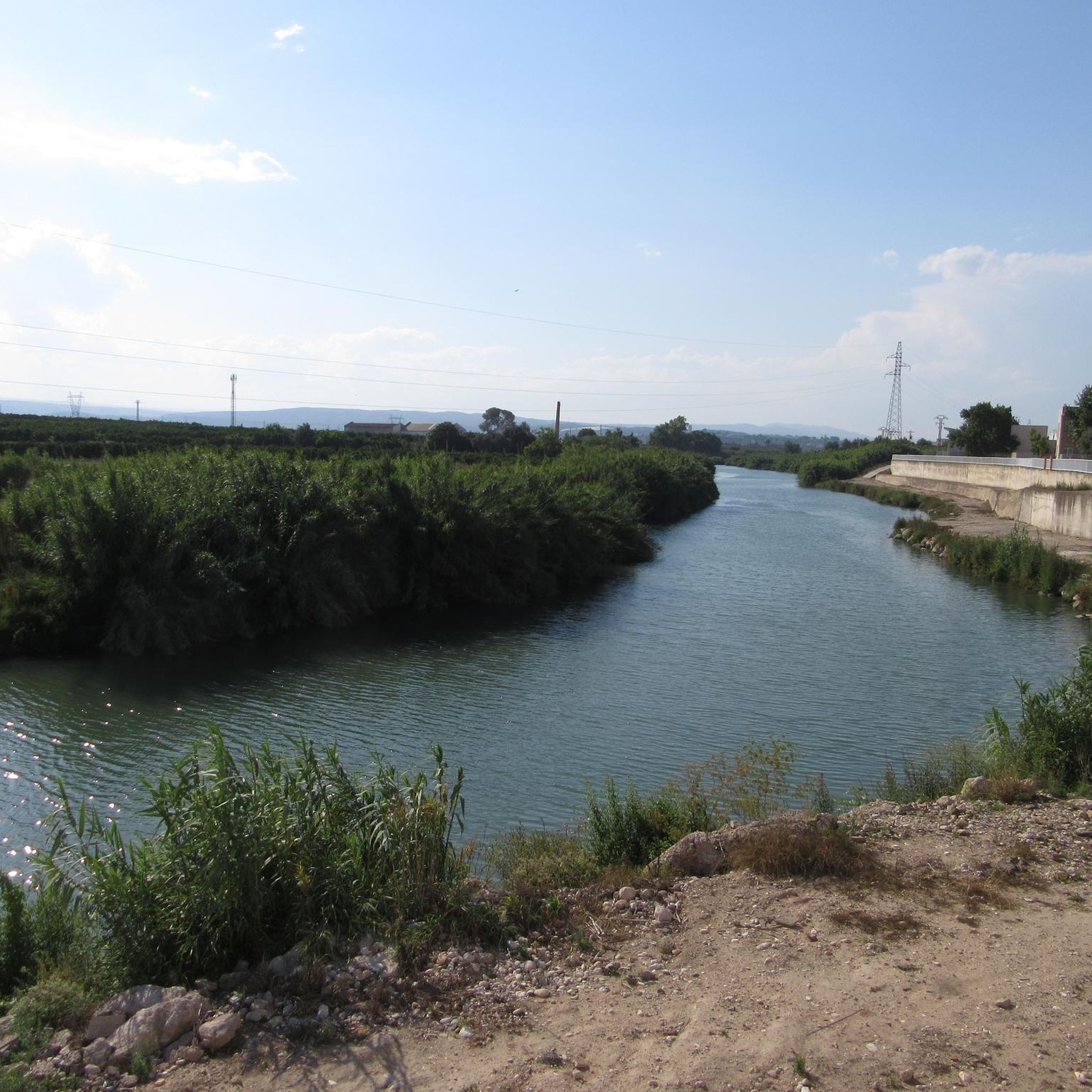
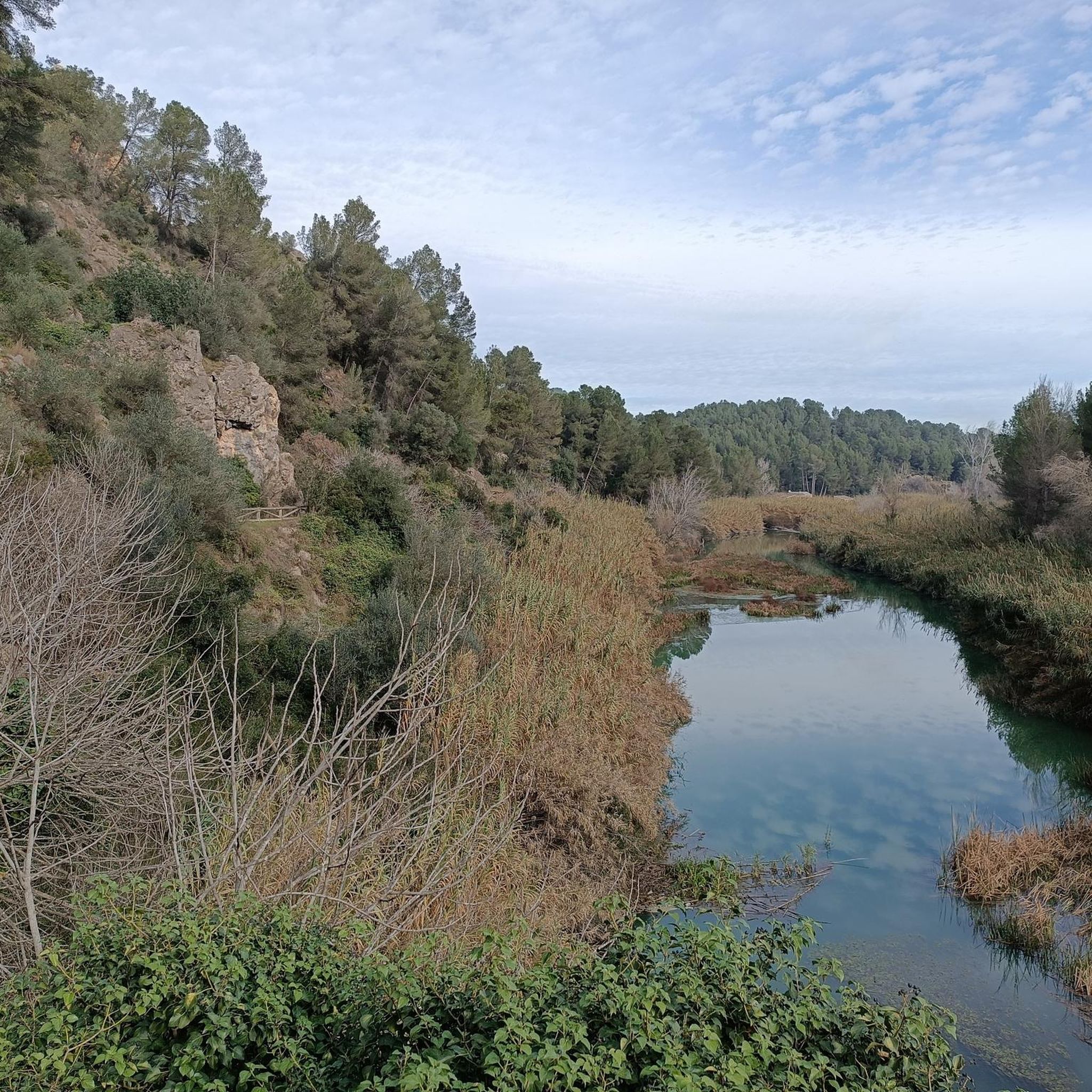
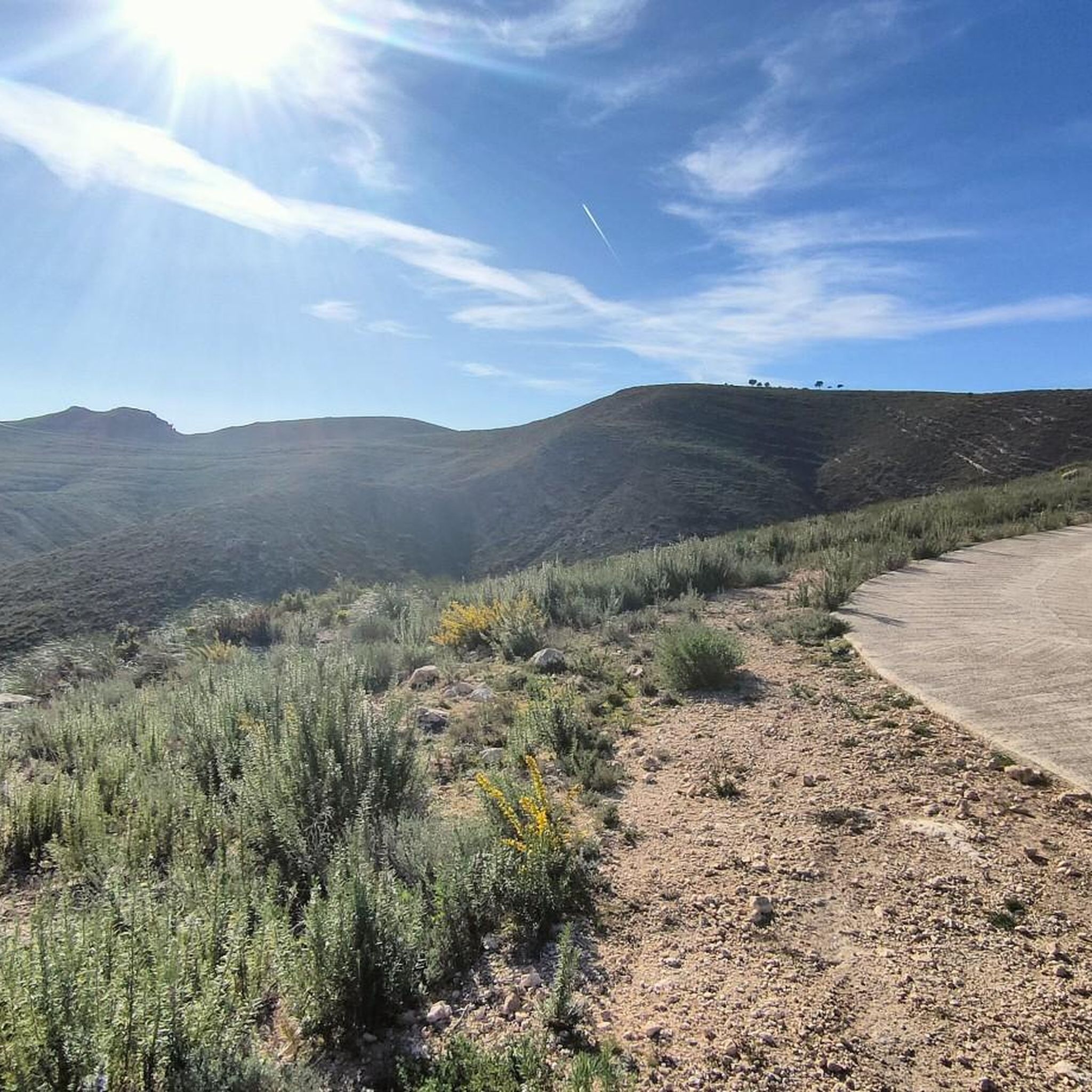
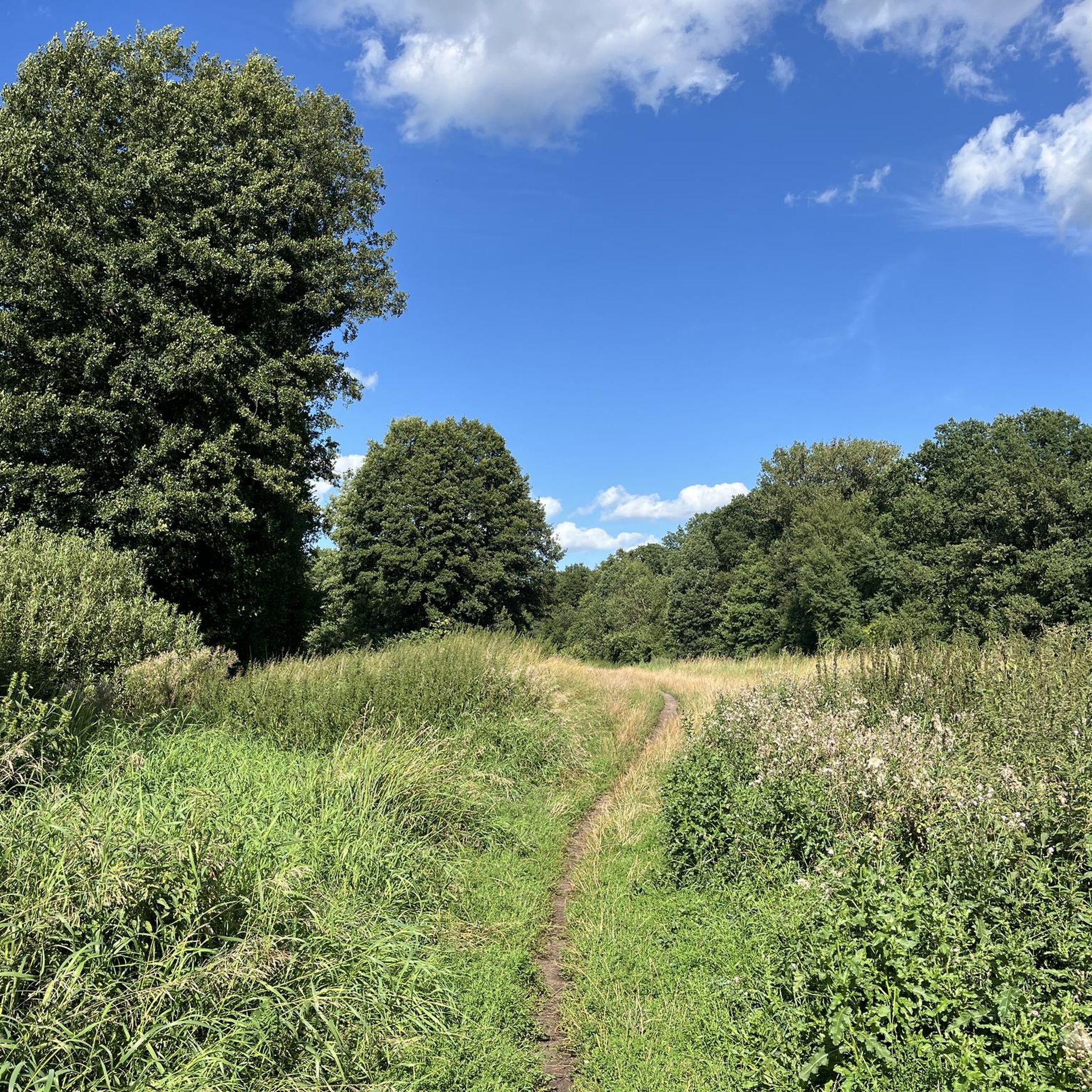

Tips from the Community

The temperature was just below 30 degrees and that was fine for this walk, which was most of the time in the sun. The first part of the walk was more challenging than the second part. In this case that was good because of the temperature. There were no other people taking this walk, so it was very quiet. There were some nice views to other places like Xativa.
2
0

The Quatre Camins quarry, also known as the Llosar dels Francs, is an archaeological site 500m away. of the Roman villa, known as Villa Cornelius, located in Partida dels Franks. These are quarries that, according to some scholars (such as the archaeologist Miquel Ramon Martí), could be considered the most important of the Roman period in the Iberian Peninsula. The commercialization of the marble extracted from these quarries was the main source of wealth for the Iunii family, of the Galeria Tribe, owners of the plantation and the Cornelius town. The transport of the stone was done through the carriladas, that is to say, grooves in the rocks that channeled the wheels of the carts, which can still be seen on the road that leads from Énova to Barxeta. The planter has preserved marks that show that the marble was extracted forming rectangular blocks. These large blocks were transported in oxcarts to the town, where the work of stonemasons or stonemasons continued, who would fragment them and shape them into specific pieces, according to the order that needed to be served. This marble was used to make tombstones, monuments of different sizes and even slabs to pave the Roman theater in Zaragoza or the plinths of the Romanesque door of the Cathedral of Valencia.
1
0
Beautiful panoramic views of the entire region. The hermitage of Santa Anna is located on the so-called peak of the mountain of Santa Anna (at about 345 m above sea level), in the municipality of the town of Llosa de Ranes. The current construction dates from the 16th century, but there are reports from the 15th century (possibly before 1377). From the hermitage you can see great views of the entire Ribera del Xúquer and the Costera region. In fact, on clear days you can see part of the Mediterranean or, even, the border of the Valencian Community with Castilla-La Mancha-, both from the viewpoint next to the chapel itself and from the first viewpoint that it is under the temple, where there is a huge wind rose carved in stone with indications of the different cardinal points and towns of Valencia, the Valencian Community and some cities in Spain.
1
0
It is advisable to take advantage of rail transport to travel to the starting point of the planned routes on foot or by bike. From L'Énova you can take interesting routes on foot through its territory and also by bike through the regions of Ribera and Costera.
2
0
Underground passage to cross the train tracks on foot or by bike.
2
0
Villa Cornelius is a Roman villa, located in the municipality of l'Énova, in the region of Ribera Alta, in an area known as "Els Alters". The discovery of the site was due to chance, since the remains of the villa were found when, in September 2003, work began prior to the construction of the AVE Madrid- Valencia. It is a rural villa, between 2,600 and 3,000 square meters, located very close to the Via Augusta (on a plain between the river Sucro (Xúquer) and its tributary the river Magre) and the old Saetabis (Xàtiva), in the Tarraconensis province, belonging to the patrician Publius Cornelius Iuniani (whose name had to give rise to the toponym of the later population, Iunianus). The villa was built at the end of the 1st century AD (specifically between the years 65 and 75) and ended its use in the second quarter of the 5th century AD. Throughout this period, in which the villa was dedicated to the exploitation and processing of flax, several reforms were carried out both in the house and in the production area. It had to be abandoned enough that part of the roof of the residential buildings fell and remained on the floors (which contained mosaics), sealing them and allowing their conservation to this day. At present, the villa is covered again, after having extracted valuable mosaics.
2
0
Also known as Llosar dels Francs, in this Roman marble quarry you can distinguish the rectangular blocks that were later loaded onto bullock carts to transport them.
2
0
El Pi d'Ambrosio is a natural site of great environmental value, much appreciated by all the residents of L'Énova. Place, where people usually go to spend the day and get in touch with nature. Currently, this area is minimally conditioned with approved paellers, as well as several drinking water sources.
2
0
Frequently Asked Questions
What types of hiking trails can I find around Senyera?
Senyera offers a variety of trails, from easy strolls across agricultural plains to moderate climbs through gentle hills. Many routes utilize converted old railway lines, providing accessible paths suitable for both hiking and cycling. There are over 50 hiking routes in the area, with a good mix of easy and moderate options.
Are there any easy, family-friendly hikes near Senyera?
Yes, Senyera has several easy routes perfect for families. For example, the View of Carcaixent loop from Carcaixent is an easy 7.8 km path that takes about 2 hours, offering gentle gradients and scenic views. Another accessible option is the Hermitage of Santa Anna loop from la Llosa de Ranes, a 5.3 km trail that can be completed in about 1 hour 40 minutes.
What are some notable natural features or landmarks to see while hiking?
The region is rich in natural and historical points of interest. You can explore sections of the Natural Trail of the Old Little Train, which follows an old railway line through beautiful scenery. Nearby, you'll find natural attractions like Anna's Lake and Gorgo De La Escalera. For historical sites, the imposing Castell de Xàtiva is a must-visit, offering commanding views.
Are there any circular hiking routes available in the Senyera area?
Yes, many of the hiking routes around Senyera are circular, allowing you to start and end at the same point. Popular loop trails include the moderate High Cross – Pi d'Ambrosio loop from L'Ènova - Manuel, which is 13.6 km, and the easier View of Carcaixent loop from Carcaixent, at 7.8 km.
What is the best time of year to go hiking in Senyera?
The Valencia region, including Senyera, generally enjoys a mild Mediterranean climate. Spring (March to May) and Autumn (September to November) are often considered the best times for hiking, as temperatures are pleasant and the landscapes are vibrant. Summers can be hot, so early morning or late afternoon hikes are recommended, while winters are generally mild.
What do other hikers say about the trails in Senyera?
The hiking routes in Senyera are highly rated by the komoot community, with an average score of 4.7 stars from over 130 reviews. Hikers often praise the diverse terrain, from agricultural landscapes to historical sites, and the accessibility of the converted railway paths. Over 800 hikers have used komoot to explore the area's varied trails.
Are there any longer, more challenging hikes for experienced hikers?
While the area is known for its accessible trails, there are options for longer, moderate hikes. For instance, the Hiking loop from Els Flares is a moderate 18.5 km route that takes nearly 5 hours to complete, offering a more extended experience through the region's varied landscapes.
Can I find any historical sites or castles along the hiking routes?
Absolutely. The region is dotted with historical points of interest. The magnificent Castell de Xàtiva is a prominent historical site nearby, and its vicinity offers opportunities for scenic walks. Other historical highlights include the Collegiate Basilica of Santa María (La Seu) and the Hermitage of Saint Joseph.
What is the typical terrain like on hikes around Senyera?
The terrain around Senyera is generally mild, characterized by agricultural plains, gentle hills, and sections of old railway lines that have been converted into natural paths. While some routes have elevation gain, they are typically not overly steep, making them suitable for various hiking abilities. Most paths consist of gravel lanes, with some sections shared with secondary roads.
Are there any hikes that pass by water features like lakes or waterfalls?
While Senyera itself is not directly known for waterfalls, the region benefits from nearby natural attractions. Fountain of the 25 Spouts is a local highlight. Additionally, natural scenic spots like Anna's Lake and Gorgo De La Escalera are located within a short distance, offering beautiful water features to explore in conjunction with your hiking trips.
How many total hiking routes are available in the Senyera area?
There are over 50 hiking routes available around Senyera, catering to various skill levels. This includes 19 easy routes, 29 moderate routes, and 6 more challenging options, ensuring there's a trail for every preference.
Most popular attractions around Senyera

Get inspired with the komoot mobile app


Explore more
Browse the best Hikes in other regions.
