Attractions and Places To See around Gallegos De Argañán - Top 14
Attractions and places to see around Gallegos De Argañán, a village in the province of Salamanca, Spain, offer a blend of historical sites, cultural insights, and natural landscapes. The area is characterized by diverse cultivation fields and is watered by numerous streams, supporting local agriculture. It features ancient fortified settlements and archaeological remains, providing a glimpse into its prehistoric and Roman past. The region is also suitable for outdoor activities like cycling and hiking.
Best attractions and places to see…
Last updated: July 7, 2026
Castle of Enrique II of Trastámara
Highlight • Castle
Translated by Google •
Tip by

Plaza Mayor Ciudad Rodrigo
Highlight • Historical Site
Translated by Google •
Tip by
Sign up now to discover places like this
Get recommendations on the best single tracks, peaks, & plenty of other exciting outdoor places.
Sign up for free
Plaza del Buen Alcalde
Highlight • Settlement
Translated by Google •
Tip by
Alcázar Gate
Highlight • Castle
Translated by Google •
Tip by
Town Hall
Highlight • Monument
Translated by Google •
Tip by

Sign up for free to discover even more attractions around Gallegos De Argañán.
Sign up for free
Already have an account?
Start today with a free account
Your next adventure awaits.
Login or Signup


Tips from the Community

The Alcázar Gate in Ciudad Rodrigo is one of the historic entrances to the city walls and has great heritage and scenic value. It was opened in 1507 by Antonio del Águila, warden of the Alcázar, when he built the defensive barrier in that area. It is located next to the Castle of Henry II of Trastámara, in the section of the wall facing the Águeda River, known as the Battery, due to the cannons that were once installed there.
4
0
The Plaza Mayor of Ciudad Rodrigo is the historical and social heart of the city, with a rich history that reflects its importance as an urban center: Since the Middle Ages, the Plaza Mayor has been the hub of public life: markets, proclamations, and council meetings were held there in the cloister of the former Church of San Juan. In the 16th century, public butcher shops were built, and it became a consolidated space for commercial and festive activities. Until then, the square was home to the Three Roman Columns, a vestige of the ancient Miróbriga, which had been a symbol of the city since the 13th century. In 1580, the square was expanded, incorporating the space that once housed the old prison and the Audiencia (Courthouse). It even had corridors for watching bullfights, a tradition that continues during carnivals.
7
0
Ciudad Rodrigo's Town Hall is located in the Plaza Mayor and is one of the city's most emblematic buildings. Its history is linked to the urban and political development of Ciudad Rodrigo since the Middle Ages. Medieval Origins: Ciudad Rodrigo was founded in Roman times, but its consolidation as a fortified urban center occurred in the Middle Ages. Municipal government was organized around the council, which initially met in council houses until the current building was built.
1
0
The Puerta del Alcázar is one of the ancient access gates to the walled enclosure of Ciudad Rodrigo. This gate, along with others such as the Puerta del Sol and the Puerta de Santiago, was part of the city's defensive system.
4
0

Historical town from the Middle Ages with a city wall is well worth seeing. We spent one night right in the central square of the city. The square offers several opportunities to eat and sit outside. 👍
0
0

Ciudad Rodirgo is one of the most historically important cities in this area of the Iberian Peninsula. Its alleys, urbanism, walls and churches mean that you cannot miss this beautiful city!
0
0
The Castle of Enrique II of Trastámara is one of the most surprising and best preserved that we can find in the province of Salamanca. It is located in Ciudad Rodrigo, just 30 kilometers from the border with Portugal. Its objective was to defend the entrance to the bridge located over the Águeda river.
10
0

Located in the Plaza Mayor of the town, the City Hall building does not go unnoticed even among so many other majestic ones to see. The building was built in two stages and two architecturally very different periods, the front and the façade date from the first half of the 16th century and the sides were added later in 1923.
1
0
Frequently Asked Questions
What historical and cultural sites can I explore in Gallegos de Argañán itself?
Within Gallegos de Argañán, you can visit the Church of Santiago Apóstol, a 16th-century church with Gothic and Renaissance styles, and the Hermitage of Santo Cristo de la Exaltación, which dates back to 1760. For a glimpse into the region's past, explore the ancient fortified settlement of Castro "La Plaza" or the Ethnographic Museum of Agricultural Tools, showcasing traditional rural life. The area also has Roman and Vetton archaeological remains, including ancient stone sculptures known as "verracos".
Are there any significant archaeological sites near Gallegos de Argañán?
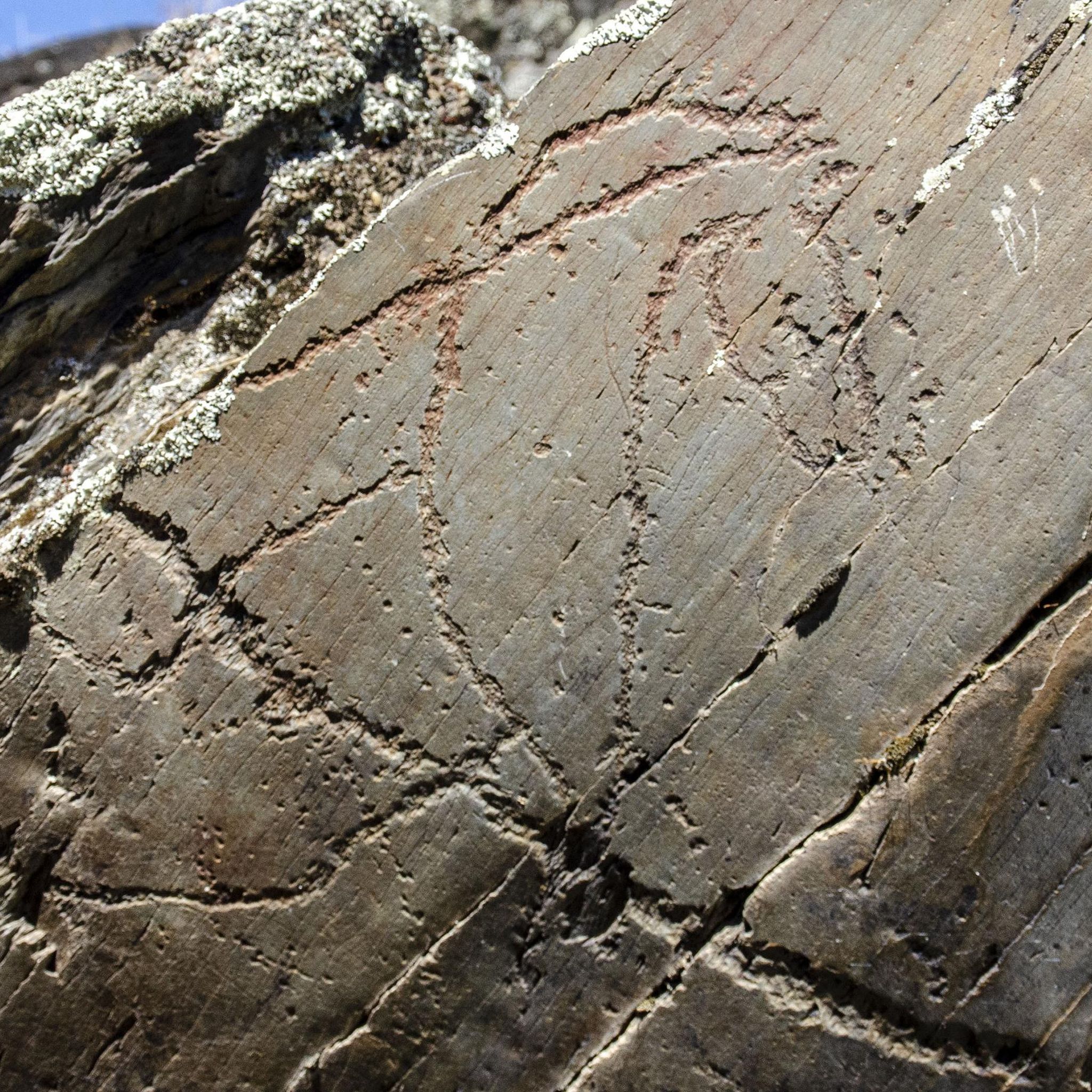
Yes, the region is rich in archaeological finds. Besides the local Castro "La Plaza" and Roman remains, you can visit the renowned Siega Verde Rock Art Station, a significant Paleolithic rock art site located nearby in Villar de la Yegua - Villar de Argañán. Another prehistoric marvel is the Dolmen of Hurtada in Villar de Argañán, estimated to be around 5000 years old.
What are the main historical attractions in nearby Ciudad Rodrigo?
Just 24 kilometers from Gallegos de Argañán, Ciudad Rodrigo offers several key historical attractions. Don't miss the impressive Castle of Enrique II of Trastámara, a military Gothic style castle built for defense. The Cathedral of Santa María, with construction starting in the 12th century, is another must-see. The Plaza Mayor Ciudad Rodrigo serves as the historical and social heart of the city, and the Alcázar Gate is one of the ancient access points to the walled city.
What kind of outdoor activities can I do around Gallegos de Argañán?
The broader region around Gallegos de Argañán is excellent for outdoor activities. You can enjoy cycling, mountain biking, and hiking through diverse cultivation fields, forests, and along streams. There are routes suitable for various skill levels, offering opportunities to explore the natural beauty and local flora and fauna. For more details on routes, check out the cycling guide, MTB trails guide, and hiking guide for the area.
Are there family-friendly attractions in the area?
Yes, several attractions are suitable for families. In Ciudad Rodrigo, the Plaza Mayor Ciudad Rodrigo is a vibrant historical space where families can enjoy the atmosphere. The Cathedral of Santa María and the Alcázar Gate also offer engaging historical experiences for all ages. Exploring the ancient fortified settlement of Castro "La Plaza" can also be an interesting educational outing for families.
What natural features characterize the landscape around Gallegos de Argañán?
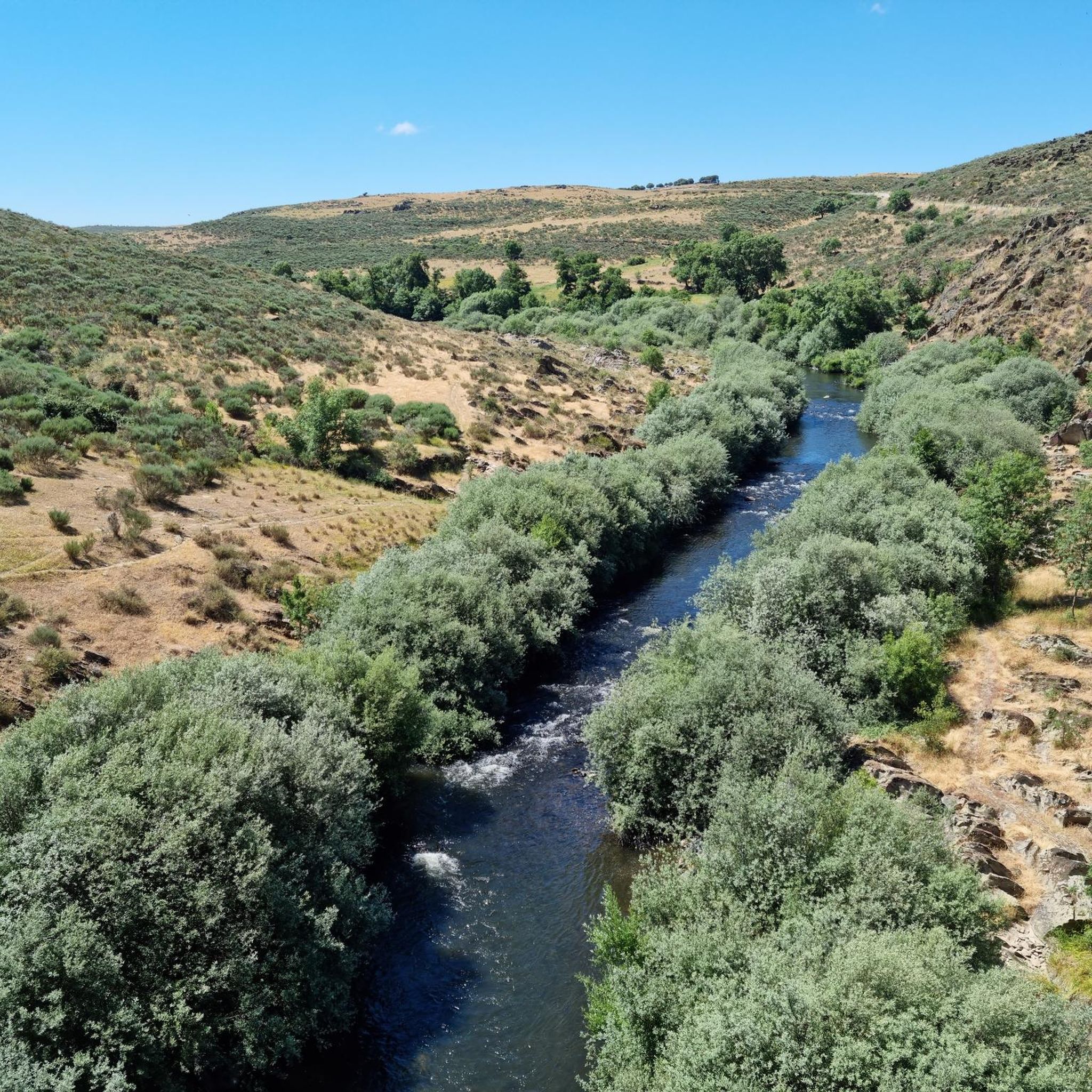
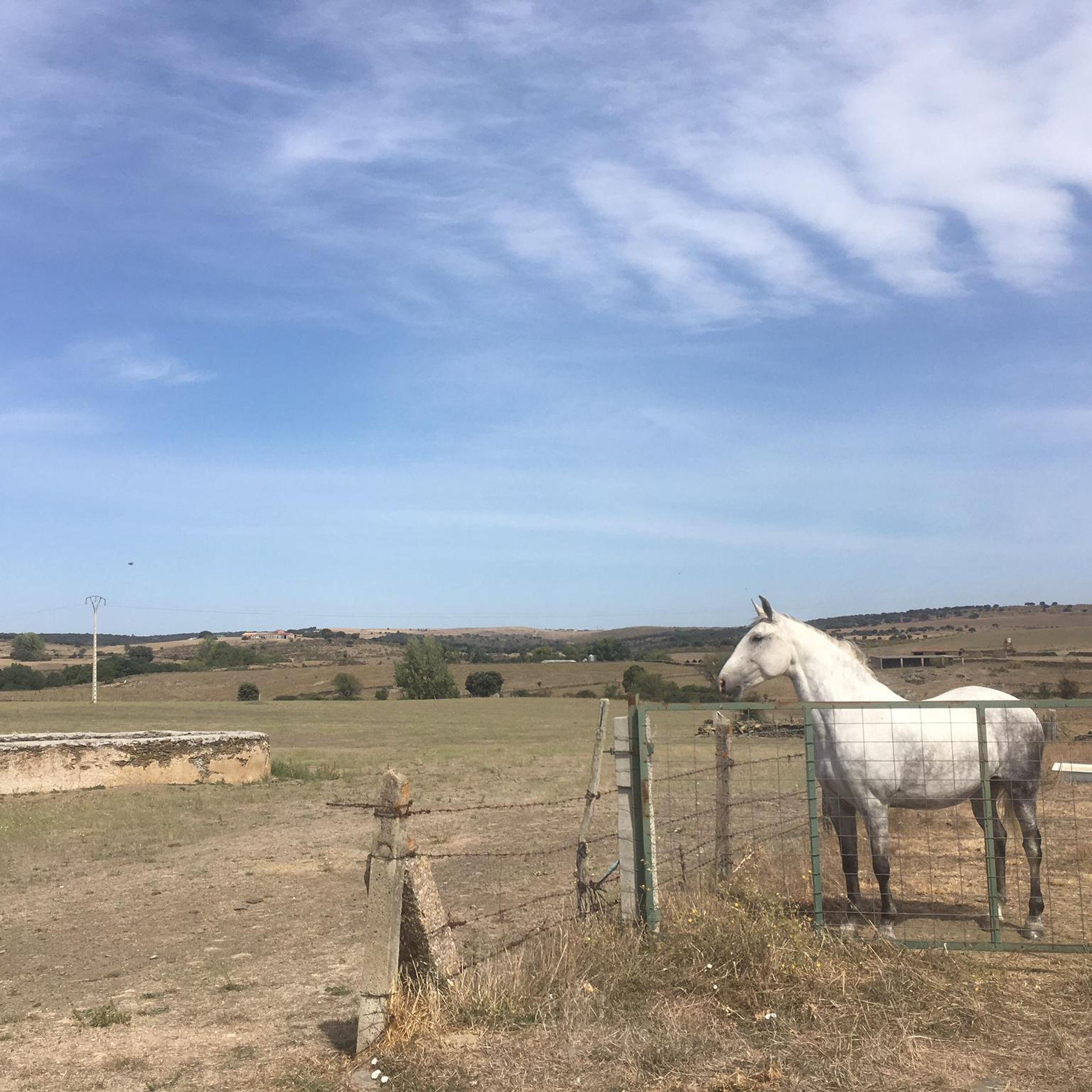
The landscape around Gallegos de Argañán is characterized by diverse cultivation fields, which are central to the municipality's agricultural economy. The area is also watered by numerous streams, supporting local livestock farming and creating lush environments. You'll find forests and a variety of flora and fauna, making it an appealing region for those who appreciate natural settings.
What kind of hiking trails are available near Gallegos de Argañán?
You can find a range of hiking trails near Gallegos de Argañán, from easy strolls to more moderate routes. For example, there's an easy 5 km circular tour of Ciudad Rodrigo's historic quarter, and moderate routes like the 13.7 km Monasterio de la Caridad loop from Ciudad Rodrigo. Other moderate options include loops around La Pesquera Recreation Area and the Alcázar Gate. For a comprehensive list of trails, refer to the hiking guide for Gallegos de Argañán.
What do visitors enjoy most about the attractions around Gallegos de Argañán?
Visitors particularly appreciate the rich history and well-preserved architecture of the region. The Castle of Enrique II of Trastámara is noted for its surprising preservation and beautiful views from its walls. The Plaza Mayor Ciudad Rodrigo is loved for being the vibrant historical and social heart of the city, especially during festive times like Christmas with its lights. The historical significance and architectural beauty of the Cathedral of Santa María also leave a lasting impression on visitors.
Are there any specific cycling routes recommended in the area?
Yes, the area offers several cycling routes. For experienced cyclists, there are challenging routes like the 110 km "Sendero de las Ciudades Amuralladas (GR-80) — Almeida circular desde Ciudad Rodrigo" or the 94 km "Peña de Francia from Ciudad Rodrigo". More moderate options include the 34 km "El Bodón from Ciudad Rodrigo — circular by the río Agúeda". You can find more detailed information and other routes in the cycling guide for Gallegos de Argañán.
What is the best time to visit Gallegos de Argañán for outdoor activities?
The region experiences a Mediterranean climate with hot, dry summers and mild winters. For outdoor activities like hiking and cycling, spring (April to June) and autumn (September to October) are generally the most pleasant times to visit. During these seasons, temperatures are moderate, and the natural landscape is vibrant. Summer can be very hot, so early mornings or late afternoons are recommended if visiting then.
Can I find information about traditional rural life in the area?
Yes, the Ethnographic Museum of Agricultural Tools in Gallegos de Argañán provides valuable insight into the traditional agricultural practices and rural life of the area. It showcases the tools and methods used by generations, offering a window into the region's cultural heritage and its strong connection to the land.
Most popular attractions around Gallegos De Argañán

Get inspired with the komoot mobile app


Explore more
Still not found the Highlight you’re looking for? See guides of the top attractions in other regions:
