Attractions and Places To See around Mendexa - Top 20
Best attractions and places to see around Mendexa offer a blend of natural beauty and historical heritage. This charming rural town, nestled in the Lea-Artibai region of Bizkaia, is characterized by the meeting point of the Bay of Biscay's waters and lush green mountains. Visitors can explore diverse landscapes, from coastal areas to forests, alongside significant historical landmarks. The region provides opportunities for outdoor activities and cultural discovery.
Best attractions and places to see around Mendexa
- The most popular attractions…
Last updated: October 9, 2026
Oma Forest
Highlight • Forest
Translated by Google •
Tip by

Basilica of the Assumption of Our Lady of Lekeitio
Highlight • Religious Site
Translated by Google •
Tip by

Sign up now to discover places like this
Get recommendations on the best single tracks, peaks, & plenty of other exciting outdoor places.
Strand van Karraspio
Highlight • Beach
Translated by Google •
Tip by

Coastal Road Between Deba and Mutriku
Highlight (Segment) • Cycleway
On this road a large part is missing on Komoot maps! Maybe somebody can tell this to Komoot?
The road itself was closed and under …
Tip by

Nabarniz Village
Highlight • Settlement
Translated by Google •
Tip by

Sign up for free to discover even more attractions around Mendexa.
Already have an account?
Start today with a free account
Your next adventure awaits.

Other adventures around Mendexa

Tips from the Community

Today we came to this place again, just like in 2019, exactly on the Monday after the town festival. A note on the door of the basilica informs that it is closed during the entire festival from 1-9 September. Very unfortunate!
0
0

A visit to the renovated Oma forest is highly recommended. There are 32 marked points on the ground, which even indicate the direction to look to see the visual combinations between the trees.
1
0

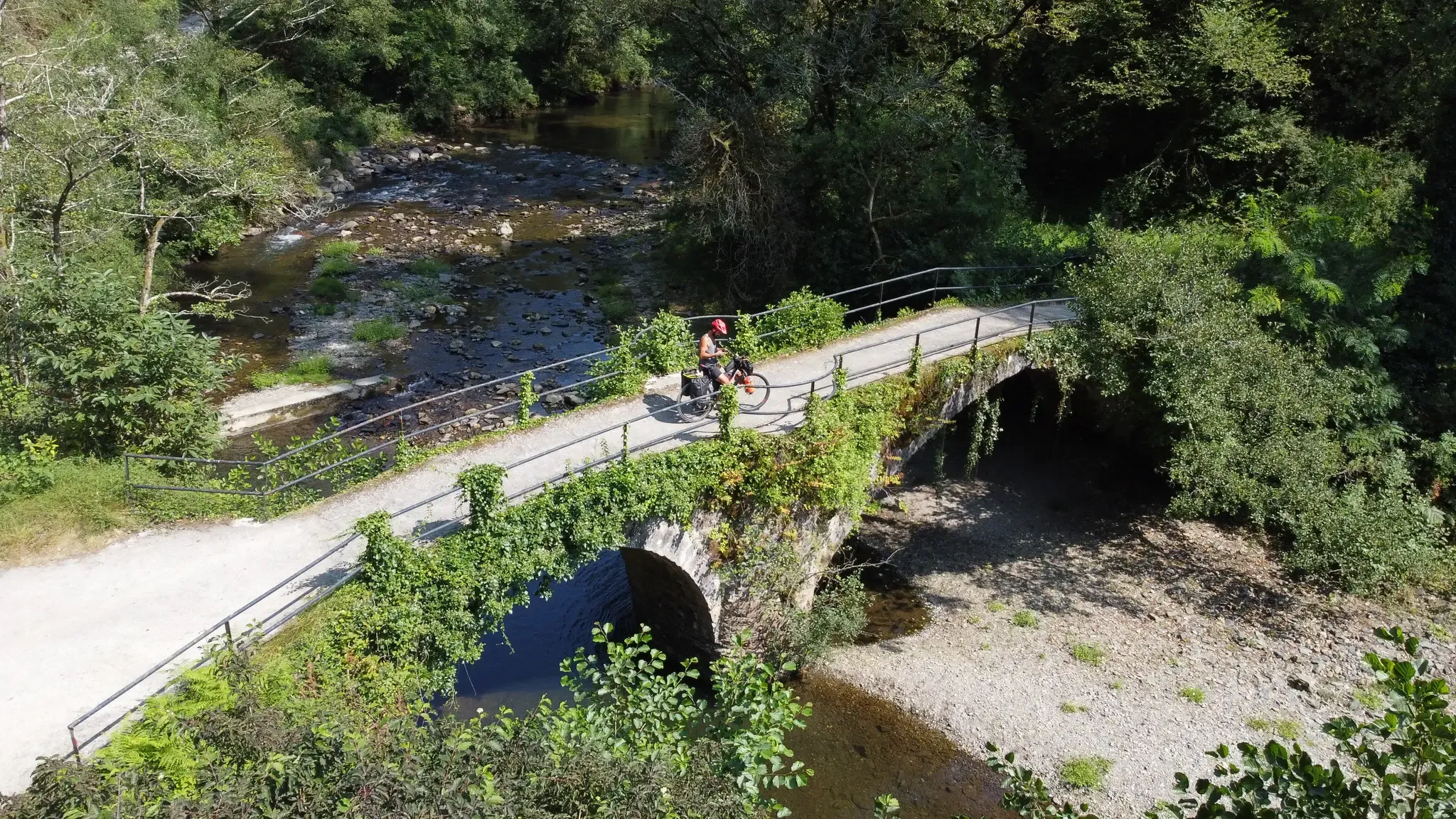
Nice cycle lane most of the way up the hill. Nice elevation, not too bad and nice views.
0
0

The Oma Forest - Omako basoa in Basque - is also known as the painted forest, the enchanted forest or even the Ibarrola Forest. Its most common name - Oma Forest - refers to the district in which it is located, which belongs to the municipality of Kortezubi. This original work of art was created between 1982 and 1985, when the Basque painter and sculptor Agustín Ibarrola used the trunks of trees as a kind of canvas for a total of 47 images. On them he painted animals, geometric figures and people, or just parts of them, such as eyes and lips. In addition, many of the compositions do not consist of a single tree, but must be viewed in the context of several tree trunks. To do this, you must pay attention to the signs on the ground that tell the viewer where to stand in order to enjoy the whole image.
1
0

In 1982, artist Agustín Ibarrola began painting the pine trees in the forest near his homestead with the intention of using the landscape as a canvas to give continuity to his artistic expression. It is at this moment when he decides to break the law of perspective and transgress the three-dimensionality of a white line until it becomes two-dimensional. From then on, he explored the possibilities offered by the arrangement of the forest trees, playing with the different planes of depth and creating artistic sets composed of human figures, curves or straight lines, and circles of intense colors. The ideas and concepts that it develops become more complex and advances in various directions as the painted forest expands. With the help of two students from the Faculty of Fine Arts of the UPV/EHU, he carried out a large part of the work that was open to the public until 2018, at which time the biological cycle of the forest came to an end. Given the importance that the work had acquired, the Provincial Council of Bizkaia began the process of making the Forest last, for which it had from the first moment the support of the artist who had made clear his desire for the forest to survive. In this way and in order to preserve El Bosque de Oma, the Ibarrola work has been moved to a new location, also recovering original artistic ensembles lost due to felling, attacks and natural tree falls. Today we can enjoy El Bosque de Oma more complete and more faithful to the artist's original idea.
1
0
The Forest of Oma is one of the best-known works of the Basque artist Agustín Ibarrola and is an expression of the artistic movement known as Art and Nature, which emerged in the late sixties of the 20th century and whose purpose is to convey artistic work to the natural environment, using the landscape as a framework, support and raw material for the artist. The work, located in the town of Kortezubi (Bizkaia), is made up of several sets of geometric motifs and figures painted on the trunk of radiata pine trees. The use of natural living supports, the play of two-three-dimensionality and the experience of placing the visitor at the center of the work of art through his discovery, as well as the diversity of responses it proposes, make this work a reference of the Art and Nature movement and of Basque Art in particular.
1
0

Basilica of Our Lady of the Assumption of Lekeitio (Gothic style).
2
0

It is located at the foot of Mount Iluntzar, and the average altitude of the municipality is 360m, the highest in the region. Starting in the 10th century, the neighborhoods as we know them now began to take shape, each one around its own hermitage: the Ikazurieta neighborhood with its San Cristobal hermitage, the Uribarri neighborhood around the San Miguel hermitage, the San Gregorio in the Merika neighbourhood, Santiago in the Lekerika neighbourhood, and finally the Elexalde neighbourhood, around the church of Santa María de Gorostiza. The gastronomy also marks the history of Nabarniz, with its specialty in red beans, and above all, the vegetable stew. Enjoy these specialties in the town's restaurants. More info at: https://turismourdaibai.com/es/nabarniz/
0
0
Frequently Asked Questions
What historical landmarks can I explore in Mendexa?
Mendexa is rich in history. You can visit the 16th-century Parish Church of San Pedro in the Zelaia neighborhood, which features Gothic and Baroque styles and houses a 13th-century Romanesque sculpture. Other notable sites include the oldest farmhouse, Likona Caserío, dating back to the early 16th century, and the 16th-century Ermita de Santa Lucía. Don't miss the 18th-century Casa Torre Leagi and the neoclassical Palacio Lea Goikoa. You can also see the restored Roman Bridge of Ea, an iconic image of the nearby town of Ea.
Are there any natural attractions or viewpoints in Mendexa?
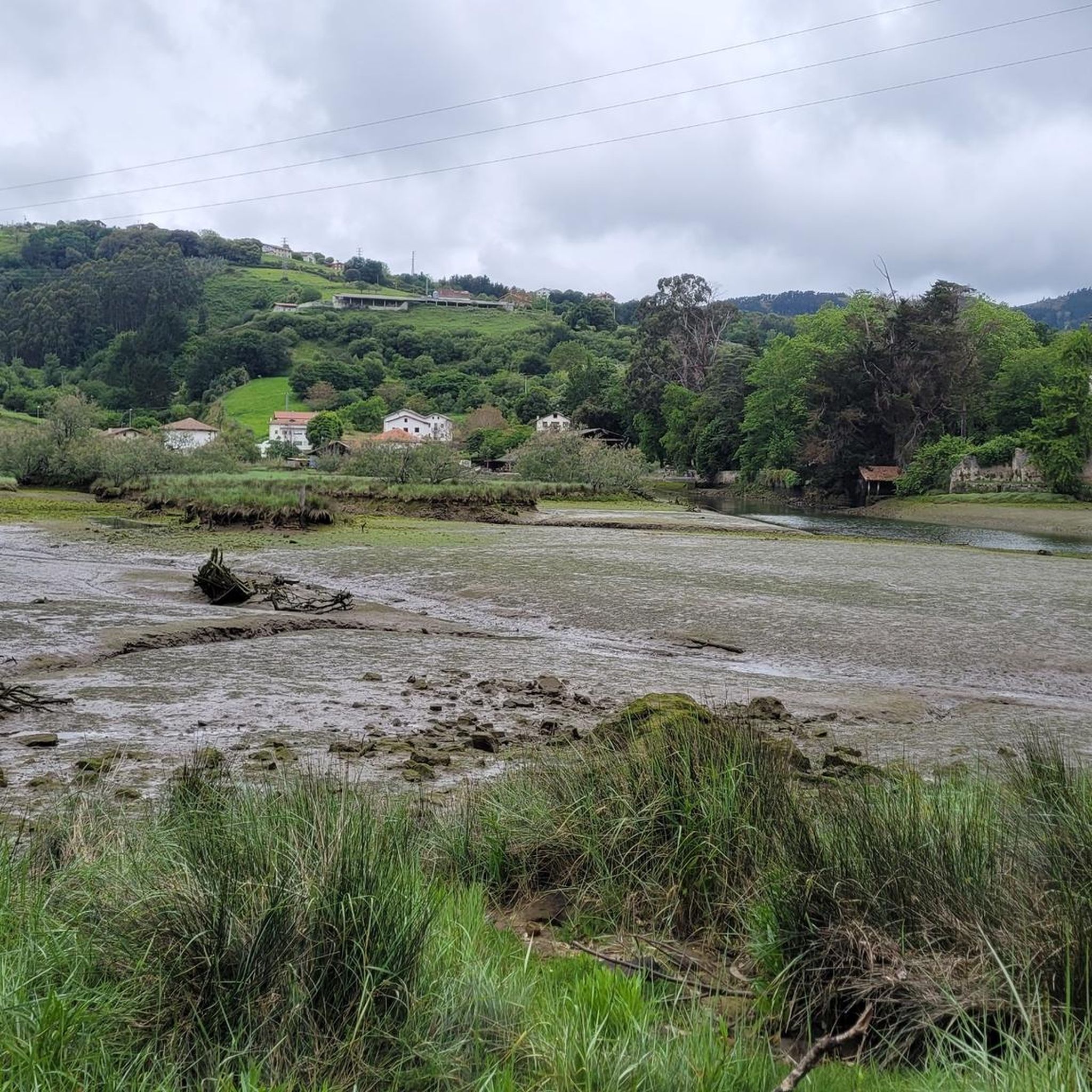
Yes, Mendexa offers stunning natural beauty. You can enjoy Karraspio Beach, known for its spectacular views of the Isle of San Nicolás and ideal for various water activities. The Lea River Mouth and Arropain Marshes are crucial resting spots for migratory birds. For panoramic vistas, Mendexa itself is perched on a low hill, providing magnificent coastal views.
What family-friendly activities are available in Mendexa?
Families can enjoy several attractions. Karraspio Beach offers a recreational area perfect for swimming and playing. For adventure seekers, Mendexa Abentura Park provides four circuits with over 70 challenges and 21 ziplines in a natural forest setting. The unique Oma Forest, with its painted trees, offers an immersive artistic experience that can be fascinating for all ages.
Where can I find unique artistic or cultural sites?
The Oma Forest is a unique artistic site, featuring geometric motifs and figures painted on pine trees by Basque artist Agustín Ibarrola, creating an immersive Art and Nature experience. Additionally, the restored María Errota (Tidal Mill) serves as an interpretation center, offering insight into the region's historical use of natural resources.
What outdoor activities can I do near Mendexa?
The area around Mendexa is excellent for outdoor activities. You can explore various trails for mountain biking, cycling, and running. For specific routes, check out the MTB Trails around Mendexa, Cycling around Mendexa, and Running Trails around Mendexa guides.
Are there any significant bridges or ancient structures to see?
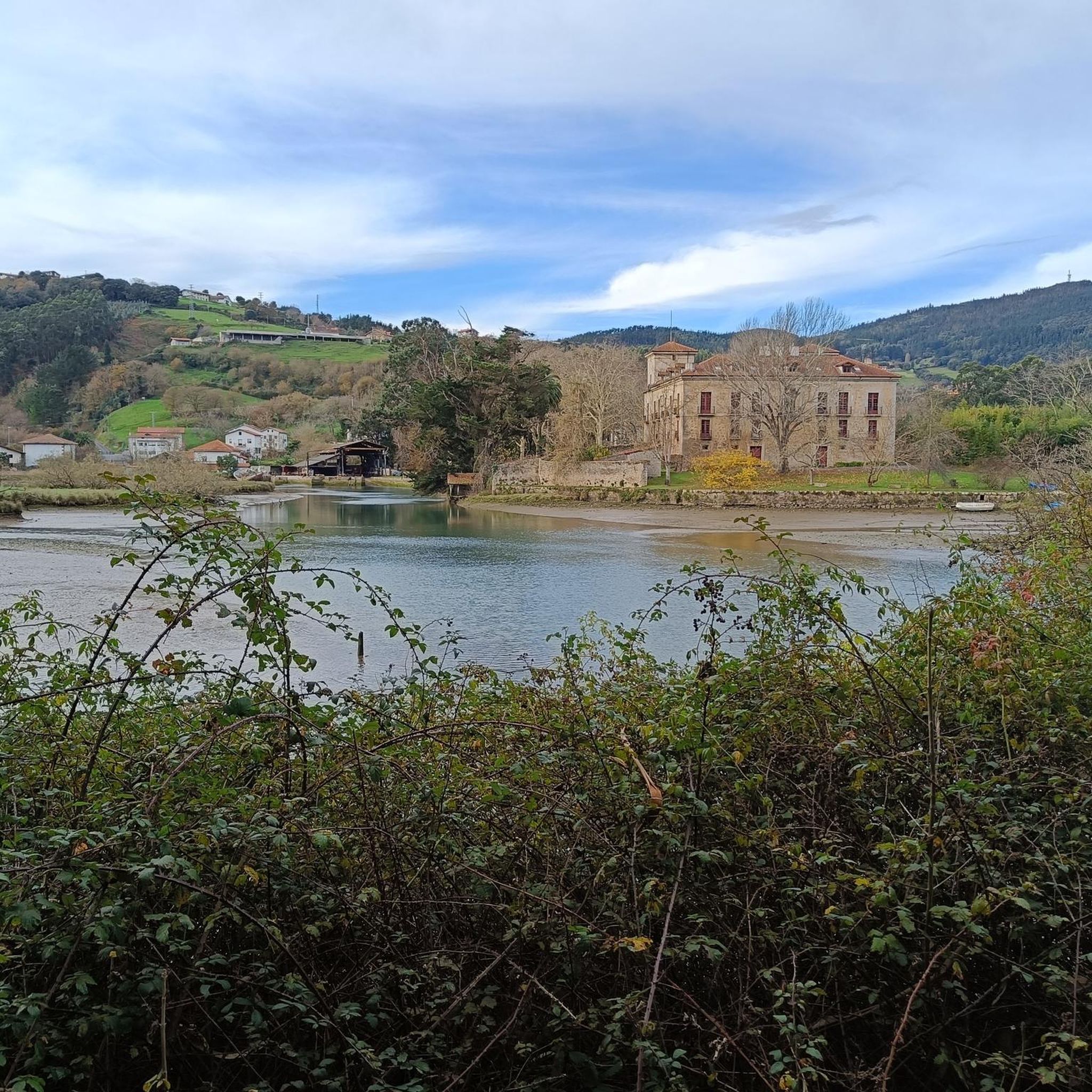
Yes, Mendexa features several historical bridges and structures. The Roman Bridge of Ea is a well-known landmark. You can also find Puente de Isuntza, which spans the Lea River connecting Lekeitio and Mendexa, and Puente Leagi, linking Ispaster and Mendexa. The remnants of ancient shipyards at the mouth of the Lea River near the Isuntza bridge offer a glimpse into traditional boat building.
What is the significance of the Lea River in Mendexa?
The Lea River is central to Mendexa's natural and historical landscape. Its mouth and the Arropain Marshes are vital for migratory birds. Historically, the river was home to the María Errota tidal mill and ancient shipyards, highlighting its importance for local industry and ecology. Several bridges, like Puente de Isuntza and Puente Leagi, cross the Lea River, connecting different parts of the region.
Can I find any religious or spiritual sites in the area?
Certainly. The Parish Church of San Pedro, a 16th-century church in the Zelaia neighborhood, is a significant religious site. Another is the Ermita de Santa Lucía, a 16th-century hermitage located in the Leagi neighborhood. Nearby, in Lekeitio, you can visit the impressive Basilica of the Assumption of Our Lady of Lekeitio, a 15th-century Late Gothic construction.
Are there any accessible attractions for visitors with mobility needs?
While specific accessibility details for all sites are not extensively documented, the Itsasaurre Bridge in nearby Ondárroa is noted as wheelchair accessible. For other attractions, it's advisable to check individual site information or contact local tourism offices for specific accessibility details.
What do visitors particularly enjoy about the attractions around Mendexa?
Visitors appreciate the blend of natural beauty and historical heritage. The Oma Forest is highly regarded for its unique artistic experience. The Karraspio Beach is loved for its scenic views and recreational opportunities. The historical sites, like the Roman Bridge of Ea and the Basilica of the Assumption, are also popular for their cultural significance.
Are there any ancient ruins or archaeological sites to visit?
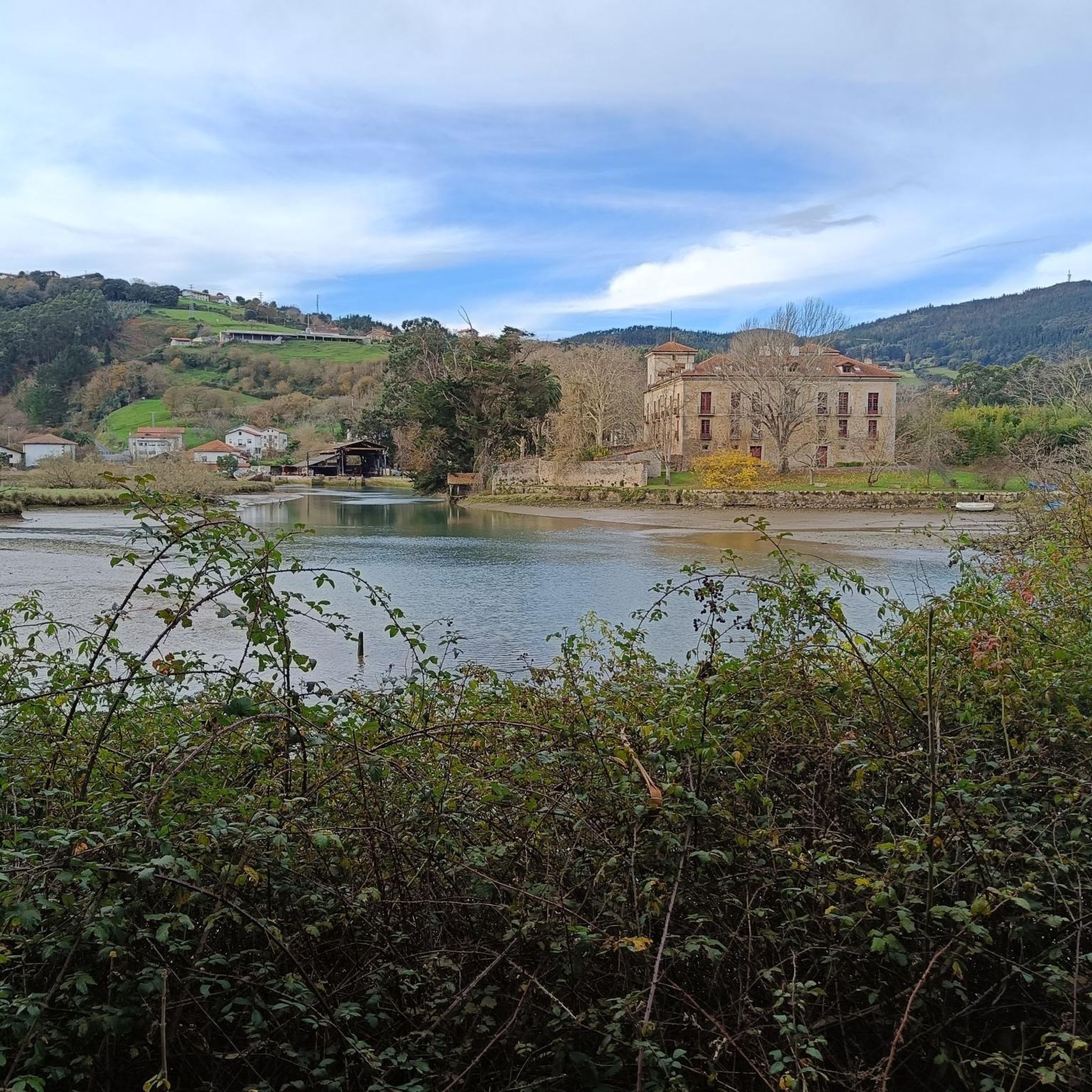
Yes, you can explore the ruins of the Old Hospital, situated on the banks of the Lea River near the Oleta de Amoroto neighborhood, which offers a historical point of interest. Additionally, the remnants of ancient shipyards at the mouth of the Lea River provide insight into the region's maritime past.
What is the best way to experience the coastal scenery of Mendexa?
To best experience Mendexa's coastal scenery, visit Karraspio Beach for its views of the Isle of San Nicolás and opportunities for walks along the shore. You can also find numerous secluded spots along the coastal cliffs for sunbathing on the rocks. The town's elevated position provides magnificent panoramic vistas of the coastline.
Most popular attractions around Mendexa

Get inspired with the komoot mobile app


Explore more
Still not found the Highlight you’re looking for? See guides of the top attractions in other regions:
