Attractions and Places To See around Lemoiz - Top 20
Best attractions and places to see around Lemoiz include a blend of natural beauty and historical sites. This charming coastal and rural municipality in the Basque Country features spectacular cliffs, small bays, and pebble beaches alongside traditional farmsteads. Visitors can explore its rich cultural heritage, from ancient churches to picturesque fishing ports, offering diverse experiences for outdoor enthusiasts.
Best attractions and places to see around Lemoiz
- The most popular attractions is Saint John of Gaztelugatxe, a historical site that…
Last updated: August 16, 2026
Saint John of Gaztelugatxe
Highlight (Segment) • Historical Site
Translated by Google •
Tip by

San Juan de Gaztelugatxe
Highlight • Religious Site
Translated by Google •
Tip by

Sign up now to discover places like this
Get recommendations on the best single tracks, peaks, & plenty of other exciting outdoor places.
Sign up for free
Butrón Castle
Highlight • Castle
Translated by Google •
Tip by

Matxitxako Lighthouse
Highlight • Monument
Tip by

The Castaway's House
Highlight • Historical Site
The Getxo Red Cross of the Sea is based in one of the municipality's most emblematic buildings: the Casa del Náufrago (Castle of the Shipwrecked).
Translated by Google •
Tip by

Sign up for free to discover even more attractions around Lemoiz.
Sign up for free
Already have an account?
Start today with a free account
Your next adventure awaits.
Login or Signup
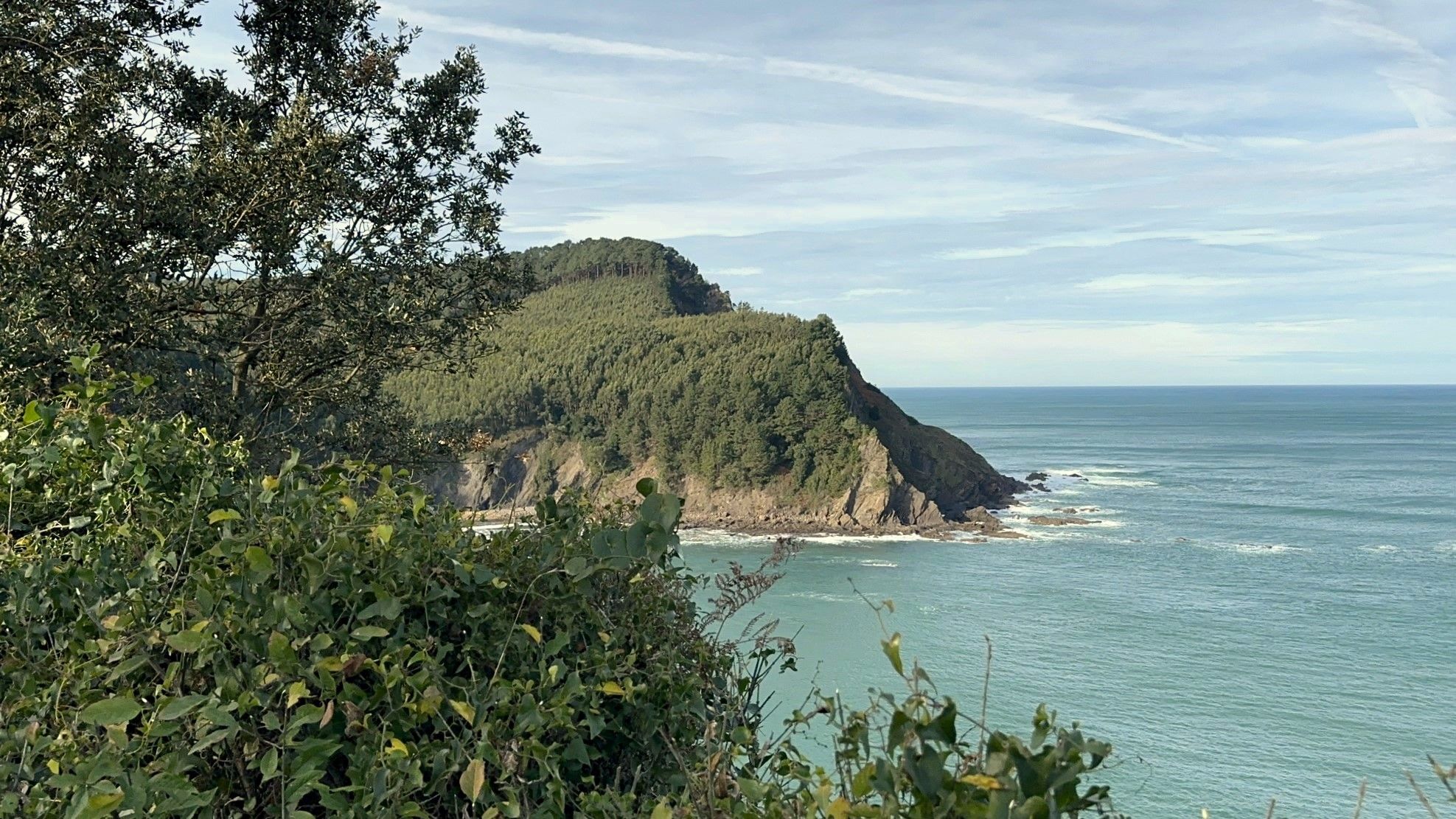
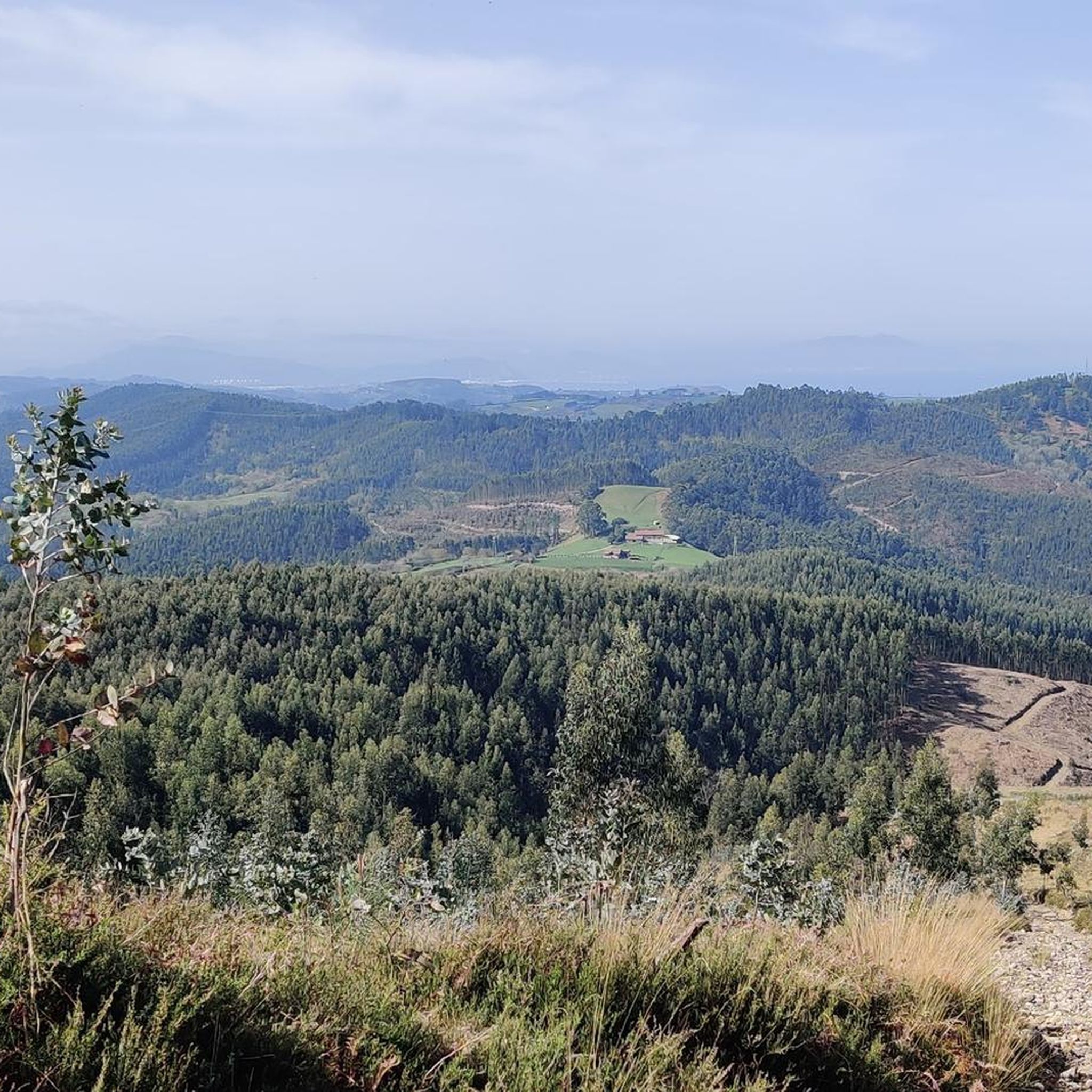
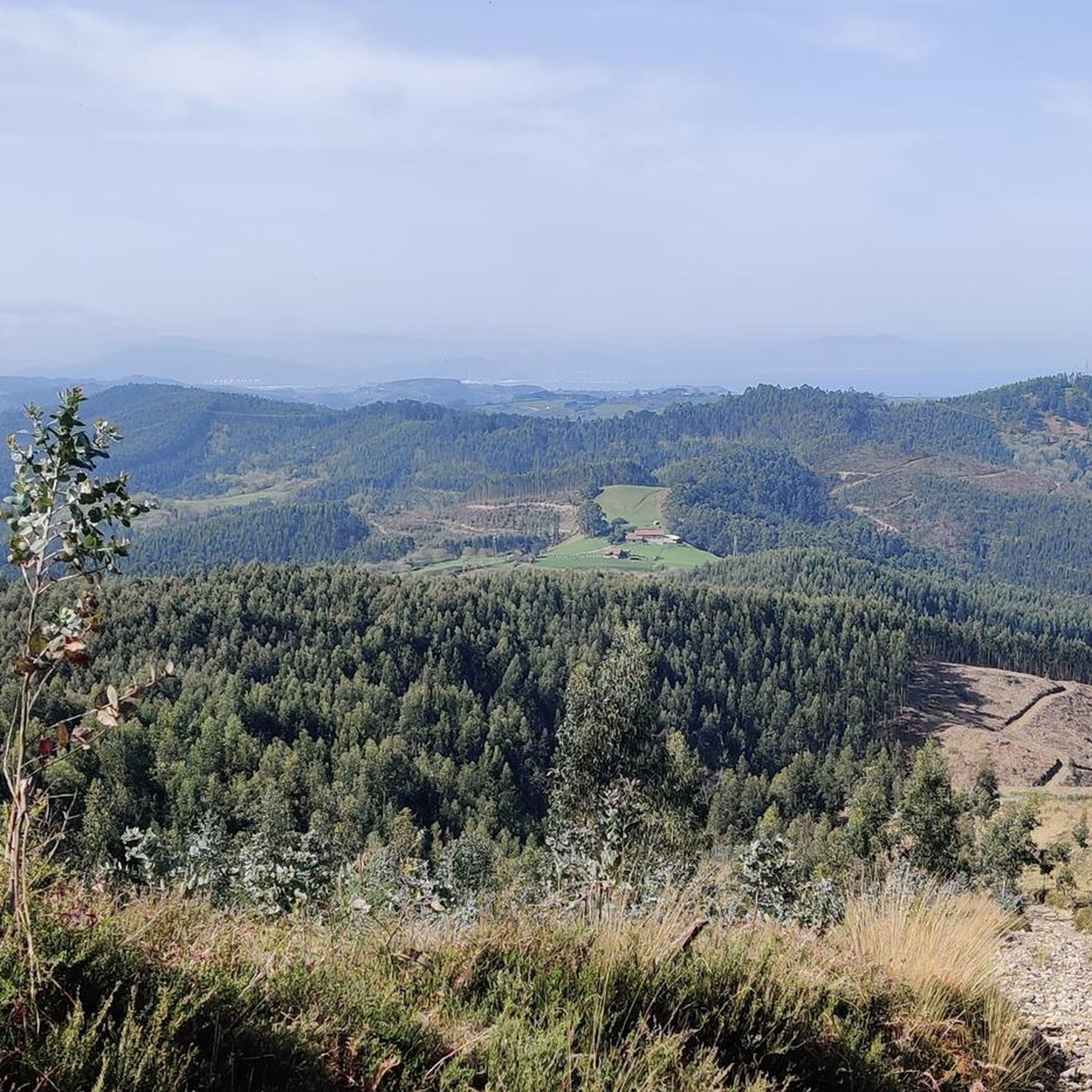
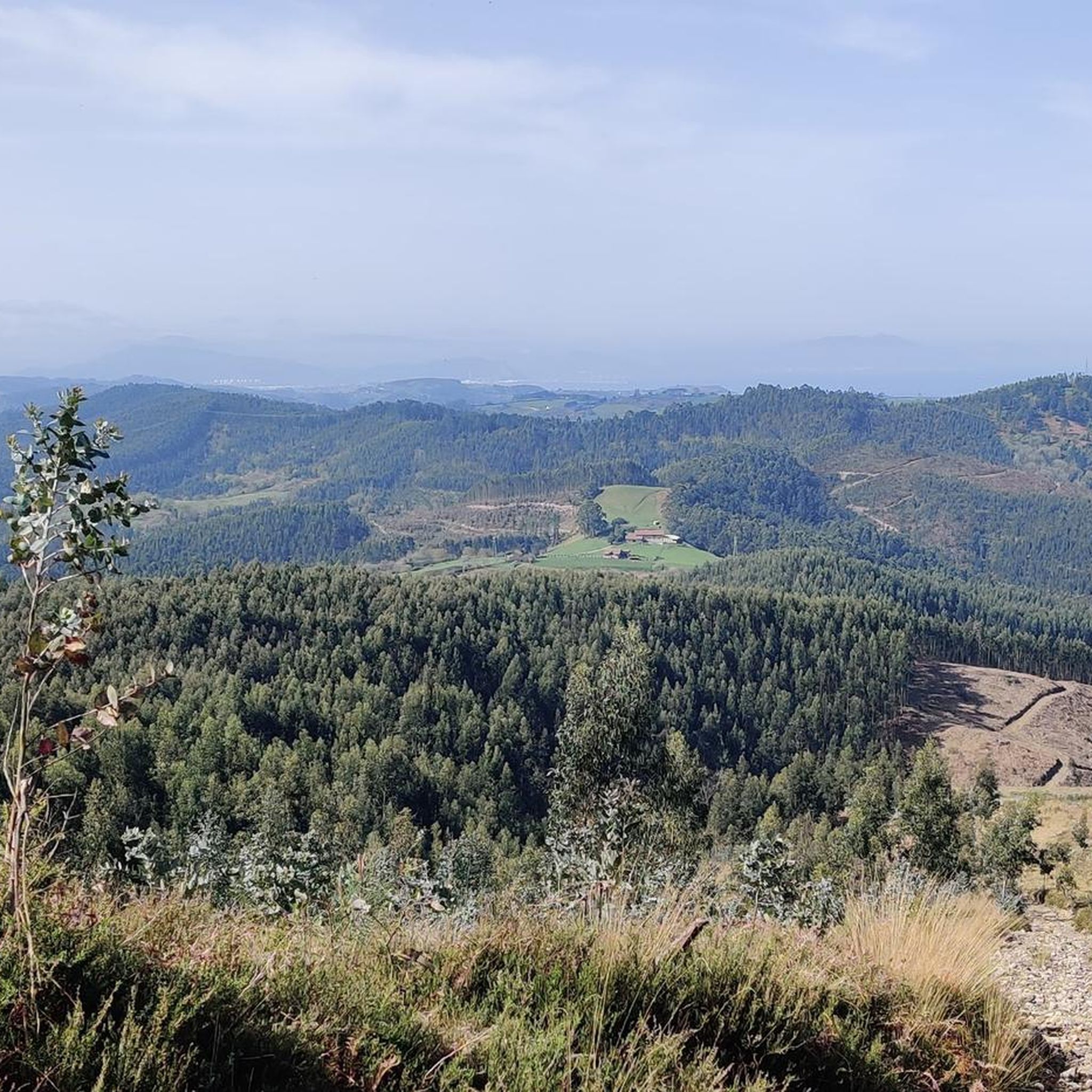

Other adventures around Lemoiz

Tips from the Community

The short hike up to the chapel is very worthwhile. It is quite strenuous, but the views of the coast make up for it. A great place that you should definitely see.
0
0
The castle is gigantic and beautiful to look at, unfortunately it has been surrounded by a construction fence for ages. Unfortunately, you can't see much. Whether the detour is worth it, everyone has to decide for themselves.
0
0

Definitely a highlight, but unfortunately, the castle was covered in scaffolding when I visited. The castle dates back to the Middle Ages but was later almost completely rebuilt.
0
0

A beautiful vantage point. If the season is right, there's also the opportunity to watch whales. The path further to Gaztelugatxe, however, requires pushing because it's very overgrown. We didn't go far, but turned around and drove back along the road.
0
0

HISTORY The Getxo Red Cross of the Sea is based in one of the municipality's most emblematic buildings: the Casa del Náufrago (Castle of the Shipwrecked). Located at the so-called Punta de Begoña, at the beginning of the Algorta counter-dock, next to the old port of Arriluze, the Casa del Náufrago (Castle of the Shipwrecked) was built in 1912 to house the Shipwrecked Rescue Society of the time. This completely independent altruistic group was made up of a few local fishermen and seamen who, despite their limited resources, came to the aid of sailors in the event of a disaster. They had a rescue boat, christened "Ama Begoñakoa," a lifeline, a bronze cannon, two line-throwing rifles, picks and shovels, and some precarious wicker helmets for protection... All of this was transported on a rudimentary wooden cart for easy transport. The reason for the existence of this salvage society is due to the high accident rate at the port of Bilbao throughout history. Royal Orders from the time of the Catholic Monarchs already mentioned that the coast claimed three or four shipwrecks a year along this stretch. But it was during the construction of the iron pier that engineer Evaristo de Churruca discovered the first remains that confirm the dark legend of the Bilbao Abra. During the dredging of the bar, several coins minted during the time of Emperor Hadrian were found. During the iron rush, British cartographers also warned their navigators of the deadly existence of the northwest bar at the entrance to Bilbao: a strip of sand between the Las Arenas mojijonera and Santurtzi that, until the construction of the iron pier, claimed thousands of lives. The shallow draft of this stretch of water, which at low tide barely reached a meter deep, tore open the frames of ships, leaving them at the mercy of the waves and sinking irretrievably. In fact, the freighters that arrived in Bilbao to load ore had flat hulls, without keels, to avoid running aground. Occasionally, the channel was completely blocked, and the German maritime authorities and pilots opened another access route via El Salto beach to Santurtzi, although this alternative posed the risk of running aground on the cliff. The Casa del Náufrago also had space to house shipwreck victims, but over time, the area designated for these
0
0

From the lighthouse you have a 270° view on the coast, very clear on st juan de Gaztelugatxe, perfect spot for some scenic pictures!
4
0

Water is appreciated during the climb.
1
0
Due to the number of tourists who wish to visit San Juan de Gaztelugatxe, it is no longer freely accessible to the beginning of the stairs leading up to the hermitage. Now it is necessary to reserve access (free), go through a turnstile and make a steep descent until you reach the base of the hermitage stairs.
4
0
Frequently Asked Questions
What are some unique historical sites to explore near Lemoiz?
Beyond the well-known Saint John of Gaztelugatxe, you can visit Butrón Castle, a medieval fortress set on a hill surrounded by nature, offering historical insights and panoramic views. Another intriguing site is the Casa del Náufrago (The Castaway's House), a historic building in Getxo that once housed the Shipwrecked Rescue Society, reflecting the region's maritime past.
What natural features define the Lemoiz coastline?
The Lemoiz coastline is characterized by dramatic cliffs, interspersed with small bays and pebble beaches. This area is recognized as a Relevant Natural Space, home to diverse coastal and marine flora and fauna, and serves as an important nesting ground for seabirds. It's an ideal spot for bird-watching and offers stunning natural beauty.
Are there any notable lighthouses to visit in the Lemoiz area?
Yes, the region boasts impressive lighthouses. The Matxitxako Lighthouse, located on the northernmost cape of Euskadi, provides a 270° view of the coast, perfect for scenic pictures and observing seabirds and cetaceans. You can also visit the Gorliz Lighthouse, the highest-altitude lighthouse in Euskadi, offering privileged views over the Bay of Plentzia.
What cultural points of interest can I find in Armintza?
Armintza, Lemoiz's main population center, is a picturesque fishing port that maintains its maritime traditions. While now primarily home to pleasure boats, it retains its charm for pleasant seaside strolls. You can also visit the Church of Santo Tomás, a cultural point of interest within the village.
Are there any unusual or controversial sites near Lemoiz?
Yes, the unfinished Lemoiz Nuclear Power Plant is a significant historical and controversial site associated with the municipality. Though never completed due to ecological opposition and social unrest, its imposing structures remain a stark reminder of a past era.
What kind of outdoor activities can I do around Lemoiz?
Lemoiz and its surroundings offer a variety of outdoor activities. You can explore numerous hiking and cycling routes, including road cycling and mountain biking trails. For specific routes, check out the Running Trails around Lemoiz, Cycling around Lemoiz, and Road Cycling Routes around Lemoiz guides.
Are there good hiking opportunities near Lemoiz?
Absolutely. The area provides excellent hiking opportunities, especially along its dramatic coastline. The ascent to the hermitage of Saint John of Gaztelugatxe, with its 241 steps, is a challenging but rewarding hike offering unforgettable views. Many other trails wind through green pastures and coastal paths. For more options, refer to the Running Trails around Lemoiz guide.
Can I go cycling around Lemoiz?
Yes, Lemoiz and its neighboring areas are well-suited for cycling. You'll find a range of routes for both road cycling and general touring. Popular options include routes that take you past coastal viewpoints and through rural landscapes. Explore detailed routes in the Cycling around Lemoiz and Road Cycling Routes around Lemoiz guides.
Are there family-friendly attractions in the Lemoiz area?
Yes, several attractions are suitable for families. The Matxitxako Lighthouse offers stunning views that can be enjoyed by all ages. Butrón Castle, with its medieval charm and surrounding forest, can also be an engaging visit for families. Additionally, the numerous green spaces and coastal walks provide opportunities for outdoor family fun.
What should I know before visiting Saint John of Gaztelugatxe?
Before visiting Saint John of Gaztelugatxe, it's important to know that free tickets are required for access due to its popularity. The ascent to the hermitage involves a winding 241-step stairway, which can be arduous but offers incredibly rewarding views of the wild Cantabrian coast. It's advisable to get your tickets in advance online to avoid long queues.
Where can I find panoramic views of the coast?
For breathtaking panoramic views, head to the Matxitxako Lighthouse, which offers a 270° vista of the coastline. The Gorliz Lighthouse also provides privileged views over the Bay of Plentzia. Additionally, the climb to Saint John of Gaztelugatxe rewards visitors with unforgettable views of the wild Cantabrian coast.
When is the best time to visit Lemoiz for outdoor activities?
The best time to visit Lemoiz for outdoor activities is generally during the spring (April to June) and early autumn (September to October). During these months, the weather is typically mild and pleasant, ideal for hiking, cycling, and exploring the coastal paths without the intense heat of summer or the heavier rains of winter. The natural landscapes are also particularly vibrant during these seasons.
Are there any historical routes or trails in Lemoiz?
Yes, Lemoiz has a 'Route of the Mills,' which is a historical trail highlighting the area's milling heritage. This route offers a glimpse into the traditional rural life and industrial past of the municipality, combining natural beauty with cultural exploration.
What is the significance of the Matxitxako Lighthouse?
The Matxitxako Lighthouse is significant for several reasons. It marks the northernmost point of Euskadi, offering unparalleled panoramic views of the Cantabrian coast. It's also a prime location for observing seabirds and cetaceans, being part of the Natura 2000 Network. Historically, the site features both the current lighthouse (inaugurated in 1909) and the remains of an older one from 1852, which now serves as an observatory.
What is the 'Urizar Washhouse'?
The Urizar Washhouse is a public washhouse from the 19th century, located in the Urizar neighborhood of Lemoiz. It was reformed in 2002 and stands as a small piece of local history, reflecting the traditional communal life of the area.
Most popular attractions around Lemoiz

Get inspired with the komoot mobile app


Explore more
Still not found the Highlight you’re looking for? See guides of the top attractions in other regions:
