Top 17 Mountain Passes around Puigcerdà
Best mountain passes around Puigcerdà are found in the Cerdanya valley, a region known for its diverse terrain and historical routes. This area features high-altitude passes that connect different valleys and countries, offering varied experiences for outdoor enthusiasts. The landscape is characterized by mountainous vistas and significant natural features. Many passes here have played a role in historical communication and trade.
Best mountain passes around Puigcerdà
- The most popular mountain passes is Collada de Toses Pass, a mountain pass…
Last updated: June 26, 2026
Coll de la Creueta
Highlight • Mountain Pass
Translated by Google •
Tip by

Collada de Toses Pass
Highlight • Mountain Pass
Translated by Google •
Tip by

Sign up now to discover places like this
Get recommendations on the best single tracks, peaks, & plenty of other exciting outdoor places.
Sign up for free
Views climbing the Coll de la Creueta
Highlight • Mountain Pass
Bordering peak between the Ripollés and Berguedá regions and dividing the waters between the Ter and Llobregat rivers.
The slope of the bergadá is included in the …
Translated by Google •
Tip by

Coll de Pal Mountain Pass
Highlight • Mountain Pass
Translated by Google •
Tip by

Pas dels Lladres (2,534 m)
Highlight • Mountain Pass
Translated by Google •
Tip by

Sign up for free to discover even more mountain passes around Puigcerdà.
Sign up for free
Already have an account?
Start today with a free account
Your next adventure awaits.
Login or Signup
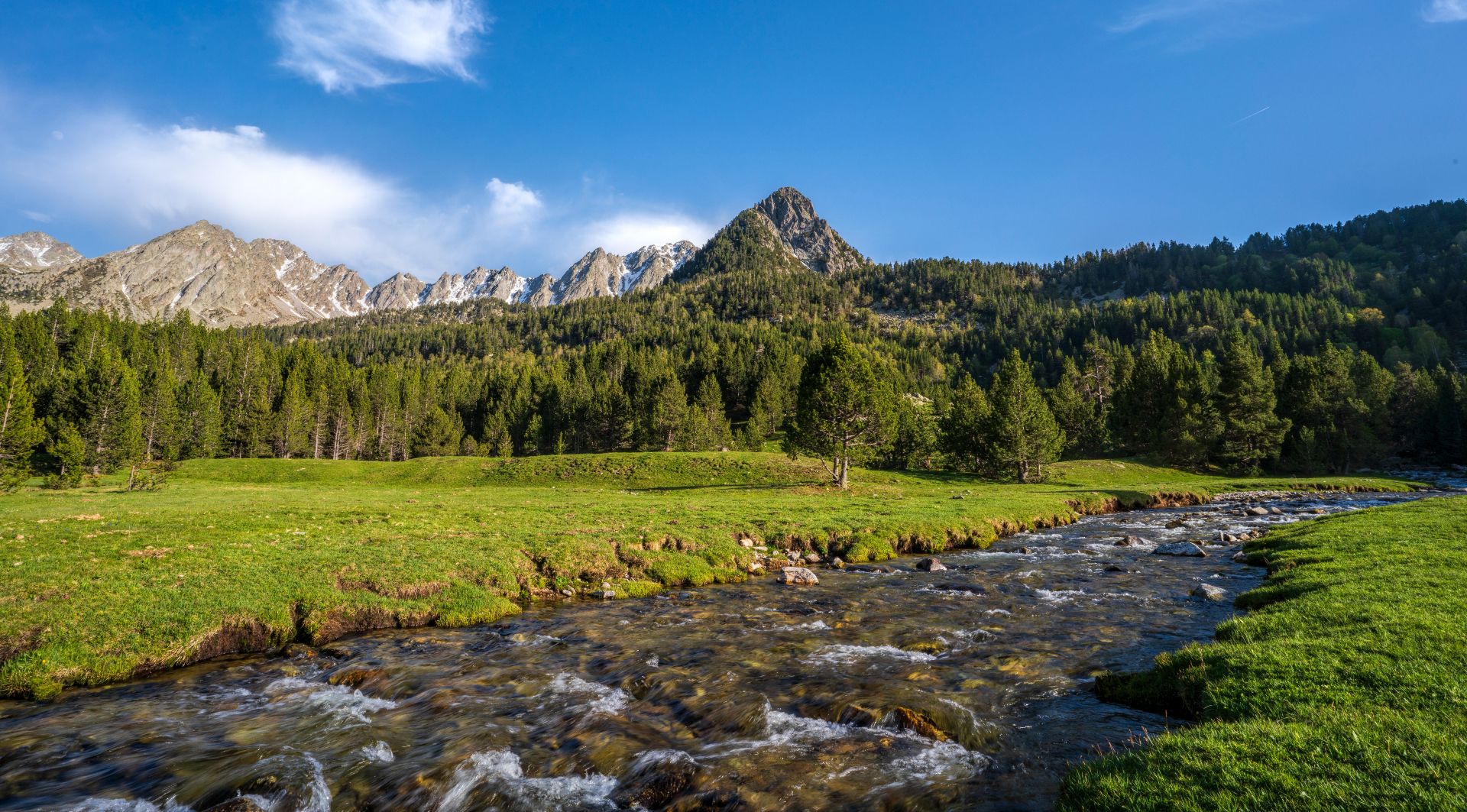
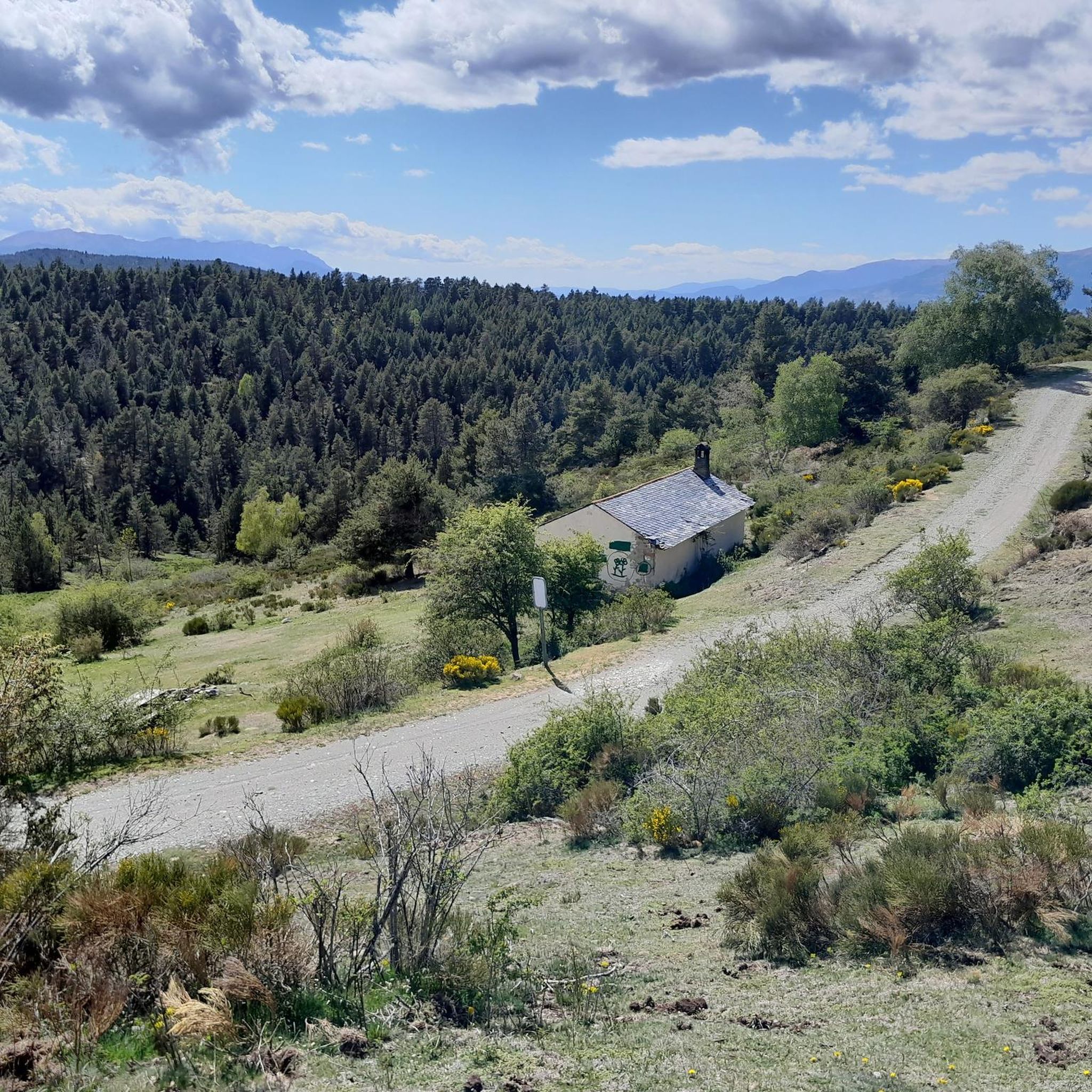
Other adventures around Puigcerdà

Tips from the Community

Es pot arribar amb vehicle per començar excursions
0
0

Regular asphalt if it's downhill Bones vistas
0
0
Hellish climb but with spectacular views, good asphalt too
0
0

Second port of the 4cims. Long but very laid out. It is worth enjoying its views without putting down the big plate at many times. :)
0
0

Puerto de Montaña with spectacular views, if you know it from the side of Castellar de Hug, you see Pedraforca and all the cadí, and going up through La Molina, views of Cerdanya and the French Western Pyrenees (Peric, Carlit...).
0
0

One of the great mountain passes in Catalonia, 19 km at an average of over 8%, with spectacular views throughout the ascent. It is recommended to make a stop at the source of the km. 9 and breathe at the Mirador de la Devesa. The last km is amazing, when it doesn't seem to end... you're there!! Height 2105 masl.
0
0
Spectacular panoramas over the alpine meadows of the Pyrenees.
0
0
Classic mountain pass of the Pyrenees, natural border between Berguedà and Cerdanya, reaches up to 1888 masl with an average slope of 5% (depends on the slope). Be careful in the summer, you won't find even a shade to take refuge in.
0
0
Frequently Asked Questions
What are the most popular mountain passes around Puigcerdà?
Some of the most popular mountain passes in the area include Collada de Toses Pass, known for uniting the Ripollès with the Cerdanya and its spectacular north side. Another favorite is Coll de Pal Mountain Pass, offering privileged views of Montserrat, Pedraforca, and the Pyrenees. Visitors also appreciate Pas dels Lladres (2,534 m), a high mountain pass and natural monument included in many hiking and cycling routes.
What kind of natural features and viewpoints can I expect at these mountain passes?
The mountain passes around Puigcerdà offer diverse natural beauty. For instance, Coll de Pal Mountain Pass provides extensive views overlooking Montserrat, the Pedraforca, and the Pyrenees. Coll d'Egat Ascent from Llívia via Estavar is described as an authentic balcony of Cerdanya with beautiful views. Further afield, Coll d'Ares offers breathtaking panoramic views, including the iconic Canigó peak, and Port de Pailhères is known for its stunning scenery, forests, and dramatic hairpin bends.
Are there historical sites or points of interest at the mountain passes near Puigcerdà?
Yes, several passes have significant historical importance. Coll del Pimorent was vital for communication and is part of the Way of St. James. Coll de la Perxa also lies on a historic Roman road and medieval route, forming the basis of the current road from Perpignan to Puigcerdà, and is another section of the Way of St. James. Coll d'Ares played a profound role during the Spanish Civil War as a 'path of hope as much as exile' for those fleeing into France.
What outdoor activities can I do near these mountain passes?
The region around Puigcerdà is excellent for various outdoor activities. You can find numerous cycling routes, including challenging climbs like those found at Coll de Pal Mountain Pass and Coll d'Egat Ascent from Llívia via Estavar. Many passes, such as Pas dels Lladres (2,534 m), are integrated into hiking, skiing, or mountain biking routes. For more specific routes, you can explore guides like Cycling around Puigcerdà, Running Trails around Puigcerdà, and MTB Trails around Puigcerdà.
What is the best time of year to visit the mountain passes around Puigcerdà?
The best time to visit depends on your planned activities. For road cycling and hiking, many passes like Coll d'Ares are typically accessible from mid-April to November, and Port de Pailhères usually opens from May to October. During winter, passes like Collada de Toses Pass are frequented by skiers.
How challenging are the mountain passes for cyclists?
Many passes in the region offer challenging experiences for cyclists. Coll de Pal Mountain Pass is described as a 'colossus' and a 'very hard port' with spectacular views. Coll d'Ares features challenging gradients, especially from the French side (13 km, 6% average). Port de Pailhères is known for its consistently high gradients, including a 2 km stretch near the top exceeding 10%.
Are there any mountain passes that are part of the Tour de France?
Yes, Coll del Pimorent has been frequently featured in the Tour de France, making it a popular destination for cycling enthusiasts. Port de Pailhères, though further into the French Pyrenees, has also frequently included this pass in its route, highlighting its demanding nature and scenic beauty.
What are the road conditions and traffic like on these mountain passes?
Road conditions vary. Coll del Pimorent's road surface is generally good, though some lower slopes can be bumpy, and traffic can be heavy on certain sections from the north. Coll d'Ares generally has a good road surface with minimal traffic. Port de Pailhères also boasts a very good road surface with generally little traffic, especially towards the summit, allowing for a serene experience.
What do visitors enjoy most about the mountain passes around Puigcerdà?
Visitors frequently praise the stunning views and challenging routes. For example, Coll de Pal Mountain Pass is highlighted for its 'privileged viewpoint' and being a 'must for every cyclist'. The 'spectacular north side' of Collada de Toses Pass is also a common point of appreciation, along with the diverse trails for hiking, skiing, and mountain biking.
Are there any passes that connect different countries?
Yes, Coll d'Ares serves as a natural border between France and Spain (Catalonia), connecting Prats-de-Mollo in France with Molló in Spain. Coll del Pimorent also serves as a crucial link between the Ariège valley and the Cerdanya region, and further to Andorra.
Can I find mountain biking routes that include these passes?
Absolutely. Pas dels Lladres (2,534 m) is specifically mentioned as being included in many mountain biking routes in the Cerdanya Pyrenees sector. The area offers a variety of trails suitable for mountain biking, from intermediate to difficult. You can find more detailed routes in the MTB Trails around Puigcerdà guide.
Most popular routes around Puigcerdà
Most popular attractions around Puigcerdà

Get inspired with the komoot mobile app


Explore more
See even more epic mountain passes by checking out these guides around Puigcerdà:
