Attractions and Places To See around Estepa - Top 20
Best attractions and places to see around Estepa include a mix of historical sites, cultural landmarks, and natural features. This town, situated in the southeast of Seville province, is known for its elevated position and traditional sweets. The region offers diverse landscapes, from olive groves to the foothills of the Subbética mountain range. Visitors can explore a rich tapestry of sites reflecting its historical and cultural significance.
Best attractions and places to see around Estepa
- The most popular attractions is…
Last updated: August 16, 2026
Collegiate Church of Our Lady of the Assumption (Osuna)
Highlight • Religious Site
Two cloisters are carved on stone columns, whose segmental arches are supported by large abacuses decorated with grotesques.
Translated by Google •
Tip by

Calle San Pedro Palaces
Highlight • Historical Site
Translated by Google •
Tip by
Sign up now to discover places like this
Get recommendations on the best single tracks, peaks, & plenty of other exciting outdoor places.
Sign up for free
Coto de las Canteras (Osuna)
Highlight • Historical Site
Translated by Google •
Tip by
University of Osuna
Highlight • Historical Site
Translated by Google •
Tip by
Hermitage of Our Lady of Fuensanta
Highlight • Religious Site
Translated by Google •
Tip by

Sign up for free to discover even more attractions around Estepa.
Sign up for free
Already have an account?
Start today with a free account
Your next adventure awaits.
Login or Signup
Other adventures around Estepa

Tips from the Community

Hermitage that still contains the style of a Mozarabic-style cave church in which the amplitude of its façade stands out, making it one of the few monuments of these characteristics in Andalusia.
0
0

Outdoor adventure route, passing through the Hermitage of Nuestra Señora de la Fuensanta and the ruins of old mines.
1
0
It is located on the outskirts of the municipality and was built between 1544 and 1620. It is a Mozarabic-style cave church in which the breadth of its façade stands out, making it one of the few monuments of these characteristics in Andalusia. .
1
0

16th century building listed as an Asset of Cultural Interest. The university closed in 1824 to reopen in 1996, as a now modern university.
2
0
It is a Catholic church built in the 16th century, one of the examples of Spanish Renaissance architecture. Declared an Asset of Cultural Interest in 1931.
2
0

On the very edge of a precipice opened by the stonemasons, there are the ruins of what until the last century was the hermitage of the Vía Sacra. It was built in the middle of the 17th century and the Via Crucis ended there. Next to it, as a chapel, remain the remains of some tombs carved into the rock, following the model of the necropolis.
6
0
Its cover is advanced by superb Tuscan columns, made of stone, paired that support its wide and artistic balcony. The facade is crowned by a lively cornice under which is a series of gargoyles in the form of cannons. In the right angle, there is a lookout tower with a continuous balcony, inside we will highlight the private chapel and the coffered ceiling that covers the courtyard corridor.
6
0
Founded in the 16th century by Don Juan Téllez Girón, IV Count of Ureña and father of the first Duke of Osuna. The university of Osuna resisted until the irruption of the French troops in 1810, when the building was occupied and converted into a Gallic quarter. It continued after the war very precariously until 1824 when it was definitively closed.
8
0
Frequently Asked Questions
What historical landmarks can I explore in Estepa?
Estepa is rich in history. You can visit the ruins of the Alcazaba fortress and Estepa Castle, which includes the significant Torre del Homenaje (Keep Tower). The impressive 18th-century Baroque Victoria Tower is another prominent landmark. Additionally, the Calle San Pedro Palaces in nearby Osuna showcase beautiful 18th-century architecture, and the University of Osuna is a notable Renaissance building from 1548.
Are there any natural attractions or viewpoints in the Estepa region?
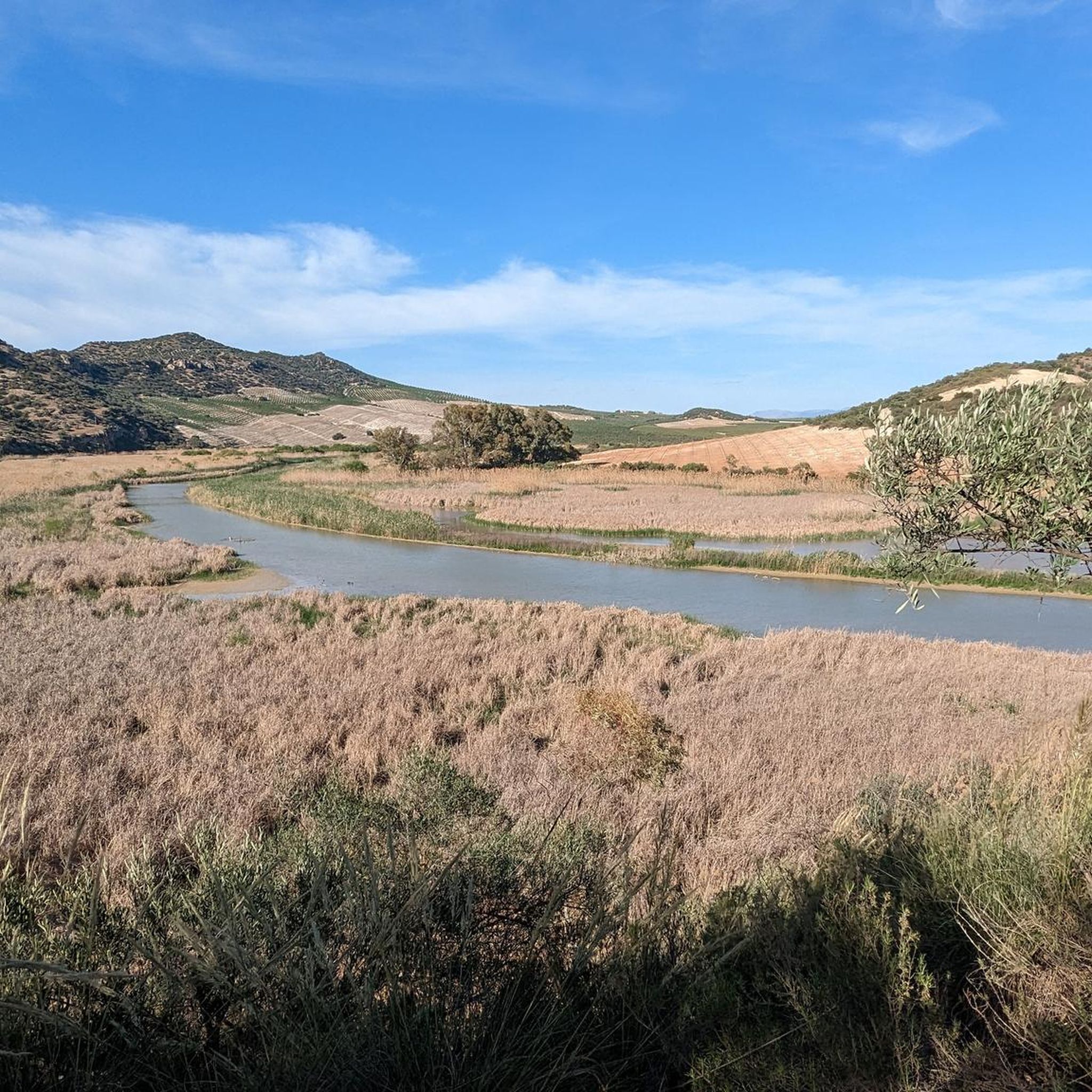
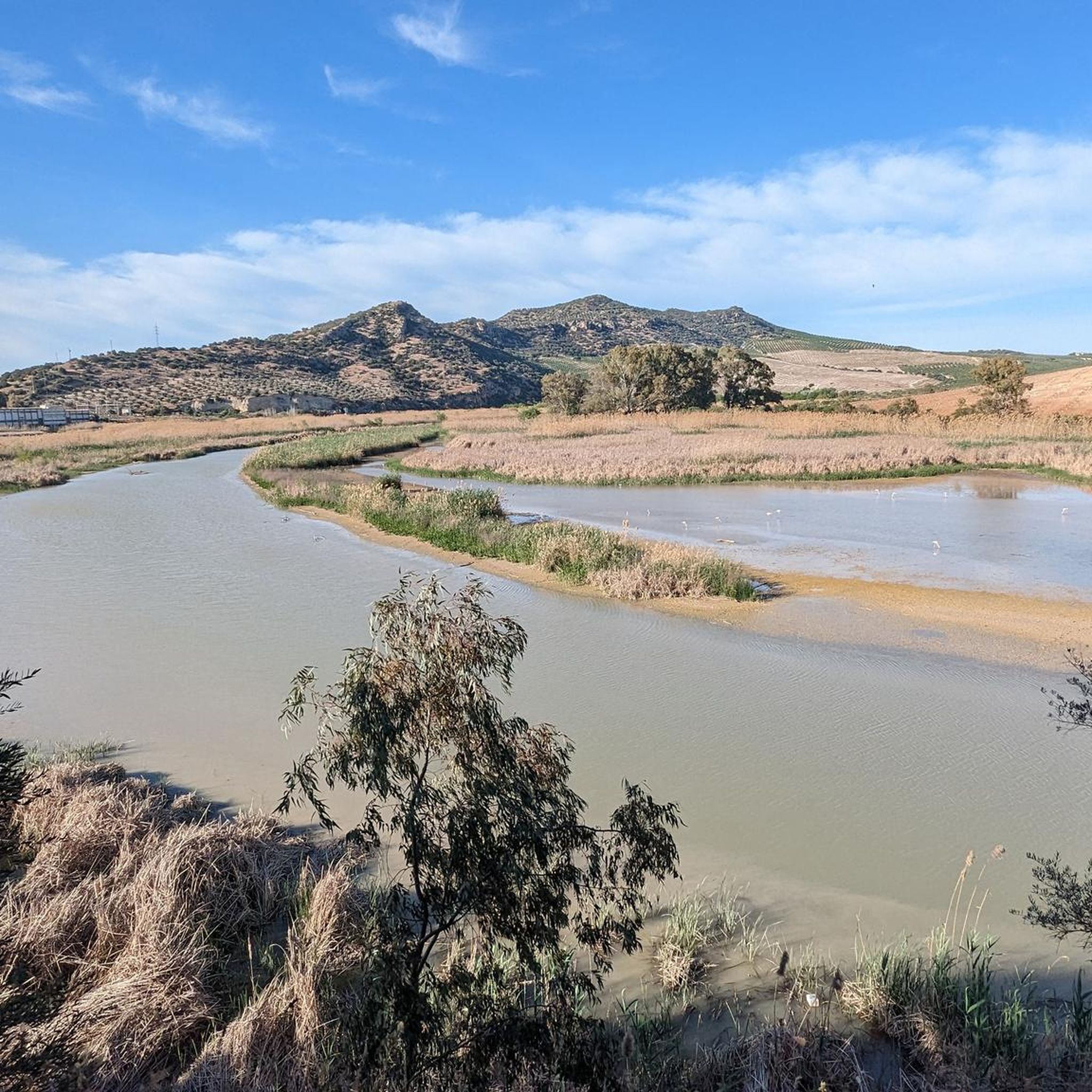
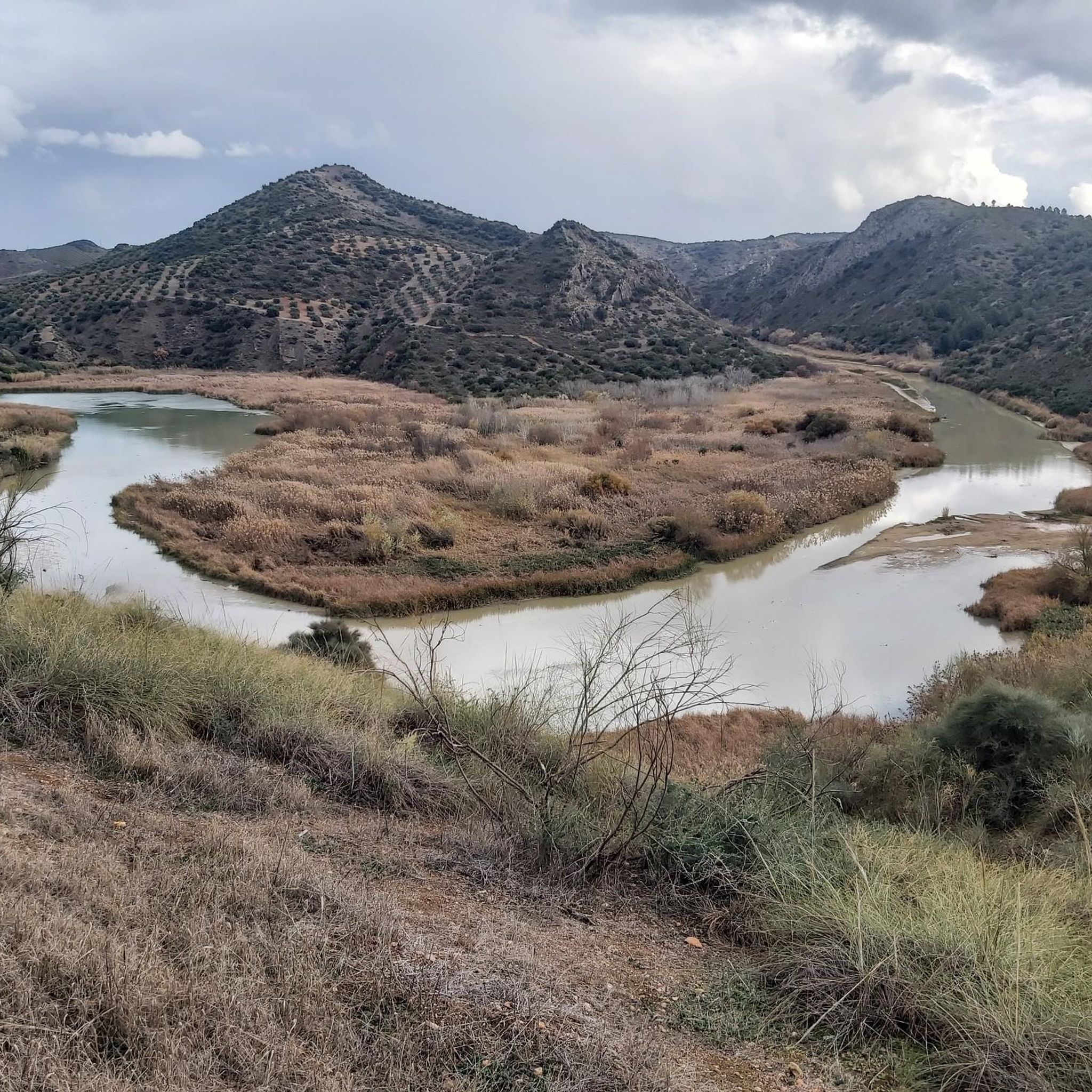
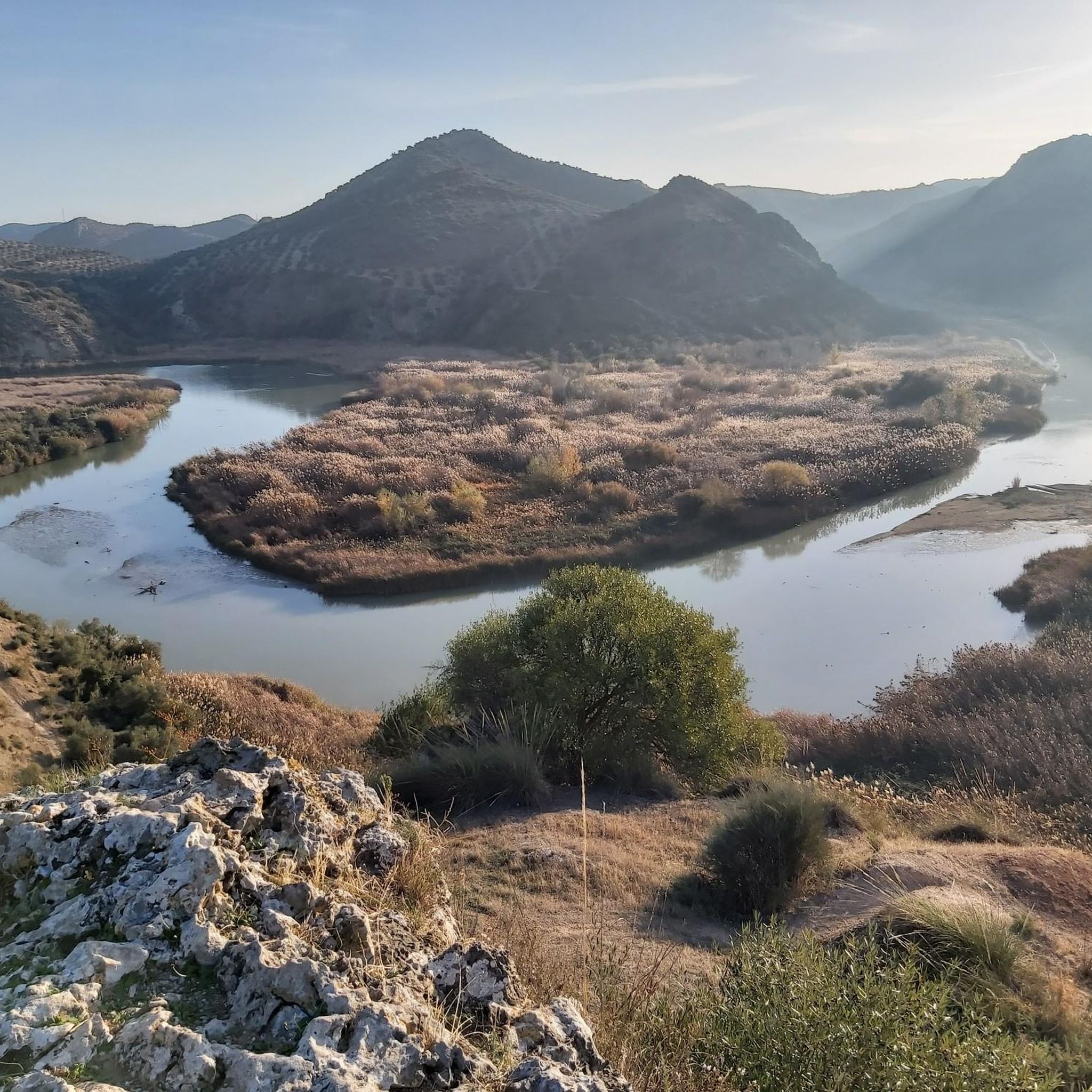
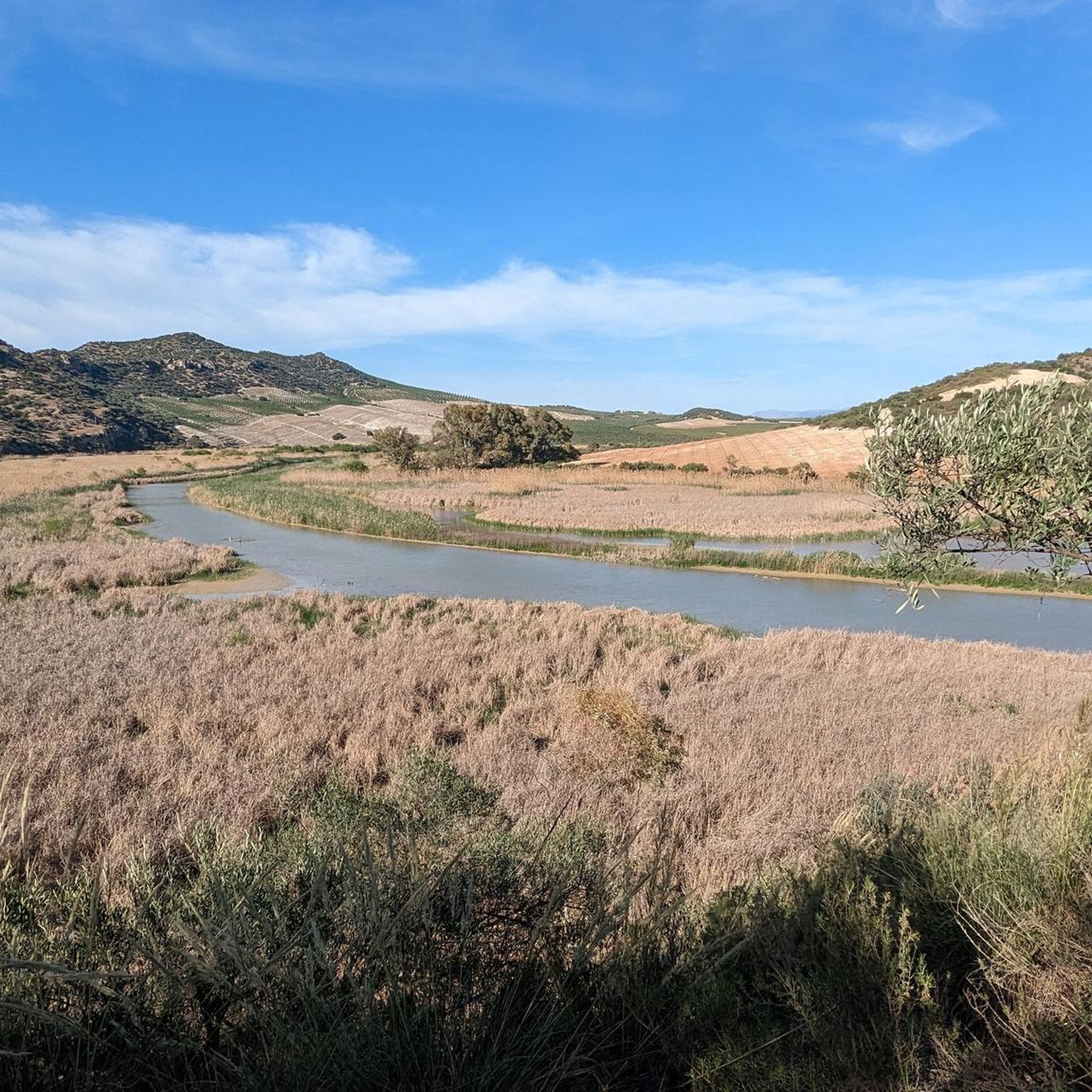
Yes, Estepa offers several natural features and stunning viewpoints. The Cerro de San Cristóbal, also known as the 'Balcony of Andalusia,' provides panoramic views of olive groves and valleys. The Manantial de Roya Nature Area is ideal for hiking, and the Sierra del Becerrero (Sierra de Estepa) offers trails with diverse flora and fauna. You can also enjoy the scenic landscape of the Genil River Meander near the Malpasillo Reservoir.
What cultural sites and religious buildings are worth visiting in Estepa?
Estepa has a strong religious heritage. The Santa María la Mayor Church, an Asset of Cultural Interest, houses the Museo de Arte Sacro. The active Convento de Santa Clara is known for its handmade sweets, and the Convento de San Francisco dates back to 1603. In nearby Osuna, the Collegiate Church of Our Lady of the Assumption is a significant Renaissance-style church with a museum of sacred art.
What unique local experiences related to food can I find in Estepa?
Estepa is internationally renowned for its traditional Christmas sweets, mantecados and polvorones. You can take guided tours of Mantecado Factories, especially in autumn, to see how these famous treats are made. There's also the Museo del Mantecado dedicated to these sweets, and Chocomundo, a unique museum focused on the history of chocolate.
Are there family-friendly attractions around Estepa?
Many attractions in the Estepa region are suitable for families. The Genil River Meander offers a quiet space to enjoy nature. Exploring the traditional streets and neighborhoods of Estepa can be an engaging experience. The Chocomundo museum, dedicated to chocolate, is also a fun and educational option for all ages.
Where can I go hiking around Estepa?
The Estepa region offers various hiking opportunities. The Sierra del Becerrero (Sierra de Estepa) has numerous trails for exploring local flora and fauna. You can find moderate trails like the 'Cerro Becerrero Trail' and the 'Sierra de Becerrero Circular Trail'. For more options, explore the hiking guide for Estepa.
What cycling routes are available near Estepa?
Cyclists can enjoy several routes around Estepa. Options include the 'Toro de Osborne – Pedrera loop from Estepa' and the 'Tower of Victory loop from Estepa'. These routes vary in difficulty from moderate to difficult. More detailed information and additional routes can be found in the cycling guide for Estepa.
Can I find gravel biking trails in the Estepa area?
Yes, there are gravel biking trails available. You can explore routes such as the 'Toro de Osborne – Pedrera loop from Estepa' or the 'Unique holm oak – Toro de Osborne loop from Lora de Estepa'. These routes offer a mix of moderate and difficult terrain. For a comprehensive list, check the gravel biking guide for Estepa.
What are the ancient quarries near Estepa?
The Los Canterones Ancient Quarries are a fascinating site, used since Roman and medieval times for extracting sandstone. These quarries have a unique appearance due to centuries of human intervention. A small cave within them was even a hiding place for the famous Spanish bandit Juan Caballero. In nearby Osuna, the Coto de las Canteras is another impressive archaeological site, often called the 'Petra of Andalusia'.
What is the 'Balcony of Andalusia' and what can I see from there?
The 'Balcony of Andalusia' refers to the Cerro de San Cristóbal, the highest point in Estepa. From this elevated position, you can enjoy extensive panoramic views of the surrounding olive groves, valleys, and on clear days, even catch a glimpse of the distant Sierra Nevada mountains.
What is special about the traditional streets of Estepa?
Strolling through Estepa's old town reveals its charm and history. The streets are steep, narrow, and cobbled, offering a glimpse into the town's past. Notable examples include Calle de la Libertad, with its small statue of the Virgin Mary, and Torralba Street, which is associated with a local bandit legend. The Las Angustias neighborhood is also unique, featuring the Montserrat Chapel inside an old mill tower.
What kind of wildlife can be spotted in the Estepa region?
The natural areas around Estepa, particularly the Sierra del Becerrero, are home to various wildlife. Visitors might spot red-legged partridges, griffon vultures, and a diverse range of plant life while exploring the trails.
Most popular attractions around Estepa

Get inspired with the komoot mobile app


Explore more
Still not found the Highlight you’re looking for? See guides of the top attractions in other regions:
