The best walks and hikes around San Xoán De Río
4.0
(16)
142
hikers
22
hikes
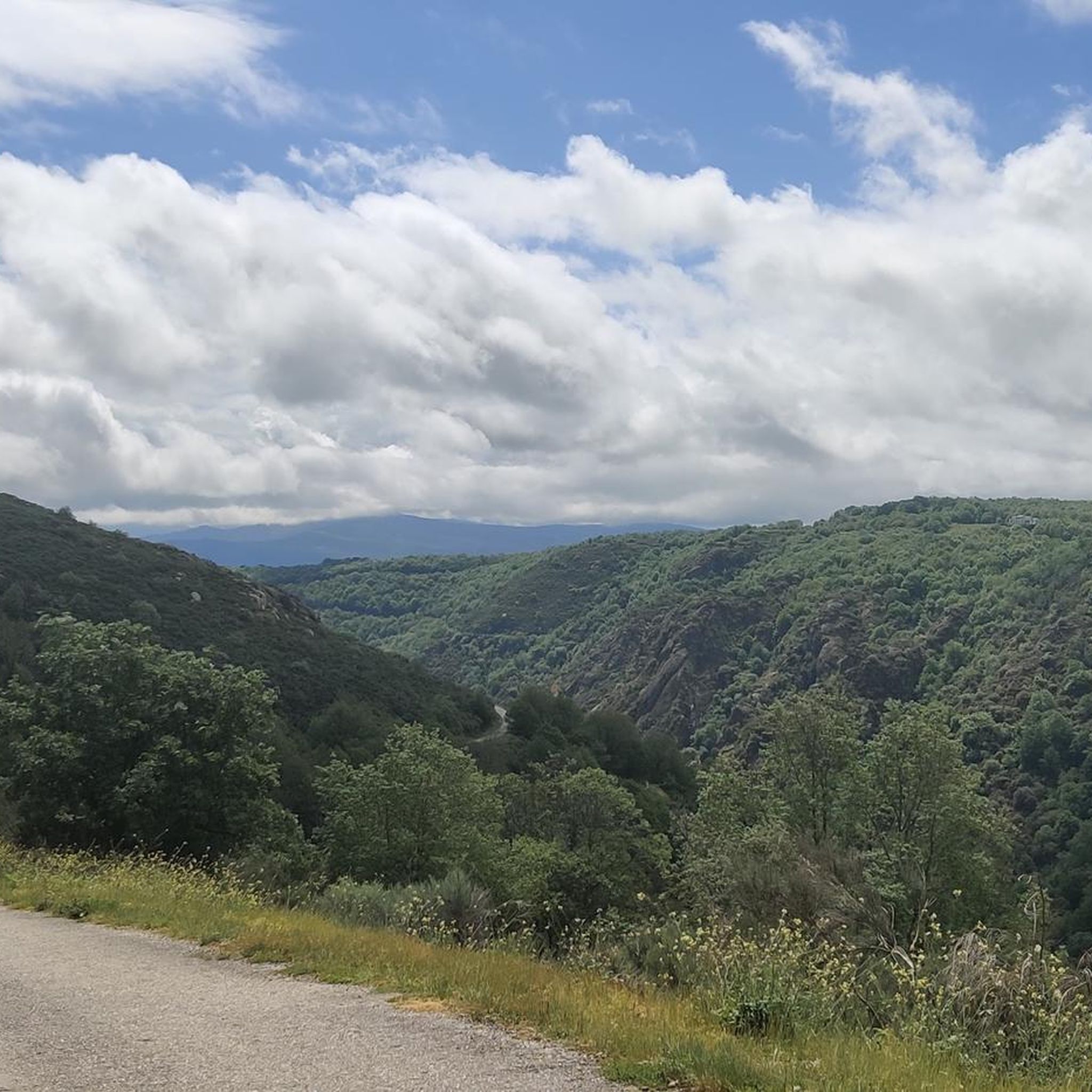
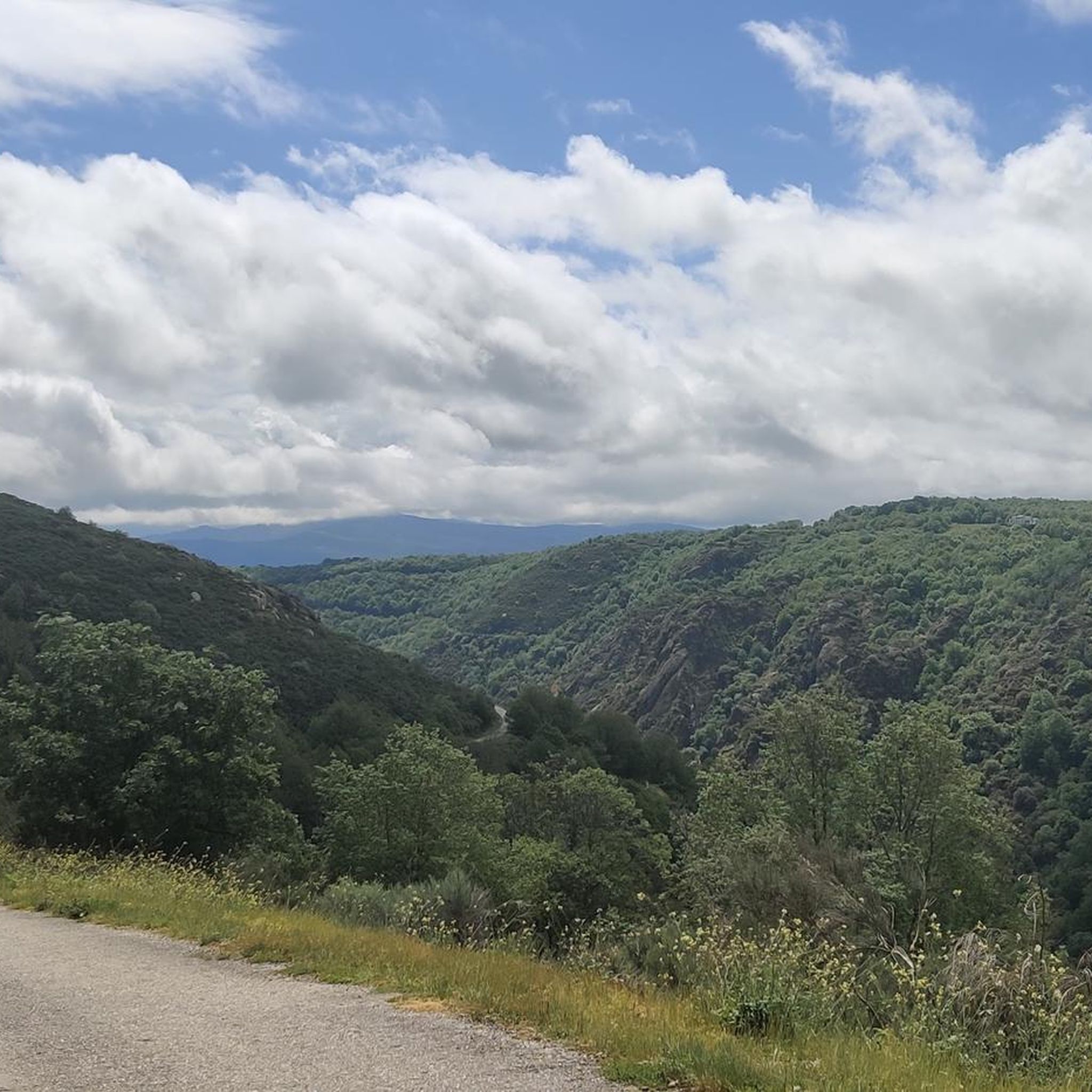
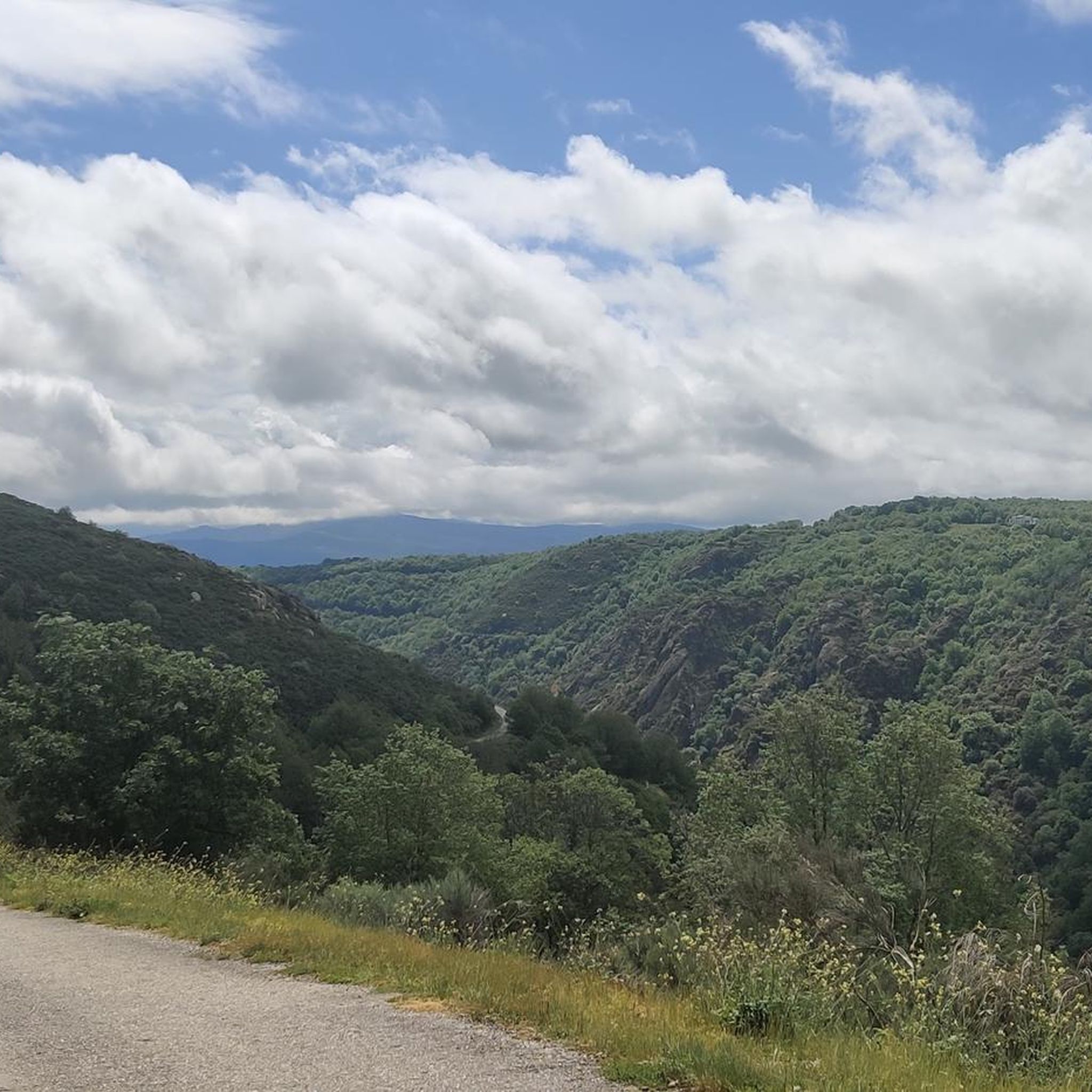
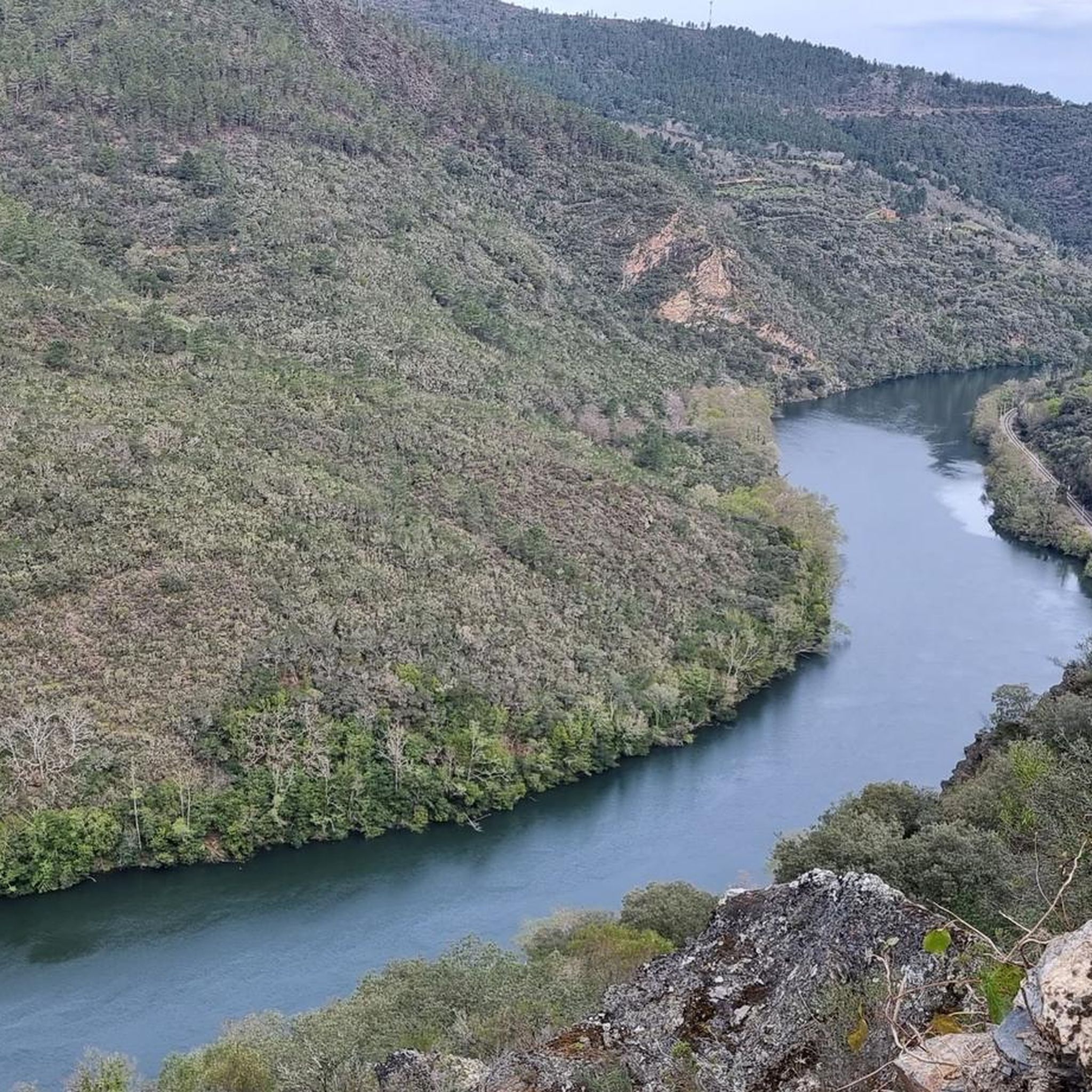
Hiking around San Xoán De Río, located in the Ribeira Sacra region of Ourense, Spain, offers diverse landscapes for outdoor enthusiasts. The area is characterized by mountainous valleys, lush forests, and ancient river systems, providing varied terrain. Hikers can explore dramatic river canyons carved by the Miño and Sil rivers, alongside extensive chestnut and oak groves. The region also features terraced slopes used for viticulture, adding to its unique natural features.
Best hiking trails around San Xoán De Río
- The…
Last updated: July 4, 2026
5.0
(2)
13
hikers
16.1km
05:06
640m
630m
Hard hike. Very good fitness required. Easily-accessible paths. Suitable for all skill levels.
2
hikers
16.5km
05:07
610m
610m
Hard hike. Very good fitness required. Mostly accessible paths. Sure-footedness required.

Sign up for free
5.0
(5)
34
hikers
5.42km
01:36
160m
160m
Easy hike. Great for any fitness level. Easily-accessible paths. Suitable for all skill levels.
4.8
(5)
29
hikers
15.5km
04:44
520m
520m
Moderate hike. Good fitness required. Easily-accessible paths. Suitable for all skill levels.
3
hikers
3.57km
01:04
110m
110m
Easy hike. Great for any fitness level. Easily-accessible paths. Suitable for all skill levels.
Get access to more routes and recommendations from other explorers.
Sign up for free
Already have an account?
Our route recommendations are based on thousands of hikes, rides, and runs completed by other people on komoot.
Start today with a free account
Your next adventure awaits.
Login or Signup
Tips from the Community

Visitable castle restored in different areas and worth seeing, along with the streets that surround it, medieval area of the town of Castro Caldelas
0
0

In the Middle Ages, the fortress of Castro Caldelas belonged to the house of Trastámara, its growth being very rapid due to trade and craft activities in which linen weavers made this place an important location for their businesses, in addition to Jews with liberal occupations.
3
0
In the place of Margaride de Lor, visitors will find what is known as 'Covas do Medo', within what is known as 'Complexo Aurífero do Medo', a set of remains of the mining activity of the Romans in this region of Lugo, nestled in the Courel Mountains Xeopark.
11
0
This church was mostly built in the 17th century, a building of humble dimensions and characteristics. It has a central nave covered with two waters and a chancel with a wooden structure. On the façade we can see how a humble belfry with two bays rises. Inside, the semicircular arch that leads to the presbytery stands out and is reminiscent of a Romanesque past, then we see a major altarpiece from the late 18th century of Baroque invoice with the sculptures of Santiago Apóstol (on horseback) Saint Peter and the Angel de la Guardia, this church also has a side altarpiece in neoclassical style. The church was formerly attached to the commission of San Xoán and later to that of Barxa de Lor.
10
0

On the most prominent site in the city, the castle stands on the old Roman road and dominates the surrounding landscape. The structure and wall of the castle was built in the 14th century. The Castle offers spectacular views of the Sil canyon.
2
0

The ancient mines of Medo are a site of the Roman Empire located in Margaride, a town located on the banks of the Lor River, between the Augalevada mountain range and the Aldriz hill. The purpose of these mines was to modify the water flows in the area in order to break the ground through the galleries and extract the mineral.
2
0
Small and humble temple built in the 17th century consisting of a central nave covered with two waters and a main chapel with a wooden structure.
3
0
Magnificent medieval castle located in the town of Castro Caldelas (Ourense). During the Middle Ages it was the most important fortress in the Ribeira Sacra and played a prominent role. The castle was also home to military legions, armies, senior officers and orders of warrior monks.
3
0
Frequently Asked Questions
What kind of terrain and landscapes can I expect on hikes in San Xoán De Río?
Hiking in San Xoán De Río offers a diverse landscape characterized by mountainous valleys, lush forests, and ancient river systems. You'll encounter dramatic river canyons carved by the Miño and Sil rivers, extensive chestnut and oak groves, and terraced slopes used for viticulture. The Val do Río Navea and the Lor River valleys are particularly scenic, featuring riparian forests and serene streams.
Are there hiking options for all skill levels in San Xoán De Río?
Yes, San Xoán De Río provides hiking options for various skill levels. The area features 9 easy routes, 6 moderate routes, and 3 difficult routes, ensuring there's a suitable path whether you're looking for a gentle stroll or a challenging trek.
What natural features or viewpoints can I discover along the trails?
The region is rich in natural beauty and offers stunning viewpoints. You can explore the Lor River with its enchanting forests, or visit the Pena de Matacás viewpoint for panoramic views over the Ribeira Sacra. Another notable spot is the View of the Sil River from the Doade Road, offering grand canyon vistas.
Are there any historical sites to explore on the hiking trails?
Yes, San Xoán De Río is steeped in history. You can encounter remnants of Roman heritage, such as the ancient Ponte Nave bridge, built on Roman foundations, and Roman milestones. The magnificent Castro Caldelas Castle is a prominent medieval fortress, and the Minas Romanas Os Biocos offer a glimpse into ancient gold mining. The Chapel of Encarnación also provides historical context related to pilgrim routes.
Are there any circular hiking routes available in San Xoán De Río?
Yes, there are several circular routes. For instance, the Cabeza de Manzaneda Loop Trail is a moderate 7.0-mile (11.3 km) path exploring varied terrain. Another option is the Castro Caldelas Castle loop from O Castro de Caldelas, an easy 3.4-mile (5.4 km) trail through historical areas.
What do other hikers enjoy most about hiking in San Xoán De Río?
The area is highly rated by the komoot community, with an average score of 3.75 stars from over 10 reviews. Hikers often praise the diverse landscapes, from dramatic river canyons to lush forests, and the combination of natural beauty with rich historical sites.
Are there any family-friendly hiking options in San Xoán De Río?
Yes, among the 18 available routes, there are 9 easy trails that are generally suitable for families. These routes often lead through historical areas or offer gentle walks, allowing for an enjoyable experience for all ages.
Can I bring my dog on the hiking trails in San Xoán De Río?
Most hiking trails in natural areas of Galicia, including San Xoán De Río, are generally dog-friendly, especially if your dog is well-behaved and kept on a leash. It's always advisable to check specific trail regulations or local signage for any restrictions, particularly in protected areas or near livestock.
What is the best time of year to go hiking in San Xoán De Río?
The region's diverse landscapes, including riparian forests and river canyons, offer captivating natural experiences year-round. Spring and autumn are particularly pleasant for hiking, with mild temperatures and vibrant foliage. Summer can be warm, while winter offers a different, often quieter, perspective on the trails.
Are there any long-distance hiking opportunities in the San Xoán De Río area?
While many routes are day hikes, some trails offer longer distances. For example, the Matacás Viewpoint Trail is a difficult 10.0-mile (16.1 km) route, and the Route of Gold and Iron spans 10.2 miles (16.5 km), providing more extensive trekking experiences.
Are there any trails that feature waterfalls or significant water bodies?
The region is characterized by ancient river systems and lush riparian forests. The 'Ruta A Fraga e Mirador de Domecelle' (mentioned in region research) is known to feature waterfalls and serene streams. The Val do Río Navea and the Lor River are also prominent water bodies that shape the landscape and offer scenic views.
Most popular attractions around San Xoán De Río

Get inspired with the komoot mobile app


Explore more
Browse the best Hikes in other regions.
