Attractions and Places To See around A Pontenova - Top 20
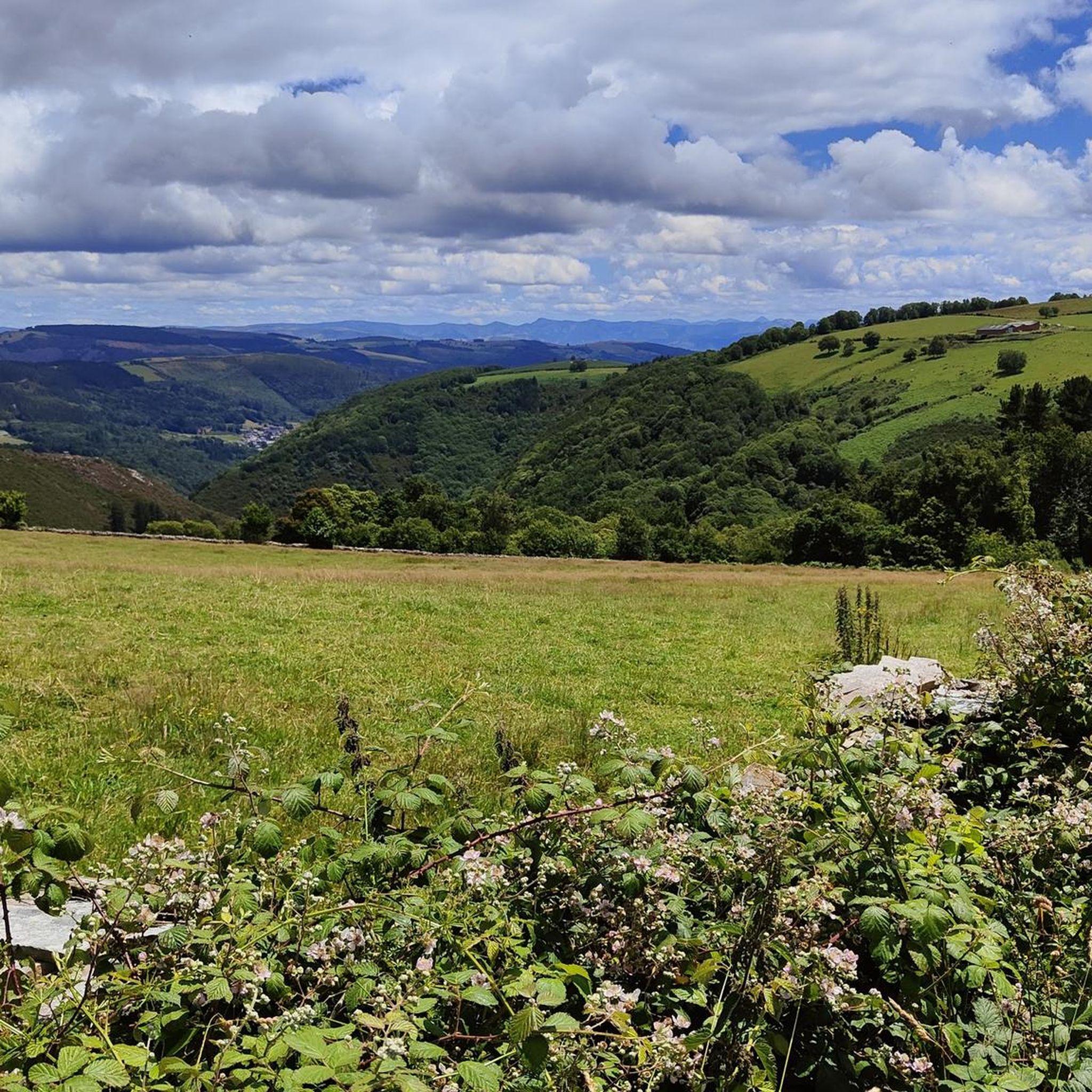
Best attractions and places to see around A Pontenova include a blend of industrial heritage, natural landscapes, and cultural sites. The municipality is situated in the province of Lugo, Galicia, characterized by green valleys, mountains, and the Eo River, which is a Biosphere Reserve. This region offers various points of interest, from historical kilns and mines to natural viewpoints and extensive hiking routes.
Best attractions and places to see around A Pontenova
- The most popular attraction is Monastery of San…
Last updated: October 10, 2026
Monastery of San Salvador
Highlight • Religious Site
Translated by Google •
Tip by

Hornos de Vilaoudriz
Highlight • Monument
Translated by Google •
Tip by

Sign up now to discover places like this
Get recommendations on the best single tracks, peaks, & plenty of other exciting outdoor places.
Church of San Martín (Taramundi)
Highlight • Religious Site
Translated by Google •
Tip by

Mazonovo Mill Museum
Highlight • Monument
Translated by Google •
Tip by

Water Route PR-AS-17 (Taramundi)
Highlight • Trail
Translated by Google •
Tip by
Sign up for free to discover even more attractions around A Pontenova.
Already have an account?
Start today with a free account
Your next adventure awaits.
Tips from the Community

«This chapel and nave made parishioners and a priest. Year 1714». The inscription printed on a slab dates the church of San Martín, located in the heart of Taramundi; a religious temple that, due to its large dimensions, can be seen from any point in the town or from the mountains. A church, which three hundred years later the descendants of those parishioners from the 18th century, keep standing by financing its rehabilitation. Its high, square and solid tower stands out, topped by a slate capital, although it is not the original one that was destroyed by lightning. The current one dates from 1952. Inside there are six altarpieces, all of them in Neoclassical style, except for the main altarpiece in Baroque style.
0
0

The museum is dedicated to the traditional water mills that used to be used in the area to grind corn and other cereals. Visitors to the museum can explore the various mills and learn about their history and operation. The museum also offers guided tours and demonstrations of how the mills were used in the past. It is a unique and fascinating place to visit, offering insight into the region's cultural heritage and traditional way of life.
1
0

The Vilaoudriz kilns, made up of five kilns built in different stages, are the largest set of calcination kilns in the northwest of the peninsula and a visit is highly recommended. The two oldest were built in brick, while the other three used masonry. With 11 meters high and 4 meters in diameter each, and four loading entrances, this construction also preserves a mine entrance from where the mineral extracted from the Vieiro Mine came.
2
0
The Vilaoudriz kilns, made up of five kilns built in different stages, are the largest set of calcination kilns in the northwest of the peninsula and a visit is highly recommended. The two oldest were built in brick, while the other three used masonry. With 11 meters high and 4 meters in diameter each, and four loading entrances, this construction also preserves a mine entrance from where the mineral extracted from the Vieiro Mine came.
2
0

A 10th-century monastery that will leave you with good memories
3
2

Lugo is the capital of the Primitive Way in Galicia and one of the cities with the greatest cultural heritage along the Camino de Santiago. It is not every day that you can walk over a Roman wall like the one that surrounds the historic center, nor witness some interesting destinations around it, such as the ancient monastery of San Salvador de Villanueva in the town of Lorenzana. A few kilometers from Mondoñedo and in the valley of the river Masma, there is an architectural complex that has been adapted to the different constructive fashions between Medieval Spain and the seventeenth century. Declared a historic-artistic monument in 1974, the Monastery of San Salvador is undoubtedly one of the most important buildings and a benchmark of the baroque style in Galicia. https://vivecamino.com/en/mondonedo/monasterio-de-san-salvador-lourenza-3456/
1
1

This - former - monastery complex was not dedicated to one of the many people we honor as blessed or saints and ask for their heavenly intercession with God, but dedicated to the incarnate Son of God Jesus Christ, our redeemer and savior ("San Salvador").
5
1

The monastery was founded in the 10th century by Osorio Gutiérrez, the holy count, who on his death was buried in his temple, in a marble Paleo-Christian sarcophagus from the 6th century, originally from Aquitaine. The sarcophagus can be seen in the Valdeflores chapel (18th century) of the monastery church.
15
1
Frequently Asked Questions
What historical industrial sites can I visit in A Pontenova?
A Pontenova is rich in industrial heritage. You can explore the impressive Hornos de Vilaoudriz, a complex of five calcination kilns that are the largest in the northwest Iberian Peninsula. Another significant site is Mina Consuelo, offering a glimpse into the area's mining past through its access tunnels. The Ferrería de Bogo, founded in the 16th century, showcases traditional ironworking with its forge, mill, and waterfall.
Are there any ancient or religious historical sites to explore near A Pontenova?
Yes, the region offers several ancient and religious sites. The Monastery of San Salvador, founded in the 10th century, is a must-see, housing a 6th-century Paleo-Christian marble sarcophagus. You can also visit the 17th-century Baroque Santuario de Santa María de Conforto and discover the remnants of ancient fortified settlements known as Castros, which offer insight into pre-Roman times.
What natural attractions are there to see around A Pontenova?
A Pontenova is nestled in a beautiful natural environment. You can enjoy panoramic views of the Eo River valley from the Mirador de A Panda. The region also features picturesque waterfalls like Pozo da Chamosa and Fervenza da Férrea, accessible via hiking routes. The Eo River itself is a Biosphere Reserve, offering serene environments, and the Fraga de As Reigadas is an important Atlantic forest known for its rich biodiversity.
Are there family-friendly activities or attractions in A Pontenova?
Absolutely! The Hornos de Vilaoudriz are considered family-friendly, offering an engaging historical experience. The Mazonovo Mill Museum provides guided tours and demonstrations of traditional water mills, which can be fascinating for all ages. For outdoor fun, Pozo da Ola is a popular river beach and recreational area within the urban center, ideal for swimming and relaxation, equipped with tables, benches, and barbecues.
What kind of hiking trails can I find near A Pontenova?
A Pontenova is a paradise for hikers, offering a variety of routes. You can explore the 'Ruta dos Fornos,' a 4.5 km trail integrated into the larger 'Ruta das Minas,' which combines mining history with natural landscapes. The 'Ruta do Ferrocarril' (Vía Verde do Eo) is an accessible 12 km greenway following an old railway line. Other notable trails include the 'Ruta da Seimeira,' 'Ruta de As Reigadas,' and the 'Ruta da Férrea.' For more options, check out the hiking guide for A Pontenova.
Are there cycling routes available around A Pontenova?
Yes, the area around A Pontenova offers several cycling opportunities. The 'Ruta do Ferrocarril' (Vía Verde do Eo) is a particularly accessible 12 km path suitable for cycling, featuring tunnels, bridges, and views of the Eo River. For more challenging rides, you can find routes like the 'Alto de la Bobia - Oscos Loop' or the 'Taramundi and La Bobia Loop.' Discover more options in the road cycling guide for A Pontenova or the MTB trails guide.
Where can I learn about the traditional crafts and heritage of the region?
To delve into the region's traditional crafts and heritage, visit the Mazonovo Mill Museum, which is dedicated to traditional watermills and offers guided tours. The Ferrería de Bogo, a 16th-century complex, provides insight into historical ironworking. Additionally, the Museo de Pesca (Fishing Museum) offers a unique interpretation of fishing history, including artifacts like a hook used by Franco for salmon fishing in the Eo River.
What is the best time to visit A Pontenova?
The best time to visit A Pontenova largely depends on your interests. Spring and summer are ideal for outdoor activities like hiking and cycling, with pleasant weather. May is a particularly vibrant time, as the town hosts the 'Festa da Troita' (Trout Festival). For a unique cultural experience, consider visiting during local festivities like the 'Queima dos Fornos,' when the historic kilns are lit up to commemorate their significance.
Are there any viewpoints offering scenic vistas of the area?
Yes, the Mirador de A Panda is a wooden viewpoint constructed in 2009, offering stunning panoramic views of the Eo River valley and parts of the Biosphere Reserve. Additionally, the Forno de Boulloso, a well-preserved calcination kiln from 1905, features an upper platform that serves as another excellent viewpoint.
Can I find places for swimming or water activities in A Pontenova?
Yes, Pozo da Ola is a popular river beach and recreational area located right within the urban center of A Pontenova. It's an ideal spot for swimming and relaxation, equipped with tables, benches, and barbecues for visitors. The Eo River, being a Biosphere Reserve, also offers opportunities for activities like kayaking.
What cultural events or festivities take place in A Pontenova?
A Pontenova hosts several vibrant events throughout the year. The 'Festa da Troita' (Trout Festival) on May 1st is a national sports competition and tourist attraction centered on the Eo River. Another significant event is the 'Queima dos Fornos' (Burning of the Kilns), where the historic kilns are re-enacted. Other festivities include the 'Baixeo,' a descent of the Eo River with floating gadgets, and a Crafts and Antiques Fair.
What kind of wildlife can I expect to see in A Pontenova?
A Pontenova's natural environment, particularly the Eo River Biosphere Reserve and areas like Fraga de As Reigadas and Bosques del Espacio natural ZEC Carballido, are rich in biodiversity. You can expect to spot various bird species, and the rivers are known for trout. The Atlantic forests are home to diverse flora and fauna, making it a great area for nature observation.
Most popular routes around A Pontenova
Most popular attractions around A Pontenova

Get inspired with the komoot mobile app


Explore more
Still not found the Highlight you’re looking for? See guides of the top attractions in other regions:
