The best cycling routes around Riolobos
4.5
(7)
91
riders
15
rides
Touring cycling around Riolobos offers routes through a landscape characterized by open dehesa, historical structures like castles and viaducts, and river crossings. The terrain includes varied elevation gains, with some routes featuring significant climbs. This region provides a mix of open country riding and paths that pass by reservoirs and ancient bridges.
Best touring cycling routes around Riolobos
- The most popular touring cycling route is Cañaveral from Torrejoncillo – circular by the Castillo de Portezuelo and the Puente de Alconetar…
Last updated: June 24, 2026
5.0
(1)
7
riders
Hard bike ride. Very good fitness required. Mostly paved surfaces. Suitable for all skill levels.
Hard bike ride. Very good fitness required. Mostly paved surfaces. Suitable for all skill levels.

Sign up for free
4.0
(6)
47
riders
86.9km
05:57
970m
970m
Hard bike ride. Very good fitness required. Mostly paved surfaces. Suitable for all skill levels.
6
riders
66.5km
04:20
860m
860m
Hard bike ride. Very good fitness required. Mostly paved surfaces. Suitable for all skill levels.
7
riders
47.3km
04:42
1,120m
1,120m
Hard bike ride. Very good fitness required. Mostly paved surfaces. Suitable for all skill levels.
Get access to more routes and recommendations from other explorers.
Sign up for free
Already have an account?
Our route recommendations are based on thousands of hikes, rides, and runs completed by other people on komoot.
Start today with a free account
Your next adventure awaits.
Login or Signup
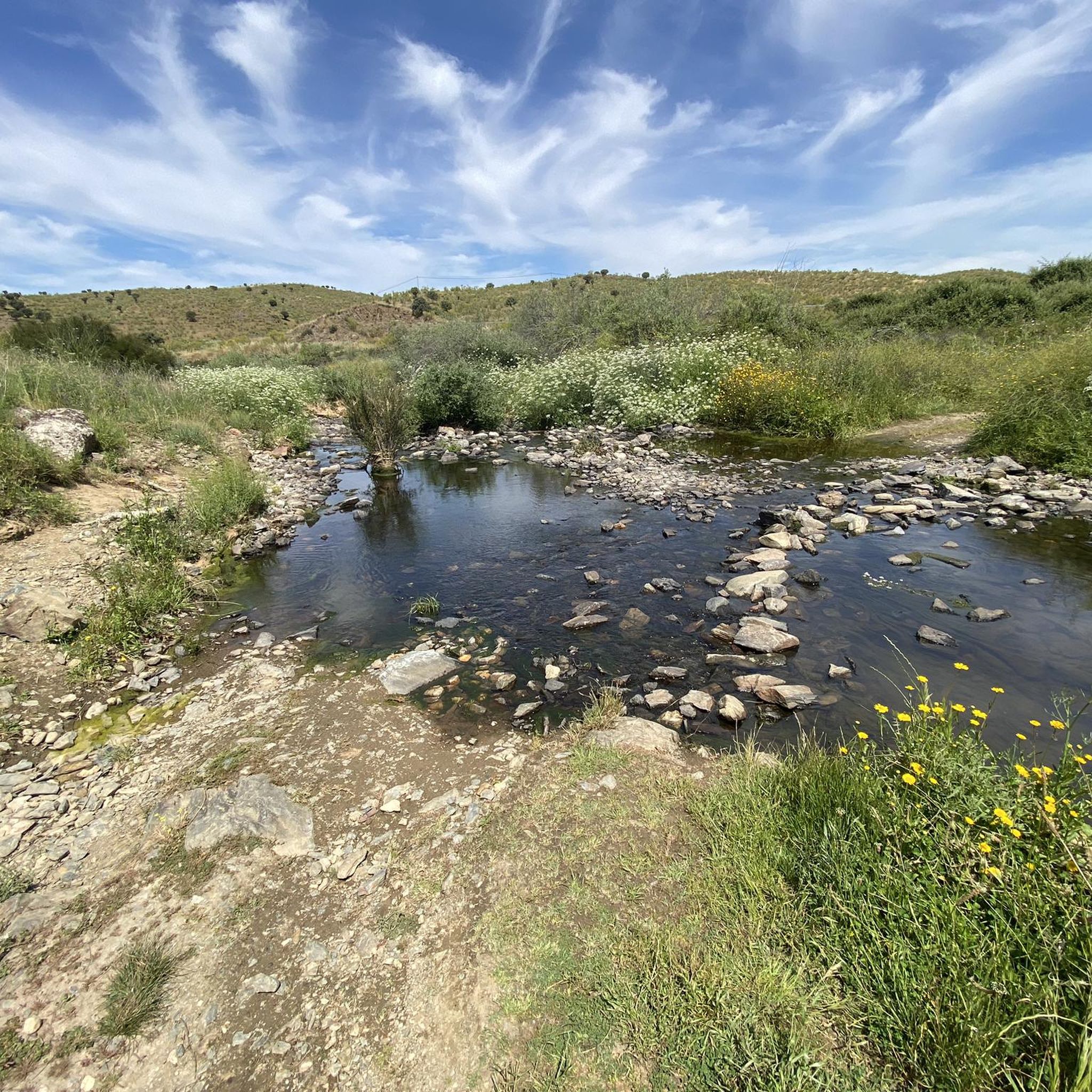
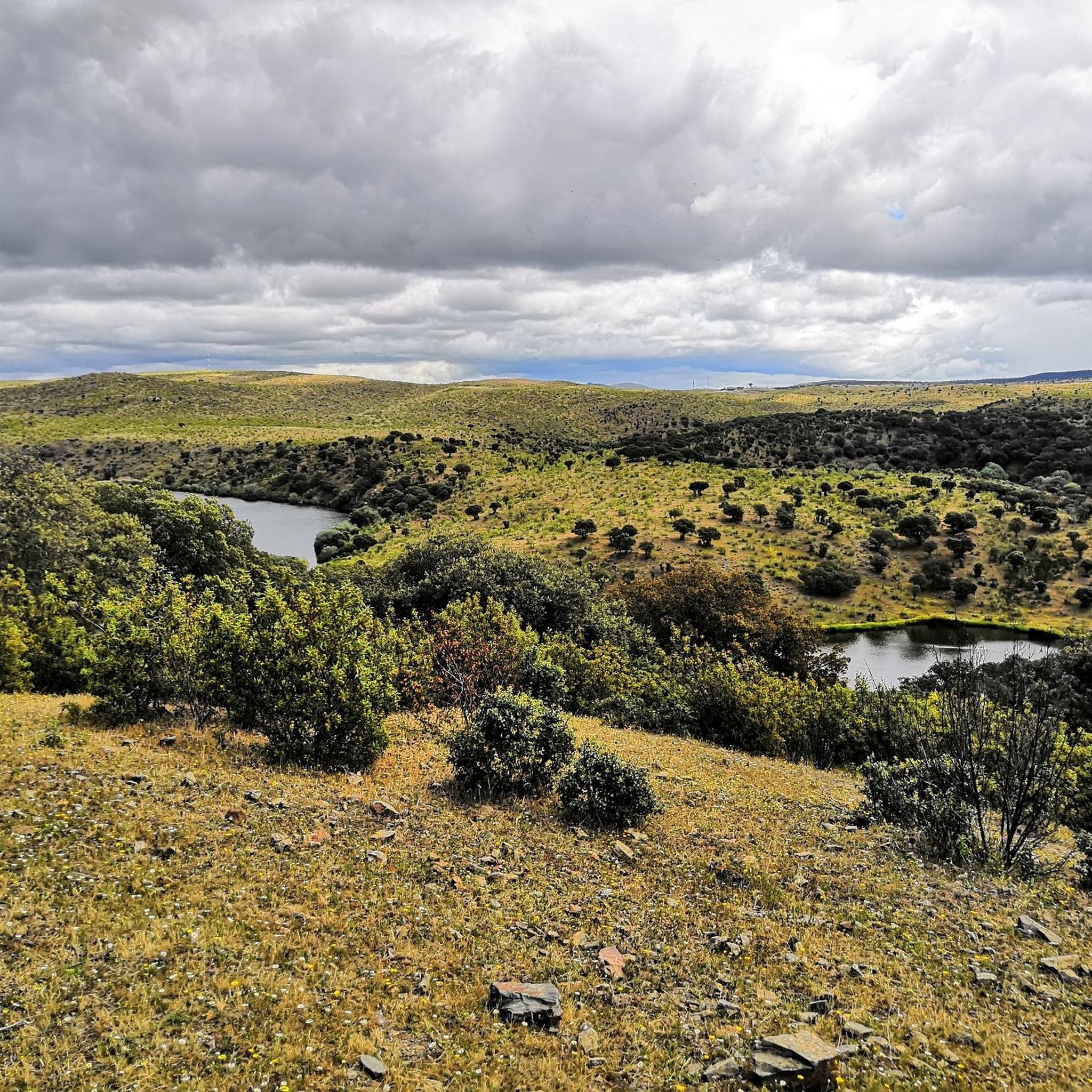
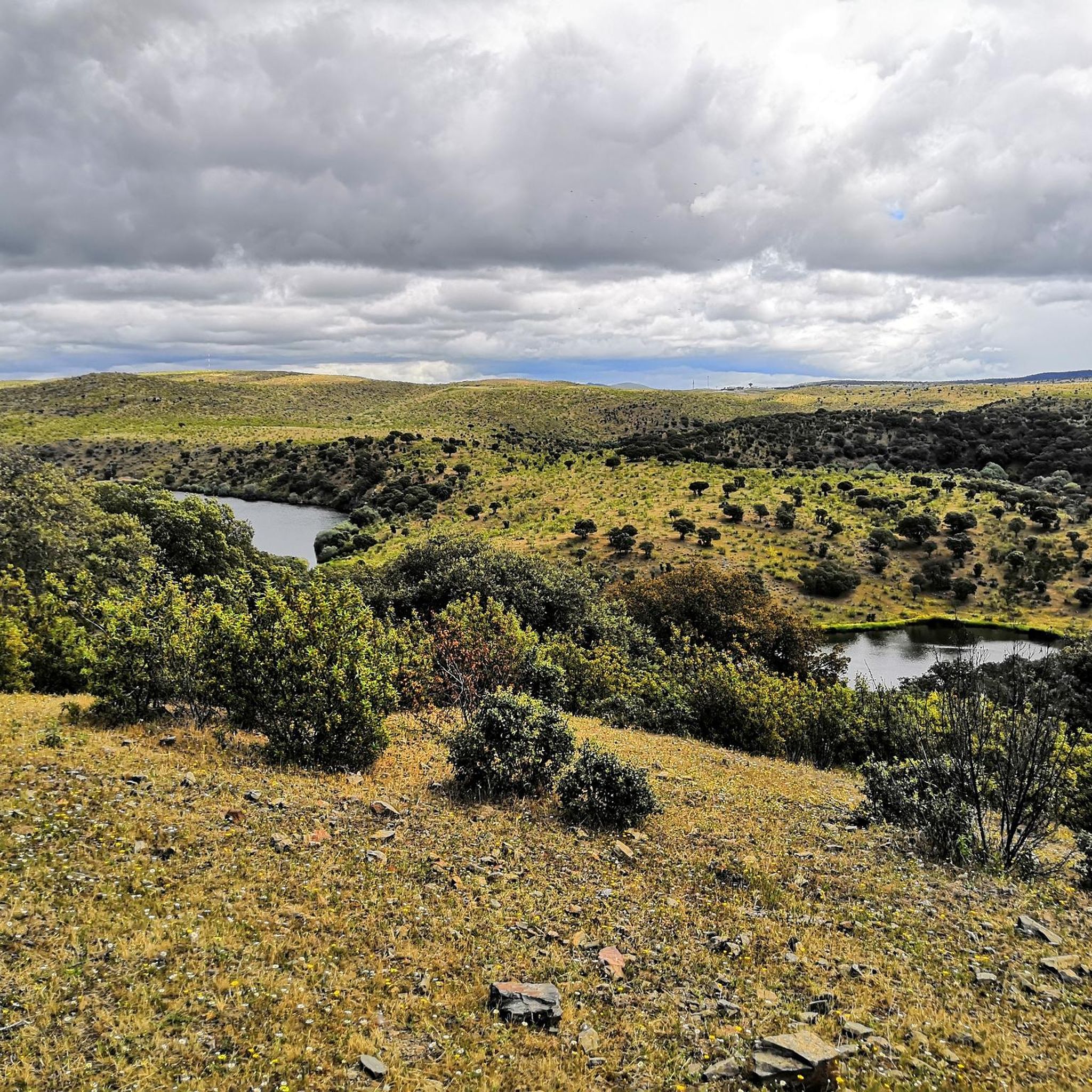
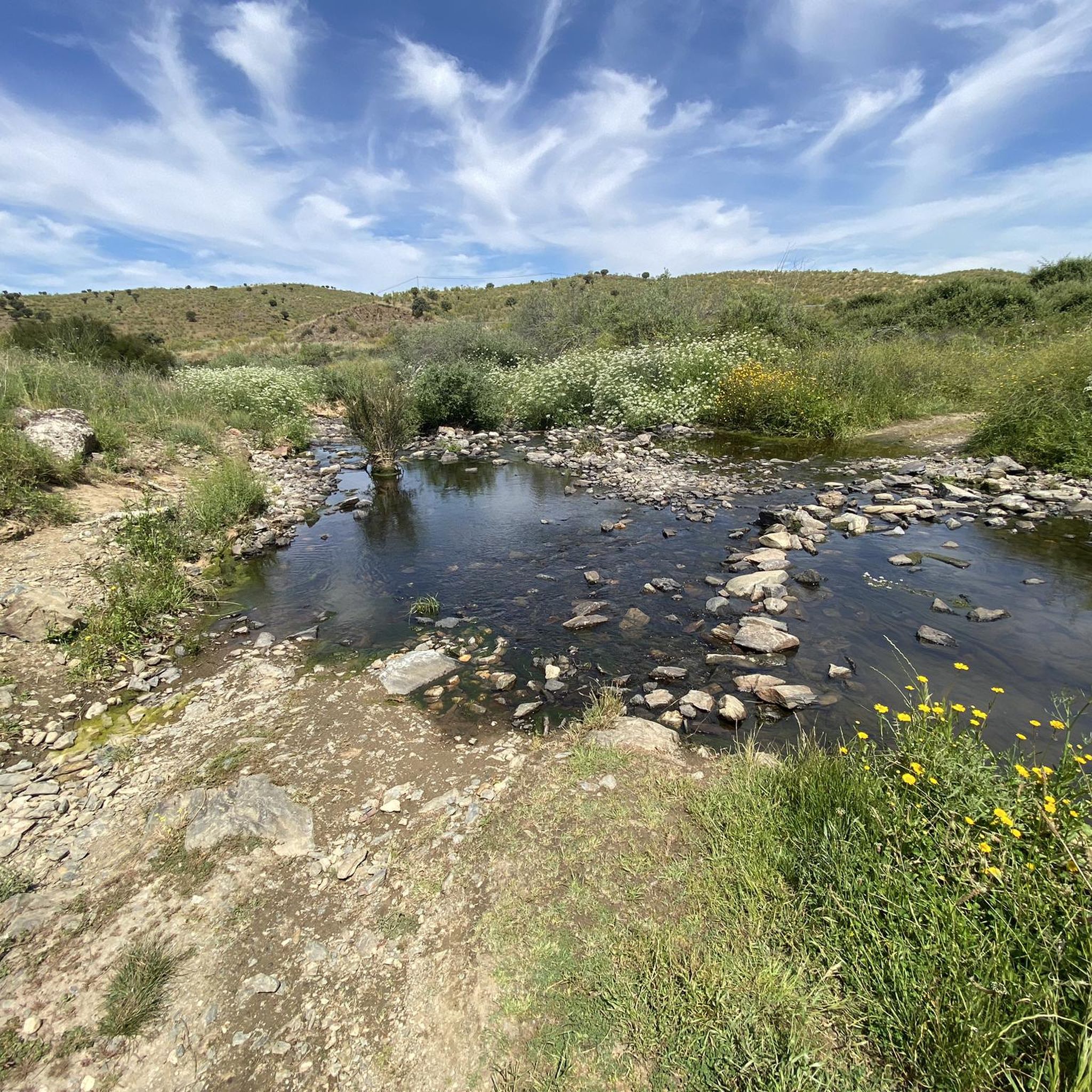
Tips from the Community

Also known as the Tajo Reservoir, it is the second largest in Spain by capacity. This body of water is home to countless bird species and intensifies the beauty of the landscape.
0
0
This section of the western Royal Road of Soria runs along the top of hills that reveal the beautiful surrounding landscape. The view is lost among mountain ridges and groves.
0
0

For decades it lay forgotten, becoming a remote ruin visited by few. Recently, however, Mirabel Castle (or what remains of it) has become one of the attractions in this part of the Monfragüe Biosphere Reserve. Located on a hilltop in the mountains, the castle's imposing defensive structure offers magnificent views of the Tagus River stretching out below.
11
0

Alcántara-Garrovillas reservoir, which runs between the municipalities of Garrovillas de Alconétar and Santiago del Campo.
5
0

I don't know whose idea it was to restore the northwest tower so badly, a crime in plain sight... Today they are working on the "restoration" of the barbican. Alfonso II, in 877, failed to conquer the fortress of Portezuelo. In the month of July 997, when Almanzor crossed the Alconeter bridge and through Coria and the castle of Portezuelo he reached Santiago of Compostela. Conquered by Ferdinand II of León in 1166 and lost in 96. In 1219 Diego Sánchez, master of Alcántara, took it again: “he left Çamora with a large army against the Moors who still had much of Estremadura belonging to their conquest and the master with his knights and vassals joined the king in the city of Coria. From there the army left together and laid siege to a castle. called Portillo, which were a Sierra not far from Ceclavin. They beat him for combat and captured more than two hundred Moors in it." According to sources, the castle had an Arab and Christian population until 1386.
0
0
The Almonte viaduct is an impressive structure that is part of the Madrid-Extremadura high-speed line. This viaduct is located in the Alcántara reservoir-Garrovillas section, which runs between the municipalities of Garrovillas de Alconétar and Santiago del Campo, in the province of Cáceres.
3
1
Cañaveral is a Spanish town and municipality, located in the province of Cáceres, in the autonomous community of Extremadura. Administratively, it is part of the judicial district of Cáceres and the community of Riberos del Tajo. It is located in the center of the province, north of the Tagus River, near a chain of mountain ranges that extend from the Monfragüe National Park.
2
0
Portezuelo Castle, also known as Marmionda Castle, is an ancient fortress located in the municipality of Portezuelo, in the province of Cáceres. The construction of the castle dates back to the 12th century. During this time, the Almohads invaded al-Andalus (1147), putting an end to the Almoravid empire. In 1167, the Christian king of León, Ferdinand II, conquered the castle and gave it to the Knights Templar. However, in 1196, the Almohads recovered it. Finally, in 1213, Alfonso IX of León definitively reconquered it and handed it over to the Order of San Julián del Pereiro, later known as the Order of Alcántara. Throughout its history, the castle underwent various renovations, the 16th century being the last of some importance. Unfortunately, it was abandoned in the second half of the 17th century.
8
0
Frequently Asked Questions
How many touring cycling routes are available around Riolobos?
There are over 10 touring cycling routes around Riolobos, offering a variety of experiences through the region's unique landscape.
What kind of terrain can I expect on touring cycling routes near Riolobos?
The routes around Riolobos are characterized by open dehesa, historical structures like castles and viaducts, and river crossings. You can expect varied elevation gains, with some routes featuring significant climbs, offering a mix of open country riding and paths passing by reservoirs and ancient bridges.
Are there any easy touring cycling routes for beginners in Riolobos?
While Riolobos offers many rewarding routes, the current selection of touring cycling trails tends towards moderate to difficult. There are no routes specifically categorized as easy, with 5 moderate and 7 difficult routes available. Riders should be prepared for varied terrain and elevation.
What are some challenging touring cycling routes for experienced riders in Riolobos?
Experienced riders will find several challenging routes. For instance, the República Fountain – Through the dehesa towards Galisteo loop from Casas de Millán is a difficult 46.4 km route with significant elevation gain. Another demanding option is the Floripes Tower – Puente de Alconétar loop from Casas de Millán, which spans 88.7 km and takes about 6 hours to complete.
Are there circular touring cycling routes available in Riolobos?
Yes, many of the touring cycling routes in Riolobos are circular. Popular options include Cañaveral from Torrejoncillo – circular by the Castillo de Portezuelo and the Puente de Alconetar, which is 44.0 km long, and Mirabel from Casas de Millán – circular by Castillo de Mirabel and Embalse de Arroyo Boquerón, a 46.6 km route.
What historical landmarks or natural sights can I see along touring cycling routes in Riolobos?
Riolobos's routes often pass by significant historical and natural attractions. You might encounter the impressive Mirabel Castle, the ancient Galisteo City Walls, or the unique ‘Padre Santo’ Cork Oak. The Riolobos Viaduct – Serradilla loop from Riolobos also offers views of historical structures.
What are the typical distances and durations for touring bike trails in Riolobos?
The touring cycling routes around Riolobos vary significantly in length and duration. You can expect routes ranging from approximately 44 km, taking around 3 hours, to longer trails like the Floripes Tower – Puente de Alconétar loop from Casas de Millán, which is 88.7 km and typically takes over 6 hours to complete.
What do other touring cyclists enjoy the most about touring cycling in Riolobos?
The area is highly rated by the komoot community, with an average score of 4.5 stars. Reviewers often praise the region's blend of open dehesa landscapes, historical structures, and varied terrain, which provides a rewarding experience for touring cyclists.
Are there any less crowded touring bike trails near Riolobos?
While specific crowd levels can vary, routes that venture further into the dehesa or away from major towns, such as the República Fountain – Through the dehesa towards Galisteo loop from Casas de Millán, might offer a more tranquil experience. Exploring routes during off-peak hours or seasons can also help avoid busier times.
What is the best time of year for touring cycling in Riolobos?
The spring (March to May) and autumn (September to November) months generally offer the most pleasant weather for touring cycling in Riolobos, with milder temperatures and less intense sun. Summers can be very hot, and winters can be cooler and wetter, so checking the forecast is always recommended.
Are there cafes or places to stop for refreshments along the touring cycling routes?
Many routes pass through or near small towns and villages where you can find local cafes, bars, or shops to refuel. It's always a good idea to check your chosen route on komoot for specific points of interest and plan your stops accordingly, especially on longer or more remote sections.
Most popular attractions around Riolobos

Get inspired with the komoot mobile app


Explore more
Browse the best Cycling routes in other regions.
