Attractions and Places To See around Hervás - Top 20
Best attractions and places to see around Hervás include a rich blend of history, culture, and natural beauty within the picturesque Ambroz Valley in Extremadura, Spain. The town is known for its well-preserved Jewish Quarter, significant religious buildings, and diverse museums. Visitors can explore stunning natural landscapes, including lush forests and numerous hiking trails. This region offers a variety of experiences for those interested in both historical sites and outdoor activities.
Best attractions and places to see around Hervás
- The…
Last updated: October 5, 2026
Carlos V Bridge
Highlight • Bridge
Translated by Google •
Tip by

Béjar Pass
Highlight • Settlement
Cuisine: Mediterranean and Spanish, with grilled meats, tapas, and traditional dishes.
Specialties:
Translated by Google •
Tip by

Sign up now to discover places like this
Get recommendations on the best single tracks, peaks, & plenty of other exciting outdoor places.
Nogaleas Waterfalls
Highlight • Waterfall
Translated by Google •
Tip by

Béjar Station and Vía de la Plata Tunnel
Highlight • Trail
80.1 kilometers. 730 positive meters.
The route leaves the Béjar station through a curved tunnel with automatic artificial lighting that passes under the historic complex, where the …
Translated by Google •
Tip by

Los Pilones Natural Pools
Highlight • Natural Monument
Translated by Google •
Tip by
Sign up for free to discover even more attractions around Hervás.
Already have an account?
Start today with a free account
Your next adventure awaits.

Tips from the Community

The origin of this via verde lies in the transport of silver. the Silver Route (Vía de la Plata) runs through. However, pilgrims do not walk through the village itself, which is characterized by its typical local architecture; instead, the pilgrim route stays to the left of the village
10
1

Very close to the Béjar Greenway, ideal for cyclists and hikers who follow the old railway line. Cuisine: Mediterranean and Spanish, with grilled meats, tapas, and traditional dishes. Specialties: Grilled meats (T-bone steak, Iberian pork shoulder). Burgers (including Wagyu). A variety of tapas, croquettes, and salads. Fresh fish and homemade stews.
8
0

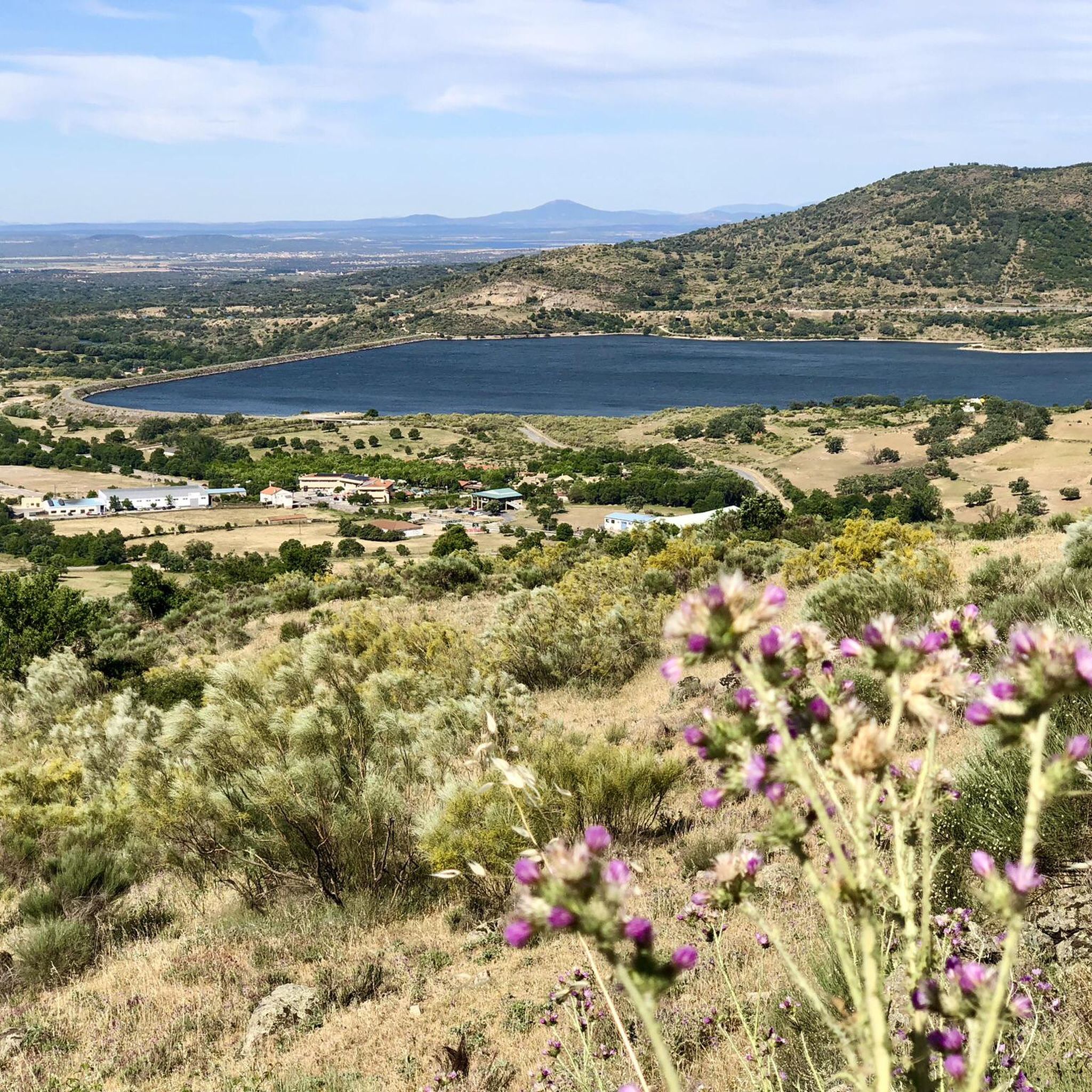
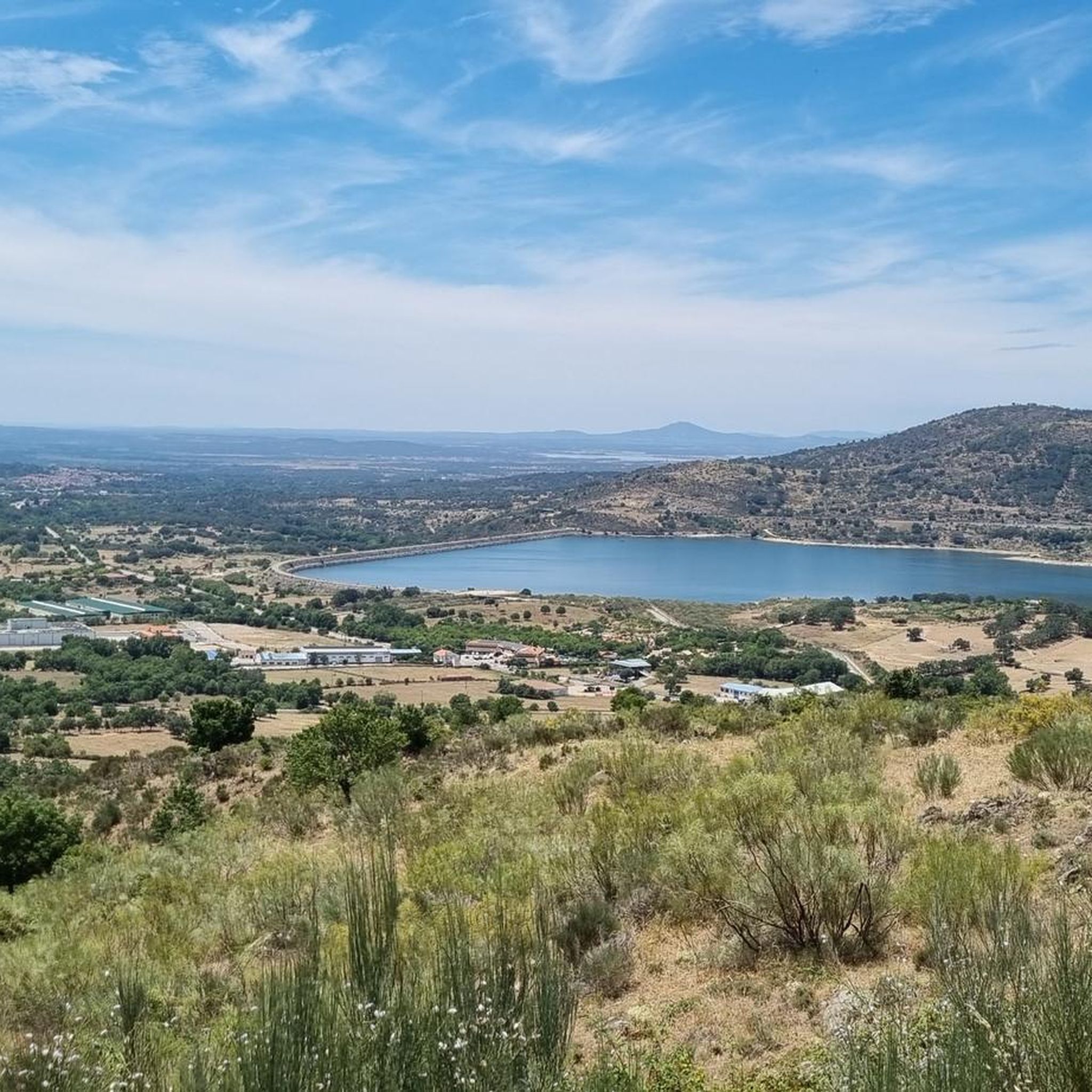
The information value of the photos is zero! OK, there is water, but what are the paths like, their condition, etc.
1
1


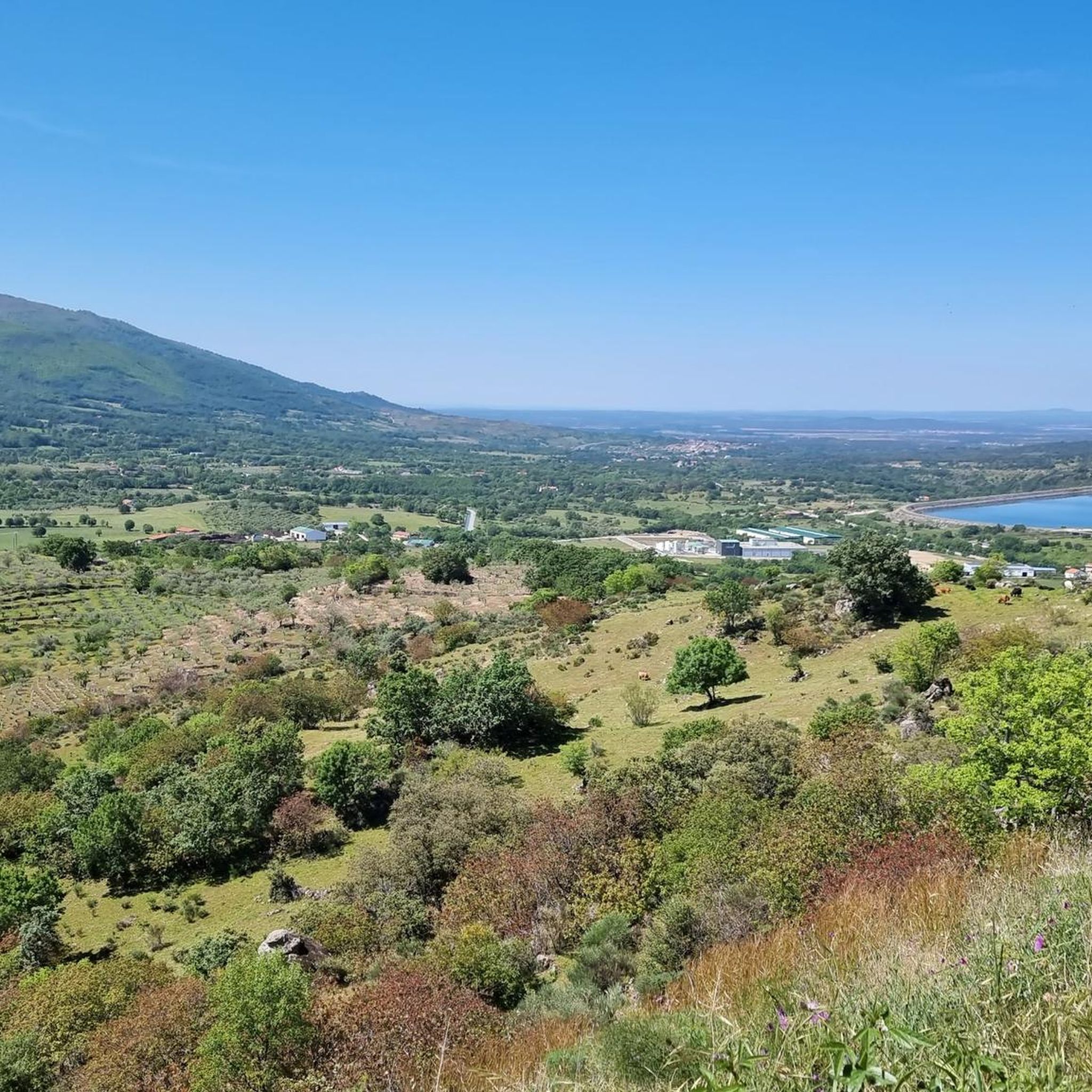
Puerto de Béjar is a municipality and Spanish town in the province of Salamanca, in the autonomous community of Castilla y León. It is integrated into the Sierra de Béjar region.
1
1

Stage 2. Béjar/Plasencia 80.1 kilometers. 730 positive meters. The route leaves the Béjar station through a curved tunnel with automatic artificial lighting that passes under the historic complex, where the main monuments and buildings are located around the Plaza Mayor, the Doge's Palace, the churches and the streets with a medieval atmosphere. The route passes through another tunnel that ends in a small gorge, with climbing routes, and leaves the Corpus de Hombre river valley towards the Navalmoral de Béjar pastures, where the conditioning of the natural path ends. The last kilometer to the town still has the rails of the road but it can be easily reached by pedaling to the town. At the entrance you turn towards the town and at the first intersection you have to turn left again to go down towards the Camino de Santiago. Immediately the Béjar road appears, you must continue on the right, pass the Calzada de Béjar detour and 400 meters later the yellow arrows of the Jacobean route appear marking the Vía de la Plata to Astorga. The gravel journey continues in the opposite direction to the indication of the arrows and at many intersections it is difficult to see the signs because they are painted so that they are useful in the opposite direction, towards Santiago de Compostela. The path runs through a stretch of land and reaches the beautiful street on the way to Calzada de Béjar. At the entrance there is a pilgrim fountain and a sealing place, but the pilgrim hostel is at the end of the town. The street has facades typical of the popular architecture of the region, with stone and wood arcades and balconies, adapted to the centuries-old passage of migrating herds and the active commerce generated by the Vía de la Plata. The descent to the valley of the Body of Man River follows the original layout of the medieval road and there is a section with stones but it is easy to navigate slowly. And then the dirt road continues parallel to the Montemayor del Río highway. In this section you could go along the road to the Malena bridge, losing the possibility of seeing the original milestones that are on the Camino de Santiago. The milestones marked the distance of the Roman roads, in this section there are several but they have been moved and do not coincide exactly with the original “miles”. The Sinforiano milestone is first, indicating mile 135, and then the Malena milestone appears, at the entrance to the medieval bridge that spans the Corpus de Hombre river. Mile 134 is about 200 meters after passing the bridge, at another milestone that is part of the wall of a farm. At the Malena bridge the hardest climb of the route begins, the slope is steep and there are sections with loose stones that require patience, grinding technique and good legs. The oak and chestnut forest and the beautiful rural environment help a lot to overcome the slope. The climb ends in Puerto de Béjar but it is not yet time to connect with the Vía de la Plata railway route. The route continues along the Camino de Santiago towards Baños de Montemayor and goes down a modern cobblestone built on the original one of the medieval itinerary. The views of the Ambroz Valley are fantastic. At the entrance to Baños de Montemayor the track leaves the urban complex on the right and continues along the La Garganta road to climb the Natural Path, right where the rest area and the stone fountain are. The bikepacking adventure continues through familiar terrain on the old railroad track. The slope is favorable, the bicycles fly along the side of the mountain, they pass by the Hervás station and one kilometer before the Aldeanueva del Camino station you have to take a detour to the right to enter the urban complex and connect again with the Camino de Santiago.
0
0

It is essential to see it and enjoy it if you are in the area
2
0

This beautiful stone bridge, which crosses over the Tres Cerros stream, is located in a spectacular setting. It is a much less crowded area than Los Pilones, and is part of the Carlos V hiking route. There are some pools of transparent water in which to relax your feet before continuing the march.
2
0
Frequently Asked Questions
What historical and cultural sites can I explore in Hervás?
Hervás is rich in history and culture. You can wander through the well-preserved Jewish Quarter, a recognized Historical Heritage Site with its distinctive chestnut and oak wood houses. Other notable sites include the 13th-century Church of Santa María de las Aguas Vivas, built on a Templar fortress, and the 18th-century Palace of Dávila, which now houses a museum and library.
Are there any unique museums to visit in Hervás?
Yes, Hervás offers a couple of unique museums. The Pérez Comendador-Leroux Museum is dedicated to the works of sculptor Enrique Pérez Comendador and his wife, painter Magdalena Leroux. For something different, the Museum of Motorcycles and Classic Cars showcases a remarkable collection of 20th-century vehicles, considered one of the first of its kind in Spain.
What natural attractions are available for outdoor enthusiasts around Hervás?
The region around Hervás, nestled in the picturesque Ambroz Valley, is a paradise for nature lovers. You can explore the lush Nogaleas Waterfalls, a popular itinerary with multiple cascades, or discover the impressive Los Pilones Natural Pools, featuring 13 natural pools and unique rock formations within the Garganta de los Infiernos nature reserve. The area is also known for its extensive Chestnut Forest.
Are there family-friendly activities or attractions in Hervás?
Absolutely! The Nogaleas Waterfalls itinerary is particularly recommended for families due to its low technical difficulty and wooded path, providing good shade in warmer months. Many of the hiking trails around Hervás are also suitable for families, offering a chance to enjoy nature together.
What kind of hiking trails can I find near Hervás?
Hervás is an excellent base for hiking, with numerous signposted routes. Popular trails include La Chorrera, which leads to a beautiful waterfall, and routes through the Bosques del Ambroz. For more options, you can explore various hiking routes around Hervás, ranging from moderate to difficult.
Can I go cycling or mountain biking in the Hervás area?
Yes, the region is great for cycling. The Vía Verde Ruta de la Plata, an old railway line stretching over 65 kilometers, is perfect for both walking and cycling, connecting Hervás to other towns like Baños de Montemayor. You can find more detailed road cycling routes and gravel biking options around Hervás.
Where can I find unique natural swimming spots near Hervás?
For refreshing dips in nature, head to Los Pilones Natural Pools, known for its 13 freshwater pools. The Carlos V Bridge also features transparent water pools where you can relax your feet after a walk. Remember that the water in these mountain-fed spots can be quite cool.
What is the significance of the Carlos V Bridge?
The Carlos V Bridge is a beautiful stone bridge crossing the Tres Cerros stream, located in a scenic setting. It is historically significant as it's part of the Carlos V hiking route, which Emperor Charles V followed on his way to the Monastery of Yuste. It's a less crowded area than some other natural spots and offers clear water pools for relaxation.
Are there any historical bridges in Hervás?
Beyond the Carlos V Bridge, Hervás is home to other beautiful medieval bridges such as Puente del Pedregoso and Puente de la Fuente Chiquita, which add to the town's historical charm and are worth exploring during your visit.
What is the Ambroz Valley known for?
The Ambroz Valley, where Hervás is situated, is renowned for its picturesque landscapes, characterized by lush forests, rolling hills, and crystal-clear streams. It's an ideal destination for those seeking natural beauty and outdoor activities, offering a serene backdrop for hiking, cycling, and enjoying nature.
What do visitors enjoy most about the attractions around Hervás?
Visitors particularly appreciate the blend of historical charm and natural beauty. The well-preserved Jewish Quarter offers a unique cultural experience, while natural sites like Los Pilones Natural Pools and Nogaleas Waterfalls are highly praised for their stunning scenery and refreshing waters. The diverse range of hiking and cycling opportunities also receives positive feedback from the komoot community.
Is there a good time of year to visit the waterfalls and natural pools?
The spring and summer months are highly recommended for visiting the waterfalls and natural pools like Nogaleas Waterfalls. During spring, the water flow is excellent, and in summer, the wooded paths provide good shade, while the cool waters offer a refreshing escape from the heat.
Most popular attractions around Hervás

Get inspired with the komoot mobile app


Explore more
Still not found the Highlight you’re looking for? See guides of the top attractions in other regions:
