Attractions and Places To See around Guadalupe - Top 20
Best attractions and places to see around Guadalupe, a town in the province of Cáceres, Spain, offer a blend of historical significance and natural beauty. The region is characterized by its mountainous terrain and cultural landmarks. Visitors can explore ancient monasteries, impressive architectural structures, and unique natural formations. This area provides opportunities for discovering both man-made heritage and the local landscape.
Best attractions and places to see around Guadalupe
- The most popular attraction is Royal Monastery of Santa María de…
Last updated: August 12, 2026
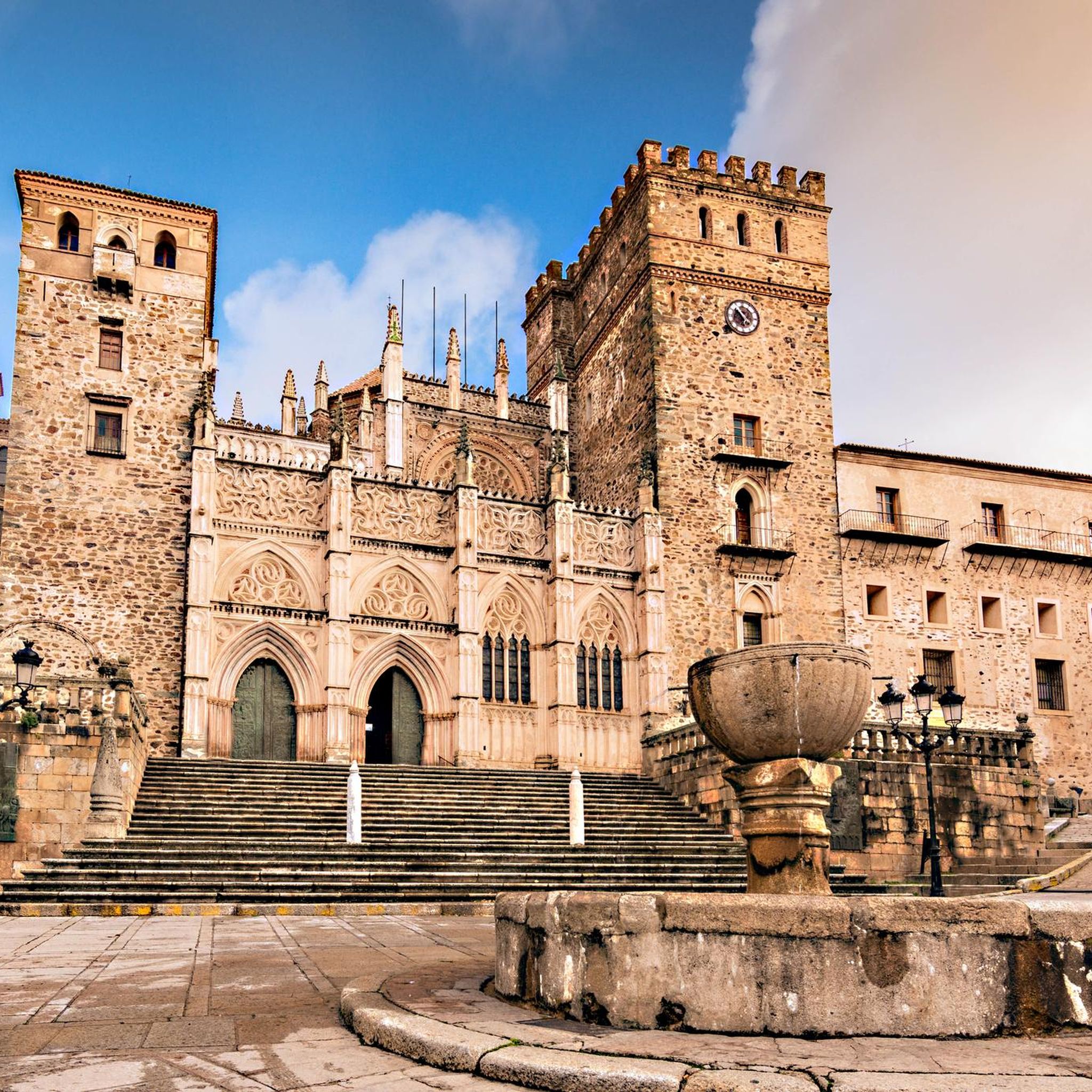
Royal Monastery of Santa María de Guadalupe
Highlight • Religious Site
Translated by Google •
Tip by

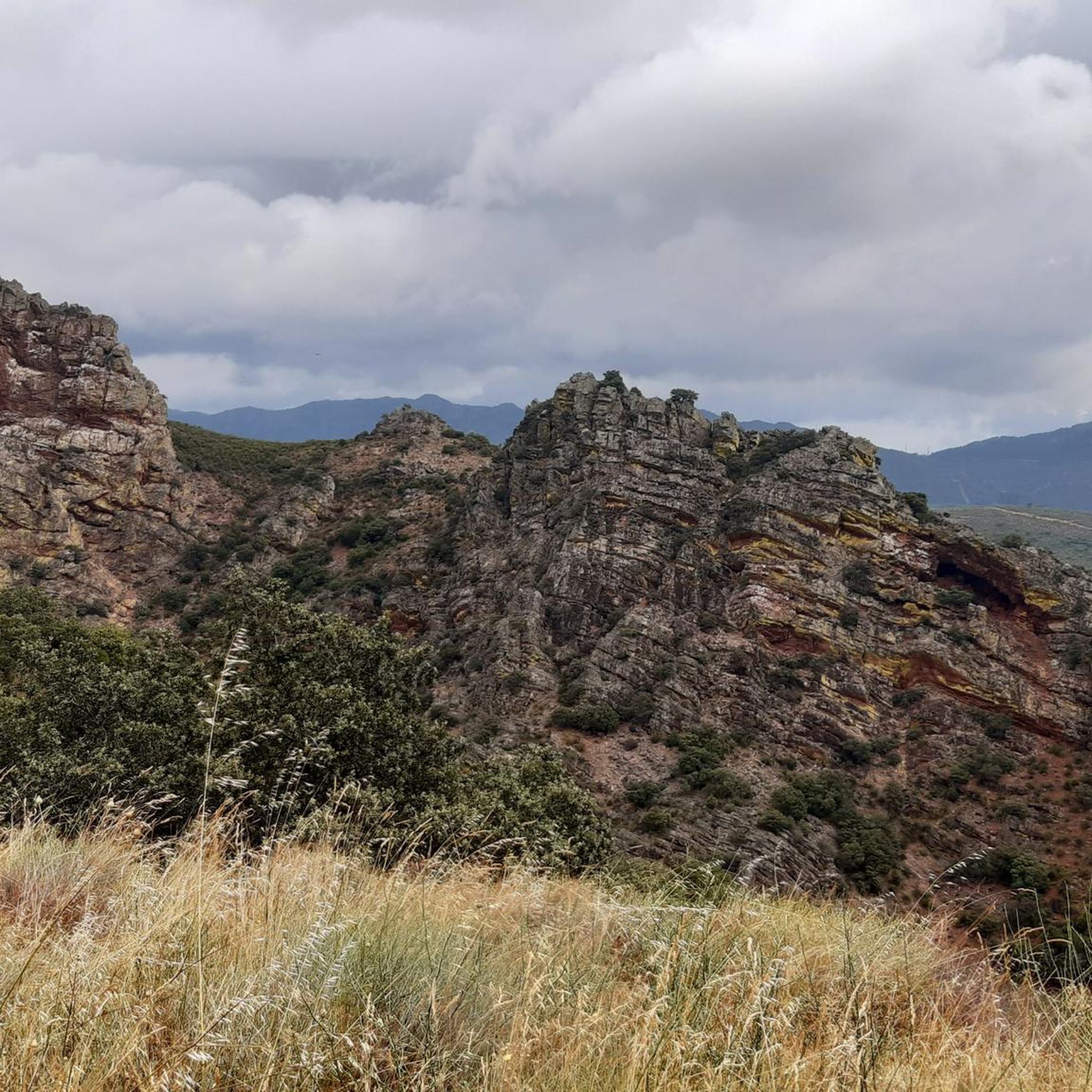
High point of the Peña Amarilla gorge
Highlight • Viewpoint
The viewpoint overlooks the Estrecho …
Translated by Google •
Tip by
Sign up now to discover places like this
Get recommendations on the best single tracks, peaks, & plenty of other exciting outdoor places.
Sign up for free
Cancho del Fresno Reservoir
Highlight • Lake
In addition, …
Translated by Google •
Tip by
Arch of Seville
Highlight • Historical Site
Translated by Google •
Tip by
La Chiquita Cave
Highlight • Cave
Translated by Google •
Tip by
Sign up for free to discover even more attractions around Guadalupe.
Sign up for free
Already have an account?
Start today with a free account
Your next adventure awaits.
Login or Signup
Tips from the Community

Beautiful viewpoint with a small parking lot, there is a path of approx. 600 meters to the gorge. Hundreds of swallows nest in the opposite cave.
5
0
The floral decoration of the openings and the popular architecture of the adjacent houses give this gate one of the most unique images of the city. Continue further into Calle Sevilla to the fountain.
14
2
Gives the feeling of being on a film set or somewhere in Mexico. Perhaps not so strange, because the Virgin of Guadalupe is the patroness of Mexico. In the hills, the virgin is said to have been found seven centuries ago. Strictly forbidden to take photos inside the walls, monks walk with the group...
15
1

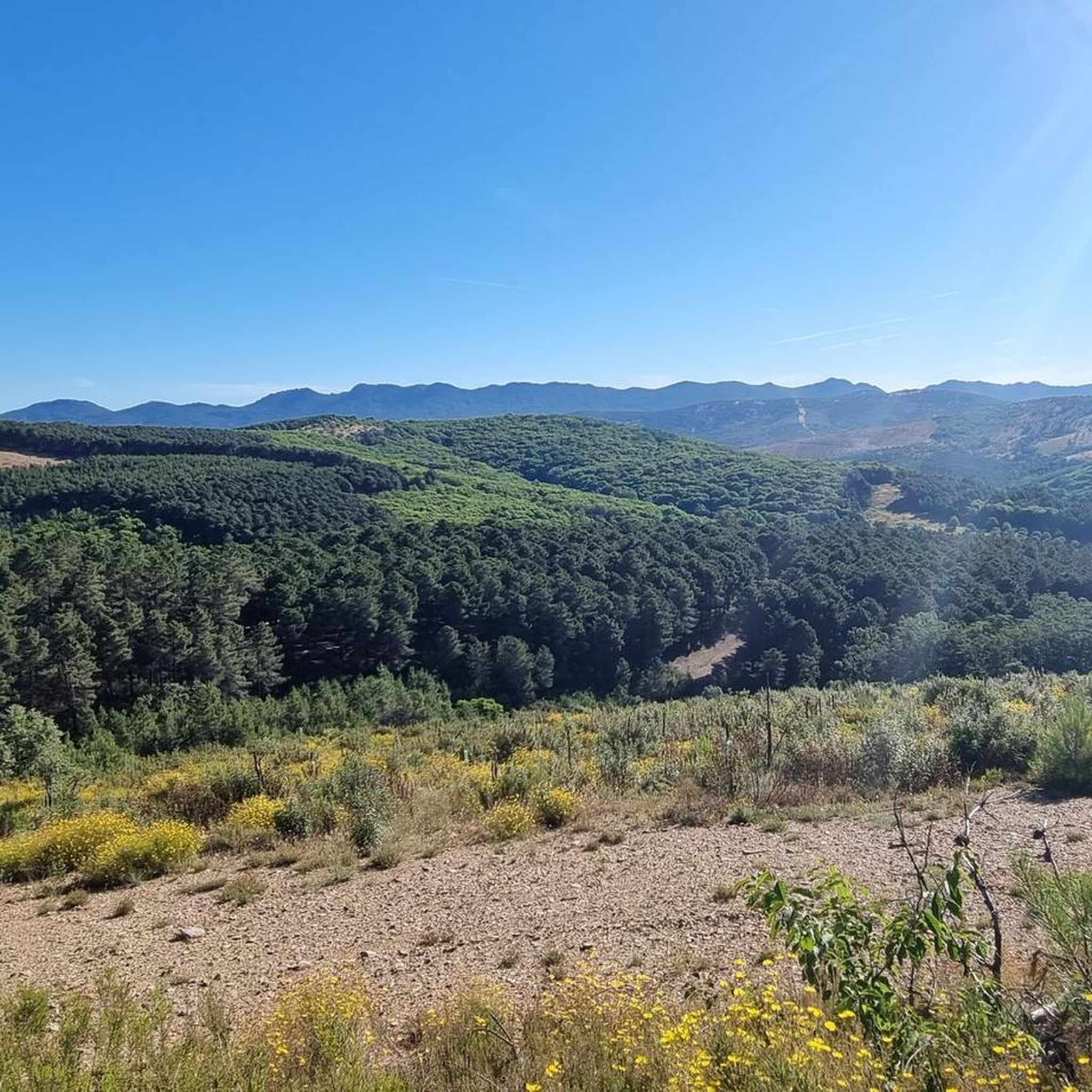
Mirador del Estrecho de la Peña Amarilla (Yellow Rock Strait Viewpoint), one of the most interesting panoramic viewpoints in the Villuercas-Ibores-Jara Geopark, in Alía (Cáceres). The viewpoint overlooks the Estrecho de la Peña Amarilla, a spectacular river gorge carved by the Jarigüela stream amidst the quartzite formations of the Armorican Quartzite, a characteristic feature of the geopark. One of the routes that passes through this point is the one that connects Alía – Mirador del Estrecho – Puerto de San Vicente, a section of the Villuercas Natural Trail, with moderate scenery and elevation changes (17.78 km, +596 m).
5
0
The Royal Monastery of Santa María de Guadalupe is a 14th-century monastery located in the Spanish town of Guadalupe, in the province of Cáceres. It was declared a UNESCO World Heritage Site in 1993. Inside, you can appreciate Gothic, Mudéjar, Renaissance, Baroque, and Neoclassical architectural styles. A place with a rich history and breathtaking architectural beauty! 🌟🏰
16
0
Located in the historic center, this arch is one of the inner gates of the old wall that surrounded the first defensive perimeter of the Monastery of Guadalupe. Built in the 16th century, it formed part of the defenses created to regulate the passage of pilgrims and merchants to the Monastery. Along with the Arch of San Pedro and the Arch of Chorro Gordo, it marked the boundary of the first ring of walls surrounding the site. [extremadura.com], [guadalupeturismo.com]
13
0
It was the first cave with paintings discovered by science in the province of Cáceres. It's a place shrouded in legend about a snake and has been used as both a refuge and a ritual meeting place for centuries.
4
0
Built in 1985, this reservoir has a capacity of 15 cubic hectometres and is known for its recreational activities such as carp, royal carp and black bass fishing. In addition, the reservoir has a beach that has been awarded the Blue Flag in 2023, making it an attractive destination for visitors.
7
0
Frequently Asked Questions
What are the main historical attractions to visit in Guadalupe?
Guadalupe is rich in history. The most prominent historical site is the Royal Monastery of Santa María de Guadalupe, a UNESCO World Heritage Site showcasing Gothic, Mudéjar, Renaissance, Baroque, and Neoclassical architectural styles. Another significant historical landmark is the Guadalupe Viaduct, a grandiose structure from an abandoned railway project of the last century.
Are there any natural attractions or outdoor spots around Guadalupe?
Yes, Guadalupe offers several natural spots. The Cancho del Fresno Reservoir is a popular destination for recreational activities like fishing and even has a Blue Flag awarded beach. You can also explore La Chiquita Cave, the first cave with ancient paintings discovered in Cáceres province, known for its historical use as a refuge and ritual meeting place.
What kind of outdoor activities can I do near Guadalupe's attractions?
The area around Guadalupe is excellent for outdoor enthusiasts. You can find numerous hiking and cycling routes. For hiking, consider trails like the 'Guadalupe Monastery and Viaduct Loop' or the 'Embalse del Cancho del Fresno y Cueva la Chiquita' route. Cyclists can explore longer routes such as the 'Pico Villuercas Loop from Guadalupe'. For more details on routes, visit the Hiking around Guadalupe or Road Cycling Routes around Guadalupe guides.
Are there family-friendly attractions in Guadalupe?
Absolutely. The Royal Monastery of Santa María de Guadalupe is considered family-friendly, offering a rich historical and architectural experience. The Cancho del Fresno Reservoir also provides family-friendly activities, including a beach area for swimming in summer.
Are there any notable trails for walking or hiking?
Yes, the Isabel la Católica Trail is a picturesque route connecting Cañamero with Guadalupe, passing by the Cancho del Fresno Reservoir and the Valle de las Ventosillas. This trail offers a blend of nature, history, and scenic views over approximately 13 km. Other options include easy loops around the monastery and viaduct.
What do visitors enjoy most about the attractions in Guadalupe?
Visitors frequently praise the rich history and breathtaking architectural beauty of the Royal Monastery of Santa María de Guadalupe. The Cancho del Fresno Reservoir is appreciated for its wonderful views and recreational opportunities, including swimming in summer. The area's blend of historical sites and natural beauty is a common highlight.
Can I find easy hiking trails suitable for beginners around Guadalupe?
Yes, there are several easy hiking options. For instance, the 'Guadalupe Monastery and Viaduct Loop' is an easy 5.5 km trail that allows you to explore two significant landmarks. Another easy option is the 'Viaducto de Guadalupe — circular desde Guadalupe' which is just over 5 km. These are great for those looking for a less strenuous walk.
Are there any hidden gems or less-known spots worth visiting?
While not entirely hidden, La Chiquita Cave offers a unique experience as the first cave with paintings discovered by science in Cáceres, steeped in local legend. The Guadalupe Viaduct, a remnant of an abandoned railway project, also provides an interesting glimpse into the region's past and impressive engineering.
What is the best time of year to visit Guadalupe?
The region around Guadalupe, being in Cáceres, Spain, generally experiences pleasant weather in spring (April-May) and autumn (September-October), making these ideal times for exploring historical sites and enjoying outdoor activities like hiking and cycling. Summers can be hot, especially for longer trails, while winters are milder but can be cooler.
Are there opportunities for running or jogging near the attractions?
Yes, the area provides several running trails. You can find moderate routes like the 'Running loop from Guadalupe' or more challenging options such as the 'Galería de captación de agua loop from Guadalupe'. For specific routes and distances, refer to the Running Trails around Guadalupe guide.
What types of architecture can be seen in Guadalupe?
The Royal Monastery of Santa María de Guadalupe is a prime example, showcasing a remarkable blend of Gothic, Mudéjar, Renaissance, Baroque, and Neoclassical styles. This single site offers a comprehensive architectural journey through centuries of Spanish history.
Most popular attractions around Guadalupe

Get inspired with the komoot mobile app


Explore more
Still not found the Highlight you’re looking for? See guides of the top attractions in other regions:
