The best road cycling routes around Logrosán
5.0
(1)
175
riders
16
rides
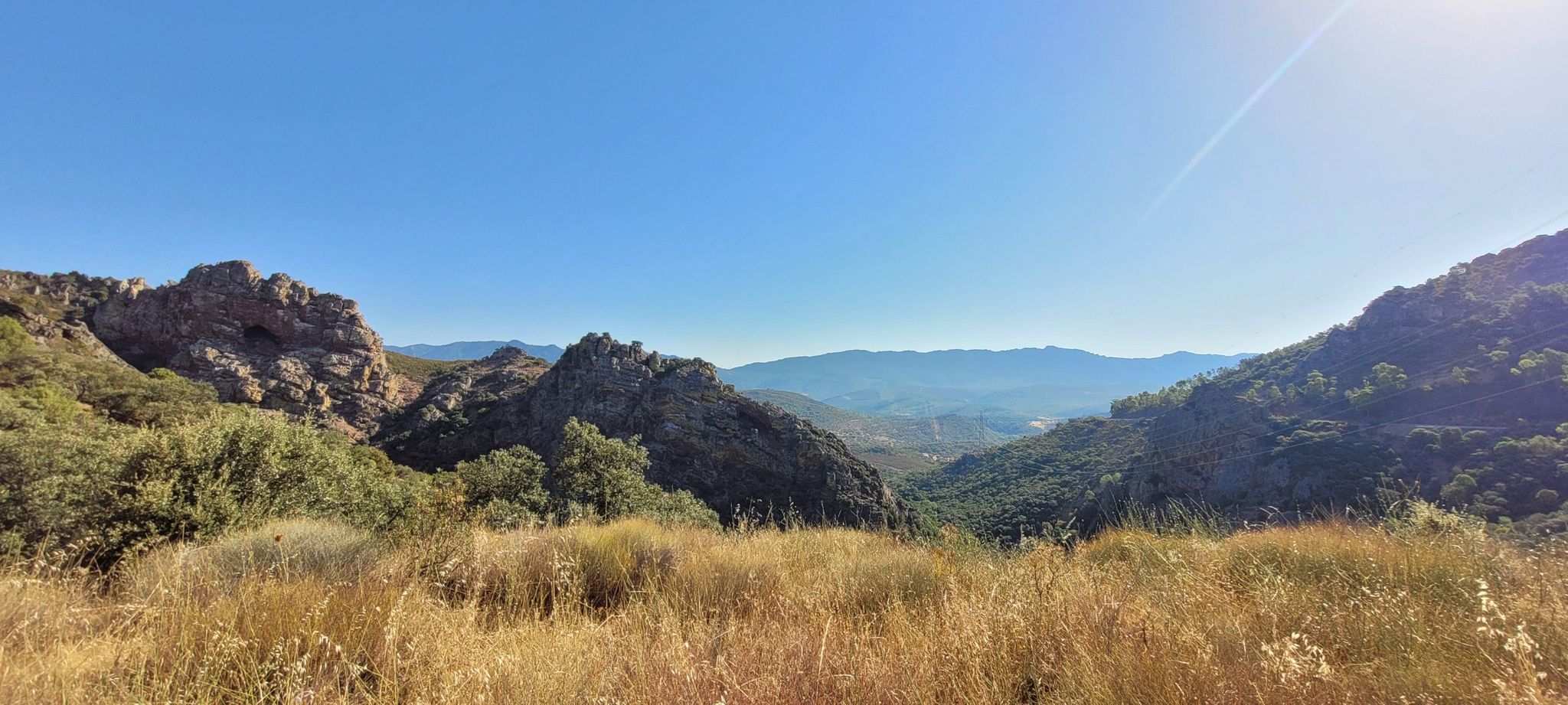
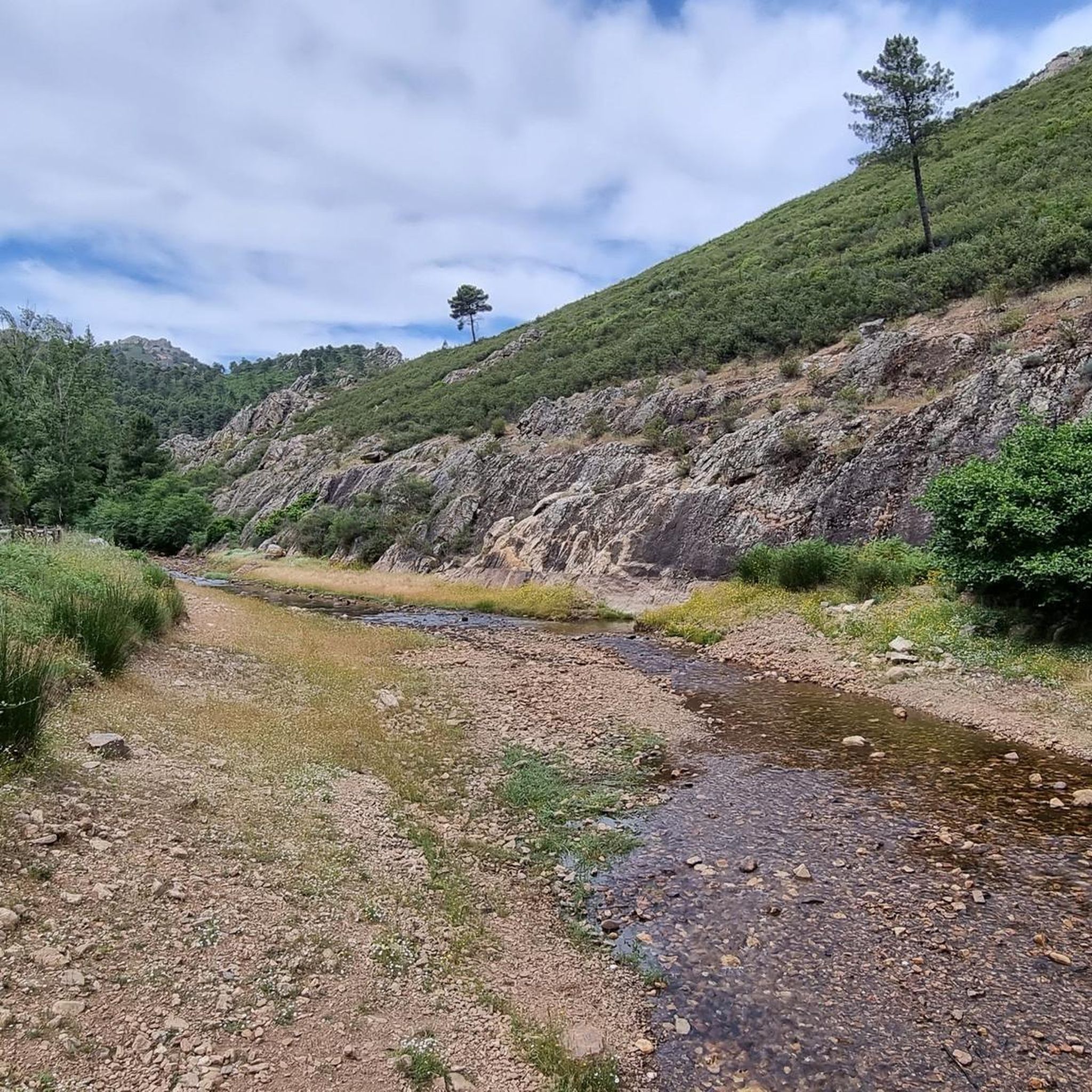
Road cycling around Logrosán is characterized by its diverse geological formations within the UNESCO Global Geopark Villuercas-Ibores-Jara. The region features "Appalachian-like" landscapes, including mountains, valleys, and undulating plains known as "rañas," formed from quartzites and slates. Cyclists encounter forest canyons, cork oak forests, and river gorges, offering varied terrain for exploration. This area provides a mix of challenging climbs and scenic routes through its well-preserved natural environment.
Best road cycling routes in Logrosán
- The most popular road cycling route is…
Last updated: July 11, 2026
31
riders
98.3km
06:03
2,250m
2,250m
Hard road ride. Very good fitness required. Mostly well-paved surfaces and easy to ride.
5.0
(1)
27
riders
65.5km
03:32
1,300m
1,310m
Hard road ride. Very good fitness required. Mostly well-paved surfaces and easy to ride.

Sign up for free
8
riders
52.3km
02:59
930m
930m
Hard road ride. Very good fitness required. Mostly well-paved surfaces and easy to ride.
31
riders
67.2km
04:27
1,630m
1,630m
Hard road ride. Very good fitness required. Some segments of this route may be unpaved and difficult to ride.
18
riders
106km
04:55
1,200m
1,200m
Hard road ride. Very good fitness required. Mostly well-paved surfaces and easy to ride.
Get access to more routes and recommendations from other explorers.
Sign up for free
Already have an account?
Our route recommendations are based on thousands of hikes, rides, and runs completed by other people on komoot.
Start today with a free account
Your next adventure awaits.
Login or Signup
Other adventures around Logrosán

Tips from the Community

El Alto del Humilladero and Pico Villuercas, near Guadalupe (Cáceres), form one of the most spectacular mountain routes in Extremadura, within the Villuercas‑Ibores‑Jara UNESCO Geopark. It is the highest summit in Extremadura accessible by road.
2
0

Gives the feeling of being on a film set or somewhere in Mexico. Perhaps not so strange, because the Virgin of Guadalupe is the patroness of Mexico. In the hills, the virgin is said to have been found seven centuries ago. Strictly forbidden to take photos inside the walls, monks walk with the group...
14
1
The Arco de las Eras (Dorsenboog) is built of natural stone and brick in the arches and the superstructure. The architecture still preserves remnants of the old battlements that protected the entrance. This arch was part of the second defensive ring, which surrounded the city and protected its southern edge. The arch was restored in the early 20th century and served as an entrance gate
12
1
De Arco de las Eras (Dorsenboog) is constructed of natural stone and brick in the arches and the superstructure. The architecture still preserves remnants of the old battlements that protected the entrance. This arch was part of the second defensive ring, which surrounded the city and protected the southern edge. The arch was restored in the early 20th century and served as an entrance gate for
11
1
What to see in Alía (the village) Iglesia de Nuestra Señora de la Mesa: The main monument of the village. Of medieval origin, with later renovations. Its altarpiece and its elevated location, which offers good views of the surroundings, stand out. Old town: Narrow and quiet streets. Stone houses and traditional Extremaduran architecture. Ideal for leisurely strolls and enjoying the rural atmosphere.
2
0
Alía is a small and beautiful village in the province of Cáceres, in Extremadura, located in the heart of the Las Villuercas-Ibores-Jara region, an ideal destination if you are looking for nature, tranquility, rural heritage, and good hiking.
2
0
The Royal Monastery of Santa María de Guadalupe is a 14th-century monastery located in the Spanish town of Guadalupe, in the province of Cáceres. It was declared a UNESCO World Heritage Site in 1993. Inside, you can appreciate Gothic, Mudéjar, Renaissance, Baroque, and Neoclassical architectural styles. A place with a rich history and breathtaking architectural beauty! 🌟🏰
15
0
It formed part of the second defensive ring built to protect Puebla from the south, securing access from the south and east. Restored in the early 20th century, it was used as an entry point for pilgrims and travelers, especially to regulate access when it was closed due to overcrowding.
17
0
Frequently Asked Questions
What kind of terrain can I expect when road cycling in Logrosán?
Road cycling around Logrosán offers a diverse landscape within the UNESCO Global Geopark Villuercas-Ibores-Jara. You'll encounter "Appalachian-like" formations, including mountains, valleys, and undulating plains known as "rañas," characterized by ancient quartzites and slates. Routes often feature forest canyons, cork oak forests, and river gorges, providing a mix of challenging climbs and scenic stretches.
How many road cycling routes are available around Logrosán?
There are over 15 road cycling routes around Logrosán, offering a variety of experiences. These include 7 moderate routes and 9 difficult routes, catering to different fitness levels.
Are there challenging road cycling routes for experienced riders in Logrosán?
Yes, Logrosán is known for its challenging routes with significant elevation gains. For instance, the Pico Villuercas Summit – Guadalupe Viaduct loop from Cañamero covers nearly 98 km with over 2,200 meters of ascent. Another demanding option is the Pico Villuercas Summit – Humilladero Pass loop from Piscina Natural de Logrosán, which is over 113 km with more than 2,400 meters of climbing. The ascent to Puerto de San Vicente is also a notable challenge.
Are there any easier or more scenic road cycling options for beginners or families?
While many routes in the immediate area are rated moderate to difficult, the region does offer gentler options. The Vía Verde Vegas del Guadiana, an old railway line converted into a cycling path, provides an easy and pleasant route through fields and pastures, ideal for less strenuous rides and birdwatching. Many other routes also feature mostly well-paved surfaces and scenic sections suitable for various fitness levels.
What natural features or viewpoints can I see along the road cycling routes?
The Logrosán area, part of a UNESCO Global Geopark, is rich in natural beauty. You can enjoy panoramic vistas from viewpoints like La Villuerca, offering a "sea of cliffs and valleys." Other notable features include the serene Cancho del Fresno Reservoir, the ancient cork oaks of El Alcornocal Park, the dramatic Desfiladero del río Ruecas gorge, and the impressive Valle de Viejas with its diverse forests.
Are there any historical or cultural landmarks to visit while cycling in Logrosán?
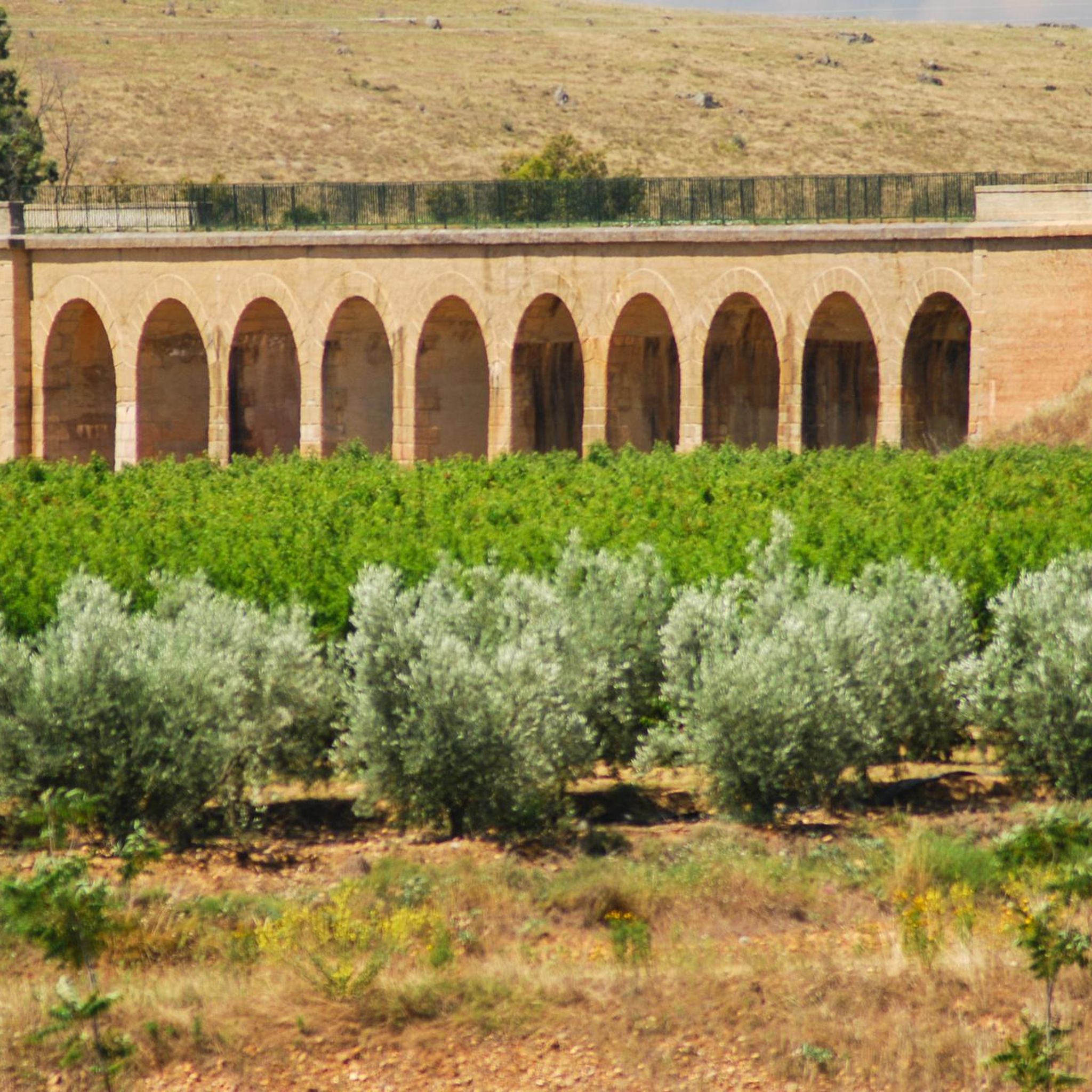
Absolutely. Cyclists can incorporate visits to the Royal Monastery of Santa María de Guadalupe, a UNESCO World Heritage Site, known for its blend of architectural styles. Routes to Guadalupe may also pass historical features like the Arco de Sevilla and the Fuente de los Tres Chorros. You might also encounter old railway viaducts, remnants of a bygone era, and the Interpretation Center of the Constanaza Mine, offering insights into the area's mining past.
What do other road cyclists enjoy most about road cycling in Logrosán?
The area is highly rated by the komoot community, with an average score of 5.0 stars from over 2 reviews. Cyclists often praise the unique "Appalachian-like" landscapes, the varied terrain that caters to different skill levels, and the well-preserved natural environment that makes for a captivating ride.
Can I find circular road cycling routes in Logrosán?
Yes, many of the routes around Logrosán are designed as loops, allowing you to start and end your ride in the same location. Examples include the Cañamero – Church of Cañamero loop from Cañamero and the Orellana de la Sierra – Villanueva de la Serena loop from Navalvillar de Pela, providing convenient options for exploring the region.
What is the best season for road biking in Logrosán?
The region's climate generally allows for cycling through much of the year. Spring and autumn are often ideal, offering pleasant temperatures and vibrant landscapes. Summers can be hot, especially in July and August, so early morning or late afternoon rides are recommended during these months. Winters are generally mild, making it possible to cycle, though some higher elevation routes might be cooler.
Are there any specific attractions or points of interest near Logrosán that are worth visiting?
Beyond the cycling routes, Logrosán offers several points of interest. You could explore the La Chiquita Cave, visit the historic Church of San Pedro Apóstol in Casas de Don Pedro, or walk a section of the Isabel la Católica Trail. These attractions provide a deeper understanding of the local history and natural environment.
What are the typical distances and durations for road cycling routes in Logrosán?
Routes vary significantly in length and duration. You can find rides ranging from around 60 km, like the Cañamero – Church of Cañamero loop from Logrosán which takes about 3 hours 10 minutes, to longer, more demanding routes over 110 km that can take upwards of 6 hours 50 minutes, such as the Pico Villuercas Summit – Humilladero Pass loop.
Most popular attractions around Logrosán

Get inspired with the komoot mobile app


Explore more
Browse the best Road cycling routes in other regions.
