Attractions and Places To See around Valdemorales - Top 11
Best attractions and places to see around Valdemorales, a town nestled in a valley within the Sierra de Montánchez, offers a blend of historical sites and natural features. The area is characterized by its Mudejar architecture and a past rooted in cork production. Visitors can explore a landscape featuring ancient footpaths, natural springs, and varied flora and fauna. The region provides an environment for outdoor activities and cultural insights.
Best attractions and places to see around Valdemorales
- The most popular…
Last updated: June 29, 2026
Montánchez Castle
Highlight • Castle
Translated by Google •
Tip by

Ruta de los Molinos (PR-CC 27) – Sierra de Montánchez y Tamuja
Highlight • Trail
Translated by Google •
Tip by
Sign up now to discover places like this
Get recommendations on the best single tracks, peaks, & plenty of other exciting outdoor places.
Sign up for free
The Rock That Moves
Highlight • Natural Monument
Translated by Google •
Tip by

Canaleja de la Torre Spring and Ruins
Highlight • Historical Site
Translated by Google •
Tip by
Antennas of Montánchez
Highlight • Monument
Translated by Google •
Tip by
Sign up for free to discover even more attractions around Valdemorales.
Sign up for free
Already have an account?
Start today with a free account
Your next adventure awaits.
Login or Signup

Tips from the Community

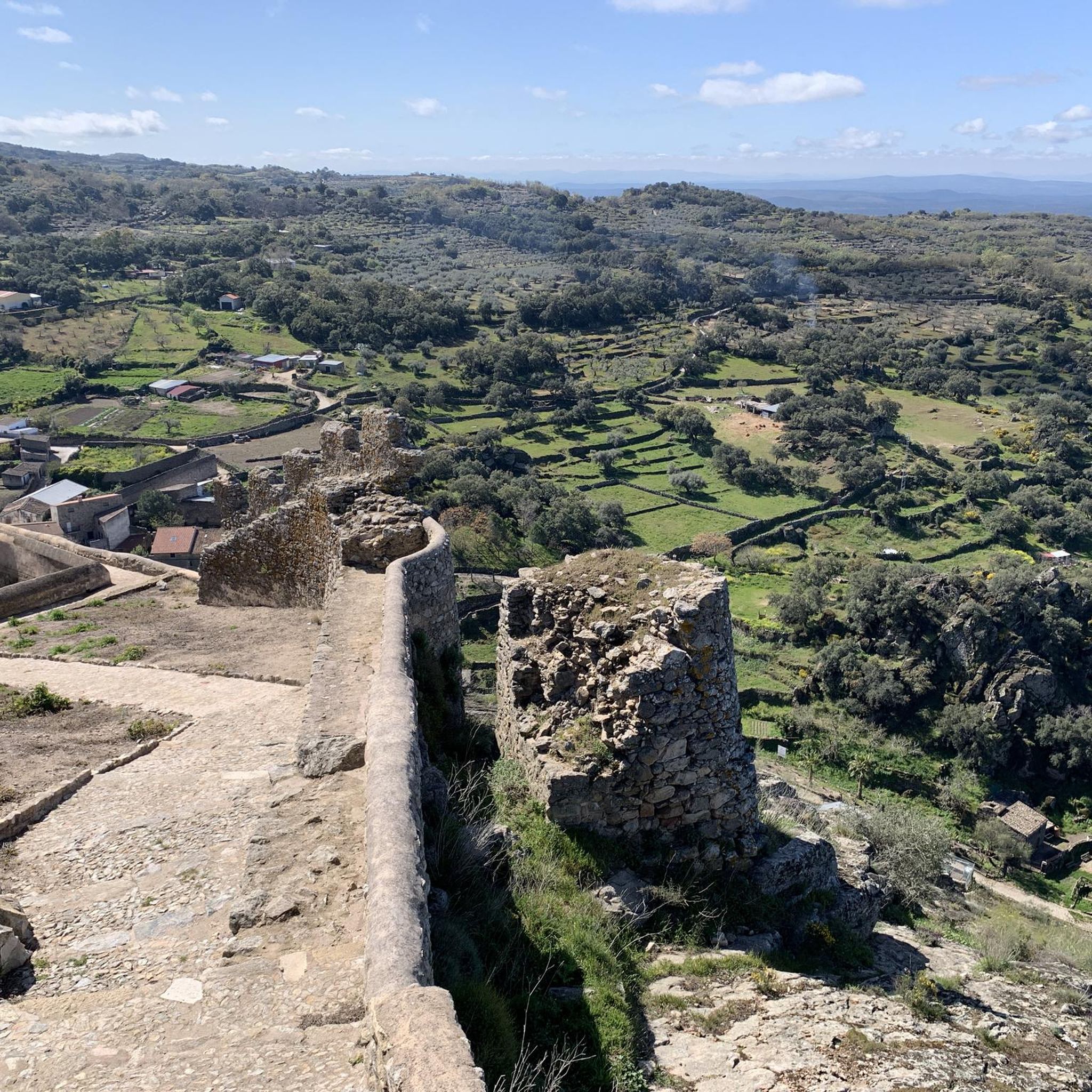
It is located atop a hill in the Sierra de Montánchez, also known as the "balcony of Extremadura," at an altitude of approximately 700–900 meters above sea level. Founded on the site of an earlier Roman fortress, its main structure dates back to the Caliphate period of the 9th century (Almohad era). It preserves three underground cisterns built between the 11th and 13th centuries. Captured around 1156–1230, it passed to the Order of Santiago after being granted by Alfonso XI. Walls, a keep, and defensive enclosures were added. 17th century: A hermitage and an interior pond were added. In 1620, it served as a prison for Don Rodrigo Calderón.
1
0

Beautiful route, even for children, preferably autumn, winter
1
0
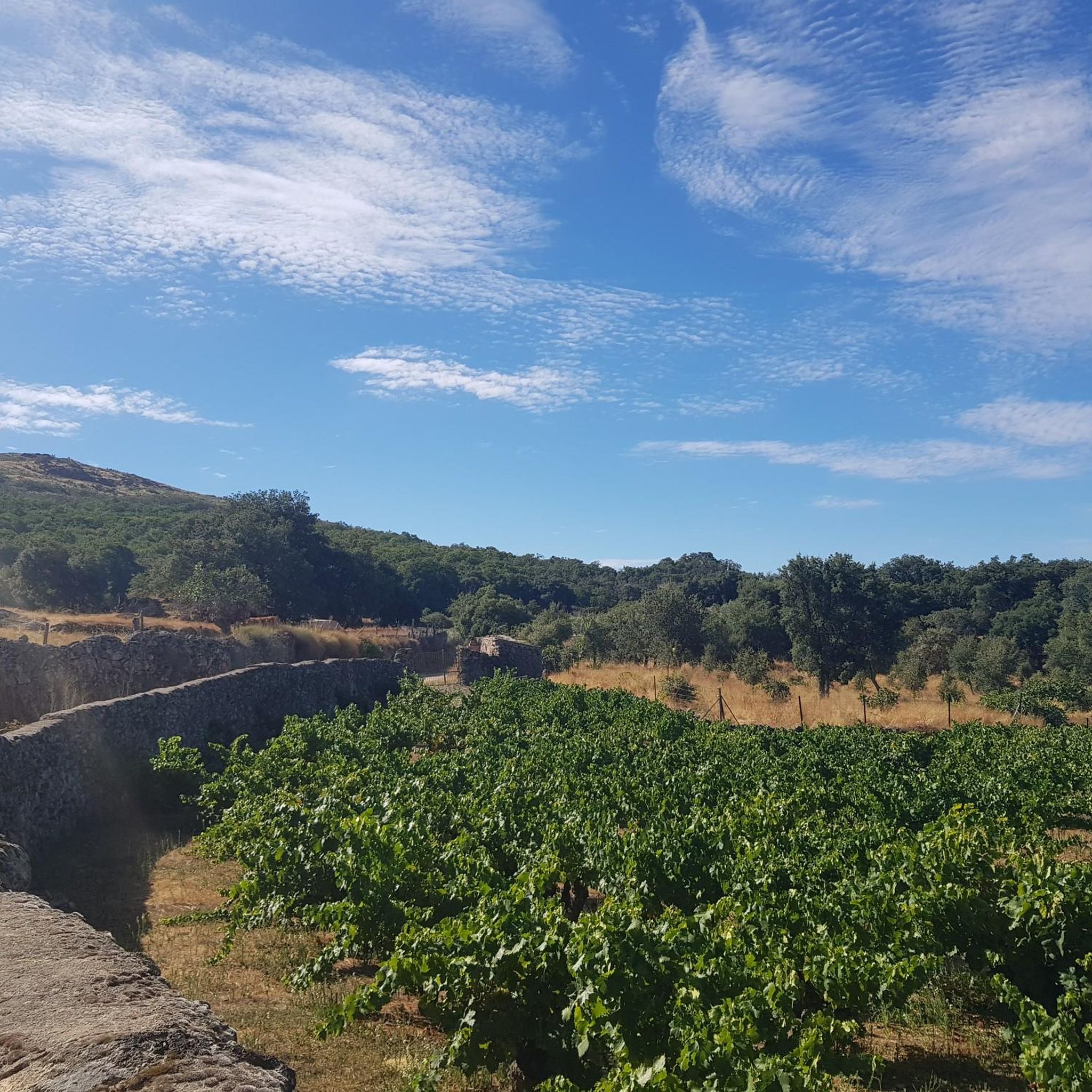
In Las Atalayas, a neighborhood road that leads to Ibahernado, there are spectacular views that allow us to see and enjoy our town and its beautiful mountains.
11
0
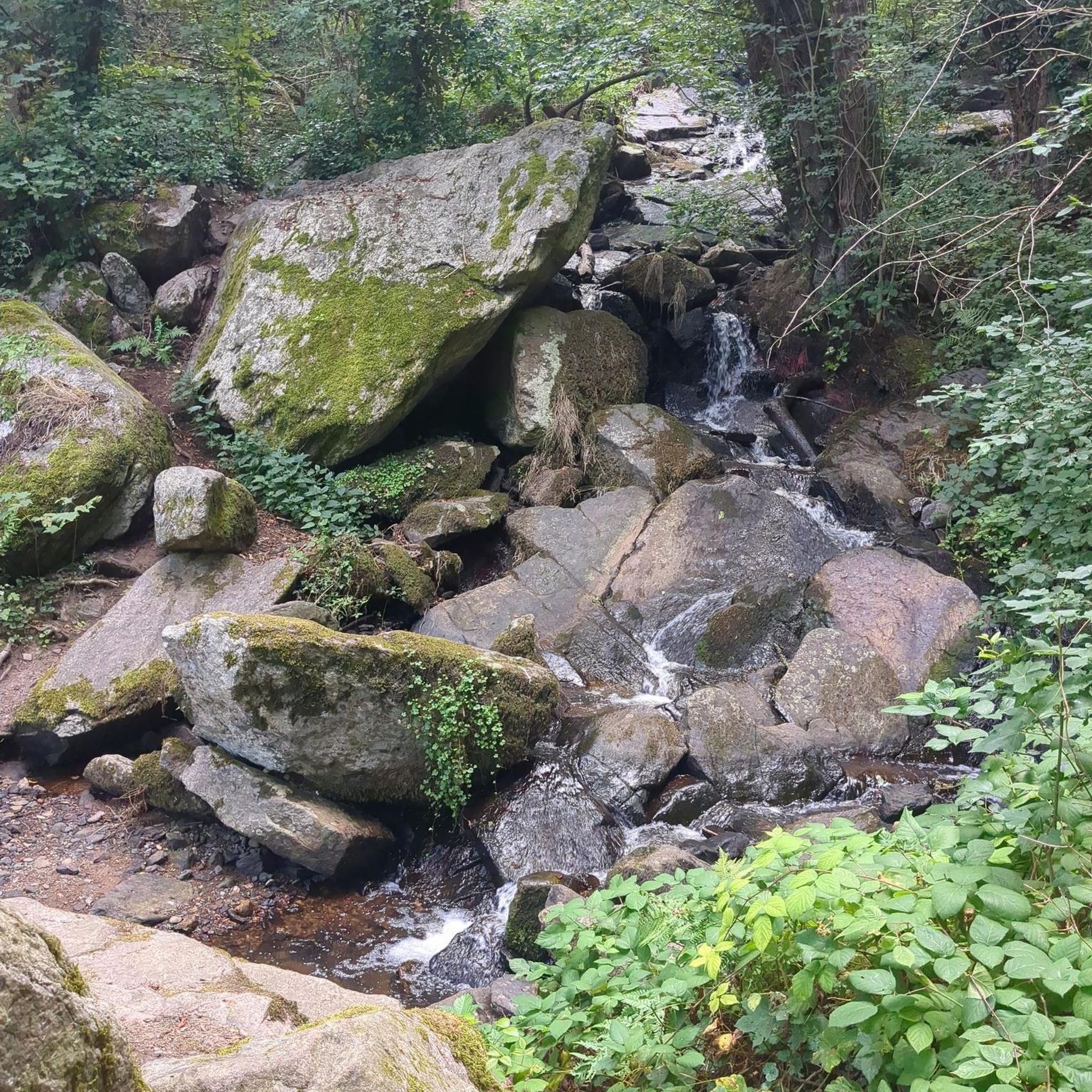
A magnificent place to see and hear how the water falls in this old mill that in its time offered us numerous advances and that is currently obsolete. It's in ruins; but it allows you to appreciate its wall, the waterfall and the building where said mill was located.
10
0

Spectacular located on a hill at the top of the town that has the same name as the castle, Montánchez. It is worth going through its walls, all of which are straight.
0
1

Beautiful walled castle and well-preserved defensive hill on the town of Montánchez. The castle was built in the 12th century to protect the trade route between Merida and Trujillo.
1
1

This picturesque approved route (PR-CC 27) runs through the interior of the Sierra de Montánchez and Tamuja region through a very picturesque landscape of chestnut trees. It has no technical difficulty and can be started from Montánchez or Arroyomolinos.
3
0
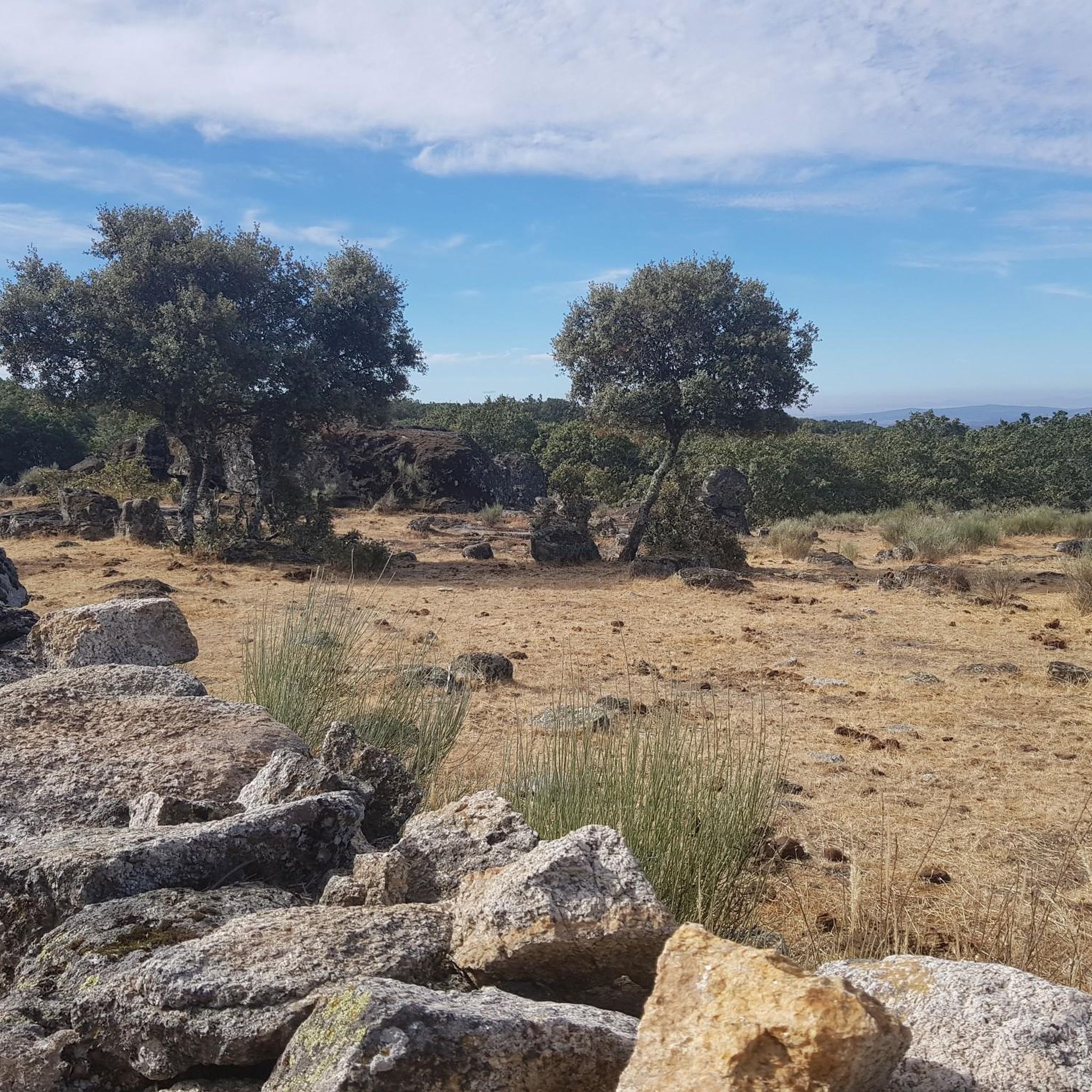
Not only is its shape curious, but the name by which it is known is even more striking. It is a very picturesque place with very beautiful panoramic views of the entire Montánchez valley.
4
0
Frequently Asked Questions
What natural attractions and viewpoints can I explore near Valdemorales?
Valdemorales is nestled in the Sierra de Montánchez, offering picturesque views and natural beauty. You can explore the Hornillo Stream Valley with its track through open meadows and a natural spring. A notable natural monument is The Rock That Moves, which provides beautiful panoramic views of the entire Montánchez valley.
What historical and cultural sites are there in and around Valdemorales?
The region is rich in history. In Valdemorales itself, you can observe distinct Mudejar architecture, particularly at the 17th-century Church of San Andrés Apóstol. The ruins of El Castiljillo, an ancient hill fort, also offer archaeological insights. Nearby, you can visit Montánchez Castle, which dates back to Roman times and offers a glimpse into the region's past under Roman, Almohad, and Christian rule. Another historical site is Canaleja de la Torre Spring and Ruins, an old settlement with a water source.
Are there any family-friendly activities or trails near Valdemorales?
Yes, the area offers options for families. The Ruta de los Molinos (PR-CC 27) – Sierra de Montánchez y Tamuja is a picturesque trail through chestnut trees that is considered family-friendly, especially in autumn and winter. It allows visitors to appreciate old mill ruins and waterfalls. The natural environment of the Sierra de Montánchez is generally suitable for outdoor exploration with children.
What kind of outdoor activities can I do around Valdemorales?
Valdemorales is ideal for various outdoor activities. You can enjoy hiking, cycling, and mountain biking. The region features ancient footpaths and old donkey trails, offering varied landscapes. For specific routes, you can find detailed guides for hiking, cycling, and MTB trails in the area.
Where can I find hiking trails near Valdemorales?
There are several hiking opportunities. The Ruta de los Molinos (PR-CC 27) – Sierra de Montánchez y Tamuja is a popular approved route that runs through a picturesque landscape of chestnut trees and old mill ruins. You can also find a variety of other trails, including ancient footpaths and old donkey trails, by exploring the hiking guide for Valdemorales.
What is the local flora and fauna like in the Valdemorales region?
The region experiences a subtropical Mediterranean climate, supporting native vegetation such as holm oaks and cork oaks, along with rockrose, gorse, and asparagus. Wildlife includes rabbits, hares, wild boars, partridges, quails, swallows, storks, sparrows, and short-toed snake eagles, making it an interesting area for nature observation.
What is the significance of cork production in Valdemorales' history?
Valdemorales was historically renowned as a cork-producing village. The trade of cork workers was passed down through generations, playing a significant role in the town's economy and cultural identity. This history is reflected in the presence of cork oaks in the local flora.
Are there any notable religious buildings to visit?
Yes, the 17th-century Church of San Andrés Apóstol in Valdemorales is a prominent example of Mudejar architecture with its vaults and exposed brick facades. Additionally, in the nearby town of Arroyomolinos, you can admire the splendid Church of Our Lady of Consolation, founded around 1228.
What is the best time to visit Valdemorales for outdoor activities?
The region's subtropical Mediterranean climate makes it suitable for outdoor activities for much of the year. For hiking, autumn and winter are often recommended for trails like the Ruta de los Molinos, as mentioned in visitor tips. Spring also offers pleasant temperatures and blooming landscapes. Summers can be hot, so early mornings or late afternoons are preferable for activities during this season.
What are some unique historical features of Valdemorales?
Beyond its Mudejar architecture, Valdemorales was historically known as the 'Valley of the Mulberry Trees' ('Valle de los Morales'), and a centenarian mulberry tree still stands in the town. The area also features ruined mills along streams, showcasing historical water use, with one example being part of the Ruta de los Molinos.
What kind of views can I expect from the viewpoints in the area?
From elevated points like The Rock That Moves and Montánchez Castle, you can expect beautiful panoramic views of the entire Montánchez valley and the surrounding Sierra de Montánchez. These locations are often referred to as the 'balcony of Extremadura' due to their extensive vistas.
Most popular routes around Valdemorales

Get inspired with the komoot mobile app


Explore more
Still not found the Highlight you’re looking for? See guides of the top attractions in other regions:
