Attractions and Places To See around Salvatierra De Santiago - Top 12
Attractions and places to see around Salvatierra De Santiago, a municipality in the province of Cáceres, offer a blend of historical, cultural, and natural features. The area is characterized by ancient archaeological remains, religious architecture, and picturesque natural landscapes. Visitors can explore sites ranging from 17th-century churches to Roman fortresses and unique natural monuments. The region provides a variety of experiences for those interested in history and outdoor exploration.
Best attractions and places to see around Salvatierra De Santiago
- The…
Last updated: July 13, 2026
Montánchez Castle
Highlight • Castle
Translated by Google •
Tip by

Ruta de los Molinos (PR-CC 27) – Sierra de Montánchez y Tamuja
Highlight • Trail
Translated by Google •
Tip by
Sign up now to discover places like this
Get recommendations on the best single tracks, peaks, & plenty of other exciting outdoor places.
Sign up for free
The Rock That Moves
Highlight • Natural Monument
Translated by Google •
Tip by

Canaleja de la Torre Spring and Ruins
Highlight • Historical Site
Translated by Google •
Tip by
Parish of Santa María Magdalena of Albalá
Highlight • Religious Site
Translated by Google •
Tip by

Sign up for free to discover even more attractions around Salvatierra De Santiago.
Sign up for free
Already have an account?
Start today with a free account
Your next adventure awaits.
Login or Signup

Tips from the Community

It is located atop a hill in the Sierra de Montánchez, also known as the "balcony of Extremadura," at an altitude of approximately 700–900 meters above sea level. Founded on the site of an earlier Roman fortress, its main structure dates back to the Caliphate period of the 9th century (Almohad era). It preserves three underground cisterns built between the 11th and 13th centuries. Captured around 1156–1230, it passed to the Order of Santiago after being granted by Alfonso XI. Walls, a keep, and defensive enclosures were added. 17th century: A hermitage and an interior pond were added. In 1620, it served as a prison for Don Rodrigo Calderón.
1
0

Beautiful route, even for children, preferably autumn, winter
1
0
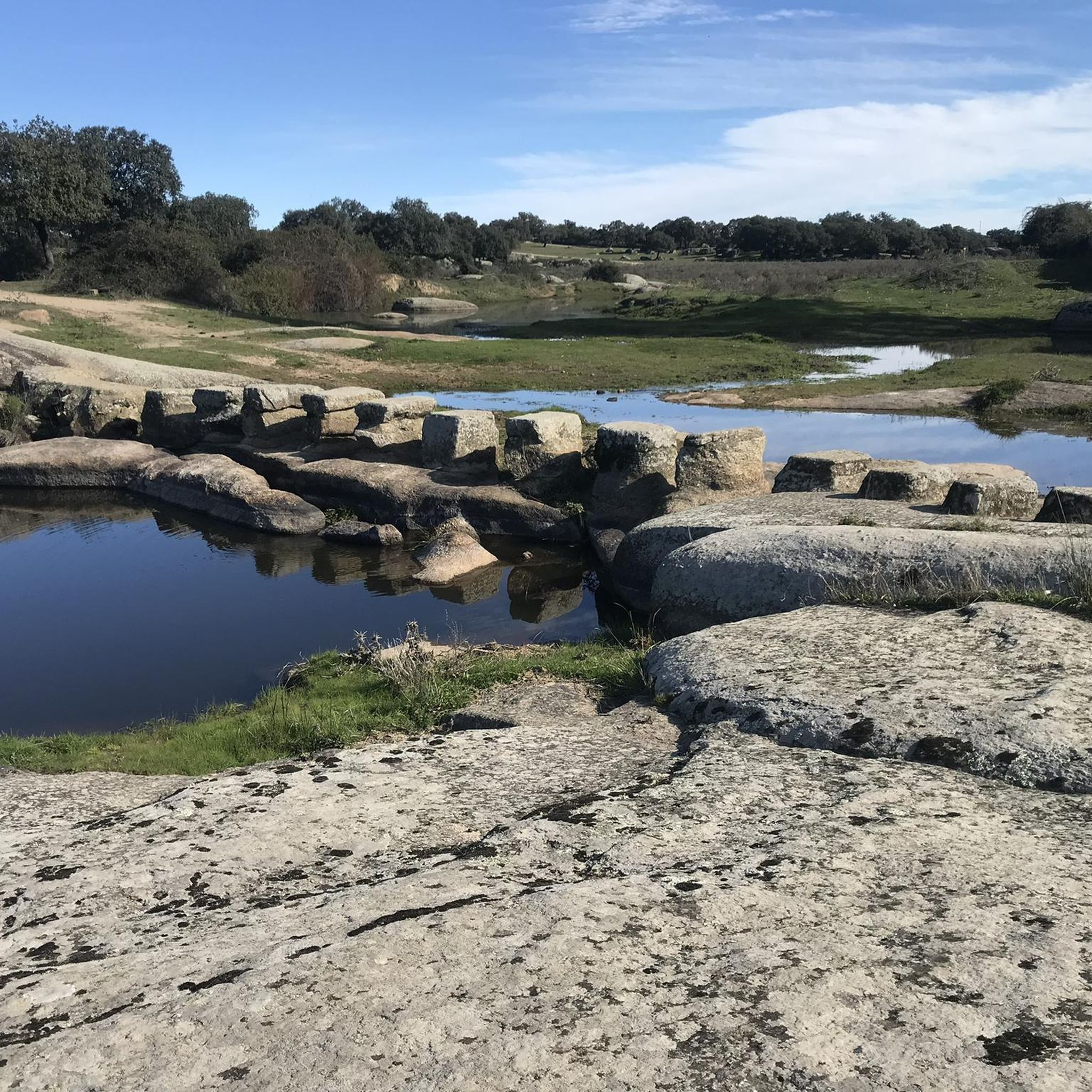
A magnificent place to see and hear how the water falls in this old mill that in its time offered us numerous advances and that is currently obsolete. It's in ruins; but it allows you to appreciate its wall, the waterfall and the building where said mill was located.
10
0

Spectacular located on a hill at the top of the town that has the same name as the castle, Montánchez. It is worth going through its walls, all of which are straight.
0
1

Beautiful walled castle and well-preserved defensive hill on the town of Montánchez. The castle was built in the 12th century to protect the trade route between Merida and Trujillo.
1
1
Albalá is a small town in a flat region located along an old Roman road that ran between Mérida and Toledo through Trujillo. It became famous for its uranium mines. As you cycle through the city, see the impressive Parroquia de Santa María Magdalena.
1
2

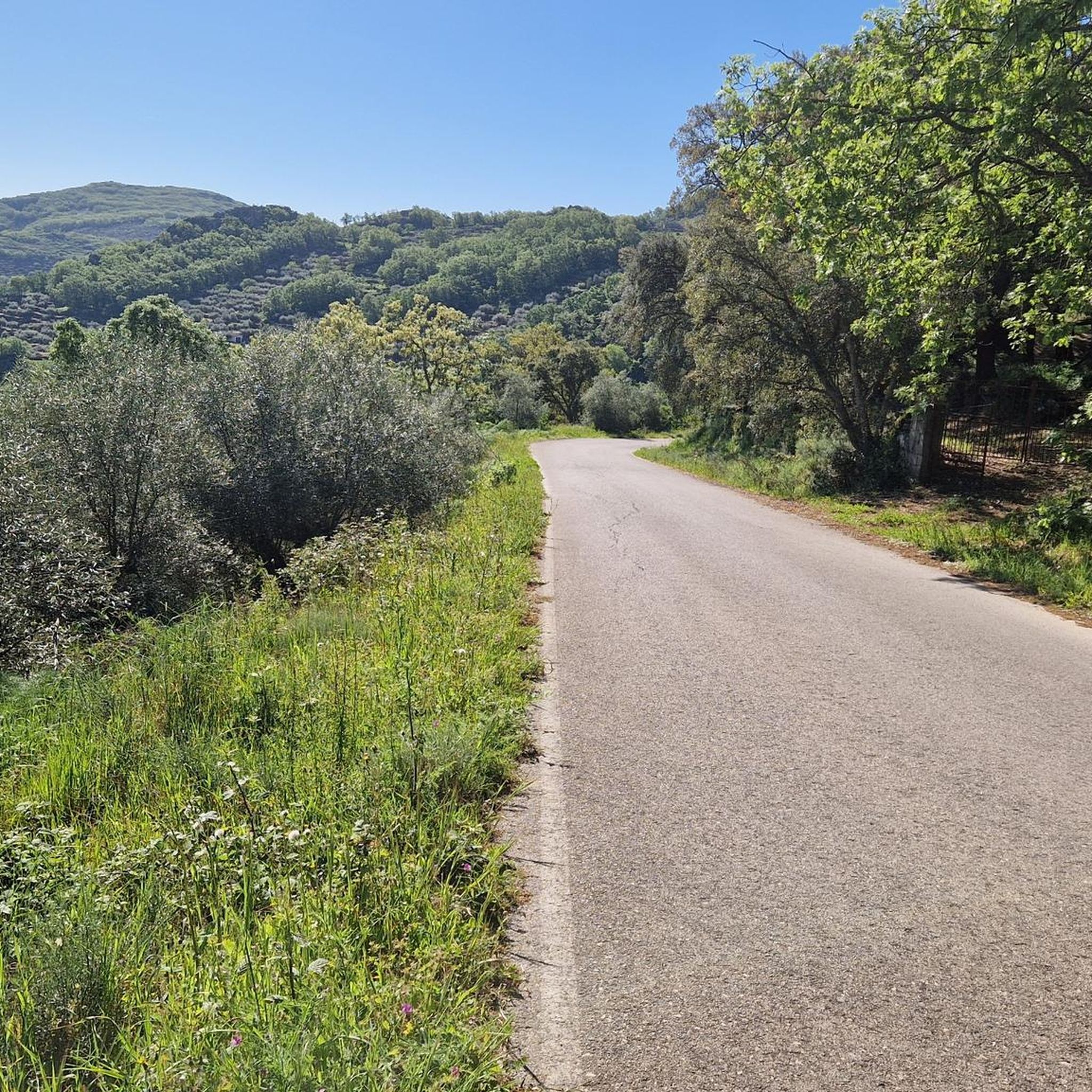
This picturesque approved route (PR-CC 27) runs through the interior of the Sierra de Montánchez and Tamuja region through a very picturesque landscape of chestnut trees. It has no technical difficulty and can be started from Montánchez or Arroyomolinos.
3
0
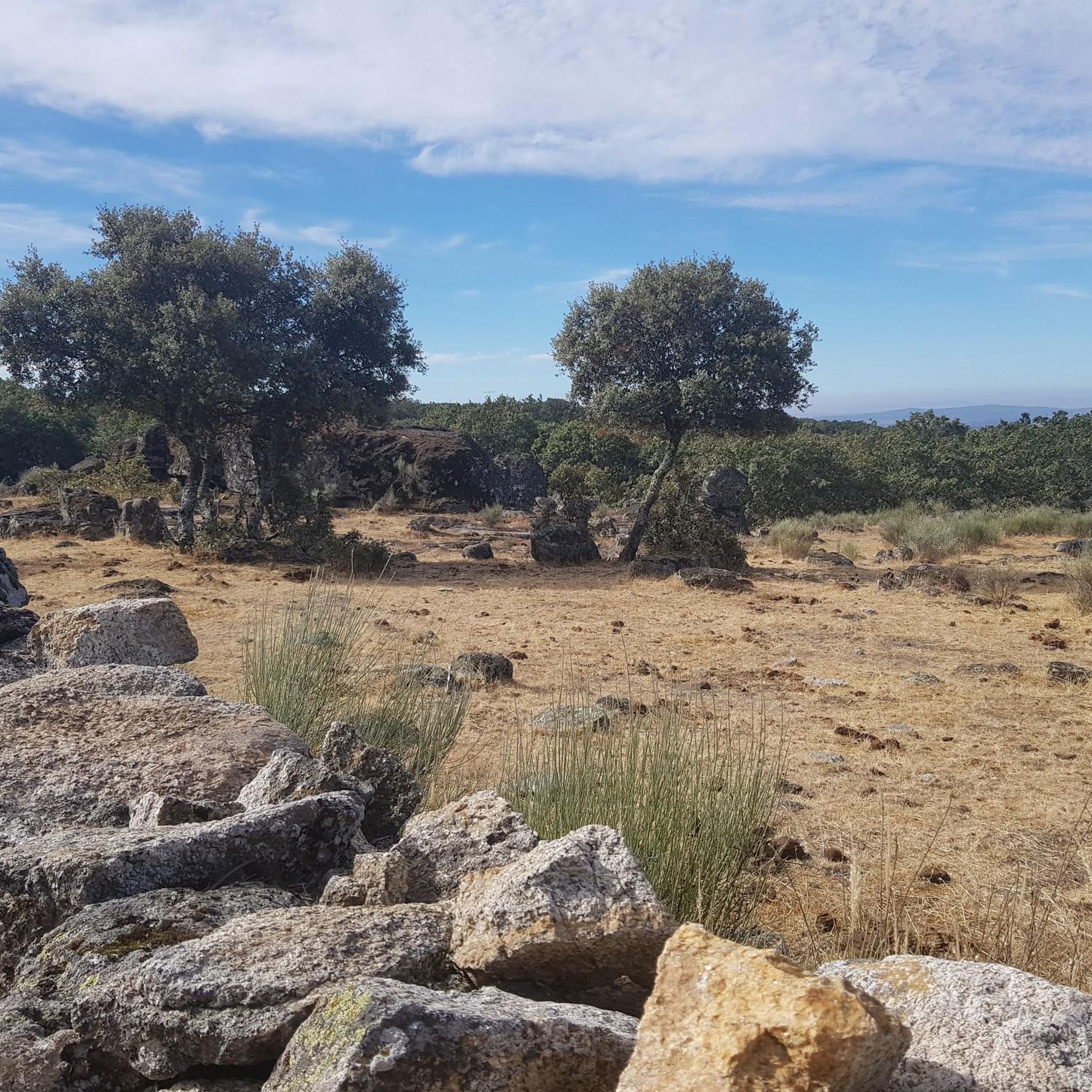
Not only is its shape curious, but the name by which it is known is even more striking. It is a very picturesque place with very beautiful panoramic views of the entire Montánchez valley.
4
0
Frequently Asked Questions
What historical sites can I explore in Salvatierra de Santiago?
Salvatierra de Santiago offers a rich history. You can visit the 17th-century Baroque Iglesia Parroquial de Santiago Apóstol, known for its spectacular altarpiece. Another significant religious site is the Ermita de Nuestra Señora de la Estrella, also from the 17th century, which hosts an ancient pilgrimage. Don't miss the early 20th-century Neo-Gothic Capilla y Panteón de Santa Catalina, a rare architectural gem in Extremadura. The town also has archaeological remains, including pre-Roman features and Roman funerary stelae integrated into buildings.
Are there any ancient ruins or archaeological sites to visit?
Yes, the municipality of Salvatierra de Santiago is home to various archaeological remains. You can find pre-Roman features like an unexcavated Castro and an Iron Age fort with preserved walls within the town. Roman funerary stelae and inscriptions are also visible, often integrated into existing buildings. Additionally, anthropomorphic tombs excavated in granite rock can be found in the surrounding areas.
What is the history behind Montánchez Castle?
The Montánchez Castle, often called the 'balcony of Extremadura,' has origins dating back to Roman times. Its main structure is from the 9th-century Caliphate period (Almohad era). The castle preserves three underground cisterns from the 11th to 13th centuries and features well-preserved walls, a keep, and defensive enclosures. In the 17th century, a hermitage and an interior pond were added, and it famously served as a prison for Don Rodrigo Calderón in 1620.
What natural features can I see around Salvatierra de Santiago?
The region boasts several interesting natural features. You can visit The Rock That Moves, a natural monument with a curious shape offering picturesque panoramic views of the Montánchez valley. The area is also part of the Sierra de Montánchez, known for its dehesas (wooded pastures), and features medieval bridges like Puente del León and Puente Mocho crossing the Tamuja River.
Are there hiking trails near Salvatierra de Santiago?
Absolutely! One notable trail is the Ruta de los Molinos (PR-CC 27) – Sierra de Montánchez y Tamuja. This picturesque route runs through a landscape of chestnut trees and features the ruins of an old mill. For more options, you can explore various hiking routes around the area, including easy to moderate trails like 'View of Castello – Turtle Rock loop from Montánchez' or 'Turtle Rock – Tower loop from Torre de Santa María'. Find more details on the Hiking around Salvatierra De Santiago guide.
What kind of outdoor activities are available besides hiking?
Beyond hiking, the area around Salvatierra de Santiago is excellent for cycling. You can find numerous mountain biking trails, such as 'Almoharín, Montánchez y Valdemorales — vuelta por Trujillo en BTT' or 'Castañar de Montánchez – Montánchez Castle loop from Almoharín'. Road cycling is also popular, with routes like 'Road through fields – Roman Theatre of Mérida loop from Valdefuentes'. Explore more options on the MTB Trails around Salvatierra De Santiago and Road Cycling Routes around Salvatierra De Santiago guides.
Are there family-friendly attractions around Salvatierra de Santiago?
Yes, the Ruta de los Molinos (PR-CC 27) is considered family-friendly, with tips suggesting it's suitable 'even for children,' especially during autumn and winter. Its lack of technical difficulty makes it an enjoyable outing for all ages. Exploring the historical sites like the castle or the natural monument 'The Rock That Moves' can also be engaging for families.
What is the best time to visit Salvatierra de Santiago for outdoor activities?
For outdoor activities like hiking, the autumn and winter months are often recommended for trails like the Ruta de los Molinos, due to more pleasant temperatures and picturesque landscapes. Spring is also a beautiful time to visit, with blooming nature. Summers can be very hot in Extremadura, so early mornings or late afternoons are best if visiting during that season.
Are there any religious buildings of note in the area?
Beyond the main church in Salvatierra de Santiago, the nearby town of Albalá features the impressive Parroquia de Santa María Magdalena. This church is a significant landmark in the small town, which is located along an ancient Roman road. The Ermita de Nuestra Señora de la Estrella, outside Salvatierra, is also a notable 17th-century hermitage.
What do visitors enjoy the most about the attractions here?
Visitors particularly enjoy the blend of history and nature. The Montánchez Castle is appreciated for its rich history and panoramic views. The Ruta de los Molinos is loved for its picturesque scenery and the unique experience of seeing the old mill ruins and waterfall. The curious shape and stunning vistas from The Rock That Moves also receive high praise for their visual appeal.
Are there any easy walks or beginner hiking routes available?
Yes, there are several easy options for those looking for less strenuous walks. For instance, the 'View of Castello – Turtle Rock loop from Montánchez' is an easy hiking route. The Ruta de los Molinos is also noted for having no technical difficulty, making it accessible for beginners. You can find more easy and moderate routes on the Hiking around Salvatierra De Santiago guide.
Are there any unique or lesser-known historical spots to discover?
Beyond the main attractions, you might find interest in the Hospital de Peregrinos, where Emperor Charles V once stayed. Another unique historical spot is the Canaleja de la Torre Spring and Ruins, which are the remains of an old settlement with a still-flowing water source. The early 20th-century Neo-Gothic Capilla y Panteón de Santa Catalina is also considered a true gem due to its scarce style in Extremadura.
Most popular routes around Salvatierra De Santiago

Get inspired with the komoot mobile app


Explore more
Still not found the Highlight you’re looking for? See guides of the top attractions in other regions:
