Attractions and Places To See around Villalba De Rioja - Top 20
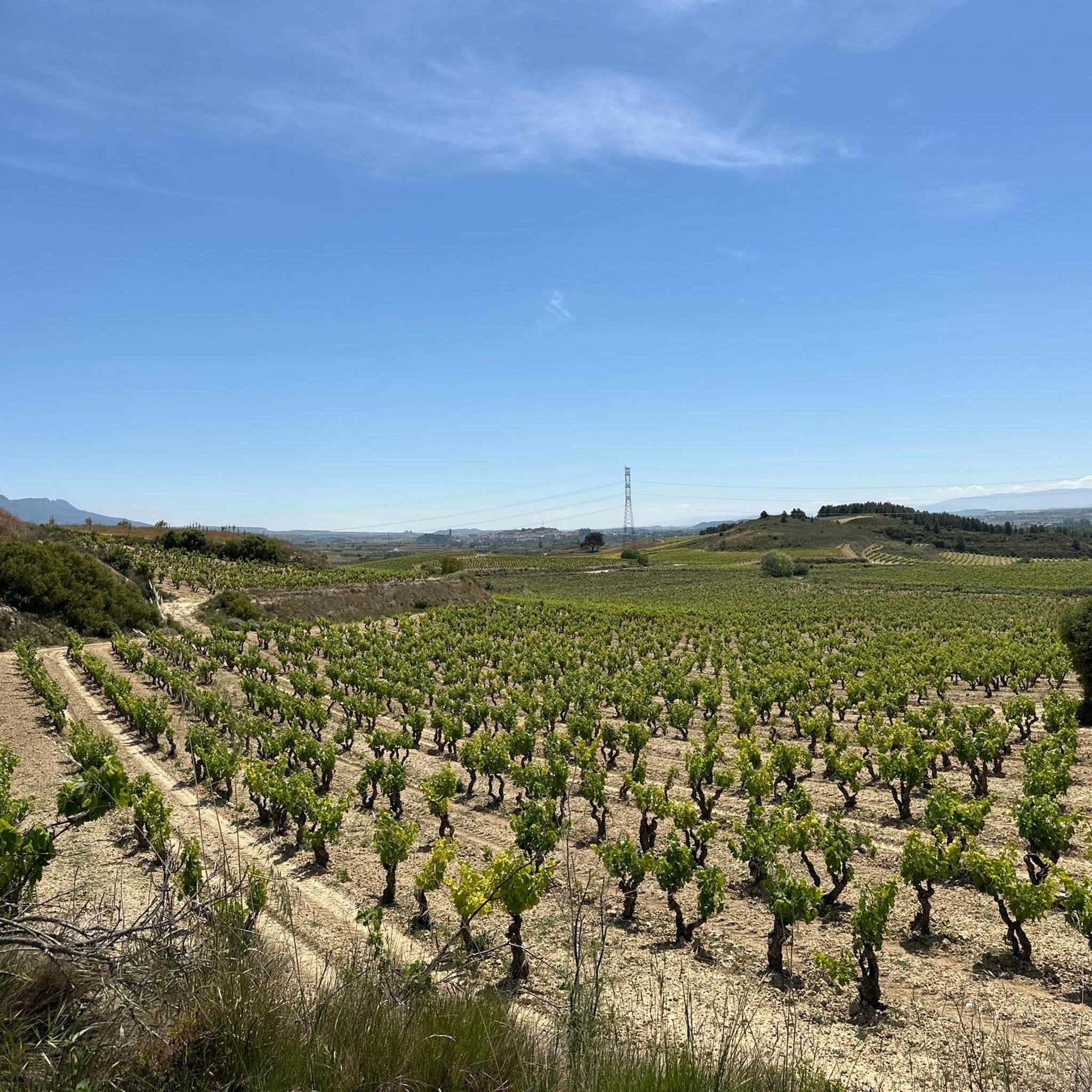
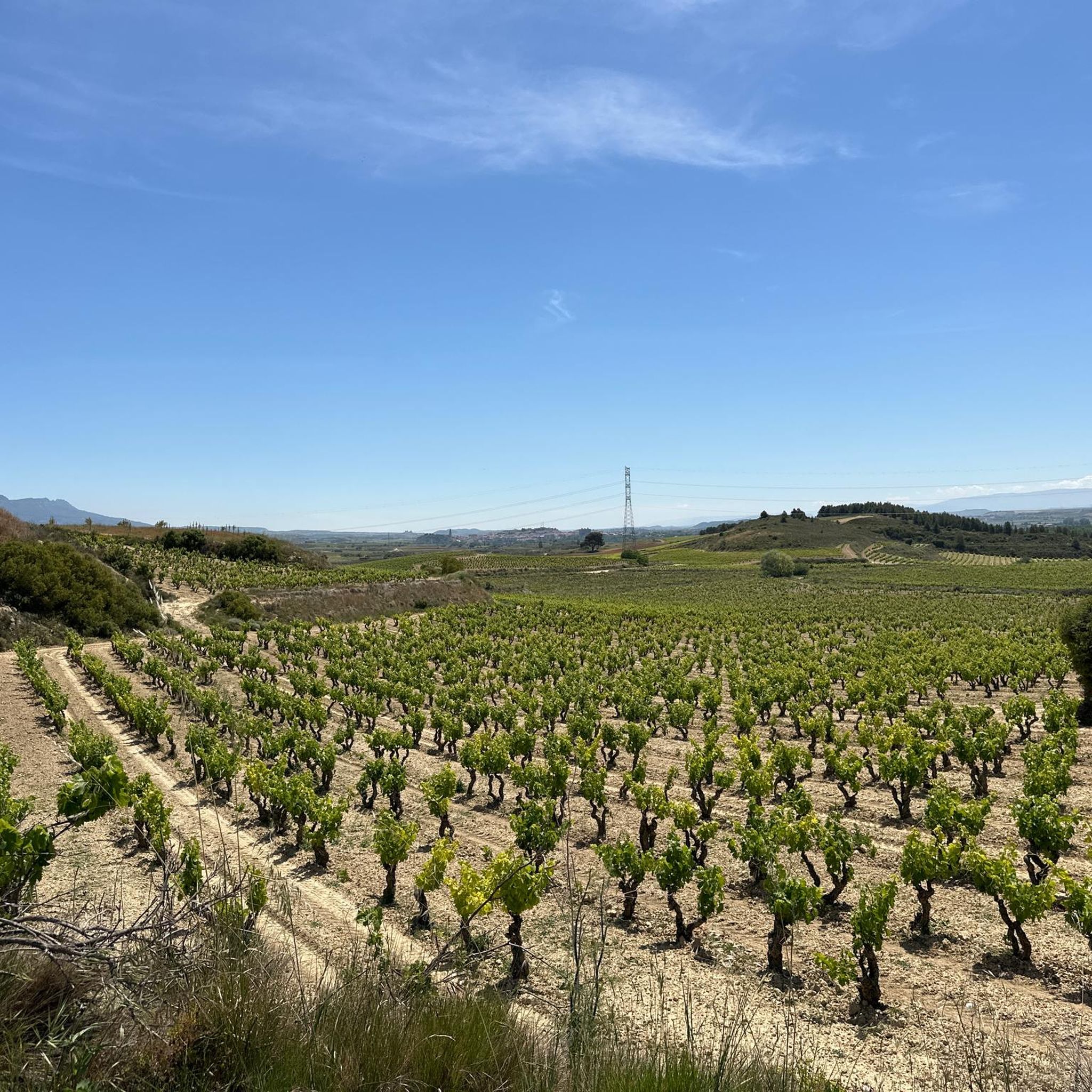
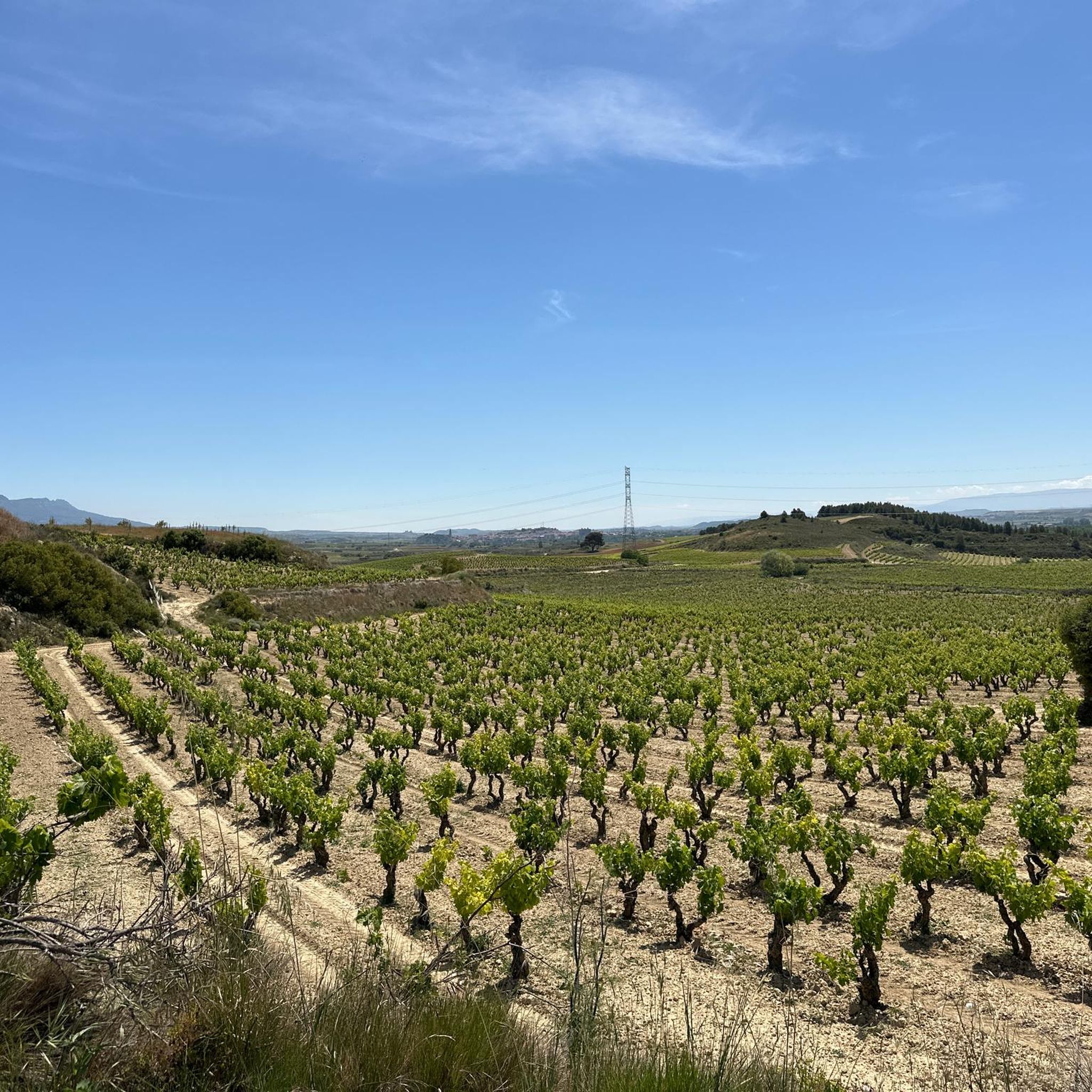
Best attractions and places to see around Villalba De Rioja include historical landmarks and natural landscapes. This municipality is situated on the southern slopes of the Obarenes Mountains, offering a picturesque backdrop. The area is characterized by its traditional architecture, such as emblazoned ashlar houses, and is part of the renowned La Rioja Alta wine region. Villalba De Rioja provides opportunities to explore cultural sites and surrounding vineyards.
Best attractions and places to see around Villalba De Rioja
- The most…
Last updated: August 30, 2026
Haro
Highlight • Settlement
Translated by Google •
Tip by

Haro
Highlight • Settlement
Translated by Google •
Tip by
Sign up now to discover places like this
Get recommendations on the best single tracks, peaks, & plenty of other exciting outdoor places.
Sign up for free
Puente de Cihuri
Highlight • Bridge
Translated by Google •
Tip by

Berganzo Village
Highlight • Settlement
Translated by Google •
Tip by

Sajazarra Castle
Highlight • Castle
Between the 12th and 13th centuries the town was fortified. In its beginnings there was a single tower that …
Translated by Google •
Tip by
Sign up for free to discover even more attractions around Villalba De Rioja.
Sign up for free
Already have an account?
Start today with a free account
Your next adventure awaits.
Login or Signup
Tips from the Community

A beautiful, perfectly restored building. It's a shame it's private and can't be visited.
0
0


Haro is the wine capital of Rioja. It is the headquarters of the regulatory council of the Rioja wine designation of origin. It has a vibrant atmosphere all year round and in its many bars and wineries you can drink good Rioja wine.
1
0

Berganzo is a town in Álava well known in the hiking environment for the Water Route or “Berganzoko ur bidea”, a route of about ten kilometers through the waterfalls and river wonders of the Inglares River. In the town there are route signs everywhere, it even has a private parking lot. The Toloño path begins on the outskirts of the town, towards the town of Peñacerrada, in a small parking lot with some waste containers. At the beginning of the route there are signs for the Water Route and the long-distance trail GR-1 Historic Trail. One kilometer from the exit a fork appears, the Water Route continues on the left and the Toloño path on the right, common with the GR-1 itinerary.
0
0

Puente de Cihuri is a bridge over the Tirón River in the municipality of Cihuri, in the autonomous community of La Rioja, Spain. The bridge is of Roman origin and was rebuilt in the Middle Ages. It has been a monument of cultural interest since 1982. The name of the place means “the villa of the bridge” in Basque. The bridge is located next to the Priorate, a 17th century building that belonged to the Monastery of San Millán de la Cogolla. Cihuri is a small village with about 200 inhabitants. It has a church dedicated to San Juan Bautista and an archaeological site with a spring and wash houses used for wool processing.
2
0

Almost all Rioja wineries are actually represented in Haro. So you can also taste a lot.
3
0
Haro is the wine-growing center of the Rioja Alta The only attractive thing is the quiet old town, located on a hill above the central Plaza de la Paz. In June there is the wine battle “Batalla del Vino”. The church Iglesia Santo Tomas is worth seeing. Built between the 15th and 17th centuries, it shows various architectural styles from Gothic to Baroque. The Plateresque portal is particularly impressive.
4
1
Haro is the wine-growing center of the Rioja Alta The only thing that is attractive is the quiet old town, located on a hill above the central Plaza de la Paz. In June there is the “Batalla del Vino” wine battle. The church Iglesia Santo Tomas is worth seeing. Between the 15th and 17th centuries. Built, it shows different architectural styles from Gothic to Baroque. The Plateresque portal is particularly impressive.
3
0
Frequently Asked Questions
What historical sites can I explore in Villalba de Rioja?
Villalba de Rioja is rich in history. You can visit the 18th-century San Pelayo Parish Church, the emblazoned Palace of the Ruiz del Castillo, and the Chapel of Los Remedios. The village also features a historical Jurisdictional Symbol (Rollo) and numerous emblazoned ashlar houses showcasing traditional architecture. Nearby, the magnificent Sajazarra Castle, a 15th-century fortress and palace, is also worth exploring.
Are there any natural attractions or scenic viewpoints around Villalba de Rioja?
Yes, Villalba de Rioja is nestled on the southern slopes of the Obarenes Mountains, offering a picturesque natural backdrop. The Esperamalo Stream, a tributary of the Ebro River, flows through the municipality. You can also enjoy panoramic views of the surrounding vineyards from the Mirador de Villalba. The region is also known for its hunting grounds and is a starting point for ascents to Mount Motrico.
What outdoor activities are available near Villalba de Rioja?
The region around Villalba de Rioja offers various outdoor activities. For hiking, you can find routes like the 'Parada Vieja and La Rioja Viewpoint Loop' or the 'Pucherillo Cave and Peña Escalera Loop'. Cyclists can explore road cycling routes such as the 'Haro: Peñacerrada and Herrera Passes Loop' or gravel biking trails like the 'Gravel route through vineyards along the Ebro River'. You can find more details on these and other routes in the hiking, road cycling, and gravel biking guides for the area.
What is the best time of year to visit Villalba de Rioja?
The region's vineyards are a spectacle throughout the year, making any season beautiful. However, for outdoor activities like hiking and cycling, spring and autumn offer pleasant temperatures. If you're interested in wine tourism, June is notable for Haro's 'Batalla del Vino' (Wine Battle).
Are there family-friendly attractions in the area?
Yes, several attractions are suitable for families. The historic town of Haro, with its charming old town and monuments, is considered family-friendly. The ancient Puente de Cihuri, a Roman bridge, is also a great spot, especially in summer when locals enjoy swimming nearby. Berganzo Village, with its river and bridges, offers a pleasant setting for a family stroll.
What is Haro and why is it a significant place to visit?
Haro, located just 5 km from Villalba de Rioja, is renowned as the wine capital of La Rioja Alta and a central hub for wine tourism in Spain. It is home to many famous wineries and hosts the lively 'Batalla del Vino' (Wine Battle) in June. Its historical importance is reflected in its numerous monuments and vibrant atmosphere.
Can I visit wineries or experience wine tourism near Villalba de Rioja?
Absolutely. As part of the renowned La Rioja Alta wine region, Villalba de Rioja is surrounded by vineyards. The nearby town of Haro is a major center for wine tourism, with numerous famous wineries (bodegas) offering tours and tastings, such as Bodegas Muga, Bodegas Ramon Bilbao, Bodegas y Vinedos Gomez Cruzado, and BODEGAS BILBAINAS.
What is the Puente de Cihuri?
The Puente de Cihuri is a beautiful Roman bridge crossing the Tirón River, declared an Asset of Cultural Interest. Built with ashlar stone, it features two semicircular arches and one pointed arch. It's a historical landmark that has undergone various restorations and is a popular spot for locals to swim in summer.
What is Berganzo Village known for?
Berganzo Village is situated in the Sierra de Cantabria and is uniquely divided into two neighborhoods by the Inglares River, linked by simple bridges. It's known as a starting point for the 'water route' and is part of a scenic area with a route of castles.
Are there any less crowded trails or hidden gems for hiking?
While specific 'less crowded' trails aren't highlighted, the region offers numerous hidden gems for hikers and cyclists to explore. Many trails wind through the vineyards and natural landscapes of the Obarenes Mountains. Consider exploring routes like the 'Pucherillo Cave and Peña Escalera Loop' for a more intimate experience.
What kind of traditional architecture can be seen in Villalba de Rioja?
Villalba de Rioja is characterized by its traditional architecture, particularly its numerous emblazoned ashlar houses. These historical buildings, along with the Palace of the Ruiz del Castillo, showcase the region's heritage and the historical importance of noble families.
What are the Obarenes Mountains and how can I experience them?
The Obarenes Mountains form the picturesque backdrop to Villalba de Rioja, as the village is nestled on their southern slopes. You can experience them through various hiking and cycling routes that traverse the area, offering stunning views and opportunities to connect with nature. The village is also a starting point for ascents to Mount Motrico, which is part of this mountain range.
Most popular routes around Villalba De Rioja
Most popular attractions around Villalba De Rioja

Get inspired with the komoot mobile app


Explore more
Still not found the Highlight you’re looking for? See guides of the top attractions in other regions:
