Attractions and Places To See around Tavernes De La Valldigna - Top 20
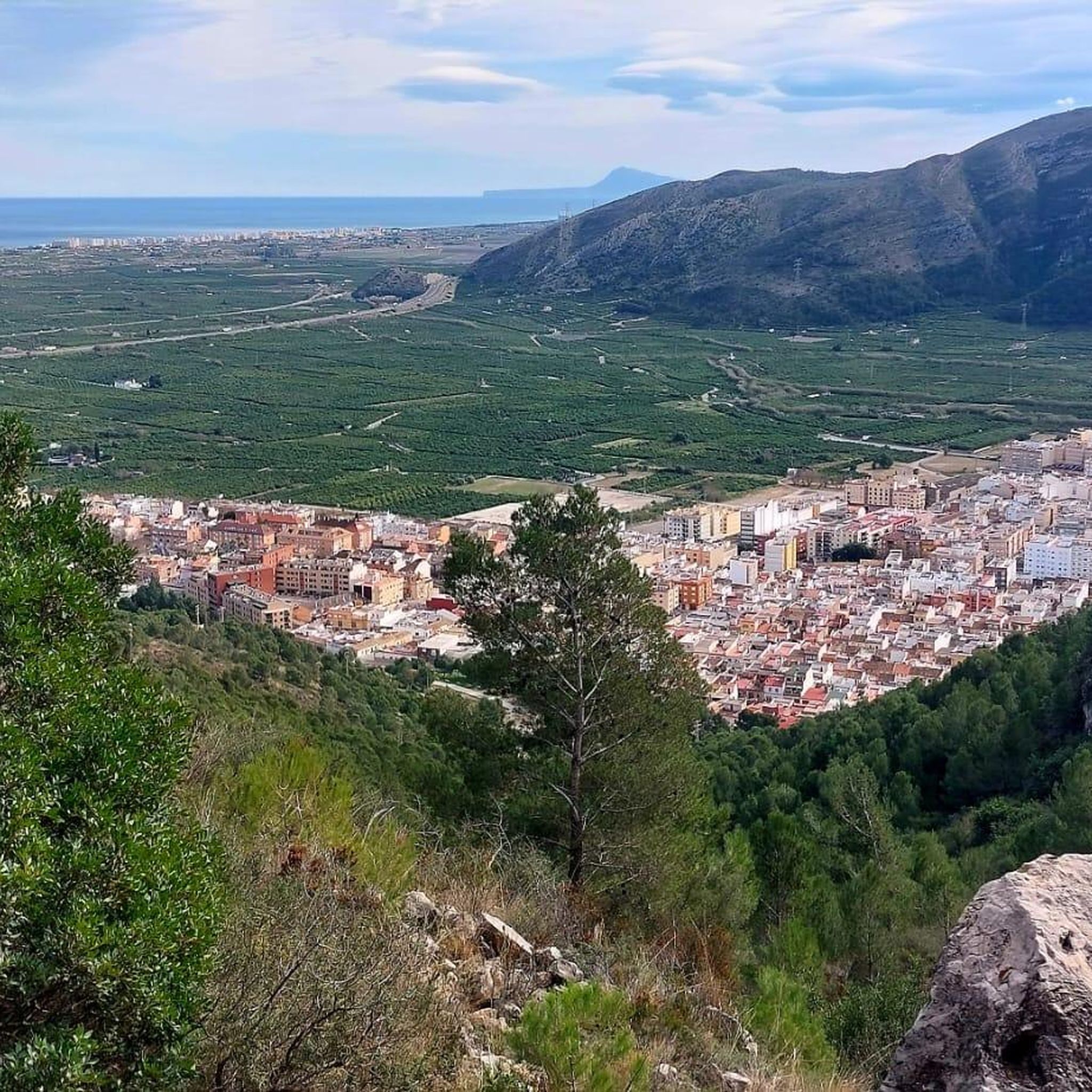
Best attractions and places to see around Tavernes De La Valldigna include a diverse range of natural and historical sites. Situated between the coast and mountains in the La Safor county of Valencia, the area features sandy beaches, archaeological sites, and mountainous terrain. Visitors can explore ancient fortresses, watchtowers, and significant religious buildings, alongside numerous natural viewpoints and hiking opportunities.
Best attractions and places to see around Tavernes De La Valldigna
- The most popular attractions is Cullera Lighthouse, a…
Last updated: October 9, 2026
Gandia Beach
Highlight • Beach
Translated by Google •
Tip by

Cullera Lighthouse
Highlight • Monument
Translated by Google •
Tip by
Sign up now to discover places like this
Get recommendations on the best single tracks, peaks, & plenty of other exciting outdoor places.
Monastery of Santa María de la Valldigna
Highlight • Religious Site
Since April 2022 it has been …
Translated by Google •
Tip by
Mondúver summit
Highlight • Summit
Translated by Google •
Tip by

Monastery of Aigues Vives
Highlight • Religious Site
Translated by Google •
Tip by
Sign up for free to discover even more attractions around Tavernes De La Valldigna.
Already have an account?
Start today with a free account
Your next adventure awaits.
Popular around Tavernes De La Valldigna

Tips from the Community

El convent d'Aigües Vives, també anomenat Reial Monestir de Santa Maria d'Aigües Vives, és un antic monestir amb orígens que es remunten al segle XIII. L'edifici actual es va construir durant els segles XVI i XVII, amb els corresponents estils, renaixentista i barroc, si bé l'ala nord es va acabar en el segle XVIII. El monestir va pertànyer a l'orde dels agustins, orde que custodiava la imatge de la Mare de Déu d'Aigües Vives, patrona de la ciutat de La Barraca d'Aigües Vives. A mitjan segle XIX, a conseqüència de la desamortització de Mendizábal, els monjos hagueren d'abandonar el cenobi. Aquest va passar a mans dels barons de Casanova, que el destinaren com a habitatge rural. L'any 1977 el monestir fou adquirit i reformat per a destinar-lo a hotel residència per Antonio Vidal Bellver (fotògraf i empresari de Carcaixent). Actualment és propietat d'un empresari hoteler de Gandia. El 2024, la Generalitat Valenciana va instar els nous propietaris a fer obres per a mantenir aquesta obra major que ha patit un deteriorament progressiu com a conseqüència de robatoris, vandalisme i abandonament.
1
0

The wonderful setting surrounds a fairytale monastery.
1
0

The utmost care with which this ancient monastery is being restored arouses deep admiration and respect.
2
0

Beautiful little lighthouse with a lot of history. Very nice view towards Valencia and towards Denia.
1
0
From the lighthouse road there are very good views of Dosser beach and Cullera bay.
2
1

significant advantage of this route is that you can choose the difficulty of the conditions of ascent or descent. An asphalt road leads directly to the top.
2
0
The Royal Monastery of Santa Maria de Valldigna was founded by Jaume II the Just on March 15, 1298, who gave the Alfàndec valley to Abbot Bononat de Vila-seca to found a monastery of the order of Cistercian, subsidiary of the monastery of Santes Creus. It was the first monastery of such importance built in the old Kingdom of Valencia, after the Christian conquest. Days after the royal donation, Jaume II, fra Bononat and his retinue gathered at the place of Ràfol (a Christian village in the valley founded after the conquest of Jaume I) to take possession of the territory, plus a mile inland, the castles of Marinyén, Alcalà and the Mondúber tower.
1
0

A very beautiful section of this route. The cycle path is well-maintained and runs along the beach. Occasionally, inattentive pedestrians cross the cycle path, which happens more often near the beach, but otherwise it's very easy to cycle on. Gandia Beach is an ideal destination for cyclists who want to enjoy the coastal flair and nature. A well-maintained, flat cycle path runs directly along the seafront promenade, making it particularly suitable for recreational cyclists. For more ambitious cyclists, there are also quieter routes such as the Vía Verde de la Safor, which runs from Gandia to Oliva and mostly follows former railway lines through nature. In recent years, the cycling infrastructure along the coast has been further improved, making it easy to combine relaxed rides along the beach promenade with longer excursions into the surrounding area. This makes Gandia Beach not only a popular destination for swimming and sunbathing, but also an excellent starting point for varied cycling tours.
12
1
Frequently Asked Questions
What natural landscapes and viewpoints can I explore around Tavernes de la Valldigna?
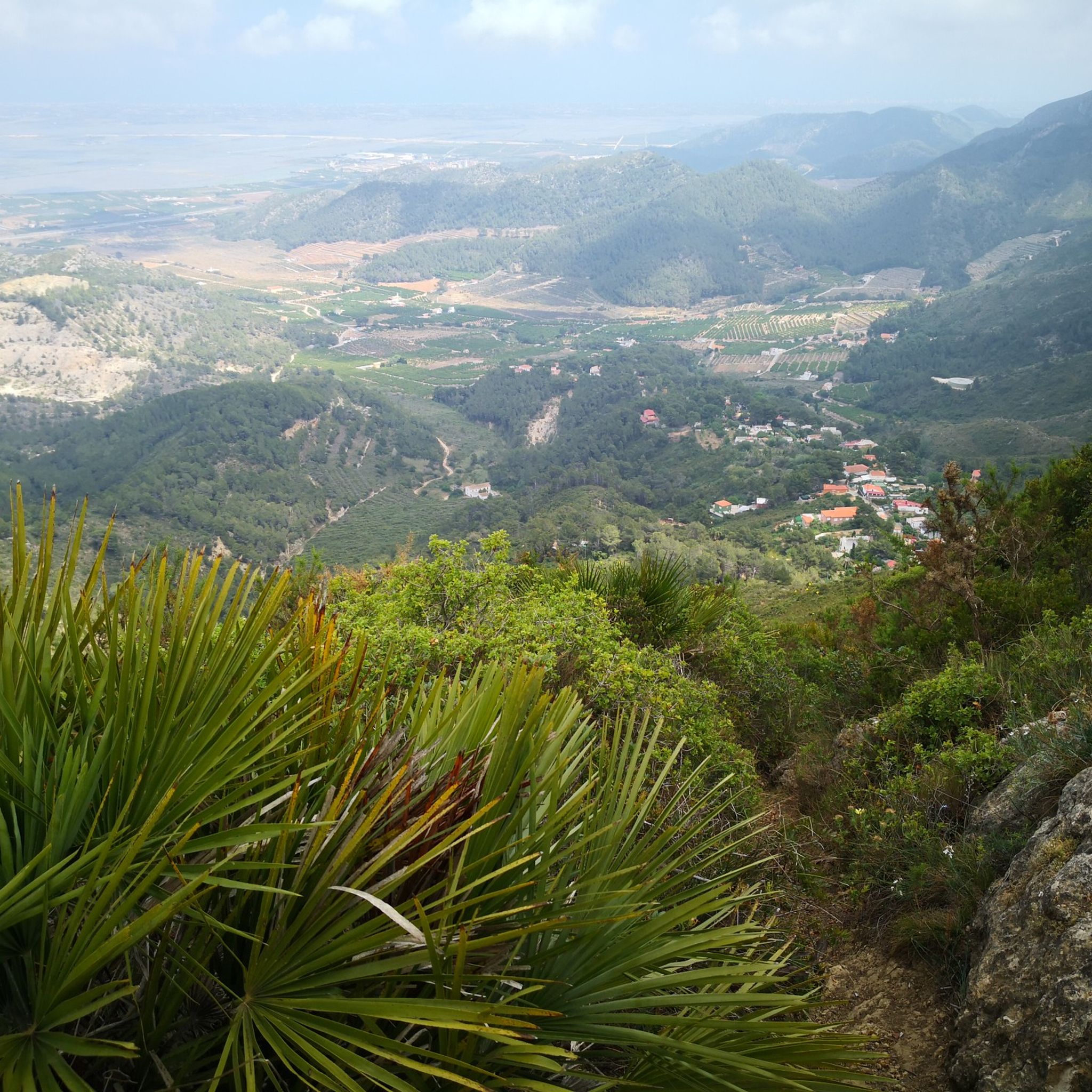
The region offers diverse natural beauty, from coastal views to mountain panoramas. You can experience challenging climbs to summits like Mondúver summit, which provides extensive vistas of the province of Valencia. For less strenuous options, the prominent peaks of Les Tres Creus offer panoramic views of the sea and the Valldigna valley, while the Mirador de la Valldigna provides sweeping views from Cullera to Cabo de la Nao. Don't miss the fascinating Cova del Bolomor, an archaeological site set in a natural cave.
Are there family-friendly attractions in the area?
Yes, several attractions are suitable for families. The sandy shores of Gandia Beach are perfect for relaxation and play. For a mix of nature and history, the La Murta Botanical Trail offers an easy walk through a beautiful grove, passing by an old lime kiln and an aqueduct. The beaches of Platja de Tavernes and Platja de la Goleta are also well-equipped for families.
What historical sites can I visit near Tavernes de la Valldigna?
The area is rich in history. You can explore the remains of the Muslim-era Castillo de Tavernes (Castillo de Alcalà de Alfàndec) and its Torre de Guaita. The 16th-century Torre de Guaita (Torre de la Vall) near the main beach entrance is another significant cultural heritage site. Further afield, the Monastery of Santa María de la Valldigna, a Cistercian-style monastery founded in 1298, is a historical jewel open to the public.
What outdoor activities, like hiking and cycling, are available?
The mountainous terrain and coastal paths provide excellent opportunities for outdoor activities. You can find various hiking routes, including the challenging ascent to Mondúver summit. For more options, explore the hiking guide for Tavernes de la Valldigna. Cyclists can enjoy improved infrastructure along the coast for relaxed rides or more ambitious excursions. Check out the road cycling guide or the gravel biking guide for detailed routes.
Are there accessible beaches in Tavernes de la Valldigna?
Yes, the main beaches, Platja de Tavernes and Platja de la Goleta, are equipped with facilities to ensure accessibility for people with disabilities, making them inclusive options for all visitors.
What cultural points of interest are there in the town center?
In the town center, you can visit the San Pedro Apostol Parish Church, notable for its distinctive facades and a restored sundial. The House of Culture offers a library, auditorium, and exhibition rooms for various events. The Municipal Market is also a great place to discover local products.
Where can I find a quiet place for reflection or spiritual interest?
You can take a stroll to the Santísimo Cristo del Calvario Chapel, following the stations of the cross. Another option is the San Lorenzo Chapel, which hosts a traditional market in August. The Monastery of Santa María de la Valldigna, though slightly outside the immediate town, offers a quiet and beautiful historical setting for reflection.
What do visitors enjoy most about the attractions around Tavernes de la Valldigna?
Visitors particularly appreciate the stunning panoramic views from various points, such as Cullera Lighthouse and Mondúver summit. The historical depth of sites like the Monastery of Santa María de la Valldigna is also highly valued. Many enjoy the well-maintained coastal cycle paths and the clean, fine sands of beaches like Gandia Beach.
Are there any archaeological sites to visit?
Yes, the region has significant archaeological interest. The Cova del Bolomor is a notable archaeological site where some of the oldest human settlements in Valencia have been discovered, dating back to Neanderthal times. Additionally, Iberian and Roman archaeological remains can be found at sites such as Castellets, Ràfol, and Teularet.
Where can I find natural springs or unique natural spots?
Beyond the beaches and mountains, you can discover several natural springs and serene spots. The Clot de la Font is a natural spring located a few kilometers from the town center. Other areas like La Sangonera, El Mirador del Mediterraneo, La Fuente de la Granata, El Pico del Massalari, Ullal Gran y de les Penyetos, and Les Fontetes de Cantus all offer scenic beauty and fresh air, perfect for a peaceful outing.
Most popular routes around Tavernes De La Valldigna
Most popular attractions around Tavernes De La Valldigna

Get inspired with the komoot mobile app


Explore more
Still not found the Highlight you’re looking for? See guides of the top attractions in other regions:
