Top 15 Castles around Sagunt / Sagunto
Best castles around Sagunt / Sagunto are situated in a region with a rich historical tapestry, marked by its strategic location atop hills overlooking the Mediterranean Sea. The area's landscape features a blend of coastal views and mountainous terrain, providing a diverse backdrop for its historical sites. This location has been significant for various civilizations, leaving behind a legacy of architectural and cultural imprints. The castles here offer insights into over two millennia of history.
Best castles around Sagunt /…
Last updated: June 29, 2026
Castell de Serra
Highlight • Castle
The fortress, which was not intended to house civilians, was part of the defense system of Northern Valencia along …
Translated by Google •
Tip by

Castro Castle
Highlight • Castle
Translated by Google •
Tip by

Sign up now to discover places like this
Get recommendations on the best single tracks, peaks, & plenty of other exciting outdoor places.
Sign up for free
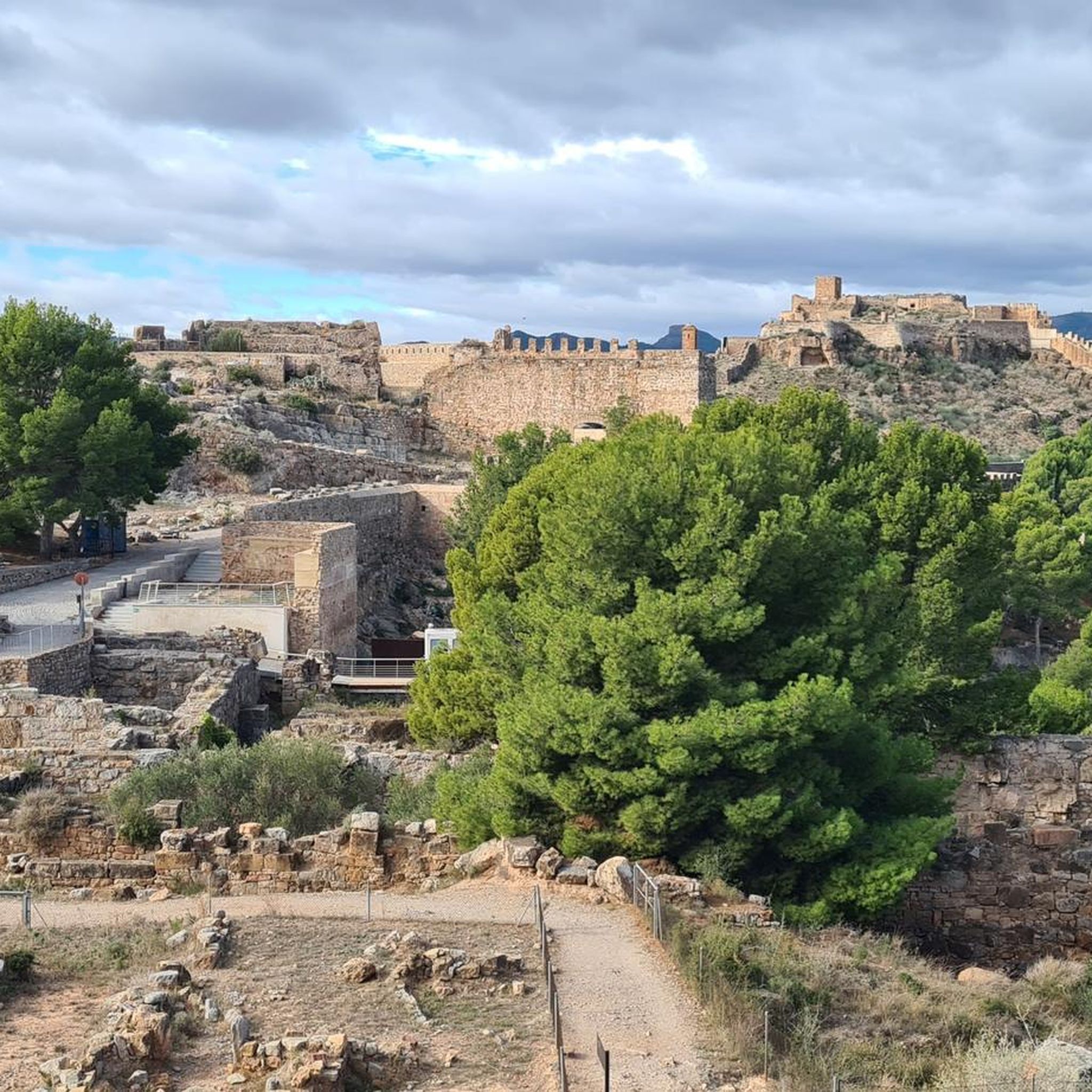
Sagunto Castle
Highlight • Castle
Translated by Google •
Tip by

View of Sagunto Castle
Highlight • Castle
Translated by Google •
Tip by

Albalat dels Tarongers Castle
Highlight • Castle
**Palace in very good condition, formerly a Muslim farmhouse and later seat of the barony of Segart.
Translated by Google •
Tip by
Sign up for free to discover even more castles around Sagunt / Sagunto.
Sign up for free
Already have an account?
Start today with a free account
Your next adventure awaits.
Login or Signup

Other adventures around Sagunt / Sagunto

Tips from the Community

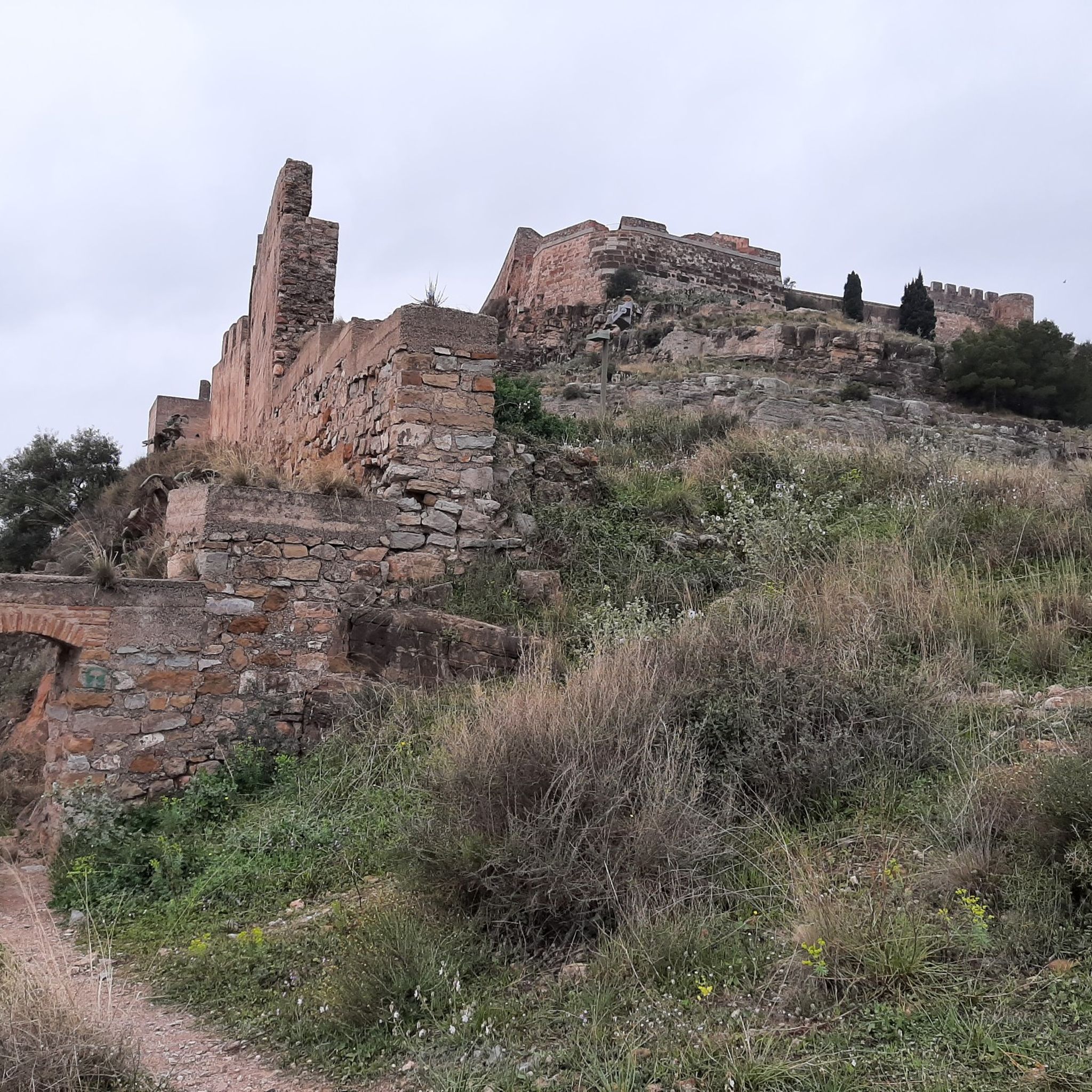
The castle is incredibly large and expansive. It offers a magnificent view. Please note the opening hours!
1
0

More Palace than Castle, but well preserved/restored/maintained
1
0

Castle complex with a long, varied history. Magnificent view over the area around Sagunto - including the new Volkswagen battery factory!
0
0

Very spacious castle. The ruins, mostly with remains of walls, are worth seeing, but you shouldn't expect too much. However, the view of Sagunto is outstanding.
1
0

This 11th century Andalusian fortress is a mosaic of different periods and styles that shows the great diversity of inhabitants it housed. Admission is free.
2
0

After the Reconquista, many castles in the region were modified or rebuilt to adapt to Christian styles and needs.
7
0

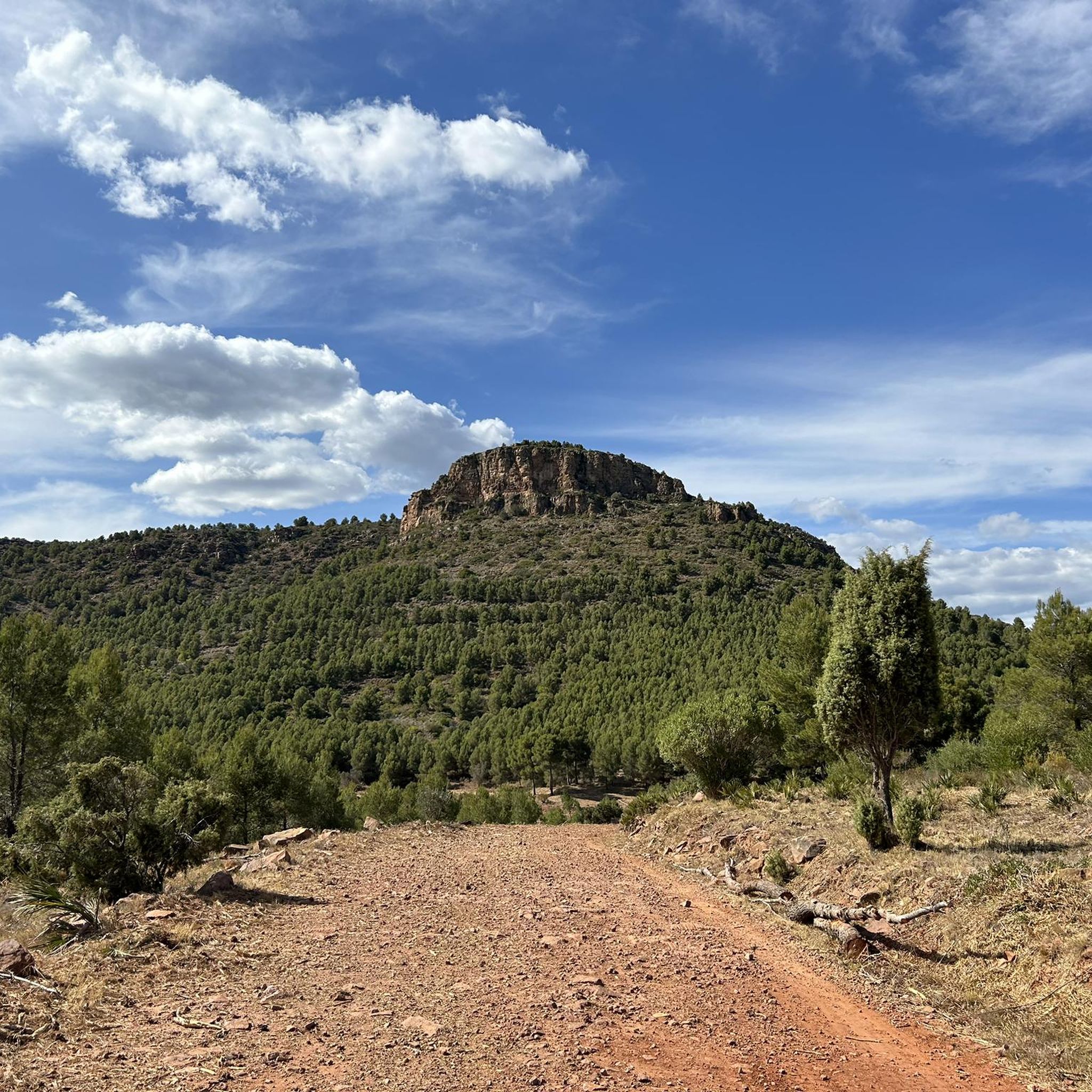
The Castro Castle, an Arab fortress with an impressive watchtower at a height of about 780 m, was a fundamental bastion of the Moorish resistance at the time of their expulsion. It was taken by the Duke of Segorbe and General Cavanilles after the Castillo de Aín had also fallen. It was also used in the Carlist Wars. The castle covers an area of about 2,000 m2, where two parts can be distinguished: the "Albacar", a fortified refuge for the inhabitants of the towns dependent on the fortress; and on the other side, the castle itself, which presided surrounded by a large keep that was demolished in 1938 during the Civil War. The views are impressively beautiful.
9
0
Impressive Castillo with an incredibly long history.
1
0
Frequently Asked Questions
What is the historical significance of Sagunto Castle?
Sagunto Castle is a site of immense historical importance, declared a National Monument in 1931. Its history spans over two millennia, with architectural and cultural imprints from Iberian, Roman, Visigothic, Moorish, and Christian civilizations. It was notably the site of Hannibal's siege in 219 BC, which triggered the Second Punic War. The castle's extensive ruins, stretching for almost a kilometer, offer a journey through these periods, including remains of the Roman forum and later fortifications.
How much time should I allocate to visit Sagunto Castle?
To fully appreciate the vastness and historical details of Sagunto Castle, it's recommended to allocate at least 2-3 hours. The site is expansive, divided into seven main sections, and offers numerous points of interest, including the excavated Roman forum and various fortifications. An audio-guide app is available to enhance your exploration.
Is there parking available at Sagunto Castle?
Yes, there is parking available near Sagunto Castle. Visitors can typically find parking in the town below the castle, with some closer options depending on the season and time of day. From there, it's a walk up to the castle entrance.
How can I reach Sagunto Castle by public transport?
Sagunto is well-connected by public transport. You can reach Sagunto by train from Valencia, and local buses or a walk will take you from the train station to the base of the castle hill. The castle is located centrally within the historic town of Sagunto.
Are there family-friendly castles to visit in the Sagunt / Sagunto area?
Yes, several castles in the region are suitable for families. Albalat dels Tarongers Castle is noted as family-friendly and is a well-preserved palace that functions partly as a museum. The expansive grounds of Sagunto Castle also offer plenty of space for children to explore, though some areas may require supervision due to uneven terrain.
Are the castles and surrounding areas dog-friendly?
While specific rules for each castle may vary, many outdoor areas and ruins, like the extensive grounds of Sagunto Castle, are generally accessible for dogs on a leash. It's always advisable to check local regulations or signage at individual sites. The numerous hiking trails around the castles are typically dog-friendly.
What outdoor activities can I do near the castles?
The area around Sagunt / Sagunto offers excellent opportunities for outdoor activities. You can find numerous hiking and running trails. For instance, there are routes like the 'Sagunto Old Town – Sagunto Castle loop' for running or the 'Sagunto – Sagunto Castle loop' for hiking. You can explore more options on the Hiking around Sagunt / Sagunto guide or the Running Trails around Sagunt / Sagunto guide.
Which castles offer the best panoramic views?
Many castles in the region are strategically located on hilltops, providing magnificent panoramic views. Sagunto Castle offers stirring vistas of the surrounding area, including the Mediterranean Sea and orange groves. Similarly, Castro Castle, an Arab fortress with an impressive watchtower, provides incredible panoramic views of the mountains from its ruins.
What is the best time of year to visit the castles around Sagunt / Sagunto?
The best time to visit the castles around Sagunt / Sagunto is typically during the spring (March to May) and autumn (September to November). During these seasons, the weather is milder and more pleasant for exploring the outdoor ruins and hiking. Summers can be very hot, making extensive outdoor exploration challenging, while winters are generally mild but can be cooler and wetter.
What should I wear when visiting the castles in Sagunt / Sagunto?
When visiting the castles, especially those with extensive ruins like Sagunto Castle or Castro Castle, it's advisable to wear comfortable walking shoes suitable for uneven terrain. Layers are recommended as temperatures can change, and a hat and sunscreen are essential during sunnier months due to the exposed nature of many castle sites.
Are there any lesser-known castles worth exploring in the area?
Beyond the prominent sites, the region holds several intriguing castles. Castell de Serra, a small fortress of Arab origin, offers grandiose views of the Sierra Calderona and was part of Northern Valencia's defense system. These smaller sites often provide a more tranquil and intimate historical experience.
What other historical sites are near Sagunto Castle?
Directly below Sagunto Castle, you can explore the Roman Theatre, a 1st-century national monument known for its excellent acoustics, built into the mountainside. Within the castle walls, or nearby, is also the Museo de Epigrafía / Epigraphic Antiquarium Centre, housing a collection of engraved stones from various historical periods.
Most popular routes around Sagunt / Sagunto
Most popular attractions around Sagunt / Sagunto

Get inspired with the komoot mobile app


Explore more
Looking for the best castles somewhere else? Discover other guides around Sagunt / Sagunto:
