Attractions and Places To See around Táliga - Top 9
Attractions and places to see around Táliga offer a blend of historical sites, natural beauty, and cultural points of interest in the province of Badajoz, Extremadura. This Spanish town is situated near the Portuguese border, providing a scenic backdrop for exploration. The region features significant ecological areas and well-preserved landscapes, including oak forests and rolling hills. Visitors can explore a variety of landmarks and natural features within its surroundings.
Best attractions and places to see around Táliga
- The most popular…
Last updated: August 23, 2026
Sierra de Alor Viewpoint
Highlight • Viewpoint
Translated by Google •
Tip by

Castillo de Miraflores
Highlight • Castle
Translated by Google •
Tip by
Sign up now to discover places like this
Get recommendations on the best single tracks, peaks, & plenty of other exciting outdoor places.
Sign up for free
San Jorge de Alor
Highlight • Settlement
Translated by Google •
Tip by

Dehesas of the Olivenza River
Highlight • Forest
Translated by Google •
Tip by

Diego Corrientes Refuge
Highlight • Mountain Hut
Translated by Google •
Tip by
Sign up for free to discover even more attractions around Táliga.
Sign up for free
Already have an account?
Start today with a free account
Your next adventure awaits.
Login or Signup
Popular around Táliga
Tips from the Community

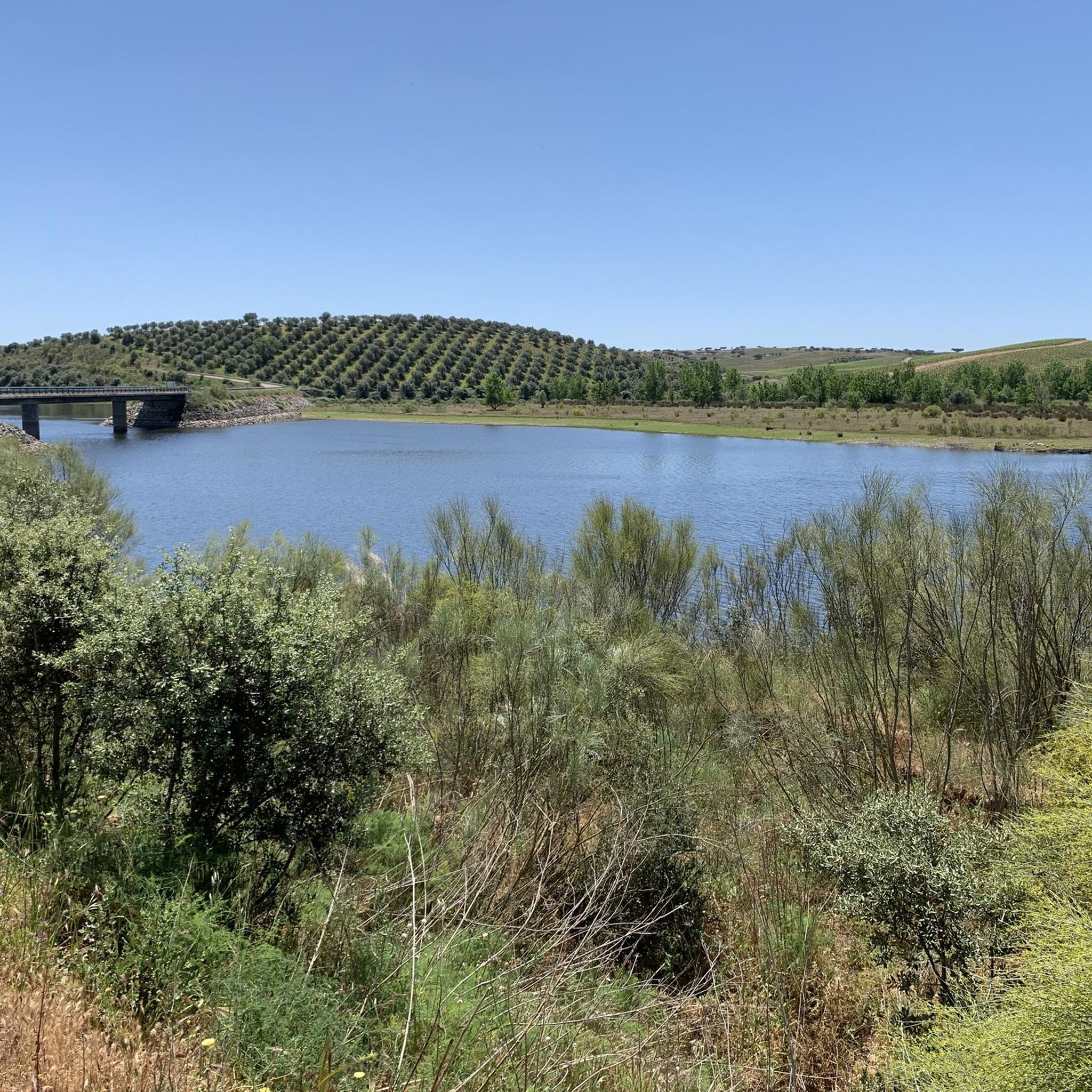
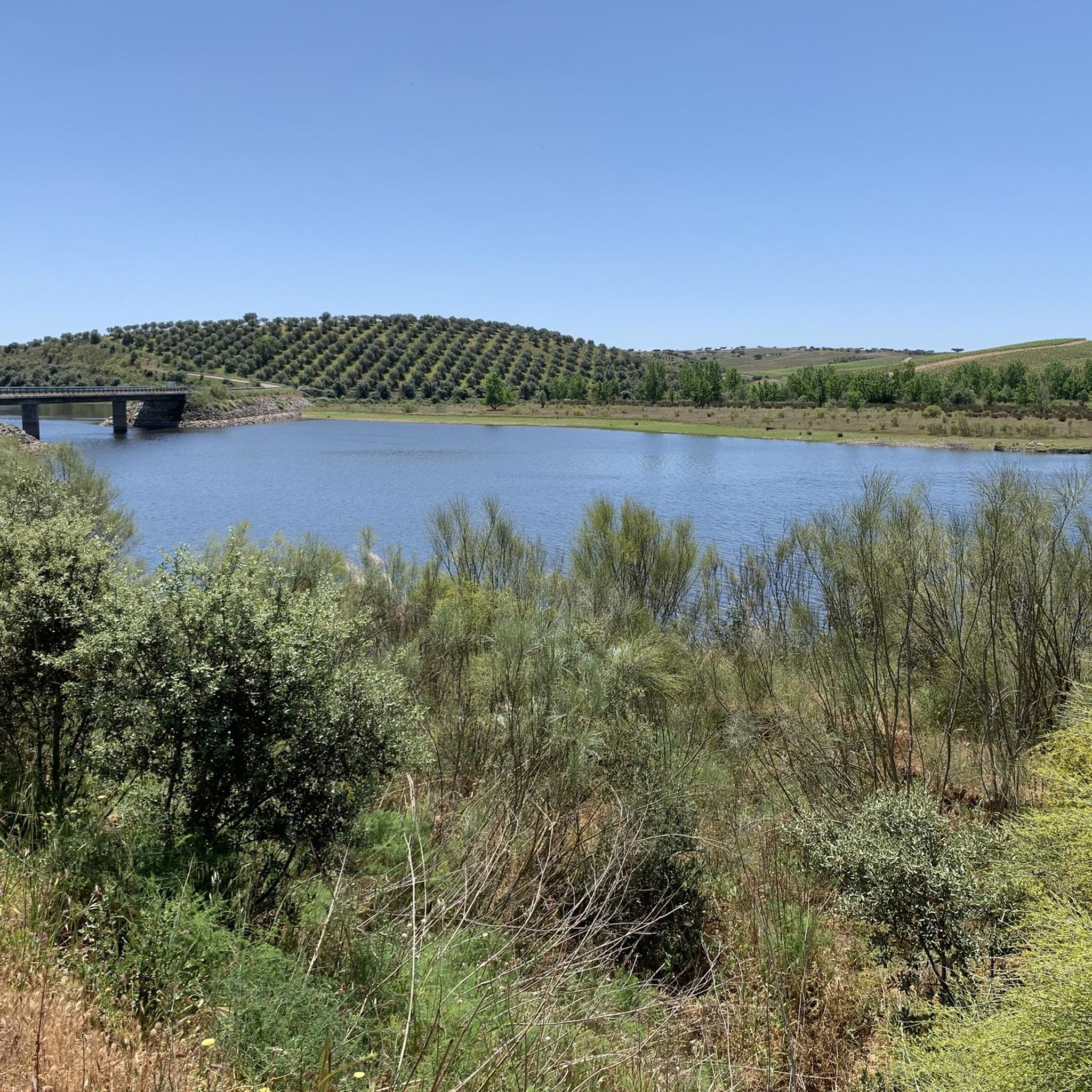
Located at an altitude of approximately 580–611 meters, it offers panoramic views of meadows, olive groves, farmhouses, and the Táliga Valley. It includes huts near the viewpoint and a geodetic vertex marking the highest point. Ideal time to visit: spring (March to May), to enjoy the blooming flowers and mild weather.
2
0
The Mirador de la Sierra de Alor is a spectacular place to enjoy panoramic views of the Llanos de Olivenza region. The route to the viewpoint is ideal for hiking and offers several points of interest, such as old bandit huts and the characteristic flora of the area, including the Rose of Alexandria. From the viewpoint, you can admire impressive views of the mountains and the surrounding area, making it a popular destination for nature and photography lovers.😊
9
0

Just six kilometers from Olivenza, this small town is surrounded by fields and hills. The streets are narrow and the buildings are whitewashed. The center is interesting for the monumental chimneys of many of the buildings.
0
0
Of Arab origin, and rebuilt in the 12th century by the Portuguese monarch Alfonso Enríquez, it was later consolidated by the Templars, becoming one of the most important bastions of this Order. Originally it was made up of a triple enclosure, the intermediate one reinforced with cubes pointing towards the south. It is presided over by a powerful keep, completing the complex with a good parade ground, cisterns, dungeons, chapel and other rooms of which various remains are preserved. Today the Interpretation Center of the Fortifications of the Great Lake of Alqueva is located inside and is preparing to house a unique space for conventions, congresses and exhibitions with the possibility of lodging.
12
0

The Alconchel castle or Miraflores castle is built on the top of the Miraflores hill, it is a defensive building in the border area that is currently recovered for hospitality and its dependencies can be visited. Its origins date back to the 12th century. It is close to a small stream, a tributary of the Guadiana River, so the hollow of its channel served as a natural defense. Source: Wikipedia in Spanish, accessed on 3/3/2023.
2
0

San Jorge de Alor is a district of the Spanish municipality of Olivenza, which is 6 km from that population. It is also close to the Piedra Aguda Reservoir.
0
1
Located 6 km from Olivenza, is the Sierra de Alor, declared a Special Conservation Area. From this point you can see the extension of the area, with an incredible panorama!
1
1
It is in this area where the Río Olivenza crosses in the middle of forests of what is called "Dehesas extremeñas". Oak forests with little vegetation around and where cattle are found around, where the river gives life to these areas.
1
0
Frequently Asked Questions
What historical sites can I explore around Táliga?
The region boasts significant historical landmarks. You can visit the Castillo de Miraflores, a castle of Arab origin rebuilt in the 12th century and fortified by the Templars. It now houses the Interpretation Center of the Fortifications of the Great Lake of Alqueva. Another interesting spot is the Diego Corrientes Refuge, associated with the famous bandit.
Are there any natural viewpoints offering panoramic views?
Yes, the Sierra de Alor Viewpoint is a spectacular place to enjoy panoramic views of the Llanos de Olivenza region. Located 6 km from Olivenza, it's recognized as a Special Conservation Area and offers impressive vistas of the mountains and surrounding area.
What kind of natural landscapes can I expect to see near Táliga?
The area is characterized by its natural beauty, including the Dehesas of the Olivenza River, which feature oak forests where the Olivenza River meanders, sustaining the local ecosystem. You'll also find picturesque fields and rolling hills, especially around settlements like San Jorge de Alor.
Are there family-friendly attractions in the Táliga area?
Yes, several attractions are suitable for families. The Sierra de Alor Viewpoint is considered family-friendly, offering an accessible way to enjoy nature. The settlement of San Jorge de Alor, with its charming streets and unique chimneys, also provides an interesting cultural experience for all ages.
Can I find any unique cultural settlements to visit?
Absolutely. Just six kilometers from Olivenza, you can explore San Jorge de Alor. This small town is known for its narrow, whitewashed streets and distinctive monumental chimneys, offering a glimpse into traditional regional architecture and culture.
What outdoor activities, like cycling or mountain biking, are available near Táliga?
The area around Táliga is excellent for cycling. For mountain biking, you can explore routes like the 'Dehesas de Alconchel Trail' or 'Táliga a Valmoreno Medio a Los Gallegos'. Road cyclists can enjoy routes such as 'Llanos de Olivenza' or 'Táliga – Dehesas of the Olivenza River loop'. You can find more details and specific routes on the MTB Trails around Táliga and Road Cycling Routes around Táliga guide pages.
Are there hiking opportunities around Táliga?
Yes, the region offers various hiking opportunities. The route to the Sierra de Alor Viewpoint is ideal for hiking and features points of interest like old bandit huts and unique flora. The 'Museo Abierto de Naturaleza de Táliga' also offers a 'Green Route' along the Rivera river, suitable for walks.
Is there anything for nature lovers interested in local flora and fauna?
Nature enthusiasts will appreciate the Sierra de Alor Viewpoint area, which is a Special Conservation Area. Depending on the season, you might spot orchids and the Rose of Alexandria. The Dehesas of the Olivenza River also provide a rich ecosystem with oak forests and local cattle.
What is the 'Museo Abierto de Naturaleza de Táliga'?
The 'Museo Abierto de Naturaleza de Táliga' (Open Air Nature Museum of Táliga) is a 'Green Route' that stretches from Puente Viejo to Fuente Verde, passing over the Rivera river. It offers an accessible way to experience the local natural environment, though some parts may have irregular, unpaved surfaces.
Is the area around Táliga suitable for visitors with accessibility needs?
While many natural and historical sites may have varied terrain, the 'Museo Abierto de Naturaleza de Táliga' offers a 'Green Route' that is generally accessible. However, parts of this route have an irregular, unpaved surface, which might require assistance for wheelchair users.
What is the best time of year to visit Táliga for outdoor activities?
The region's climate is generally mild, making spring and autumn ideal for outdoor activities. During these seasons, the weather is pleasant for hiking, cycling, and exploring historical sites without the intense heat of summer or the cooler, wetter conditions of winter.
Are there any lesser-known historical spots or 'hidden gems' worth discovering?
Beyond the main attractions, the Diego Corrientes Refuge is a lesser-known historical spot. It's a bit hidden by bushes but holds the legend of the famous bandit Diego Corrientes, who inspired the saying 'he stole from the rich to give to the poor'.
What do visitors particularly enjoy about the attractions around Táliga?
Visitors frequently enjoy the panoramic views from the Sierra de Alor Viewpoint and the historical significance of the Castillo de Miraflores. The charm of San Jorge de Alor, with its unique architecture and tranquil atmosphere, is also highly appreciated by the komoot community.
Can I find places where I can see traditional architecture?
Yes, the settlement of San Jorge de Alor is an excellent example. Its narrow streets, whitewashed buildings, and notable monumental chimneys in the center offer a distinctive view of traditional regional architecture.
Most popular routes around Táliga

Get inspired with the komoot mobile app


Explore more
Still not found the Highlight you’re looking for? See guides of the top attractions in other regions:
