The best walks and hikes around Garcibuey
4.6
(207)
1,176
hikers
46
hikes
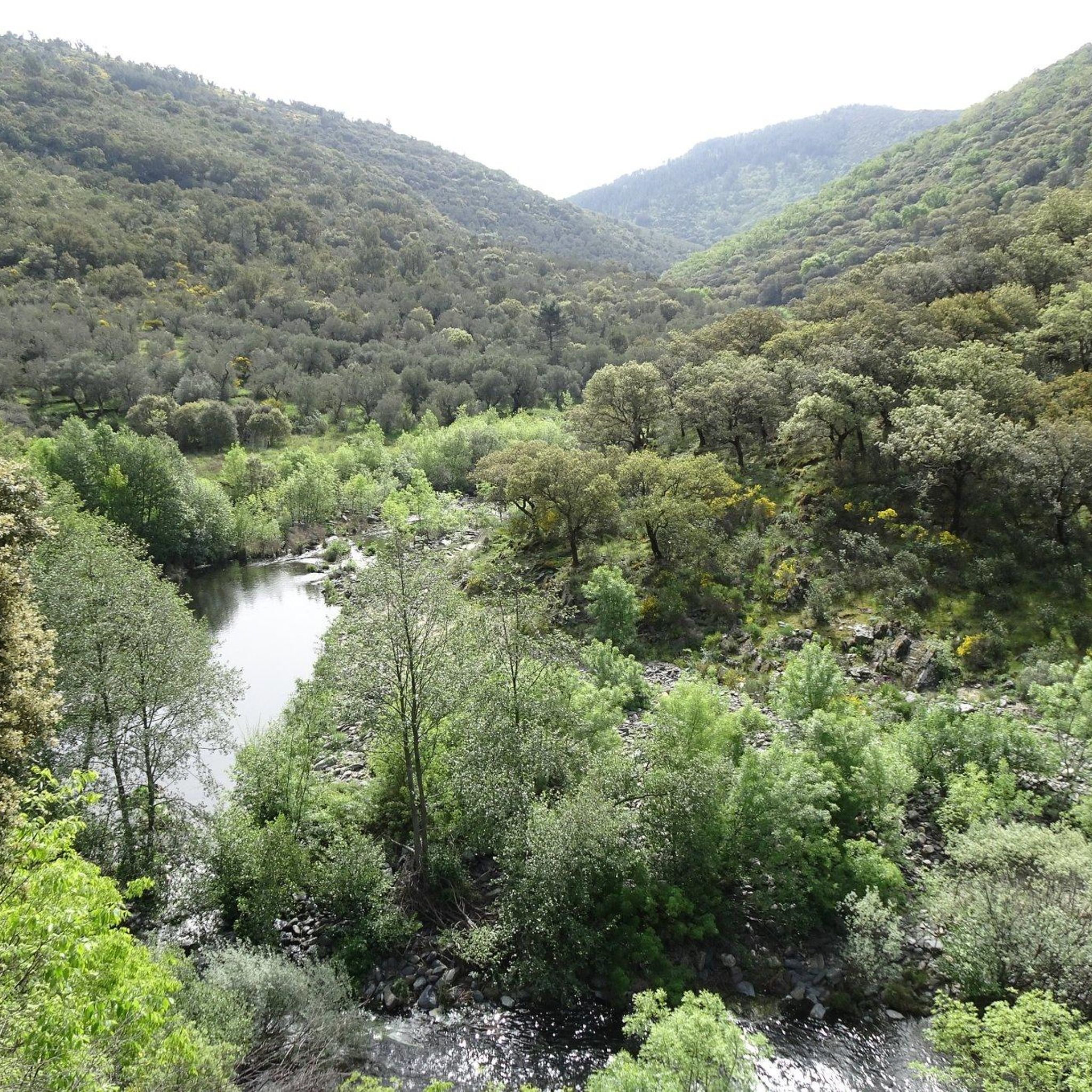
Hiking around Garcibuey offers access to diverse natural landscapes within the Sierra de Francia-Quilamas region and near the Las Batuecas-Sierra de Francia Natural Park. The area is characterized by extensive oak and chestnut forests, with river valleys formed by the Alagón, Francia, and Cuerpo de Hombre rivers. This topography provides a range of hiking experiences, from gentle paths along waterways to more challenging ascents within protected natural spaces.
Best hiking trails around Garcibuey
- The most popular hiking route is Miranda…
Last updated: October 12, 2026
4.9
(21)
113
hikers
Moderate hike. Good fitness required. Mostly accessible paths. Sure-footedness required.
2
hikers
9.61km
03:13
210m
210m
Hard hike. Good fitness required. Sure-footedness, sturdy shoes and alpine experience required.

4.8
(22)
128
hikers
9.35km
02:56
330m
330m
Moderate hike. Good fitness required. Mostly accessible paths. Sure-footedness required.
5.0
(4)
30
hikers
18.1km
05:26
550m
560m
Hard hike. Very good fitness required. Easily-accessible paths. Suitable for all skill levels.
4.5
(12)
60
hikers
Easy hike. Great for any fitness level. Easily-accessible paths. Suitable for all skill levels.
Get access to more routes and recommendations from other explorers.
Already have an account?
Our route recommendations are based on thousands of hikes, rides, and runs completed by other people on komoot.
Start today with a free account
Your next adventure awaits.
Tips from the Community

Symphony of water and green
0
0

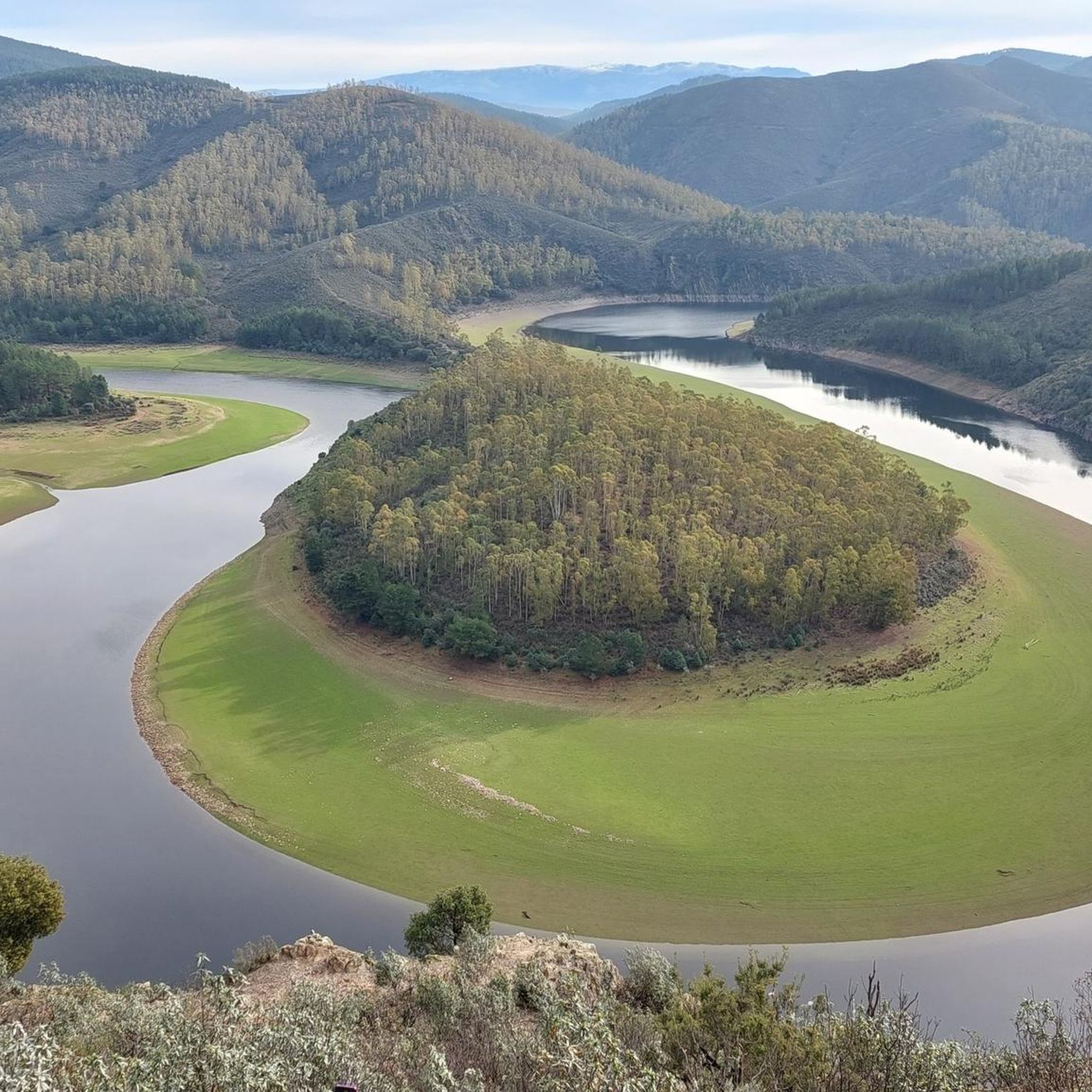
On the SA-205 highway, just outside San Esteban de la Sierra heading towards Santibáñez de la Sierra, you'll find the entrance to the Sierra Viewpoints Route, which includes several spectacular panoramic viewpoints. Views: The Alagón River Valley and its meanders. The Sierra de Francia mountain range with the Peña de Francia peak in the background. The Sierra de Béjar mountain range and the Las Quilamas Natural Area. This viewpoint is a magnificent natural balcony, perfect for photography and birdwatching (vultures, eagles, black storks).
2
0
What to see in Miranda del Castañar Medieval Walls: Over 600 meters remain intact, with four gates facing the cardinal directions: San Ginés, Nuestra Señora, La Villa, and El Postigo. Zúñiga Castle: A 15th-century fortress, symbol of the former County of Miranda. Although the interior is not open to the public, its exterior and keep are impressive. Square Bullring: Considered one of the oldest in Spain, built in the 16th century on the site of the former parade ground. Church of Santiago and San Ginés: Gothic in style (13th-16th centuries), with a detached 17th-century bell tower. Houses with Coats of Arms: More than 80 noble coats of arms adorn the facades, reflecting the town's aristocratic past.
1
0
Miranda del Castañar, one of the most beautiful villages in Spain, is located in the Sierra de Francia (Salamanca): Founded in 1213 by Alfonso IX of León as a town and council, it was the administrative capital of the Sierra de Francia. In the 15th century, the County of Miranda was created under the control of the Zúñiga family, consolidating its strategic importance.
1
0
Zúñiga Castle: A 15th-century fortress, symbol of the former County of Miranda. Although it is not open to the public, its exterior and keep are impressive.
1
0
Square bullring: Considered one of the oldest in Spain, built in the 16th century on the old parade ground.
1
0
What to see in Miranda del Castañar Medieval Walls: Over 600 meters remain intact, with four gates facing the cardinal directions: San Ginés, Nuestra Señora, La Villa, and El Postigo. Zúñiga Castle: A 15th-century fortress, symbol of the former County of Miranda. Although the interior is not open to the public, its exterior and keep are impressive. Square Bullring: Considered one of the oldest in Spain, built in the 16th century on the site of the former parade ground. Church of Santiago and San Ginés: Gothic in style (13th-16th centuries), with a detached 17th-century bell tower. Houses with Coats of Arms: More than 80 noble coats of arms adorn the facades, reflecting the town's aristocratic past.
8
0
Miranda del Castañar, one of the most beautiful villages in Spain, is located in the Sierra de Francia (Salamanca): Founded in 1213 by Alfonso IX of León as a town and council, it was the administrative capital of the Sierra de Francia. In the 15th century, the County of Miranda was created under the control of the Zúñiga family, consolidating its strategic importance.
9
0
Frequently Asked Questions
How many hiking trails are available around Garcibuey?
There are over 30 hiking routes around Garcibuey, offering a variety of experiences. You'll find 9 easy trails, 20 moderate options, and 2 more challenging routes to explore.
What kind of natural landscapes can I expect to see while hiking near Garcibuey?
Hiking around Garcibuey immerses you in the diverse natural landscapes of the Sierra de Francia-Quilamas region and the Las Batuecas-Sierra de Francia Natural Park. Expect extensive oak and chestnut forests, picturesque river valleys formed by the Alagón, Francia, and Cuerpo de Hombre rivers, and protected natural spaces rich in biodiversity.
Are there any family-friendly hiking options in Garcibuey?
Yes, Garcibuey offers several easy trails suitable for families. For a pleasant walk through rural surroundings, consider the Miranda de Castañar – Miranda del Castañar loop from Miranda del Castañar, which is 7.1 km long and typically takes under two hours to complete.
What are some notable landmarks or points of interest to look out for on the trails?
The region around Garcibuey is rich in natural and historical landmarks. You can explore charming settlements like Mogarraz and Miranda del Castañar, or visit the tranquil San Marcos Lagoon. For a historical touch, the Soto Bridge - Alagón River is a significant landmark within the Las Batuecas-Sierra de Francia Natural Park.
Are there any challenging hikes for experienced trekkers?
Absolutely. For those seeking a more demanding ascent, the Balcon de Pilatos via the Trasiegos Path – Quilamas Natural Space is a difficult 9.6 km route that leads through the ecologically important Quilamas Natural Space, offering strenuous sections and rewarding views. The Cervero Peak also offers challenging hikes within the Natural Space of Las Quilamas.
What do other hikers enjoy most about the trails around Garcibuey?
The hiking trails around Garcibuey are highly rated by the komoot community, with an average score of 4.5 stars from over 130 reviews. Hikers often praise the diverse terrain, from peaceful forests to river valleys, and the opportunity to explore protected natural areas and charming villages.
Are there any circular hiking routes available?
Yes, many routes around Garcibuey are circular, allowing you to start and end in the same location. A popular moderate option is the Miranda del Castañar - Villanueva del Conde – circular by the Camino de los Prodigios, a 11.6 km trail exploring varied landscapes around historic villages.
Can I find trails that pass through traditional villages or offer cultural insights?
Yes, several routes connect or pass through traditional villages. The Mogarraz – Mogarraz Main Square loop from Miranda del Castañar is a moderate 13.8 km hike that allows you to experience the charm of these historic settlements and their surroundings.
What is the best time of year to go hiking in Garcibuey?
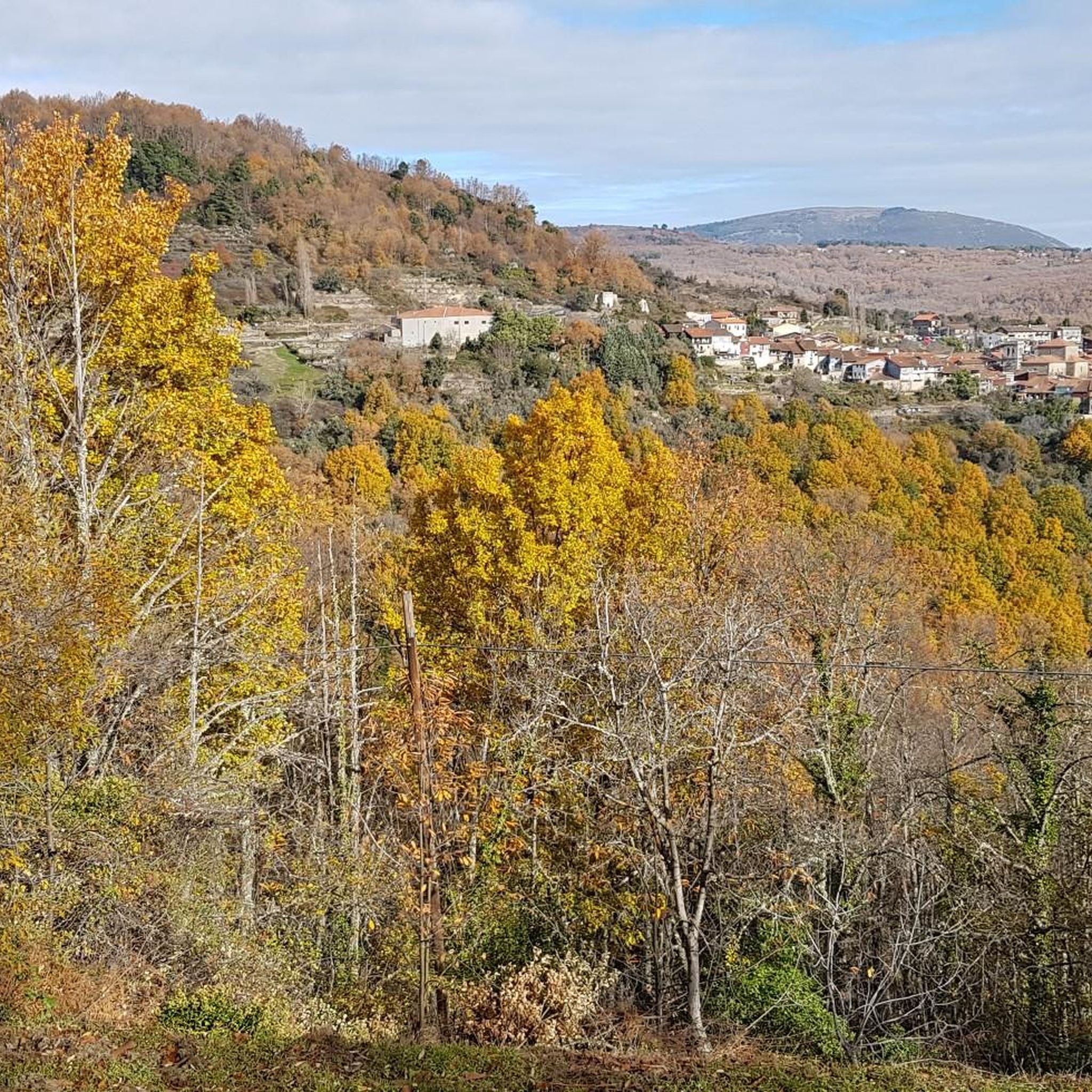
The region's extensive oak and chestnut forests make it particularly appealing during autumn when the foliage displays vibrant colors. Spring also offers pleasant temperatures and blooming flora. Summers can be warm, so early morning or late afternoon hikes are recommended, while winters are generally mild but can have cooler, wetter periods.
Are there any trails that offer scenic viewpoints?
Yes, the varied topography of the Sierra de Francia-Quilamas region provides several opportunities for scenic views. The Madroñal Viewpoint is a specific highlight where you can enjoy panoramic vistas of the surrounding natural beauty.
Are there any routes that follow rivers or offer waterside scenery?
The area is notable for its rivers, including the Alagón, Francia, and Cuerpo de Hombre. Many hiking routes integrate these river valleys, offering beautiful waterside scenery. The Soto Bridge - Alagón River is a key point on various routes, providing excellent views of the river and its environment.
Most popular attractions around Garcibuey

Get inspired with the komoot mobile app


Explore more
Browse the best Hikes in other regions.
