The best road cycling routes around Hermandad De Campoo De Suso
4.7
(37)
1,702
riders
10
rides
Road cycling around Hermandad De Campoo De Suso offers diverse terrain within the scenic Cantabrian Mountains. The region is characterized by demanding mountain climbs, picturesque valleys, and well-maintained paved roads. Cyclists can explore routes around the Ebro Reservoir and the Fontibre spring, providing varied experiences from challenging ascents to more moderate loops. This landscape provides a compelling blend of rugged mountains and serene natural features.
Best road cycling routes around Hermandad De Campoo De Suso
- The most popular road cycling…
Last updated: October 10, 2026
17
riders
69.0km
03:18
800m
800m
Moderate road ride. Good fitness required. Some segments of this route may be unpaved and difficult to ride.
52
riders
37.5km
02:02
760m
760m
Moderate road ride. Good fitness required. Some segments of this route may be unpaved and difficult to ride.

27
riders
36.1km
02:15
1,020m
1,020m
Hard road ride. Very good fitness required. Mostly well-paved surfaces and easy to ride.
16
riders
21.6km
00:55
140m
140m
Easy road ride. Great for any fitness level. Mostly well-paved surfaces and easy to ride.
26
riders
Hard road ride. Very good fitness required. Mostly well-paved surfaces and easy to ride.
Get access to more routes and recommendations from other explorers.
Already have an account?
Our route recommendations are based on thousands of hikes, rides, and runs completed by other people on komoot.
Start today with a free account
Your next adventure awaits.
Popular around Hermandad De Campoo De Suso
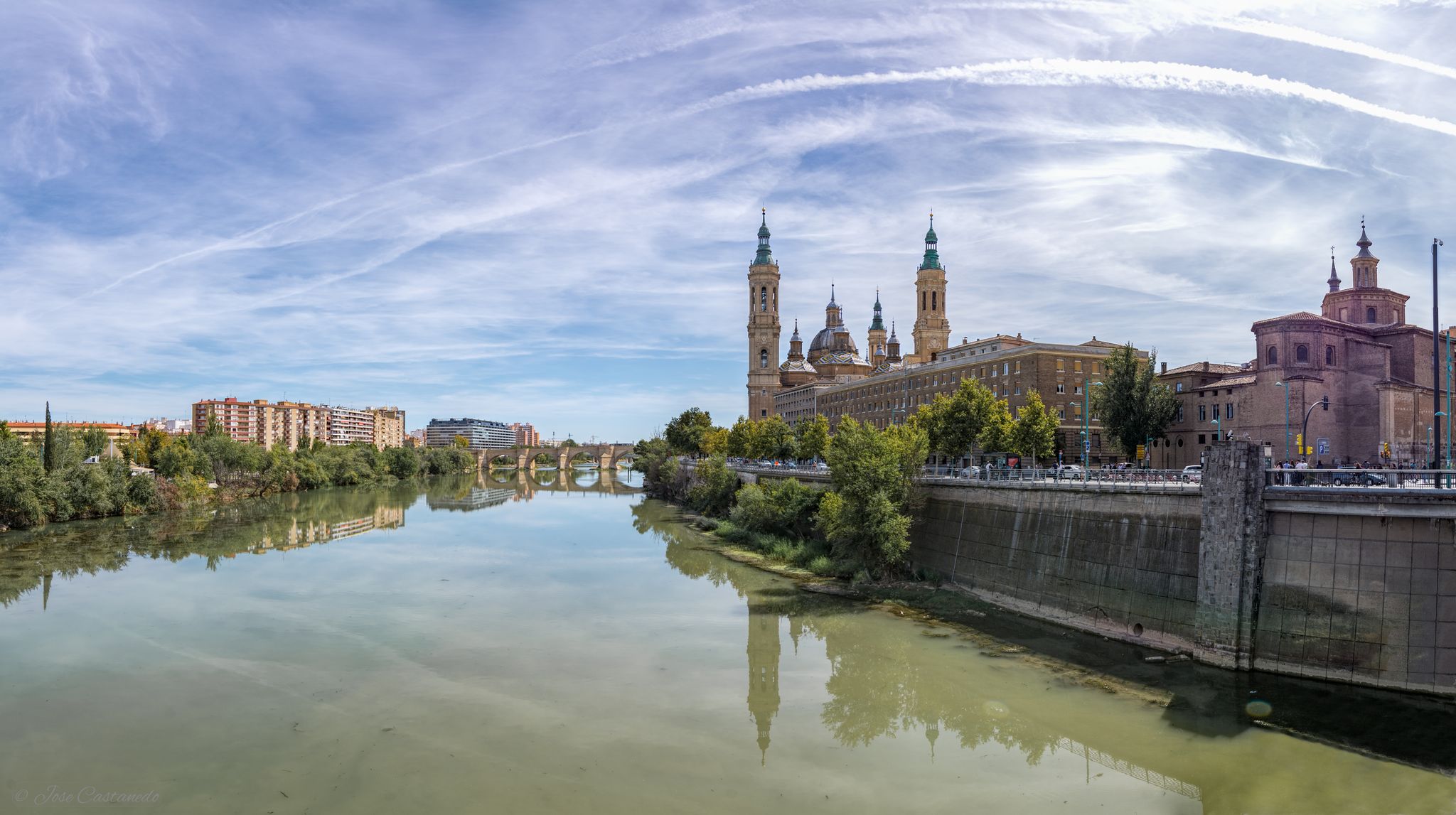
A river getaway – Ebro Natural Trail (GR 99)
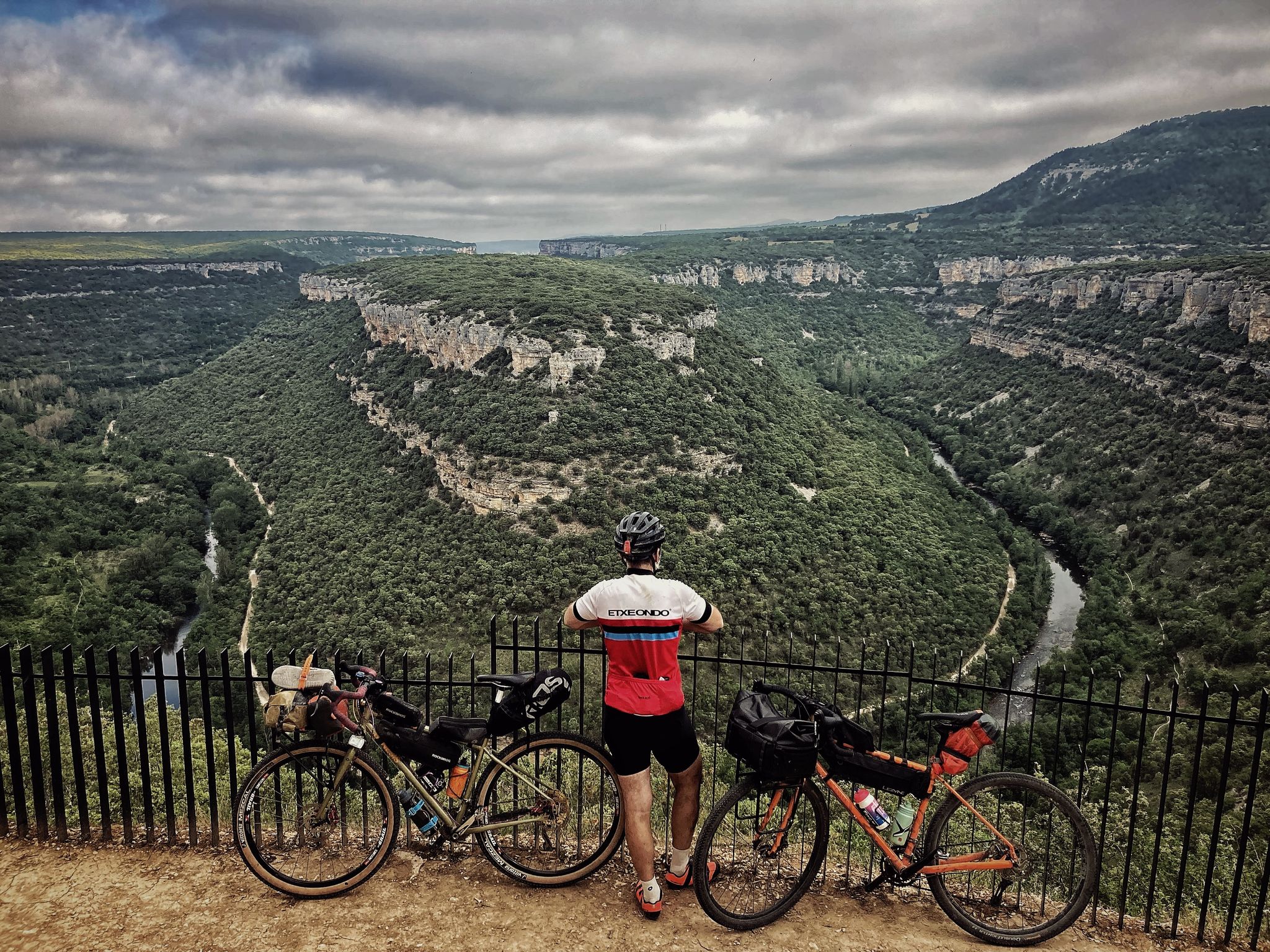
Spain's great river by bike – the Ebro Nature Trail

Hiking around Hermandad De Campoo De Suso
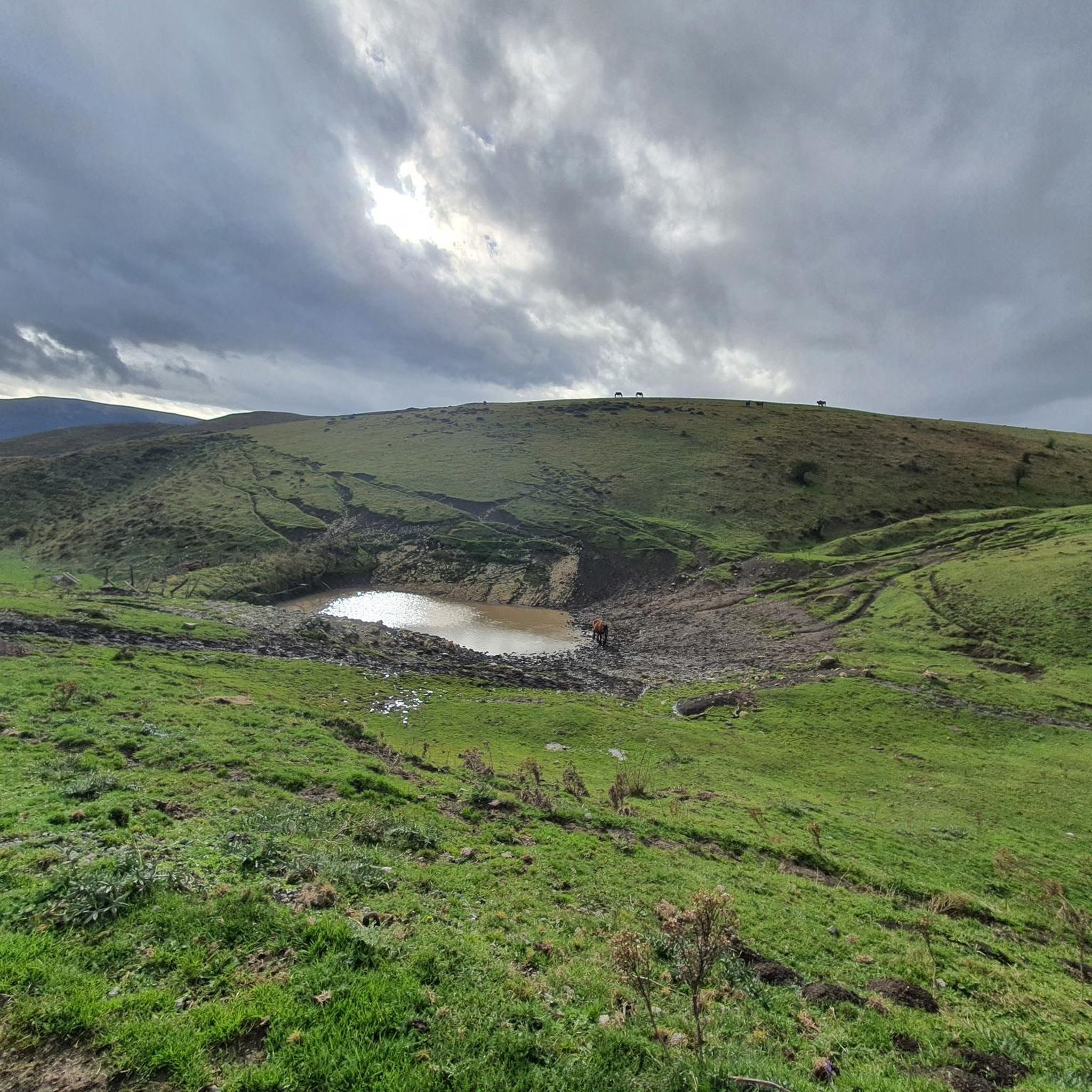
MTB Trails around Hermandad De Campoo De Suso
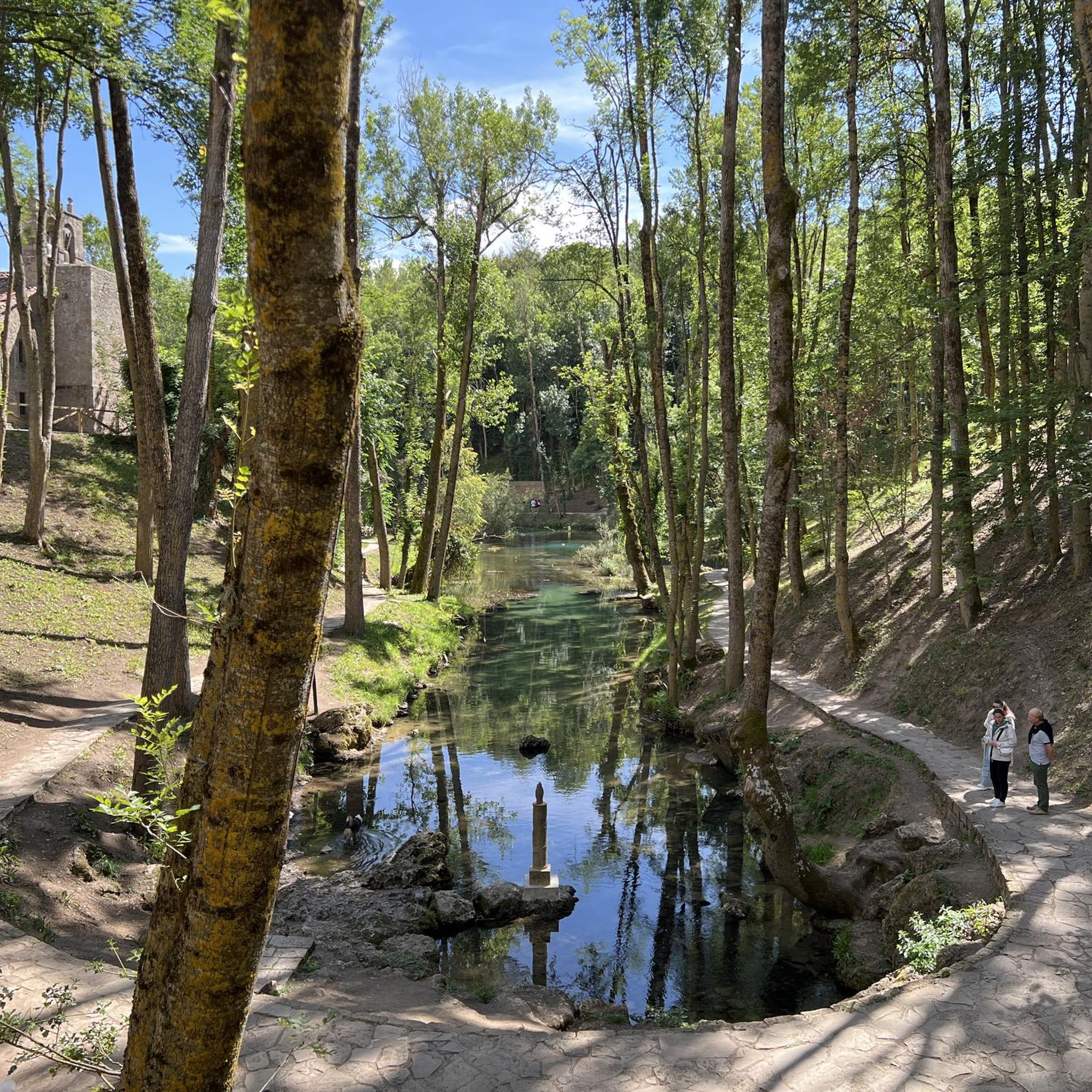
Cycling around Hermandad De Campoo De Suso
Running Trails around Hermandad De Campoo De Suso

Gravel biking around Hermandad De Campoo De Suso
Other adventures around Hermandad De Campoo De Suso


Tips from the Community

Here is the "official" source of the Ebro, even though it was proven about 40 years ago that only the water of the Rio Hijar, which seeps away at Paracuelles, re-emerges here. Strictly speaking, it is a karst spring. Not far below the spring, the Ebro is dammed by a small weir, creating a beautiful little pond here, which is obviously also popular with ducks. The circular path around the pond from the spring to the weir is only a few hundred meters long walk, a large visitor car park is directly above, so you don't have to make a long hike to visit - but you can, of course, also start the GR99 here and walk to the Mediterranean...
0
0

The Plaza de España in Reinosa is, like in so many others, a meeting place and a venue for celebrations. Don't miss visiting it and, if you have time, relaxing on one of its terraces trying some of the local tapas.
0
0

A beautiful architectural ensemble: a square, a church, and the priest's house on the banks of the Ebro River, which, in this section, is no more than 40 cm deep!
0
0
We set out with the hope of ascending to the summit of Tresmares, where the Hijar-Ebro River begins and flows into the Mediterranean, the Pisuerga River (a tributary of the Duero River) flows into the Atlantic, and the Nansa River flows into the Cantabrian Sea. But a thick, damp fog covering the landscape forced us to give up and head back down the same way we came up. The road is partially covered by a bike lane and very little traffic. A steady climb of around 10%. Absolutely recommended. A few years ago, the Alto Campoo pass was the final stage of La Vuelta a España.
0
0
Officially, it's the source of the Ebro River, in Fontibre. However, according to what we were told at the tourist office, the waters of the spring pools come underground from the Hijar River, which rises in Alto Campoo. Specifically, in Tresmares, where the Hijar-Ebro begins, flowing into the Mediterranean; the Pisuerga (a tributary of the Duero) flows into the Atlantic; and the Nansa flows into the Cantabrian Sea.
0
0

Interesting to visit, if you are in the area.
3
0

Here you can find the poultry facility, dedicated to the production of free-range eggs and products from the Cantáfrica association's garden.
0
0

On a hill, and guarding the road that linked the coast with Castilla through the Saja Valley, is the Castillo de San Vicente, in Argüeso, within the municipality of the Brotherhood of Campoo de Suso, in the South from Cantabria (Spain). Built during the 13th, 14th and 15th centuries, it was the emblem and fortress of the dominion of the House of Mendoza in the highlands of Campoo.
8
0
Frequently Asked Questions
How many road cycling routes are available in Hermandad De Campoo De Suso?
There are over 60 road cycling routes in Hermandad De Campoo De Suso, offering a wide range of experiences from moderate loops to challenging mountain ascents.
What kind of terrain can I expect on road cycling routes in Hermandad De Campoo De Suso?
The region is known for its diverse topography within the scenic Cantabrian Mountains. You'll find demanding mountain climbs, picturesque valleys, and well-maintained paved roads. Routes often feature significant elevation gains, especially those leading to areas like Alto Campoo.
Are there challenging road cycling routes for experienced riders?
Yes, Hermandad De Campoo De Suso is highly regarded for its demanding climbs. Routes like the Alto Campoo - Fuente del Chivo Climb, covering over 60 km with substantial elevation, are perfect for experienced cyclists. Another challenging option is the Collada de Carmona – Palombera Pass loop from Castillo de San Vicente, which features nearly 1900 meters of ascent.
Can I find moderate road cycling routes in the area?
Absolutely. Many routes offer a balanced challenge with rewarding views. For example, the Montesclaros Sanctuary and Alto del Bardal Loop is a moderate 69 km path, and the Nestares, Alto del Bardal, Mataporquera, Matamorosa – circular route is another popular moderate option.
Are there any circular road cycling routes in Hermandad De Campoo De Suso?
Yes, several routes are designed as loops, allowing you to start and end in the same location. The Nestares, Alto del Bardal, Mataporquera, Matamorosa – circular route is a great example, offering a 63 km loop through valleys and traditional villages. The Montesclaros Sanctuary and Alto del Bardal Loop is also a popular circular option.
What scenic viewpoints can I discover while road cycling?
The region offers breathtaking views. You can cycle past highlights like the Piedrasluengas Viewpoint and the El Moral Plateau. The Mirador de la Joyanca also provides impressive vistas of the Campoo valley. Many routes traverse the Cantabrian Mountains, ensuring panoramic scenery.
Are there any natural landmarks to see along the routes?
Yes, the area is rich in natural beauty. You can cycle near the Source of the Ebro River at Fontibre, and the Ebro Reservoir offers picturesque cycling loops. The majestic Tres Mares Peak and Peña Labra are also prominent natural features in the region.
What is the best season for road biking in Hermandad De Campoo De Suso?
While specific seasonal recommendations aren't provided, the region's mountainous terrain suggests that spring, summer, and early autumn would generally offer the most favorable weather conditions for road cycling, avoiding winter snows at higher elevations like Alto Campoo.
What do other road cyclists enjoy most about road cycling in Hermandad De Campoo De Suso?
The area is highly rated by the komoot community, with an average score of 4.8 stars from over 37 reviews. Cyclists often praise the diverse terrain, from challenging mountain climbs to scenic valley routes, and the well-maintained paved roads that make for an excellent road cycling experience.
Are there any routes that pass through traditional villages?
Yes, some routes will take you through charming traditional mountain villages. For instance, the Nestares, Alto del Bardal, Mataporquera, Matamorosa – circular route leads through several such villages, allowing you to experience the local culture and historical charm.
What is the typical duration for road cycling routes in this region?
Route durations vary significantly based on distance and elevation gain. For example, a difficult route like the Alto Campoo - Fuente del Chivo Climb typically takes around 3 hours and 20 minutes, while moderate loops like the Montesclaros Sanctuary and Alto del Bardal Loop can take just under 3 hours and 20 minutes.
Most popular routes around Hermandad De Campoo De Suso
Most popular attractions around Hermandad De Campoo De Suso

Get inspired with the komoot mobile app


Explore more
Browse the best Road cycling routes in other regions.
