Top 20 Mountain Passes around Isaba/Izaba
Best mountain passes around Isaba/Izaba are situated in the Pyrenees, offering access to the France-Spain border region. This area is characterized by its diverse terrain, including lush forests, alpine meadows, and karstic landscapes. The passes provide routes through valleys and between peaks, connecting different regions. Isaba/Izaba serves as a base for exploring these mountain passes, which are known for their varied gradients and scenic routes.
Best mountain passes around Isaba/Izaba
- The most popular mountain pass is Larrau Pass, a…
Last updated: August 20, 2026
Larrau Pass
Highlight • Mountain Pass
Translated by Google •
Tip by

Pic d'Orhy
Highlight • Summit
Translated by Google •
Tip by

Sign up now to discover places like this
Get recommendations on the best single tracks, peaks, & plenty of other exciting outdoor places.
Sign up for free
Pierre Saint-Martin Pass
Highlight • Mountain Pass
Translated by Google •
Tip by

Col de Bagargui
Highlight (Segment) • Mountain Pass
A pass which constitutes a real challenge for any cyclist, because it is classified among the harshest in France, especially when the heat gets …
Translated by Google •
Tip by

Laza Pass (1,129 m)
Highlight • Mountain Pass
Translated by Google •
Tip by
Sign up for free to discover even more mountain passes around Isaba/Izaba.
Sign up for free
Already have an account?
Start today with a free account
Your next adventure awaits.
Login or Signup
Popular around Isaba/Izaba
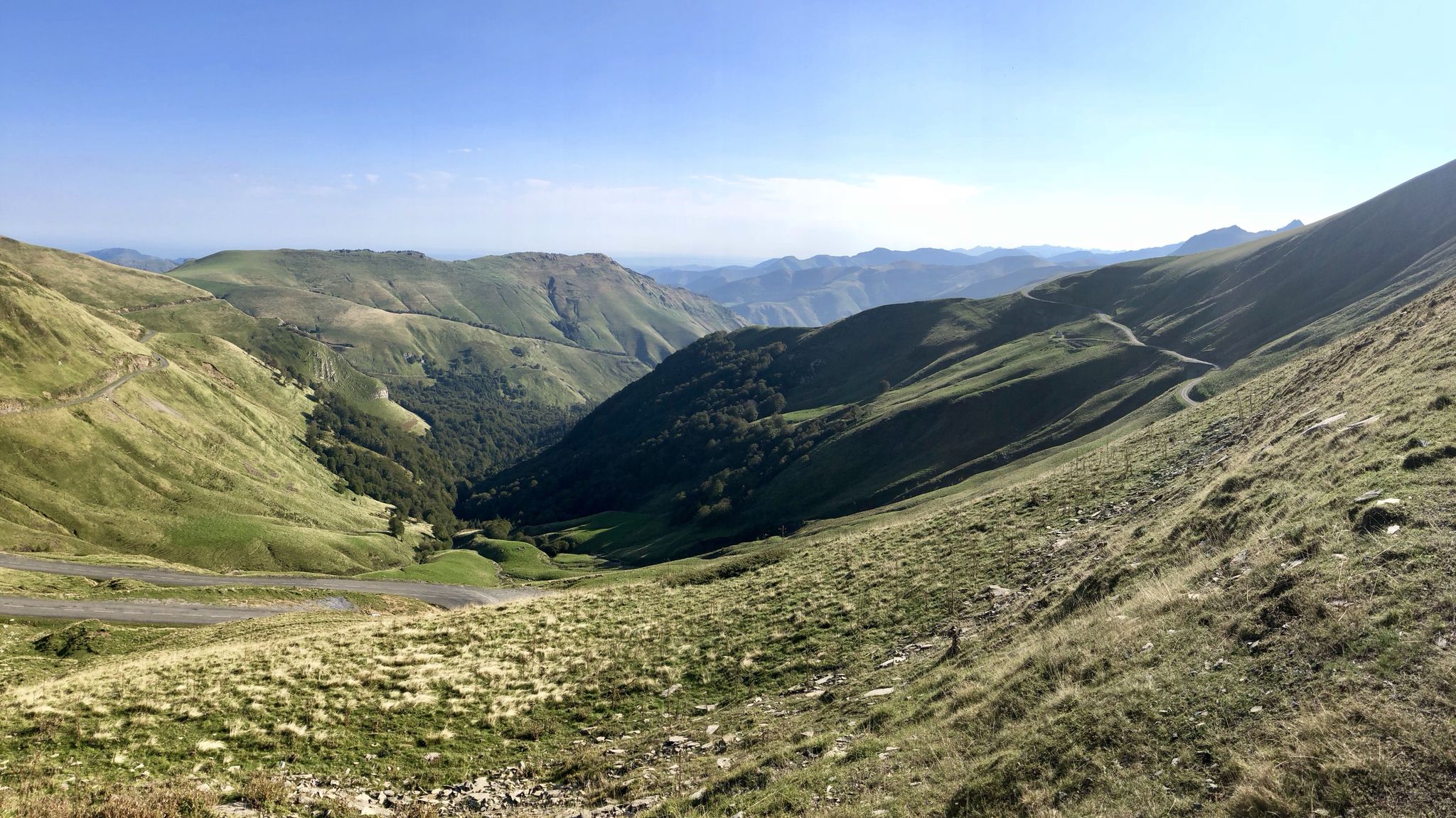
Euskal Herria footpath (GR 12) – The infinite mountain range
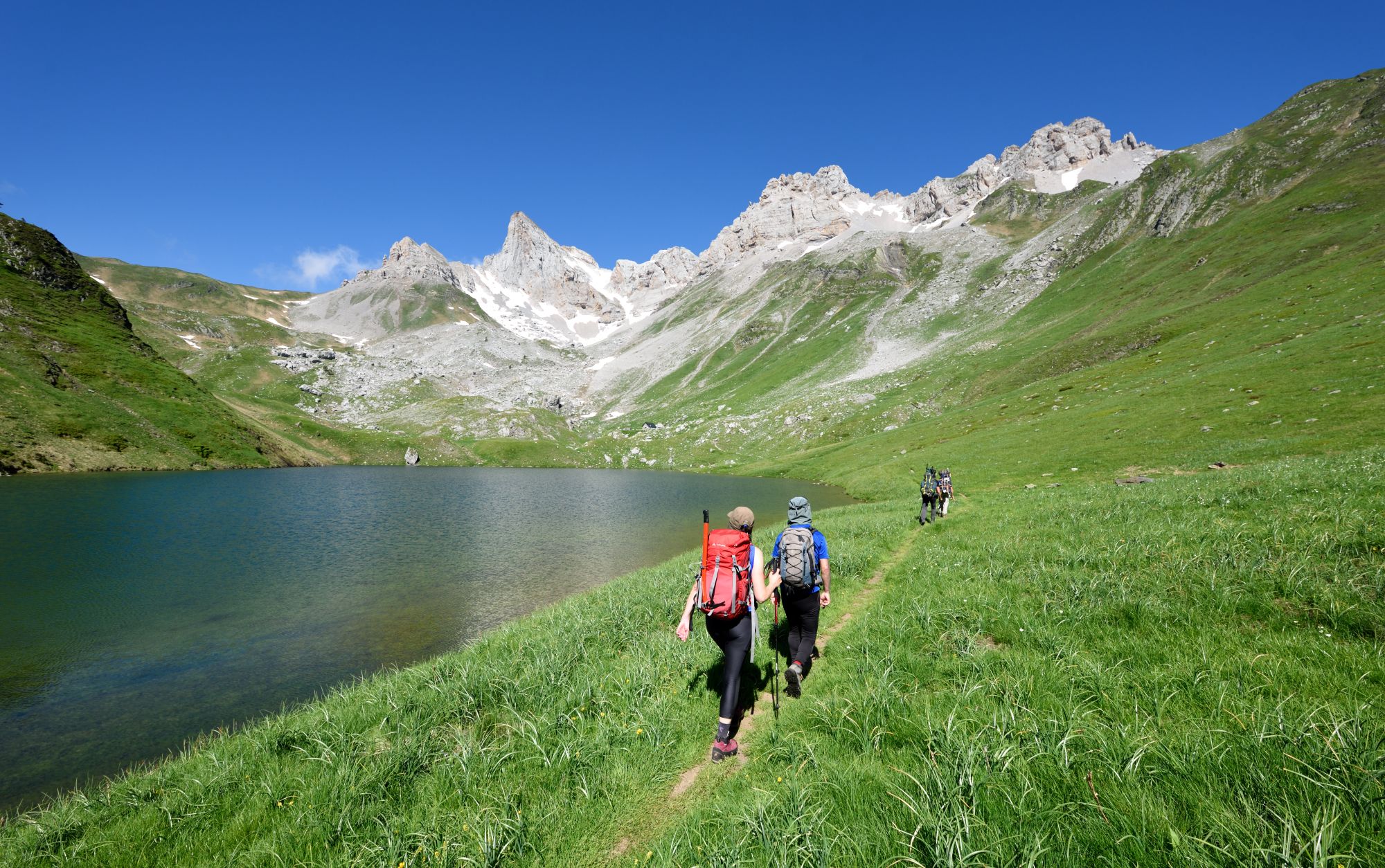
Classic Swallows Route in Spain – Mountains with history
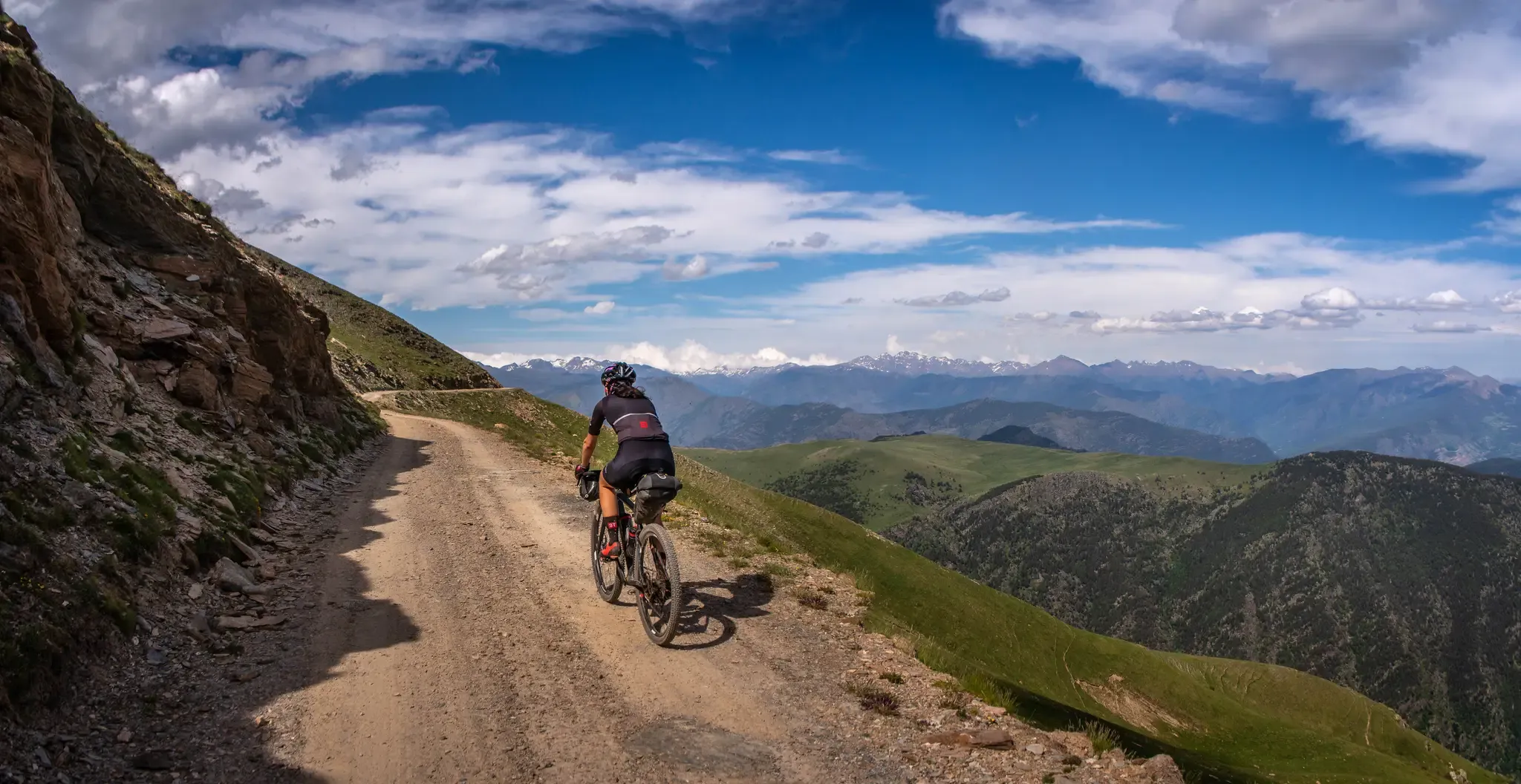
A high-altitude journey – Transpirenaica MTB
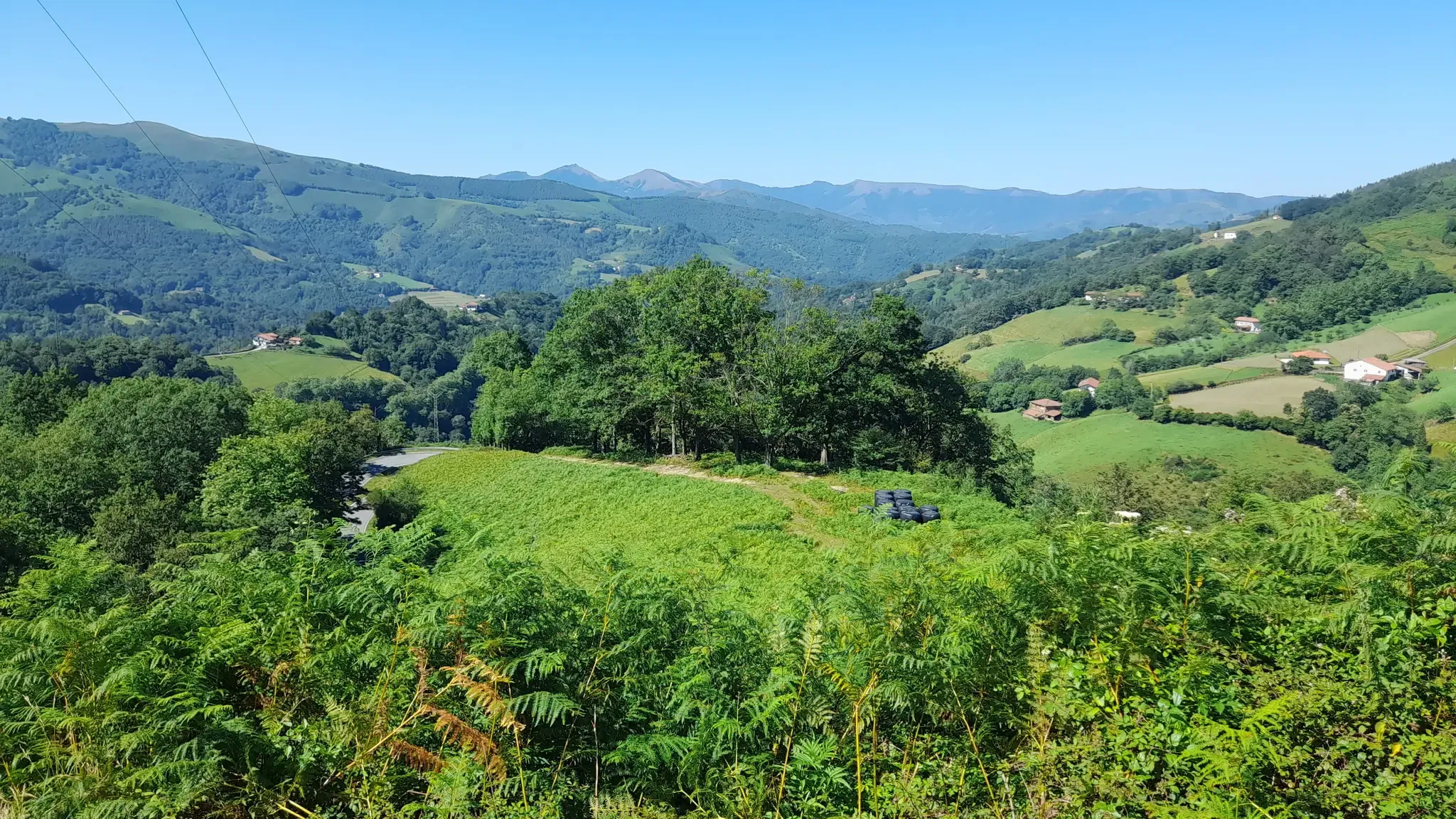
Discover the Basque Country and Navarre on the Pyrenean Path – GR 11
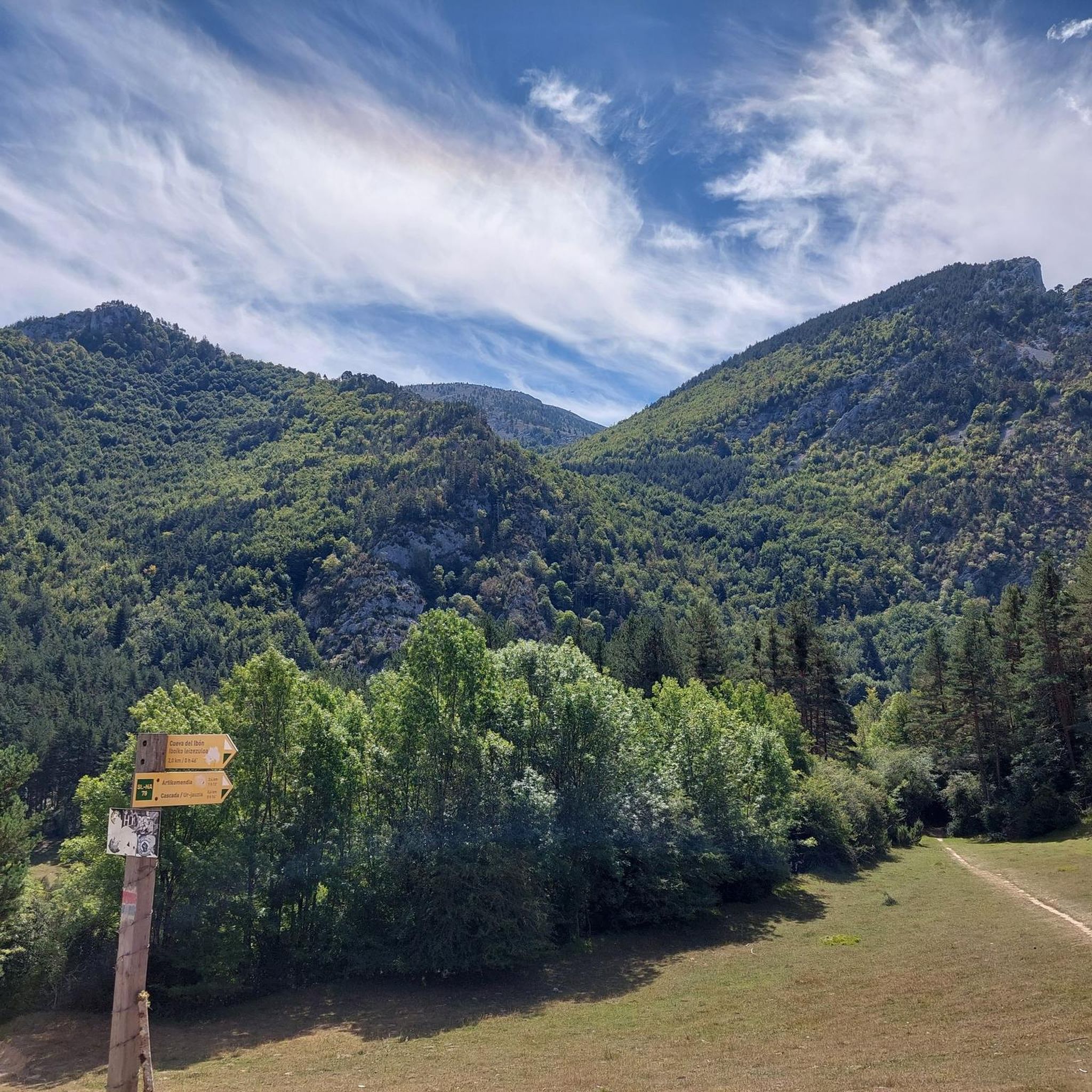
France & Spain: With TOUR in the Atlantic Pyrenees
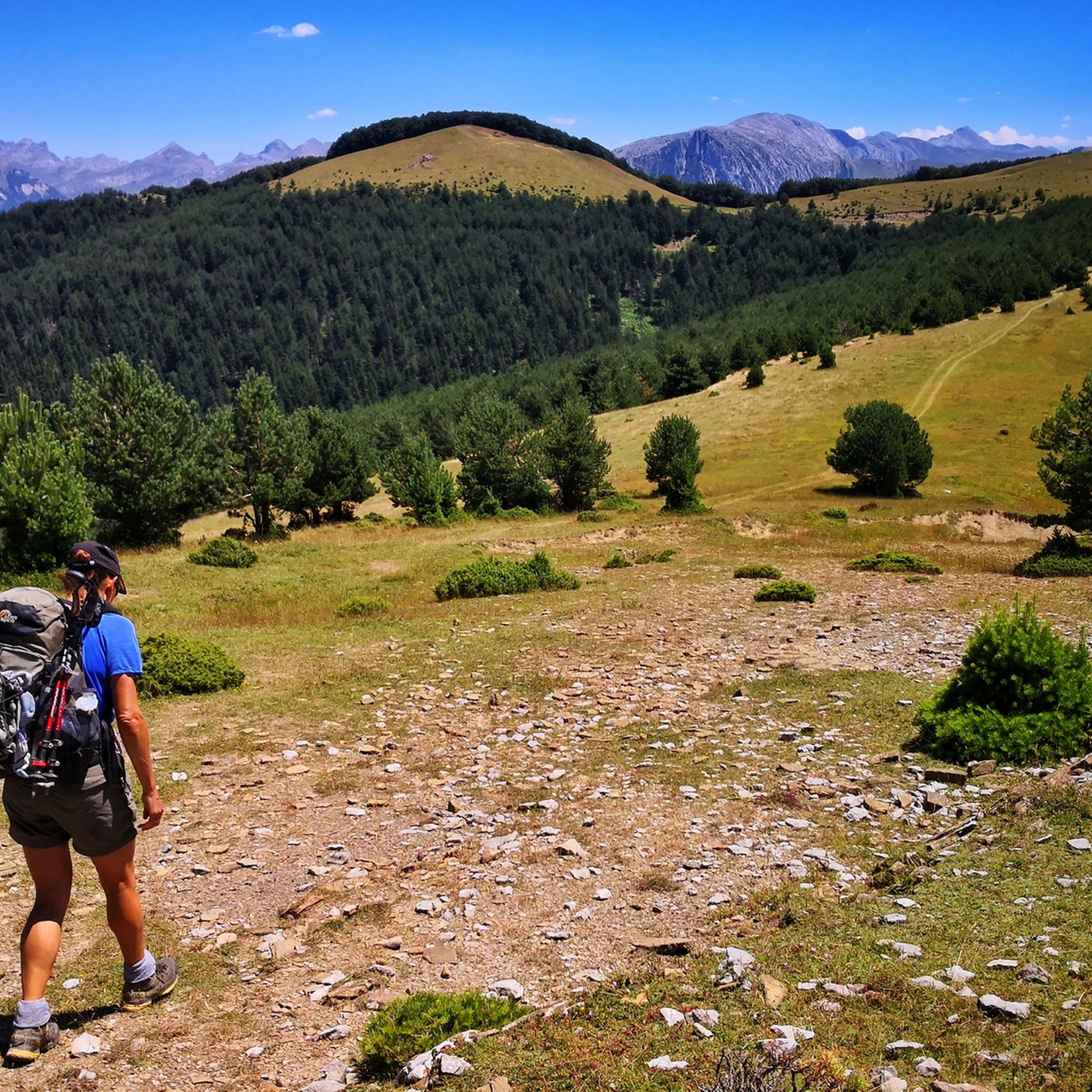
Hiking around Isaba/Izaba
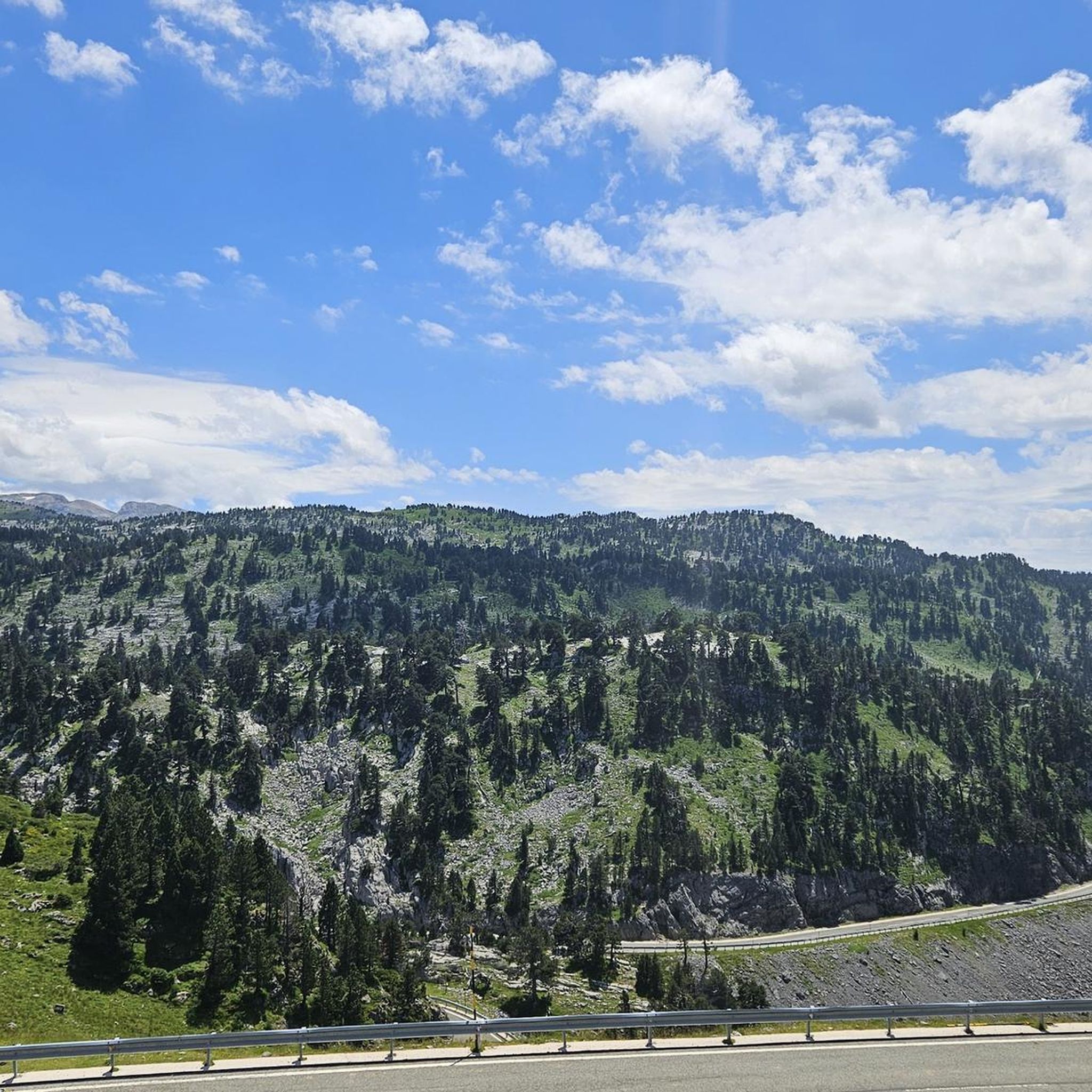
Running Trails around Isaba/Izaba
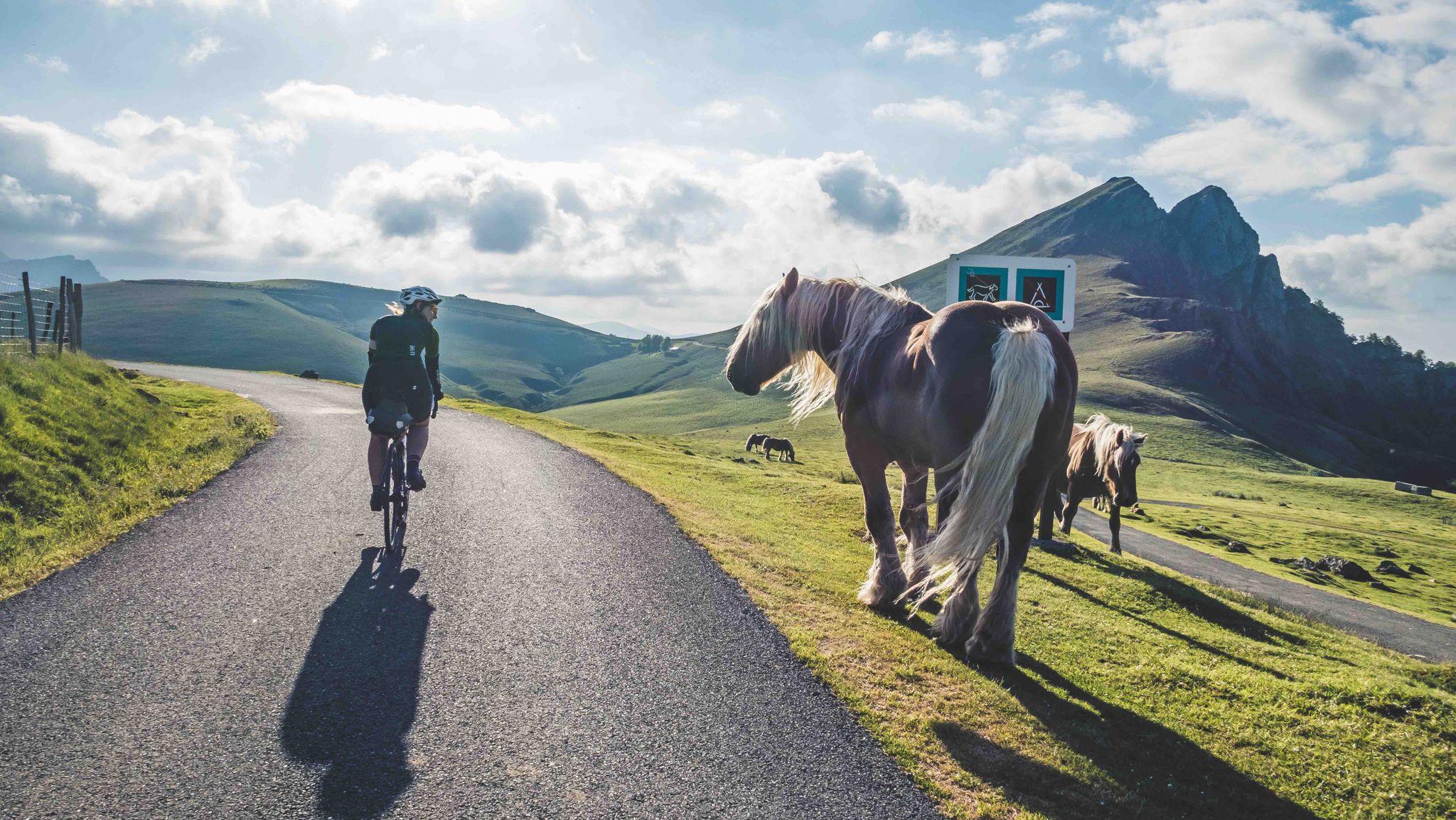
Cycling around Isaba/Izaba
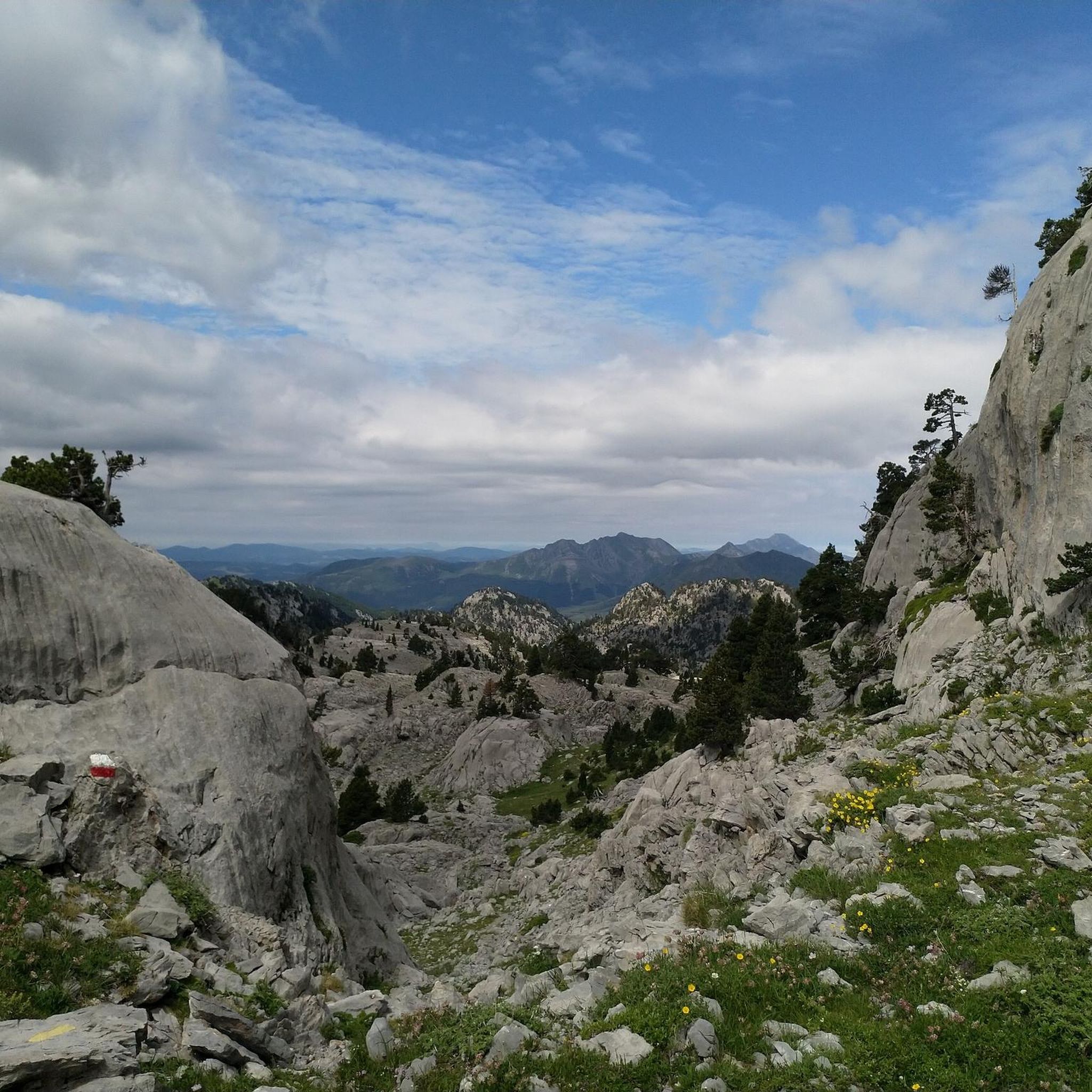
Road Cycling Routes around Isaba/Izaba
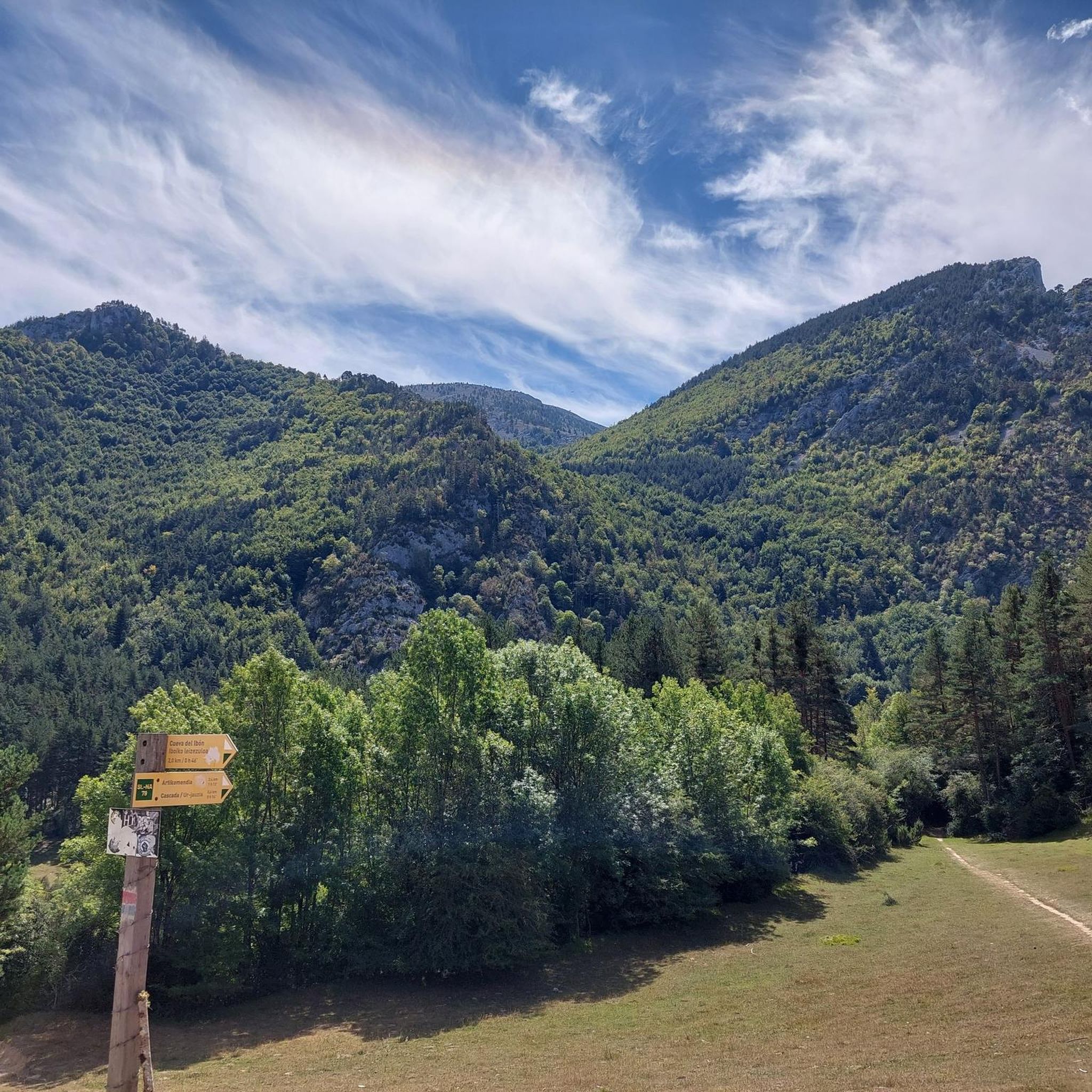
MTB Trails around Isaba/Izaba
Other adventures around Isaba/Izaba


Tips from the Community

This climb saves the hardest for last. The last 4-5 km are constantly over 10%. Hang in there.
0
0

Without a doubt, the Col de la Piedra de Saint Martin or Pierre Saint-Martin is one of the Top 10 in the whole of the Pyrenees. Without exceeding 2000 metres of altitude, it is a very long pass, with a lot of accumulated gradient (due to the innumerable French slopes, the gradient is 1,450 metres), with very hard slopes and several kilometres above 10%, with wonderful landscapes and panoramic views and with little traffic, except for the slopes crossed by the main road (D132 in France, the NA 137 in Spain). It is a pass with many slopes; in Europe there are few other passes that have as many slopes as this one (col de Turini, Passo delle Erbe, would be comparable in number of slopes approximately). I have only climbed it by 2 slopes: (i) my first time was from Lourdios Ichère, crossing the col de Labays and the col de Soudet. Simply spectacular; (ii) I have subsequently climbed the Spanish side on several occasions, which is unique, and which starts from Belagua and crosses the Belagua cross-country ski resort to reach the mountain pass. It is also very beautiful, with a landscape and views different from the north-east side. If I had to choose one of the two, I liked the north-west side better because it is more remote, harder and in my opinion more authentic. It is also a culturally special mountain pass because the Tribute of the 3 cows takes place on its summit every 13th of July, which is considered the oldest treaty in force in Europe. So... you know... you cannot miss the opportunity to come here and enjoy this wonderful jewel of the Pyrenees!!!!
1
0
The Puerto de Laza is a small and beautiful hill that joins the valleys of Roncal (starting from Isaba) and Salazar (starting from Ochagavía) in the Navarrese Pyrenees. Both sides are very similar: a very easy start on a winding road, in perfect condition but without a hard shoulder, passing through small towns and going up the course of the respective rivers Anduña (Salazar valley) and Urbi (Roncal valley); a final stretch of 2 - 3 kms that is harder without being too much so, although there are some slopes above 10%. The Salazar valley side becomes harder when leaving behind the detour to the Larrau port. From here to the port there are 3 km with an average gradient of 7%. On the other hand, the Roncal valley side becomes harder when overcoming a bridge over the river that has been with us since we left Isaba behind. From here it is barely 2 km with an average gradient of 7%. From a landscape perspective, it is a port that I love because you can enjoy the exuberance of the vegetation of the Pyrenees, crossing narrow valleys and only with panoramic views when you reach the top, where there is a viewing point that is worth looking out at. A port that I always recommend for enjoying cycle tourism. I leave you the profile of both sides produced by the website www.cyclingcols.com --> http://www.cyclingcols.com/col/Laza
0
1

This descent has a very bumpy road surface, so that my bike computer mount broke. Luckily I had the safety line attached. The scenery, however, is very attractive and remote.
0
0

Worthwhile climb with a fantastic view from the summit.
1
0

Typical Pyrenees: super beautiful and quite strenuous
0
0
It is one of the toughest Pyrenean passes and, in general, little known by the average amateur because it has been used very little in professional cycling races. It is a spectacular port on both sides. The eastern slope, which is the one marked in this section, is completely open, with hardly any vegetation, with a wide road in perfect condition. It is 9 km from the moment you get off the town of Larrau. The first 4 km are irregular, with some ramps that take your hiccups away. The last ones are literally very hard, with an average of 3 km at 12%!!!! The last km eases up a bit because it has a rest... but it also has important ramps. In addition to being tough, this port is spectacular for its landscapes and panoramic views. You can not lose this!!!! I leave you the link for the altimetry published by @cyclingcols --> http://www.cyclingcols.com/col/Bagargui
0
0

Or “Bagargui” in its French version. A pass which constitutes a real challenge for any cyclist, because it is classified among the harshest in France, especially when the heat gets involved. The climb begins calmly with a normal slope during which you must take advantage of the opportunity to turn your legs and find your rhythm. Because the big piece soon arrives on the first bends with 5 km of extreme difficulty. Averages of 9.5 then 12, 13, 12.5 and 11% follow one another without any respite. But at the end of the effort you will finally be able to enjoy a magnificent panorama of the ridges and perhaps admire the flight of migratory birds or vultures.
0
0
Frequently Asked Questions
What makes the mountain passes around Isaba/Izaba unique?
The mountain passes in the Isaba/Izaba region, nestled in the Pyrenees, are known for their diverse terrain, including lush forests, alpine meadows, and remarkable karstic landscapes. They offer challenging climbs, panoramic vistas, and routes that straddle the France-Spain border, connecting different valleys and regions.
Which mountain passes offer particularly challenging climbs for cyclists?
For cyclists seeking a challenge, the Larrau Pass is notable. From the French side, it features an average gradient of 7.9% over 15.3 km with sections reaching 13%. The Spanish side, though less steep, is still a significant climb. Another challenging option is the Pierre Saint-Martin Pass, which involves a very long ascent with significant accumulated gradients and stretches over 10%.
When is the best time to visit the mountain passes around Isaba/Izaba?
Many of the mountain passes in the region, such as the Port de Larrau, are generally open from May to November. This period offers the most favorable weather conditions for exploring, with clear days providing stunning views and accessibility for various outdoor activities.
Are there mountain passes known for their natural beauty and opportunities for wildlife spotting?
Yes, the Puerto de Belagua is renowned for its natural beauty, featuring lush forests and alpine meadows. The Rincón de Belagua, an area before a steep ascent, is particularly noted for birdwatching, with opportunities to spot species like Black Woodpecker, Golden Eagle, and Griffon Vulture.
What kind of panoramic views can I expect from the mountain passes?
The passes offer breathtaking panoramic views. From the upper slopes of Larrau Pass, you can see Pic d'Orhi, the westernmost Pyrenean peak over 2000m. The Pierre Saint-Martin Pass also provides stunning landscapes and panoramic views over the valley, including a photogenic 360-degree curve in the road.
Are there any quieter mountain passes for a more tranquil experience?
The Collado de Argibiela is praised for its quiet road and magnificent views of both the valleys and nearby peaks, making it ideal for a more tranquil experience away from heavy traffic.
Can I find mountain passes that are part of hiking routes with natural attractions?
Yes, the Ateas de Belabarze Pass is notable as part of a moderate 9.58 km hiking loop from Isaba/Izaba. This route offers features like a gorge and the nearby Belabarzeko Urjausia, a natural swimming pool, making it attractive for hikers seeking natural attractions.
What outdoor activities can I do near these mountain passes?
The region around Isaba/Izaba offers a variety of outdoor activities. You can find numerous hiking trails, including routes like the 'Artikomendia Trail' or the 'Arrako Waterfall and Belagua Valley Loop'. There are also MTB trails, such as the 'Cueva del Ibón – Pierre Saint-Martin Pass loop', and running trails like 'Txamantxoia from Camping Asolaze'.
Are there mountain passes that are good for a scenic drive or cycle through forests?
The Laza Pass (1,129 m) is an excellent choice. It features an ascent through a beautiful forest, opening up to lovely views of the surrounding mountains. It connects the Roncal and Salazar valleys with a scenic, winding road.
What geological features are prominent in the mountain pass areas?
The region is characterized by its impressive karstic landscape, particularly around the Larra Massif, which surrounds the Puerto de Belagua and the Pierre Saint-Martin Pass. This vast limestone formation features remarkable deep caves, including the Sima de San Martín, one of the deepest in the world.
What do visitors enjoy most about the mountain passes around Isaba/Izaba?
Visitors frequently highlight the challenging climbs, the stunning panoramic views, and the sense of isolation and tranquility, especially on the upper slopes above the tree-line. The diverse landscapes, from lush forests to alpine meadows, are also highly appreciated.
Most popular routes around Isaba/Izaba
Most popular attractions around Isaba/Izaba

Get inspired with the komoot mobile app


Explore more
See even more epic mountain passes by checking out these guides around Isaba/Izaba:
