Attractions and Places To See around Outes - Top 20
Best attractions and places to see around Outes include a mix of historical sites, natural features, and religious architecture. Situated adjacent to the Ría de Muros y Noia estuary, Outes serves as a base for exploring the Galician coastline and its surrounding countryside. The area features scenic views, beaches, and a variety of trails. It offers opportunities to discover both cultural richness and natural beauty.
Best attractions and places to see around Outes
- The most popular attractions is Camino de…
Last updated: October 9, 2026
Camino de Fisterra
Highlight • Trail
Tip by

Moa Summit (Monte Pindo)
Highlight • Summit
Translated by Google •
Tip by

Sign up now to discover places like this
Get recommendations on the best single tracks, peaks, & plenty of other exciting outdoor places.
Church of San Martiño de Noia
Highlight • Religious Site
Translated by Google •
Tip by

Parish Church of Santa Mariña de Maroñas
Highlight • Religious Site
Translated by Google •
Tip by

Viewpoint
Highlight • Viewpoint
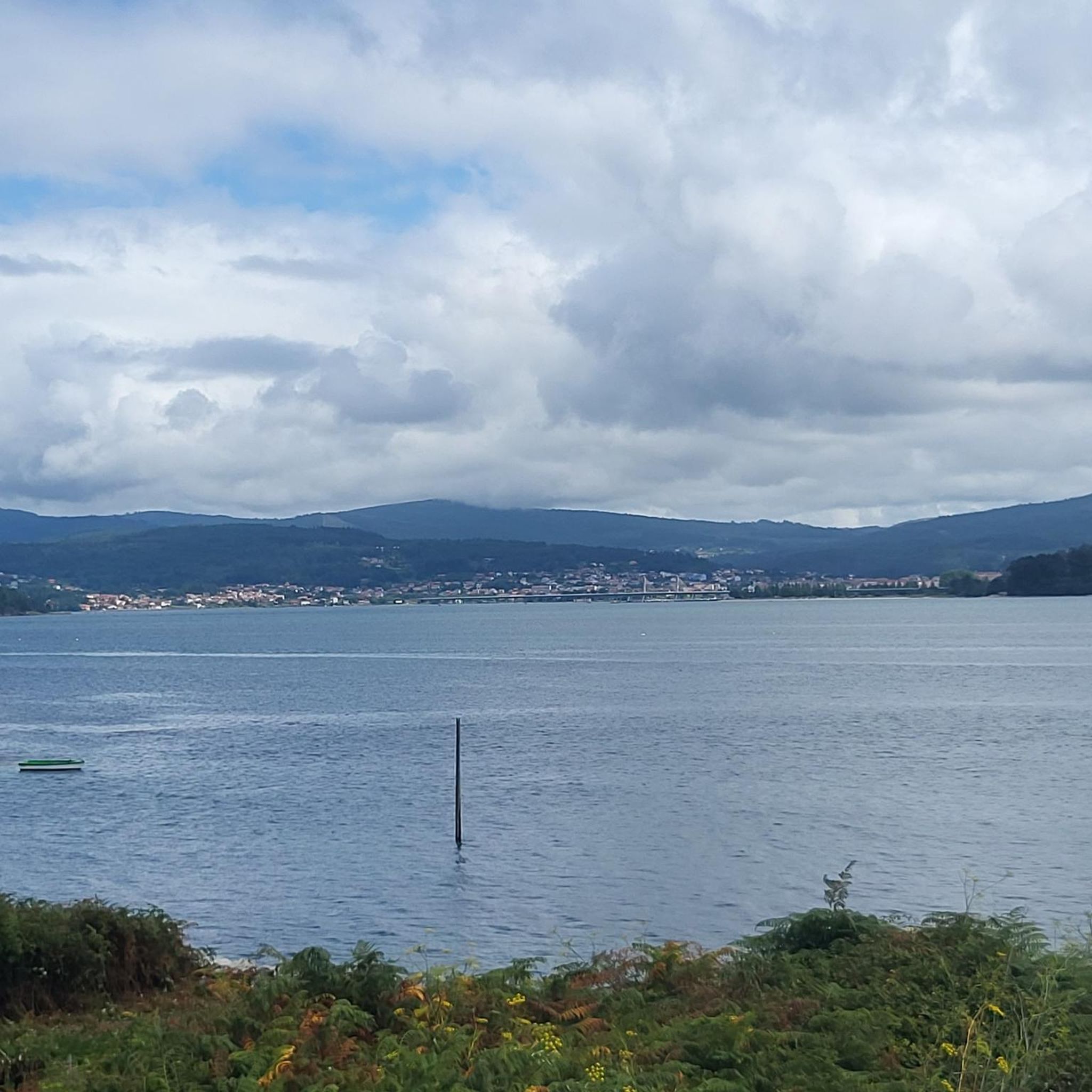
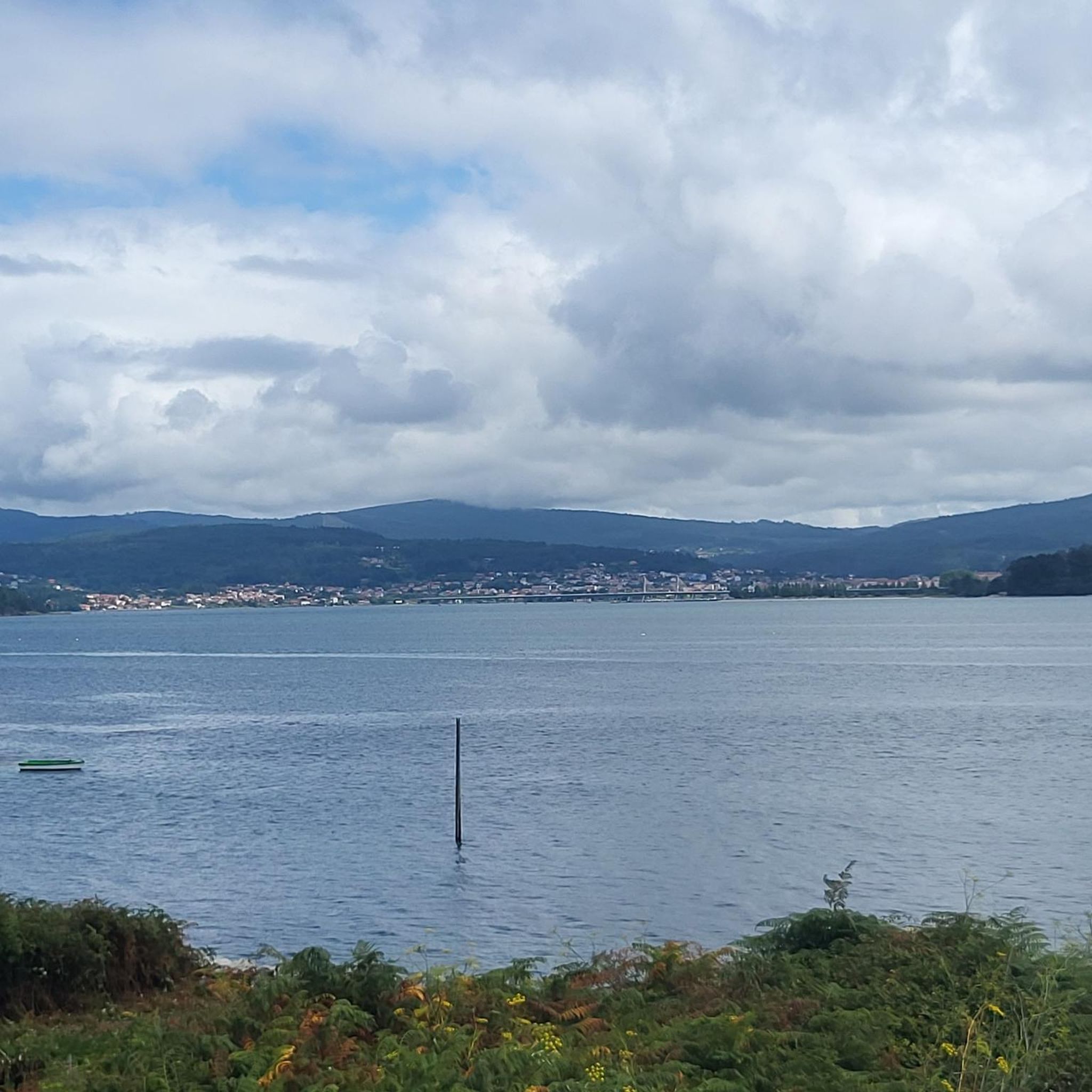
The estuary of Muros and Noya (in Galician, ría de Muros e Noia), also known as ría de Muros or ría de …
Translated by Google •
Tip by

Sign up for free to discover even more attractions around Outes.
Already have an account?
Start today with a free account
Your next adventure awaits.
Tips from the Community

Romanesque-Gothic Church, its rose window and its unfinished tower with its legends stand out..To visit
0
0

If you have some days left after your arrival in Santiago and your feet feel like there is still a need for walking in them, then there is no way around doing the Camiño Fisterra y Muxia. The Walk leads through a lot of great nature and the Infrastructure is as good as at any other way. The Lighthouse in Finisterre alone, with the Zero Kilometre Stone is worth the almost hundred extra Kilometers, the real finish... The way is never overcrowded and the pilgrims you'll meet are usually a bit different than most of the people you've met on the way to Santiago. Don't miss your End of the World Party at the Faro Fisterra at sundown, some hundreds meters above the ocean! Feel free to also walk to or just visit Muxia, it's also worth it. Getting back to Santiago is no problem at all, several buses are scheduled every day from Finisterre or Muxia. For further information just ask, especially about accomodations.
2
0
The Camiño Fisterra y Muxia was and is certainly not overcrowded, but it is incorrect to say that only a few people walk it. Especially in 2022 (but also since then), i.e. in the "Covid Camino" year, there were a surprising number of Peregrinas & Peregrinos on the way between Santiago and Finisterre and the traditional evening closing celebrations at sunset at the lighthouse were terrific, very international and full of wine; finally feeling free again was the motto. I did two ;). The infrastructure is in no way inferior to the other paths and the nature around it is even more so.
2
0

St. Martin's Church dates back to the 14th century, but was built in the Romanesque style, based on the famous cathedral in Santiago de Compostela.⛪️ They also wanted to build a second church tower on top of it. The clergy in Santiago forbade them from doing so. Only the cathedral in Santiago should have this as a unique selling point. And they were told: if they dared to do it, something terrible would happen. When someone wanted to put a second tower made of paper on top of it, it fell down and died. A small red cross was painted on the spot where the person died. Since then, St. Martin's Church has also been called the "cursed" church because it was cursed.
1
0

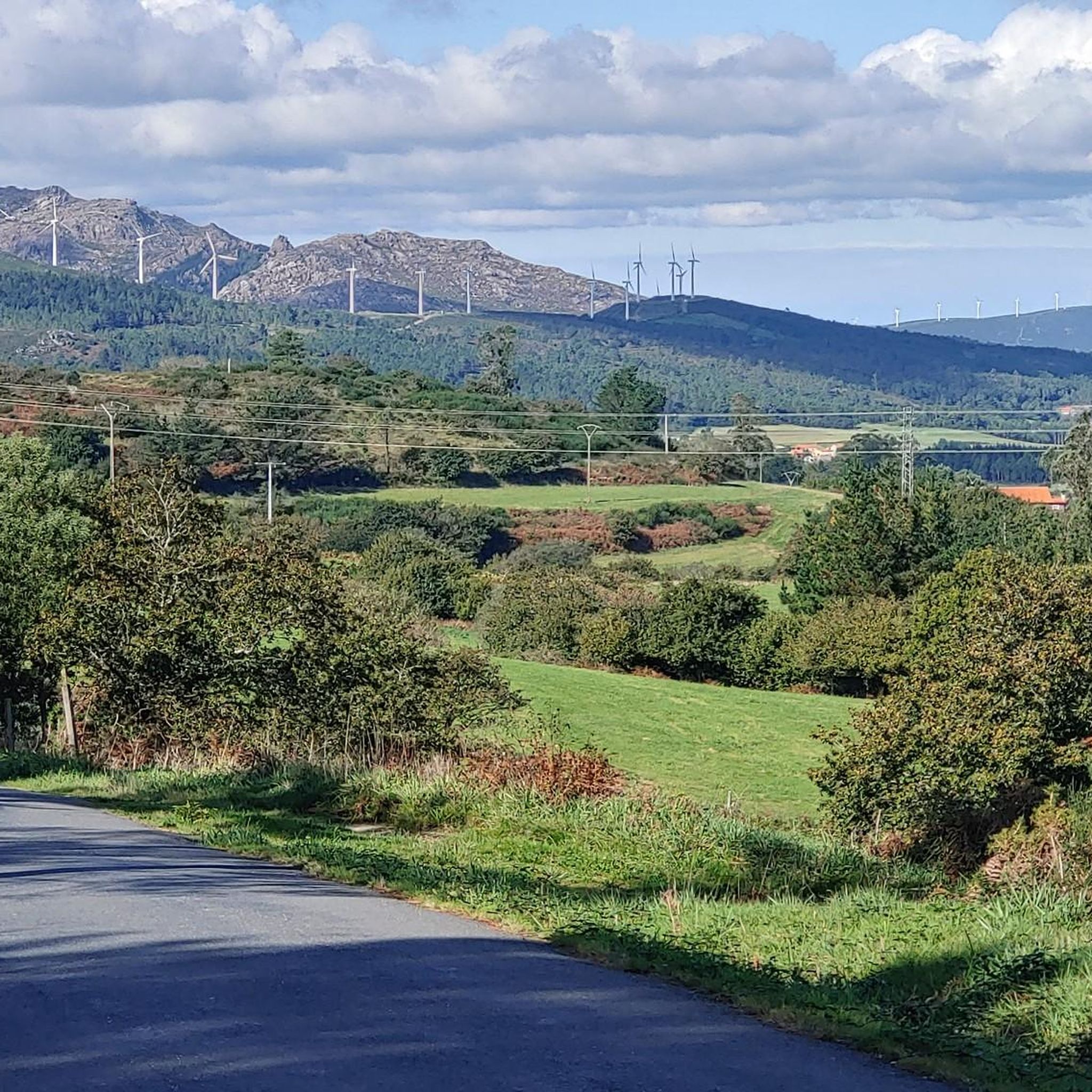
The way to the summit is a bit sweaty, but easy to walk in shorts and well signposted. You reach the summit in about 70 minutes. With the knowledge I have now gained after the tour I have just completed, I would now take the same route back. The way back - as others have already written - quickly becomes very thorny (gorse and blackberries) and the path becomes increasingly narrow. You are bound to get caught on the thorns all the time. It was a pretty bloody affair in shorts. In addition, shortly after leaving the summit, a thick cloud of fog rolled in from the sea and swallowed the mountain. With the cloud came heavy, constant drizzle. I was completely soaked in no time - from above and from the sides due to contact with the vegetation. All of this made the way back feel four times longer than the ascent and was then simply no longer fun. What the rain also showed: good hiking boots are absolutely essential. The rocks then become quite slippery in places. The climb was in mid-August, starting at around 10 a.m. (it is highly recommended to start early, as it is almost always cloudy/foggy in the afternoon) at 20 degrees.
1
0

Very nice urn graves. 😍
2
0
There is a calmness on these paths. There are not many pilgrims here.
2
0
I find these cemeteries very impressive. These figures are simply beautiful.
0
1
Frequently Asked Questions
What natural features can I explore around Outes?
Outes is situated adjacent to the Ría de Muros y Noia estuary, offering scenic views and a variety of beaches. You can also explore the rugged landscape and extensive vistas from Moa Summit (Monte Pindo), a significant natural monument in the area. The broader Galician coastline and countryside are also worth discovering.
Are there historical sites to visit in Outes and the surrounding area?
Yes, the region offers several historical sites. In Outes, you can find the A Serra Mansion House. Just a short distance away, the 14th-century Ponte Nafonso Bridge is still in use. Additionally, the Camino de Fisterra, an extension of the Camino de Santiago, is a trail of historical significance, leading to what was once considered the end of the known world.
What kind of outdoor activities can I do near Outes?
The area around Outes is excellent for outdoor activities. You can find numerous hiking trails, including moderate routes like the Tambre Trail, and easy walks such as the Playa de Broña loop. For cycling enthusiasts, there are both road cycling and touring bicycle routes available, ranging from moderate to difficult, exploring coastal roads and historic towns. You can find more details on these routes in the Hiking around Outes and Cycling around Outes guides.
Are there any family-friendly attractions or activities?
Yes, there are family-friendly options. The Church of San Martiño de Noia is listed as family-friendly, and the Viewpoint overlooking the Ría de Muros y Noia is also suitable for families. The beaches in the area, such as Playa de Broña, offer opportunities for family outings.
Where can I find the best views or viewpoints around Outes?
For extensive views, head to Moa Summit (Monte Pindo), which offers impressive vistas of the rugged landscape. Another excellent spot is the Viewpoint that provides panoramic views over the Ría de Muros y Noia, including the estuary where the River Tambre flows.
What are some notable religious buildings in the area?
The region features several interesting religious buildings. The Parish Church of Santa Mariña de Maroñas is known for its architectural details, including a barrel vault and gabled wooden roof. In nearby Noia, the Church of San Martiño de Noia, consecrated in 1432, features a beautiful portal reminiscent of the Santiago de Compostela Cathedral.
What is the best time of year to visit Outes?
The best time to visit Outes often depends on your interests. The summer months are popular for enjoying the beaches and coastal activities. If you're interested in local culture, consider visiting during one of the town's fiestas, such as San Antonio or San Pedro in June, Santiaguino da Balsa in July, San Cristobal in August, or San Orente in September.
Are there any local cultural events or festivals in Outes?
Outes is known for its vibrant local festivals. Key fiestas include "San Antonio" and "San Pedro" in June, "Santiaguino da Balsa" in July, "San Cristobal" in August, and "San Orente" in September. These events offer a great opportunity to experience local traditions and culture.
What makes the <a href="https://www.komoot.com/highlight/595803" target="_blank" rel="noopener">Camino de Fisterra</a> significant?
The Camino de Fisterra is significant as it's considered by many pilgrims to be the true end of the Camino de Santiago, extending beyond Santiago de Compostela to what was historically the westernmost point of the known world. It's a well-marked route with mile markers, the shell symbol, and yellow arrows, offering a unique continuation of the pilgrimage experience.
What can I expect when visiting <a href="https://www.komoot.com/highlight/3859881" target="_blank" rel="noopener">Moa Summit (Monte Pindo)</a>?
Visiting Moa Summit (Monte Pindo) offers a challenging yet rewarding experience. The signposted trail to the summit provides continuous scenic views and takes you through a rugged, impressive landscape. While the ascent is beautiful, be prepared for a demanding descent, as some parts can be rocky and overgrown, requiring appropriate footwear and clothing.
Are there beaches suitable for families near Outes?
Yes, the area around Outes includes several beaches. The Viewpoint highlight mentions beaches like La Aguieira in Puerto del Son, As Gaivotas in Miñortos, Testal in Noya, and Broña in Outes itself, which are generally suitable for family visits and enjoying the Ría's waters.
Are there any easy walking routes near Outes?
Yes, for those looking for easier walks, the Hiking around Outes guide includes routes such as the Playa de Broña loop from Broña, which is rated as easy. These routes are perfect for a relaxed stroll to enjoy the local scenery.
Most popular attractions around Outes

Get inspired with the komoot mobile app


Explore more
Still not found the Highlight you’re looking for? See guides of the top attractions in other regions:
