The best walks and hikes around Canfranc
4.6
(695)
6,485
hikers
63
hikes
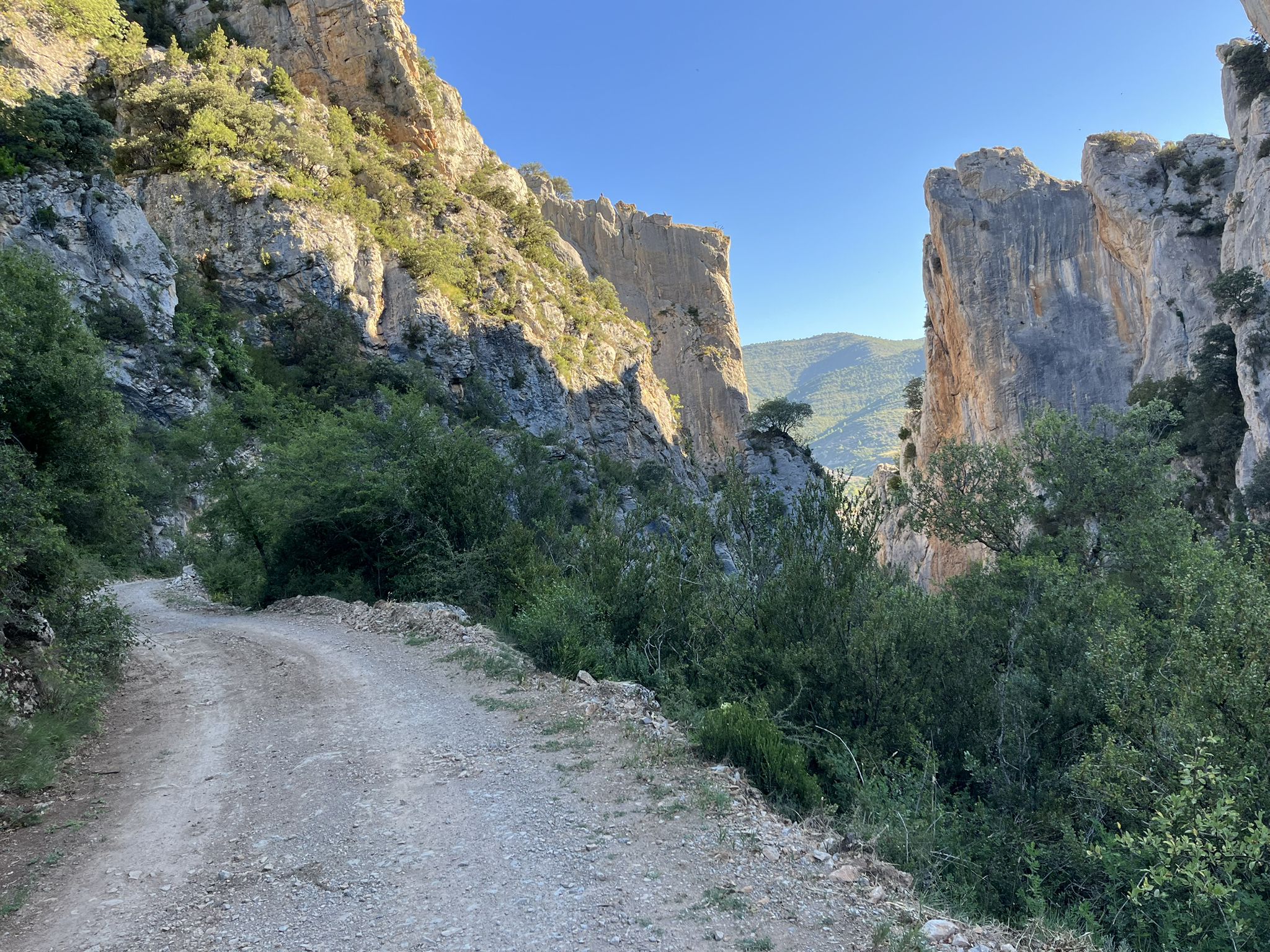
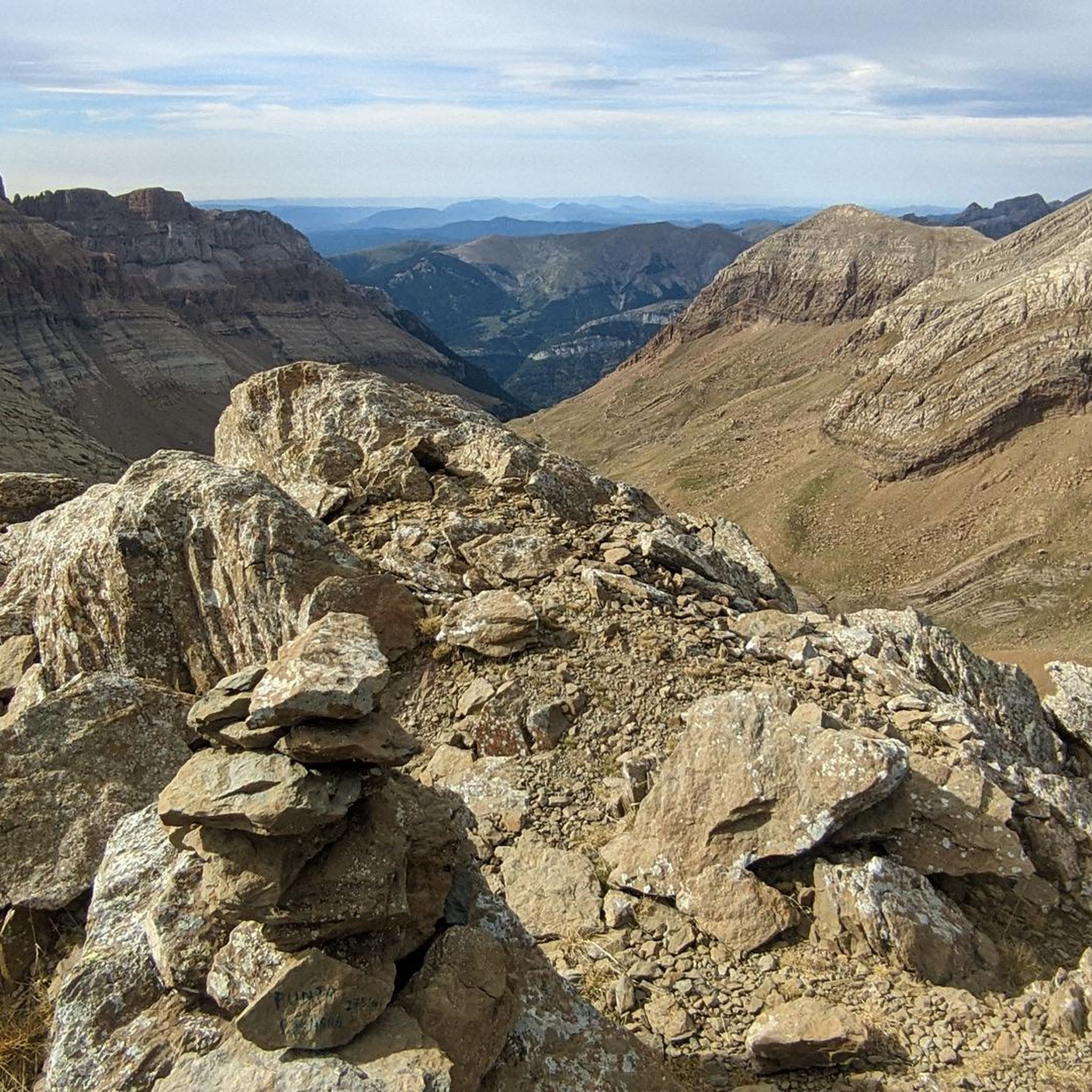
Hiking around Canfranc offers diverse landscapes within the Aragonese Pyrenees, characterized by majestic mountains and the historic Canfranc Valley. The region features lush forests of beech, pine, and acacia, alongside rivers and ravines like the Arones. Hikers can explore serene mountain lakes, known as "ibóns," and access several impressive peaks that provide panoramic views. This varied terrain ensures a wide array of trails for different experience levels.
Best hiking trails around Canfranc
- The most popular hiking route is La Moleta and Ibón de Iserias Circular Trail, a 10.9 miles (17.6 km) trail that takes 7 hours 49 minutes to complete. This difficult route ascends through high mountain terrain to reach the picturesque Ibón de Iserias.
- Another top favourite among local hikers is Canfranc and Canfranc Estacion via the French Way of St. James, a moderate 6.3 miles (10.1 km) path. This trail follows a segment of the historic pilgrimage route, connecting the two Canfranc settlements.
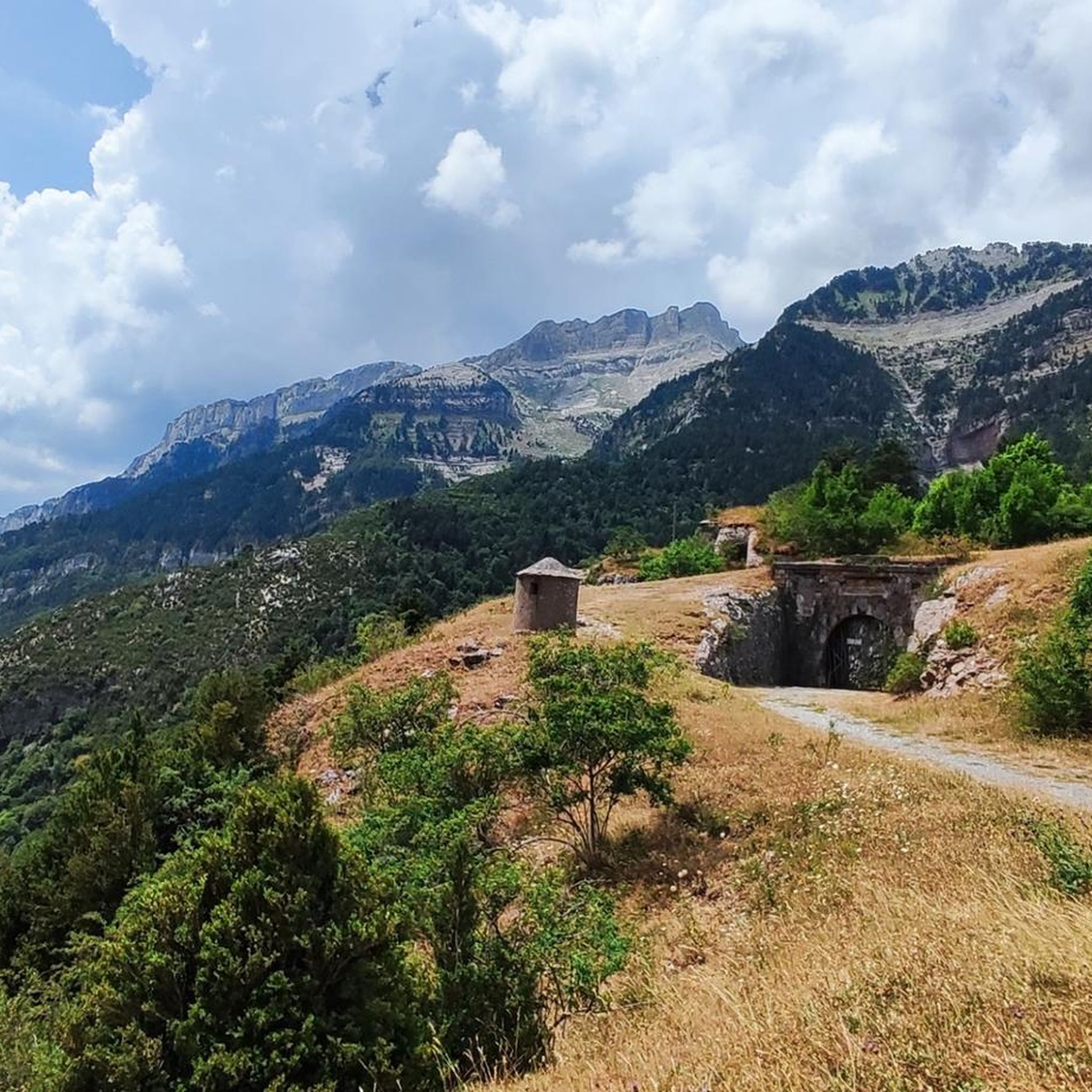
- Local hikers also love the Fuente de la Herradura – Bunkers of the P Line loop from Canfranc, a 6.2 miles (10.1 km) trail leading through forested areas and historical defensive structures, often completed in about 2 hours 59 minutes.
- Hiking around Canfranc is defined by Pyrenees mountains, historic passes, and serene mountain lakes. The network offers options for both casual walkers and experienced mountaineers.
- The routes in Canfranc are highly rated by the komoot community with an average score of 4.6 stars from over 500 reviews. More than 5000 hikers have used komoot to explore Canfranc's varied terrain.
Last updated: October 10, 2026
4.4
(7)
99
hikers
17.6km
07:49
1,360m
1,360m
Hard hike. Very good fitness required. Sure-footedness, sturdy shoes and alpine experience required.
4.7
(11)
68
hikers
10.1km
02:57
260m
260m
Moderate hike. Good fitness required. Easily-accessible paths. Suitable for all skill levels.

4.7
(26)
280
hikers
12.0km
03:46
460m
460m
Moderate hike. Good fitness required. Easily-accessible paths. Suitable for all skill levels.
4.8
(24)
219
hikers
10.3km
03:02
300m
300m
Moderate hike. Good fitness required. Easily-accessible paths. Suitable for all skill levels.
4.7
(24)
179
hikers
12.3km
04:55
630m
630m
Moderate hike. Good fitness required. Mostly accessible paths. Sure-footedness required.
Get access to more routes and recommendations from other explorers.
Already have an account?
Our route recommendations are based on thousands of hikes, rides, and runs completed by other people on komoot.
Start today with a free account
Your next adventure awaits.

Other adventures around Canfranc

Tips from the Community

Canfranc Station looks like a massive French palace got dropped right into a narrow mountain valley! Nicknamed the "Titanic of the Mountains," this huge Beaux-Arts station opened in 1928 and has a crazy history packed with WWII spy networks and secret gold shipments. It fell into quiet, ghostly ruins for decades after cross-border trains stopped in 1970, but it recently got an epic second life. The whole place was restored into a luxury hotel.
1
0
Back in the day, the original Somport Railway Tunnel was built so trains could blast right under the Pyrenees between France and Spain. It opened in 1928 with the grand train station, saw all kinds of wild World War II drama, and eventually closed down in 1970 after a train accident on the French side put an end to cross-border rail traffic. Instead of just sitting empty, the old train tunnel got a crazy cool second life. Deep inside, buried under almost 800 meters of solid rock, it’s now home to the Canfranc Underground Laboratory. Because all that mountain rock acts as a giant shield against cosmic rays, scientists from all over the world hang out down there hunting for dark matter and studying mysterious physics particles in total quiet!
2
0

Brand new five-star hotel, very fancy. Even butlers in costume!
1
0
The small detour is worth it.
2
0
Renovated station with normal train traffic.
1
0
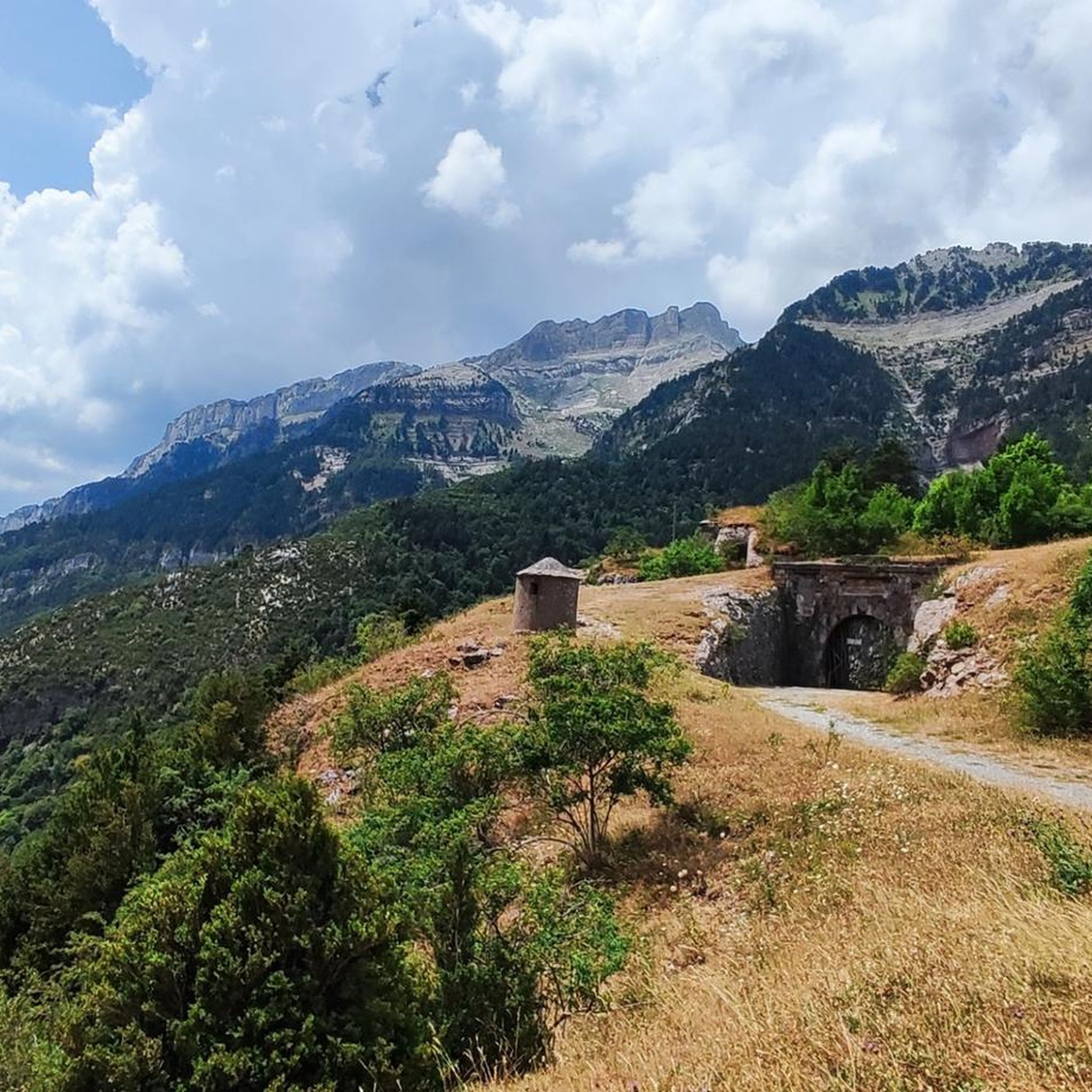
A curious name for this fort, which resembled the entrance to one of those in Game of Thrones.
1
0

At the beginning of the hike
0
0
Frequently Asked Questions
How many hiking trails are available around Canfranc?
Canfranc offers a wide selection of hiking opportunities, with over 60 routes available. These trails cater to various skill levels, from easy walks to challenging mountain ascents.
What kind of landscapes can I expect to see while hiking in Canfranc?
Hiking in Canfranc immerses you in the majestic Aragonese Pyrenees. You'll encounter diverse landscapes including lush forests of beech, pine, and acacia, deep ravines like the Arones, and serene mountain lakes known as "ibóns." The region also features impressive peaks offering panoramic views.
What do other hikers enjoy most about the trails in Canfranc?
The hiking routes in Canfranc are highly rated by the komoot community, with an average score of 4.6 stars from over 500 reviews. Hikers frequently praise the stunning Pyrenean mountain scenery, the variety of trails, and the opportunity to discover historic sites and beautiful natural features.
Are there hiking trails suitable for beginners or families in Canfranc?
Yes, Canfranc offers several easy and moderate trails perfect for beginners or families. For example, the Canfranc and Canfranc Estacion via the French Way of St. James is a moderate 6.3-mile path that follows a historic pilgrimage route, connecting the two settlements. There are 12 easy and 22 moderate routes in total.
Are there challenging hikes for experienced mountaineers in Canfranc?
Absolutely. Canfranc is an excellent base for experienced mountaineers seeking challenging routes. Trails like the La Moleta and Ibón de Iserias Circular Trail, a difficult 10.9-mile route, ascend through high mountain terrain to reach picturesque lakes. There are 26 difficult routes available for those looking for a significant challenge.
Can I find circular hiking routes in the Canfranc area?
Yes, circular routes are popular in Canfranc. The Fuente de la Herradura – Bunkers of the P Line loop from Canfranc is a moderate 6.2-mile circular trail that takes you through forested areas and past historical defensive structures. Another option is the La Moleta and Ibón de Iserias Circular Trail, which is more challenging.
Are there any mountain lakes (ibóns) I can hike to in Canfranc?
Yes, the region is known for its serene mountain lakes, or "ibóns." The picturesque Ibón de Iserias is a notable example, accessible via the challenging La Moleta and Ibón de Iserias Circular Trail. Ibón de Escalar is another beautiful lake in the area.
What notable peaks can be accessed from Canfranc?
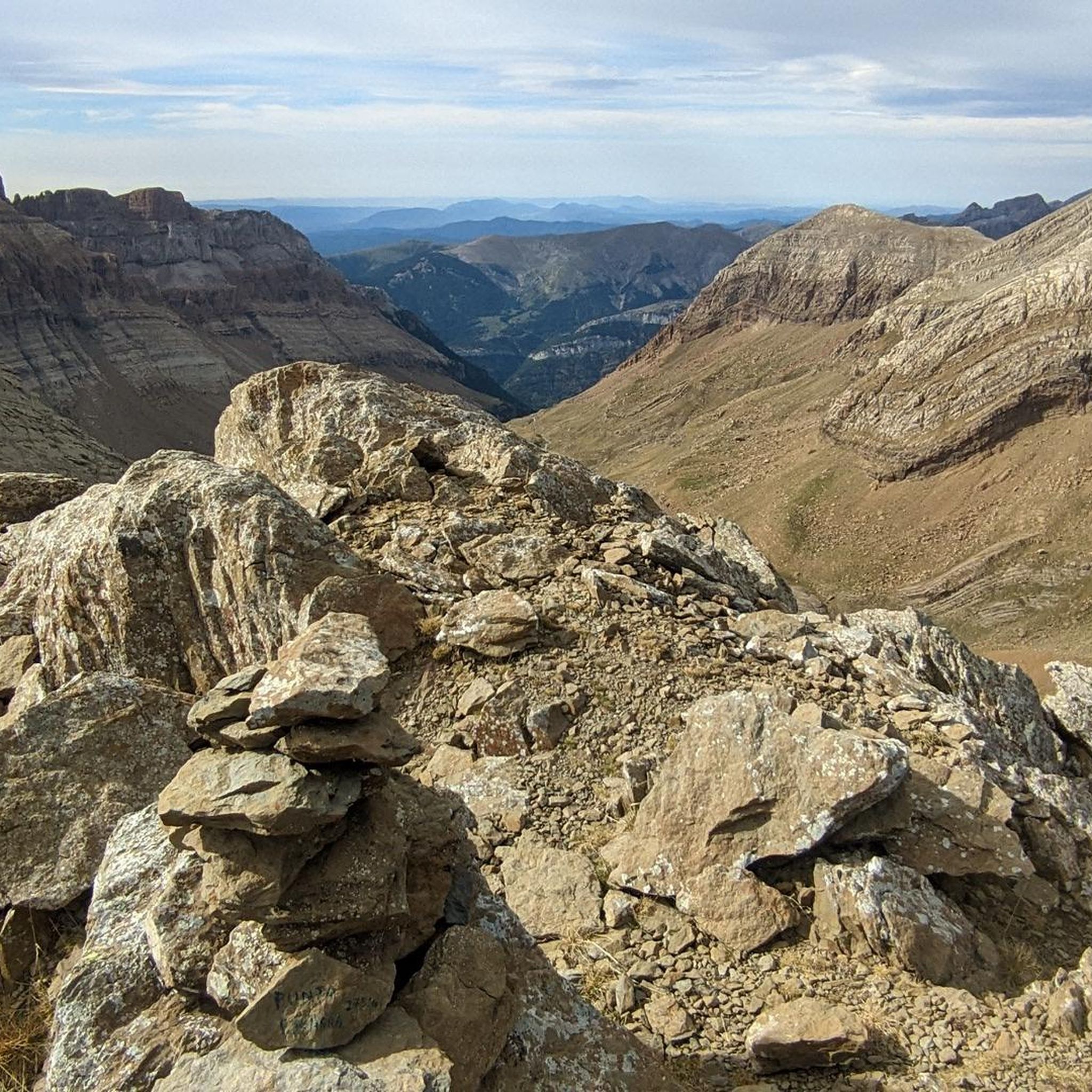
Canfranc provides access to several impressive peaks in the Pyrenees. The Pic des Moines, located on the border at 2,349 meters, offers breathtaking views. Other significant peaks in the vicinity include La Moleta, A Raca, Borreguil de la Cuca, and Cuyalaret, all providing panoramic vistas.
Are there any waterfalls or gorges to explore near Canfranc?
Yes, the area around Canfranc features several stunning waterfalls and gorges. You can explore highlights like the Balsaroleta Gorge and the Ip Waterfall. Other notable gorges include the Culivillas Gorge and Canal Roya.
What historical landmarks can I see while hiking in Canfranc?
Canfranc is rich in history. The monumental Canfranc International Railway Station is a significant landmark and a starting point for many hikes. You can also explore historical defensive structures along routes like the Fuente de la Herradura – Bunkers of the P Line loop from Canfranc, which incorporates old bunkers.
Is Canfranc connected to any long-distance hiking trails?
Yes, Canfranc serves as a gateway to major long-distance routes. It provides access to the GR11 (Senda Pirenaica), which traverses the Spanish Pyrenees, and the Camino Aragonés, a segment of the historic French Way of St. James pilgrimage route.
What is the best time of year to go hiking in Canfranc?
The best time for hiking in Canfranc generally depends on the specific trail and your experience level. Spring and autumn offer pleasant temperatures and vibrant landscapes. Summer is ideal for higher altitude routes, while winter provides opportunities for snowshoeing or winter mountaineering, though some trails may be inaccessible due to snow.
Are there options for parking when accessing hiking trails in Canfranc?
Yes, parking is generally available in and around Canfranc, particularly near popular trailheads and the Canfranc International Railway Station, which serves as a common starting point for many routes into the surrounding Pyrenees.
Most popular routes around Canfranc
Most popular attractions around Canfranc

Get inspired with the komoot mobile app


Explore more
Browse the best Hikes in other regions.
