The best road cycling routes around Cabeza La Vaca
5.0
(2)
451
riders
36
rides
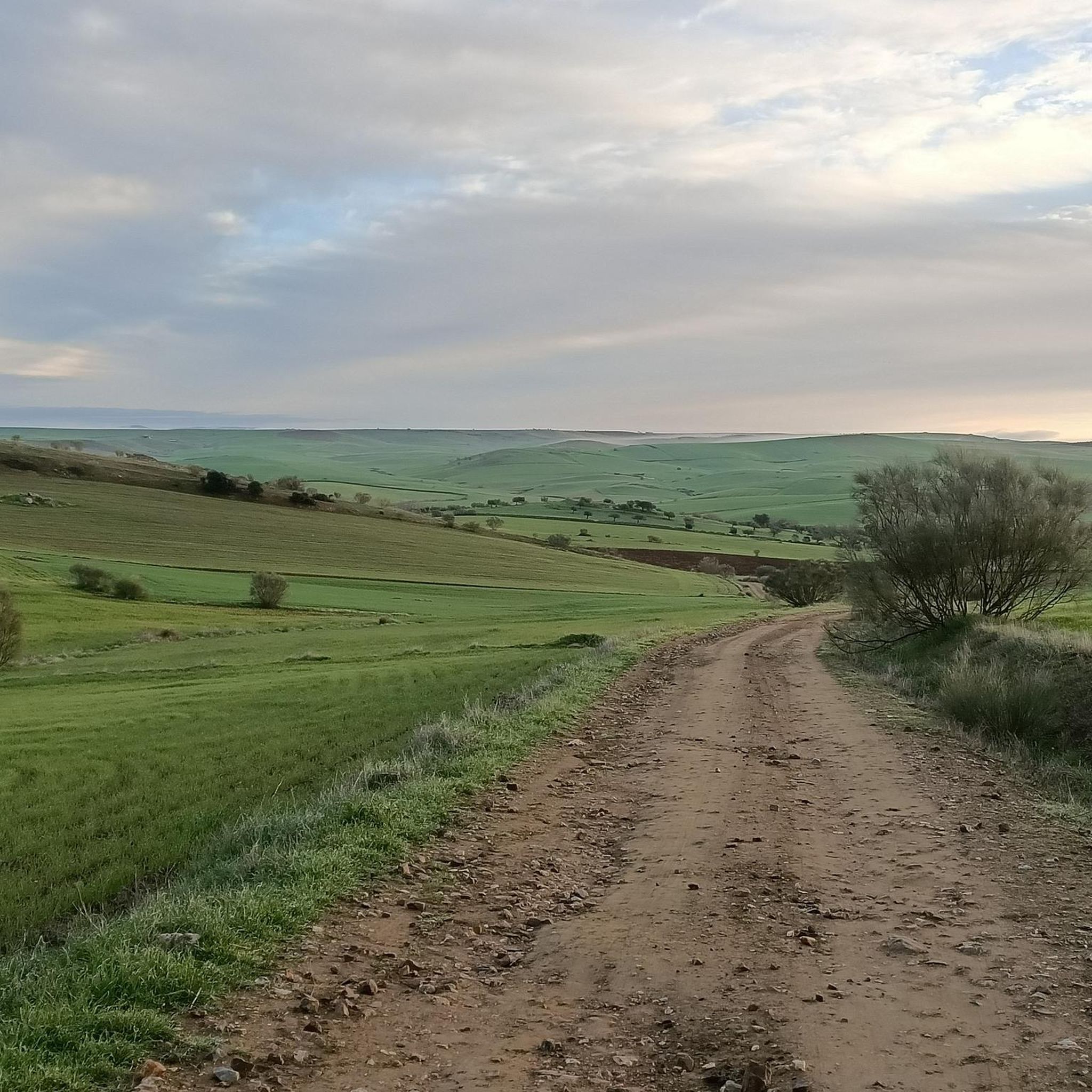
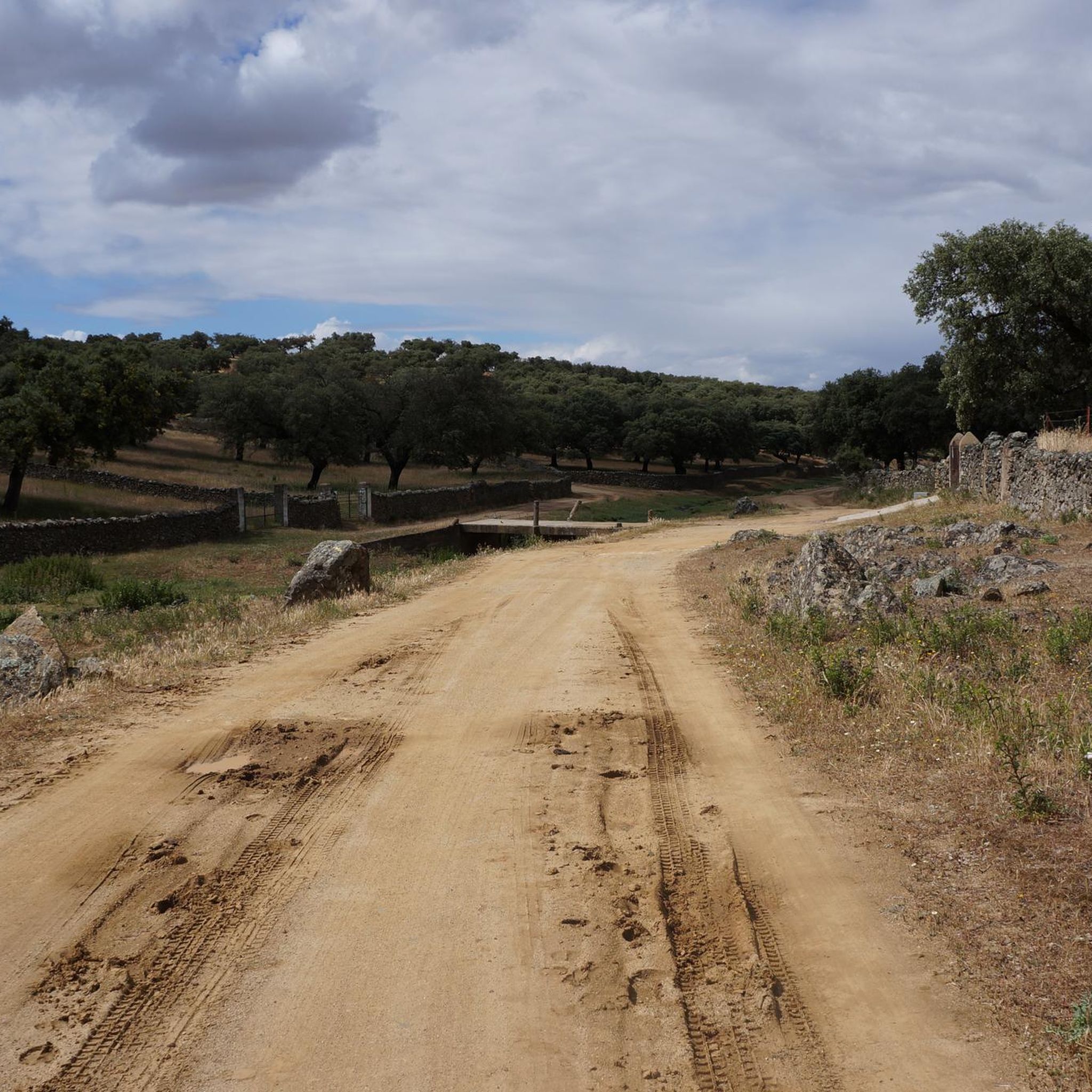
Road cycling around Cabeza La Vaca offers diverse landscapes, characterized by fields of evergreen oaks, olive groves, pine trees, and leafy scrubland. The region features the unique Extremaduran dehesa, an agro-forestry system with scattered oaks and pastures. The Tentudía mountain range provides challenging climbs and descents, with the Cerro de Tentudía being the highest peak in Badajoz province. These varied terrains make Cabeza La Vaca suitable for road cyclists seeking both scenic routes and elevation challenges.
Best road cycling routes…
Last updated: July 10, 2026
35
riders
79.6km
04:11
1,140m
1,140m
Hard road ride. Very good fitness required. Some segments of this route may be unpaved and difficult to ride.
16
riders
37.6km
02:18
860m
850m
Moderate road ride. Good fitness required. Mostly well-paved surfaces and easy to ride.

Sign up for free
10
riders
Moderate road ride. Good fitness required. Mostly well-paved surfaces and easy to ride.
8
riders
94.8km
05:02
1,520m
1,520m
Hard road ride. Very good fitness required. Some segments of this route may be unpaved and difficult to ride.
9
riders
Moderate road ride. Good fitness required. Some segments of this route may be unpaved and difficult to ride.
Get access to more routes and recommendations from other explorers.
Sign up for free
Already have an account?
Our route recommendations are based on thousands of hikes, rides, and runs completed by other people on komoot.
Start today with a free account
Your next adventure awaits.
Login or Signup
Tips from the Community

The Vía de la Plata, as it passes through Monesterio, especially in the La Dehesa area, offers one of the most beautiful and representative stretches of the Extremadura landscape: a Mediterranean pastureland, with holm oaks, cork oaks, and pastures where Iberian pigs, cows, and sheep graze.
4
0
The Parish Pilgrims' Hostel in Monesterio is a welcoming and affordable place for pilgrims travelling the Vía de la Plata.
6
0

This castle is located on a hill from which there is a magnificent view of the municipality of Cala and the Huelva mountains. It is part of the group of fortresses belonging to the Banda Gallega, although it is possible that the building that is currently seen was built on an old one of Arab origin. It can be visited under prior reservation by contacting the town hall of Cala.
1
0
Arroyomolinos de León is a town nestled in the Sierra de Aracena y Picos de Aroche Natural Park with just under 1,000 inhabitants. In its municipal term is Mount Bonales, which with 1055 meters above sea level is the highest prominence in the province of Huelva.
1
1
The Cañaveral de León lagoon is a pool that collects groundwater from the Fuente Redonda spring and serves to irrigate the crops in the area. For a few years it has also been conditioned to be the municipal swimming pool of this town. In summer a treatment plant is started up to offer a pleasant bath on the hottest days.
2
0
A little away from the urban center of Hinojales and in the middle of the olive grove is the small hermitage of Nuestra Señora de Tórtola. Although the original building is much older, the one that can be seen today is from the 18th century. The interior houses an early Christian tombstone from the year 568 AD. C., in addition to the sculpture of the virgin from which the hermitage takes its name. It was declared an asset of cultural interest by the Junta de Andalucía.
2
1
Hinojales is a municipality in Huelva that has just over 330 inhabitants. Its economy is based mainly on agriculture and livestock, so the gastronomy in this area is worth a stop. Its municipal area is very close to the border with Extremadura.
1
0

We are in the beautiful natural environment that surrounds the Monastery of Tentudía, where the beautiful Mudejar cloister stands out especially. The views from the top of Alto de Tentudía are impressive, offering a panoramic view of the region and its landscapes of meadows and mountains typical of the south of Badajoz. According to legend, in the 13th century during a battle against the Arabs, the master of the Order of Santiago, Pelay Pérez Correa, cried out to the Virgin shouting: "Holy Mary, stop your day" when he saw that night was approaching and the victory was not assured. It is said that the sun stopped on the horizon allowing the Christian troops to win. As thanks, the master ordered the construction of a temple dedicated to Santa María de Tentudía. At the end of the visit we can go to the bar where we can eat or drink while enjoying the scenery.
1
0
Frequently Asked Questions
How many road cycling routes are available around Cabeza La Vaca?
There are over 35 road cycling routes around Cabeza La Vaca, offering a variety of experiences for different skill levels. You'll find a good mix of moderate and challenging rides in the region.
What kind of terrain can I expect on road cycling routes in Cabeza La Vaca?
Road cycling in Cabeza La Vaca features diverse landscapes, including extensive areas of the Extremaduran dehesa with evergreen oaks and olive groves, as well as the more challenging climbs and descents of the Tentudía mountain range. While many roads are well-paved, some segments might include unpaved or difficult sections, so be prepared for varied terrain.
Are there challenging road cycling routes for experienced riders in Cabeza La Vaca?
Yes, Cabeza La Vaca offers 25 difficult road cycling routes. For instance, the Church of Saint James the Apostle – Santiaguista Convent loop from Cabeza la Vaca is a challenging 49.5-mile ride with significant elevation gain. Another demanding option is the Higuera la Real – Arroyomolinos de León loop from Cabeza la Vaca, which covers over 95 km and includes substantial climbing.
When is the best time of year for road cycling in Cabeza La Vaca?
The region's climate generally makes spring and autumn ideal for road cycling, offering milder temperatures and pleasant conditions. Summers can be quite hot, while winters are cooler but often still suitable for riding, especially on sunny days.
Are there any historical landmarks or cultural sites to see along the road cycling routes?
Yes, the area is rich in history. You can encounter sites like the 16th-century Cross of the Rollo in town, or the early Gothic-style Fontanilla fountain. Many routes also pass near the historic Monastery of Tentudía, which crowns the highest peak in Badajoz province, offering rewarding views and a glimpse into the region's past.
What natural features can I enjoy while road cycling in Cabeza La Vaca?
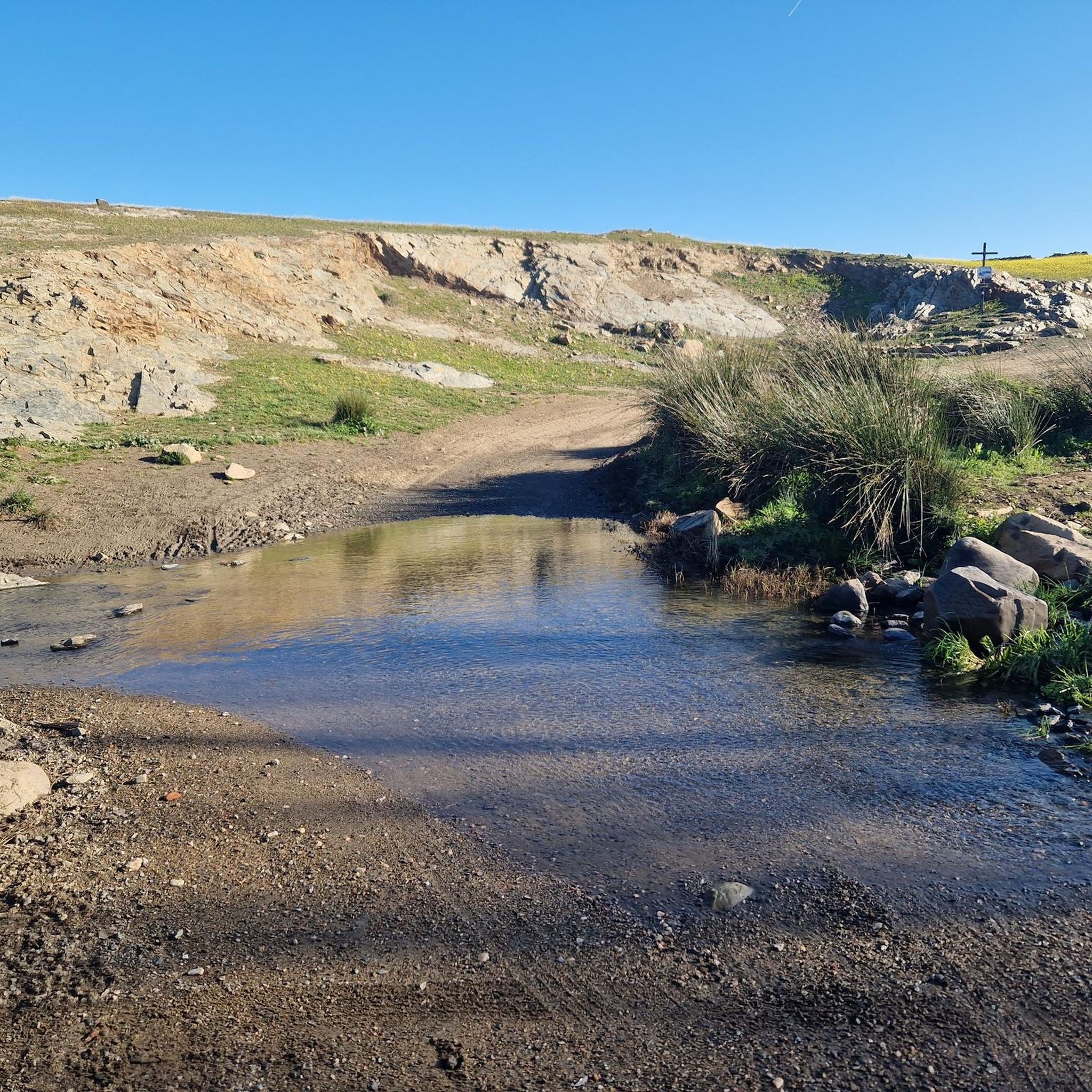
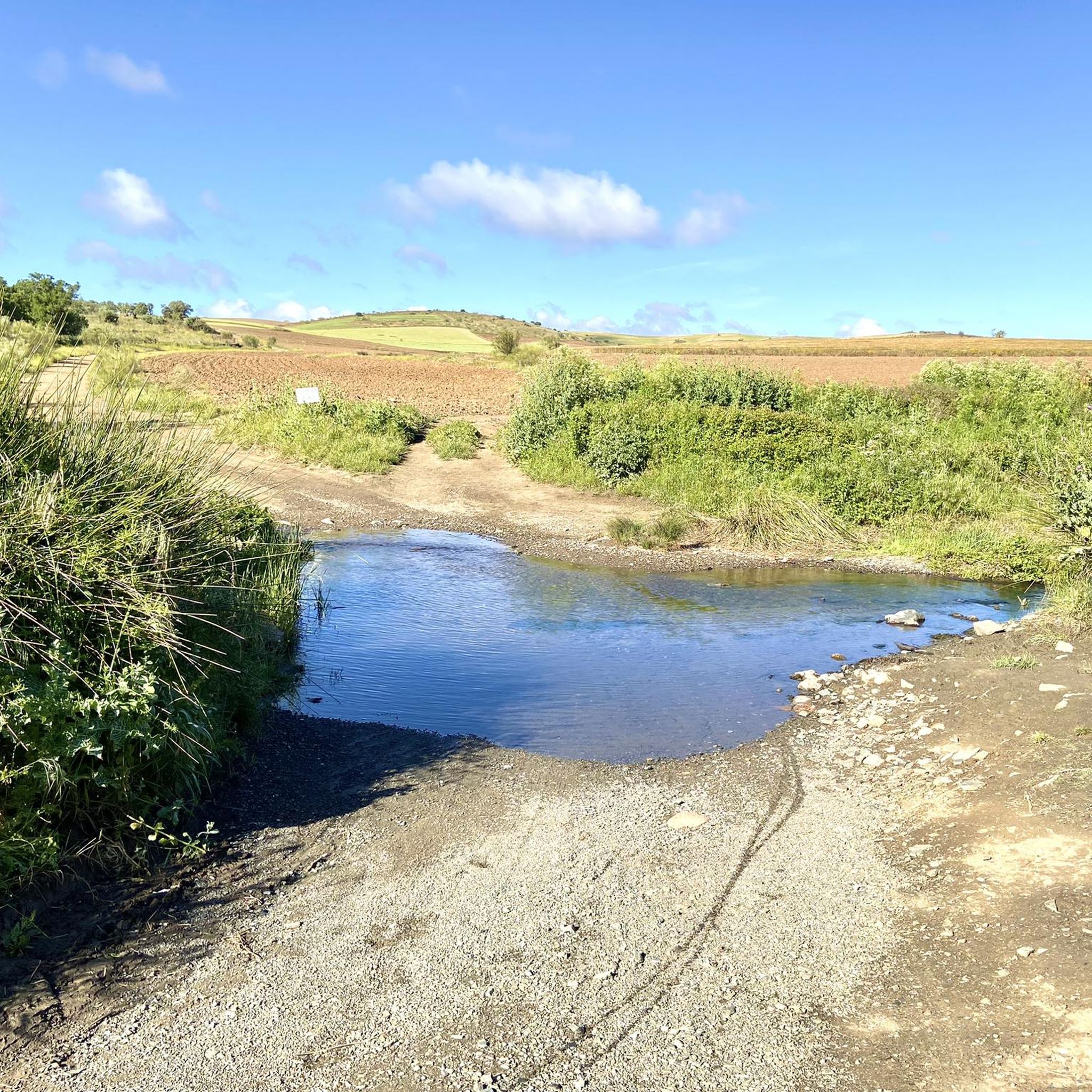
You'll experience the unique Extremaduran dehesa with its scattered oaks and pastures, the dramatic Tentudía Mountain Range, and diverse vegetation including holm oaks, chestnut trees, and pine trees. The area also features streams and rivulets, and the unique natural area of La Pisá del Caballo, known for its biodiversity.
Can I find circular road cycling routes in the Cabeza La Vaca area?
Yes, many of the road cycling routes in Cabeza La Vaca are designed as loops, allowing you to start and finish in the same location. Examples include the Monastery of Tentudía – Cerro de Tentudia loop from Cabeza la Vaca and the Section through the Extremaduran dehesa – Section approaching Monasterio loop from Calera de León.
Are there family-friendly road cycling routes in Cabeza La Vaca?
While many routes in Cabeza La Vaca involve significant elevation and can be challenging, there are moderate options that might be suitable for families with older, more experienced children. Currently, there are no routes specifically classified as 'easy' for road cycling in the area, so it's best to review route profiles carefully.
Where can I park my car when starting a road cycling route in Cabeza La Vaca?
Parking is generally available within the town of Cabeza La Vaca itself, or in the smaller villages from which routes often begin, such as Calera de León. Look for public parking areas or designated spots near the start of your chosen route.
What do other road cyclists enjoy the most about road cycling in Cabeza La Vaca?
The area is highly rated by the komoot community, with an average score of 5.0 stars. Cyclists often praise the diverse landscapes, the challenging climbs of the Tentudía mountain range, and the serene experience of riding through rural environments with light traffic.
What is the highest point I can reach on a road cycling route in Cabeza La Vaca?
You can reach the Cerro de Tentudía, which is the highest peak in the province of Badajoz at 1,104 meters. The Monastery of Tentudía – Cerro de Tentudia loop from Cabeza la Vaca is one route that ascends towards this historic and scenic summit.
Are there places to eat or stay along the road cycling routes?
Cabeza La Vaca, designated as a 'Magical Village' of Spain, offers local amenities including cafes, pubs, and accommodation options. Smaller towns and villages along the routes, such as Monesterio or Calera de León, also provide services where cyclists can refuel and rest.
Most popular attractions around Cabeza La Vaca

Get inspired with the komoot mobile app


Explore more
Browse the best Road cycling routes in other regions.
