Attractions and Places To See around Valdeolea - Top 20
Best attractions and places to see around Valdeolea include a mix of historical, cultural, and natural sites. This municipality in Cantabria, Spain, features ancient Roman ruins, significant Romanesque architecture, and prehistoric megaliths. The serene natural landscapes are shaped by the Camesa River, offering diverse flora and fauna. The region provides opportunities to explore historical landmarks and natural features.
Best attractions and places to see around Valdeolea
- The most popular attractions is Source of the Ebro River, a river that is traditionally located in Fontibre. This site is known as the source of one of Spain's most important rivers and is near the Roman city of Julióbriga.
- Another must-see spot is Collegiate Church of San Miguel, a religious building declared an Asset of Cultural Interest. Visitors can expect to see a significant collection of altarpieces, stalls, and tombs dating from the 12th to 16th centuries.
- Visitors also love Historic Center of Reinosa, a historical site with an old town and interesting monuments. The city dates back to the Middle Ages, featuring structures like the church of San Sebastián and ashlar buildings from the 16th and 17th centuries.
- Valdeolea is known for its Romanesque churches, medieval towers, and archaeological sites. The area offers a variety of historical and natural attractions to explore.
- The attractions around Valdeolea are appreciated by the komoot community, with 33 upvotes and 41 photos shared across 4 highlights.
Last updated: June 23, 2026
Source of the Ebro River
Highlight • River
Translated by Google •
Tip by

Santa María la Real Monastery
Highlight • Religious Site
Translated by Google •
Tip by

Sign up now to discover places like this
Get recommendations on the best single tracks, peaks, & plenty of other exciting outdoor places.
Sign up for free
Historic Center of Reinosa
Highlight • Historical Site
Translated by Google •
Tip by

Collegiate Church of San Miguel
Highlight • Religious Site
Translated by Google •
Tip by
Aguilar Reservoir
Highlight • Lake
Translated by Google •
Tip by

Sign up for free to discover even more attractions around Valdeolea.
Sign up for free
Already have an account?
Start today with a free account
Your next adventure awaits.
Login or Signup

Tips from the Community

Officially, it's the source of the Ebro River, in Fontibre. However, according to what we were told at the tourist office, the waters of the spring pools come underground from the Hijar River, which rises in Alto Campoo. Specifically, in Tresmares, where the Hijar-Ebro begins, flowing into the Mediterranean; the Pisuerga (a tributary of the Duero) flows into the Atlantic; and the Nansa flows into the Cantabrian Sea.
0
0

In the Plaza de España, the nerve centre of the town.
1
0
Interesting to visit, if you are in the area.
3
0

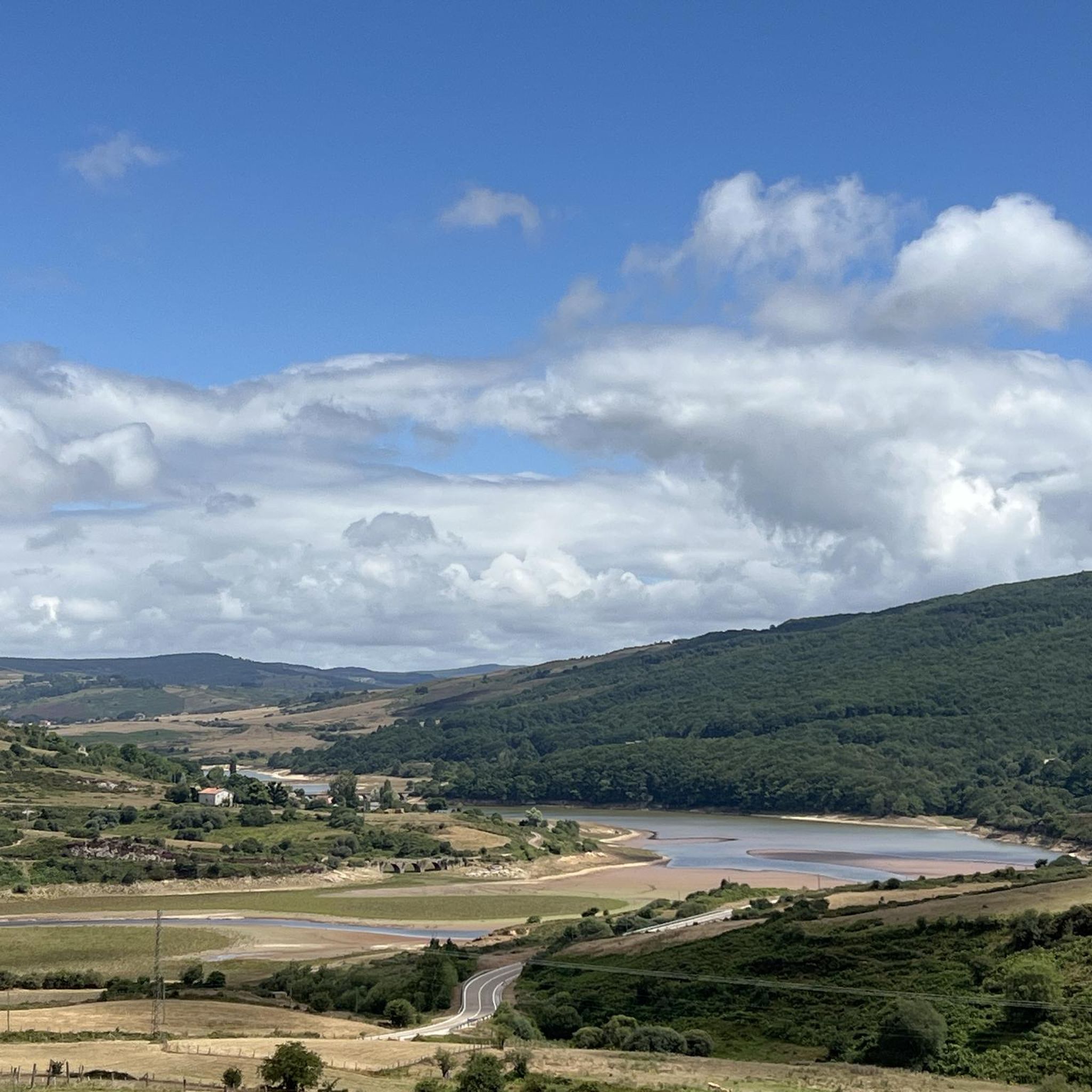
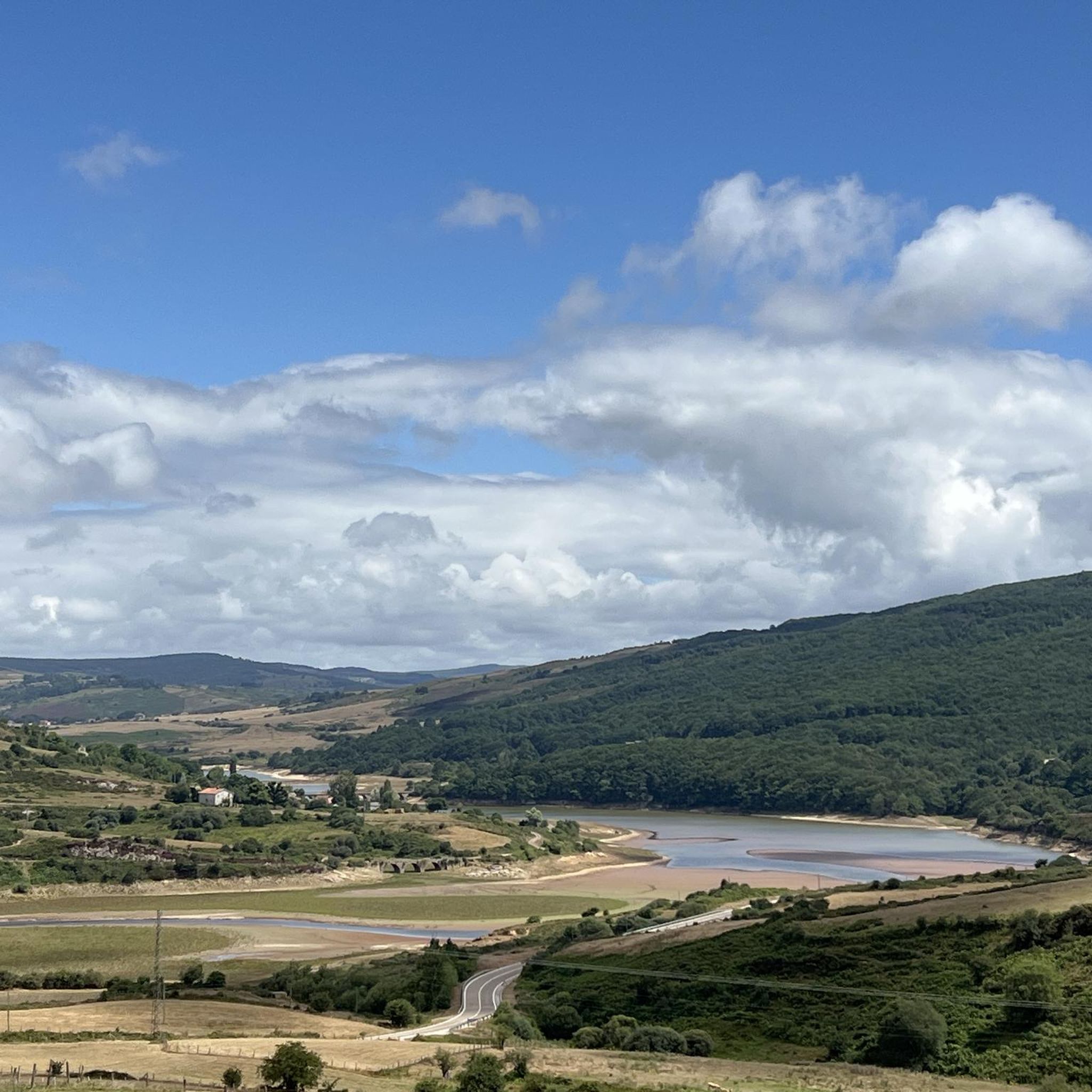
The Aguilar reservoir, inaugurated in 1964, plays a crucial role in regulating the Pisuerga River. With a height of 48 meters and a length of half a kilometer, the dam is one of the largest in the area. It is part of a set of three reservoirs and is considered a tourist attraction thanks to the "Ruta de los Pantanos".
1
0

Fontibre is a small town in the Brotherhood of Suso, just 5 km from Reinosa. Beautiful town and place, where the source of the Ebro River is traditionally located. In fact, the name Fontibre refers to the source of the Ebro, as it derives from the Latin Fontes Iberis ("sources of the Ebro") and is already cited by Pliny the Elder when he mentioned it. It is located near the Roman city of Julióbriga. It doesn't matter when you visit, or at the time of year, because you will always appreciate and enjoy this little walk through the place.
2
0

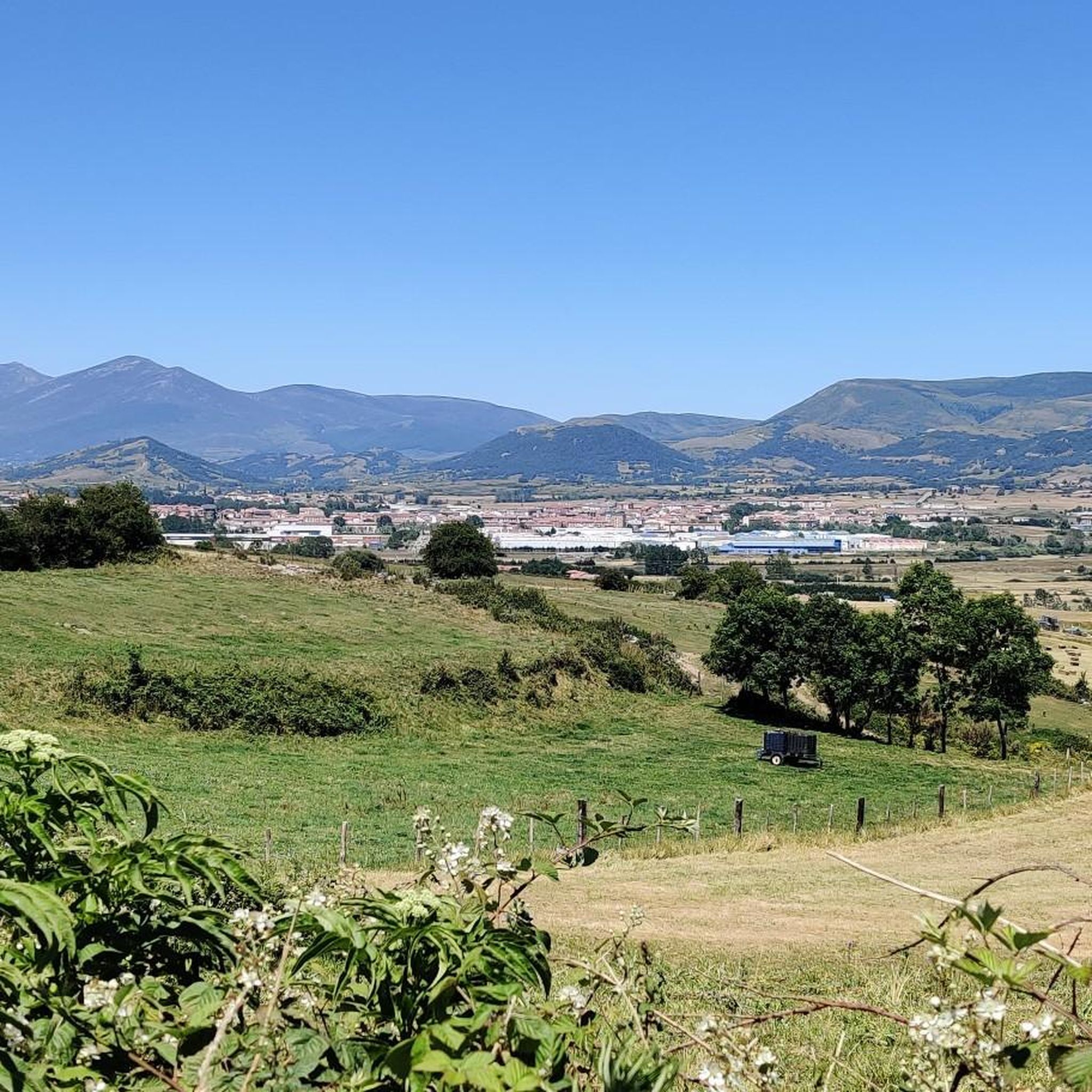
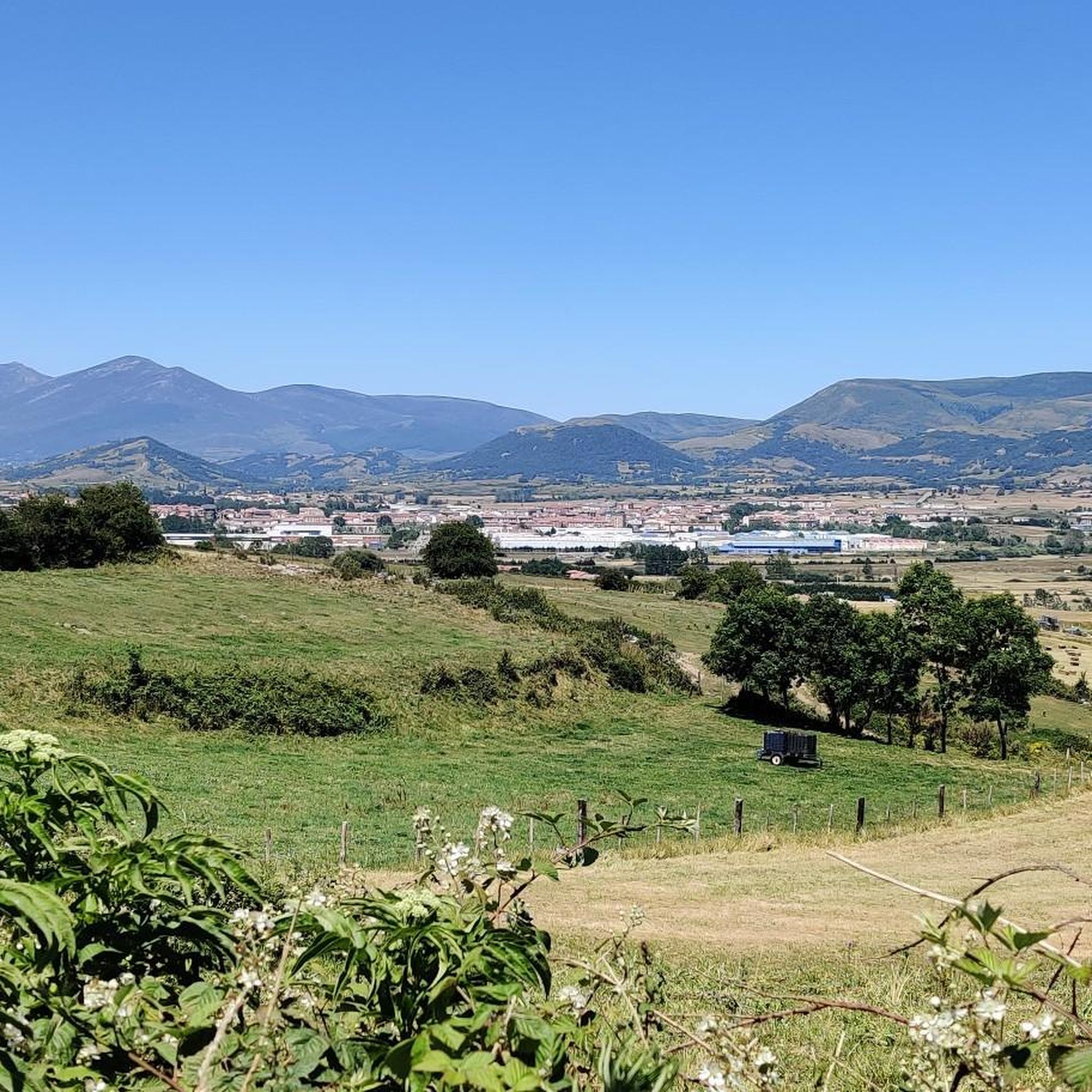
Located between high mountains far from the sea, the fascinating thing about this city is that it dates back to the Middle Ages, with an old town with interesting monuments to visit. The structure that stands out the most is the church of San Sebastián in the old center of the city. Furthermore, in the Town Hall Square you can see a set of ashlar buildings, built in the 16th and 17th centuries. Don't forget to try the city's most typical sweet, calf, which is a puff pastry with caramelized sugar.
1
0
The name Fontibre refers to the source of the Ebro – it derives from the Latin Fontes Iberis ("sources of the Ebro"). Fontibre is famous for having traditionally located the source of the Ebro river here, despite the fact that, in scientific terms, this is not exact. It is now known that the main source of the waters of the Ebro River is the Híjar River. By visiting the Visitor Center in the town, you can learn about the cultural, social and landscape diversity that the Ebro River has generated throughout history.
1
0
The name Fontibre refers to the source of the Ebro, as it derives from the Latin Fontes Iberis (sources of the Ebro). The town is famous for having traditionally located the source of the Ebro river here, despite the fact that, in scientific terms, this is not exact. Although it is now known that the main source of the waters of the Ebro River is the Híjar River
1
0
Frequently Asked Questions
What historical and cultural sites can I explore in Valdeolea?
Valdeolea is rich in history. You can visit numerous Romanesque churches like Santa Eulalia in La Loma, known for its mural paintings, or the Parish Church of San Juan Bautista in Mata de Hoz with its Gothic murals. Don't miss the 12th-century Hermitage of San Miguel de Olea. For a broader historical experience, the Historic Center of Reinosa offers an old town with monuments like the church of San Sebastián. Additionally, the Collegiate Church of San Miguel is a significant religious building with altarpieces and tombs from the 12th to 16th centuries.
Are there any archaeological sites to visit in Valdeolea?
Yes, Valdeolea offers fascinating archaeological sites. You can explore the Roman and Medieval Ruins of Rebolledo-Camesa, which show a chronology spanning from the 1st to the 10th century AD. The area is also notable for its high concentration of prehistoric menhirs. You can follow the Ruta de los Menhires, starting near Mataporquera, to discover these mysterious megalithic stones.
What natural attractions are there in Valdeolea?
Nature lovers will appreciate Valdeolea's serene landscapes. The Camesa River, the only Cantabrian river belonging to the Duero basin, flows through the region, supporting diverse flora and fauna. A must-see natural highlight is the Source of the Ebro River in Fontibre, traditionally considered the origin of one of Spain's most important rivers. You can also visit the Aguilar Reservoir, a significant man-made lake that plays a crucial role in regulating the Pisuerga River and offers scenic views.
What kind of outdoor activities can I do near Valdeolea?
Valdeolea is an excellent base for outdoor activities. You can enjoy hiking on trails like the 'Salcedillo, Puente Rojadillo, and Chozo Tonino Trail' or the 'Valdeolea Menhirs Trail'. For mountain biking, routes such as 'Cordovilla de Aguilar a Brañosera' offer challenging terrain. Road cyclists can explore longer routes like 'Embalse del Ebro – circular from Reinosa'. Find more details and routes on the hiking, MTB, and road cycling guide pages.
Are there family-friendly attractions in Valdeolea?
Many attractions in and around Valdeolea are suitable for families. The Source of the Ebro River offers an easy and pleasant walk for all ages. The Historic Center of Reinosa provides an interesting stroll through history. The Aguilar Reservoir is also a great spot for families to enjoy the views and natural surroundings.
Where can I see Romanesque architecture in Valdeolea?
Valdeolea is a key part of Cantabria's Romanesque route. Notable examples include the Church of Santa María de Hoyos, the Church of Santa Eulalia (La Loma), and the Parish Church of San Juan Bautista (Mata de Hoz). The 12th-century Hermitage of San Miguel de Olea and the Church of San Martín in San Martín de Hoyos are also significant examples of rural Cantabrian Romanesque style. Further afield, the Santa María la Real Monastery is a prominent Romanesque building.
What are some unique local experiences or 'hidden gems' in Valdeolea?
For a unique local experience, visit Molino La Vega, an old flour mill with over 200 years of history, where you can enjoy local products and cuisine. The Ruta de los Menhires offers a chance to explore ancient megalithic stones scattered across the landscape, providing a glimpse into early human settlements. Dining at La Cuchara del Camesa in Olea to try traditional stews like 'olla ferroviaria' is also a local favorite.
What do visitors enjoy most about the attractions around Valdeolea?
Visitors particularly enjoy the blend of history and nature. For instance, the Source of the Ebro River is appreciated for its historical significance and the pleasant walk it offers. The Santa María la Real Monastery is highly regarded for its rich history and the effective restoration efforts. The Historic Center of Reinosa is loved for its medieval charm and interesting monuments.
Are there any medieval fortifications or castles nearby?
Yes, you can find medieval fortifications in the area. The Torre de San Martín de Hoyos is a robust medieval tower that once guarded the valley. Nearby, though not directly in Valdeolea, is the impressive Castillo de Argüeso, a medieval castle with two towers that now serves as a cultural center, hosting various historical events.
What kind of wildlife can I observe in Valdeolea?
Valdeolea's diverse natural landscape, including forests and meadows, supports extensive wildlife. You might spot deer and various mustelids in the forests. The area is also a haven for birdwatchers, with numerous passerine and raptor species. White storks are a common sight, especially in areas like Villaescusa de Enmedio, which hosts a large colony.
Can I find places to eat traditional food near the attractions?
Absolutely. For traditional cuisine, consider visiting Molino La Vega, an old flour mill where you can enjoy local products. Another excellent option is La Cuchara del Camesa in Olea, renowned for its traditional stews, such as the 'olla ferroviaria'. If you visit Reinosa, don't forget to try 'calf', a local sweet puff pastry.
Most popular routes around Valdeolea
Most popular attractions around Valdeolea

Get inspired with the komoot mobile app


Explore more
Still not found the Highlight you’re looking for? See guides of the top attractions in other regions:
