Attractions and Places To See around Lobios - Top 20
Best attractions and places to see around Lobios include a rich blend of natural beauty, historical landmarks, and cultural sites. This municipality in Ourense, Galicia, Spain, is known for its therapeutic hot springs and proximity to significant protected areas like the Peneda-Gerês National Park. The region offers diverse landscapes, from river courses to mountain views, and features a rich archaeological and ethnographic heritage. It is also situated along the ancient Roman Way XVIII, or Via Nova.
Best attractions and places…
Last updated: October 9, 2026
Blue Pool
Highlight • Natural Monument
Tip by

Soajo Granaries
Highlight • Monument
Tip by

Sign up now to discover places like this
Get recommendations on the best single tracks, peaks, & plenty of other exciting outdoor places.
Sanctuary of Nossa Senhora da Peneda
Highlight • Religious Site
It is located in the parish of Gavieira, municipality of Arcos de Valdevez, within the Peneda-Gerês National Park, about 150 …
Translated by Google •
Tip by

Monastery of Saint Mary of Pitões das Júnias
Highlight • Religious Site
Translated by Google •
Tip by

Castro Laboreiro Castle
Highlight • Castle
Translated by Google •
Tip by

Sign up for free to discover even more attractions around Lobios.
Already have an account?
Start today with a free account
Your next adventure awaits.
Tips from the Community

A very interesting location with all the traditional granaries ("esquigueiros") clustered together on a large rock. The view from here is also very beautiful.
1
1

The Espigueiros of Soajo are one of the most iconic symbols of northern Portugal and the Peneda-Gerês National Park. They are traditional granaries built of stone and wood, designed to store corn and other grains. They are raised on pillars with "mouse stones" (circular slabs) to prevent rodents from entering. They are covered with gabled roofs and topped with crosses, reflecting the religious influence on rural life.
1
0
Sanctuary of Our Lady of Peneda, located in northern Portugal: It is located in the parish of Gavieira, municipality of Arcos de Valdevez, within the Peneda-Gerês National Park, about 150 km from Porto. [pt.wikipedia.org], [danielasan...araujo.com] It is built over a cave beneath a granite massif known as Penedo da Meadinha, in a spectacular location bordering a deep valley.
3
0

The Monastery of Santa Maria das Júnias is a ruined monastery, of which the church remains, located on the outskirts of Pitões das Júnias. The last Cistercian monk became the parish priest of the village of Pitões das Júnias in 1834, the date of the abolition of religious orders in Portugal. As a historical curiosity, it is worth noting that Dom Pedro de Pitões, one of the main drivers of the conquest of Lisbon from the Moors in 1147, was ordained bishop of Porto at this monastery.
0
0

These are the ruins of a Romanesque castle with a walled enclosure around a central tower with a cistern, located on the top of an isolated hill at 1,033 meters (3,389 feet) above the Minho and Lima rivers. It has an oval plan oriented north-south. The main entrance is the Porta do Sol, which opens to the east, while the Gate of Traitors, the Porta do Sapo, is located at the other end. The exit is well-maintained and normal for its location.
0
0

Built on a granite hill over 1,000 metres above sea level, the castle dominates the Laboreiro River valley, offering spectacular views of the surrounding landscape. Its origins are ancient, probably dating back to Roman or pre-Roman times, but the current structure mainly reflects medieval modifications and extensions, particularly during the Reconquista and the formation of the Kingdom of Portugal. The castle, although now in ruins, still preserves its defensive walls, part of the watchtower and the main gate, elements that testify to its strategic importance in controlling the borders. It is a symbol of the history and resistance of the region, and its isolated and wild location adds to its charm.
0
0

Nice walk but certainly not easy and not flat. Lots of scrambling and climbing First part was a lot of climbing but doable. Descent after the castle was sometimes difficult
0
2
The sanctuary was built between the end of the 18th century and the third quarter of the 19th century. The church was completed in 1875.
1
0
Frequently Asked Questions
What natural attractions can I explore near Lobios?
Lobios is surrounded by stunning natural beauty. You can visit the Blue Pool, a clear natural swimming pool perfect for a refreshing dip. The region is also known for the therapeutic Caldas de Lobios / Rio Caldo Hot Springs, with waters emerging at 35ºC to 45ºC. Additionally, the area is part of the vast Peneda-Gerês National Park and the Reserva de la Biosfera Transfronteriza Gerês-Xurés, offering diverse landscapes and the Cascata da Portela do Homem waterfall.
Are there any historical Roman sites to visit in the Lobios area?
Yes, the Lobios area is rich in Roman history. A significant site is Aquis Querquennis in Torneiros, which features the remains of a 1st-century AD Roman military camp that grew into a town. You can explore a forum, temple, amphitheater, and thermal baths. The region also lies on the ancient Roman Way XVIII, or Via Nova, which connected Braga and Astorga.
Where can I experience traditional Galician and Portuguese architecture and culture?
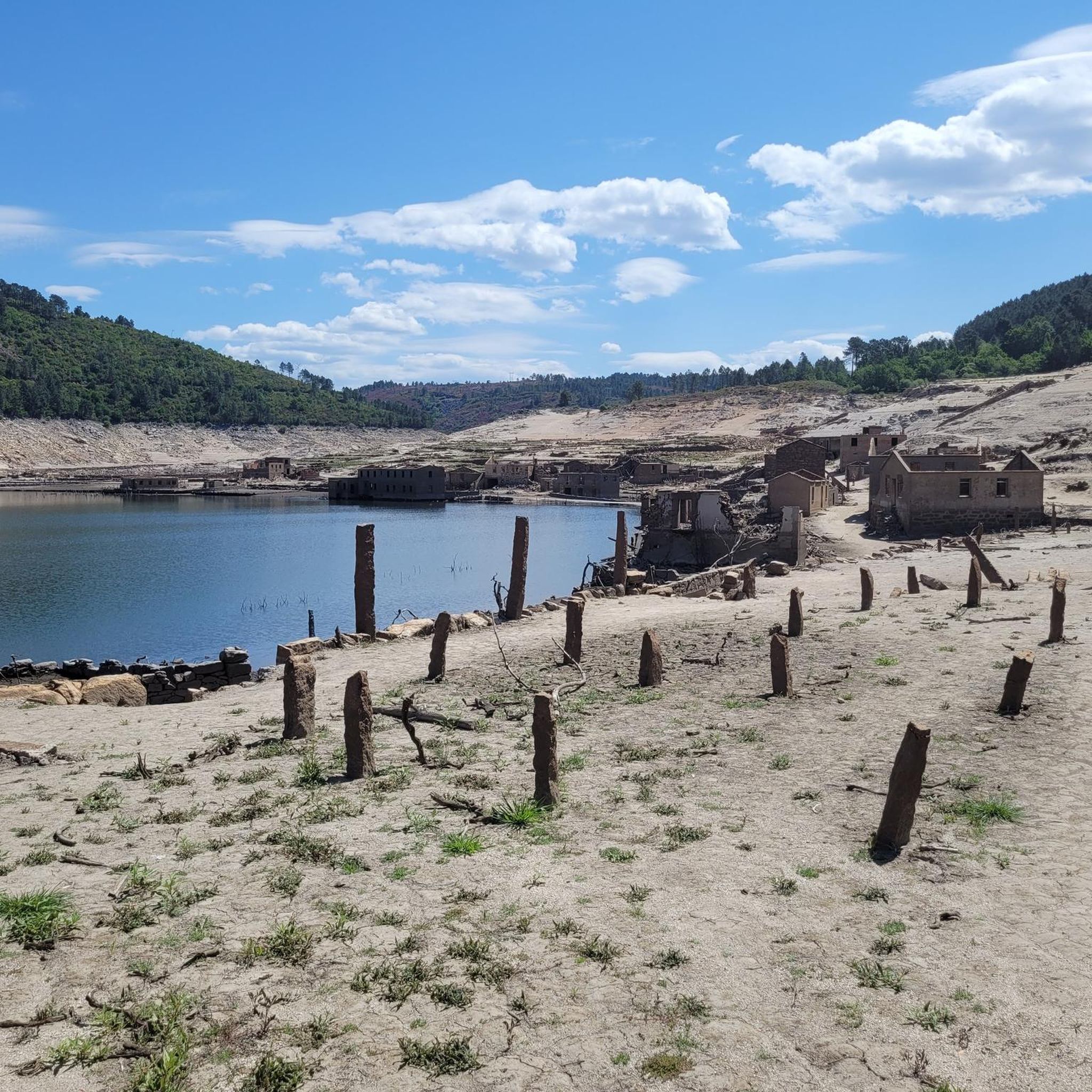
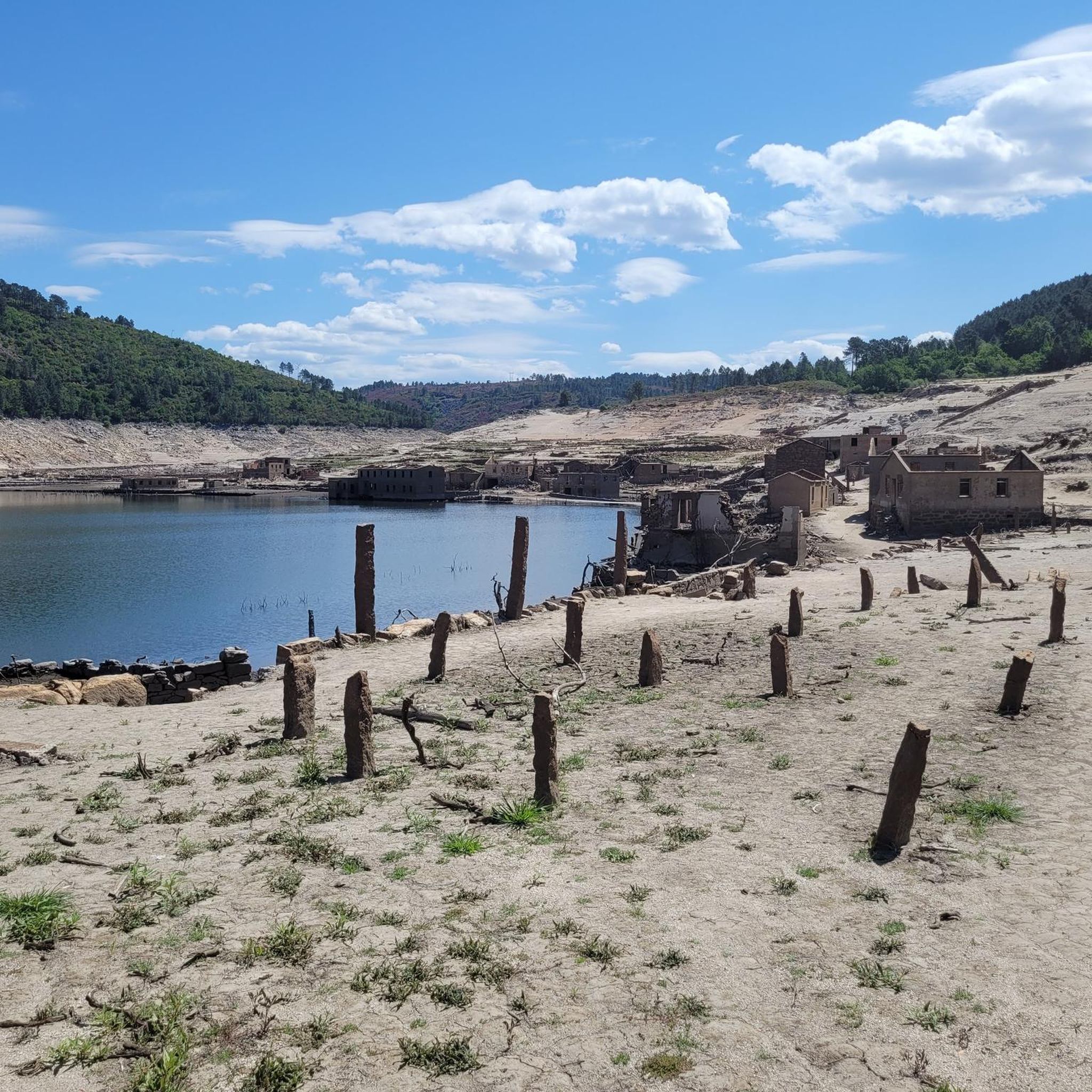
To experience traditional architecture, visit the Soajo Granaries, iconic stone and wood structures used historically to store grains. These 'espigueiros' are raised on pillars to deter rodents and are symbols of northern Portugal. Another unique cultural experience is the Aldea de Aceredo, a village submerged by a reservoir that periodically re-emerges during droughts, offering a poignant glimpse into the past.
What religious or spiritual sites are notable around Lobios?
The region hosts several significant religious sites. The Sanctuary of Nossa Senhora da Peneda, located within the Peneda-Gerês National Park, is built over a cave beneath a granite massif, offering a spectacular setting. You can also visit the ruins of the Monastery of Saint Mary of Pitões das Júnias, with roots potentially dating back to the 9th century, showcasing elements of its original Benedictine and Cistercian design.
Are there opportunities for thermal baths or hot springs near Lobios?
Absolutely. Lobios is renowned for its natural hot springs, known as Caldas de Lobios or Augas Termais do Rio Caldo. These thermal baths are free of charge and are believed to offer healing properties. Additionally, the nearby municipality of Bande features Roman Caldaria, providing another opportunity for a thermal experience.
What kind of outdoor activities and trails are available around Lobios?
The area around Lobios offers a wide range of outdoor activities. You can find numerous trails for running, mountain biking, and road cycling. For example, popular running routes include the 'Circular Ruta to Minas dos Carris' and 'Alto de Amoreira via the Mines of the Shadows'. Mountain bikers can explore the 'Lobios – vuelta por el río Lima y Minas das Sombras' or the 'Geira and Arrieiros Trail Loop'. Road cyclists might enjoy the 'Portela de Leonte Climb Trail'. You can find more details on these and other routes in the running, MTB, and road cycling guides for Lobios.
Are there any family-friendly attractions or activities in Lobios?
Many of the natural and historical sites around Lobios can be enjoyed by families. The Soajo Granaries offer an interesting cultural insight for all ages. Exploring the Peneda-Gerês National Park provides opportunities for easy walks and enjoying nature. The Blue Pool is also a great spot for families to cool off and enjoy a natural swimming experience.
What are some good viewpoints for scenic landscapes in the region?
For breathtaking views, the Peneda-Gerês National Park itself offers numerous scenic spots. The Sanctuary of Nossa Senhora da Peneda is situated in a spectacular location bordering a deep valley. Additionally, the ruins of Castro Laboreiro Castle, perched on a granite hill over 1,000 meters above sea level, provide commanding views of the Laboreiro River valley and surrounding landscapes.
What is the best time of year to visit Lobios for outdoor activities?
The best time to visit Lobios for outdoor activities like hiking and cycling is typically during the spring (April to June) and autumn (September to October). During these seasons, the weather is generally mild and pleasant, making it ideal for exploring the natural parks and historical sites. Summers can be warm, especially for strenuous activities, while winters are cooler and may have more rainfall.
Can I find any unique or 'hidden' natural spots near Lobios?
Beyond the well-known attractions, the Blue Pool offers a wonderfully clear and refreshing natural swimming spot, often described as a hidden gem by visitors. The periodic re-emergence of the submerged Aldea de Aceredo village during droughts also provides a unique and poignant natural phenomenon, revealing a lost settlement.
Are there any castles or ancient fortifications to visit?
Yes, the region boasts historical fortifications. The Castro Laboreiro Castle, though in ruins, offers a glimpse into medieval history with its defensive walls and watchtower, set in a dominant location on a hill. The Castle of Lindoso is another historic building nearby that provides insights into the region's past and strategic importance.
What is the Peneda-Gerês National Park known for, and how close is it to Lobios?
The Peneda-Gerês National Park, a vast natural area, is very close to Lobios and is known for its stunning landscapes, rich biodiversity, and opportunities for hiking and wildlife spotting. It boasts characteristic flora and fauna, including wolves, roe deer, mountain goats, and golden eagles. The park is also home to cultural sites like the Sanctuary of Nossa Senhora da Peneda.
Most popular attractions around Lobios

Get inspired with the komoot mobile app


Explore more
Still not found the Highlight you’re looking for? See guides of the top attractions in other regions:
