Attractions and Places To See around El Pueyo De Araguás - Top 20
Best attractions and places to see around El Pueyo De Araguás include a rich blend of historical landmarks and natural beauty. This charming village is nestled in the Aragonese Pyrenees, situated between the Cinca and La Fueva valleys at the foot of Peña Montañesa. The area offers a diverse range of experiences, from ancient monasteries to scenic natural features. Its strategic location provides a picturesque setting for exploration.
Best attractions and places to see around El Pueyo De Araguás
- The…
Last updated: October 9, 2026
Cruz Cubierta Monument
Highlight • Monument
Translated by Google •
Tip by

Ibón of Plan (Basa de la Mora)
Highlight • Lake
The name of Basa de la …
Translated by Google •
Tip by

Sign up now to discover places like this
Get recommendations on the best single tracks, peaks, & plenty of other exciting outdoor places.
Aínsa Old Town
Highlight • Historical Site
Showing Translation
Tip by

Aínsa Old Town
Highlight • Historical Site
Translated by Google •
Tip by

Bearded Vulture Observatory
Highlight • Viewpoint
The bearded vulture (Gypaetus barbatus, literally "bearded eagle-vulture") is a species of accipitriform bird in the family Accipitridae.2 …
Translated by Google •
Tip by

Sign up for free to discover even more attractions around El Pueyo De Araguás.
Already have an account?
Start today with a free account
Your next adventure awaits.
Popular around El Pueyo De Araguás
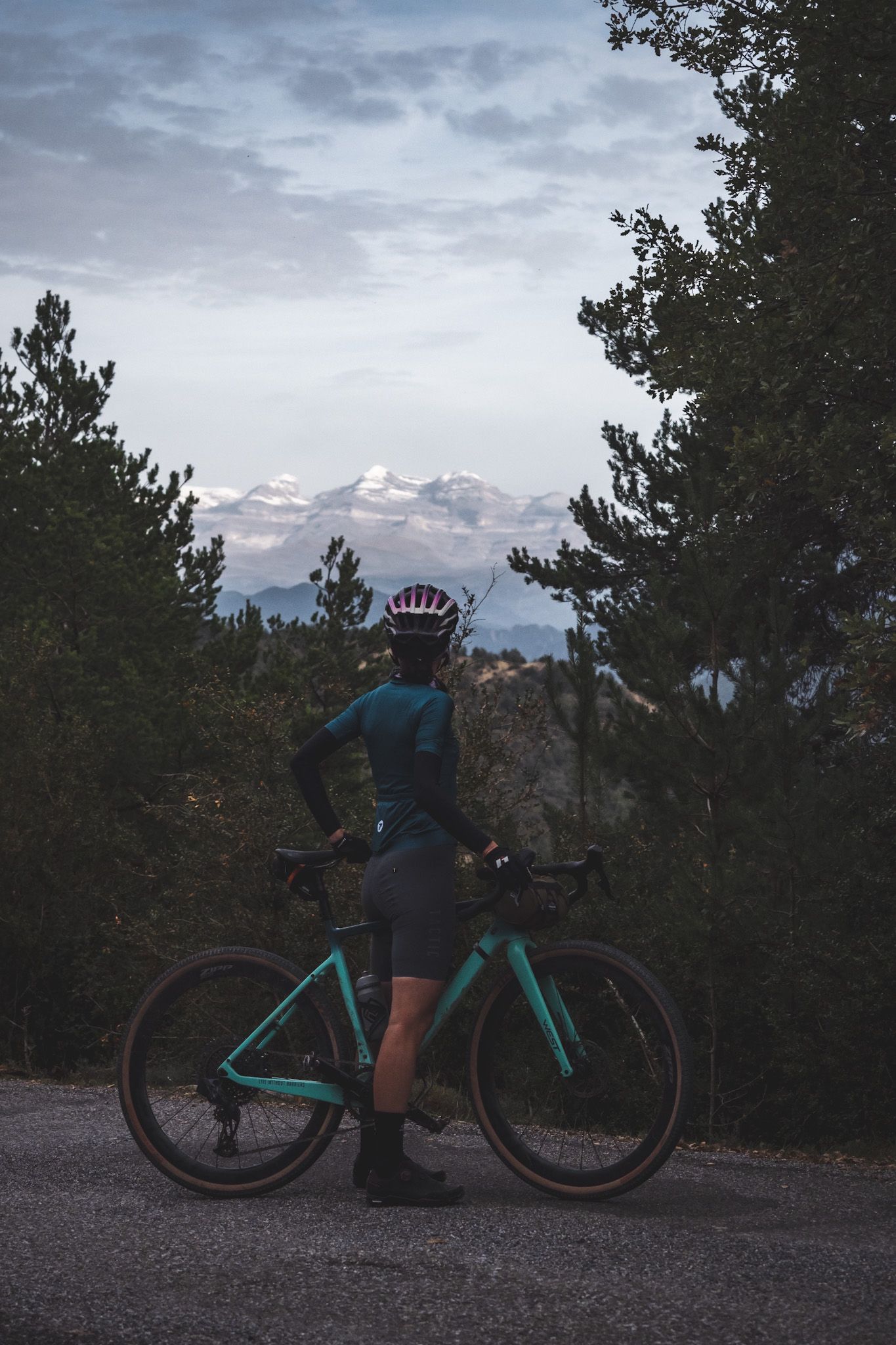
Where silence reigns - Grand Gravel Sobrarbe
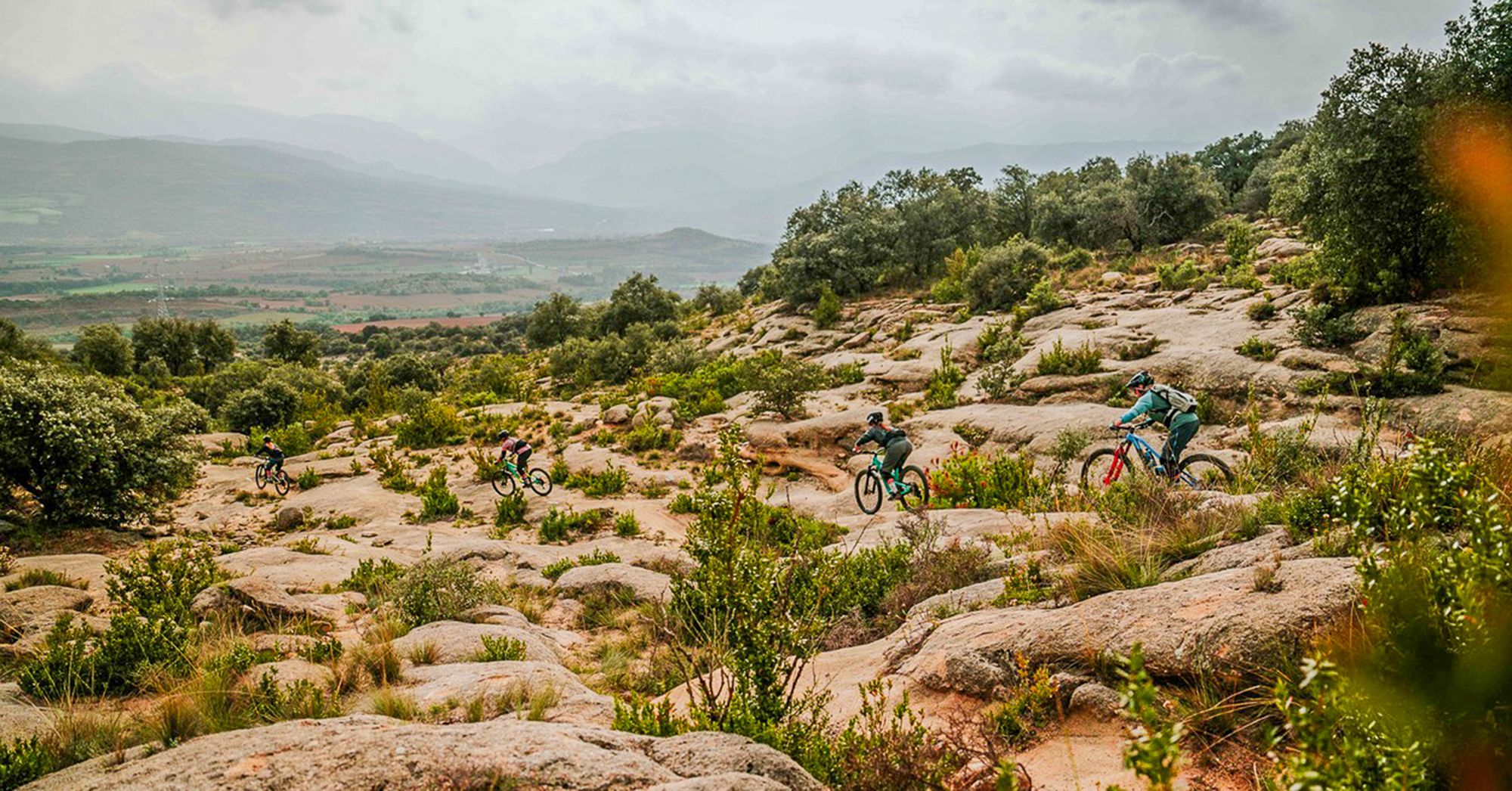
MTB trip through the Spanish Pyrenees
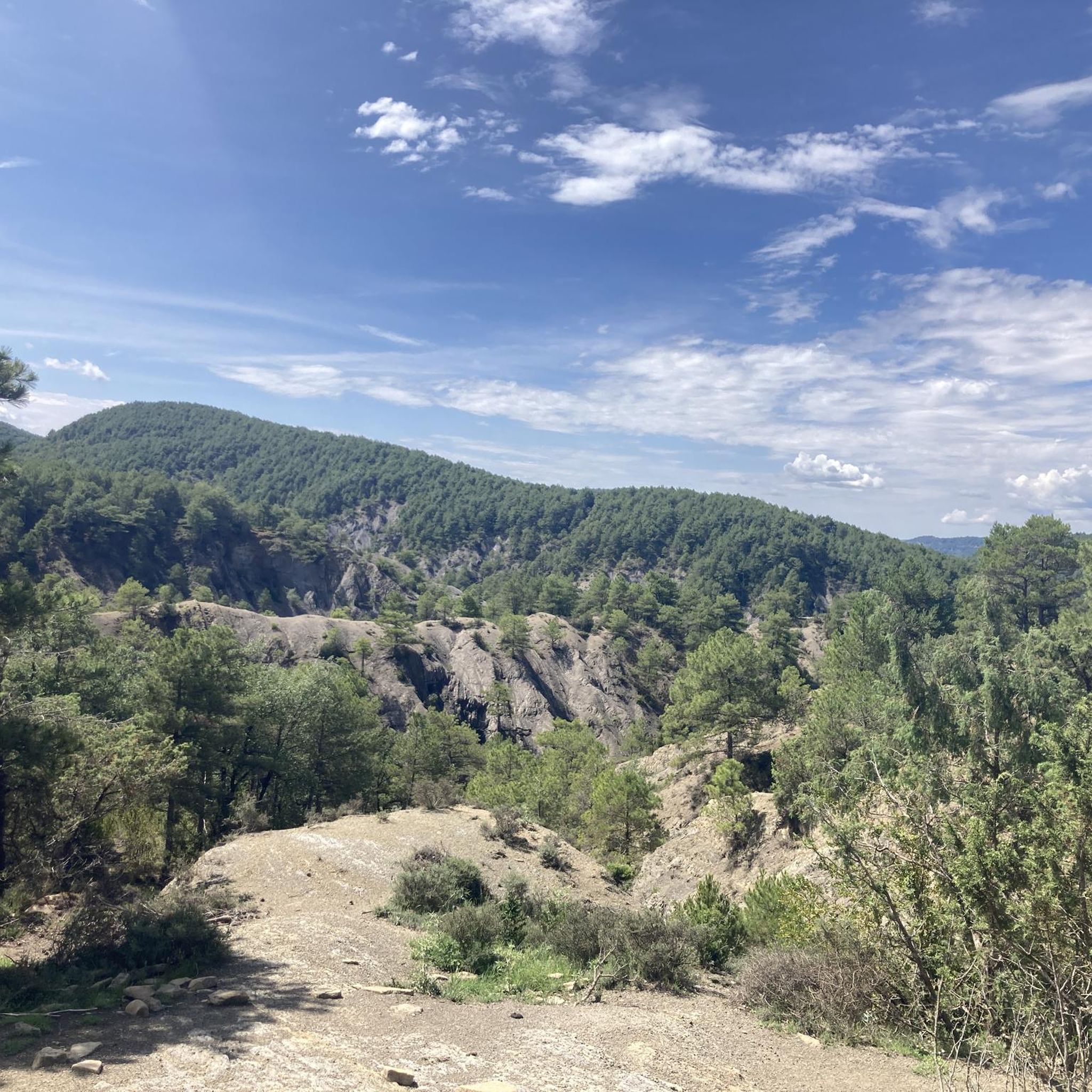
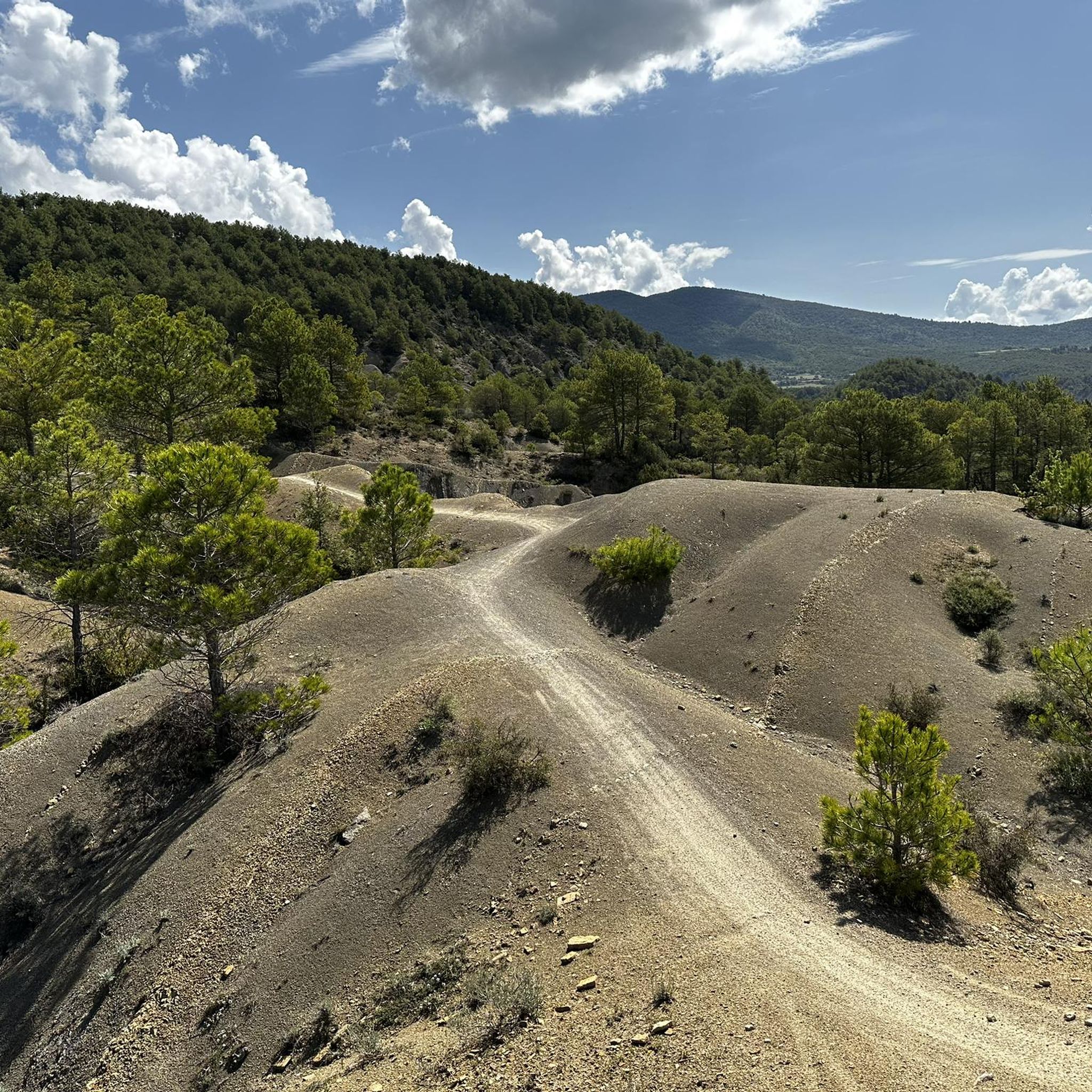
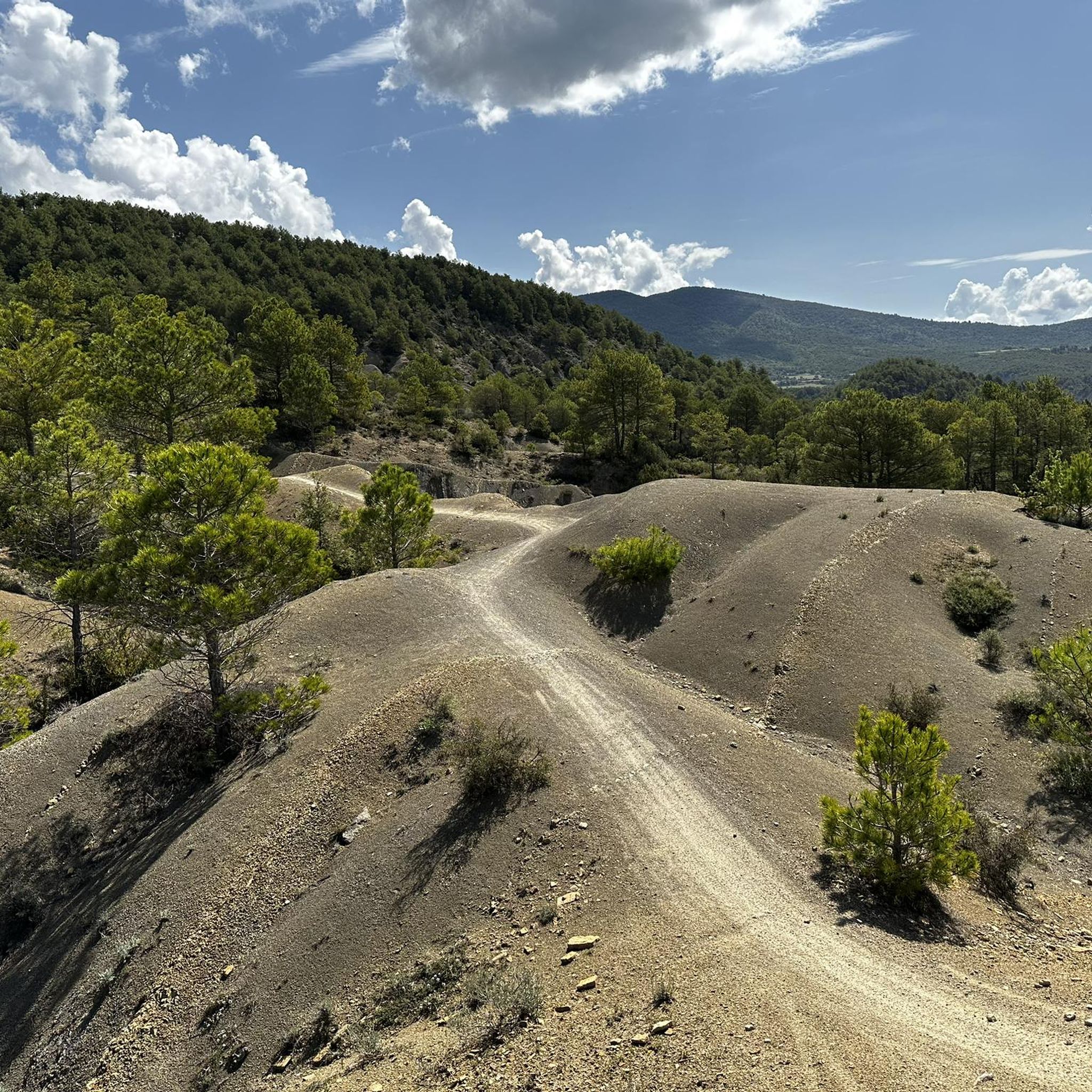
MTB Trails around El Pueyo De Araguás
Road Cycling Routes around El Pueyo De Araguás
Cycling around El Pueyo De Araguás
Hiking around El Pueyo De Araguás
Running Trails around El Pueyo De Araguás

Gravel biking around El Pueyo De Araguás
Other adventures around El Pueyo De Araguás


Tips from the Community

Even though this small sacred monument is not located on the famous Way of St. James through northern Spain, given the temple-like circular building with the cross standing here, perhaps some thoughts from Hape Kerkeling might be helpful as inspiration. The entertainer, famous primarily in Germany, walked the Camino Frances in 2001 and kept a diary, which was published under the title "Ich bin dann mal weg" (I'm Off Then). In it, he describes his personal encounter with God on the journey as follows: "Yesterday something struck a huge gong within me. And the sound will echo. Sooner or later, this path shakes everyone to their core. I know the sound will slowly fade, but if I prick up my ears, I will be able to perceive this echo for a very long time."
0
0

Access to the old town from the north, or of course in the other direction. Narrow paths and, in good weather, lots of pedestrians. Drive carefully!
0
0

They are very shy and only approach the feeding area when they feel safe. Please be very silent, don't move quickly and try to hide behind the bushes. Also keep this place a hidden gem and don't share it publicly
0
0

Observatory where you can watch the bearded vultures while they are fed. The bearded vulture (Gypaetus barbatus, literally "bearded eagle-vulture") is a species of accipitriform bird in the family Accipitridae.2 It is a vulture remarkably different from other similar birds of prey. It receives its name from its habit of collecting bones and shells to great heights to drop them, break them against the rocks and be able to ingest them to feed. It is a kind
1
1

Start from the motorhome / parking lot and before the pizza place turn left down the stairs to the river where all routers start approximately. Are you ready, delicious food. Wine and beer on the terrace in the sun. cheers
0
1

Small circular temple from the year 1665 that shelters the cross that commemorates the reconquest of Aínsa by the Christian warriors. Within the popular narrative of Muslim exile, this cross has its own legend.
2
0
One of the "capitals" of the Pyrenees, Aínsa is one of those postcard places that have ended up becoming tourist attractions. Its main square with a trapezoidal floor plan and lateral arcades automatically transports you to the many markets that have been held there for centuries. Despite being usually very crowded, it is worth a walk through its streets.
1
0

Here you can travel back in time a bit. I had a lot of fun strolling through the narrow streets. The old town of Aínsa has an extraordinarily harmonious, uniform overall appearance of densely packed houses, from which the beautiful collegiate church tower and the huge castle complex stand out. The latter has almost the same dimensions as the rest of the town. The walls that surrounded the castle are still almost completely preserved, and the numerous monuments on the castle grounds transport the visitor back to the Middle Ages. https://www.spain.info/de/reiseziel/ainsa/ https://de.wikipedia.org/wiki/A%C3%ADnsa-Sobrarbe
21
0
Frequently Asked Questions
What historical sites can I explore in El Pueyo de Araguás?
The region is rich in history. You can visit the Aínsa Old Town, a beautifully preserved medieval village with an intact castle and collegiate church. The village of El Pueyo de Araguás itself retains its medieval charm and traditional architecture. Don't miss the Hermitage of San Juan and San Pedro, the oldest documented hermitage in Sobrarbe, dating back to the 12th century. The Real Monasterio de San Victorián, considered one of Spain's oldest monasteries, is also a significant historical landmark nearby.
Are there any natural attractions or viewpoints in the area?
Absolutely. The stunning Ibón of Plan (Basa de la Mora) is a beautiful lake at 1,910 meters altitude, known for its local legend of a Moorish princess. For wildlife enthusiasts, the Bearded Vulture Observatory offers a unique chance to observe these magnificent birds in their natural habitat. The imposing Peña Montañesa provides a dramatic backdrop to the village, and various viewpoints offer unique perspectives of the mountainous landscape.
What kind of outdoor activities can I do around El Pueyo de Araguás?
The area is excellent for outdoor enthusiasts. You can find numerous MTB Trails, including challenging routes like 'Bajo Peñas' which are part of the wider Zona Zero network. There are also diverse Running Trails, from moderate loops around Aínsa Old Town to more difficult long-distance options. For road cyclists, there are scenic Road Cycling Routes, such as the 'Aínsa and Monastery of San Victorián Loop'.
Are there family-friendly attractions in El Pueyo de Araguás?
Yes, the region offers options for families. The Aínsa Old Town is considered family-friendly, offering an engaging historical experience for all ages. Exploring the medieval village of El Pueyo de Araguás itself can also be an enjoyable activity for families. Additionally, the 'Paseo de la Poesía' (Poetry Walk) in the village offers a unique and gentle cultural experience.
What is the 'Paseo de la Poesía'?
The 'Paseo de la Poesía' is a unique initiative by local residents in El Pueyo de Araguás. It's a poetic route that allows visitors to experience the village's charm while reading or listening to poems, offering a blend of culture and gentle exploration.
Can I find challenging trails for mountain biking?
Yes, the area is renowned for its challenging mountain biking trails. The Rocky trail towards Ainsa is part of Zona Zero, a wider mountain biking network that has hosted the Enduro World Series. These trails are known for their dusty red sand terrain and stunning rock formations, offering a technically challenging experience for experienced riders. You can find more details on MTB Trails around El Pueyo De Araguás.
What is the legend associated with Ibón of Plan (Basa de la Mora)?
The Ibón of Plan, also known as Basa de la Mora, is linked to a local folktale. It's said that a Moorish princess drowned in its waters while fleeing Christian troops. According to the legend, on the night of San Juan, those with a pure heart who wash their faces with the lake water can see the princess dancing on its surface.
What is special about the Real Monasterio de San Victorián?
The Real Monasterio de San Victorián is a highly significant historical site, considered by some experts to be the oldest monastery in Spain, with parts dating back to the 6th century. It features a slender church tower, a cloister, and sections of ancient walls. It's also recognized as one of the birthplaces of the Crown of Aragon and holds the status of a Site of Cultural Interest.
What is Casa Coronas?
Casa Coronas is a historically significant house in El Pueyo de Araguás. It holds the distinction of being the oldest documented house in the Sobrarbe region, with its origins traced back to 1519.
What do visitors enjoy most about the attractions around El Pueyo de Araguás?
Visitors particularly appreciate the blend of historical immersion and natural beauty. Many enjoy stepping back in time while strolling through the medieval streets of Aínsa Old Town and exploring its well-preserved castle. The stunning natural landscapes, such as the Ibón of Plan, and the opportunity for challenging outdoor activities like mountain biking on trails near Aínsa, are also highly valued.
Are there any religious buildings of note in the area?
Yes, besides the ancient Real Monasterio de San Victorián, you can visit the 16th-century Iglesia de la Santa Cruz in El Pueyo de Araguás, which showcases Aragonese Gothic architecture. The Hermitage of San Juan and San Pedro is another significant Romanesque religious site, dating to the 12th century. Additionally, there are smaller hermitages like Ermita de Santa Ana and Ermita de Santa Engracia.
What is the 'Ruta de San Victorián'?
The 'Ruta de San Victorián' is a cultural route designed to explore key locations and historical sites related to the life and legacy of Saint Victorián, offering a deeper insight into the region's religious and historical heritage.
Most popular routes around El Pueyo De Araguás
Most popular attractions around El Pueyo De Araguás

Get inspired with the komoot mobile app


Explore more
Still not found the Highlight you’re looking for? See guides of the top attractions in other regions:
