Attractions and Places To See around Cabrales - Top 20
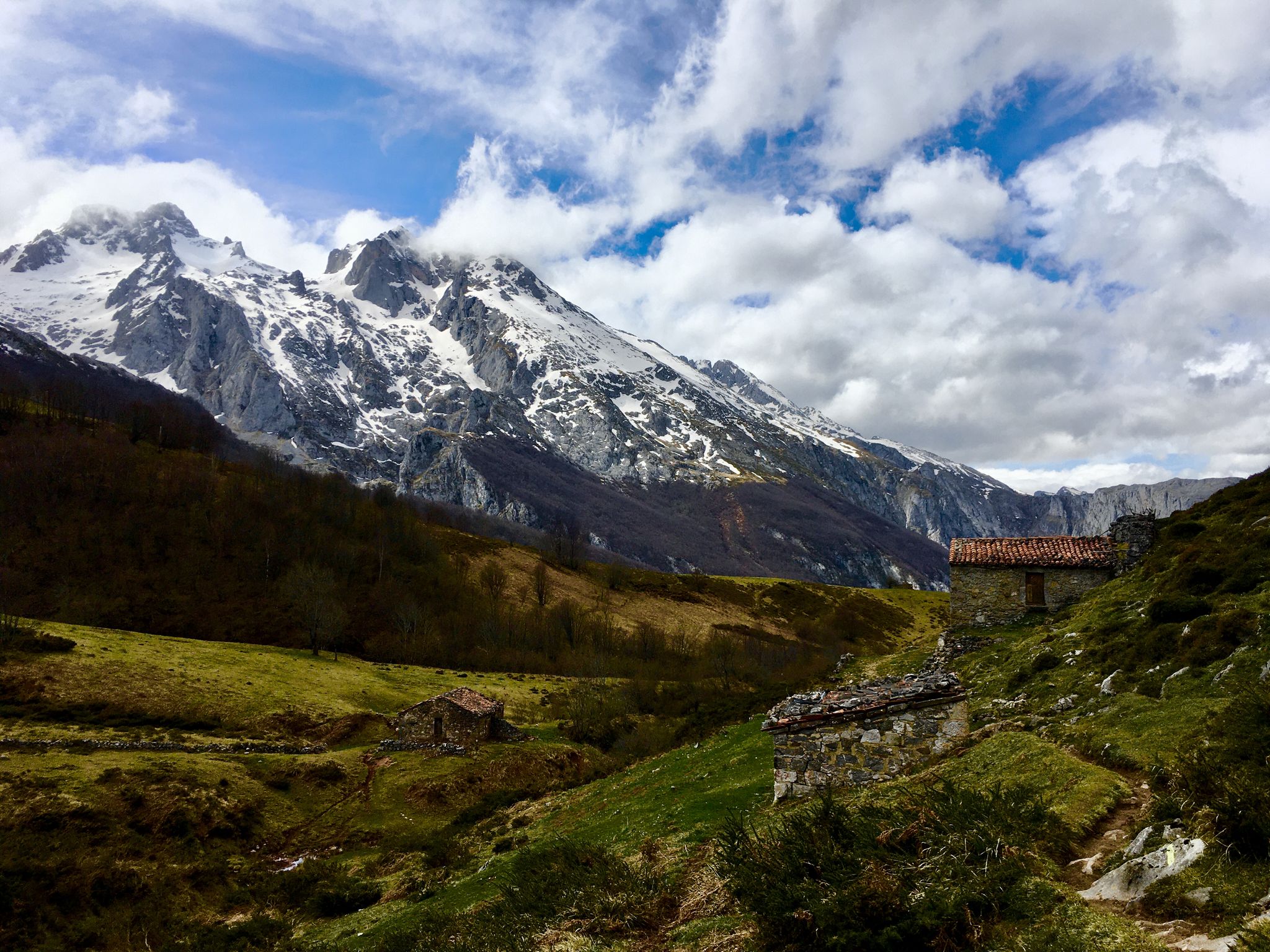
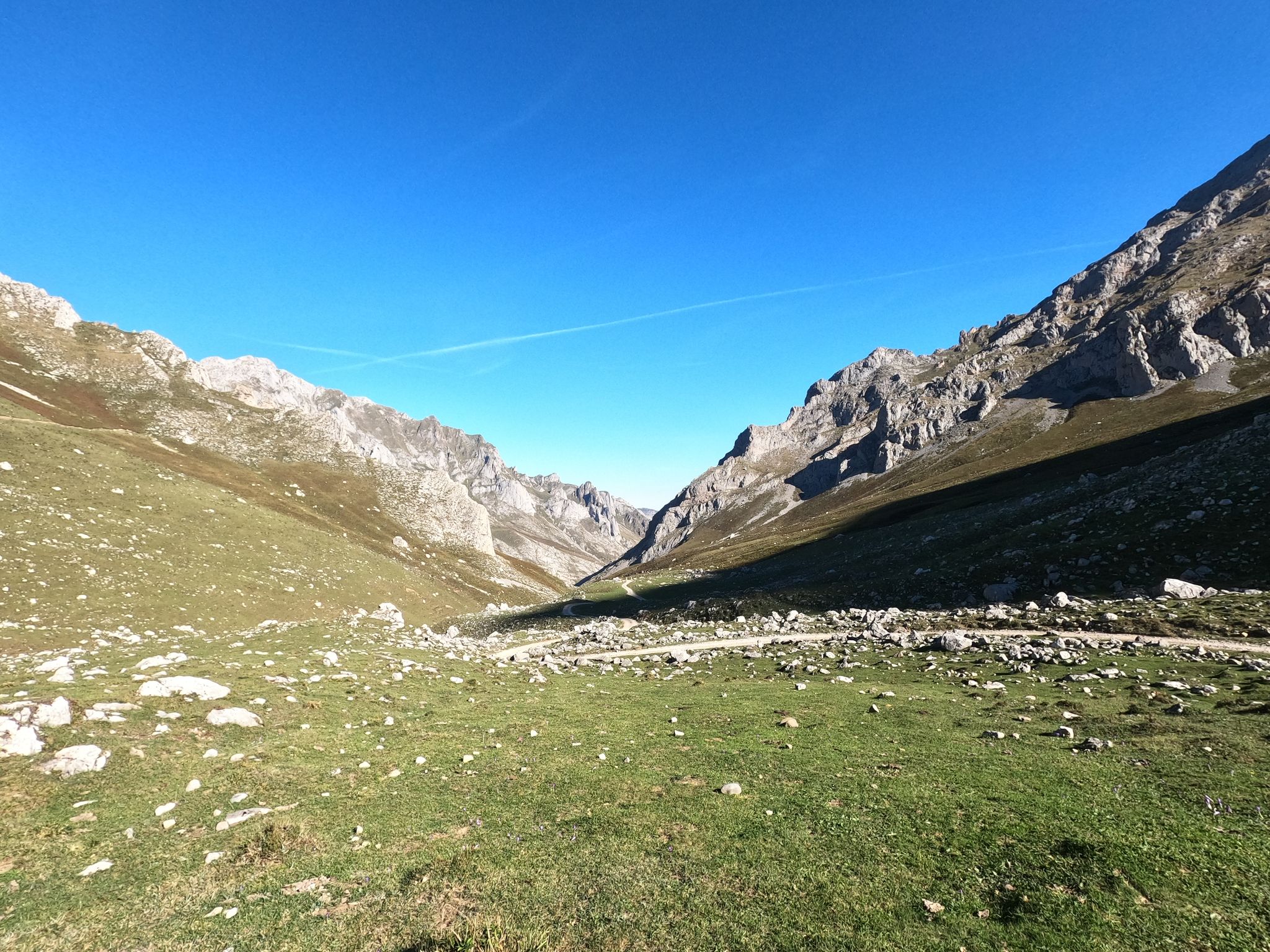
Best attractions and places to see around Cabrales are defined by its location within the Picos de Europa National Park in Asturias, Spain. This region features dramatic limestone peaks, deep gorges, and alpine meadows, making it a significant area for mountaineering and nature exploration. Cabrales is also recognized for its cultural heritage, including the production of its famous blue cheese. The area offers a blend of natural beauty and traditional Asturian life.
Best attractions and places to see around Cabrales
…Last updated: October 9, 2026
6 km on the Ruta del Cares
Highlight • Gorge
Translated by Google •
Tip by

El Cable Viewpoint
Highlight • Viewpoint
Translated by Google •
Tip by

Sign up now to discover places like this
Get recommendations on the best single tracks, peaks, & plenty of other exciting outdoor places.
Dwarves' Tunnels on the Cares Trail
Highlight • Structure
Translated by Google •
Tip by
Fuente Dé Cable Car
Highlight • Rest Area
Translated by Google •
Tip by

Ruins of the Shepherds’ Settlement on the Ruta del Cares
Highlight • Settlement
Translated by Google •
Tip by
Sign up for free to discover even more attractions around Cabrales.
Already have an account?
Start today with a free account
Your next adventure awaits.
Popular around Cabrales
Route of the Reconquest (GR 202) – In the footsteps of an army
From statue to statue – Reconquista Challenge
A pilgrimage to the peaks – Camino de los Santuarios
The secrets of the Cantabrian Mountains – GR 109 Asturias Interior
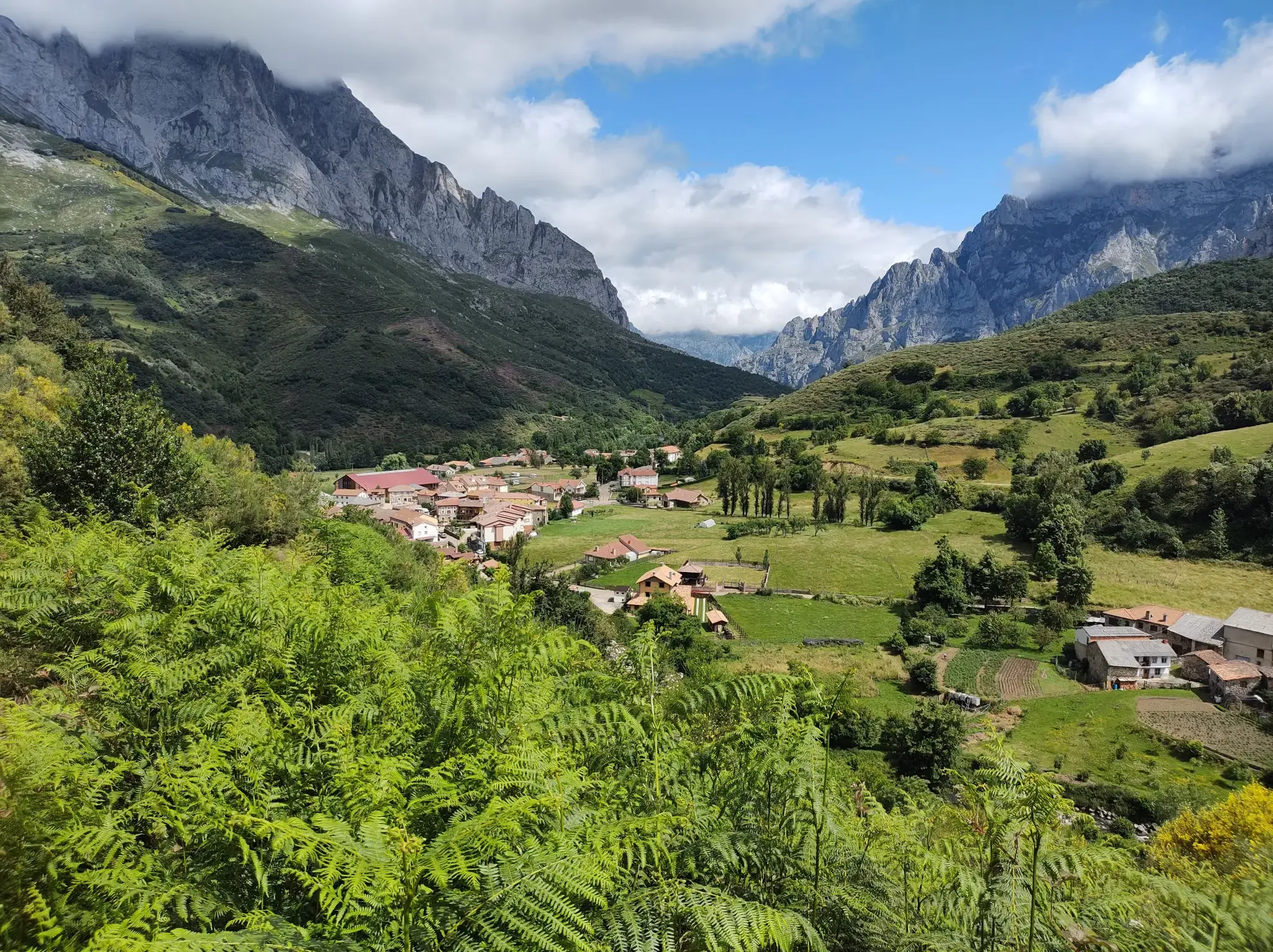
Hike Spain’s Picos de Europa – Ring of Peaks, Three Massifs
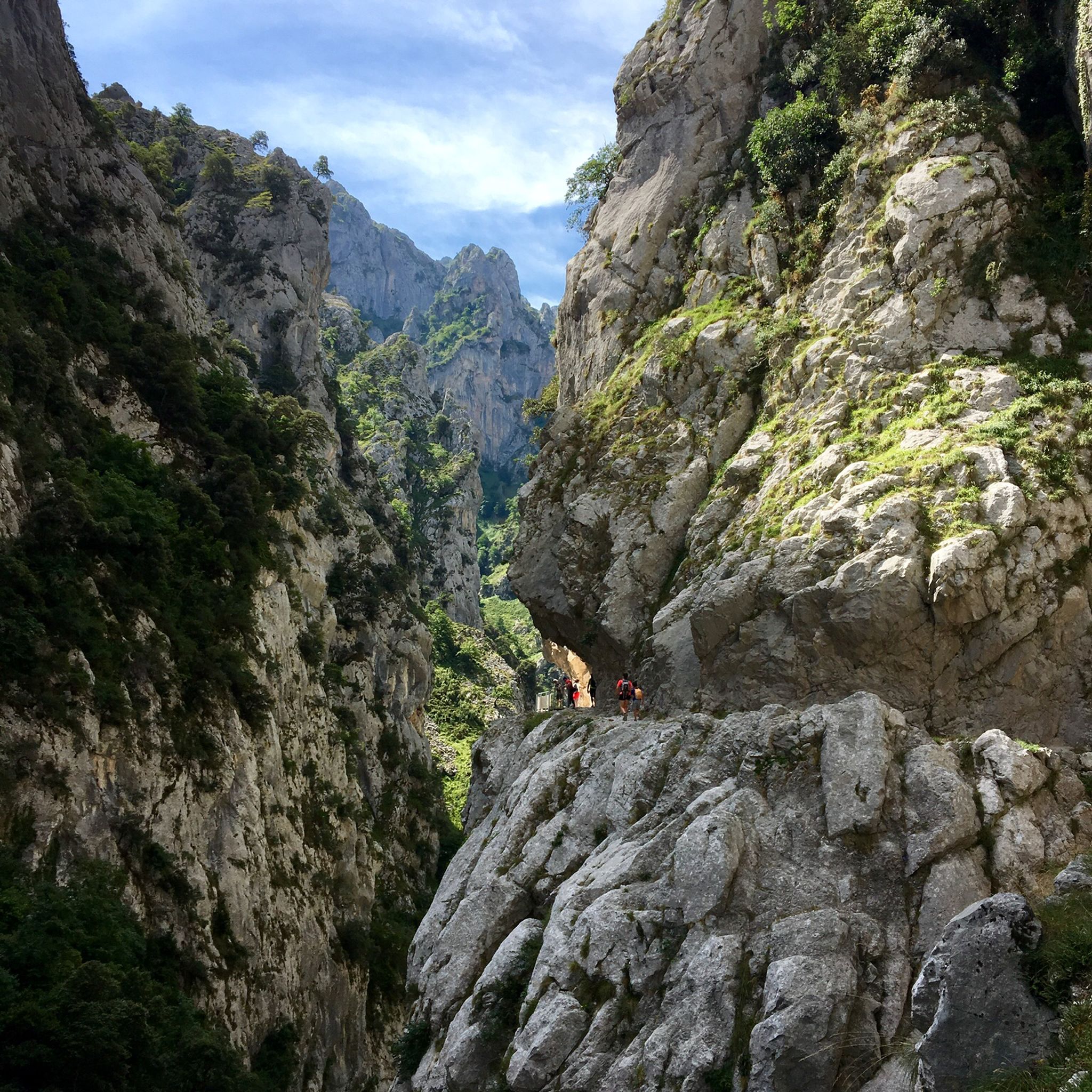
Hiking around Cabrales
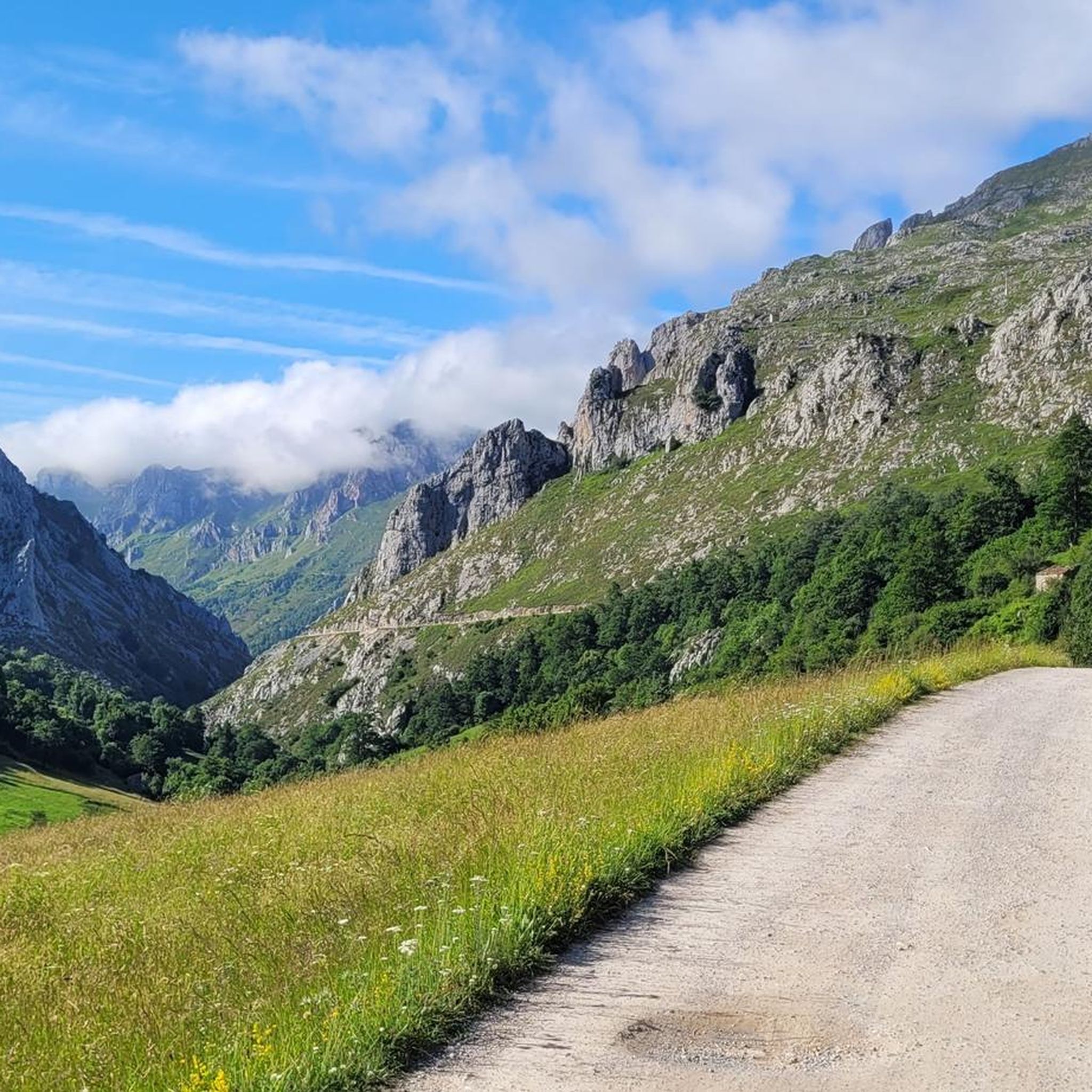
Running Trails around Cabrales
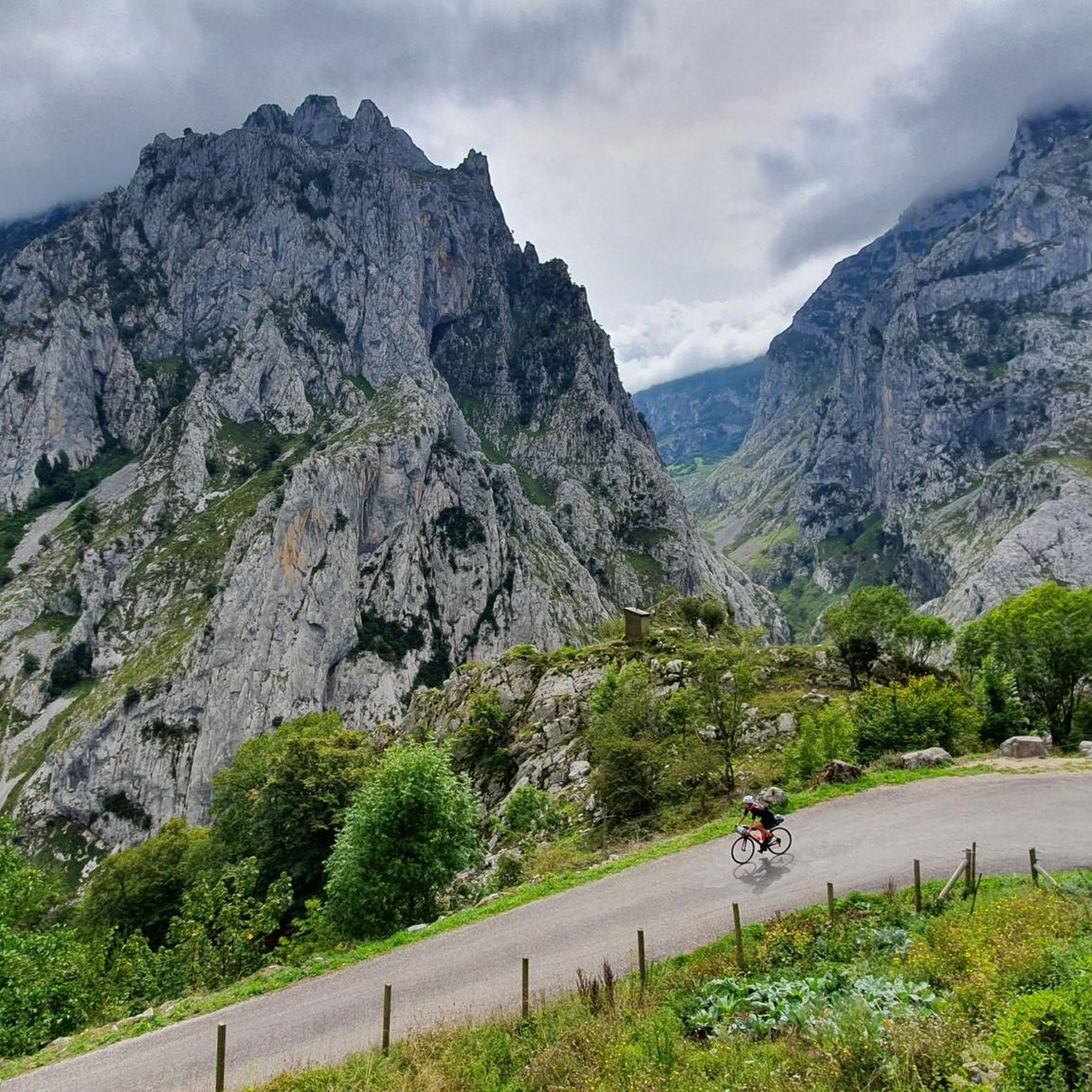
Road Cycling Routes around Cabrales
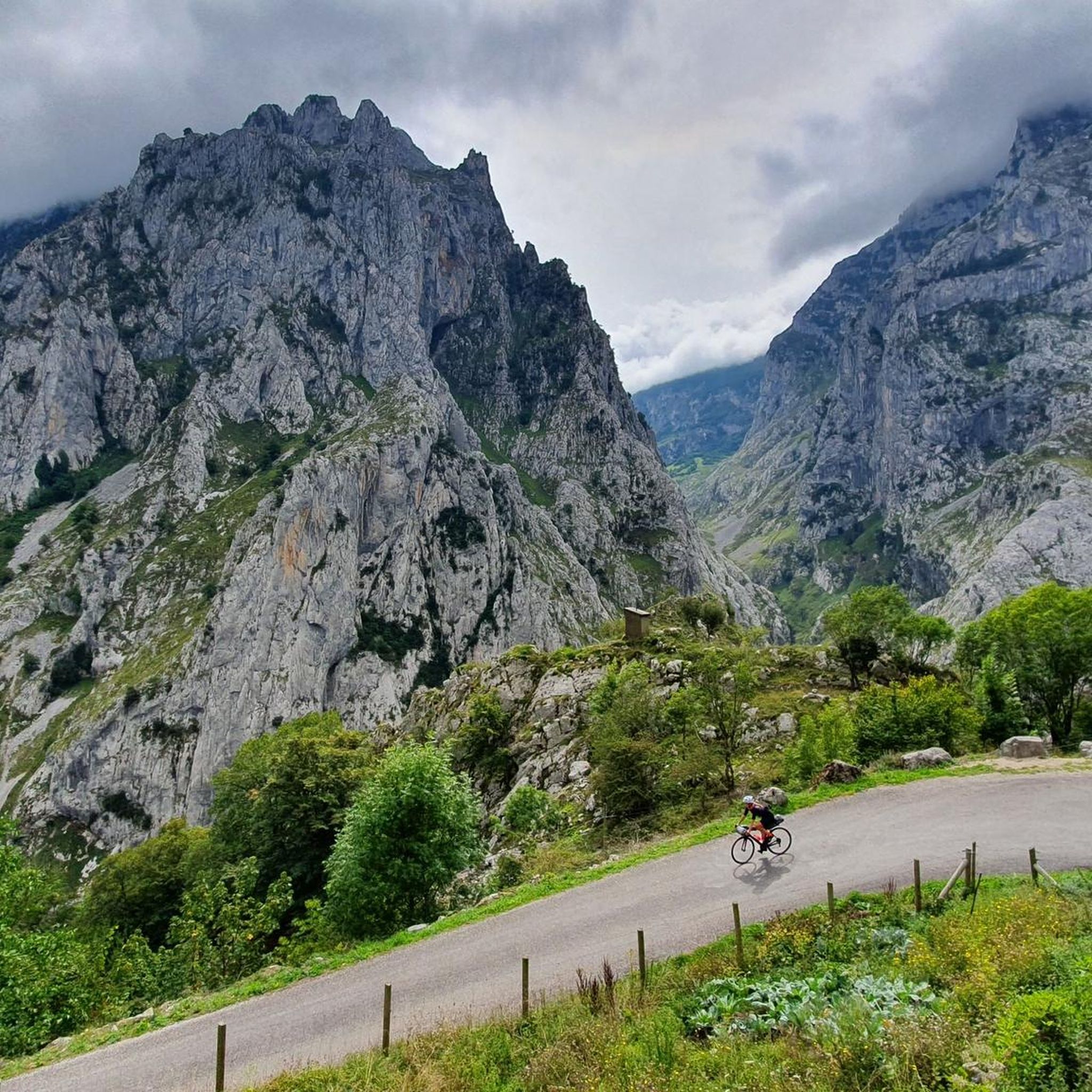
MTB Trails around Cabrales
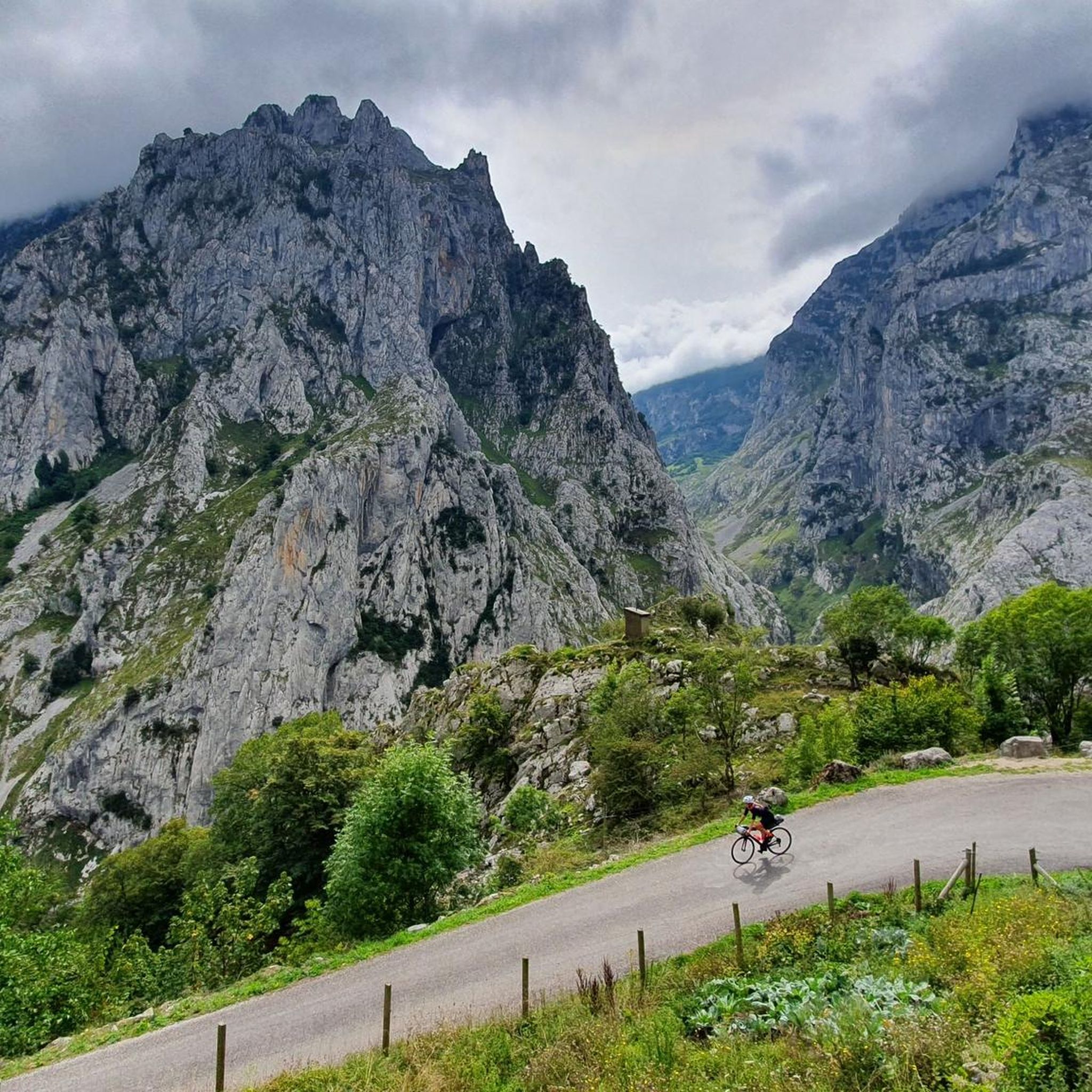
Cycling around Cabrales
Other adventures around Cabrales


Tips from the Community

Spectacular landscapes. The cable car ride also offers beautiful views. I visited/walked around there and loved it, I recommend it.👍🥾
0
0

Mega canyon in a mega backdrop
5
1
Great vantage point! Can be reached on foot by hiking along the Rio Duje.
2
0

A lush and diverse environment with abundant species of birds, ibex and other animals. In addition, the area is perfect for taking photos. And of course, one of the main attractions of Fuente Dé is its cable car, which ascends visitors to an altitude of around 1,823 meters. The cable car ride is spectacular and offers panoramic views.
5
0

Fuente Dé is a small, magical village. It actually has almost no houses, but rather a campsite and a parador, as well as its famous funicular railway for ascending to the Picos de Europa. Its glacial cirque, dotted with beech forests, and the source of the Deva River make it a geomorphological point of interest. The views from the village toward the vertical limestone walls of the Picos de Europa are incredible.
0
0

Here is a small series of short tunnels - one of the beautiful photo opportunities of the Ruta del Cares.
4
0
If you start in Poncebos, this is where the most beautiful part of the Ruta del Cares begins. From here to the dam wall just before Caín, the gorge gets narrower and narrower, the rock faces ever steeper - and the photos ever more beautiful. The rest of the way to Caín is almost completely flat and the path is very easy to walk, so that you can enjoy the divine to the fullest.
4
3
An abandoned small shepherd's settlement towards the end of the climb to the beginning of the Ruta del Cares - a nice photo opportunity or a first place to rest if you are struggling with the climb. Between the upper house and the lower buildings, the path leads over an old staircase - on the way back downhill you should be careful here, you can easily slip on the smooth limestone.
4
0
Frequently Asked Questions
What natural features define the Cabrales region?
Cabrales is primarily defined by its location within the dramatic Picos de Europa National Park. You'll find jagged limestone peaks like Picu Urriellu (Naranjo de Bulnes), deep gorges such as the one carved by the Cares River, and alpine meadows. The region also boasts the highest peak in the Cantabrian range, Torre Cerredo, and numerous deep caves.
Are there any famous hiking trails in Cabrales?
Yes, Cabrales is a gateway to some of the most spectacular hiking in the Picos de Europa. The most famous is the Ruta del Cares, often called the 'Divine Gorge', known for its stunning views and cliff walkways. Another option is the Monte Camba Circular Route for a less crowded experience.
What cultural experiences can I find in Cabrales?
Cabrales is renowned for its unique blue cheese. You can visit the Cabrales Cheese Cave-Exhibition in Arenas de Cabrales to learn about its production, enjoy a guided tour, and taste the cheese with local sidra. Traditional mountain villages like Bulnes and Asiegu also offer a glimpse into Asturian rural life.
Which villages are worth visiting in Cabrales?
Arenas de Cabrales is a vibrant hub and a key entry point to the Picos de Europa, offering shops, restaurants, and accommodation. Bulnes is a picturesque, historically isolated village accessible by funicular or trail, known for its traditional mountain life. Asiegu, an 'Exemplary Town of Asturias', offers splendid views, while Sotres is the highest village in the Picos de Europa, providing an authentic high-mountain experience.
Are there good viewpoints to see the Picos de Europa in Cabrales?
Absolutely. Cabrales offers several 'dream viewpoints' with panoramic vistas of the Picos de Europa, especially of Picu Urriellu. Notable ones include the Pozo de la Oración viewpoint near Poo de Cabrales, the Pedro Udaondo viewpoint in Asiegu, and the views from the villages of Camarmeña and Bulnes. The El Cable Viewpoint, accessible via cable car, also provides spectacular views of the central massif.
What kind of outdoor activities are available besides hiking?
Beyond hiking, Cabrales is excellent for various outdoor sports. You can explore numerous mountain biking trails, including routes like 'Sotres - circular via the Refugio Casetón de Ándara'. Road cycling is also popular, with challenging routes such as 'Jitu de Escarandi – round trip from Arenas de Cabrales along the Cares River'. For more details, check out the MTB Trails around Cabrales, Cycling around Cabrales, and Road Cycling Routes around Cabrales guides.
Are there family-friendly attractions or activities in Cabrales?
Yes, several attractions cater to families. The Fuente Dé Cable Car offers a thrilling ride with spectacular views that children often enjoy, leading to the El Cable Viewpoint. While the full Ruta del Cares can be challenging, shorter, easier sections or exploring the villages like Asiegu can be enjoyable for families.
What is the best time of year to visit Cabrales for outdoor activities?
The best time to visit Cabrales for outdoor activities like hiking and cycling is generally from late spring to early autumn (May to October). During these months, the weather is milder, and trails are typically free of snow and ice, making for safer and more enjoyable exploration of the Picos de Europa.
How can I access the Picos de Europa National Park from Cabrales?
Cabrales is situated within the Picos de Europa National Park, making access straightforward. Arenas de Cabrales serves as a primary hub. From there, you can drive to trailheads like Poncebos, the starting point for the Ruta del Cares. The Funicular de Bulnes also provides access to the isolated village of Bulnes within the park.
What makes the Ruta del Cares so popular?
The Ruta del Cares is popular due to its breathtaking scenery, featuring a deep gorge with impressive rocky gaps and cliff walkways. It offers a unique experience of walking through 71 tunnels carved into the rock, such as the Dwarves' Tunnels on the Cares Trail, providing spectacular views of the Cares River and the surrounding Picos de Europa.
Are there any historical sites or archaeological finds in Cabrales?
Cabrales has a rich prehistoric past. While many cave paintings, like those in Cueva de la Covaciella, are not visitable, reproductions exist. The region also features historical architecture, such as the 17th-century Palacio de Cernuda in Poo de Cabrales, and ancient churches like Santa María de Llas in Arenas, showcasing Romanesque and Renaissance styles. You can also find Ruins of the Shepherds’ Settlement on the Ruta del Cares.
What do visitors particularly enjoy about the attractions in Cabrales?
Visitors frequently praise the spectacular views and the immersive natural beauty of the Picos de Europa. The unique experience of hiking trails like the Ruta del Cares, with its impressive rocky gaps and tunnels, is highly valued. The cultural insight gained from visiting traditional villages and learning about Cabrales cheese production also leaves a lasting impression.
Most popular routes around Cabrales
Most popular attractions around Cabrales

Get inspired with the komoot mobile app


Explore more
Still not found the Highlight you’re looking for? See guides of the top attractions in other regions:
