The best cycling routes around Talavera De La Reina
4.1
(60)
1,046
riders
115
rides
Touring cycling routes around Talavera De La Reina are situated on the fertile plains of the Tagus and Alberche rivers in the province of Toledo, Spain. The region features diverse landscapes, including riverside trails along the Tagus River and the dedicated La Jara Greenway. Cyclists can explore areas ranging from farmland to the distinct natural scenery of the Toledo steppe. For more challenging rides, the Sierra de San Vicente offers varied terrain.
Best touring cycling routes around Talavera De La…
Last updated: August 30, 2026
30.6km
01:49
80m
80m
Easy bike ride. Great for any fitness level. Mostly paved surfaces. Suitable for all skill levels.
1
riders
Hard bike ride. Very good fitness required. Mostly paved surfaces. Suitable for all skill levels.

Sign up for free
1
riders
52.4km
03:36
600m
600m
Cycle the challenging 32.5-mile Talavera de la Reina and Senda de Viriato Loop, featuring diverse terrain and scenic views.
1
riders
Moderate bike ride. Good fitness required. Mostly paved surfaces. Suitable for all skill levels.
85
riders
90.0km
07:31
840m
840m
Hard bike ride. Very good fitness required. Mostly paved surfaces. Suitable for all skill levels.
Get access to more routes and recommendations from other explorers.
Sign up for free
Already have an account?
Our route recommendations are based on thousands of hikes, rides, and runs completed by other people on komoot.
Start today with a free account
Your next adventure awaits.
Login or Signup
Popular around Talavera De La Reina
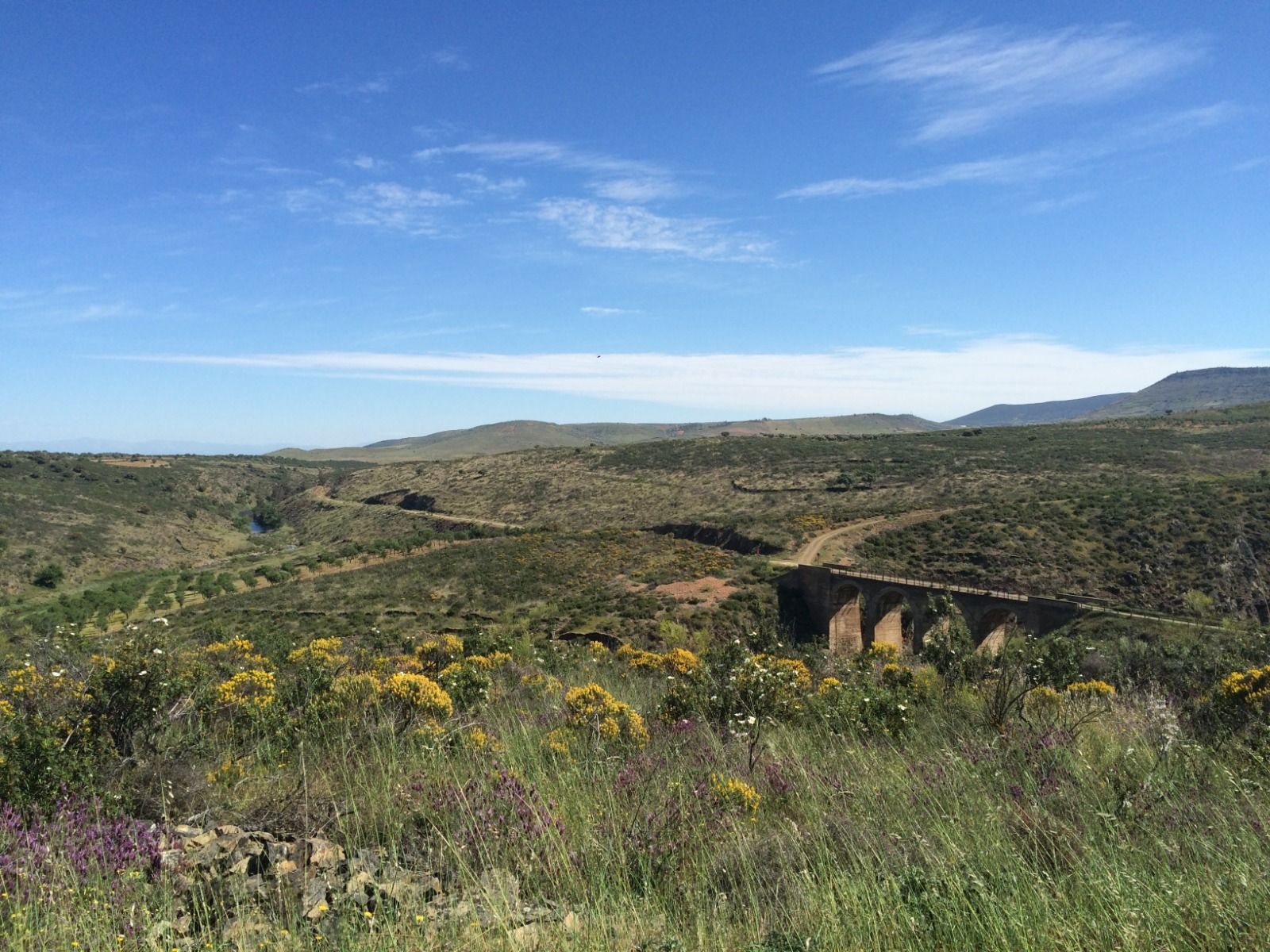
A gravel pilgrimage – Toledo to Guadalupe (GR 166)
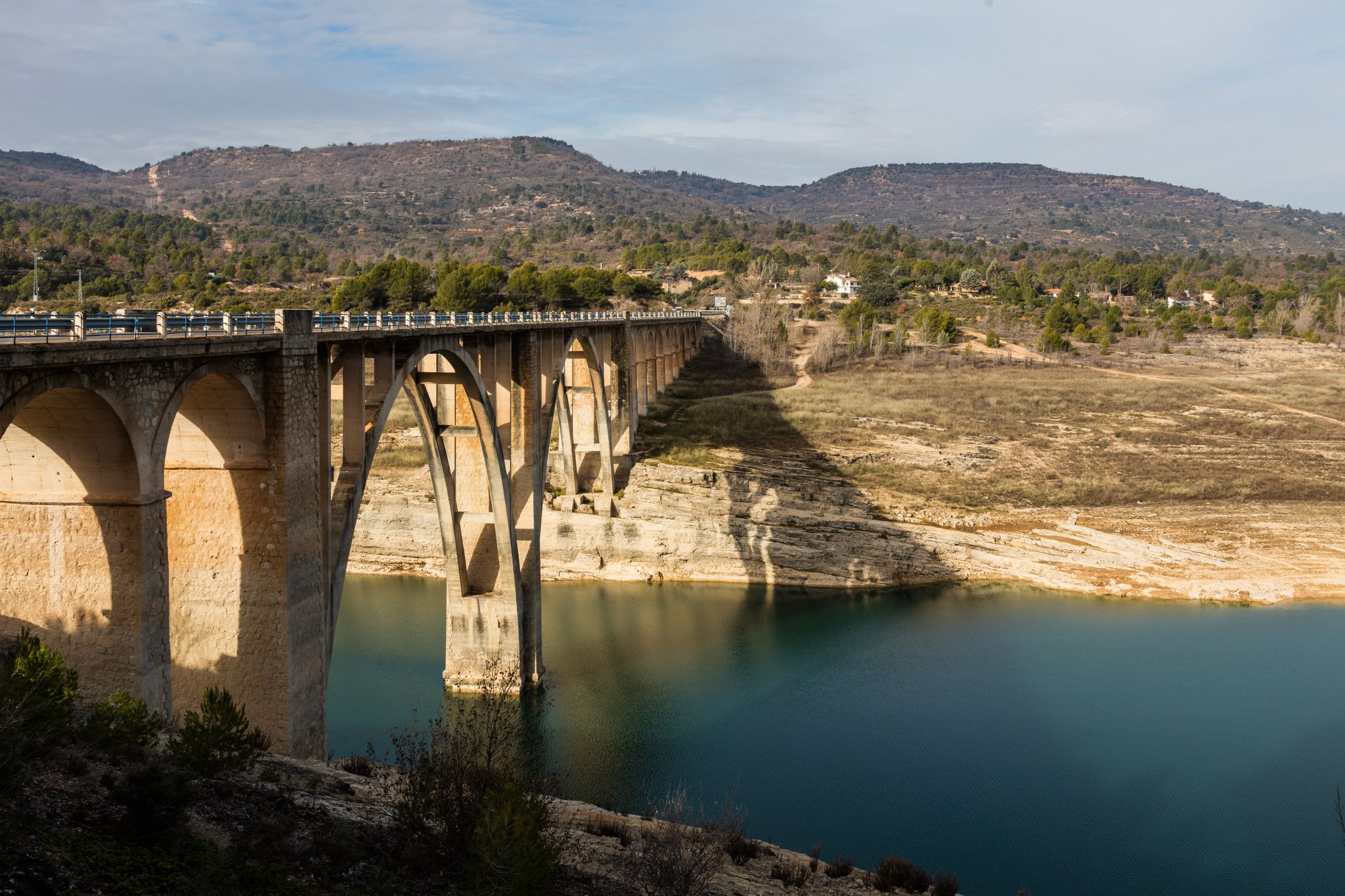
A journey on the Iberian Peninsula – Tagus Nature Trail
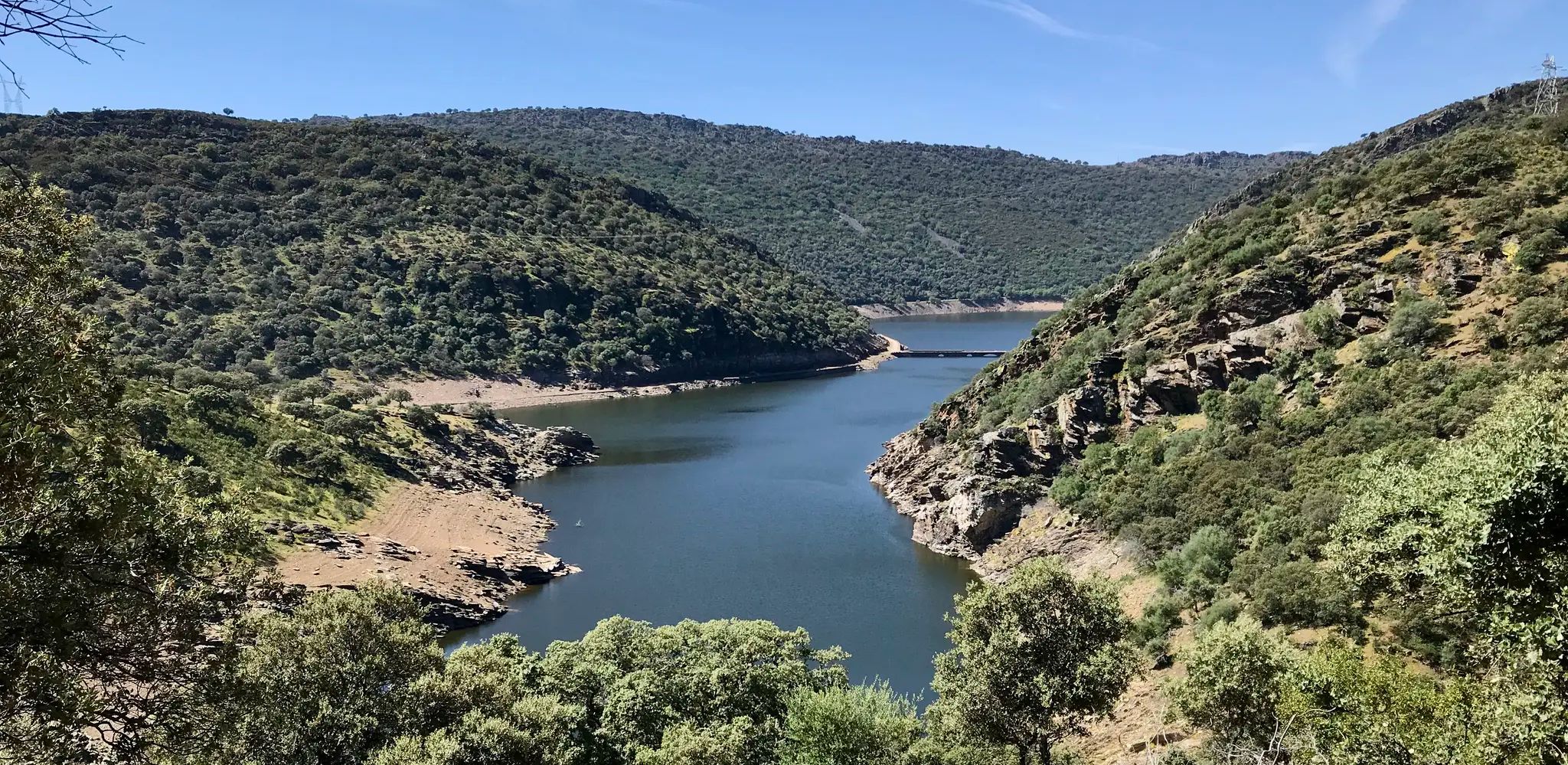
Toledo to Cedillo – Camino Natural del Tajo West
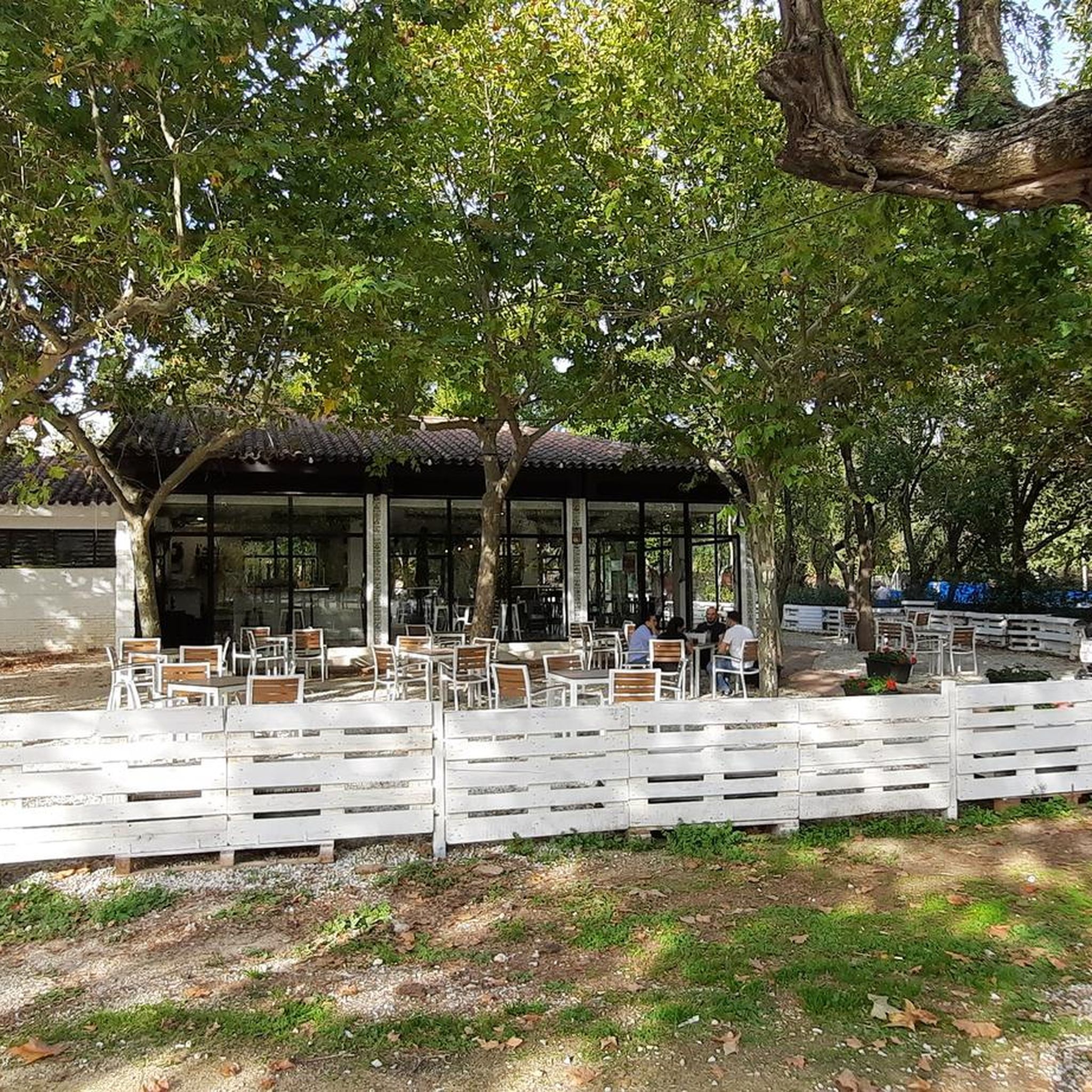
Road Cycling Routes around Talavera De La Reina
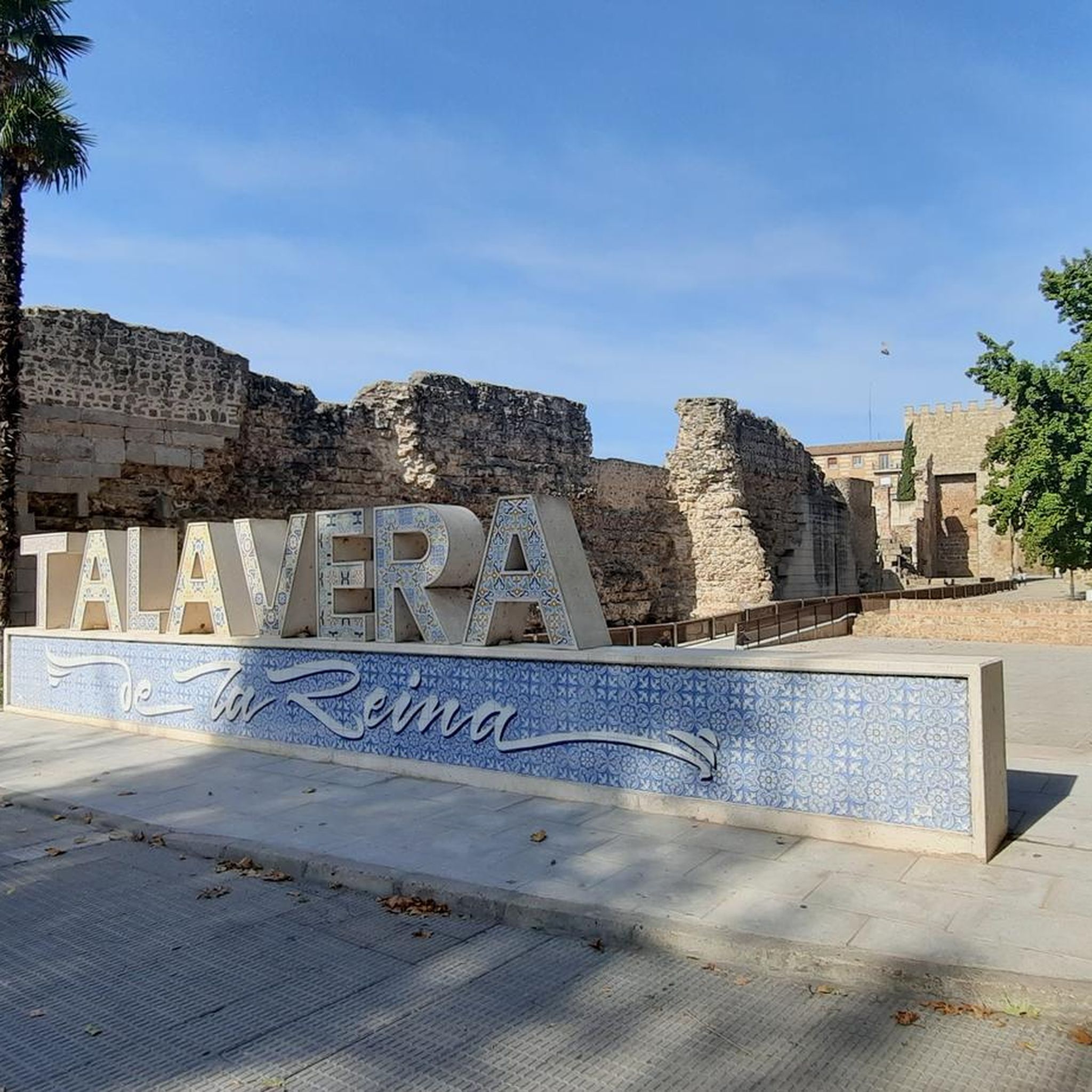
Hiking around Talavera De La Reina
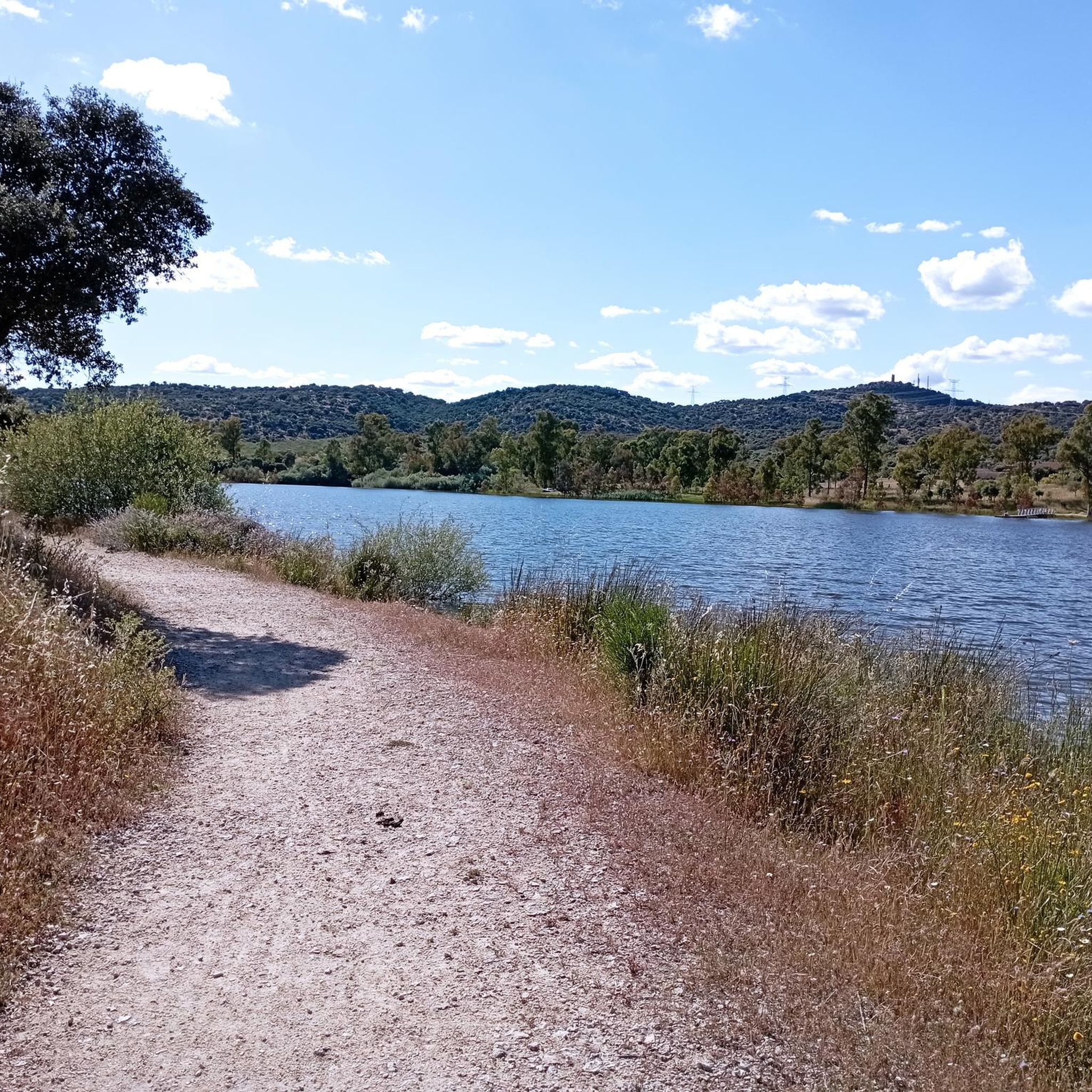
MTB Trails around Talavera De La Reina

Running Trails around Talavera De La Reina

Gravel biking around Talavera De La Reina


Tips from the Community

The Basilica of Our Lady of the Prado is located in Talavera de la Reina. The church was built in the 16th century in the Renaissance style, on the foundations of an old Mudéjar temple. Tradition holds that it was a Roman temple where the goddess Ceres was worshipped, Christianized in 602 by Liuva II to house the image of Our Lady of the Prado, who is now the city's patron saint. Known as the Queen of Hermitages by Philip II, it is also called the "Sistine Chapel" of ceramics, as this vibrant art form has been displayed here in all its splendor from the 16th century to the present day.
16
0
The Count's Palace of Oropesa, located in the province of Toledo, is an architectural gem with a rich history and great heritage value. The Old Palace (or Doña Elvira Palace): in the Mudejar Gothic style, built in the 14th century. The New Palace: in the Renaissance style, built in the 15th century. It stands out for its original coffered ceiling, its balconies with the coat of arms of the Counts of Oropesa, and a large interior courtyard that was even used as a bullring. Together with the adjacent castle, it forms a complex declared a Historic-Artistic Monument in 1923. In 1931, it was incorporated into the National Parador Network, becoming the first Parador built on a historic building.
4
0
The new Talavera de la Reina cable-stayed bridge is an engineering prodigy, it is a world record in the type of cable-stayed bridges with a single mast in high-resistance prestressed concrete, with the highest inclined pylon in Europe. Its 152 stays and 192 meters make it the second highest cable-stayed bridge in Spain and the second in Europe. It is a display of national and international architecture.
3
0
It extends along the eastern bank of the Tagus River and is the second most populated municipality in the province and the fourth in Castilla-La Mancha. Among its monuments are the Basilica of Our Lady of the Prado, which houses what is today the patron saint of the city. It was called Queen of the Hermitages by Philip II, it is also called the Sistine Chapel of ceramics, because this colorful art shows here all its splendor from the 16th century to the present day. The style of its construction is a combination of Renaissance and Baroque, although it has undergone various restorations over the centuries. It was elevated to the dignity of Basilica in 1989 by Pope John Paul II. In the Church of Santa María La Mayor (La Colegial) you can admire its pure Gothic cloister, which was built around the year 1469. Its floor plan is rectangular, made up of three longitudinal naves and without a transept. In the years 1704 and 1705 the two upper sections of the Tower were added.
9
0

The Basilica of Our Lady of the Prado is located in Talavera de la Reina. The church was built in the 16th century in the Renaissance style, on the foundations of an old Mudejar temple.
5
2

Belvís comes from "bellavista" and perhaps refers to the meadow landscape that surrounds this small town in the La Jara region. Today, around it grow olive groves that coexist with the landscape of holm oaks and sinuous hills. In the center of its urban area is the parish church of San Andrés Apóstol, in the Neomudéjar style.
0
1
In 1982, a small plot of land was expanded and added to the perimeter of the Jardines del Prado, La Alameda, a garden built in the English style, with a central lake and two bridges completely covered with traditional Talavera ceramics.
17
0

This cable-stayed bridge that rises over the Tagus River is undoubtedly the icon of the city. It measures 192 m, which makes it the highest bridge in Spain and the second highest in Europe.
2
0
Frequently Asked Questions
What kind of landscapes can I expect to see while touring cycling around Talavera De La Reina?
The region offers a diverse range of landscapes. You'll find pleasant riverside trails along the Tagus River, with local flora like holm oaks and poplars. Routes also traverse the distinct natural scenery of the Toledo steppe, and for more challenging rides, the varied terrain of the Sierra de San Vicente. The Vía Verde de la Jara, for instance, takes you through farmland and forested areas.
Are there any easy touring cycling routes suitable for beginners or families?
Yes, Talavera de la Reina offers several easy routes. The Talavera de la Reina on bike lane – circular route is an excellent option, featuring mostly paved surfaces and manageable elevation gains, making it ideal for all skill levels and shorter rides.
What are some of the more challenging touring cycling routes in the area?
For experienced cyclists seeking a challenge, routes like the Talavera de la Reina to Oropesa – circular route through the Toledo steppe require very good fitness, involving significant elevation changes and potentially unpaved sections. The Talavera de la Reina and Senda de Viriato Loop also presents diverse and challenging terrain.
What is the best time of year to go touring cycling in Talavera De La Reina?
While specific weather data isn't provided, generally, spring and autumn offer the most pleasant conditions for cycling in this region of Spain, avoiding the intense heat of summer and the cooler, potentially wetter days of winter. These seasons provide comfortable temperatures for longer rides and enjoying the natural scenery.
Are there any circular touring cycling routes available?
Yes, many routes in the area are designed as circular loops. Examples include the Talavera de la Reina to Oropesa – circular route through the Toledo steppe, the Talavera de la Reina on bike lane – circular route, and the Talavera de la Reina, Alcaudete de la Jara, Calera y Chozas – circular on the Vía Verde de la Jara.
What historical or cultural attractions can I explore near the cycling routes?
Talavera de la Reina is rich in history and culture. You can visit the Basilica of Our Lady of Prado, known for its 16th-century tiles, or the Ruiz de Luna Pottery Museum. Other notable sites include the collegiate church of Santa María la Mayor, the Roman Bridge, and the ancient Wall and Albarrana Tower. Within the city, you can also find green spaces like Prado Garden and Alameda Park. You can find more details about these at Talavera de la Reina.
What do other touring cyclists say about the routes in Talavera De La Reina?
The touring cycling routes in Talavera De La Reina are highly rated by the komoot community, with an average score of 4.1 stars from over 50 reviews. Cyclists often praise the varied terrain, from riverside paths to the Vía Verde de la Jara, and the options available for different ability levels.
Are there any specific routes that follow the Vía Verde de la Jara?
Yes, the Talavera de la Reina, Alcaudete de la Jara, Calera y Chozas – circular on the Vía Verde de la Jara is a dedicated route that allows you to experience this greenway, traversing diverse landscapes from farmland to forested areas.
How many touring cycling routes are available in Talavera De La Reina?
There are over 90 touring cycling routes available around Talavera De La Reina, catering to various skill levels and preferences. This includes a good mix of easy, moderate, and difficult options.
Are there any notable bridges or architectural features along the routes?
Yes, the region features several interesting bridges. You might encounter the Castilla-La Mancha Bridge and the Reina Sofía Bridge, which are prominent landmarks in the area.
Can I find places to eat or rest along the touring cycling routes?
While specific bike-friendly cafes or restaurants are not detailed in the route information, many routes pass through or near towns and villages where you can typically find amenities for refreshments and rest. It's always a good idea to plan your stops in advance, especially on longer routes.
Is there public transport available for cyclists in Talavera De La Reina?
Information regarding specific public transport options for cyclists (e.g., trains or buses that accommodate bikes) is not readily available. It's advisable to check local transport provider websites for the most current policies and schedules if you plan to combine cycling with public transport.
Most popular routes around Talavera De La Reina
Most popular attractions around Talavera De La Reina

Get inspired with the komoot mobile app


Explore more
Browse the best Cycling routes in other regions.
