Attractions and Places To See around Leciñena - Top 20
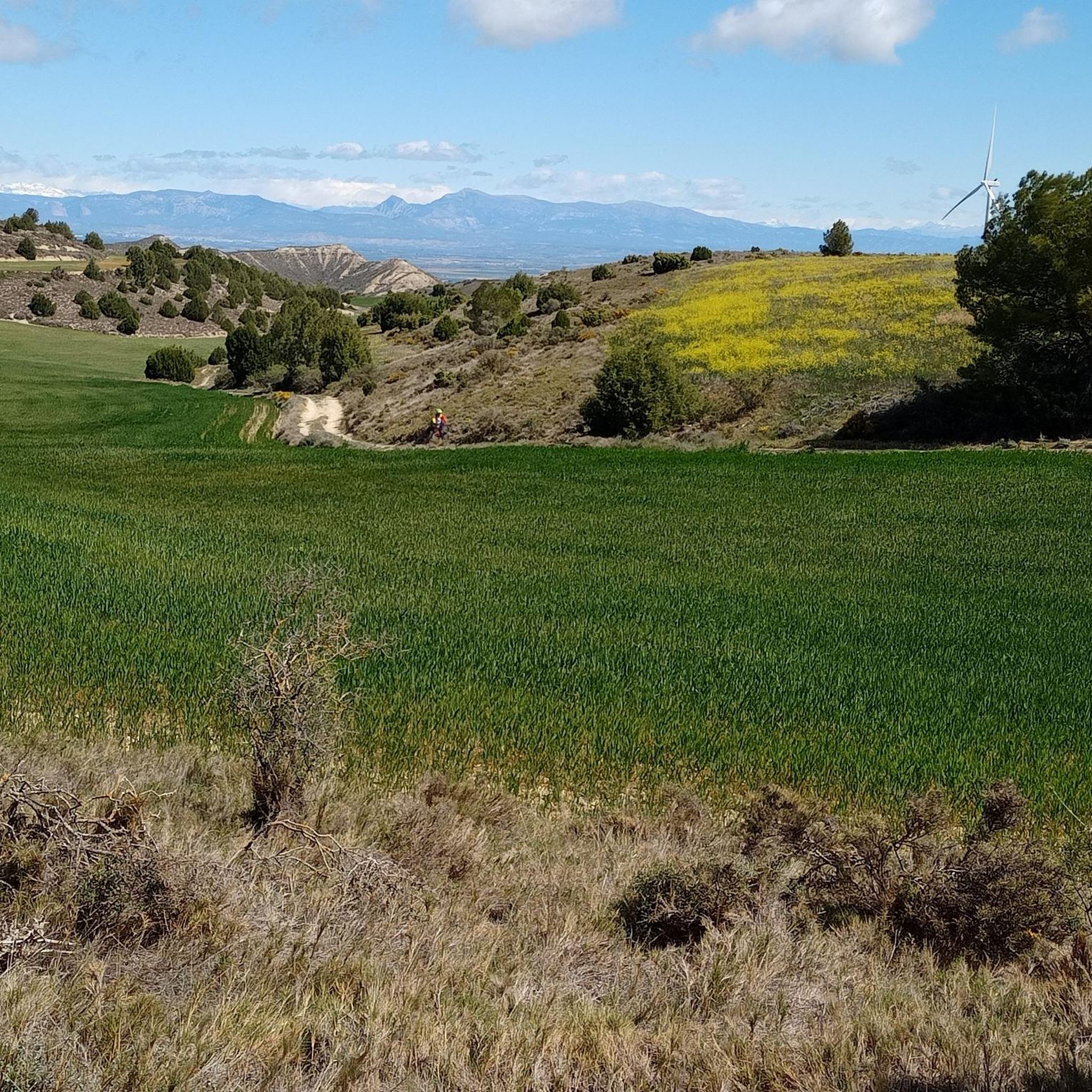
Best attractions and places to see around Leciñena, a municipality in Zaragoza, Aragon, include historical landmarks, natural features, and cultural sites. The area is characterized by the arid landscape of Los Monegros, offering unique natural environments. Visitors can explore a blend of historical structures and natural points of interest. Leciñena also serves as a starting point for various hiking and cycling routes in the Sierra de Alcubierre.
Best attractions and places to see around Leciñena
- The most popular attractions is La Sabina de Villamayor, a natural monument that is a unique white juniper in the Monte Oscuro area. This tree is estimated to be around 2,000 years old, making it one of the few such ancient junipers remaining in Europe.
- Another must-see spot is Campillo Viewpoint, a viewpoint located in Vedado de Peñaflor. It offers panoramic views of Monte Oscuro, Peñaflor, and the Vedado watchtower, with an orientation table available.
- Visitors also love Peñaflor Fire Watchtower, a man-made monument found in the upper part of Vedado. This forest watchtower was built to prevent fires and is located in an extensive green area contrasting with the dryness of Los Monegros.
- Leciñena is known for its historical sites, natural monuments, and viewpoints. The region offers a variety of attractions to see and explore, from ancient trees to panoramic vistas.
- The attractions around Leciñena are appreciated by the komoot community, with 15 upvotes and 25 photos shared by visitors.
Last updated: June 23, 2026
San Caprasio Caves
Highlight • Cave
Translated by Google •
Tip by

Sanctuary of Our Lady of Magallón
Highlight • Religious Site
The town has a very good hostel where you can enjoy the tranquility. Around Leciñena we can find Sabinas, a tree from the Mesozoic era that, thanks to its properties resistant to extreme temperatures, can coexist with the harsh weather conditions of the area.
Translated by Google •
Tip by

Sign up now to discover places like this
Get recommendations on the best single tracks, peaks, & plenty of other exciting outdoor places.
Sign up for free
La Sabina de Villamayor
Highlight • Natural Monument
Translated by Google •
Tip by

Campillo Viewpoint
Highlight • Viewpoint
Translated by Google •
Tip by
Peñaflor Fire Watchtower
Highlight • Monument
Translated by Google •
Tip by
Sign up for free to discover even more attractions around Leciñena.
Sign up for free
Already have an account?
Start today with a free account
Your next adventure awaits.
Login or Signup
Tips from the Community

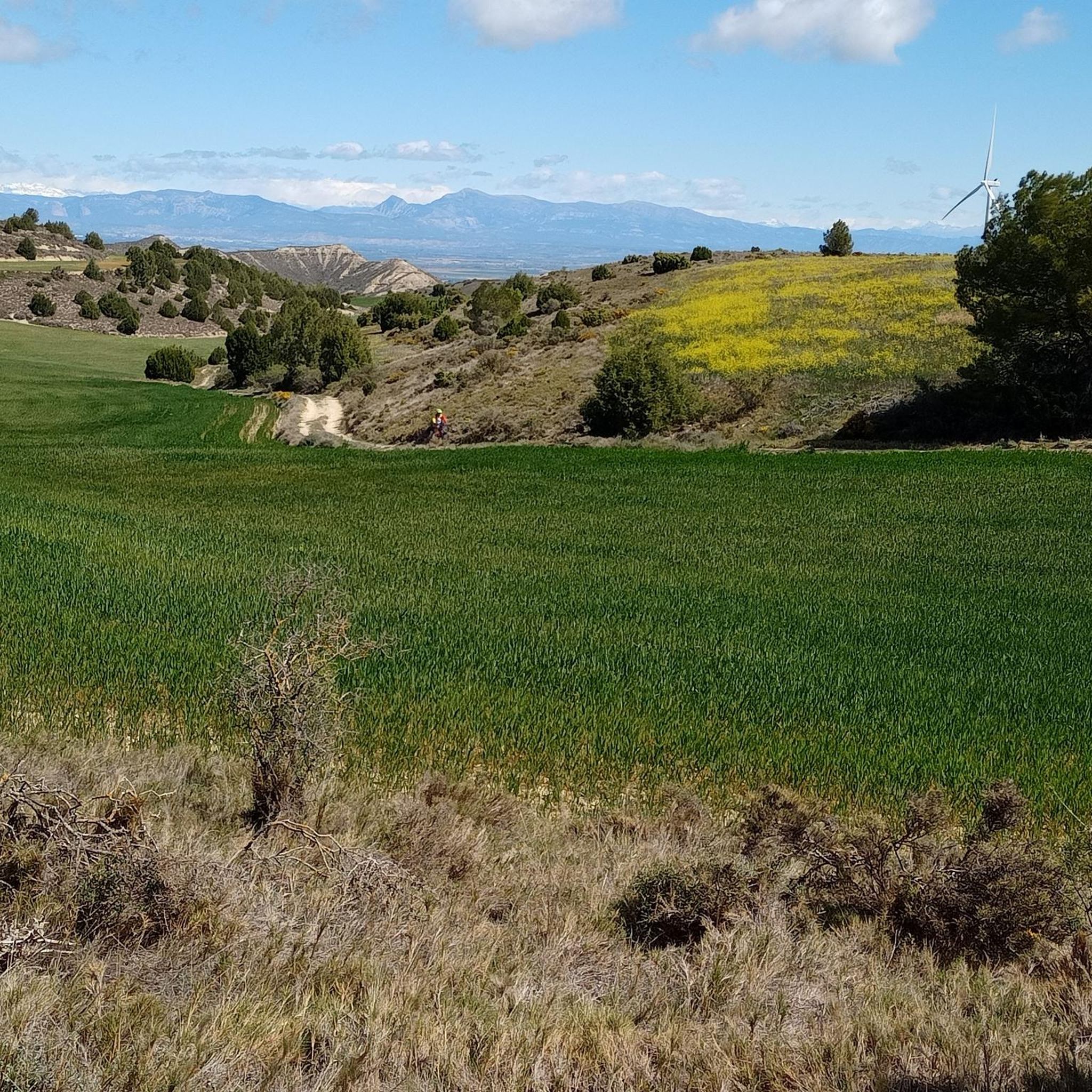
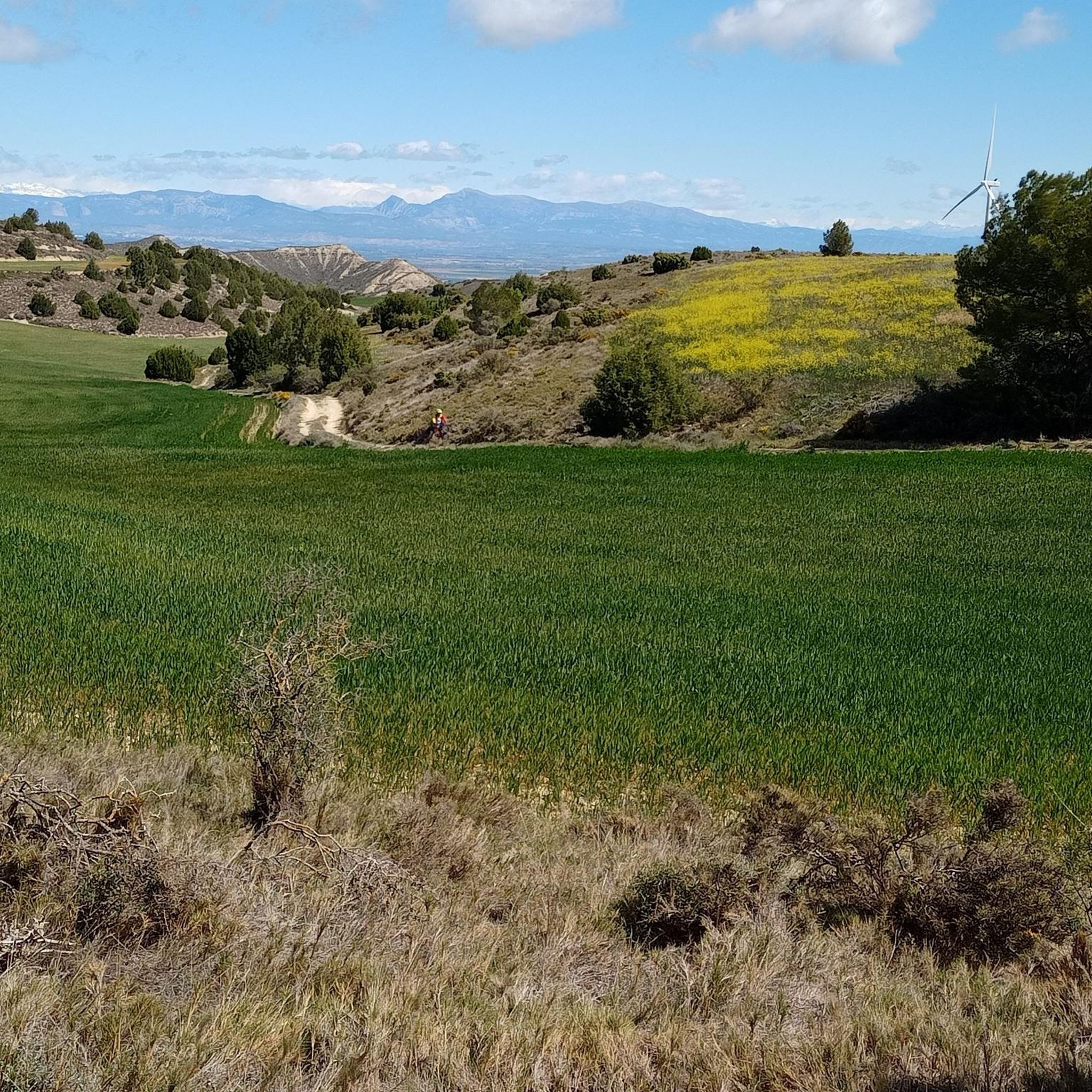
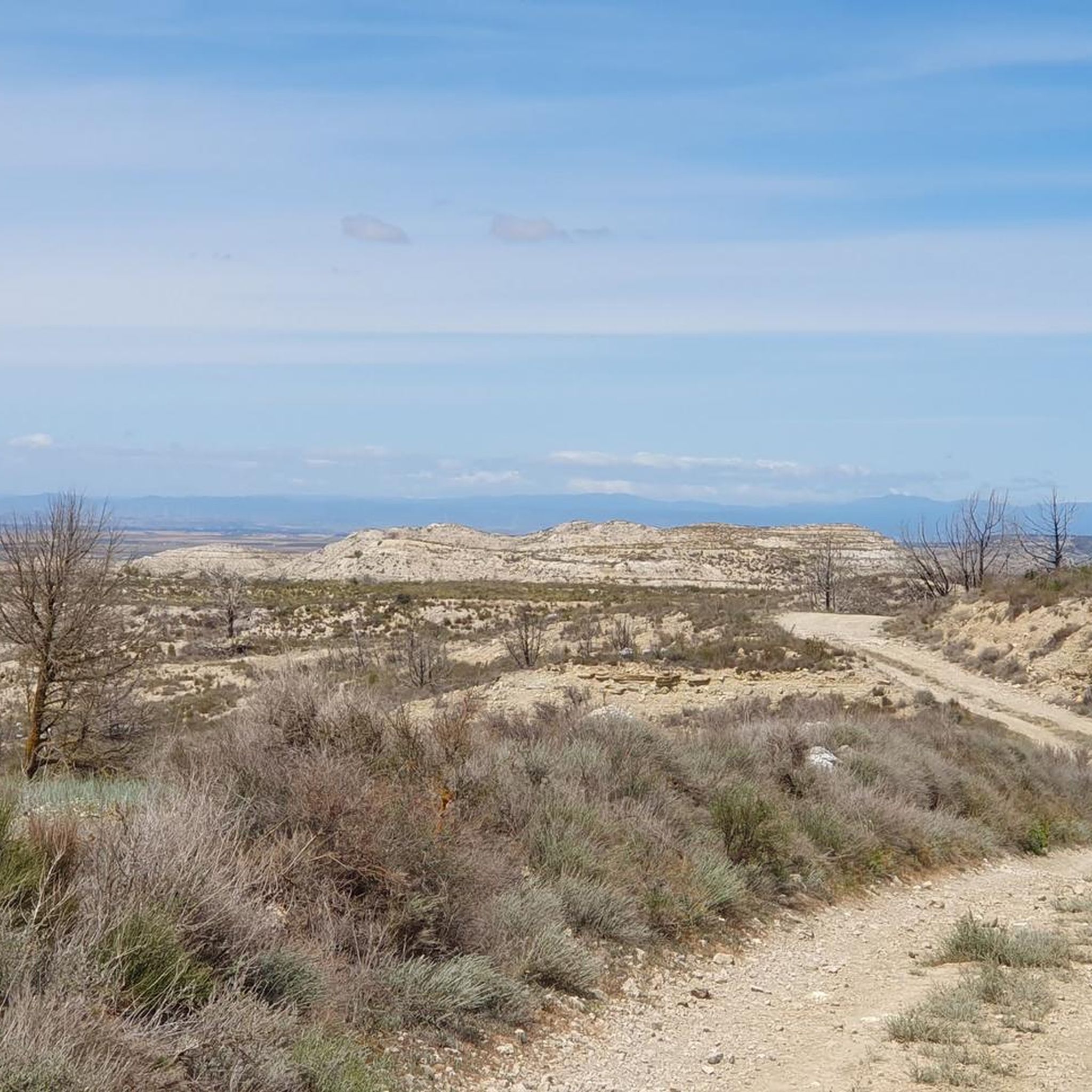
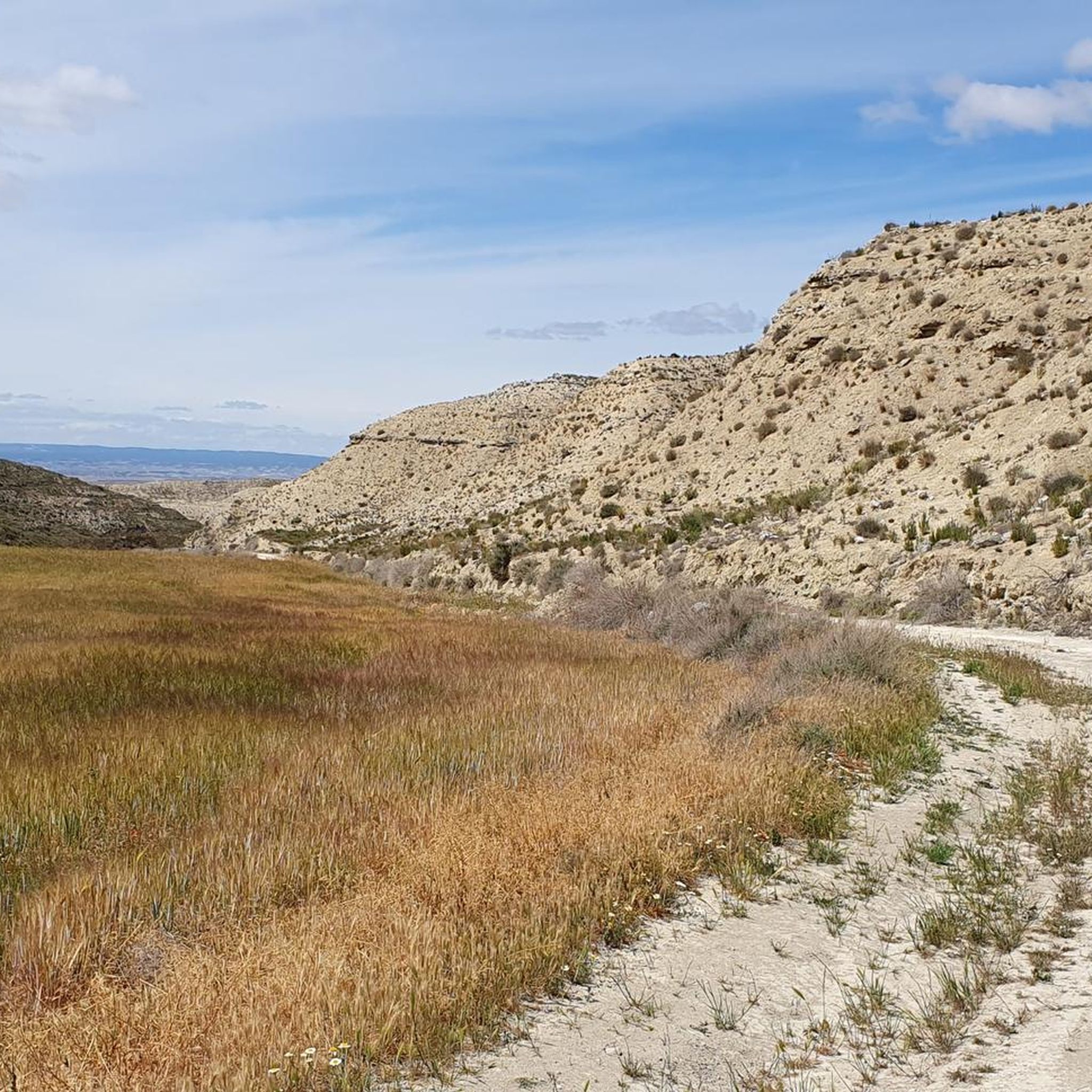
The descent towards Peñaflor is quite pleasant, progressive and with good ground. We climbed up from the path of the val de los pozos, via the cuesta de la cadena
0
0

A magical place! Magnificent views and peaks of the Ruta de los Miradores
0
0

A group of natural caves located on the slopes of Mount San Caprasio, associated with ancient pastoral, hermitage, and possibly even pre-Christian uses. Some were used as shelters for shepherds or anchorites, and local tradition links them to the primitive cult that gave rise to the hermitage. Relatively easy to access from the track or the hermitage, they are a curious place to explore on foot, with views of the Ésera Valley and an utterly silent environment. They add a mystical and ancestral touch to any route in the area.
0
0

Surprising place for the hermitage carved into the rock. Next door is a shelter for emergency overnight stays. Very good views from the hermitage itself and if you go to the top it is a first-rate viewpoint of the area.
1
0

This small municipality of Leciñena in the Aragonese Monegros has a small population (1150 in 2004) but quite a bit of history. The town played an important role in the reconquest of Zaragoza. Much later, during the Spanish Civil War it was part of the republican resistance until October 12, 1936 when Franco's troops took the town. The town has a very good hostel where you can enjoy the tranquility. Around Leciñena we can find Sabinas, a tree from the Mesozoic era that, thanks to its properties resistant to extreme temperatures, can coexist with the harsh weather conditions of the area.
0
0

The Villamayor juniper is a unique white juniper in the Monte Oscuro area and is one of the few junipers that are around 2,000 years old that remain in Europe. Due to its great utility during the wars (it withstood the impacts of cannons well) the number of specimens in these forests was decreasing.
1
0
In the upper part of Vedado we find this forest watchtower to prevent fires and the house of the forest rangers. Located in Vedado de Peñaflor, about 20km from Zaragoza, it is an extensive green area that contrasts with the dryness of Los Monegros and is home to many species of animals.
0
0
We are at the Campillo viewpoint located in Vedado de Peñaflor, with magnificent views of Monte Oscuro, Peñaflor or the Vedado watchtower itself. There is an orientation table.
1
0
Frequently Asked Questions
What historical and cultural sites can I explore in Leciñena?
Leciñena offers several significant historical and cultural sites. You can visit the Santuario de Nuestra Señora de Magallón, a medieval sanctuary with a rich history, including its use during wars and its current role as a hostel. The Iglesia Parroquial de Santa María is a notable 16th-century Renaissance church, unique for its ashlar construction and hall-plan design. For a glimpse into the past, the San Caprasio Caves, once used by pilgrims and rumored to be a bandit's hideout, offer a mystical experience with great views. Additionally, the remains of Civil War trenches at Posición Tres Huegas provide insight into the region's wartime history.
Are there any unique natural attractions or viewpoints in the Leciñena area?
Yes, Leciñena is home to several unique natural attractions and panoramic viewpoints. The most popular is La Sabina de Villamayor, an ancient white juniper tree estimated to be around 2,000 years old. For stunning vistas, head to the Campillo Viewpoint in Vedado de Peñaflor, offering magnificent views of Monte Oscuro and the Vedado watchtower. The Peñaflor Fire Watchtower also provides excellent views from an extensive green area that contrasts with the arid Monegros landscape.
What outdoor activities can I do near Leciñena?
Leciñena is an excellent starting point for various outdoor activities, especially hiking and cycling. The area's proximity to the Sierra de Alcubierre and the unique landscape of Los Monegros provides diverse routes. You can find numerous options for hiking, mountain biking, and road cycling, ranging from easy to difficult, allowing you to explore the natural beauty and historical sites of the region.
Are there family-friendly attractions around Leciñena?
Yes, several attractions around Leciñena are suitable for families. Natural sites like La Sabina de Villamayor offer an interesting and accessible natural monument. The Campillo Viewpoint is also considered family-friendly, providing easy access to panoramic views. Exploring the natural spaces of El Siscal and Valsalada can also be a pleasant family outing.
Where can I find hiking trails near Leciñena?
Leciñena is surrounded by opportunities for hiking. The Sierra de Alcubierre offers a variety of trails, including moderate options like the 'Summit and radar of Monte Oscuro' or the 'Vedado de Peñaflor Loop'. You can explore more options and detailed routes on the Hiking around Leciñena guide, which includes trails starting directly from Leciñena.
Can I go cycling around Leciñena, and what types of routes are available?
Absolutely! Leciñena is a great base for cycling. You'll find both MTB trails and road cycling routes. MTB options include challenging loops through Monte Oscuro and San Caprasio, while road cyclists can enjoy routes like the 'Alto de San Esteban loop' or longer rides exploring the Gállego River and Puerto de Alcubierre, with varying difficulty levels.
What is the best time to visit Leciñena attractions?
The best time to visit Leciñena attractions largely depends on your preferred activities. The region experiences an arid climate, typical of Los Monegros. Spring and autumn generally offer milder temperatures, making them ideal for hiking, cycling, and exploring historical sites comfortably. Summers can be very hot, while winters are cooler but still suitable for outdoor activities if properly prepared.
Are there any hidden gems or less-known spots worth visiting in Leciñena?
Beyond the main attractions, the San Caprasio Caves are often considered a hidden gem, offering a unique rock-hewn hermitage with a mystical atmosphere and excellent views. The natural spaces of El Siscal and Valsalada, with their diverse flora and fauna, also provide tranquil spots away from the more frequented paths, perfect for those seeking a quieter experience.
What kind of wildlife can I expect to see in the natural areas around Leciñena?
The natural spaces around Leciñena, such as El Siscal and Valsalada, and the broader Sierra de Alcubierre, are characterized by the arid landscape of Los Monegros. This environment supports a variety of resilient flora and fauna adapted to dry conditions. While specific species vary, you might spot various bird species, small mammals, and reptiles unique to this semi-desert ecosystem.
What do visitors enjoy most about the attractions around Leciñena?
Visitors particularly appreciate the blend of historical significance and natural beauty. The ancient La Sabina de Villamayor is a highlight for its age and uniqueness. The panoramic views from spots like the Campillo Viewpoint and the mystical atmosphere of the San Caprasio Caves are also frequently praised. The contrast between the green Vedado de Peñaflor and the arid Monegros landscape is often noted as a striking feature.
Where can I learn about the Spanish Civil War history in the Leciñena area?
For those interested in the Spanish Civil War, the remains of the trenches at Posición Tres Huegas offer a significant historical site. This restored complex, located in the Sierra de Alcubierre, includes kitchens, command posts, depots, and shelters, providing a tangible connection to life on the front lines during the conflict.
Most popular attractions around Leciñena

Get inspired with the komoot mobile app


Explore more
Still not found the Highlight you’re looking for? See guides of the top attractions in other regions:
