The best road cycling routes around La Cumbre
5.0
(3)
197
riders
29
rides
Road cycling around La Cumbre offers a diverse landscape for cyclists. The region features routes that traverse natural parks and historical areas, providing varied terrain. Cyclists can expect significant elevation changes on many routes, with some paths leading through rolling hills and others offering more sustained climbs. The area's road cycling routes are characterized by their length and the challenge presented by their elevation profiles.
Best road cycling routes around La Cumbre
- The most popular road cycling route is Trujillo…
Last updated: September 4, 2026
20
riders
173km
08:44
1,760m
1,760m
Hard road ride. Very good fitness required. Mostly well-paved surfaces and easy to ride.
5.0
(1)
9
riders
75.5km
02:35
530m
530m
Moderate road ride. Good fitness required. Mostly well-paved surfaces and easy to ride.

Sign up for free
7
riders
102km
03:35
740m
740m
Moderate road ride. Good fitness required. Mostly well-paved surfaces and easy to ride.
137km
06:33
1,670m
1,670m
Hard road ride. Very good fitness required. Mostly well-paved surfaces and easy to ride.
12
riders
57.4km
02:41
610m
620m
Moderate road ride. Good fitness required. Mostly well-paved surfaces and easy to ride.
Get access to more routes and recommendations from other explorers.
Sign up for free
Already have an account?
Our route recommendations are based on thousands of hikes, rides, and runs completed by other people on komoot.
Start today with a free account
Your next adventure awaits.
Login or Signup
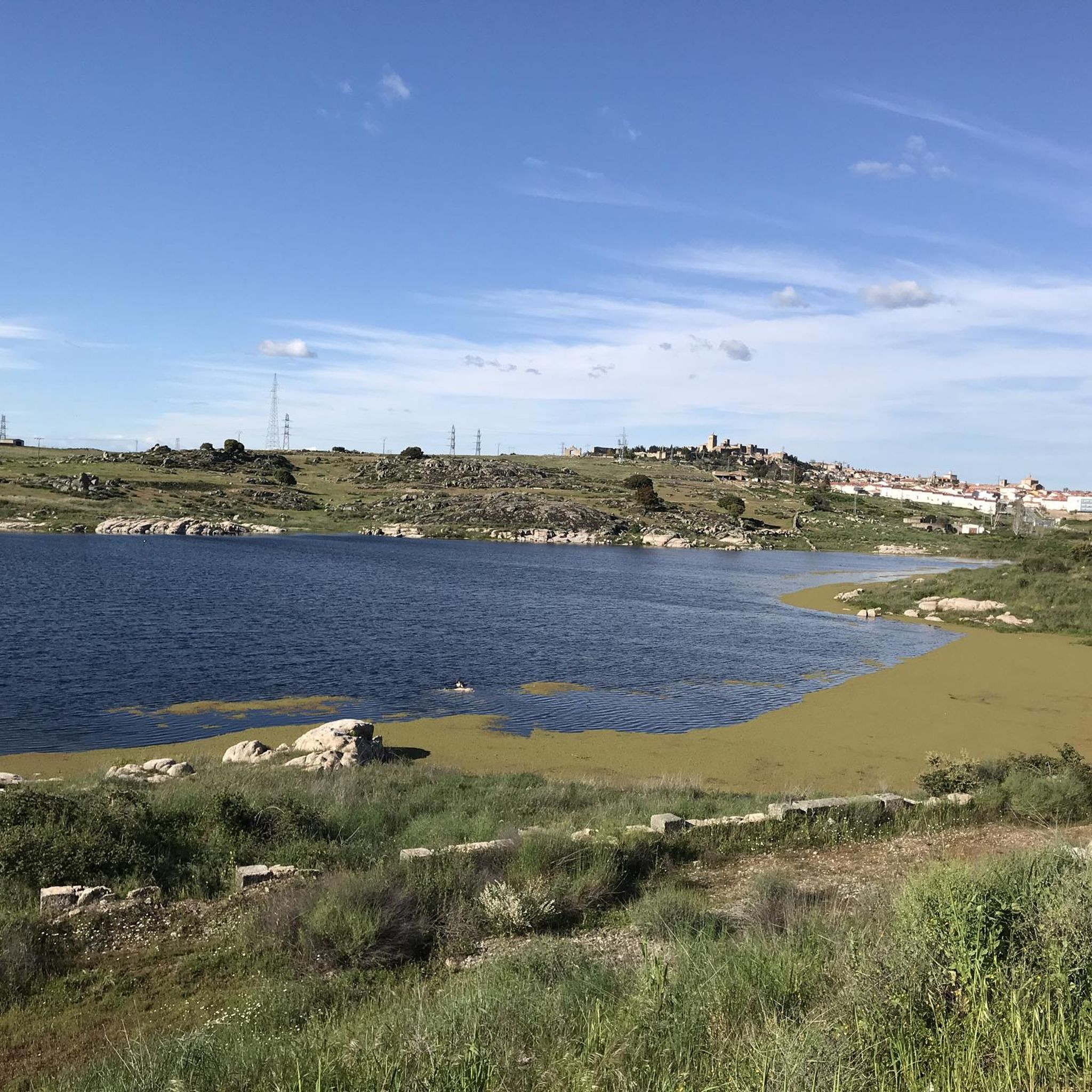
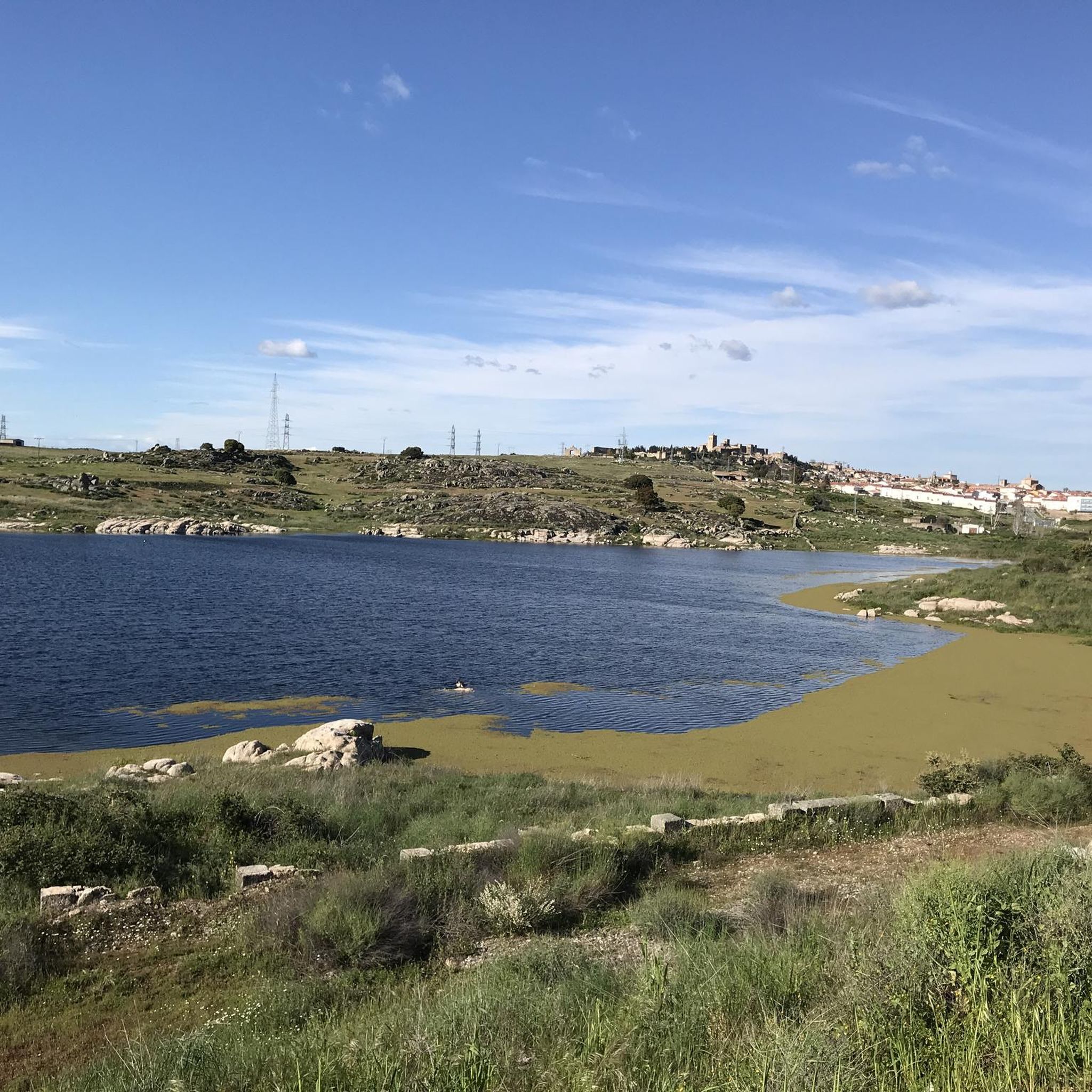
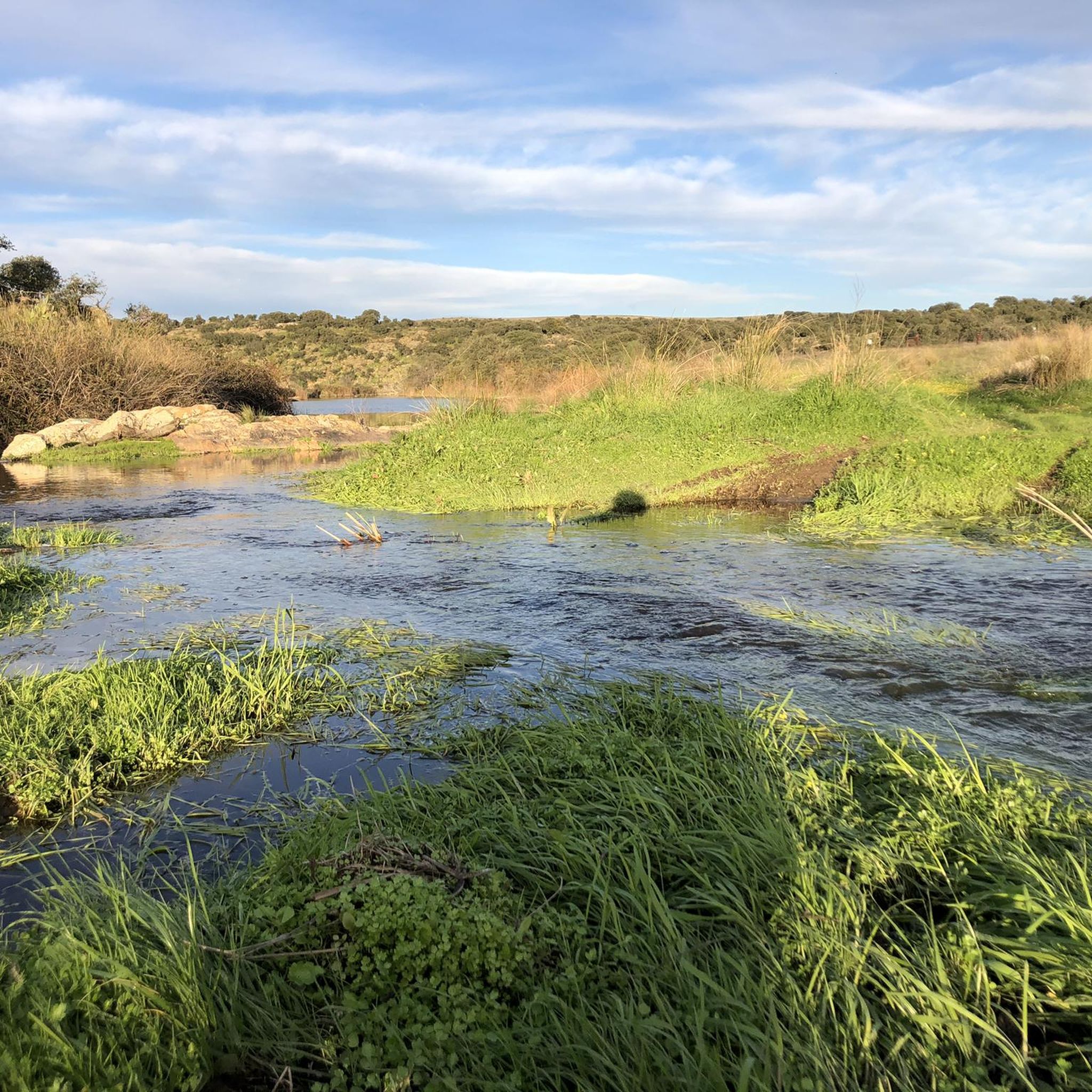
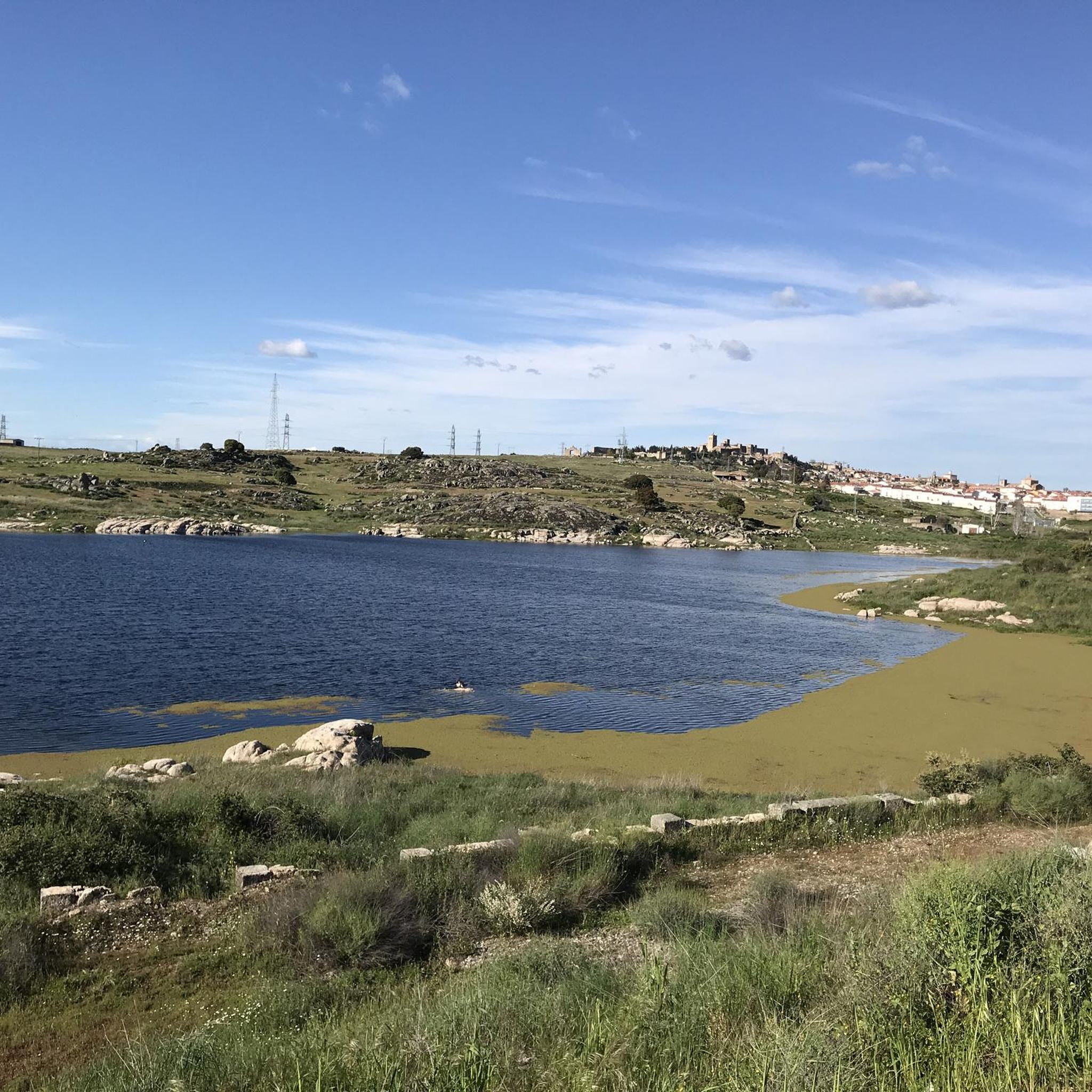
Tips from the Community

Trujillo Castle (Cáceres, Extremadura) is one of Spain's most emblematic fortresses, boasting a fascinating history and architecture that blends Arab and Christian influences. Arab Origins (9th-12th centuries): It was built on Cabeza del Zorro hill during the Muslim period. The oldest remains are two Arab cisterns. Reconquest: In 1186, Alfonso VIII captured the city, although it fell under Almohad rule before being definitively incorporated into the Crown in 1232. Middle Ages: It played a key role in the border defense between Castile and Portugal and was the scene of conflicts such as the War of the Castilian Succession. Modern Era: It lost its military importance and became a stately residence.
7
0
Palace of the Marquises of Lorenzana Origin: 16th century, Renaissance style. It was the residence of the Pizarro Hinojosa family, Lords of Torrecillas, and from 1642, Marquises of Lorenzana, a title granted to Álvaro Pérez Quiñones y Lorenzana, Governor of Panama and Guatemala. Current use: Headquarters of the Royal Academy of Extremadura of Letters and Arts since 1980.
8
0
The Plaza Mayor in Trujillo is an iconic and historic place in Extremadura. This Renaissance square, dating back to the 16th century, is known for its impressive architecture and vibrant social and cultural life. In the centre of the square is the equestrian statue of Francisco Pizarro, the famous conquistador born in Trujillo. The square is surrounded by historic buildings, such as the Palace of the Marquises of the Conquest and the Church of San Martín de Tours. In addition, it is a place where numerous cultural events and festivals are held throughout the year.
13
0
The city of Trujillo, a town located about 50 km east of Cáceres, sits on a huge granite batholith, on the old road to Madrid. It is an important urban complex formed by different periods and architectural-urban mentalities, whose testimonies have made it one of the most important towns in Extremadura, as far as architectural heritage is concerned.
16
0
The equestrian statue of Francisco Pizarro is located in Trujillo, a city in the Extremadura region, Spain. This imposing statue pays tribute to one of the illustrious residents of Trujillo: the conquistador Francisco Pizarro. The statue was created by American sculptor Charles Cary Rumsey (1879-1922). It is located in the Plaza Mayor of Trujillo, on a granite pedestal. Although not its original location, this statue is an important symbol in the city where Pizarro was born.
12
0

Interesting statue for history buffs. The Pizarro family, all well-known sailors, originated in Trujillo. This unique statue was erected in the Plaza Mayor in memory of Francisco Pizarro.
4
0
Actually, it is not Pizarro's house, but a 15th century mansion where a replica of the conqueror's house was made.
2
0
Impressive medieval church that stands out in the main square of Trujillo. Starting point for the tour of the historic center of Trujillo.
2
0
Frequently Asked Questions
How many road cycling routes are available around La Cumbre?
There are over 25 road cycling routes available around La Cumbre, offering a variety of experiences for different skill levels. You'll find routes ranging from moderate to difficult, with options to explore natural parks, historical sites, and scenic countryside.
What is the general difficulty level of road cycling routes in La Cumbre?
The majority of road cycling routes around La Cumbre are classified as moderate, with 18 out of 28 routes falling into this category. There are also 9 difficult routes for experienced cyclists seeking a challenge, and one easy route for those looking for a more relaxed ride.
Are there any easy road cycling routes for beginners in La Cumbre?
Yes, there is one easy road cycling route available around La Cumbre. While many routes feature significant elevation changes, this option provides a gentler introduction to the region's cycling landscape.
What kind of terrain can I expect on road cycling routes around La Cumbre?
Road cycling routes around La Cumbre traverse diverse landscapes, including natural parks, rolling hills, and areas with historical castles and reservoirs. You can expect significant elevation changes on many routes, providing both challenging climbs and rewarding descents through varied terrain.
What do other cyclists say about road cycling in La Cumbre?
The road cycling routes in La Cumbre are highly rated by the komoot community, with an average score of 5.0 stars from over 2 reviews. More than 200 road cyclists have used komoot to explore the area, often praising the varied terrain and the challenge presented by the elevation profiles.
Are there any notable landmarks or attractions to see along the road cycling routes?
Yes, several routes pass by interesting landmarks. For instance, the The Santa Ana Reservoir and The Castle of Monroy route takes you past historical castles and reservoir areas. You can also explore highlights like Trujillo Main Square, the Church of Santa María la Mayor (Trujillo), and the Chaves Sotomayor Palace, which are located near many of the cycling paths.
Are there any long-distance road cycling routes for experienced riders?
Yes, for experienced riders seeking a long-distance challenge, the Trujillo and Monfragüe National Park Loop is a difficult 107.4-mile (172.9 km) trail with substantial elevation gain. Another demanding option is the Trujillo and the Villuercas Castles Loop, spanning 85.2 miles (137.2 km).
Are there any circular road cycling routes around La Cumbre?
Yes, many of the road cycling routes around La Cumbre are circular. For example, the Circular Route of Trujillo, La Aldea del Obispo offers a balanced ride through the local countryside, and the Trujillo and Monfragüe National Park Loop is also a challenging circular option.
What is the typical duration for road cycling routes in La Cumbre?
The duration of road cycling routes in La Cumbre varies significantly depending on the route's length and difficulty. Shorter, moderate routes like the Circular Route of Trujillo, La Aldea del Obispo can take around 2 hours 35 minutes, while longer, difficult routes such as the Trujillo and Monfragüe National Park Loop may require over 8 hours to complete.
Are there routes that combine natural beauty with historical sites?
Absolutely. Many routes in the La Cumbre area offer a blend of natural beauty and historical interest. The The Santa Ana Reservoir and The Castle of Monroy route, for instance, leads you through scenic reservoir areas and past ancient castles. Similarly, the Trujillo and the Villuercas Castles Loop combines challenging cycling with views of historical fortifications.
What are some of the most challenging road bike climbs in La Cumbre?
The region is known for routes with significant elevation gain, making for challenging climbs. The Trujillo and Monfragüe National Park Loop features over 1,700 meters of ascent, and the Trujillo and the Villuercas Castles Loop also includes substantial climbing, with over 1,600 meters of elevation gain.
Are there any road cycling routes that pass through natural parks?
Yes, several road cycling routes in La Cumbre take you through natural parks. The Trujillo and Monfragüe National Park Loop is a prime example, offering a challenging ride through a protected natural area known for its diverse ecosystems and wildlife.
Most popular attractions around La Cumbre

Get inspired with the komoot mobile app


Explore more
Browse the best Road cycling routes in other regions.
