Attractions and Places To See around Villamuelas - Top 6
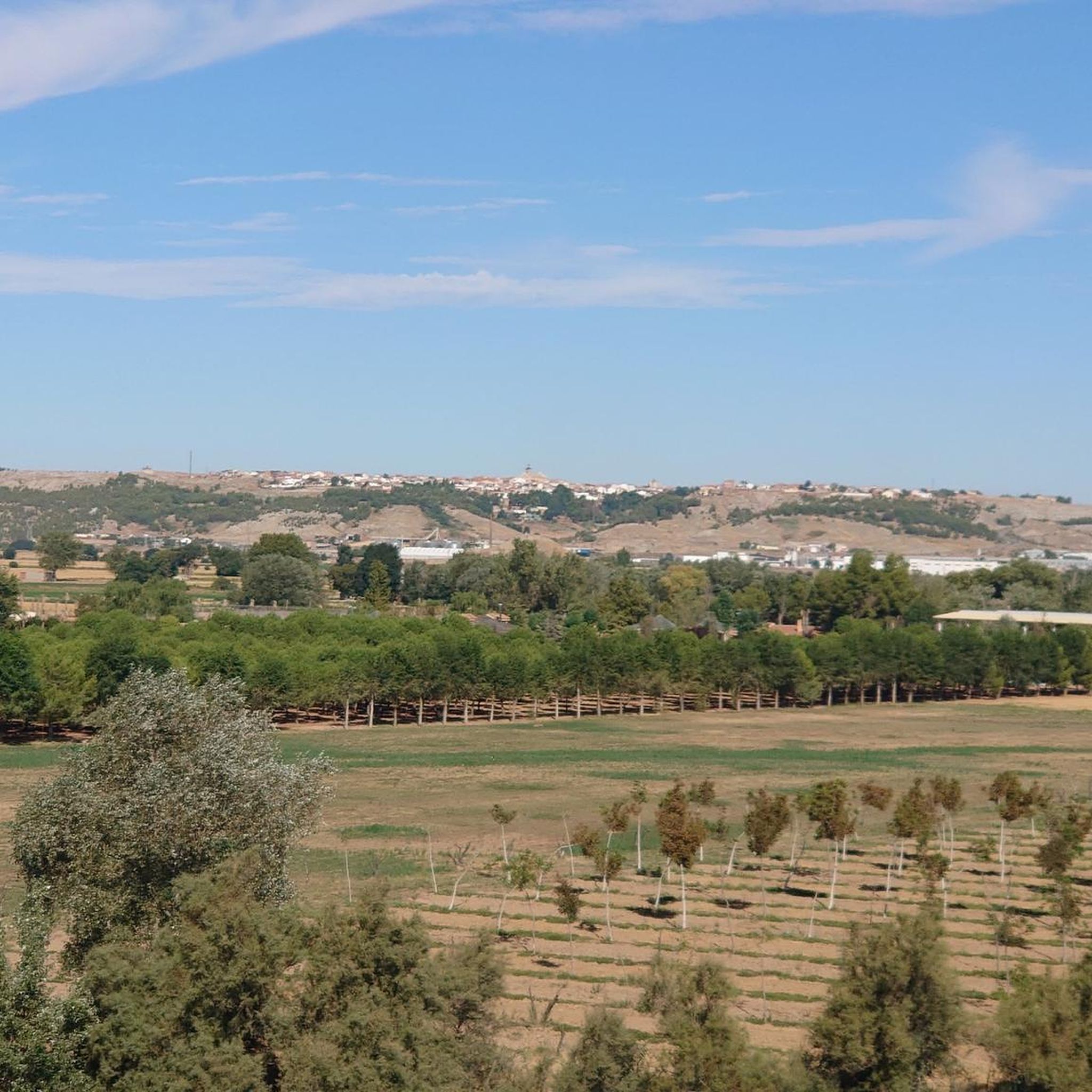
Best attractions and places to see around Villamuelas offers a glimpse into the historical and natural landscape of this region in the province of Toledo. The area features a mix of historical sites, including castles and religious buildings, set within a rural environment. Visitors can explore 6 notable locations that highlight the local heritage and provide viewpoints over the surrounding terrain. This region provides opportunities for those interested in historical exploration and scenic views.
Best attractions and places to see…
Last updated: July 7, 2026
Almonacid Castle
Highlight • Castle
Translated by Google •
Tip by

Mascaraque
Highlight • Settlement
Translated by Google •
Tip by
Sign up now to discover places like this
Get recommendations on the best single tracks, peaks, & plenty of other exciting outdoor places.
Sign up for free
Peñas Negras Castle
Highlight • Castle
Translated by Google •
Tip by

Hermitage of Our Lady of the Ancient
Highlight • Religious Site
Translated by Google •
Tip by

Mora Town Hall
Highlight • Monument
Its architect was Ezequiel Martín Martín, and its construction …
Translated by Google •
Tip by
Sign up for free to discover even more attractions around Villamuelas.
Sign up for free
Already have an account?
Start today with a free account
Your next adventure awaits.
Login or Signup
Popular around Villamuelas

Tips from the Community

Currently, it is not possible to climb to the castle because a tower has collapsed.
0
1

Located in the Plaza de la Constitución, in the historic Town Hall in the Neo-Mudéjar style, designed by Ezequiel Martín Martín and built between 1927–1928, with a striking brick facade, masonry panels, horseshoe arches and ceramic decorations, culminating in a circular tower topped with a bulbous dome (tiled, from 1930).
3
0
Mascaraque Castle is one of the town's main attractions. Origin: It was built in the 14th century on the site of an earlier Muslim fortification. Historical Owners: It was renovated by the Padilla family, who were associated with the Comuneros in the 15th century. Architecture: The keep is a prominent feature, which, according to tradition, was "demolish" (lowered) by order of the Catholic Monarchs after the Revolt of the Comuneros. Interesting Details: Pentacles or Seals of Solomon can be seen on its walls, symbols that fuel legends of protection and mystery. Current Status: It is privately owned, so the interior is not open to the public, but the exterior is impressive and well worth seeing.
1
0
Mascaraque stands out for its authentic and tranquil atmosphere, ideal for those seeking a historical getaway without the crowds. Its historical heritage—centered on the castle, the church, and several hermitages—offers a rich cultural experience alongside a friendly local life. The rural surroundings reinforce this feeling of disconnection: olive groves, vineyards, and nature trails complete the appeal. In short, a destination with its own unique identity, highly valuable for lovers of heritage and charming villages.
2
0
The hermitage was built to house the only image saved from the fire that destroyed the parish church on April 23, 1521, during the Revolt of the Comuneros of Castile. This surviving carving was moved from the old chapel dedicated to Saint Christopher, leading to the change of dedication to Our Lady of La Antigua. At the end of the 16th century, it was completely rebuilt in the popular Toledo Baroque style, using threshing floor bricks and quartzite and lime masonry. During the Peninsular War, the French set fire to the hermitage, destroying much of the image; only the original head was preserved, which is now located at the feet of the current carving from 1955.
1
0

Devotion to the image of Our Lady of La Antigua is due to the fire that devastated the parish church on April 23, 1521, set by the troops of Charles I during the War of the Communities of Castile. Only the effigy of the Virgin Mary survived, which was taken to the hermitage of San Cristóbal for protection, leading to the building's dedication being changed to Our Lady of La Antigua. This was not the only incident the image suffered; during the Peninsular War, Napoleon's army set fire to the hermitage, leaving only the head of the statue, which is preserved today at the feet of the current image, dating from 1955. Her feast day takes place on the first Sunday of September, preceded by the novena, a period during which the faithful walk up the hill. The previous Saturday, the proclamation and floral offering take place, and on the main day, a mass is held in honor of the Virgin and a multitudinous procession on the shoulders of the Virgin in the Morachos (male and female) up the hill that bears her name.
1
0
The Town Hall is perhaps the most unique building in the municipality, representing a beautiful metaphor with its name and use. Its architect was Ezequiel Martín Martín, and its construction began in 1927 and was completed practically a year later in 1928. The tile-clad tower was completed in 1930.
9
0
This rock fortress, shaped to fit the terrain, has an elongated and irregular shape. Built in the 10th century under Arab rule, it passed into the hands of Alfonso VII and later to the Order of Santiago, to whom it belonged until the 17th century, when King Philip II sold the town of Mora and all its properties, including its castle, to Fernando de Rojas Guevara, becoming part of his lordship. From its heights, there is a magnificent view of the immense olive grove, which stretches as far as the eye can see. Admission is free.
1
0
Frequently Asked Questions
What historical sites can I explore around Villamuelas?
The region around Villamuelas is rich in history, featuring several notable sites. You can visit Almonacid Castle, a 14th-century fortress offering panoramic views, and Peñas Negras Castle, a 10th-century rock fortress with extensive views of olive groves. The settlement of Mascaraque also offers a rich cultural experience with its historical buildings and castle. Additionally, there are religious buildings like the Hermitage of Our Lady of the Ancient and the unique Art Nouveau style Ermita de la Virgen del Rosario de Pastores.
Are there good viewpoints for scenic photography near Villamuelas?
Yes, several attractions offer excellent panoramic views. Almonacid Castle is perched on a promontory, providing views of the Toledo area. Similarly, Peñas Negras Castle offers magnificent views of the surrounding valley and olive groves, stretching for kilometers.
What kind of outdoor activities are available around Villamuelas?
The area around Villamuelas is great for various outdoor activities. You can find numerous routes for cycling, including moderate to difficult trails like the 'Pinares de Yepes loop'. For those who prefer road cycling, there are easy to moderate routes such as 'Ajofrin, Orgaz y Mora – circular desde Mascaraque'. Mountain biking enthusiasts can explore challenging MTB trails, including the 'Peñas Negras Castle – Finisterre Reservoir loop'.
Are there any family-friendly attractions in the Villamuelas area?
While many historical sites are engaging for all ages, the Ermita de la Virgen del Rosario de Pastores is specifically categorized as family-friendly, offering an interesting architectural style that might appeal to younger visitors. Exploring the exteriors of the castles and the charming settlement of Mascaraque can also be enjoyable for families.
What is the best time of year to visit Villamuelas for outdoor activities?
Given the historical and natural landscape, spring and autumn are generally the most pleasant seasons for outdoor activities around Villamuelas. The weather is typically milder, making it ideal for exploring castles, walking around settlements, and enjoying cycling or mountain biking routes without the intense heat of summer or the chill of winter.
What makes Mascaraque a unique place to visit?
Mascaraque is known for its authentic and tranquil atmosphere, offering a historical getaway without large crowds. Its heritage is centered around its privately owned castle, the church, and several hermitages, providing a rich cultural experience. The surrounding olive groves, vineyards, and nature trails reinforce a sense of disconnection and charm.
Can I access the interior of Mascaraque Castle?
No, Mascaraque Castle is privately owned, and its interior is not open to the public. However, its exterior is impressive and well worth seeing, showcasing its 14th-century origins and historical significance, including its association with the Padilla family and the Revolt of the Comuneros.
What is the historical significance of the Hermitage of Our Lady of the Ancient?
The Hermitage of Our Lady of the Ancient holds significant historical and religious importance. It was built to house the only image saved from a fire that destroyed the parish church in 1521 during the War of the Communities of Castile. The original head of the statue, which survived another fire during the Peninsular War, is preserved at the feet of the current image. Its feast day in early September is a major local event.
Are there any circular cycling routes near Villamuelas?
Yes, there are several circular cycling routes. For road cycling, you can find routes like 'Ajofrin, Orgaz y Mora – circular desde Mascaraque' which is an easy 46 km ride. For general cycling, there's the 'Pinares de Yepes loop from Villasequilla' which is a difficult 49 km route. You can find more details and other options in the cycling guide and road cycling guide for the area.
What do visitors enjoy most about the attractions around Villamuelas?
Visitors particularly appreciate the historical depth and the panoramic views offered by the castles. The authentic and tranquil atmosphere of settlements like Mascaraque is also highly valued. The komoot community has shown its appreciation with 19 upvotes and 20 photos shared, highlighting the scenic beauty and cultural richness of the area.
What is unique about the architecture of the Ermita de la Virgen del Rosario de Pastores?
The Ermita de la Virgen del Rosario de Pastores, completed in 1910, is notable for its unique architectural style. It is primarily Art Nouveau, but also incorporates elements of Byzantine, Romanesque, and Gothic influences, making it a distinctive religious building in the region.
Can I visit Peñas Negras Castle for free?
Yes, admission to Peñas Negras Castle is free. This 10th-century rock fortress offers a chance to explore its ruins and enjoy magnificent views of the surrounding olive groves without an entrance fee.
Most popular routes around Villamuelas

Get inspired with the komoot mobile app


Explore more
Still not found the Highlight you’re looking for? See guides of the top attractions in other regions:
