The best cycling routes around Mañón
4.9
(21)
446
riders
58
rides
Touring cycling around Mañón offers routes through a landscape characterized by an abrupt and wild coastline, dense forests, and river valleys. The region features impressive cliffs, secluded beaches, and the clean waters of the Sor River. Inland, the Serra da Faladoira contributes to a rugged and elevated terrain. This varied topography provides diverse cycling experiences.
Best touring cycling routes around Mañón
- The most popular touring cycling route is Arealonga Beach ⛱️ – O Porto do Barqueiro loop from O Vicedo…
Last updated: October 15, 2026
5.0
(2)
31
riders
30.5km
02:13
630m
630m
Hard bike ride. Very good fitness required. Mostly paved surfaces. Suitable for all skill levels.
4.5
(2)
24
riders
101km
07:02
1,680m
1,680m
Hard bike ride. Very good fitness required. Mostly paved surfaces. Suitable for all skill levels.

18
riders
60.7km
04:18
1,150m
1,150m
Hard bike ride. Very good fitness required. Mostly paved surfaces. Suitable for all skill levels.
5.0
(3)
14
riders
Moderate bike ride. Good fitness required. Mostly paved surfaces. Suitable for all skill levels.
4.0
(1)
11
riders
81.3km
05:43
1,540m
1,540m
Hard bike ride. Very good fitness required. Mostly paved surfaces. Suitable for all skill levels.
Get access to more routes and recommendations from other explorers.
Already have an account?
Our route recommendations are based on thousands of hikes, rides, and runs completed by other people on komoot.
Start today with a free account
Your next adventure awaits.
Tips from the Community

Beautiful viewpoint on the climb - perfect for a break!
0
0

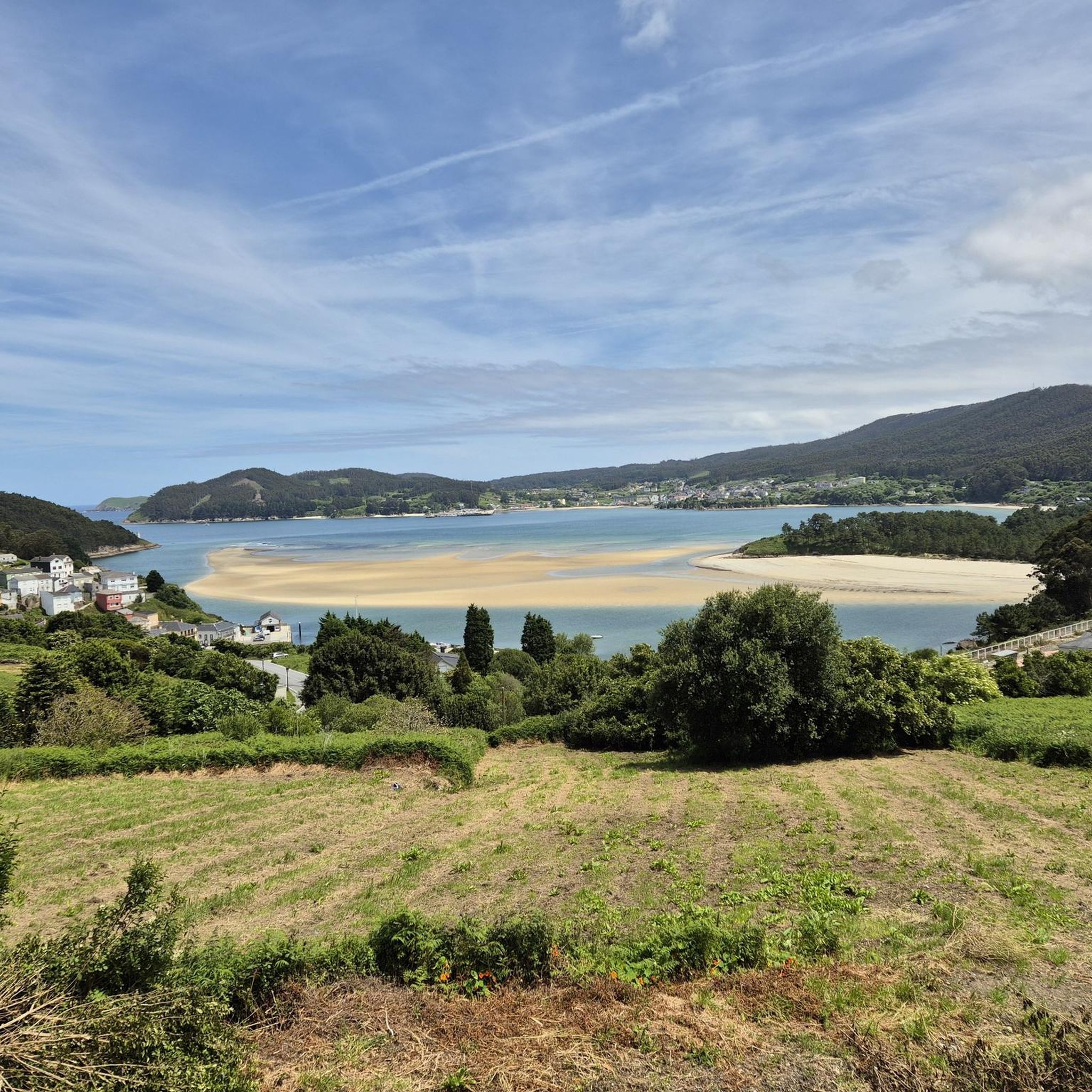
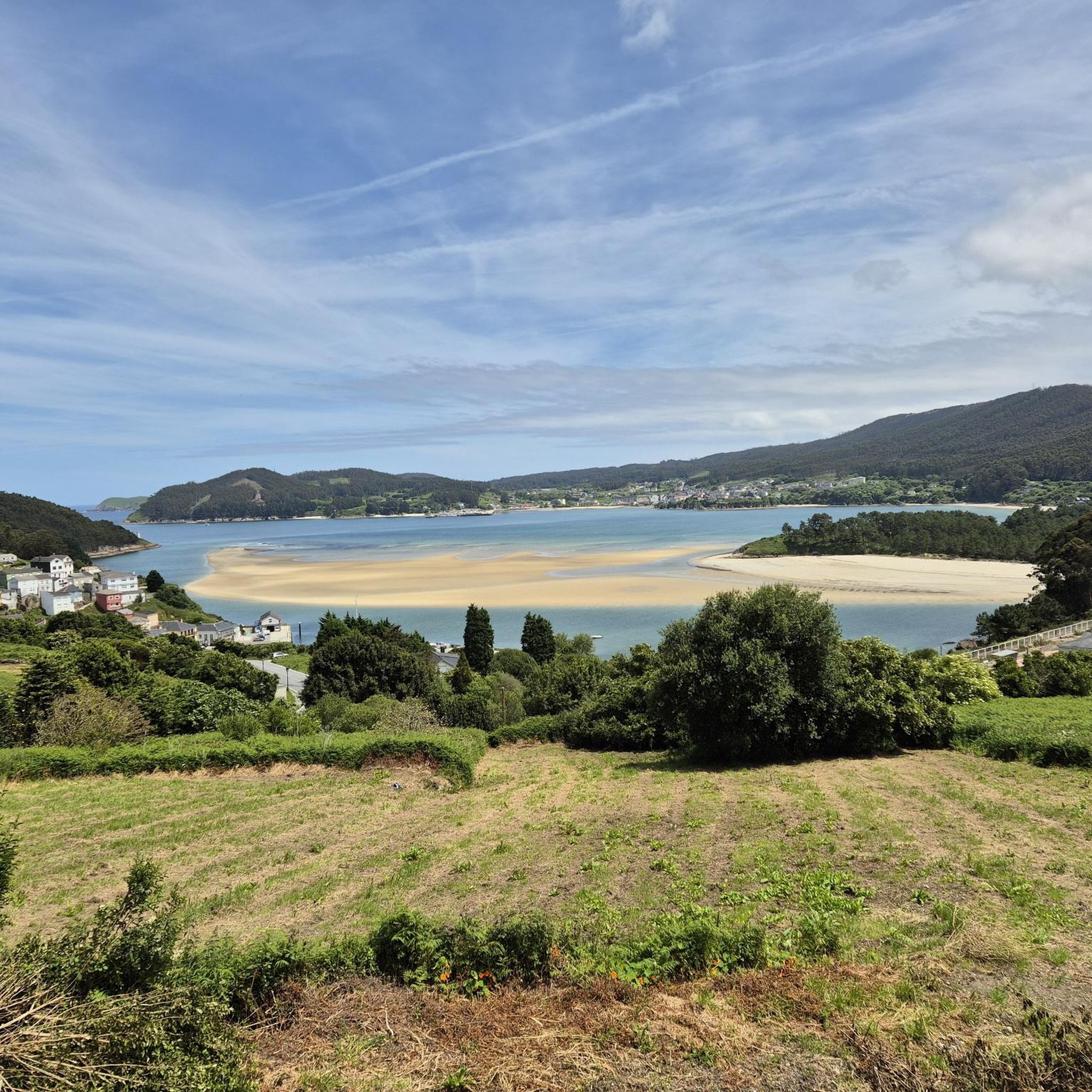
The spectacular bike path of Cabo de Burela makes it easy to get out of the town by bicycle along the coastal cliffs and the little beaches of Reliño and Marosa, then comes the crossing near the Cervo business park and again the charms of the coastal towns in San Cibrao, a beautiful fishing port formed by two neighborhoods that were created when the coastal sediments joined the coastal point with the islet where the Punta da Atalaia lighthouse is now located. The Nature Trail draws a curious perimeter route through the town that culminates in views of the coast from the spectacular overhanging balcony of the Miradoiro da Atalaia and descends through O Pedregal. The landmarks of the route move away from the coast to surround the industrial complex of an immense aluminum factory and return again to coastal fantasies in the port of Morás, an important whaling port during the Middle Ages. The entrance to the port and the surrounding area are decorated with hundreds of idols, which are the remains of the concrete pieces that were made to build the docks of the current industrial port of San Cibrao. The coastal landscape changes its atmosphere, the first serious slopes arrive. Near the famous Paper Cliffs, a fun stretch along mountain trails begins on the cliffs of Morás and the viewpoints of Monte Castelo, in Punta Roncadoira, accumulating a good positive gradient before descending again to the shore of the Cantabrian Sea and passing through Viveiro. and Covas for the first time. The stage ends in Viveiro although there is still the fabulous final stretch to the Ortigueira estuary and the return. In Covas there is a bicycle shop, it is next to a giant specimen of Monterrey cypress, 32 meters high, planted in 1880. The Natural Trail leaves the urban environment of the Viveiro estuary through Mount O Facho and the surprising viewpoint of the Cruz de San Román, between the beaches of San Román and Area Grande. The route is a constant see-saw through eucalyptus and pine forests between beaches, estuaries and small coves that seem inaccessible from the edge of the cliffs. The crossing of the Barqueiro estuary is another environmental fantasy, on the eastern bank is the port of O Vicedo and on the western bank the fishing streets of O Porto do Barqueiro, staggered on the slope of the mouth of the Sor river, the gateway to the Estaca de Bares, the northernmost point of the Iberian Peninsula.
0
0

The Cape Ortegal Lighthouse as an infrastructure is not entirely impressive and this must be said. It is a simple cylindrical tower about 13 meters high made of concrete, with a red stripe that stands out, and which was built from 1984 by engineer Jaime Arrandiaga.
5
0

Covas is a small coastal residential complex that enjoys a long white sand beach. The contrast formed by the shape and color of the rocks when breaking the sand mantle forms a spectacular landscape.
3
0

This is an arched stone gate to the old city. Travelers who crossed the estuary via the Mayor or La Misericordia bridges reached the entrance to the old town.
3
0
One of the most impressive points of the Camino del Mar Rías Altas route in Galicia. Relatively new, this lighthouse was built on the tip of Cabo Ortega in the 1980s. The hike to this point offers spectacular views of the Atlantic Ocean and the rugged rocky coastline.
2
0
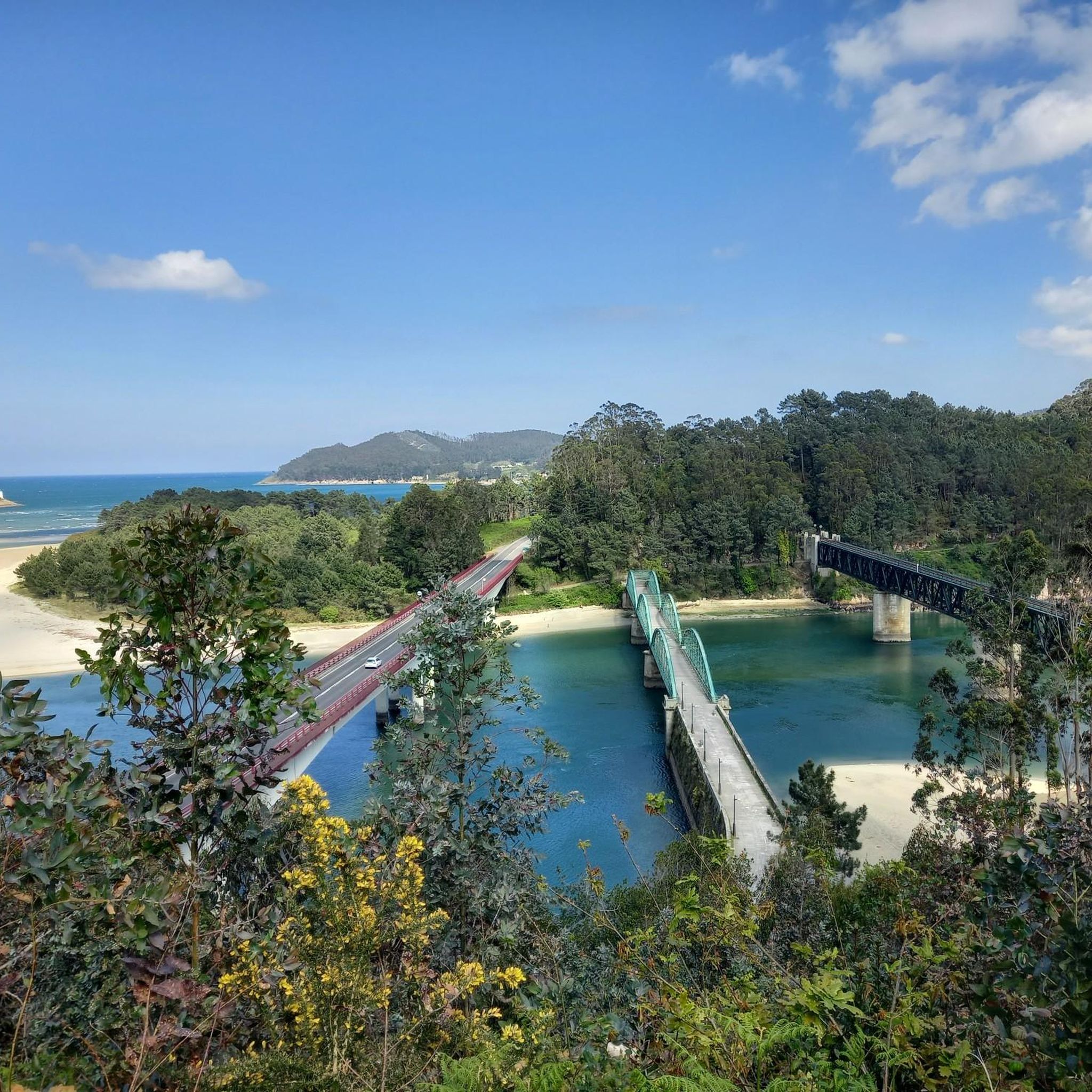
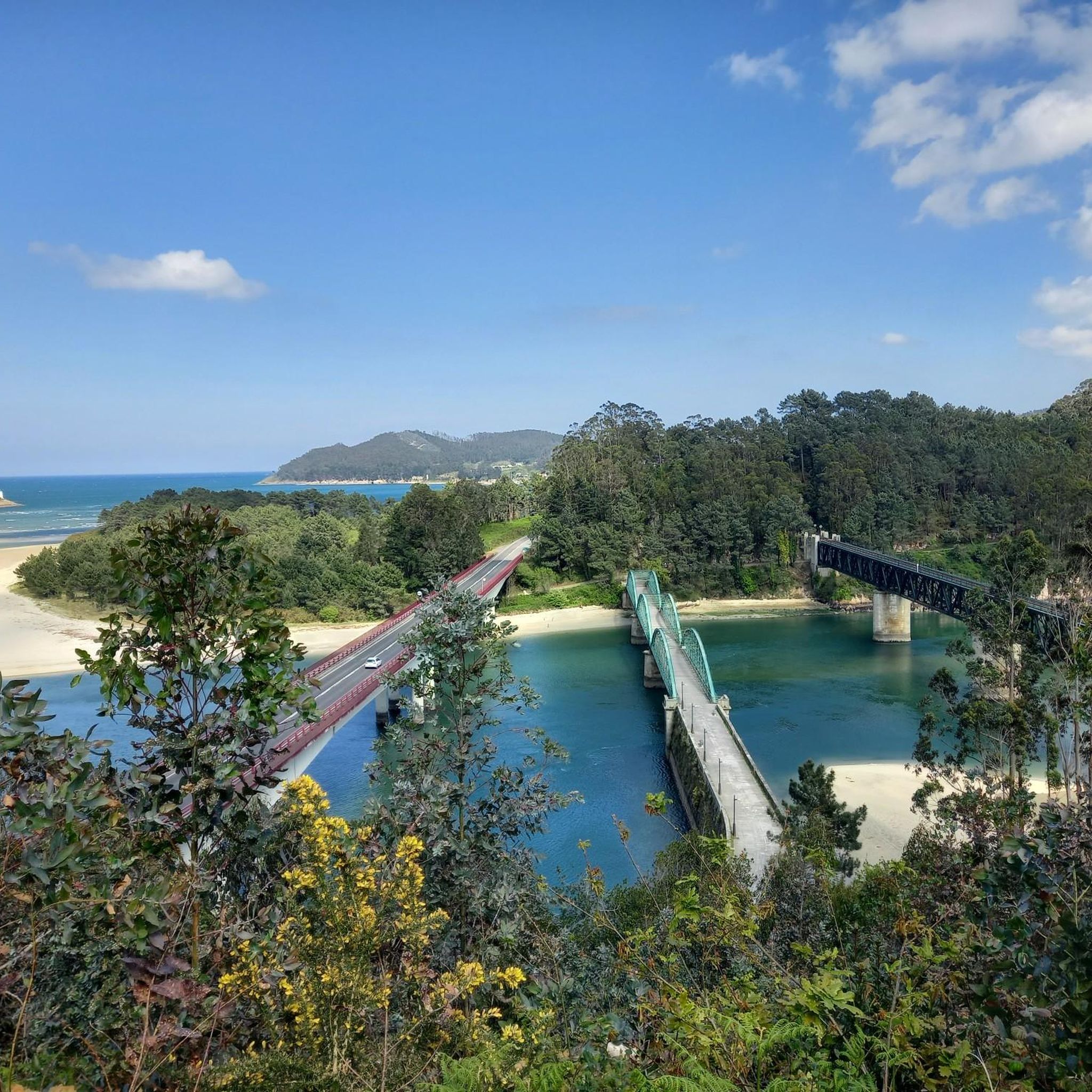
O Porto do Barqueiro owes its name to an old boatman who used to cross passengers between this port and O Vicedo until a metal bridge was built at the beginning of the 20th century. This fishing village is traditionally a sardine fisherman, although nowadays shellfishing also plays a major role in its economy. The authenticity and beauty of its urban complex has attracted a lot of tourism that has become a thriving activity.
1
0
Frequently Asked Questions
What is the general difficulty level of touring cycling routes in Mañón?
Mañón offers a diverse range of touring cycling routes. While there are some moderate paths, the majority of the routes, specifically 44 out of 55, are classified as difficult. These often involve significant elevation changes, reflecting the region's rugged coastline and hilly inland terrain, particularly around the Serra da Faladoira.
What natural attractions and landmarks can I see while cycling in Mañón?
Mañón's touring cycling routes often pass by stunning natural features. You can explore the dramatic coastline, including the iconic Punta de Estaca de Bares, the northernmost point of the Iberian Peninsula, which also features the historic Estaca de Bares Lighthouse. The clean waters of the Sor River carve deep valleys, and you might encounter the picturesque Fervenza y Mirador de Augas Caídas waterfall. The region also boasts secluded beaches like Praia de Esteiro with its unique dune system.
Are there any circular touring cycling routes in Mañón?
Yes, Mañón features several circular touring cycling routes. For example, you can enjoy the Arealonga Beach ⛱️ – O Porto do Barqueiro loop from O Vicedo, which is a difficult 19.0-mile (30.5 km) route offering coastal views. Another option is the O Picón Tower – The most beautiful bench in the world loop from O Barqueiro, a difficult 15.2-mile (24.5 km) path.
When is the best time of year for touring cycling in Mañón?
The best time for touring cycling in Mañón is generally during the spring and autumn months when the weather is milder and the natural scenery is vibrant. The region's dense forests and river valleys are particularly beautiful during these seasons. While specific weather data isn't provided, Galicia typically offers pleasant cycling conditions outside of the peak summer heat or winter cold and rain.
What do other touring cyclists enjoy most about cycling in Mañón?
The touring cycling routes in Mañón are highly rated by the komoot community, with an impressive average score of 4.9 stars from over 25 reviews. Cyclists frequently praise the region's untamed natural beauty, the dramatic coastal roads, and the tranquil river valleys. The varied topography provides engaging experiences for different skill levels, from moderate coastal paths to challenging routes with significant elevation.
Are there any family-friendly touring cycling routes in Mañón?
While many routes in Mañón are classified as difficult due to significant elevation, there are a few easier options available. The guide indicates 2 easy routes and 9 moderate routes out of a total of 55. For families, it's advisable to look for routes explicitly marked as 'easy' or 'moderate' and consider their length and elevation profile. The O Porto do Barqueiro – View of O Porto de Bares loop from O Vicedo is a moderate 13.2-mile (21.2 km) route that might be suitable for more experienced families.
Can I find places to eat or stay along the touring cycling routes in Mañón?
Mañón's traditional villages, such as O Porto do Barqueiro, retain their rural essence and offer glimpses into Galician culture, including local gastronomy. While specific cyclist-friendly cafes or accommodations aren't detailed, these villages are good places to look for traditional restaurants and guesthouses to refuel and rest during your tour.
What are some notable viewpoints along the cycling routes?
Mañón is rich in viewpoints offering spectacular vistas. The Punta de Estaca de Bares provides breathtaking panoramic views where the Atlantic Ocean meets the Cantabrian Sea. Another notable spot is the Tixoso Viewpoint. The Fervenza y Mirador de Augas Caídas also offers impressive views of the waterfall and surrounding recreational area.
Are there any long-distance touring cycling routes in Mañón?
Yes, Mañón offers longer touring cycling routes for those seeking a more extensive challenge. A prime example is the O Porto do Barqueiro – Cape Ortegal Lighthouse loop from O Vicedo. This difficult route spans 63.8 miles (102.6 km) and includes significant elevation gain, leading towards the iconic Cape Ortegal Lighthouse.
What kind of terrain can I expect on touring cycling routes in Mañón?
The terrain in Mañón is highly varied, characterized by an abrupt and wild landscape. You can expect coastal roads with dramatic cliffs, dense forests, and routes that follow the clean waters of the Sor River through valleys. Inland, the Serra da Faladoira contributes to a rugged and elevated terrain, meaning many routes will feature significant climbs and descents.
Can I explore historical sites or cultural points of interest while cycling?
Yes, beyond its natural beauty, Mañón offers cultural experiences. The charming fishing port of O Porto do Barqueiro provides a glimpse into the region's maritime heritage. You might also encounter the Gate of Charles V and the Sor River with O Barqueiro Iron Bridge, showcasing traditional Galician life and architecture.
How many touring cycling routes are available in Mañón?
There are over 50 touring cycling routes available around Mañón, offering a wide variety of experiences. The komoot community has mapped 55 distinct routes in the area, catering to different preferences and fitness levels.
Most popular attractions around Mañón

Get inspired with the komoot mobile app


Explore more
Browse the best Cycling routes in other regions.
