The best walks and hikes around Bohonal De Ibor
3.7
(4)
30
hikers
2
hikes
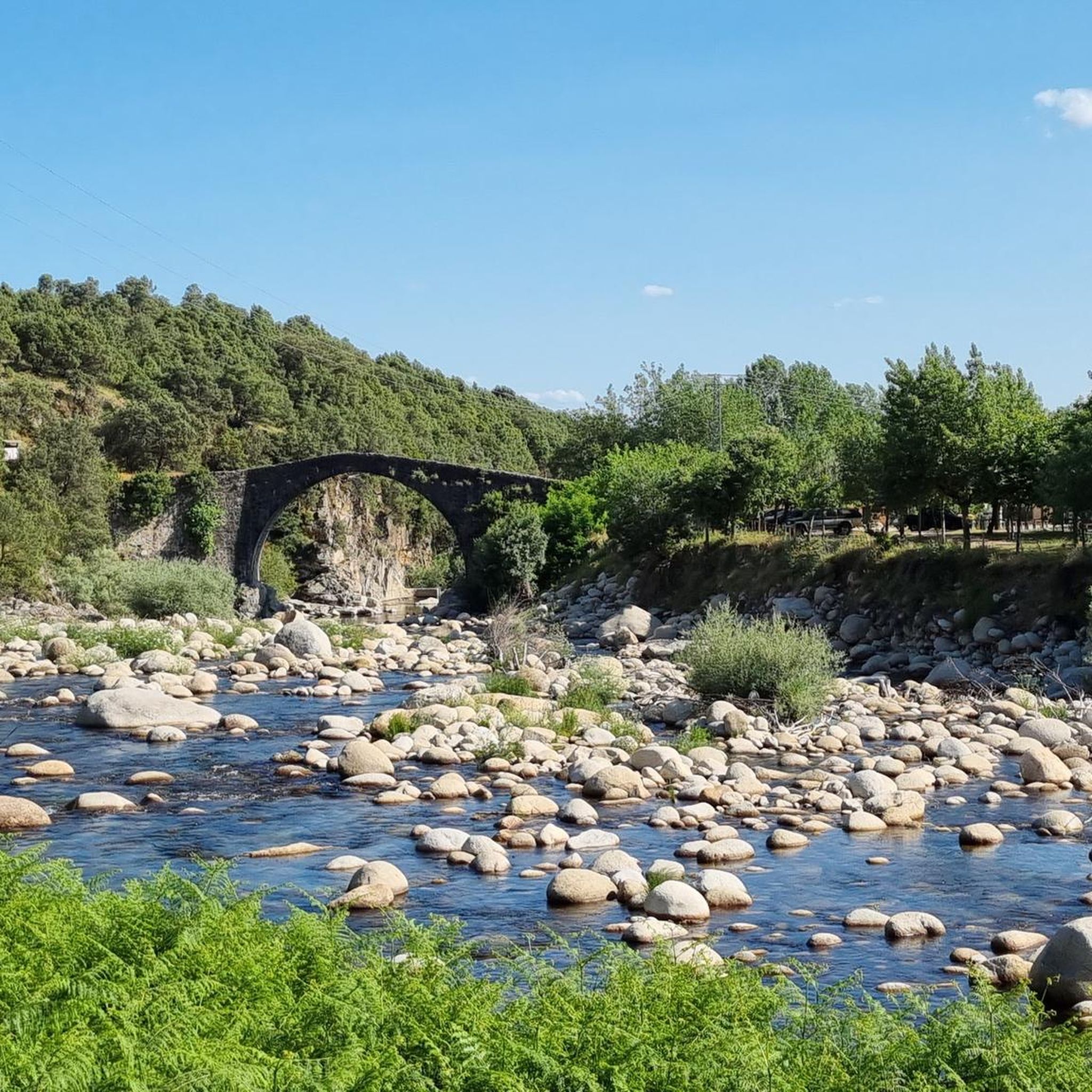
Hiking around Bohonal De Ibor offers diverse landscapes within the Geoparque de las Villuercas-Ibores-Jara. The region features valleys, mountains, and holm oak groves, providing varied terrain for hikers. Key natural features include the Ibor River with its "Marmitas de Gigante" (potholes) and protected riverside woodlands. The area also integrates historical sites such as the Dolmen of Pibor and the Templo de los Mármoles.
Best hiking trails around Bohonal De Ibor
- The most popular hiking route is Belvis de Monroy –…
Last updated: June 30, 2026
3.0
(1)
2
hikers
Easy hike. Great for any fitness level. Easily-accessible paths. Suitable for all skill levels.
1
hikers
10.8km
02:52
120m
120m
Moderate hike. Good fitness required. Easily-accessible paths. Suitable for all skill levels.

Sign up for free
5.0
(2)
11
hikers
12.4km
03:37
330m
330m
Moderate hike. Good fitness required. Easily-accessible paths. Suitable for all skill levels.
9
hikers
8.78km
02:30
200m
190m
Moderate hike. Good fitness required. Easily-accessible paths. Suitable for all skill levels.
3.0
(1)
7
hikers
4.87km
01:24
100m
100m
Easy hike. Great for any fitness level. Easily-accessible paths. Suitable for all skill levels.
Our route recommendations are based on thousands of hikes, rides, and runs completed by other people on komoot.
Start today with a free account
Your next adventure awaits.
Login or Signup



Tips from the Community

The Herrerías aqueduct is an old hydraulic infrastructure designed to supply energy to a blacksmith shop in Campillo de Deleitosa. Later it would also be used to supply three mini power plants. Actually, the aqueduct is only part of a larger work, which consists of a seven-kilometer canal and its related structures. This canal begins in a dam built right where the Batanes, Colmenar and Torneros gorges converge.
8
1

According to Don Javier. The dolmen is impressive if you have been lucky enough to see it.
0
4
Walking through the streets of this town will allow you to come into contact with its people, its culture, its traditions and popular festivals to get to know Extremadura more fully.
9
0

Large town in the north of the province of Cáseres. The town of Navalmoral de la Mata is the gateway to the Sierra de Gredos Regional Park in the northern part. Cycle through the city to Plaza de España to view heritage buildings, including the impressive Iglesia de San Andrés.
1
0
Talavera la Vieja corresponds to the Roman city of Augustobriga, halfway between Mérida (Emérita Augusta) and Talavera de la Reina (Caesarobriga). For a long time it was doubted that this was the Roman city, until an inscription was discovered that unquestionably linked the ancient city with the town of Talavera la Vieja. It is interesting to note that the only Roman portico of the Curia that is preserved today comes from this city. Today it is next to the EX-118, since it was saved from the flood by moving the stones and relocating them in the place where they are now. This historical monument is better known as "the marbles".
9
0
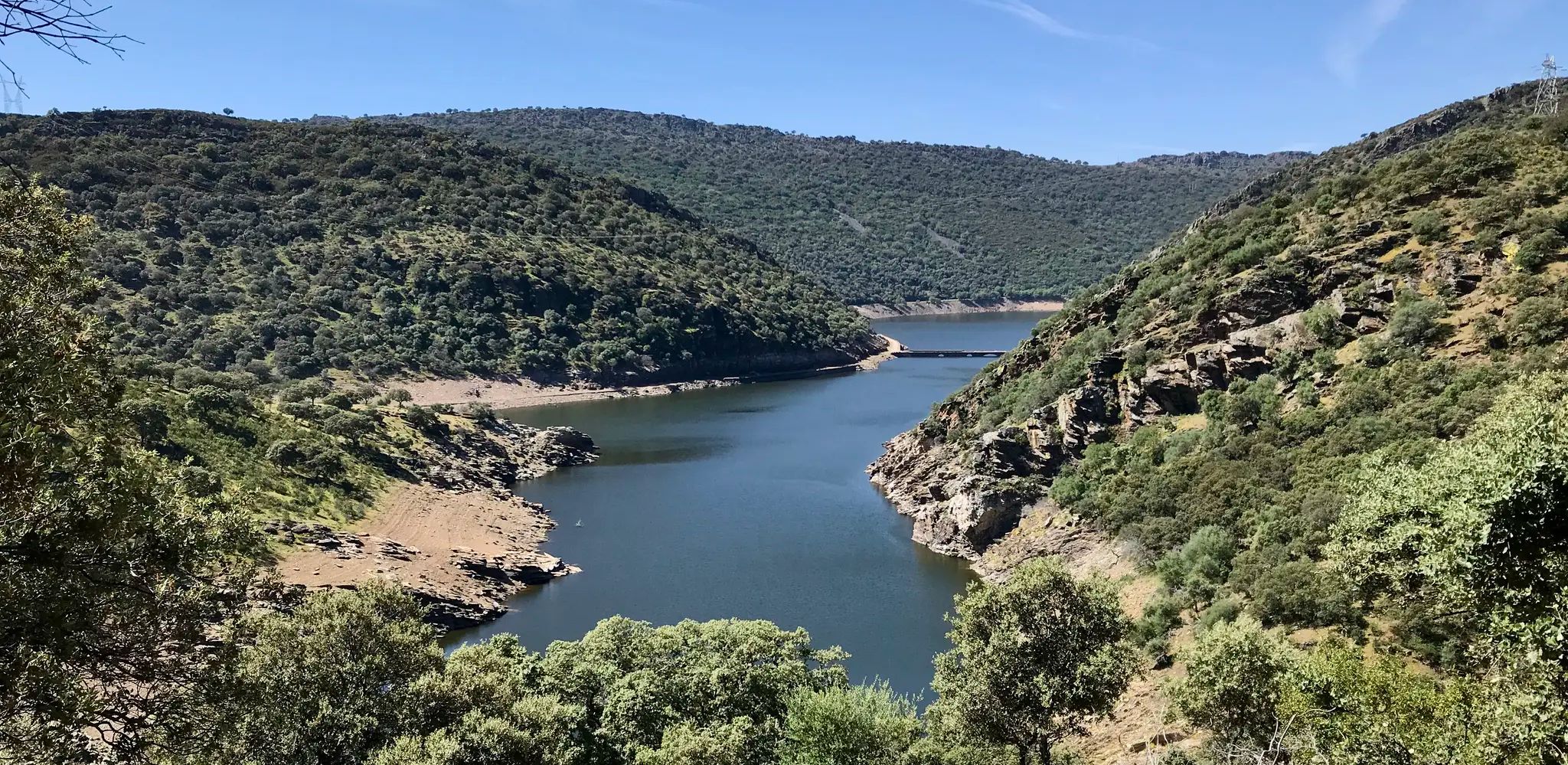
Under its waters is a bronze age site with a dolmen that emerges when the waters recede.
11
0
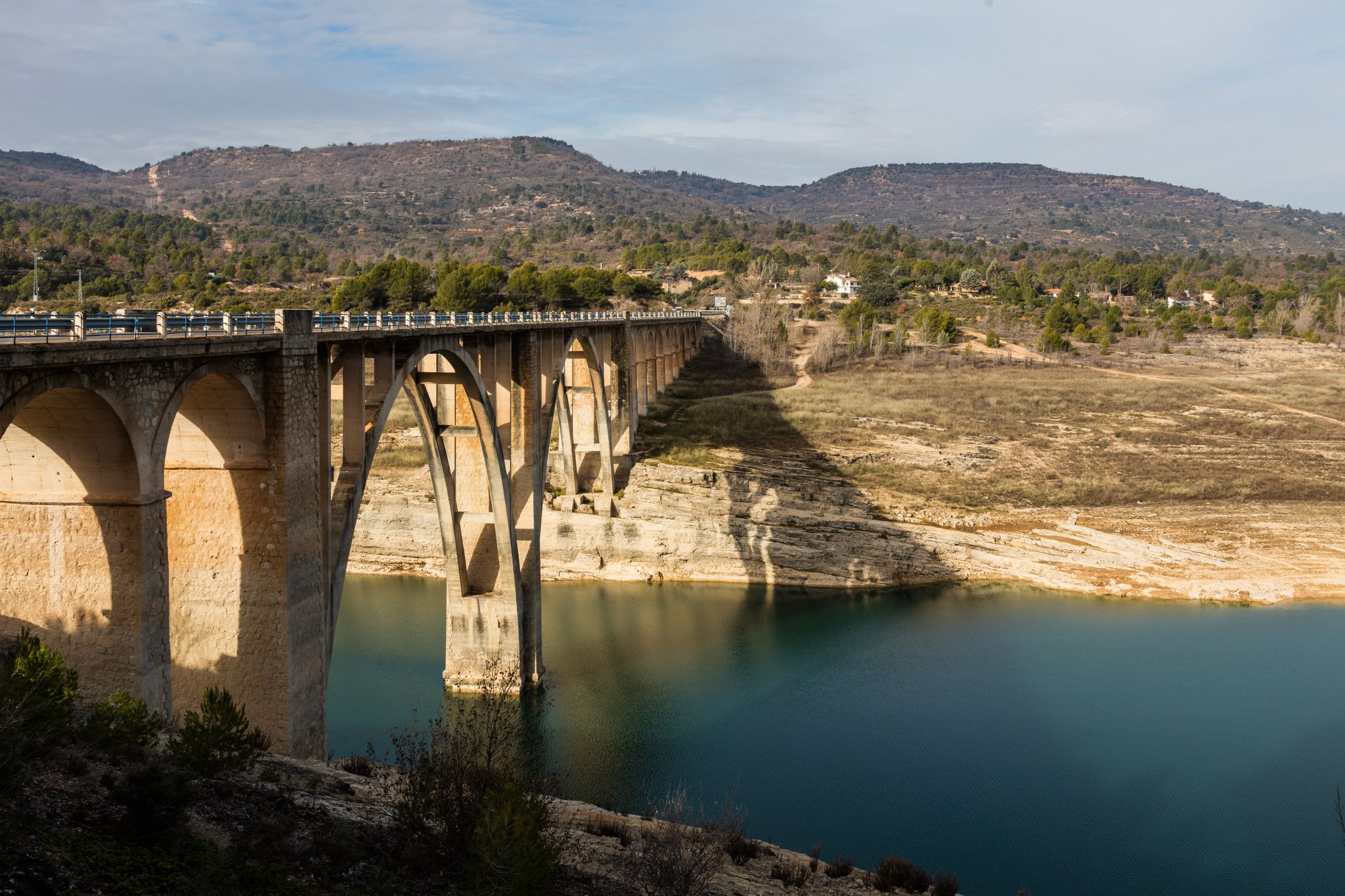
Navalmoral de la Mata is a large rural farming town centrally located close to major highways and the Madrid-Lisbon railway line. The town was founded at the end of the 14th century as the Campana de la Mata farmhouse in the community of Villa y Tierra de Plasencia. Grain silos dominate the landscape and can be seen for miles.
2
0

Site with a lot of history behind it that goes back to the time of the Romans in the second century. The old town of Talavera la Vieja or also known as Talaverilla, originally located on the banks of the Tagus River, was flooded in 1963 due to the construction of the Valdecañas Reservoir. Today they can be seen from its shores in a movie landscape but what stands out the most are the Roman ruins of "Los Mármoles" and the "Cilla" temple that can still be visited and date back to the 2nd century when in this place The citadel of Augustobriga was located, which used to have between 4,000 and 7,500 inhabitants at that time. The discovery, in addition to several dolmens, allows us to indicate that there was a population in this area even before it was inhabited by the Romans.
2
0
Frequently Asked Questions
How many hiking trails are available around Bohonal de Ibor?
Bohonal de Ibor offers a selection of hiking routes, with a total of 2 tours currently listed on komoot. These include both easy and moderate options, providing varied experiences for hikers.
What kind of terrain can I expect on hikes around Bohonal de Ibor?
The terrain around Bohonal de Ibor is diverse, characterized by river valleys, holm oak groves (encinares), rockrose (jarales), and plains. You'll encounter geological formations like the "Marmitas de Gigante" (giant's kettles) along the Ibor River, and protected riverside woodlands featuring alders, poplars, and willows.
Are there any historical landmarks or points of interest to see while hiking?
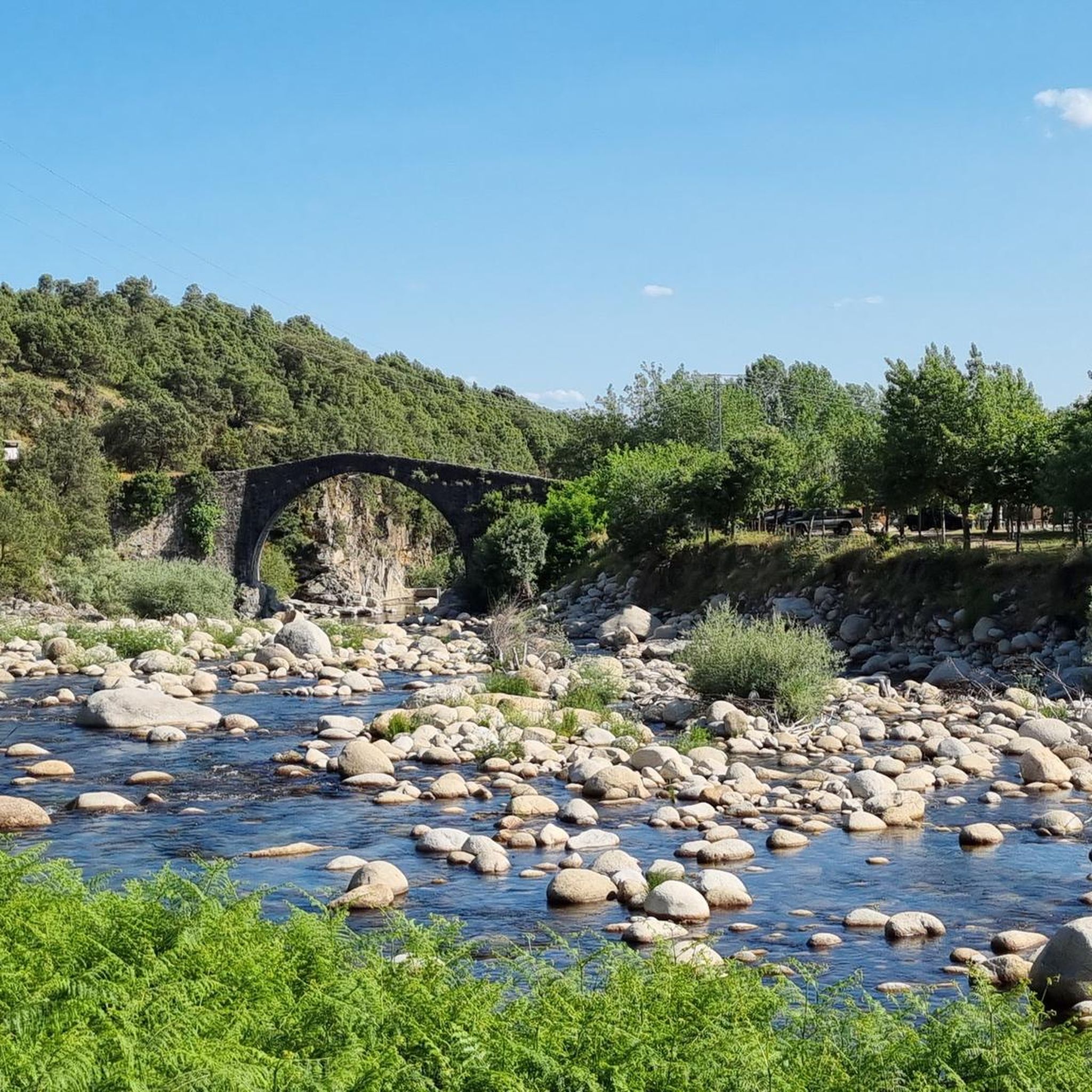
Yes, hiking routes in Bohonal de Ibor often combine nature with culture. You can discover historical sites such as the Dolmen of Pibor, the Temple of the Woodcutters of Augustobriga (also known as Templo de los Mármoles), and the iconic Las Veredas bridge. The Acueducto de las Herrerías is another notable man-made monument.
Can I find circular hiking routes in Bohonal de Ibor?
Yes, circular routes are available. An example is the easy Belvis de Monroy – circular via the Berrocal Hermitage and San Francisco Convent, which passes historical sites. Another option is the moderate Acueducto de las Herrerías loop from Campillo de Deleitosa.
Are the hiking trails in Bohonal de Ibor suitable for families with children?
Yes, the region offers trails suitable for different preferences, including family-friendly strolls. The easy routes, such as the Belvis de Monroy circular trail, are generally well-suited for families.
Are dogs allowed on the hiking trails in Bohonal de Ibor?
While specific regulations for dogs on every trail are not detailed, the natural environment of Bohonal de Ibor, with its diverse landscapes and open spaces, generally welcomes responsible dog owners. It's always advisable to keep dogs on a leash, especially in areas with wildlife or livestock, and to clean up after them.
What are the notable natural features I might encounter on a hike?
You'll find the deep embedment of the Ibor River, featuring spectacular "Marmitas de Gigante" (giant's kettles) carved into granite. The protected riverside woodlands are home to alders, black poplars, and willows. The area is also part of the Geoparque de las Villuercas-Ibores-Jara, offering unique geological and biodiversity insights.
What is the best time of year to go hiking in Bohonal de Ibor?
Bohonal de Ibor is suitable for hiking across multiple seasons. Spring and autumn generally offer pleasant temperatures and vibrant landscapes, with spring bringing wild orchids. The clean skies also make it suitable for stargazing, suggesting clear evenings.
Are there opportunities for wildlife spotting while hiking?
Yes, the diverse ecosystems of Bohonal de Ibor provide excellent opportunities for wildlife spotting. Hikers may encounter various species, including black storks, griffon vultures, and a variety of wild orchids.
Are there any long-distance or more challenging trails near Bohonal de Ibor?
Yes, the region connects to established long-distance routes. Sections of the "Camino de los Jerónimos" and the "Apalaches Extremeños" are accessible. The "Camino Real a Guadalupe" is another ancestral path, and a longer linear route, "Camino a Guadalupe," spans 37.5 km and is considered moderately difficult, offering a more challenging option.
What do other hikers say about their experience in Bohonal de Ibor?
The routes in Bohonal de Ibor are highly rated by the komoot community, with an average score of 3.7 stars from 4 reviews. Hikers often praise the varied terrain and the blend of natural beauty with historical sites.
Are there any trails with opportunities for wild swimming?
The Ibor River, with its deep embedment and "Marmitas de Gigante," is a significant natural feature. While not explicitly designated for wild swimming, such river features often provide natural pools. Always exercise caution and check local regulations before entering any natural water bodies.
Are there accessible trails for people with mobility issues or wheelchairs?
While the region offers varied terrain, including some easy strolls, specific information on wheelchair-accessible trails is not available. Many routes may involve natural paths, uneven surfaces, or inclines. It is recommended to check individual route details for suitability.
Most popular routes around Bohonal De Ibor
Most popular attractions around Bohonal De Ibor

Get inspired with the komoot mobile app


Explore more
Browse the best Hikes in other regions.
