The best road cycling routes around Villa Del Campo
5.0
(1)
186
riders
18
rides
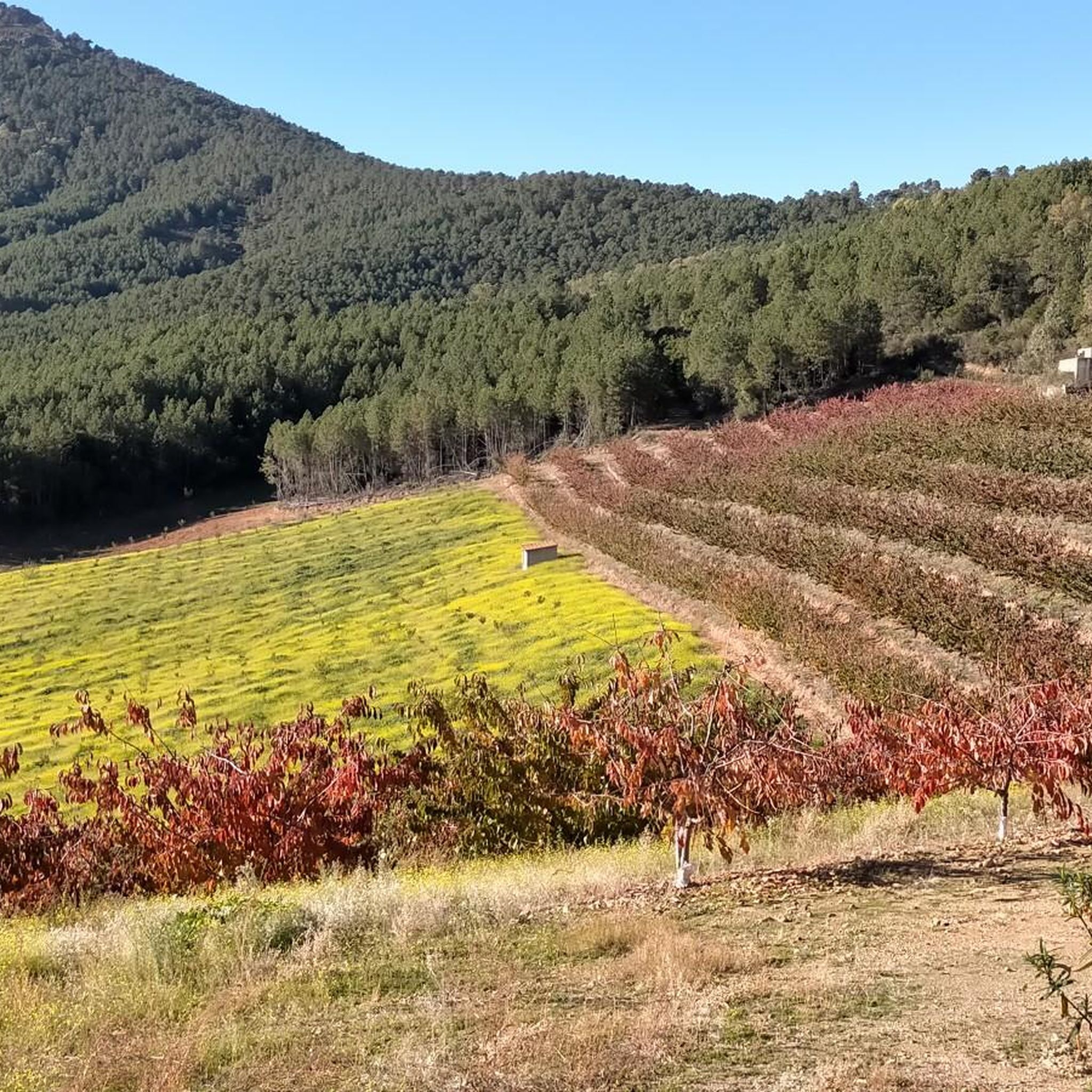
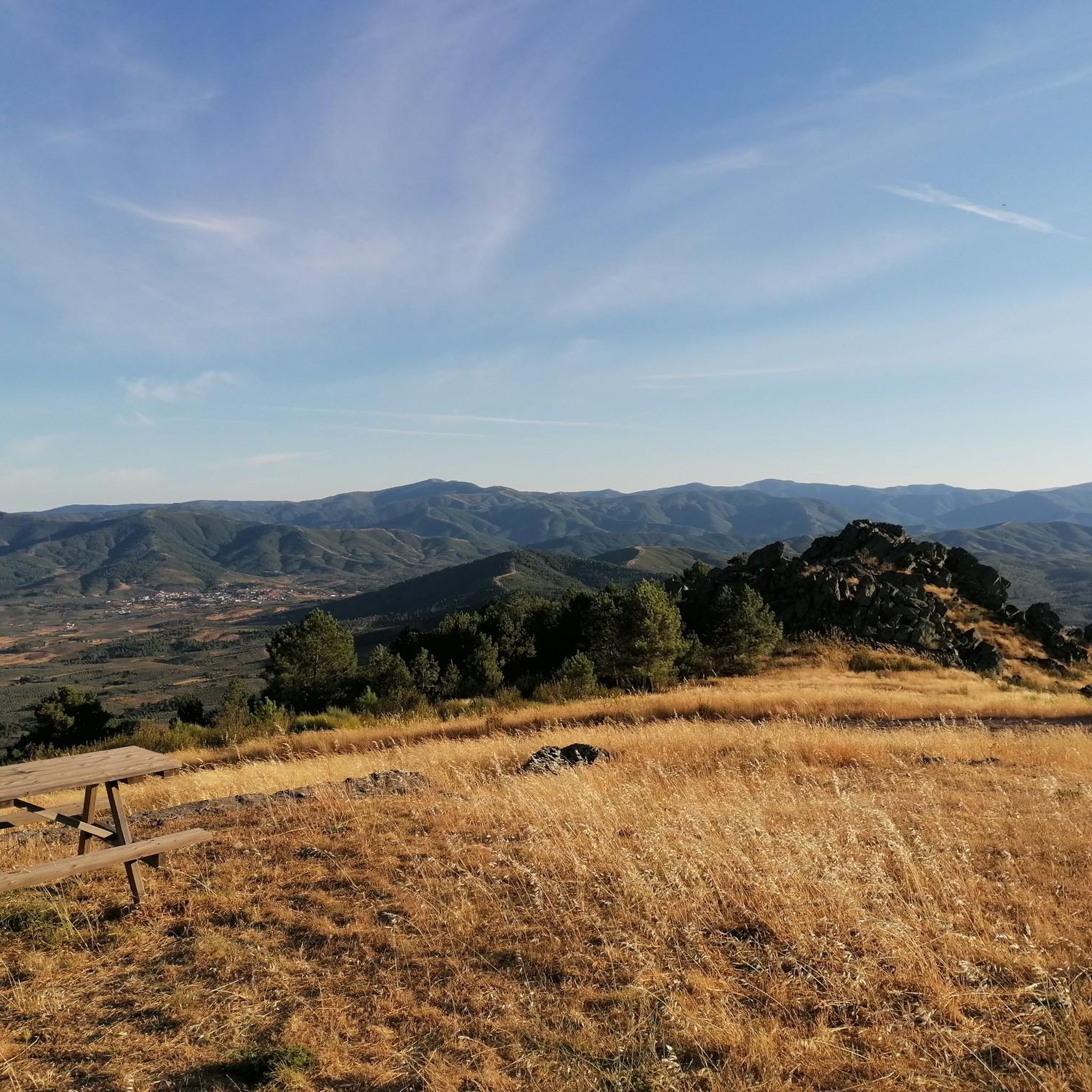
Road cycling routes around Villa Del Campo traverse a landscape characterized by rolling hills, agricultural plains, and the foothills of the Sierra de Gata. The region features a mix of open roads, forested sections, and routes passing by reservoirs, offering varied terrain for cyclists. Elevation changes are common, ranging from gentle ascents to more challenging climbs.
Best road cycling routes around Villa Del Campo
- The most popular road cycling route is Santibáñez el Alto and Embalse, a 38.1 miles…
Last updated: July 10, 2026
1
riders
61.3km
02:53
690m
690m
Moderate road ride. Good fitness required. Mostly well-paved surfaces and easy to ride.
15
riders
92.1km
04:39
1,480m
1,480m
Hard road ride. Very good fitness required. Some segments of this route may be unpaved and difficult to ride.

Sign up for free
11
riders
Hard road ride. Very good fitness required. Mostly well-paved surfaces and easy to ride.
8
riders
80.3km
03:44
1,040m
1,040m
Hard road ride. Very good fitness required. Mostly well-paved surfaces and easy to ride.
6
riders
70.5km
03:15
790m
800m
Moderate road ride. Good fitness required. Mostly well-paved surfaces and easy to ride.
Get access to more routes and recommendations from other explorers.
Sign up for free
Already have an account?
Our route recommendations are based on thousands of hikes, rides, and runs completed by other people on komoot.
Start today with a free account
Your next adventure awaits.
Login or Signup
Popular around Villa Del Campo

Tips from the Community

Coria Castle is an imposing medieval fortress located in the upper part of Coria's historic center, very close to the Cathedral, and is one of the city's most prominent landmarks. It is integrated into the walled enclosure, forming part of the defensive complex of Roman origin. Main construction: between 1473 and 1478, commissioned by García Álvarez de Toledo, Marquis of Coria and Duke of Alba.
4
0
Located outside the city of Coria, in the natural area of the ancient Dehesa de Malpartida, the sanctuary is close to the edge of the cliff formed by the Alagón River. According to the Coria Charter from the 13th century, it stands in the same place where a small medieval chapel probably existed. Part of the remains of the extensions carried out in the 16th century are still preserved. These extensions were carried out to house the venerated Romanesque-Gothic Marian carving, possibly made in Leonese workshops. The image of the Virgin rests in her dressing room (added in 1880) and is framed by a beautiful Rococo altarpiece from 1774. A visit to this sanctuary will allow you to appreciate its uniqueness, beauty and devotion to the Patroness of Coria! 🙏🌟
3
0
Founded before the Romans occupied the Iberian Peninsula, Coria was known as Cauria or Caurus. The Romans gave it its current Latin name, CAVRIUM. Later, he was granted Roman citizenship. In the Visigothic era, the Diocese of Coria was created, which maintained Coria as an episcopal see until the 20th century. After the Reconquista, Coria became the capital of a manor to which towns that still bear the name of Coria belonged, such as Guijo de Coria or Casillas de Coria.
8
0

Pinofranqueado is a municipality in the Las Hurdes region, in the province of Cáceres, Community of Extremadura. It is famous for a festival called La Enramá, in which young men and women from the town temporarily pair up to facilitate future courtships. Pinofraqueado is made up of a main nucleus and ten farmhouses. The farmhouses arose from the houses built by the shepherds of the area.
1
0

This is a beautiful little town where life slows down. It is located at the foot of the Sierra de Gata. It has charming little streets and a way of life that hasn't changed in years.
1
0
Descargamaría is a municipality in the province of Cáceres. In 2011 it had a population of 190 inhabitants. An interesting fact is that it has the highest percentage of nudists in the world.
1
0
Natural pools on the side of the road for a quick dip. There is also a small park with a picnic area across the road.
1
0
Villanueva de La Sierra is famous for its "Fiesta del Árbol" that began more than 200 years ago. During the big party trees are planted and local food and wine are served.
0
1
Frequently Asked Questions
What kind of terrain can I expect when road cycling around Villa Del Campo?
Road cycling routes around Villa Del Campo feature a diverse landscape of rolling hills, expansive agricultural plains, and the scenic foothills of the Sierra de Gata. You'll encounter a mix of open roads and sections that pass through forested areas and by reservoirs. Expect varied terrain with common elevation changes, ranging from gentle ascents to more demanding climbs.
How many road cycling routes are available around Villa Del Campo?
There are over 18 road cycling routes available around Villa Del Campo, offering a wide range of options for different skill levels and preferences.
Are there challenging routes for experienced road cyclists?
Yes, Villa Del Campo offers several challenging routes for experienced cyclists. For instance, the Pinofranqueado Bridge – Pinofranqueado loop from Villa del Campo is a difficult 57.2-mile (92.0 km) path with substantial climbing through the Sierra de Gata mountains. Another difficult option is the Puerto del Gamo – Pinofranqueado loop from Villanueva de la Sierra, covering 80.3 km with over 1000 meters of elevation gain.
Are there any loop road bike trails in the region?
Yes, many routes around Villa Del Campo are designed as loops. Examples include the challenging Pinofranqueado Bridge – Pinofranqueado loop from Villa del Campo and the moderate Coria Historic Center – Coria Castle and Cathedral loop from Villanueva de la Sierra, which offers varied terrain over 96.5 km.
What are the typical distances and durations for road cycling routes here?
The road cycling routes around Villa Del Campo vary significantly in length and duration. You can find routes like the moderate Santibáñez el Alto and Embalse, which is 38.1 miles (61.3 km) and takes approximately 2 hours 52 minutes. Longer routes, such as the Coria Historic Center – Coria Castle and Cathedral loop from Villanueva de la Sierra, can extend to nearly 60 miles (96.5 km) and take around 4 hours 23 minutes.
What can I see along the road cycling routes around Villa Del Campo?
As you cycle, you can explore various points of interest. Routes often pass by cultural landmarks like the Villasbuenas de Gata Village Square and the historic Torre de Almenara. You might also encounter natural features such as the Borbollón Dam, which is along the Santibáñez el Alto and Embalse route.
Are there any viewpoints along the road cycling routes?
Yes, the region offers scenic viewpoints. A notable one is the Chorro de los Ángeles Viewpoint, which provides panoramic vistas of the surrounding landscape, perfect for a cycling break.
What do other road cyclists enjoy most about road cycling in Villa Del Campo?
Over 180 road cyclists have explored Villa Del Campo using komoot, indicating a vibrant cycling community. Riders often appreciate the region's varied terrain, which includes rolling hills, agricultural plains, and mountain foothills, offering diverse experiences from moderate rides to advanced challenges.
What is the best time of year for road cycling in Villa Del Campo?
Given the region's characteristics with rolling hills and agricultural plains, spring and autumn generally offer the most pleasant conditions for road cycling. Temperatures are milder, and the landscapes are often at their most vibrant. Summer can be hot, especially in open areas, while winter might bring cooler temperatures and occasional rain, though many routes remain accessible.
Are there any beginner-friendly road cycling routes?
While many routes feature significant elevation changes, there are moderate options that can be suitable for beginners with a reasonable level of fitness. Routes like Santibáñez el Alto and Embalse are classified as moderate, offering a good balance of distance and elevation without being overly strenuous.
Is parking available near the road cycling routes?
Parking availability can vary depending on the specific starting point of each route. Generally, in smaller towns and villages like Villa del Campo or Villanueva de la Sierra, you can find public parking areas. It's advisable to check the specific route details on komoot for recommended starting points and potential parking information.
Can I find cafes or places to refuel along the road cycling trails?
Many road cycling routes in Villa Del Campo pass through or near small towns and villages. These settlements often have local cafes, bars, or small shops where you can stop for refreshments, snacks, and to refill water bottles. Planning your route with these stops in mind can enhance your cycling experience.
Most popular attractions around Villa Del Campo

Get inspired with the komoot mobile app


Explore more
Browse the best Road cycling routes in other regions.
