The best walks and hikes around Alcántara
4.4
(25)
85
hikers
12
hikes
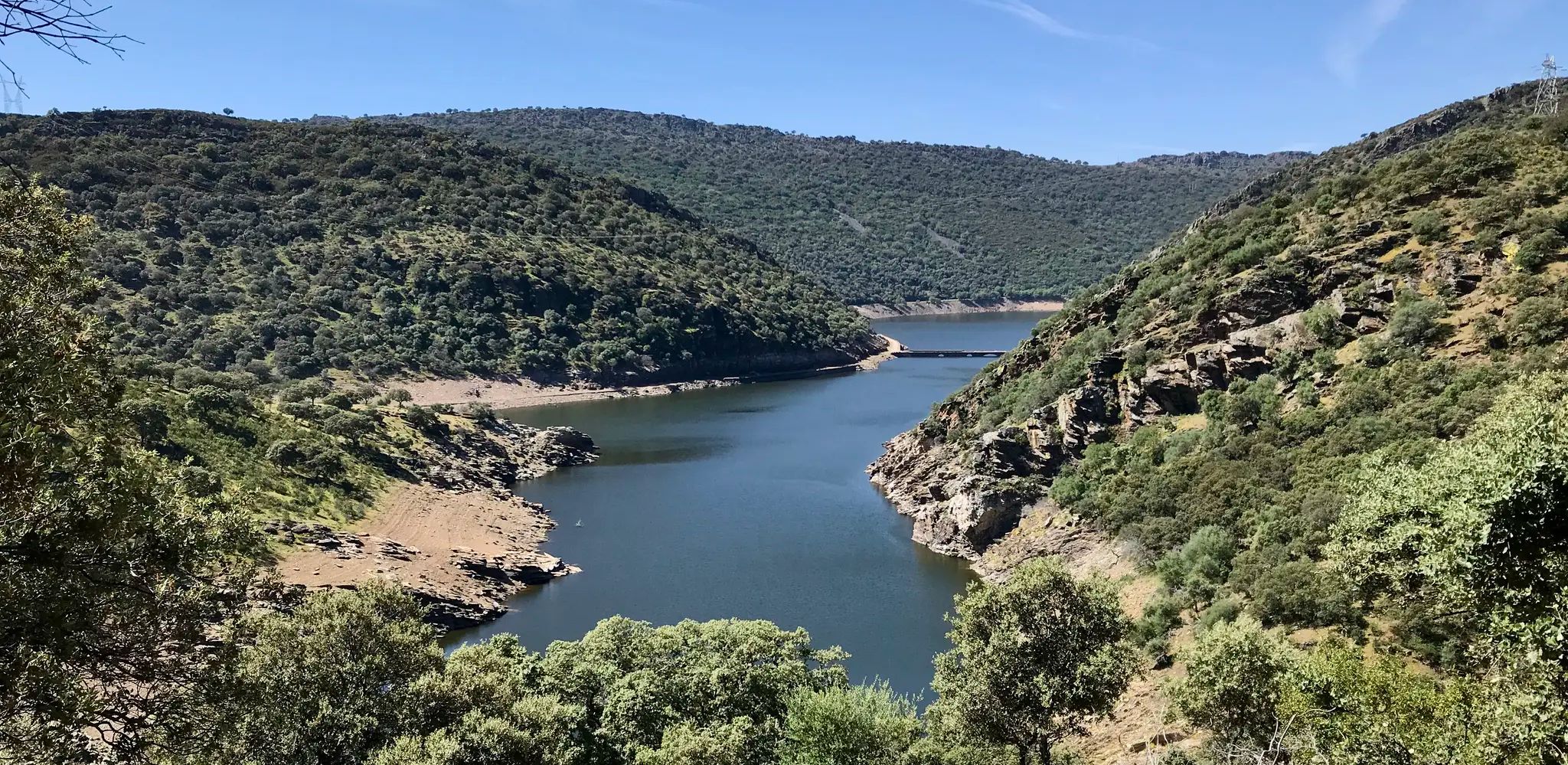
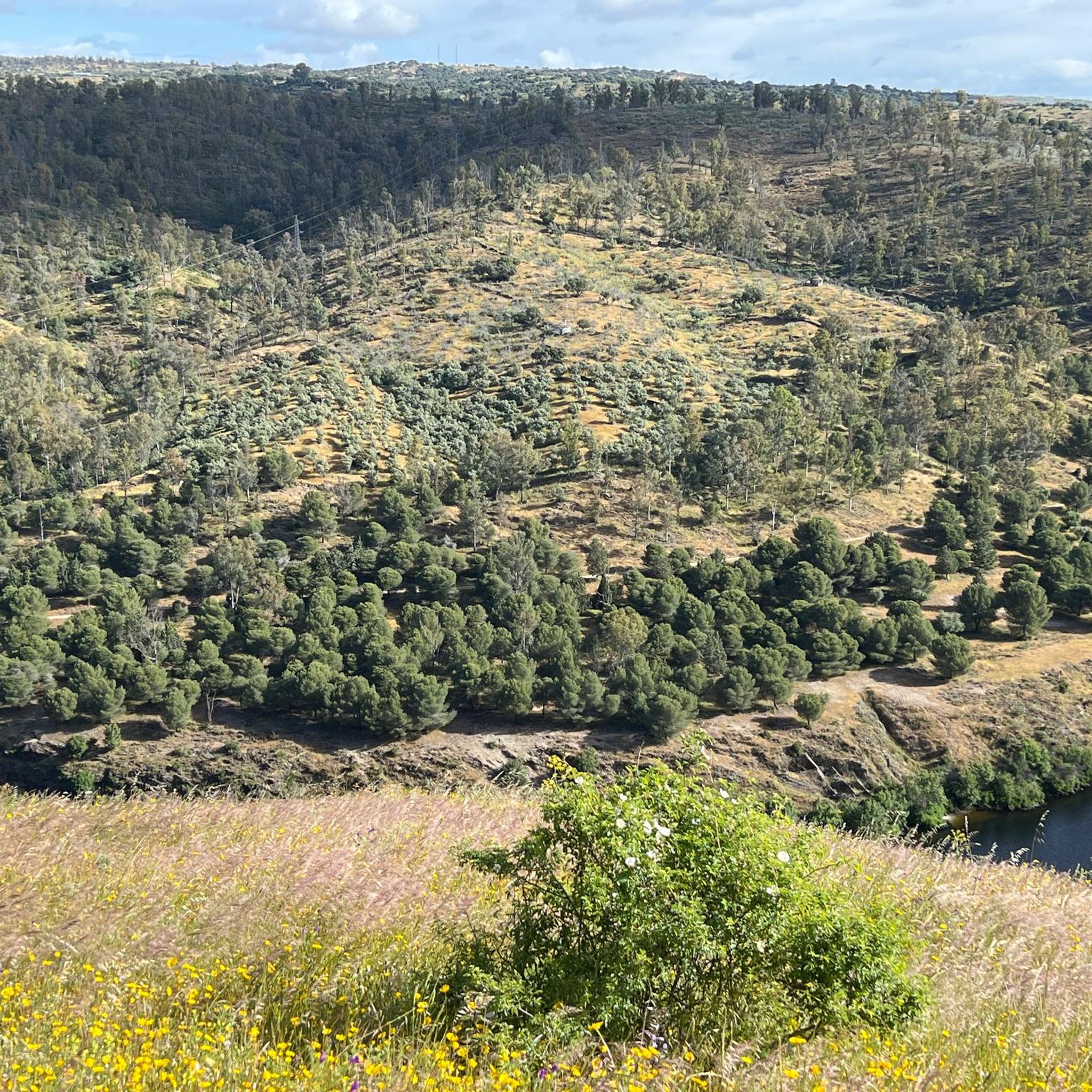
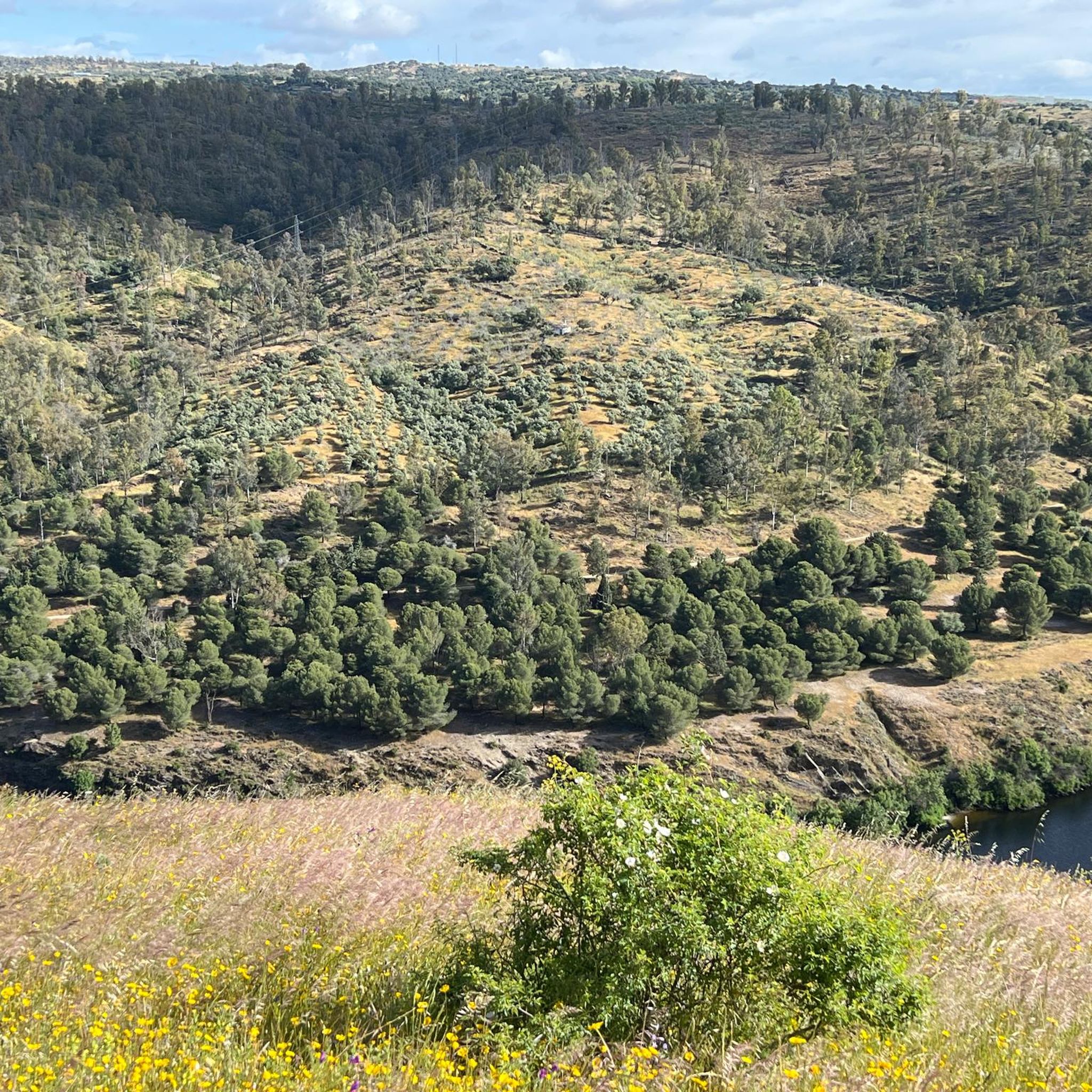
Hiking around Alcántara offers diverse trails through a landscape shaped by the Tagus River and its reservoir, nestled in the foothills of the Sierra de San Pedro. The region is characterized by extensive holm-oak and cork-oak forests, providing varied environments for walking. Hikers will encounter a rolling and rocky terrain, with the Tagus riverbed flowing through narrow, steep-edged trenches. This area is part of Extremadura, Spain, near the Portuguese border.
Best hiking trails around Alcántara
- The most popular hiking route is Natural Park of the International Tagus – circular route by the Balcony of the World - Alcantara, a 3.9 miles (6.3 km) trail that takes 1 hour 44 minutes to complete, offering views within the International Tagus Natural Park.
- Another top favourite among local hikers is Menhir del Cabezo from the Mirador del Presa del Embalse de Alcántara — circular by Ruta de la Cañada Real de Gata, a moderate 8.3 miles (13.3 km) path that explores the area around the Alcántara Reservoir and features a megalithic site.
- Local hikers also love the Starlings from Alcántara — circular by the Tagus River, a 10.4 miles (16.8 km) trail leading through the banks of the Tagus River, often completed in about 4 hours 44 minutes.
- Hiking around Alcántara is defined by the Tagus River, Alcántara Reservoir, and extensive holm-oak and cork-oak forests. The network offers options for different ability levels, from easy walks to more challenging routes.
- The routes in Alcántara are highly rated by the komoot community with an average score of 4.4 stars from over 20 reviews. More than 80 hikers have used komoot to explore Alcántara's varied terrain.
Last updated: June 23, 2026
5.0
(2)
8
hikers
6.32km
01:45
110m
110m
Moderate hike. Great for any fitness level. Mostly accessible paths. Sure-footedness required.
2
hikers
Moderate hike. Good fitness required. Easily-accessible paths. Suitable for all skill levels.

Sign up for free
5.0
(1)
2
hikers
16.8km
04:44
350m
350m
Moderate hike. Good fitness required. Mostly accessible paths. Sure-footedness required.
5.20km
01:27
90m
90m
Easy hike. Great for any fitness level. Easily-accessible paths. Suitable for all skill levels.
Moderate hike. Good fitness required. Mostly accessible paths. Sure-footedness required.
Get access to more routes and recommendations from other explorers.
Sign up for free
Already have an account?
Our route recommendations are based on thousands of hikes, rides, and runs completed by other people on komoot.
Start today with a free account
Your next adventure awaits.
Login or Signup



Tips from the Community

Enjoy a peaceful walk in nature and enjoy the beautiful surroundings.
1
0

The Church of Santiago in Estorninos, a district of the municipality of Alcántara, in the province of Cáceres, Autonomous Community of Extremadura, Spain, is a building with a rich history. Although its origin dates back to the 15th century, it has undergone modifications over time.
2
0
Small town in the municipality of Alcántara.
12
0
The menhir is located on a small hill or headland, hence its name. It is one of the few known menhirs in Alta Extremadura and, perhaps, one of the oldest megaliths in the region.
12
0
Incredible views from the north side of the reservoir.
20
0
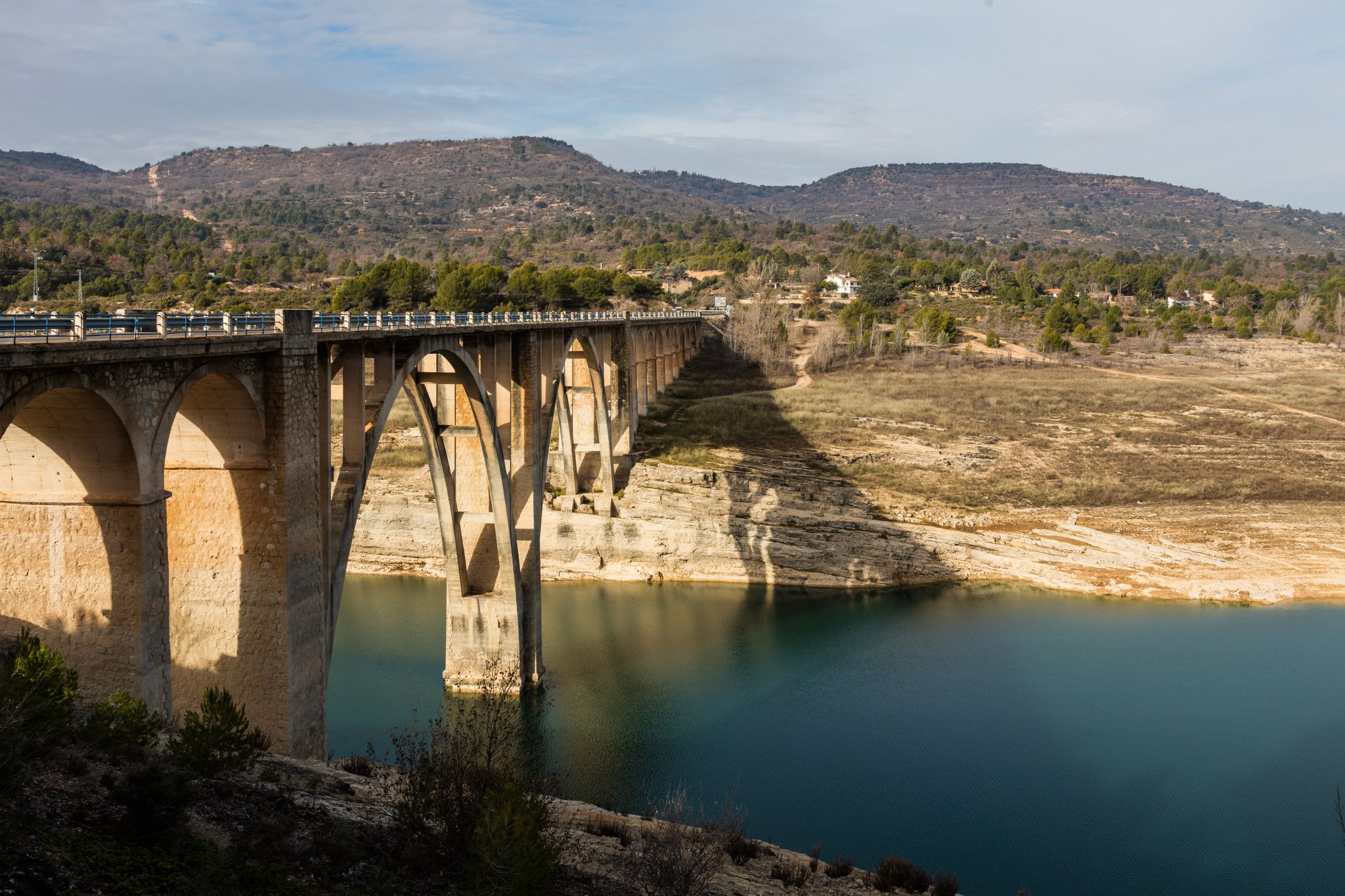
The Alcántara II reservoir was the one with the highest capacity built in Spain and the second in Europe until 1990, with its 3,162 cubic hectometers and a length of 91 kilometers. Its lightened gravity dam and double buttress, formed by 19 independent triangular profile elements, brings together the confluent waters of the Tajo, the Alagón and the Tiétar (these last two are tributaries of the first).
12
0
In the epicenter of the Tajo Internacional Natural Park Alcántara means “the bridge” and not in vain, next to this town near the Portuguese border, is its famous Roman bridge over the Tagus River. It was declared a National Monument in 1924 and has a height of more than 70 meters. It dates back to the 2nd century AD. and its size and excellent state of conservation make it a must-visit place.
10
0
Built over the Tagus River near present-day Alcántara, in the province of Cáceres, the Alcántara Bridge is one of the most beautiful and important examples of Roman civil engineering. Despite being shorter than that of Mérida and with fewer arches, it is much higher and above all more impressive. The complex is made up of three distinct parts: the bridge, the central triumphal arch and a small rectangular temple measuring 5.60 x 4.10 meters. This building consists of a staircase, two Tuscan columns, an entablature and a classical pediment. A restored plaque indicates the name of its builder and reminds us that the bridge will last “as long as the world lasts”:
36
1
Frequently Asked Questions
How many hiking trails are available in Alcántara?
Alcántara offers a diverse network of over 30 hiking routes. These trails cater to various preferences, from easy strolls to more challenging excursions through the region's unique landscapes.
What are the typical difficulty levels for hiking trails in Alcántara?
The trails around Alcántara offer a range of difficulty levels. You'll find 11 easy routes, 18 moderate paths, and 3 more challenging hikes, ensuring options for all experience levels.
Are there any circular hiking routes in Alcántara?
Yes, many of the trails in Alcántara are circular, allowing you to start and end your hike in the same location. For example, the Natural Park of the International Tagus – circular route by the Balcony of the World - Alcantara is a popular circular option, as is the Menhir del Cabezo from the Mirador del Presa del Embalse de Alcántara — circular by Ruta de la Cañada Real de Gata.
What kind of natural features can I expect to see while hiking in Alcántara?
Hiking in Alcántara immerses you in a landscape defined by the Tagus River and its reservoir, flowing through narrow, steep-edged trenches. You'll encounter extensive holm-oak and cork-oak forests, characteristic of the Sierra de San Pedro foothills. The terrain is generally rolling and rocky, offering varied scenic views.
Are there any historical landmarks or points of interest along the hiking trails?
Absolutely. Alcántara is rich in history. You can explore the iconic Alcántara Roman Bridge, an ancient engineering marvel over the Tagus River. The area also features megalithic sites, such as those near Valencia de Alcántara, and the impressive Conventual de San Benito, a prime example of Renaissance architecture.
What do other hikers enjoy most about the trails in Alcántara?
The trails in Alcántara are highly rated by the komoot community, with an average score of 4.4 stars from over 20 reviews. Hikers often praise the diverse terrain, the beauty of the Tagus River and reservoir, and the peaceful atmosphere of the holm-oak and cork-oak forests.
Are there family-friendly hiking options in Alcántara?
Yes, Alcántara offers several easy routes suitable for families. These trails often feature gentle gradients and shorter distances, allowing for an enjoyable outdoor experience with children. The region's natural beauty provides a great setting for family adventures.
Can I bring my dog on the hiking trails in Alcántara?
Many trails in natural areas like Alcántara are generally dog-friendly, especially if your dog is well-behaved and kept on a leash. However, it's always advisable to check local regulations for specific trails or protected areas within the International Tagus Natural Park to ensure compliance.
Are there any viewpoints or scenic overlooks along the hiking routes?
Yes, the region offers several stunning viewpoints. The 'Balcony of the World' within the International Tagus Natural Park is a notable scenic spot. Additionally, areas around the Alcántara Reservoir, such as the Viewpoint of the José María de Oriol - Alcántara II Dam, provide expansive views of the water and surrounding landscape.
What is the best time of year to go hiking in Alcántara?
The best time for hiking in Alcántara is typically during the spring (March to May) and autumn (September to November) when temperatures are milder and the natural scenery is at its most vibrant. Summers can be very hot, and winters can be cooler, though still suitable for hiking on sunny days.
Is there public transport available to reach the hiking areas in Alcántara?
While Alcántara is accessible by road, public transport options directly to specific trailheads might be limited. It's often recommended to have personal transport for flexibility, especially when exploring routes further afield from the main town. For detailed information on local bus services, it's best to consult local transport providers or the Alcántara tourist information center.
Are there places to eat or stay near the hiking trails in Alcántara?
Alcántara, as a municipality, offers amenities such as cafes, restaurants, and accommodation options. These are generally found within the town center, providing convenient places to refuel and rest before or after your hikes. For specific recommendations, local tourist information can be helpful.
Are permits required for hiking in the Alcántara region?
Generally, permits are not required for hiking on established trails in the Alcántara region, including within the International Tagus Natural Park. However, for any specific activities or access to certain restricted areas, it's always wise to check with local park authorities or the Alcántara tourist office for the most current information.
Most popular attractions around Alcántara

Get inspired with the komoot mobile app


Explore more
Browse the best Hikes in other regions.
