Top 10 Castles around Cubelles
Best castles around Cubelles offer a glimpse into the region's rich history and strategic importance. Cubelles, a coastal town in Catalonia, Spain, is known for its historical fortifications, including the prominent Castillo de Cubelles. The area features a blend of medieval origins and later architectural transformations, reflecting centuries of events. These sites are often situated in locations that highlight the natural landscape, providing historical insight.
Best castles around Cubelles
- The most popular castles is Castellet Castle, a castle that dates from the 10th century. It was originally a fortified house with a watchtower, intended to protect the Hispanic March of al-Andalus.
- Another must-see spot is Olèrdola Castle and Archaeological Site, a historical site that includes the castle of Olèrdola, Roman walls, and the church of San Miguel de Olèrdola. Visitors can explore vestiges from the Bronze Age to the High Middle Ages.
- Visitors also love Castillo de Santa Oliva, a well-preserved castle located on a small hill. This architectural complex, made up of two towers, was initially built for defense.
- Cubelles is known for its medieval castles, fortified houses, and historical watchtowers. These sites showcase the region's defensive past and architectural evolution.
- The castles around Cubelles are appreciated by the komoot community, with 137 upvotes and 79 photos shared by visitors.
Last updated: May 1, 2026
Castellet Castle and the Foix Reservoir
Highlight (Segment) • Castle
Translated by Google •
Tip by

Castellet Castle
Highlight • Castle
Over time and the successive occupants it did not fall into disuse thanks to its strategic position between Garraf and Penedès. Today it is a tourist attraction, thanks to its state of conservation and its privileged location on the meander of the Foix River, today occupied by the Foix reservoir. There is a terrace bar, very popular with bikers and cyclists, just off the road.
Translated by Google •
Tip by
Sign up now to discover places like this
Get recommendations on the best single tracks, peaks, & plenty of other exciting outdoor places.
Sign up for free
Olèrdola Castle and Archaeological Site
Highlight • Castle
Translated by Google •
Tip by
Castillo de Santa Oliva
Highlight • Castle
Translated by Google •
Tip by

Torre del Veguer
Highlight • Castle
Its history begins in 1318, when Guillem de Cortei bought the estate, which would become known as Quadra d'Escortei. In the year 1400, the monastery of Sant Jeroni de Montoliver was founded in this place, but years later the monks abandoned it and the house passed into the hands of Gaspar d'Avinyó. In 1601, a descendant of Gaspar d'Avinyó bequeathed the property to his daughter, who married a native of Vilafranca del Penedès, and from this moment on it was called Torre del Veguer, probably because the man from Vilafranca held the position of "veguer." "(representative of the Count of Barcelona in Penedès).
In 1883 the property was acquired by Josep Ferrer i Vidal, who carried out important renovations, following aesthetic guidelines inspired by medieval architecture, preserving original elements such as the semicircular arch access door and the exterior buttresses, as well as semicircular arches. point and ogivals inside.
Translated by Google •
Tip by
Sign up for free to discover even more castles around Cubelles.
Sign up for free
Already have an account?
Start today with a free account
Your next adventure awaits.
Login or Signup
Tips from the Community

From the Canyellas road it is a two kilometer climb to the castle.
0
0

Beautiful town and spectacular surroundings. Dangerous road for cycling, heavy traffic.
2
0

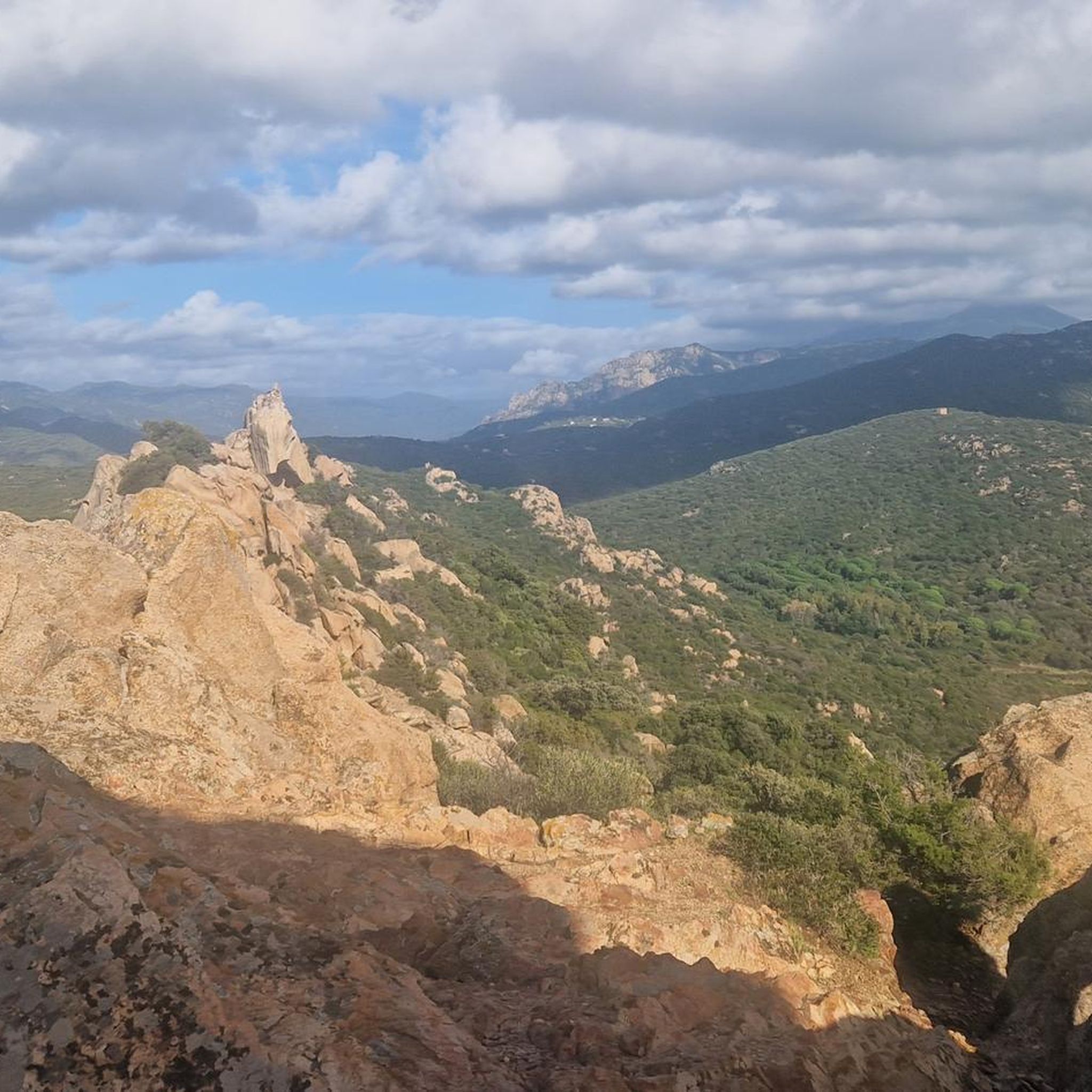
climb up to the top and look at the views
0
0

A classic stretch for cyclists in the area. Following the edge of the swamp, with ups and downs, it is a very pleasant area to ride a bike and ride with force and changes of pace.
0
0

The Torre del Veguer is a fortified house of medieval origin, located in the municipality of Sant Pere de Ribes. Its history begins in 1318, when Guillem de Cortei bought the estate, which would become known as Quadra d'Escortei. In the year 1400, the monastery of Sant Jeroni de Montoliver was founded in this place, but years later the monks abandoned it and the house passed into the hands of Gaspar d'Avinyó. In 1601, a descendant of Gaspar d'Avinyó bequeathed the property to his daughter, who married a native of Vilafranca del Penedès, and from this moment on it was called Torre del Veguer, probably because the man from Vilafranca held the position of "veguer." "(representative of the Count of Barcelona in Penedès). In 1883 the property was acquired by Josep Ferrer i Vidal, who carried out important renovations, following aesthetic guidelines inspired by medieval architecture, preserving original elements such as the semicircular arch access door and the exterior buttresses, as well as semicircular arches. point and ogivals inside.
0
0

Santa Oliva is a quaint little town with some interesting sites to see. The Castell de Santa Oliva dates back to the 8th century, although the most important tower dates back to the year 1012. It is located at the top of a small hill, which gives it a good panoramic view of the surroundings. The Monestir de Santa María is a Romanesque monastery from the 16th century. XII and also an interesting place to visit.
0
0
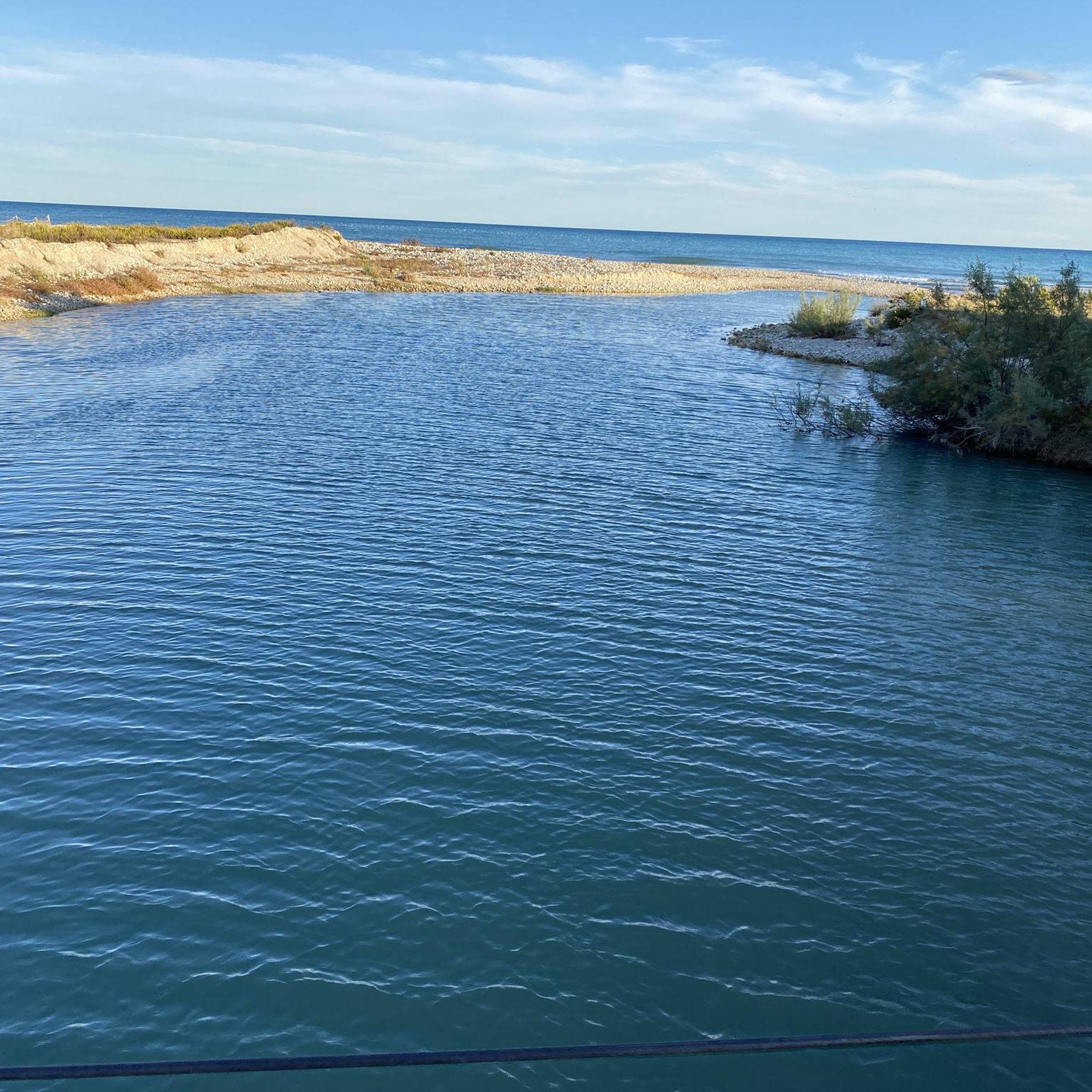
The Foix marsh, along with Castellet castle, are the two main attractions of this area, border between Alt Penedès and Garraf. The road runs along one side of the marsh and if you come from Vilanova i la Geltrú, you will enjoy the spectacular views of the castle dominating the marsh.
1
0

Castle at the top of Olèrdola Park. This is one of the 12 natural spaces that try to be protected and at the same time that people can pass through giving life to the area. The old castle is an example, and passing by and seeing its walls is always beautiful!
0
0
Frequently Asked Questions
What is the main historical castle in Cubelles itself?
The primary historical fortification in Cubelles is the Castillo de Cubelles, also known as the Casal dels Marquesos d'Alfarràs. Its origins date back to the 10th century, built over Roman villa remains, and it was significantly renovated in the 17th century. It currently houses the Municipal Tourism Office and an exhibition dedicated to Charlie Rivel.
Are there any castles near Cubelles that offer archaeological insights?
Yes, the Olèrdola Castle and Archaeological Site is a significant historical location. It features the castle of Olèrdola, Roman walls, the church of San Miguel de Olèrdola, and vestiges spanning from the Bronze Age to the High Middle Ages. It also hosts the Museum of Archeology of Catalonia-Olèrdola.
Which castles near Cubelles are known for their defensive architecture?
The Castillo de Santa Oliva is a well-preserved example, initially built with two towers for defense against Muslim rule. Similarly, Castellet Castle, dating from the 10th century, was originally a fortified house with a watchtower designed to protect the Hispanic March of al-Andalus.
Can I combine a castle visit with outdoor activities like hiking or cycling?
Absolutely. Castellet Castle is strategically located next to the Foix Reservoir, offering spectacular views and opportunities for outdoor activities. You can find various hiking trails and road cycling routes in the surrounding area, many of which pass by or offer views of the castle and the reservoir.
What kind of natural features can I expect to see around the castles?
Many castles in the region are situated in scenic locations. For instance, Castellet Castle overlooks the Foix Reservoir, providing stunning views of the water and surrounding landscape. The area around Olèrdola Castle is within a protected natural environment, offering privileged views over the surroundings of Vilafranca and Garraf.
Are there any castles that are particularly popular with the komoot community?
The castles around Cubelles are well-regarded by the komoot community. Castellet Castle is a popular choice, often highlighted for its strategic position and views over the Foix Reservoir. The community has shared 79 photos and given 137 upvotes across the various castle highlights in the region.
What is the best time of year to visit castles near Cubelles?
The region enjoys a Mediterranean climate. Spring (April-May) and autumn (September-October) generally offer pleasant temperatures for exploring castles and engaging in outdoor activities like hiking or cycling without the intense heat of summer. Winter visits are also possible, often with fewer crowds.
Are there any fortified houses or unique historical buildings besides traditional castles?
Yes, the region also features fortified houses with rich histories. An example is the Torre del Veguer, a fortified house of medieval origin in Sant Pere de Ribes. It has undergone significant renovations over centuries, preserving original elements while incorporating later architectural styles.
How can I get to Castellet Castle from Cubelles using public transport?
While direct public transport options might be limited, you can typically reach the vicinity of Castellet i la Gornal, where Castellet Castle is located, by bus from larger towns like Vilanova i la Geltrú, which is accessible from Cubelles. It's advisable to check local bus schedules for the most current routes and connections.
Are there family-friendly options when visiting castles in the Cubelles area?
Many of the castles, including the Olèrdola Castle and Archaeological Site, offer open spaces and historical exploration that can be engaging for families. The historical context and architectural features provide educational opportunities for children. The surrounding natural areas also allow for family-friendly walks.
What are some of the historical periods represented by the castles in this region?
The castles around Cubelles showcase a broad spectrum of history. The Castillo de Cubelles and Castellet Castle have medieval origins dating back to the 10th century. The Olèrdola Castle and Archaeological Site is particularly rich, with vestiges from the Bronze Age, Roman era, and the High Middle Ages, reflecting centuries of strategic importance and cultural evolution.
Are there opportunities for mountain biking near the castles?
Yes, the region offers mountain biking opportunities. You can find various MTB trails around Cubelles, some of which might pass through or near the scenic areas surrounding castles like Castellet Castle and the Foix Reservoir, providing a dynamic way to explore the landscape and historical sites.
Most popular routes around Cubelles
Most popular attractions around Cubelles

Get inspired with the komoot mobile app


Explore more
Looking for the best castles somewhere else? Discover other guides around Cubelles:
