Attractions and Places To See around Cabanillas - Top 20
Best attractions and places to see around Cabanillas include a mix of historical sites, architectural landmarks, and natural features. Located near Tudela, the area offers insights into 16th-century hydraulic engineering and traditional Castilian landscapes. Visitors can explore significant religious buildings, historic town squares, and scenic river views, providing diverse points of interest.
Best attractions and places to see around Cabanillas
- The most popular attractions is Bocal Dam, a man-made monument that marks the beginning of the Imperial Canal of…
Last updated: August 23, 2026
Cathedral of Santa María de Tudela
Highlight • Religious Site
Tudela Cathedral: A stunning example of Gothic and Romanesque architecture, with its famous Judgment Gate.
Plaza de los Fueros: The heart …
Translated by Google •
Tip by

Plaza de los Fueros de Tudela
Highlight • Settlement
Translated by Google •
Tip by
Sign up now to discover places like this
Get recommendations on the best single tracks, peaks, & plenty of other exciting outdoor places.
Sign up for free
Sacred Heart of Jesus
Highlight • Monument
Translated by Google •
Tip by
Bocal Dam
Highlight • Monument
Translated by Google •
Tip by

Bridge over the Ebro River
Highlight • Bridge
Translated by Google •
Tip by
Sign up for free to discover even more attractions around Cabanillas.
Sign up for free
Already have an account?
Start today with a free account
Your next adventure awaits.
Login or Signup

Tips from the Community

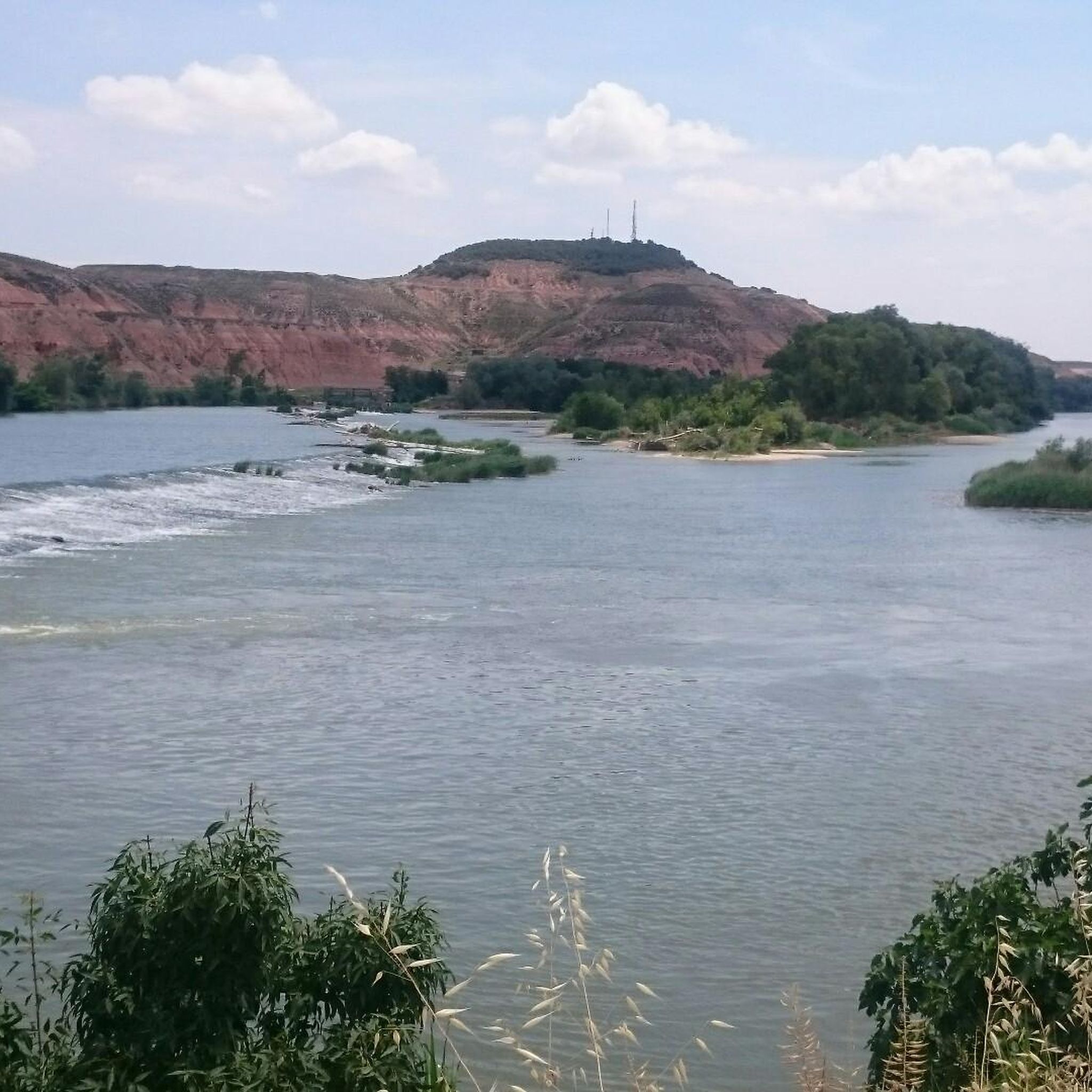
The Bocal Dam, also known as El Bocal de Fontellas, is a historic and picturesque site located near Tudela, in the municipality of Fontellas. This dam marks the beginning of the Imperial Canal of Aragon, an important hydraulic engineering work of the 16th century.
2
0
Tudela is a charming city with much to offer! Tudela Cathedral: A stunning example of Gothic and Romanesque architecture, with its famous Judgment Gate. Plaza de los Fueros: The heart of the city, ideal for strolling and soaking up the local atmosphere. Muñoz Sola Museum of Modern Art: Perfect for art lovers, with a collection of 19th-century works. Bridge over the Ebro River: A picturesque spot to enjoy views of the river. Also, don't miss the opportunity to try the delicious local cuisine, especially the fresh vegetables from Tudela's gardens.
3
0
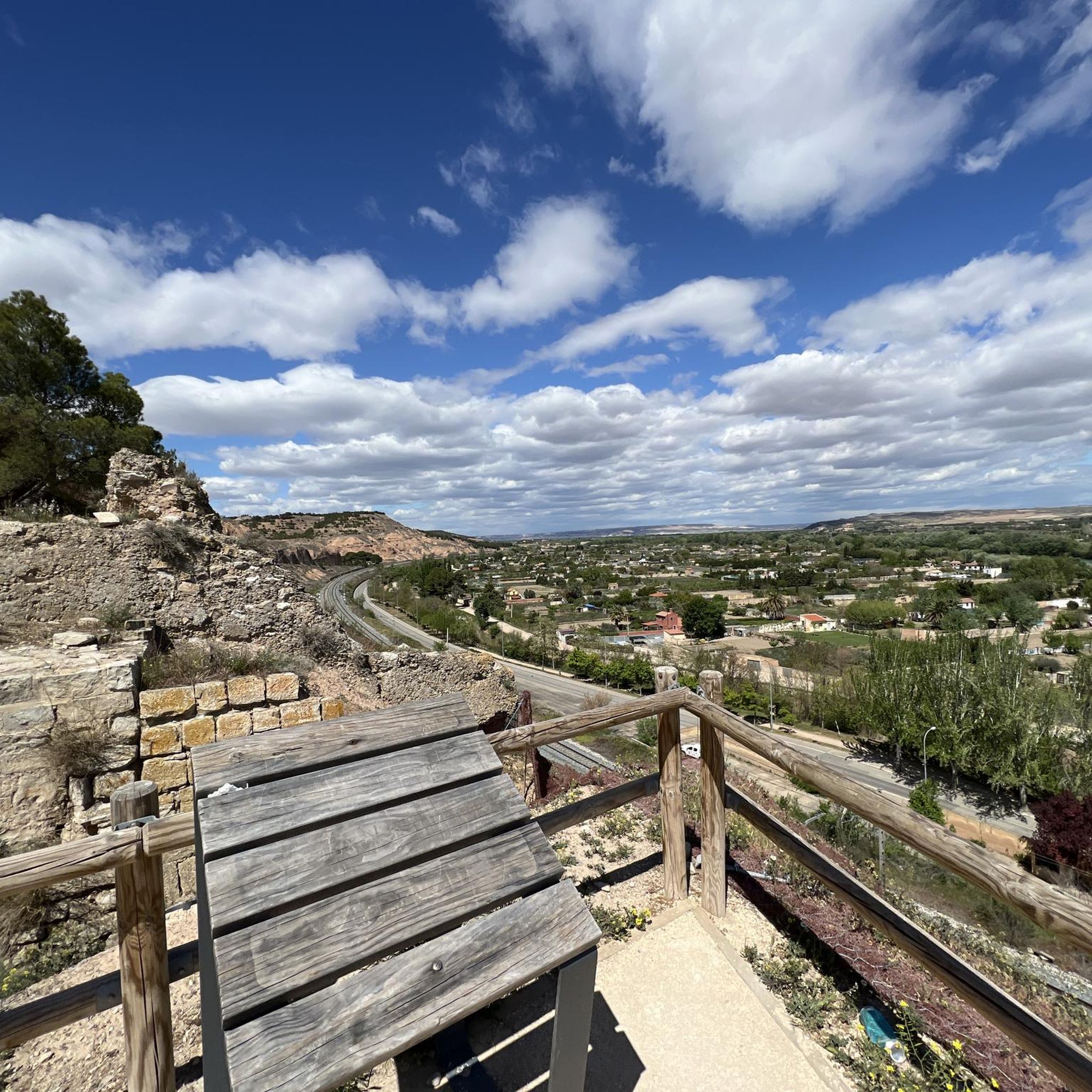
The Monument to the Heart of Jesus in Tudela is an impressive statue located atop the Cerro del Castillo. It was inaugurated on October 25, 1942, the feast of Christ the King, at the initiative of Father Luis Ortiz. The 12-meter-high statue was created by the Italian sculptor Carlo Buzzi, and the design was carried out by the architect Víctor Eusa. The monument stands as a spiritual beacon that extends its protection over the city and the surrounding area. From its location, one can enjoy a beautiful panoramic view of Tudela, the Ebro River, and its surroundings. Furthermore, the monument's surroundings are landscaped like a park, with remains of the old castle, walls, cisterns, and passageways.
6
0
The Ebro Bridge in Tudela is an impressive work of medieval architecture. Built of stone, it is 360 meters long and consists of 16 piers and 17 unequal arches. This bridge is fundamental to the history of Tudela, as it has been a strategic crossing over the Ebro River since its construction in the 12th and 13th centuries. Although tradition attributes its construction to King Sancho VII the Strong, some historians suggest it could be a reconstruction of an earlier Muslim bridge. Over the years, it has undergone multiple renovations to withstand floods and the passage of time.
6
0
The square is dominated by the Clock House, a prominent building on the southwest side. Furthermore, the Plaza de los Fueros is a meeting and relaxation place for the residents of Tudela, and is the setting for many important events, such as Holy Week celebrations and summer festivals.
7
0
The Plaza de los Fueros is the main square of Tudela, Navarre, and is known as the heart of the city. Built between 1687 and 1691, this square is characterized by its regularity, simplicity, and symmetry. It was originally designed to host bullfights, which explains the bullfighting scenes that adorn some of the square's tiles.
8
0

The Cathedral of Santa María (Santa María la Mayor) of Tudela (Navarre) is a late Romanesque temple, inspired by Cistercian architecture, of large dimensions,[2] which began to be built at the end of the 12th century during the reign of Sancho VI the Wise, passing the baton to his son Sancho VII the Strong, who in turn passed it to his nephew Theobald I. He used some of the foundations of the Great Mosque of Tudela (9th to 11th centuries). As the orientations of the two temples did not match, the mosque was demolished to build the new temple and only some of its foundations were used.
0
0

Nice square with a mix of old architecture and modern art installations. If you look up, you might be lucky enough to see some storks on top of the church.
1
0
Frequently Asked Questions
What historical sites can I explore near Cabanillas?
The area around Cabanillas is rich in history. You can visit the impressive Cathedral of Santa María de Tudela, a stunning example of Gothic and Romanesque architecture. Another significant historical site is the Plaza de los Fueros de Tudela, a historic town square built between 1687 and 1691, originally designed for bullfights. Don't miss the Bocal Dam, a 16th-century hydraulic engineering marvel marking the beginning of the Imperial Canal of Aragon.
Are there notable architectural landmarks in the area?
Yes, Tudela, near Cabanillas, features several architectural gems. The Cathedral of Santa María de Tudela is a prime example of Gothic and Romanesque styles, particularly known for its Judgment Gate. The Church of the Compañía de María stands out with its Baroque architecture, octagonal design, and lantern dome. The Plaza de los Fueros de Tudela also showcases notable architecture with its regular and symmetrical design, and the prominent Clock House.
Where can I find panoramic views of Tudela and its surroundings?
For breathtaking panoramic views of Tudela, the Ebro River, and the surrounding landscape, head to the Sacred Heart of Jesus monument. This impressive 12-meter-high statue is located atop the Cerro del Castillo and offers a fantastic vantage point.
What natural features are prominent around Cabanillas?
The region offers a mix of natural and man-made features. The Bocal Dam, located near the Ebro River, provides an impressive landscape where the historic Imperial Canal of Aragon begins. Further afield, areas like Cabanillas de la Sierra boast diverse ecosystems, including centennial holm oak forests, juniper groves, extensive meadows with ash trees, and spectacular riverside forests along crystalline streams.
Are there opportunities for hiking near Cabanillas?
Absolutely! The area around Cabanillas offers several hiking opportunities. You can explore routes like the 'Circular walk through Tudela' or the 'Canraso Heights and Ebro River Loop'. For more options and detailed routes, check out the Hiking around Cabanillas guide.
What other outdoor activities are available around Cabanillas?
Beyond hiking, you can enjoy running and gravel biking. There are various running trails, including sections of the Ebro Green Corridor, which offer moderate to difficult routes. For gravel biking enthusiasts, routes like the 'Tarazonica Greenway' provide longer excursions. Find more details in the Running Trails around Cabanillas and Gravel biking around Cabanillas guides.
Are there family-friendly attractions around Cabanillas?
Yes, several attractions are suitable for families. The Bocal Dam is a picturesque site that attracts visitors interested in nature and photography, making it a pleasant outing for all ages. The Plaza de los Fueros de Tudela is also considered family-friendly, offering an open space for strolling and soaking in the local atmosphere.
What is the best time to visit Cabanillas for outdoor activities?
While specific seasonal considerations are not detailed, regions with Mediterranean climates like this generally offer pleasant conditions for outdoor activities in spring and autumn. These seasons typically provide milder temperatures, ideal for hiking, running, and exploring historical sites without the intense heat of summer or the chill of winter.
Is there wheelchair accessibility at any of the attractions?
Yes, the Plaza de los Fueros de Tudela is noted as being wheelchair accessible, making it an inclusive spot to enjoy the city's main square and its historical ambiance.
What do visitors enjoy most about the attractions around Cabanillas?
Visitors frequently appreciate the blend of history and natural beauty. The Bocal Dam is praised for its impressive landscape and historical significance. The Plaza de los Fueros de Tudela is loved as the vibrant heart of the city, perfect for relaxation and experiencing local events. The architectural grandeur of the Cathedral of Santa María de Tudela and the panoramic views from the Sacred Heart of Jesus are also highly valued.
Can I find traditional Castilian landscapes near Cabanillas?
Yes, if you venture towards areas like Cabanillas del Campo, you'll encounter traditional Castilian landscapes. This municipality is known for its peaceful rural ambiance, featuring rolling plains, agricultural fields, and occasional oak forests, offering a glimpse into typical Spanish village life and architecture.
Most popular routes around Cabanillas
Most popular attractions around Cabanillas

Get inspired with the komoot mobile app


Explore more
Still not found the Highlight you’re looking for? See guides of the top attractions in other regions:
