The best running trails around Pedralba De La Pradería
5.0
(2)
127
runners
22
runs
Jogging routes around Pedralba De La Pradería are situated in the Sanabria region of Zamora, Spain, offering diverse natural landscapes. The area is characterized by mountainous terrain, including the Sierras de la Atalaya and la Culebra, along with numerous springs, streams, and the Castro River. This environment provides varied elevations and abundant water sources, creating a verdant setting for outdoor activity. The region also encompasses parts of Montesinho Natural Park and Lago de Sanabria Natural Park, which feature extensive trail networks.
Best jogging routes around Pedralba De La Pradería
- The most popular jogging route is Bosque El Tejedelo Trail, a 3.0 miles (4.8 km) trail that takes 44 minutes to complete. This moderate route features an elevation gain of 251 meters through forested areas.
- Another top favourite among local runners is Sotillo Waterfall and Lake Trail, a difficult 7.8 miles (12.6 km) path. This route offers significant elevation changes and leads past the scenic Cascada de Sotillo.
- Local runners also love the Sotillo Waterfall – Laguna de Sotillo loop from Cobreros, a 12.1 miles (19.5 km) trail leading through varied terrain, often completed in about 3 hours 2 minutes.
- Jogging around Pedralba De La Pradería is defined by mountainous terrain, river valleys, and natural park landscapes. The network offers options for both moderate and difficult running, catering to different ability levels.
- The routes in Pedralba De La Pradería are highly rated by the komoot community with an average score of 5.0 stars from over 2 reviews. More than 115 runners have used komoot to explore Pedralba De La Pradería's varied terrain.
Last updated: June 28, 2026
7
runners
4.75km
00:44
250m
250m
Moderate run. Good fitness required. Mostly paved surfaces. Suitable for all skill levels.
5.0
(1)
6
runners
12.6km
02:11
570m
570m
Hard run. Very good fitness required. Sure-footedness, sturdy shoes and alpine experience required.

Sign up for free
16
runners
58.0km
07:44
1,590m
1,590m
Hard run. Very good fitness required. Sure-footedness, sturdy shoes and alpine experience required.
12
runners
30.9km
04:05
830m
830m
Hard run. Very good fitness required. Sure-footedness, sturdy shoes and alpine experience required.
6
runners
19.5km
03:02
720m
730m
Hard run. Very good fitness required. Sure-footedness, sturdy shoes and alpine experience required.
Get access to more routes and recommendations from other explorers.
Sign up for free
Already have an account?
Our route recommendations are based on thousands of hikes, rides, and runs completed by other people on komoot.
Start today with a free account
Your next adventure awaits.
Login or Signup
Tips from the Community

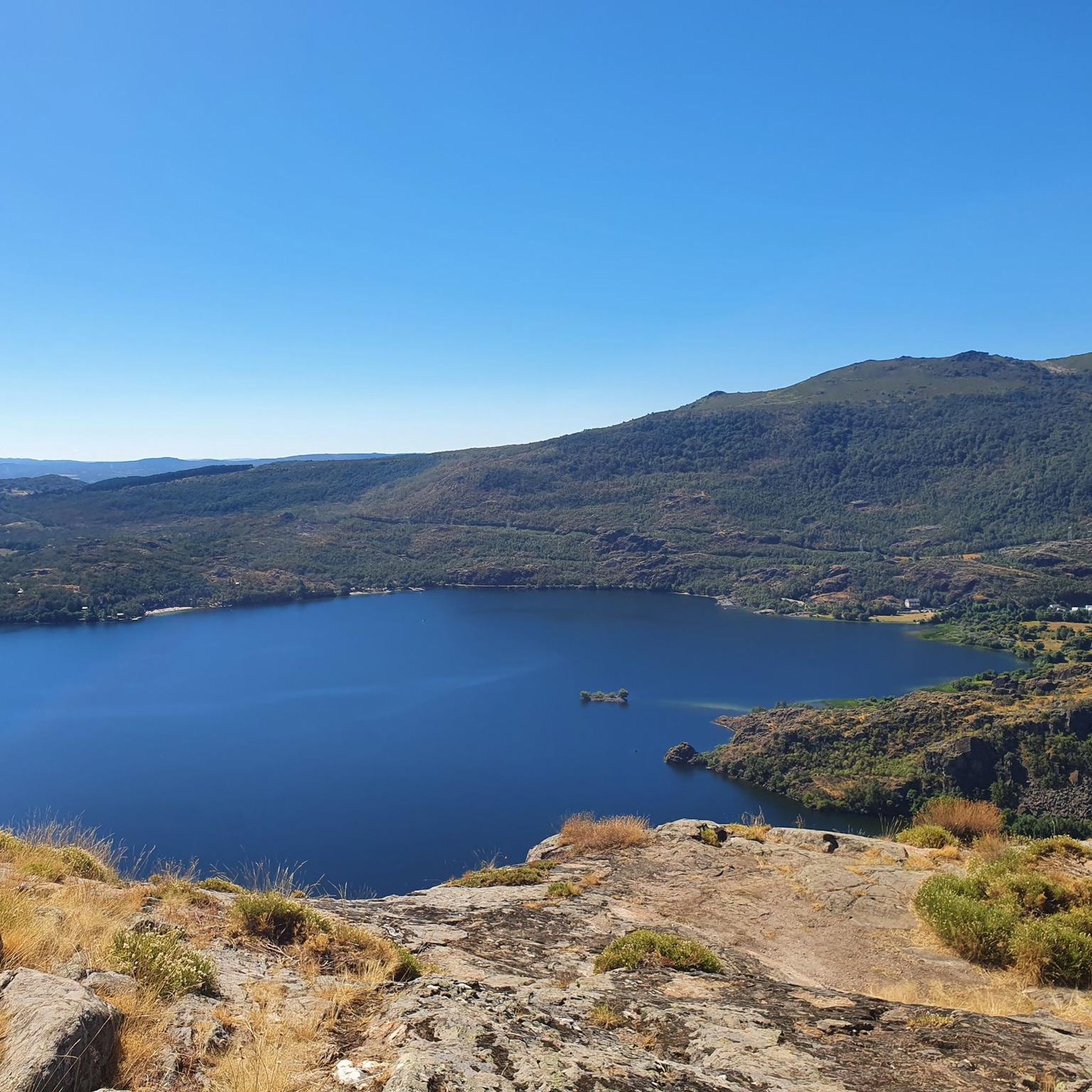
From this point on the trail, you can enjoy spectacular views of Lake Sanabria. Located in the province of Zamora, at over 1,000 meters above sea level, it is the largest glacial lake on the Iberian Peninsula and the heart of the natural park that bears its name. Its clear, deep waters, surrounded by oak forests and peat bogs, unusual at this latitude, create a natural environment of great ecological richness. To make the most of your getaway, it is recommended to wear comfortable shoes and warm clothing, as the mountain weather can change rapidly.
2
0

Rio de Onor is not just a beautiful village; it's a "living museum" of a way of life that has almost disappeared in Europe. It's worth visiting because it is possibly the village with the most fascinating social history in Portugal. Here are the 4 main reasons to go there: 1. It's a Community Village ("Communitarianism") This is Rio de Onor's great trademark. For centuries, the village lived under a system of total sharing among neighbors, something very rare: Sharing of Goods: The bread oven, the watermill, and even the village bull belonged to everyone. The "Rod of Justice": Decisions and fines for infractions in the village were marked on a wooden rod, managed by the "judge" elected by the people. You can see this history explained at the Casa do Touro (House of the Bull), a small, unmissable museum in the village. 2. One Village, Two Countries Rio de Onor is a village bisected by the international border. On this side is Rio de Onor (Portugal); on the other side is Rihonor de Castilla (Spain). For the inhabitants, the border never really existed: they share land, livestock, and even speak their own dialect (Rionorês), an ancient mixture of Portuguese and Castilian. It's very curious to cross from one country to the other on foot in the middle of the main street. 3. The Schist Landscape and Nature Located in the Montesinho Natural Park, the village is visually stunning. The houses are made of dark schist with wooden balconies, typical of Trás-os-Montes, and are very well preserved. The Onor River, which crosses the village, has clear waters and creates a very pleasant natural river beach in the summer, perfect for picnics. 4. The "Roman" Bridge The old stone bridge (which is actually from the 19th century, despite its popular name) is the village's postcard image. The reflection of the arches in the water with the schist houses in the background creates one of the most photogenic landscapes in Northern Portugal. Visiting Rio de Onor is like stepping back in time and understanding how communities survived in isolation in the mountains, supporting each other. It's a lesson in life and history in an incredible natural setting.
2
0

The Mirador de las Peñas del Veladero, located in the municipality of Requejo (Zamora), is a spectacular natural balcony overlooking the Sanabria region, ideal for hiking, photography, and nature lovers.
2
0
Sotillo Waterfall, located in Sotillo de Sanabria (Cobreros municipality, Zamora), is one of the natural gems of the Sanabria Lake Natural Park and one of the most spectacular hiking trails in Castile and León. Its waterfall is approximately 20 meters high, making it particularly impressive in spring and after rain.
2
0

The trail follows the banks of the River Onor until it takes you to a charming weir, or small dam, where you can cross the river with the water murmuring beneath your feet. An idyllic spot, where the landscape is dazzling and the sound of the stream soothes you.
2
0
Guadramil, lost among the mountains of the Montesinho Natural Park, is one of the most isolated villages in Portugal, so remote that not even a mobile phone signal can reach it. Located in the district of Bragança, it preserves the charm of the most authentic villages in Trás-os-Montes.
1
0

Rio de Onor is a sleepy little village right on the Portugal/Spain border. The drive through it is a challenging one and absolutely not recommended for larger campervans.
3
1

Rio de Onor is one of the most emblematic villages in Bragança and the Montesinho Natural Park, and was elected the 7th Wonder of Portugal in 2017 – a village in a protected area. Crossing the border with Spain, on one side is Rio de Onor, and on the other, Rihonor de Castilla, which is why it is said to be “one village, two countries”!
5
0
Frequently Asked Questions
How many running routes are available in Pedralba De La Pradería?
There are 12 dedicated running routes around Pedralba De La Pradería, offering a diverse range of experiences from moderate to difficult. These trails allow you to explore the region's mountainous terrain, river valleys, and natural park landscapes.
Are there any easy jogging routes for beginners in Pedralba De La Pradería?
While there are no routes specifically classified as 'easy,' Pedralba De La Pradería offers 4 moderate running routes. These provide a good starting point for those looking for a less strenuous run while still enjoying the region's natural beauty. For example, the Bosque El Tejedelo Trail is a moderate 4.8 km route through forested areas.
Can I find routes that pass by waterfalls in the area?
Yes, the region is home to the beautiful Cascada de Sotillo. You can experience this natural gem on the Sotillo Waterfall and Lake Trail, a challenging 12.6 km path that offers significant elevation changes and leads directly past the scenic waterfall. The Sotillo Waterfall itself is a notable highlight.
What kind of terrain can I expect on the running trails around Pedralba De La Pradería?
The running trails in Pedralba De La Pradería feature a varied landscape, including mountainous terrain, river valleys, and natural park areas. You'll encounter numerous springs, streams, and the Castro River, providing diverse challenges and scenic backdrops. The region is nestled between the Sierras de la Atalaya and la Culebra, ensuring a mix of elevations and natural beauty.
Are there any circular running routes available?
Yes, there are several circular running routes. A popular option is the Playa Fluvial de Castellanos loop from La llagona, which is a 20.2 km trail leading through varied terrain. Another is the Guadramil Village – Rio de Onor Village loop from Guadramil, a challenging 30.9 km route.
What natural attractions or landmarks can I see while jogging in Pedralba De La Pradería?
The region is rich in natural beauty. Along your runs, you might encounter highlights such as the Sotillo Waterfall, the serene Tejedelo Forest, and various viewpoints offering expansive vistas like the View of the Montesinho Hills. The area is also close to the Lake Sanabria Natural Park, providing extensive natural landscapes.
What do other runners enjoy most about jogging in Pedralba De La Pradería?
The running routes in Pedralba De La Pradería are highly rated by the komoot community, with an average score of 5.0 stars. Runners often praise the varied terrain, the natural beauty of the landscapes, and the opportunities to explore areas like the Cascada de Sotillo and the proximity to Lake Sanabria Natural Park.
Are there any routes that offer views of lakes or reservoirs?
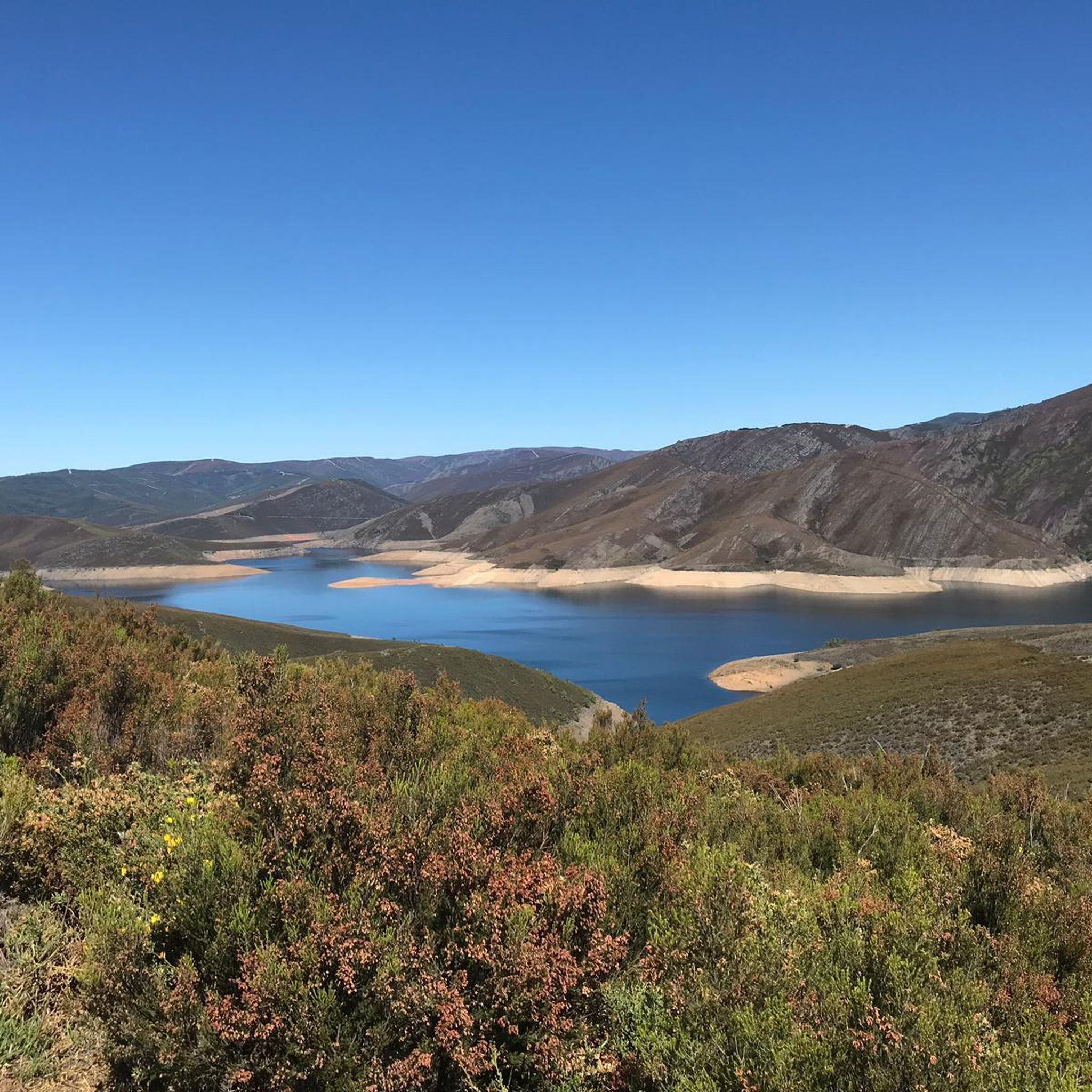
Yes, the area is close to several beautiful water bodies. You can find routes that offer views of the Serra Serrada Reservoir and the expansive Lake Sanabria. Some trails also provide a View of Lake Sanabria from Arenales Beach.
What is the longest running route available in the area?
The longest running route is the Rio de Onor Village – Weir and Boardwalk of the Rio Onor loop from Riomanzanas. This challenging route spans approximately 58 km and features significant elevation changes, making it suitable for experienced runners looking for a long-distance challenge.
Is the region suitable for spotting wildlife while running?
Yes, Pedralba De La Pradería is known for its rich flora and fauna. The natural environment, including the Sierras de la Atalaya and la Culebra, makes it an excellent place to connect with nature. It's not uncommon to spot wild boars, roe deer, and even wolves, adding to the wilderness experience of your run.
What is the typical difficulty level of running routes in Pedralba De La Pradería?
The running routes in Pedralba De La Pradería are primarily classified as moderate to difficult. There are 4 moderate routes and 8 difficult routes, catering to runners seeking varying levels of challenge and elevation gain across the region's mountainous and riverine landscapes.
Are there any historical paths that can be used for jogging?
Yes, the region features historical routes that can be explored. The 'Camino del Contrabando' (Smuggling Route) is mentioned as a scenic resource, suggesting paths with historical interest that can be incorporated into your jogging adventures, offering a unique blend of exercise and cultural exploration.
Most popular routes around Pedralba De La Pradería
Most popular attractions around Pedralba De La Pradería

Get inspired with the komoot mobile app


Explore more
Browse the best Running Trails & Routes in other regions.
