The best road cycling routes around Cumbres De San Bartolomé
145
riders
10
rides
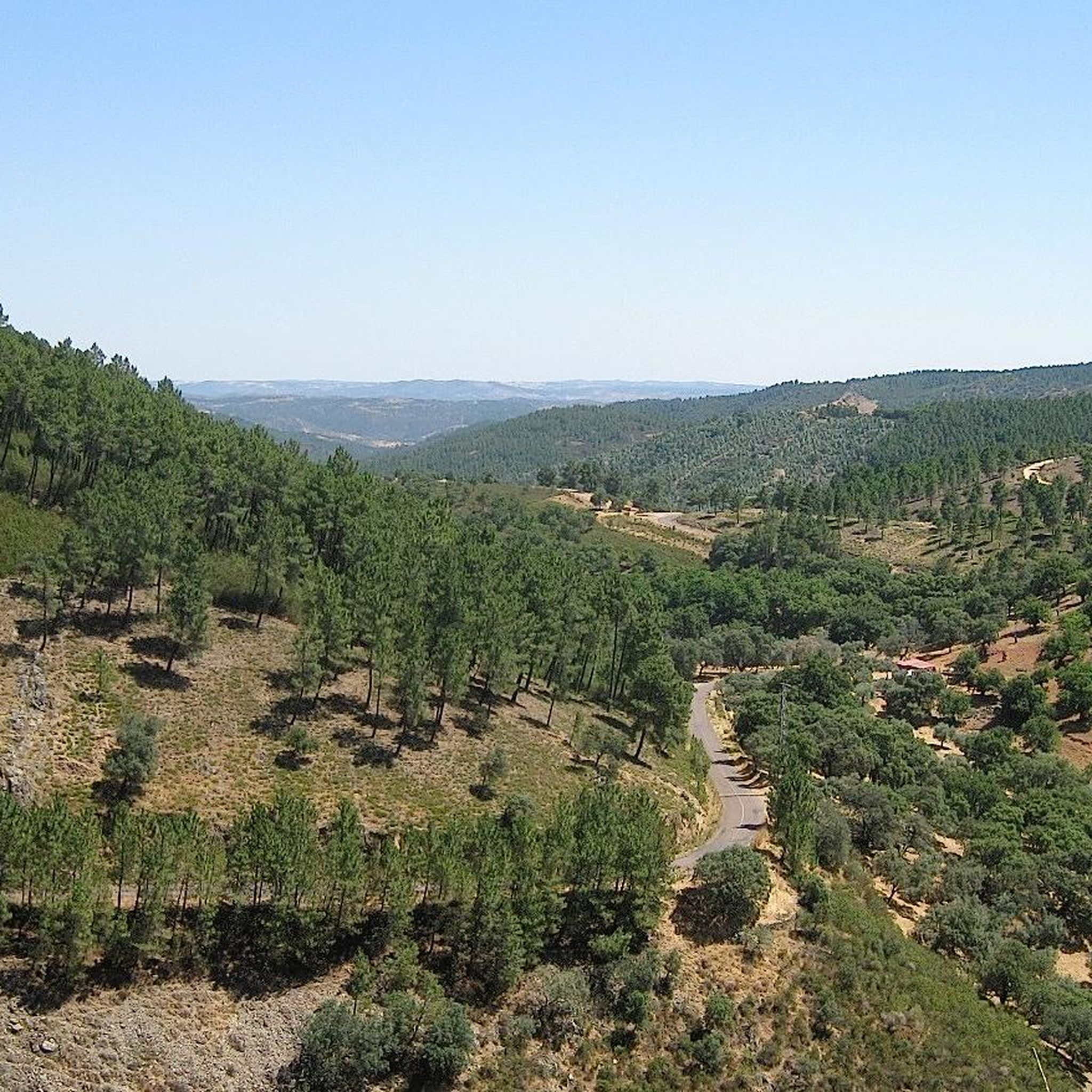
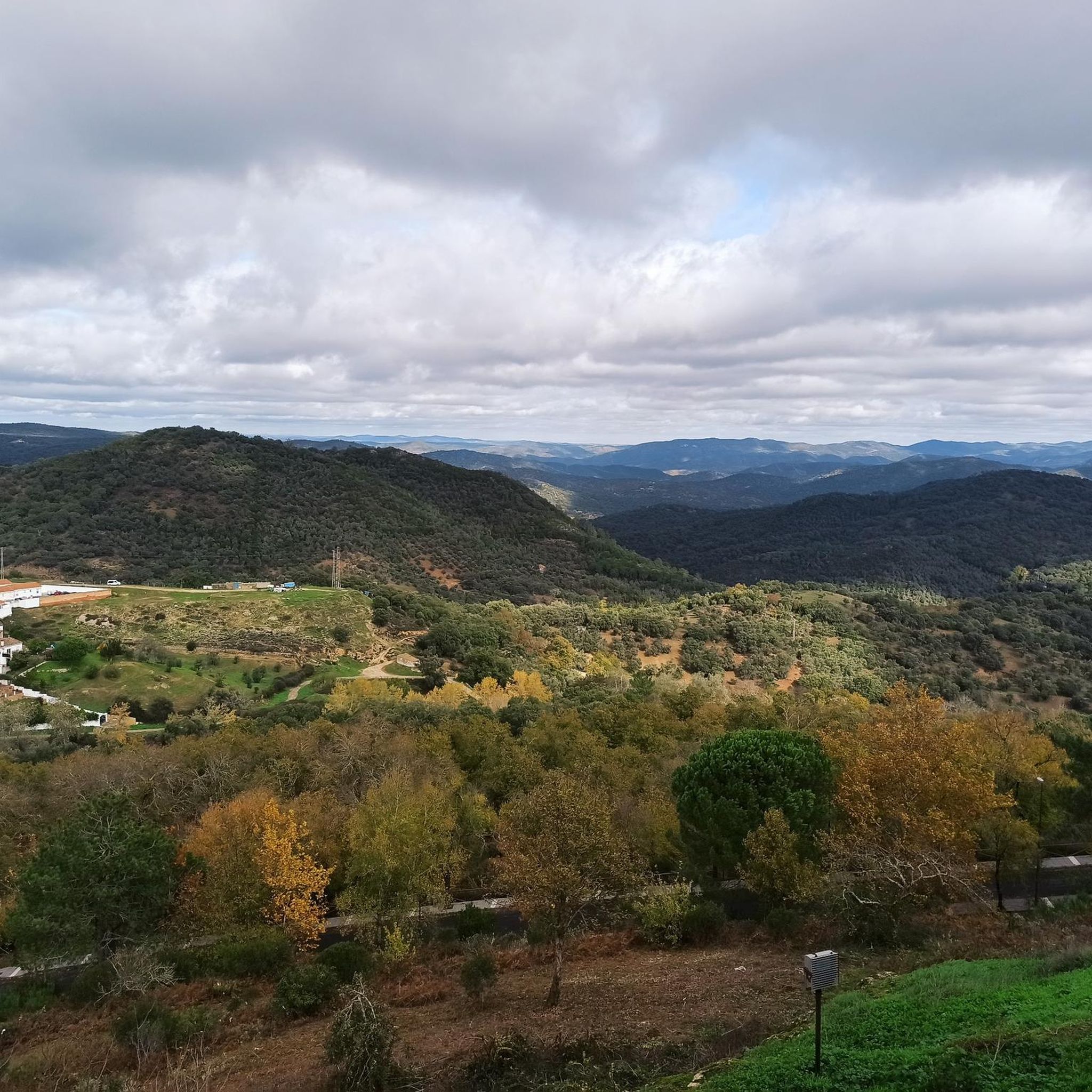
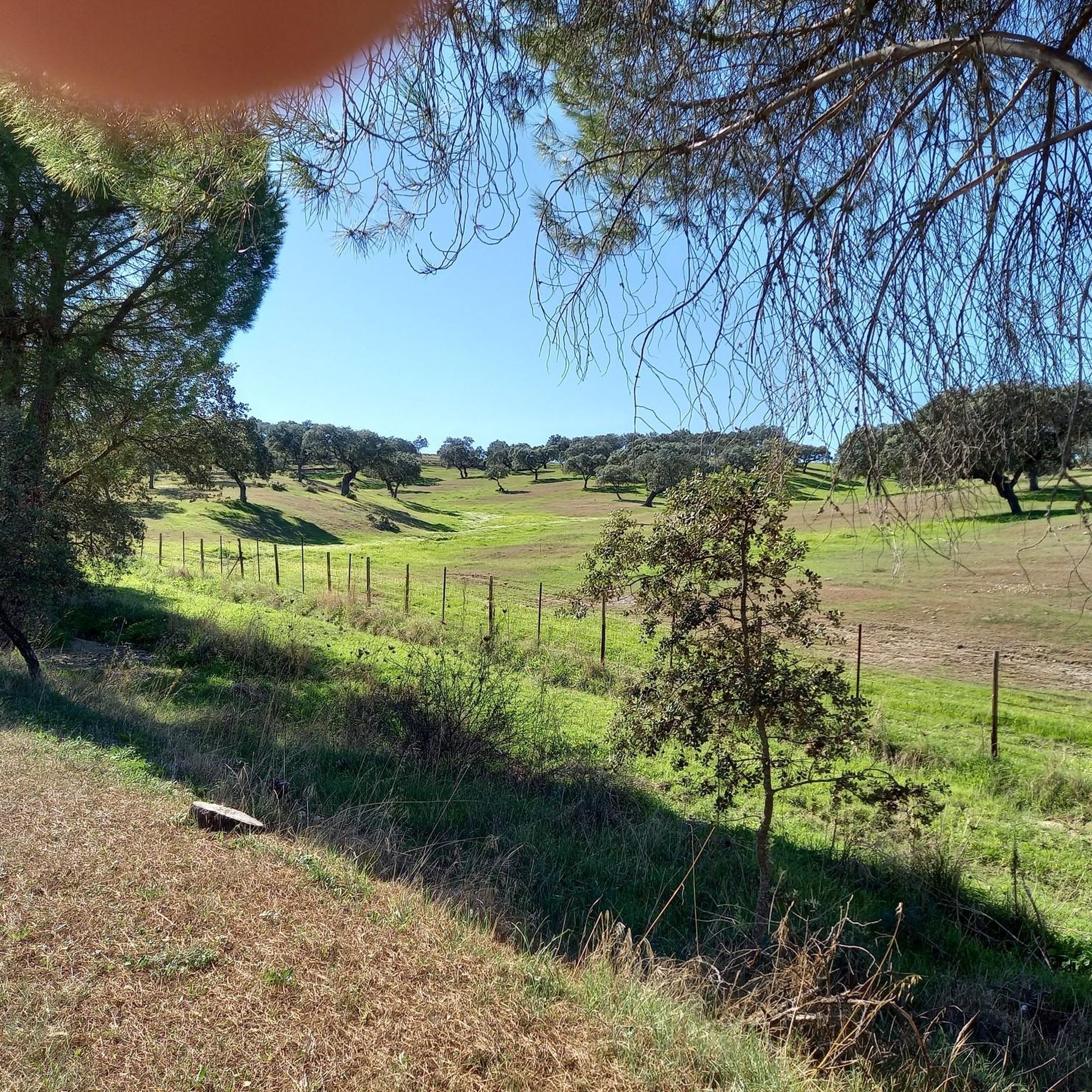
Road cycling around Cumbres De San Bartolomé features varied terrain within the Sierra de Aracena y Picos de Aroche Natural Park. The region is characterized by rolling hills and valleys, offering a mix of climbs and descents. Landscapes include Mediterranean woodland with holm oaks, cork oaks, and chestnut trees, alongside numerous streams. The area provides a network of tarmac roads, often with low traffic, suitable for road cycling.
Best road cycling routes around Cumbres De San Bartolomé
- The most popular road cycling route is Castillo de Valencia del Ventoso - Sierra de Aracena Natural Park - circular route via Fregenal de la Sierra, a 64.5 miles (103.8 km) trail that takes 5 hours 14 minutes to complete. This difficult route traverses diverse landscapes within the natural park.
- Another top favourite among local road cyclists is Higuera la Real – Cumbres Mayores Castle loop from Higuera la Real, a moderate 35.1 miles (56.6 km) path. This route includes significant elevation gain and offers views of the local countryside and historical sites.
- Local road cyclists also love the Higuera la Real – Bridge over the Ardila River loop from Higuera la Real, a 41.9 miles (67.4 km) trail leading through varied terrain, often completed in about 3 hours 16 minutes.
- Road cycling around Cumbres De San Bartolomé is defined by rolling hills, Mediterranean woodlands, and quiet tarmac roads. The network offers options for moderate to difficult ability levels.
- The guide includes highly-rated routes that showcase the best of the region's landscape. More than 100 road cyclists have used komoot to explore Cumbres De San Bartolomé's varied terrain.
Last updated: July 16, 2026
4
riders
Hard road ride. Very good fitness required. Some segments of this route may be unpaved and difficult to ride.
16
riders
56.6km
02:57
830m
830m
Moderate road ride. Good fitness required. Mostly well-paved surfaces and easy to ride.

Sign up for free
15
riders
54.8km
02:46
770m
770m
Moderate road ride. Good fitness required. Mostly well-paved surfaces and easy to ride.
11
riders
67.1km
03:37
1,050m
1,050m
Hard road ride. Very good fitness required. Some segments of this route may be unpaved and difficult to ride.
11
riders
67.4km
03:16
780m
780m
Moderate road ride. Good fitness required. Mostly well-paved surfaces and easy to ride.
Get access to more routes and recommendations from other explorers.
Sign up for free
Already have an account?
Our route recommendations are based on thousands of hikes, rides, and runs completed by other people on komoot.
Start today with a free account
Your next adventure awaits.
Login or Signup

Tips from the Community

The Convent of the Poor Clares in Cumbres Mayores, Huelva, has a rich and significant history. Founded in 1467 by Papal Bull of Pope Paul II, it was initially called "Our Lady of Consolation". In 1515, it was rebuilt under the guardianship of the Cathedral of Seville and was renamed "Our Lady of the Conception".
3
0
The Hermitage of Our Lady of Hope in Cumbres Mayores, Huelva, is a place of great historical and religious value. Its construction dates back to the beginning of the 14th century, although it has undergone several renovations over the centuries.
3
0
This castle was entrusted to the Knights Templar in the 13th century. The castle has seven towers, the most notable of which is the Torre del Homenaje, which has a bell tower from the 18th century. Inside the fortress are the Plaza de Toros, built at the end of the 18th century, and the Plaza de Abastos, which dates from the beginning of the 20th century. In addition, the Church of Santa María and the Parish House are attached.
7
0
The Convent of Our Lady of Peace in Fregenal de la Sierra is a historic building from the 17th century, built by the merchant Alonso de Paz. This convent, belonging to the Augustinian Mothers, stands out for its architecture and its rich history. In the church of the convent you can see three altarpieces made thanks to the “pious mandate” of Juan Bravo Murillo. In addition, above the choir there is a 17th century canvas attributed to the artist Domingo de Urbín, which represents the appearance of the Virgin Mary to Saint Ildefonso of Toledo.
6
0
The Plaza de Toros de Fregenal de la Sierra is located in the municipality of the same name, in the province of Badajoz. This plaza has a special charm, as it is located in the courtyard of the Templar castle. Built in 1781, the plaza has a capacity for 4,800 spectators and is classified as third category. The history of the plaza is closely linked to the urban development of the town and the influence of the castle fortress.
6
0

This old convent, founded in the mid-15th century, belonged to the Franciscan Poor Clares until the 19th century. Today it only conserves the cover, built in granite and in the late Gothic style.
1
0
This castle belonging to the Galician Band was built between the 13th and 15th centuries under the reign of Sancho IV el Bravo. It has eight towers linked by a great stone wall. It is worth visiting its interior, which can be accessed on weekends and holidays for less than two euros.
1
0
The castle of Cumbres de San Bartolomé is a construction from the 13th and 14th centuries located in the historic center of the municipality of the same name. This fortification is part of the Banda Gallega, a group of castles from the Late Middle Ages that were close to the border with Portugal.
1
0
Frequently Asked Questions
How many road cycling routes are available around Cumbres De San Bartolomé?
There are 10 road cycling routes available around Cumbres De San Bartolomé on komoot. These routes offer a mix of moderate and difficult options, catering to various skill levels within the Sierra de Aracena y Picos de Aroche Natural Park.
What kind of terrain can I expect when road cycling in Cumbres De San Bartolomé?
Road cycling in Cumbres De San Bartolomé features diverse terrain, characterized by rolling hills and valleys. You'll encounter a mix of challenging climbs and rewarding descents. The landscape is dominated by Mediterranean woodland, with holm oaks, cork oaks, and chestnut trees, alongside numerous streams, all on a network of quiet tarmac roads.
Are there any challenging road cycling routes in the area?
Yes, Cumbres De San Bartolomé offers several challenging road cycling routes. For instance, the Castillo de Valencia del Ventoso - Sierra de Aracena Natural Park - circular route via Fregenal de la Sierra is a difficult 103.8 km trail with significant elevation gain, typically taking over 5 hours to complete. Another challenging option is the Cumbres Mayores Castle – Higuera la Real loop from Cumbres Mayores, which covers 67.1 km.
What are some moderate road cycling options around Cumbres De San Bartolomé?
For a moderate challenge, you can explore routes like the Higuera la Real – Cumbres Mayores Castle loop from Higuera la Real, a 56.6 km path offering views of the local countryside and historical sites. Another popular moderate route is the Higuera la Real – Bridge over the Ardila River loop from Higuera la Real, which is 67.4 km long and leads through varied terrain.
What historical sites or landmarks can I see while cycling in the region?
The region is rich in history. While cycling, you might encounter sites like the Cortegana Castle or the Convent of the Poor Clares. The town of Cumbres de San Bartolomé itself has Roman origins, with a 14th-century castle and the Iglesia de San Bartolomé, both designated as Assets of Cultural Interest. The nearby Higuera la Real is also a notable settlement with historical significance.
Are there any scenic viewpoints along the road cycling routes?
Yes, the region offers breathtaking panoramic views. Several viewpoints, such as Mirador Piedra Utrera, Mirador Monturrio, and Mirador El Cabezuelo, provide stunning vistas of the surrounding valleys, mountains, and the Sillo River. These spots are perfect for cyclists to pause and appreciate the natural beauty of the Sierra de Aracena y Picos de Aroche Natural Park.
What is the best time of year for road cycling in Cumbres De San Bartolomé?
The varied terrain and Mediterranean climate make Cumbres De San Bartolomé suitable for road cycling for much of the year. Spring and autumn generally offer the most pleasant temperatures for longer rides, with lush landscapes. Summers can be warm, but early morning rides are still enjoyable. Winters are mild, making it a good destination for year-round cycling, though some days might be cooler.
Are the roads in Cumbres De San Bartolomé suitable for road cycling?
Yes, the region is known for its network of tarmac roads that are often in good condition and have very little traffic. This allows cyclists to enjoy their rides with greater safety and tranquility, making it an ideal destination for road cycling enthusiasts.
What makes Cumbres De San Bartolomé a unique destination for road cyclists?
Cumbres De San Bartolomé stands out due to its location within the Sierra de Aracena y Picos de Aroche Natural Park, offering a unique blend of natural beauty, varied terrain, and historical charm. The quiet, well-maintained roads wind through Mediterranean woodlands, past Iberian pig pastures, and offer stunning panoramic views, providing a rich and engaging cycling experience beyond just the physical challenge.
What do other road cyclists say about the routes in Cumbres De San Bartolomé?
The komoot community frequently praises the road cycling routes around Cumbres De San Bartolomé for their diverse landscapes and quiet roads. Many cyclists appreciate the mix of climbs and descents, as well as the opportunity to explore the natural park's beauty and historical sites. Over 100 road cyclists have used komoot to explore this region, highlighting its appeal.
Are there any circular road cycling routes available?
Yes, many of the routes in the area are circular, offering convenient starting and ending points. Examples include the challenging Castillo de Valencia del Ventoso - Sierra de Aracena Natural Park - circular route via Fregenal de la Sierra and the moderate Higuera la Real – Cumbres Mayores Castle loop from Cumbres Mayores.
Most popular routes around Cumbres De San Bartolomé
Most popular attractions around Cumbres De San Bartolomé

Get inspired with the komoot mobile app


Explore more
Browse the best Road cycling routes in other regions.
