The 20 Most Amazing Peaks around Marganell
Mountain peaks around Marganell provide access to the Montserrat mountain range, characterized by its dramatic, saw-toothed mountains and unique geological formations. This region offers extensive hiking opportunities and a chance to explore a visually striking environment. The area is celebrated for its towering cliffs and fascinating rock spires.
Best mountain peaks around Marganell
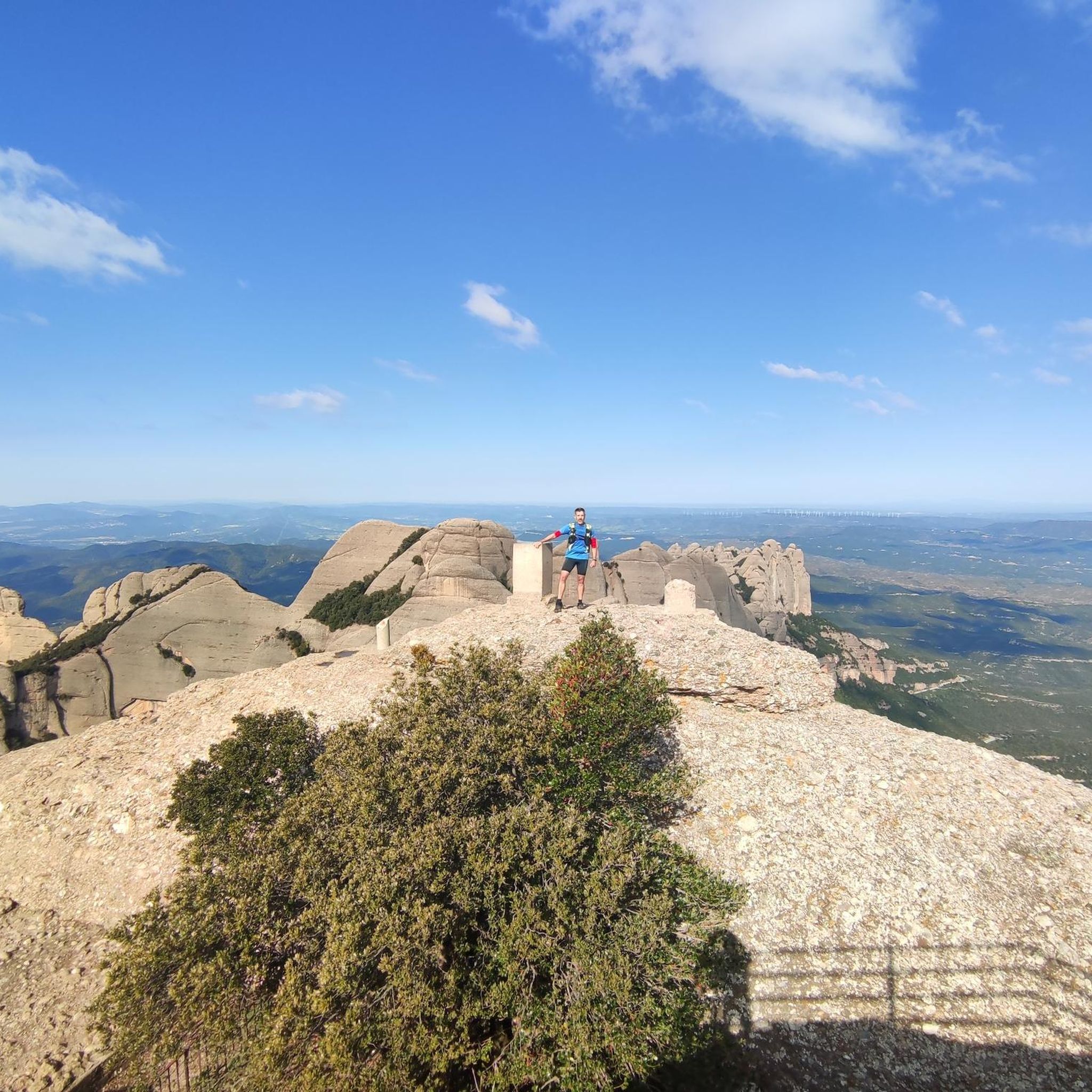
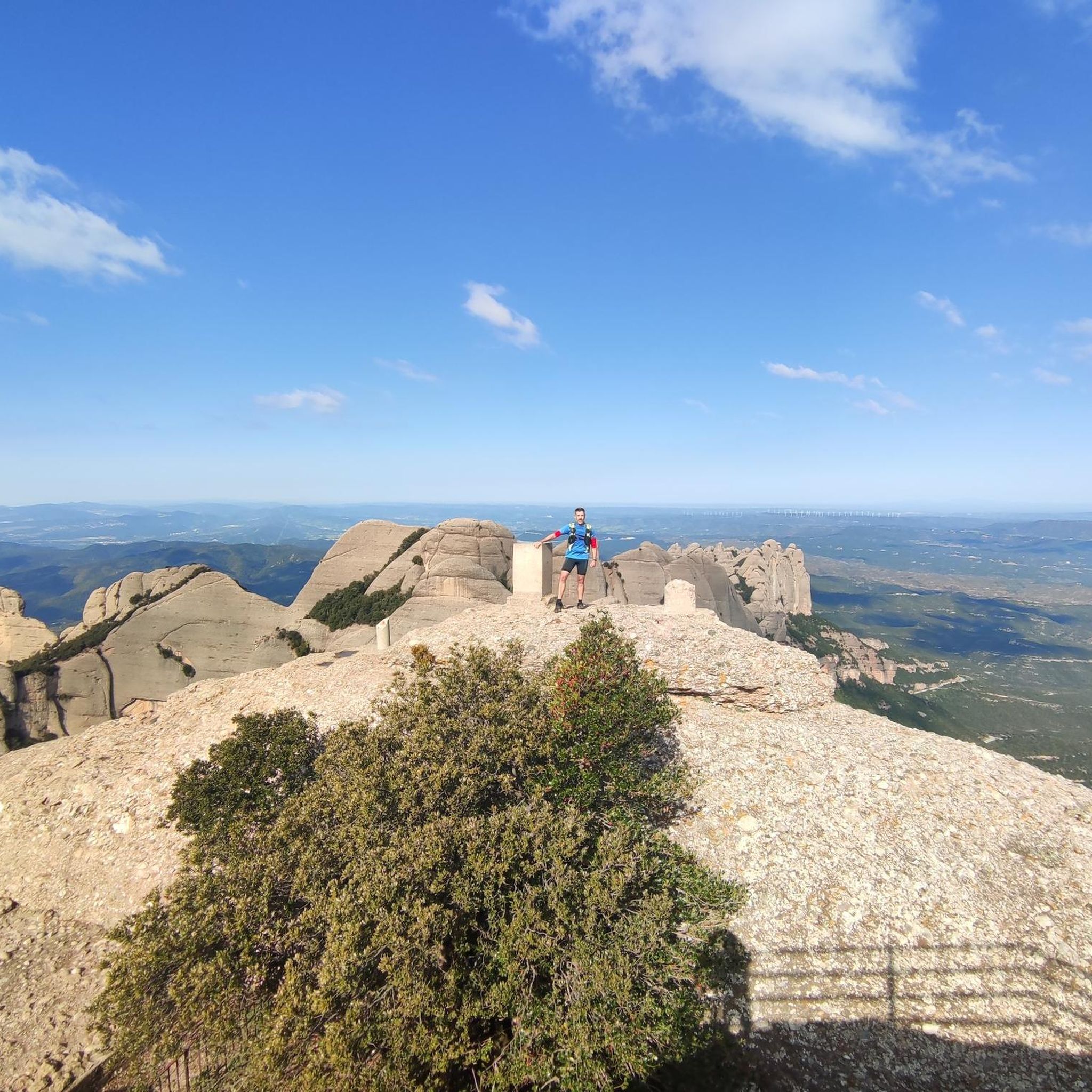
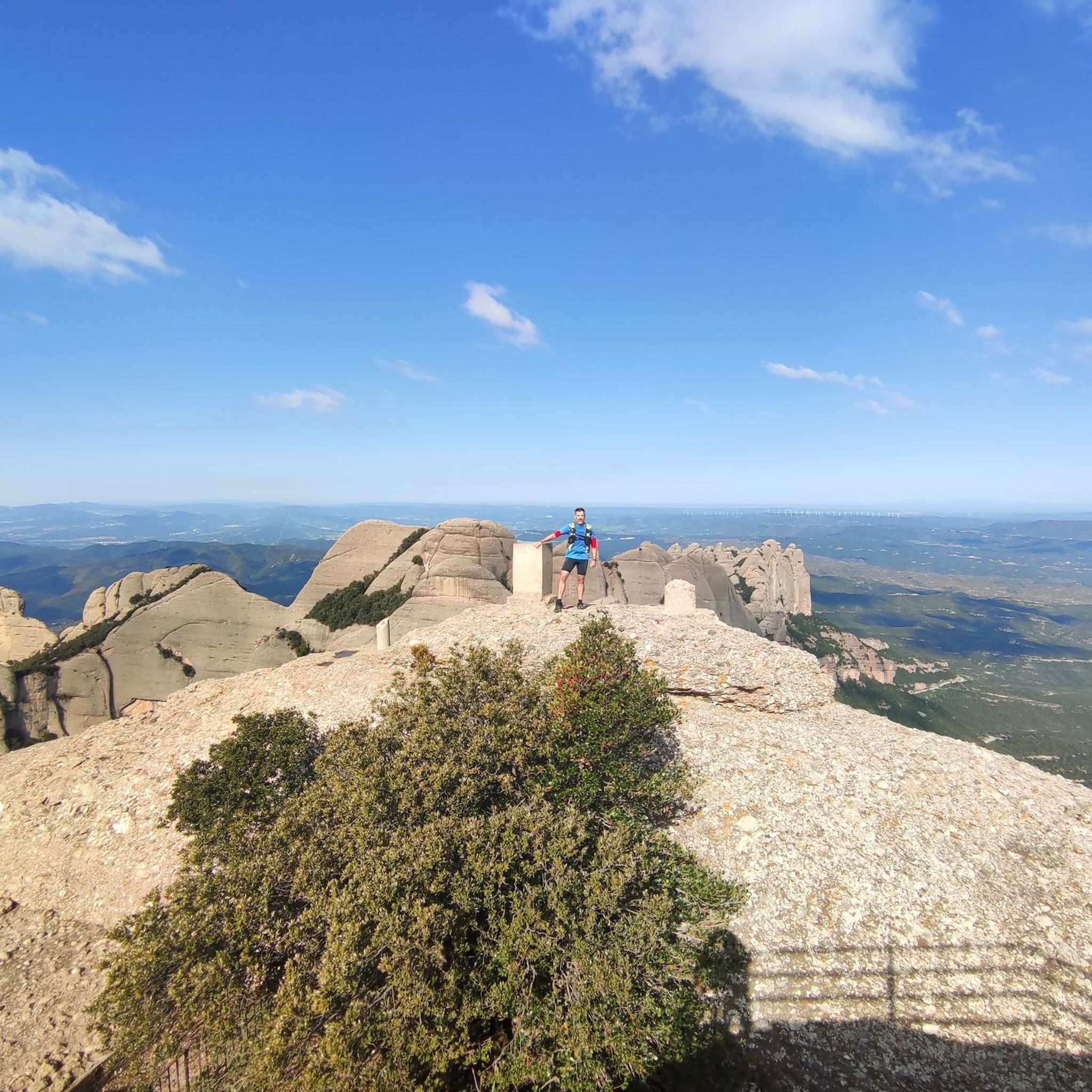
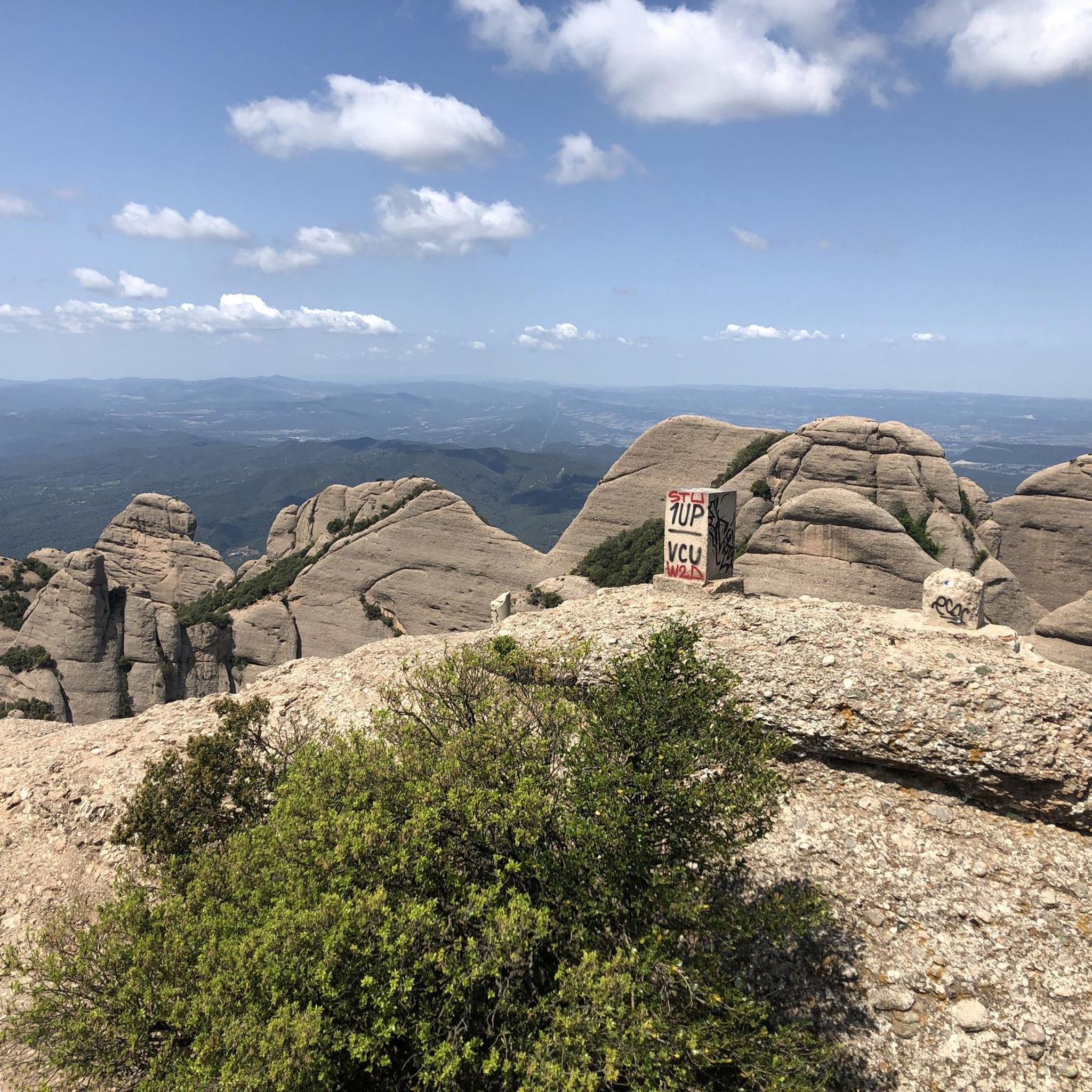
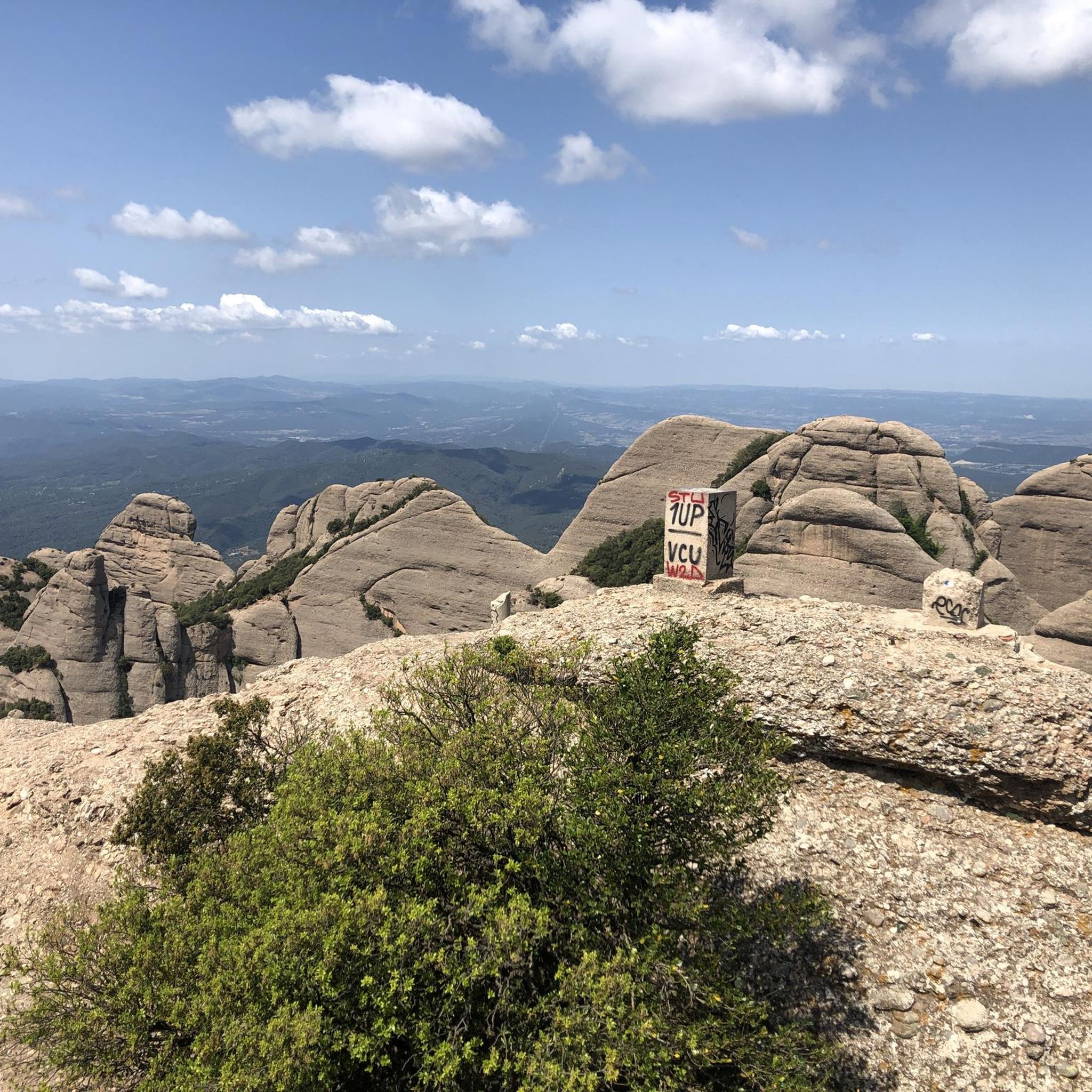
- The most popular mountain peak is Sant Jeroni Summit, a summit that is the highest peak of the Montserrat mountain, with a height of 1,236 meters.…
Last updated: October 10, 2026
Sant Jeroni Summit
Highlight • Summit
Translated by Google •
Tip by

Sant Jeroni Trail, Montserrat
Highlight (Segment) • Trail
Translated by Google •
Tip by

Sign up now to discover places like this
Get recommendations on the best single tracks, peaks, & plenty of other exciting outdoor places.
Sant Onofre Hermitage
Highlight • Religious Site
Translated by Google •
Tip by
Miranda of Santa Magdalena
Highlight • Viewpoint
Translated by Google •
Tip by
Coll de Can Maçana
Highlight • Mountain Pass
Translated by Google •
Tip by

Sign up for free to discover even more peaks around Marganell.
Already have an account?
Start today with a free account
Your next adventure awaits.
Tips from the Community

I really loved this place — it’s truly unique. Montserrat Monastery has an incredible atmosphere and stunning views. The hike from the monastery to Sant Jeroni is especially memorable: the trail includes many stone steps, but it’s well-maintained and quite manageable. Along the way, you’re constantly rewarded with breathtaking views of the необычні скельні formations and surrounding landscapes. At the top, the 360-degree panoramic view is absolutely spectacular and makes the whole hike worth it.
2
0

A classic for visitors to Montserrat and its surroundings.
2
0

You'll have good luck if you see the Magical mountain, and the descent after is fantastic :-)
0
0


Route with spectacular views. You must bring enough water and appropriate shoes.
2
0

It's not easy, you have to climb channels where stones fall and you slip a lot.
5
0
Frequently Asked Questions
Which mountain peaks offer the best panoramic views around Marganell?
For unparalleled panoramic views, head to Sant Jeroni Summit, the highest point of the Montserrat massif. From its 1,236-meter summit, you can see the unique rock formations, and on clear days, even the Pyrenees and Mallorca. Another excellent viewpoint is Miranda of Santa Magdalena, which offers a wide vista of the entire eastern half of the Montserrat massif, even on foggy days.
What unique geological features can I expect to see in the Montserrat mountains near Marganell?
The Montserrat massif, accessible from Marganell, is famous for its extraordinary geological features. You'll encounter dramatic, saw-toothed mountains, towering cliffs, and fascinating rock formations, including distinctive needle-shaped spires. Areas like Roca Foradada and Les Agulles are prime examples of this unique, visually striking environment.
When is the best time to hike the mountain peaks around Marganell?
While specific data on the best season isn't provided, generally, spring and autumn offer the most pleasant hiking conditions in the Montserrat region, with milder temperatures and clear skies. Summer can be very hot, and winter may bring colder weather, though snow is less common at lower elevations.
Are there family-friendly mountain peaks or trails around Marganell?
Yes, some areas offer more accessible options. For example, Coll de Can Maçana is noted as a family-friendly starting point with numerous signposted routes. While the highest peaks like Sant Jeroni can be challenging, there are trails within the Montserrat Natural Park that cater to various skill levels, including easier walks.
What are some challenging mountain routes for experienced hikers around Marganell?
The hike to Sant Jeroni Summit from Montserrat Monastery is considered challenging, involving numerous steps and steep sections, taking at least four hours for a round trip. Routes incorporating Roca Foradada and Les Agulles can also be demanding, requiring good fitness and sure-footedness. For specific challenging routes, you can explore options like 'Sant Jeroni Summit – Los Gorros: Gorro Mariner loop' or 'La Panxa del Bisbe – Serrat del Moro loop' found in the Mountain Hikes around Marganell guide.
How long do hikes to the mountain peaks around Marganell typically take?
The duration of hikes varies significantly depending on the peak and your starting point. For instance, the challenging round trip to Sant Jeroni Summit from Montserrat Monastery can take at least four hours. Shorter, less strenuous routes are also available within the Montserrat Natural Park.
What outdoor activities are available besides hiking the peaks around Marganell?
Beyond hiking, the region around Marganell offers various outdoor activities. You can find numerous routes for gravel biking and mountain biking. For example, the Gravel biking around Marganell guide and the MTB Trails around Marganell guide list several routes, ranging from moderate to difficult, allowing you to explore the stunning landscapes on two wheels.
Are there historical sites or religious buildings near the mountain peaks?
Yes, the Montserrat massif is rich in history and religious significance. You can visit Sant Onofre Hermitage, a religious building offering beautiful views, located near other historical sites like the hermitage of San Juan. The Montserrat Monastery itself is a major historical and spiritual center, often serving as a starting point for hikes.
Where can I find parking for trailheads leading to the mountain peaks?
A notable starting point with parking is Coll de Can Maçana. This location offers a car park and serves as the starting point for numerous signposted routes into the western part of the Montserrat massif. Be aware that some parking areas, especially at popular access points, may be paid.
How can I reach the mountain trails around Marganell using public transport?
While Marganell itself is a tranquil village, the Montserrat Monastery is a primary access point for many trails and is well-connected by public transport. From the monastery, you can begin your hike to various peaks, including Sant Jeroni Summit.
What do visitors enjoy most about the mountain peaks around Marganell?
Visitors highly appreciate the stunning panoramic views, especially from Sant Jeroni Summit, which offers expansive vistas of the unique rock formations and distant landscapes. The unique geological features, such as the saw-toothed mountains and dramatic spires, also leave a lasting impression. Many enjoy the opportunity to connect with nature and escape crowds on the diverse trails.
Are the mountain trails around Marganell dog-friendly?
While specific regulations for dogs on every trail are not detailed, generally, national parks and natural areas in Catalonia have rules regarding pets, often requiring them to be on a leash. It's advisable to check the specific guidelines for the Montserrat Natural Park before bringing your dog on the trails.
Most popular routes around Marganell
Most popular attractions around Marganell

Get inspired with the komoot mobile app


Explore more
See even more amazing summits around Marganell with these guides:
