Attractions and Places To See around Calañas - Top 19
Attractions and places to see around Calañas are characterized by a blend of historical landmarks, cultural sites, and diverse natural beauty. Situated in the Andévalo region of Huelva, the area's landscape is shaped by the Odiel River and surrounding terrains. Visitors can explore sites rooted in mining history and enjoy the unique chromatic beauty of the Odiel River. The region offers a variety of points of interest for exploration.
Best attractions and places to see around Calañas
- The most popular…
Last updated: October 15, 2026
Roman bridge over the Odiel River
Highlight • Bridge
Translated by Google •
Tip by

Valverde del Camino Town Center
Highlight • Settlement
Translated by Google •
Tip by

Sign up now to discover places like this
Get recommendations on the best single tracks, peaks, & plenty of other exciting outdoor places.
Vía Verde Molino de Acha
Highlight • Trail
Translated by Google •
Tip by
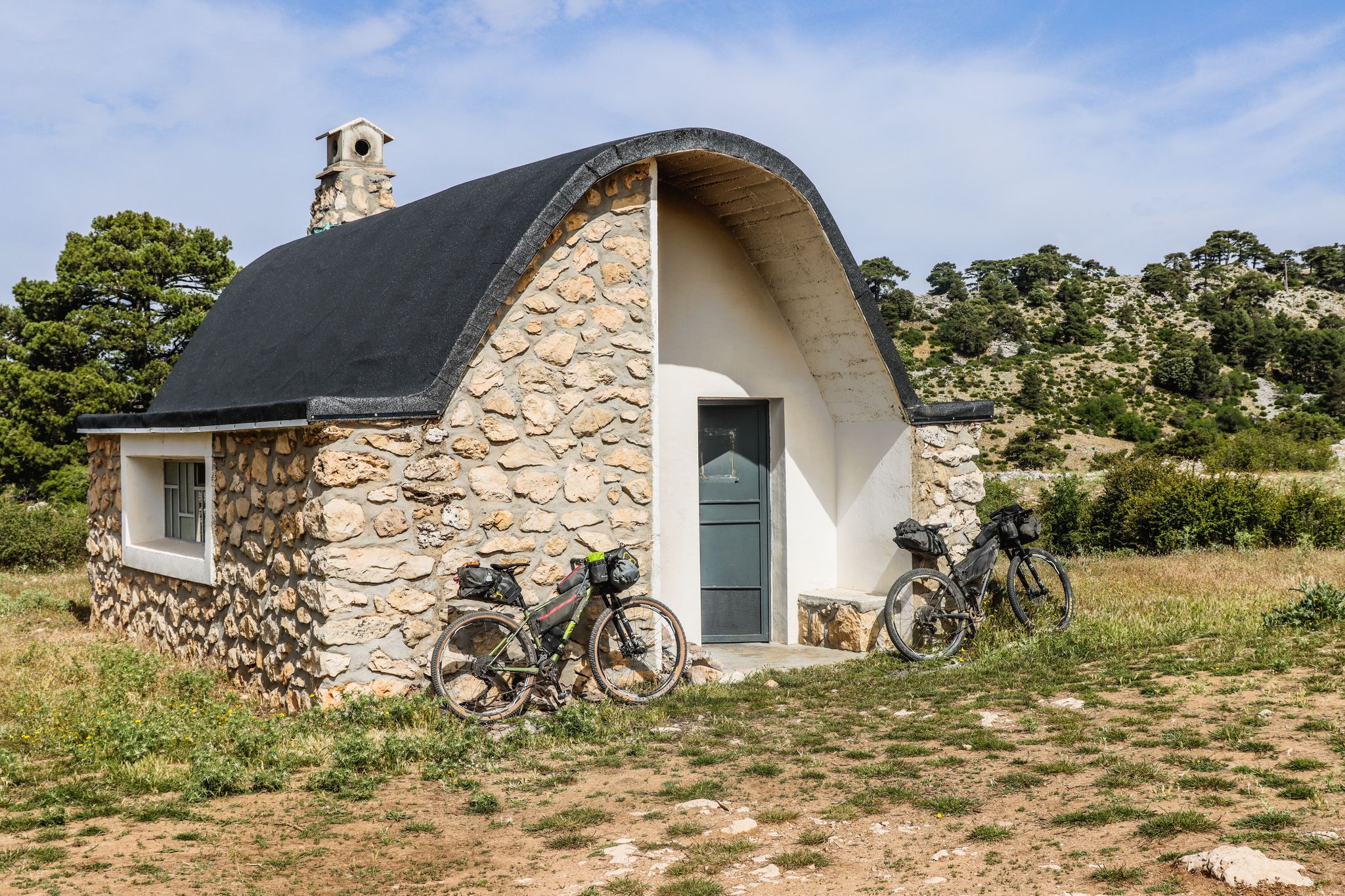
Ermita de La Coronada
Highlight • Religious Site
Translated by Google •
Tip by
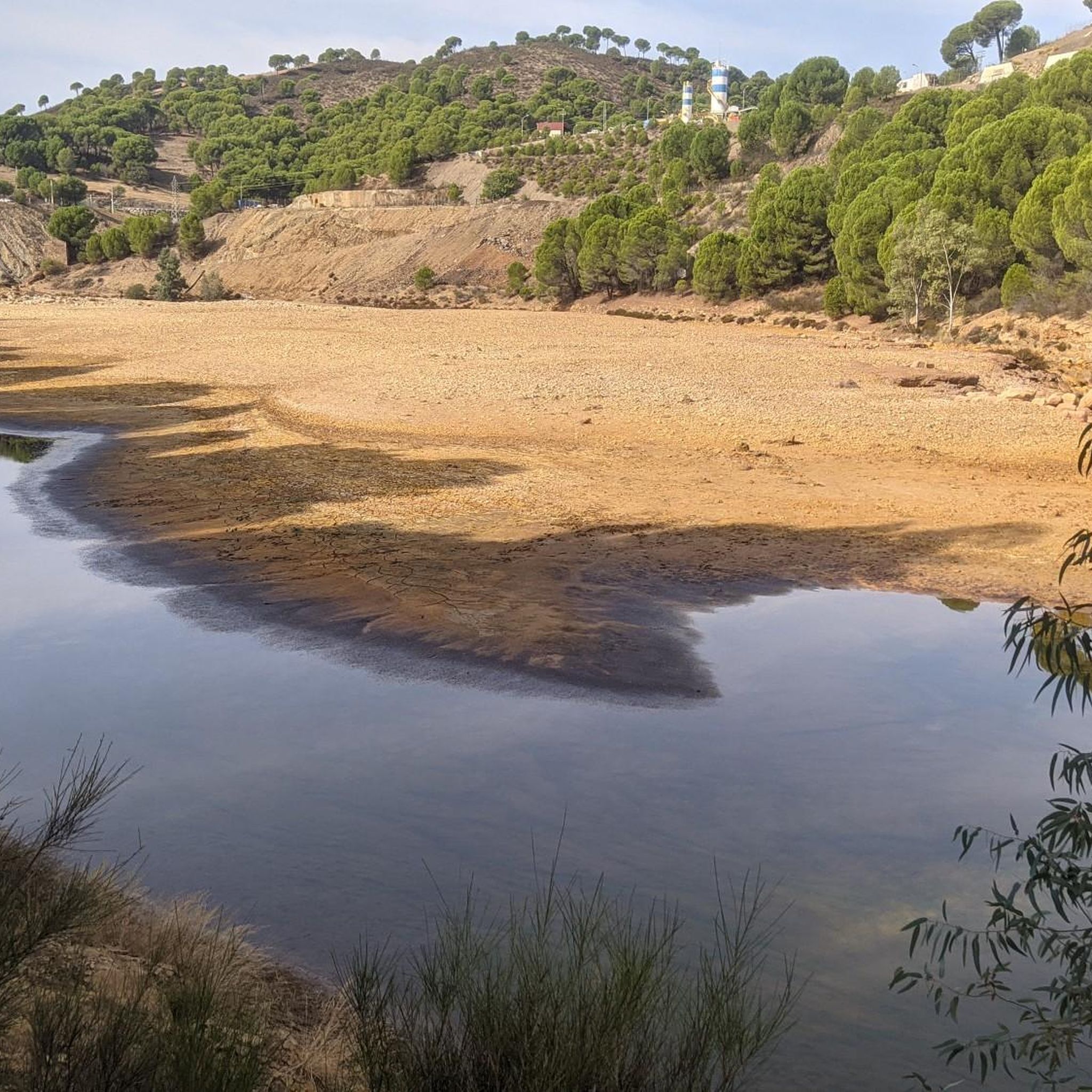
Valdelamusa Water-Filled Quarry
Highlight • Structure
Translated by Google •
Tip by
Sign up for free to discover even more attractions around Calañas.
Already have an account?
Start today with a free account
Your next adventure awaits.




Tips from the Community

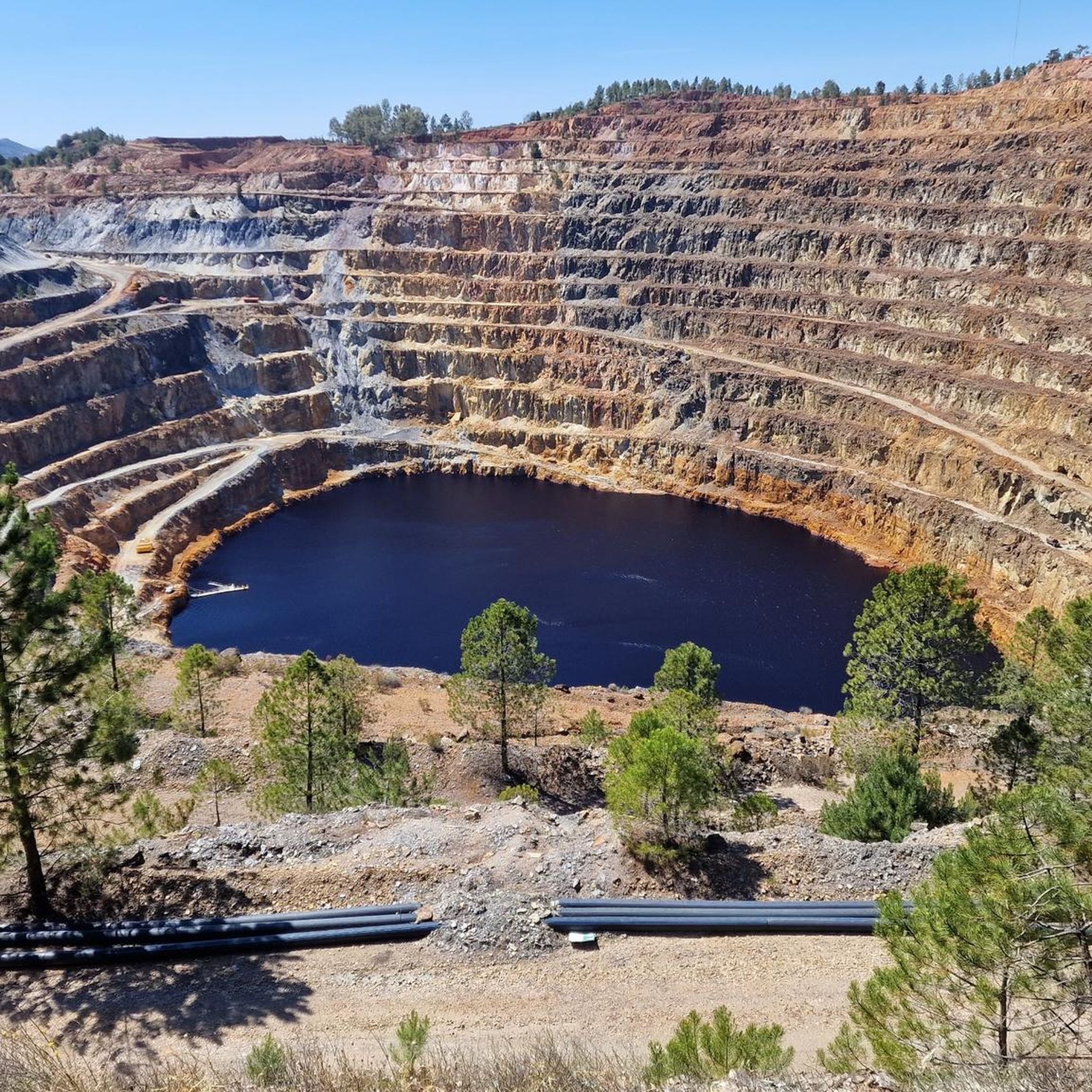
It is an open-pit mine that reached approximately 200 meters in diameter and 180 meters in depth. After mining operations ceased, the quarry filled with water, forming a kind of artificial lagoon that is now one of the most unique landscapes in the area. The mine is called Confesionarios (Confessionals) because of the gossan geological formations that resemble confessionals in churches.
1
0
The flooded Valdelamusa quarry, also known as the Corta de los Confesionarios, is one of the most striking elements of the mining heritage of this district of Cortegana, in the province of Huelva.
1
0
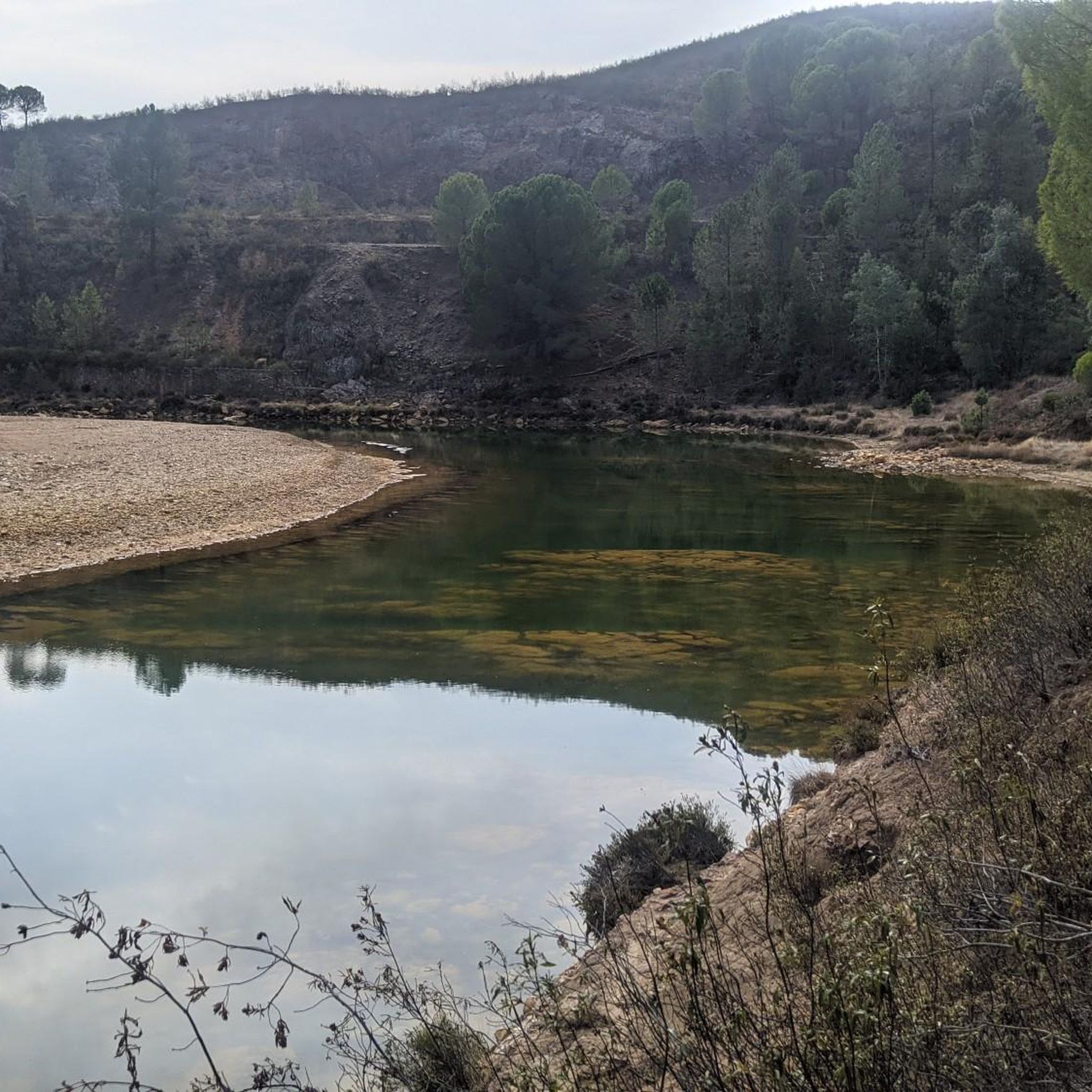
The Roman bridge over the Odiel River in Calañas is a historic structure that is part of the region's rich heritage. This bridge is a point of interest on several hiking trails that run through the area, allowing visitors to enjoy the natural beauty and cultural heritage of the area.
8
0

There are several places that can be visited to discover more of this town. For example, the Ermita del Santo, the old railway station (where you can see a wonderful Berlina car from 1900) and the Los Gabrieles dolmen complex, which can be seen on the outskirts of town. The most outstanding festivals are the Romería de San Pancracio in June and the August Fair during the week of August 15.
2
0
It goes from the banks of the Tinto to the ravines of the Serranía de Huelva with a length of 33.2km and a firm of asphalt and compacted gravel. The route passes through countryside, pine forests, cork oak meadows and eucalyptus repopulations. Its name comes from the group of Water Mills in Beas (flour mills from the 17th, 18th and 19th centuries).
2
0
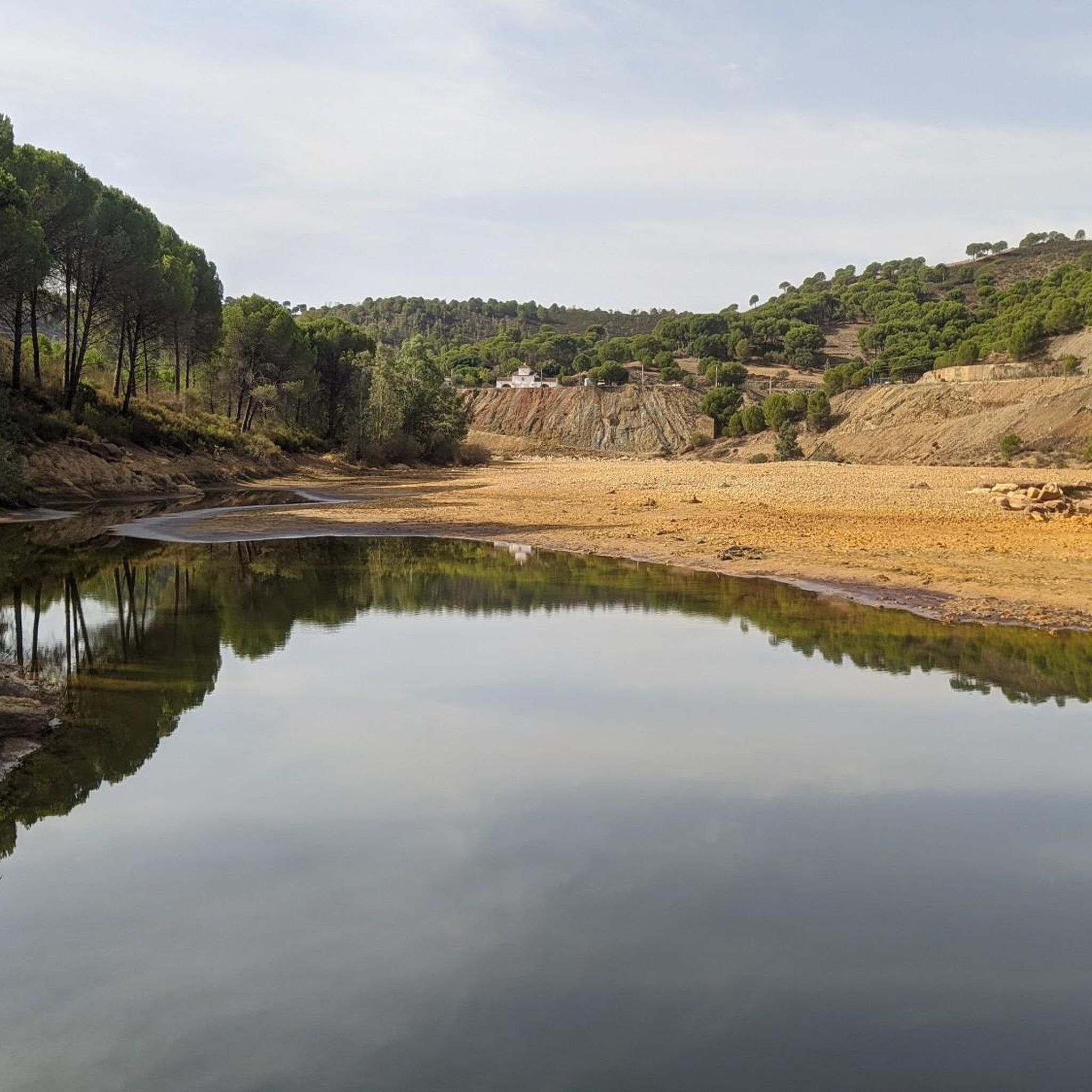
It is located on the outskirts of the town of Calañas, in a charming place next to the Odiel river. It is worth a visit and explore the surroundings.
0
0
Valdelamusa is a hamlet and mining town in the municipality of Cortegana. It is surrounded by pyrite mines that are currently closed. In the mid-19th century, favorable mining legislation and the need for metals in the European industry facilitated the entry of foreign capital and companies into the entire Huelva pyrite belt, whose mineral wealth has been known since ancient times.
0
1
This work by the architect Ambrosio Figueroa corresponds to the 18th century, according to the files of the Municipal Archive of Calañas. The place chosen for its construction was the foot of Cabezo del Escamocho in the direction of the La Coronada archway and next to the dam of an old mill. The bridge is located at the entrance to Sotiel, before reaching the Hermitage of La Coronada, and is currently "out of service", since another modern bridge has been built near the previous one through which the A- road runs. 493 (La Palma del Condado - Rosal de la Frontera).
7
0
Frequently Asked Questions
What historical sites can I visit in Calañas?
Calañas is rich in history. You can explore the 16th-century Ermita de La Coronada, built on the ruins of an ancient Roman necropolis. Other significant historical landmarks include the late Gothic
Iglesia Parroquial Santa María de Gracia
(16th-17th centuries), the modernistMercado de Abastos
from 1929, and the 18th-century Roman bridge over the Odiel River, designed by Ambrosio Figueroa.What natural features can I explore around Calañas?
The region is defined by the
Odiel River
, known for its unique green-blue waters and ochre sands. You can also visit theBarranco de Peñas Pardas
(Brown Rocks Ravine), where the river narrows between iron-stained rock masses. TheEmbalse del Calabazar
offers water-based activities, and the surrounding areas feature extensive pine and eucalyptus forests.Are there opportunities for outdoor activities like hiking or cycling near Calañas?
Yes, Calañas offers various outdoor activities. For hiking, consider the "Ruta de los Molinos" along the Odiel River or explore routes like the Circular route along the Odiel River or the Odiel Mills River Trail. Cyclists can enjoy the Vía Verde Molino de Acha, a 33 km trail through diverse landscapes, or explore various road cycling routes and gravel biking trails.
What is the mining heritage of the Calañas region?
Calañas has a deep mining history. You can visit the Valdelamusa Water-Filled Quarry, also known as Corta de los Confesionarios, an impressive open-pit mine that is now an artificial lagoon. The
Valle de "Las Viñas"
near Sotiel Coronada also contains historical mining installations, including channels and aqueducts used for copper extraction.Are there any family-friendly attractions in Calañas?
Families can enjoy the Vía Verde Molino de Acha, a long trail suitable for walking or cycling through forests and meadows. The Valverde del Camino Town Center offers a pleasant exploration with its Ermita del Santo and the old railway station. The Ermita de La Coronada is also a peaceful spot for a family visit.
What are some unique architectural landmarks in Calañas?
Beyond the historical churches, the
Mercado de Abastos
stands out with its modernist architectural style from 1929. The impressivePuente de Alcolea
, a railway viaduct over the Odiel River, is another striking structure. Additionally, the recently constructed replica of anOld Windmill (Molino de Viento)
has become a recognizable symbol of the town.Can I do water sports or activities in Calañas?
Yes, the
Embalse del Calabazar
provides opportunities for kayaking and other water-based activities. TheOdiel River
itself is suitable for canoeing, and there are scenic river routes like theRuta fluvial por el río Odiel
that can be explored.What is there to see in Valverde del Camino?
The Valverde del Camino Town Center offers several points of interest. Visitors can explore the Ermita del Santo, see a 1900 Berlina car at the old railway station, and discover the Los Gabrieles dolmen complex on the outskirts of town.
Are there any challenging outdoor activities for adventure enthusiasts?
For adventure seekers, "El Morante," a mountain just 1 kilometer from Calañas, offers a
via ferrata
. This geological spot, standing over 400 meters high, provides an exciting challenge.What is the best time of year to visit Calañas for outdoor attractions?
While specific data on the best time is not provided, the region's diverse natural beauty and outdoor activities like hiking, cycling, and water sports suggest that spring and autumn would be ideal. These seasons typically offer milder temperatures, making outdoor exploration more comfortable than the heat of summer.
Are there any ancient mills to visit in the area?
Yes, the region has a history of mills. The Vía Verde Molino de Acha is named after a group of 17th-19th century water mills in Beas. Additionally, the
Molino de la Higuera
, an ancient flour mill on the Odiel River, is believed to date back to the late 16th or early 17th century.What kind of local products or crafts is Calañas known for?
Calañas is particularly known for
El sombrero calañés
, a traditional hat featuring a distinctive crown and brim design, which is a significant part of the local culture and craftsmanship.Most popular routes around Calañas
Most popular attractions around Calañas

Get inspired with the komoot mobile app


Explore more
Still not found the Highlight you’re looking for? See guides of the top attractions in other regions:
