Attractions and Places To See around Sobradillo - Top 20
Attractions and places to see around Sobradillo, Salamanca, Spain, are primarily located within the Arribes del Duero Natural Park. This region features river canyons formed by the Douro and Morgaev rivers, alongside historical landmarks. The area offers a blend of natural landscapes and cultural points of interest. Sobradillo is known for its medieval heritage and unique geological formations.
Best attractions and places to see around Sobradillo
- The most popular attractions is Camino de Hierro, a trail that runs along…
Last updated: June 29, 2026
Camino de Hierro
Highlight • Trail
Translated by Google •
Tip by

Hinojosa de Duero
Highlight • Settlement
Translated by Google •
Tip by
Sign up now to discover places like this
Get recommendations on the best single tracks, peaks, & plenty of other exciting outdoor places.
Sign up for free
Castle of San Felices de los Gallegos
Highlight • Castle
It …
Translated by Google •
Tip by

Vetón Hillfort of Lumbrales (Las Merchanas)
Highlight • Historical Site
The …
Translated by Google •
Tip by
Lumbrales
Highlight • Settlement
Translated by Google •
Tip by
Sign up for free to discover even more attractions around Sobradillo.
Sign up for free
Already have an account?
Start today with a free account
Your next adventure awaits.
Login or Signup


Tips from the Community

Hinojosa de Duero is a charming village in the El Abadengo region (Salamanca), located right on the border with Portugal and within the Arribes del Duero Natural Park, making it an ideal destination for rural tourism, nature and gastronomy.
3
0
What to see in Hinojosa de Duero Church of San Pedro 16th century, Gothic style with later renovations. Its Baroque altarpieces are particularly noteworthy. Hermitage of Christ of Mercy Located on San Pedro hill, with a 13th-century Romanesque carving and spectacular views. Monument to the Sacred Heart of Jesus Erected during the Second Republic, in the upper part of the town, surrounded by crosses and a Calvary. El Corralito and Plaza de la Constitución Former town hall meeting place, now a local gathering spot. Ethnographic Museum Collections on traditional life and local culture. Natural viewpoints Peña La Vela, Mirador del Contrabando, Cachón del Camaces, and Cachón de la Diabla offer unique views of the Duero River and the Arribes del Duero Natural Park.
2
0
Hinojosa de Duero is a charming village in the El Abadengo region (Salamanca), located right on the border with Portugal and within the Arribes del Duero Natural Park, making it an ideal destination for rural tourism, nature, and gastronomy. [turismocas...ayleon.com], [pte.es]
1
0
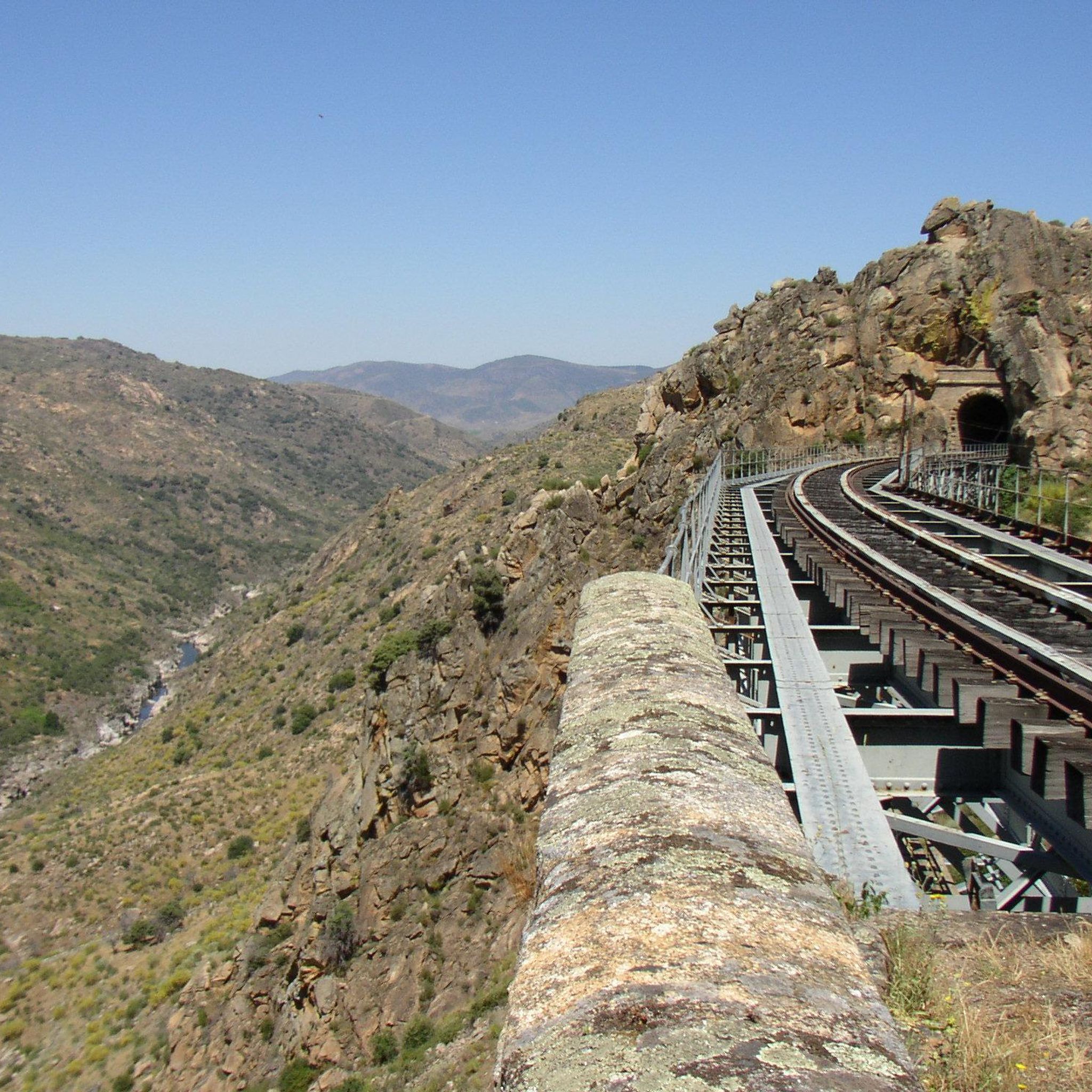
Camino de Hierro is a 17-kilometer-long pedestrian path that runs along a section of a closed-to-traffic, renovated railway line. It combines the grandeur of the most representative civil engineering (tunnels and viaducts) of the 19th century with spectacular natural beauty.
10
1

Hinojosa de Duero is a municipality in the province of Salamanca located in the Arribes del Duero Natural Park. Beautiful viewpoints, fountains, waterfalls and hermitages are located a few meters from the urban area.
1
0

Lumbrales is a municipality in the region of El Abadengo, in the province of Salamanca, Castilla y León. Lumbrales is twinned with the Italian town of Montenero Val Cocchiara Near its border with the municipality of Bermellar is the Castro de Las Merchanas, an old Vetón settlement that is one of the most attractive tourist attractions within the Arribes Natural Park. of the Douro.
0
0
In the lands of the west of Salamanca this fortress stands, a clear example of the ups and downs and border disputes. According to the chronicles, it was built in the 13th century by the Portuguese king Don Dinis. With the character of a fortress palace, it is located at one end of the urban area.
0
0
Hinojosa de Duero is located in the northwest of Salamanca. It borders with Portugal 105 km from Salamanca capital. Its municipal area is located within the Arribes del Duero Natural Park, a protected natural area of great tourist attraction.
0
1
Frequently Asked Questions
What are the main natural attractions around Sobradillo?
Sobradillo is nestled within the impressive Arribes del Duero Natural Park, known for its dramatic river canyons formed by the Douro and Morgaev rivers. You can explore the picturesque Morgaev River waterways, which feature impressive waterfalls and cascades, including the powerful Cachón del Berrido. Another unique natural spot is La Diabla, where you can see fascinating geological formations like 'marmitas de gigante' (giant's kettles) carved by the river.
What historical sites can I visit in the Sobradillo area?
The region boasts a rich history. You can visit the historic Sobradillo Castle, dating back to the 15th century, which now houses the Arribes del Duero Park House. Another significant site is the Castle of San Felices de los Gallegos, a 13th-century fortress with a Historical Interpretation Classroom and panoramic views. Additionally, explore the Vetón Hillfort of Lumbrales (Las Merchanas), an ancient pre-Roman settlement from the Iron Age.
Are there any unique outdoor activities or trails near Sobradillo?
Absolutely! A standout is the Camino de Hierro, a 17-kilometer pedestrian path along a renovated railway line. It offers a unique blend of 19th-century civil engineering, like tunnels and viaducts, with spectacular natural scenery. For more hiking options, you can find various trails in the area, including the Peña de la Vela Trail, by checking the Hiking around Sobradillo guide.
What is there to see in the village of Hinojosa de Duero?
Hinojosa de Duero is a charming village within the Arribes del Duero Natural Park. It offers cultural sites such as the 16th-century Church of San Pedro and the Hermitage of Christ of Mercy. Nature lovers will appreciate its natural viewpoints like Mirador del Contrabando, Cachón del Camaces, and Cachón de la Diabla, which provide unique views of the Duero River.
Are there family-friendly activities or places to visit around Sobradillo?
The natural beauty of the Arribes del Duero Natural Park offers many opportunities for families to explore together. The signposted routes along the Morgaev River, leading to waterfalls and cascades, can be an engaging outdoor adventure. The Camino de Hierro, with its tunnels and viaducts, also provides a unique and memorable experience for all ages.
What is the best time of year to visit Sobradillo for outdoor activities?
The Arribes del Duero Natural Park, where Sobradillo is located, is generally best visited during spring and autumn. These seasons offer pleasant temperatures for hiking and exploring the natural landscapes, with lush greenery in spring and beautiful colors in autumn. Summers can be quite hot, while winters might be chilly, though still suitable for some activities.
Can I find cycling routes near Sobradillo's attractions?
Yes, the region offers several cycling opportunities. You can explore routes like the 'From Lumbrales to the Duero River - Arribes del Duero Natural Park' or the 'Arribes del Duero International Park Loop'. For more detailed information and a variety of options, consult the Road Cycling Routes around Sobradillo guide or the Cycling around Sobradillo guide.
What is the Arribes del Duero Natural Park, and what makes it special?
The Arribes del Duero Natural Park is an extensive natural area encompassing 37 municipalities across Zamora and Salamanca provinces. It's renowned for its approximately 180 km of dramatic river canyons carved by the Douro River and its tributaries. The park's unique geological formations, rich biodiversity, and cultural heritage, including ancient mills along rivers like the Morgaev, make it a significant natural and cultural landscape.
Are there any ancient archaeological sites in the vicinity of Sobradillo?
Yes, beyond the Vetón Hillfort of Lumbrales (Las Merchanas), which dates back to the Iron Age, the cross-border area west of Salamanca is home to Siega Verde. This archaeological site, located on the banks of the Águeda River, functions as an open-air museum showcasing discoveries that are over 20,000 years old, offering a glimpse into prehistoric art.
What can I expect when visiting Lumbrales?
Lumbrales is a municipality known for the ruins of the Castro Vetón on its outskirts. Within the urban area, you can visit the Church of Nuestra Señora de la Asunción and see the Verraco Vetón, a pre-Roman stone sculpture, near the Plaza Mayor. It's an interesting stop for those interested in the region's ancient history and local culture.
Are there any viewpoints to enjoy the scenery around Sobradillo?
The region offers several stunning viewpoints, especially within the Arribes del Duero Natural Park. From the top floor of the Castle of San Felices de los Gallegos, you can enjoy beautiful views of the entire area, including neighboring Portuguese lands. In Hinojosa de Duero, natural viewpoints like Peña La Vela and Mirador del Contrabando offer unique perspectives of the Duero River and its canyons.
Most popular attractions around Sobradillo

Get inspired with the komoot mobile app


Explore more
Still not found the Highlight you’re looking for? See guides of the top attractions in other regions:
