The best road cycling routes around Palma De Gandía
4.5
(320)
19,573
riders
156
rides
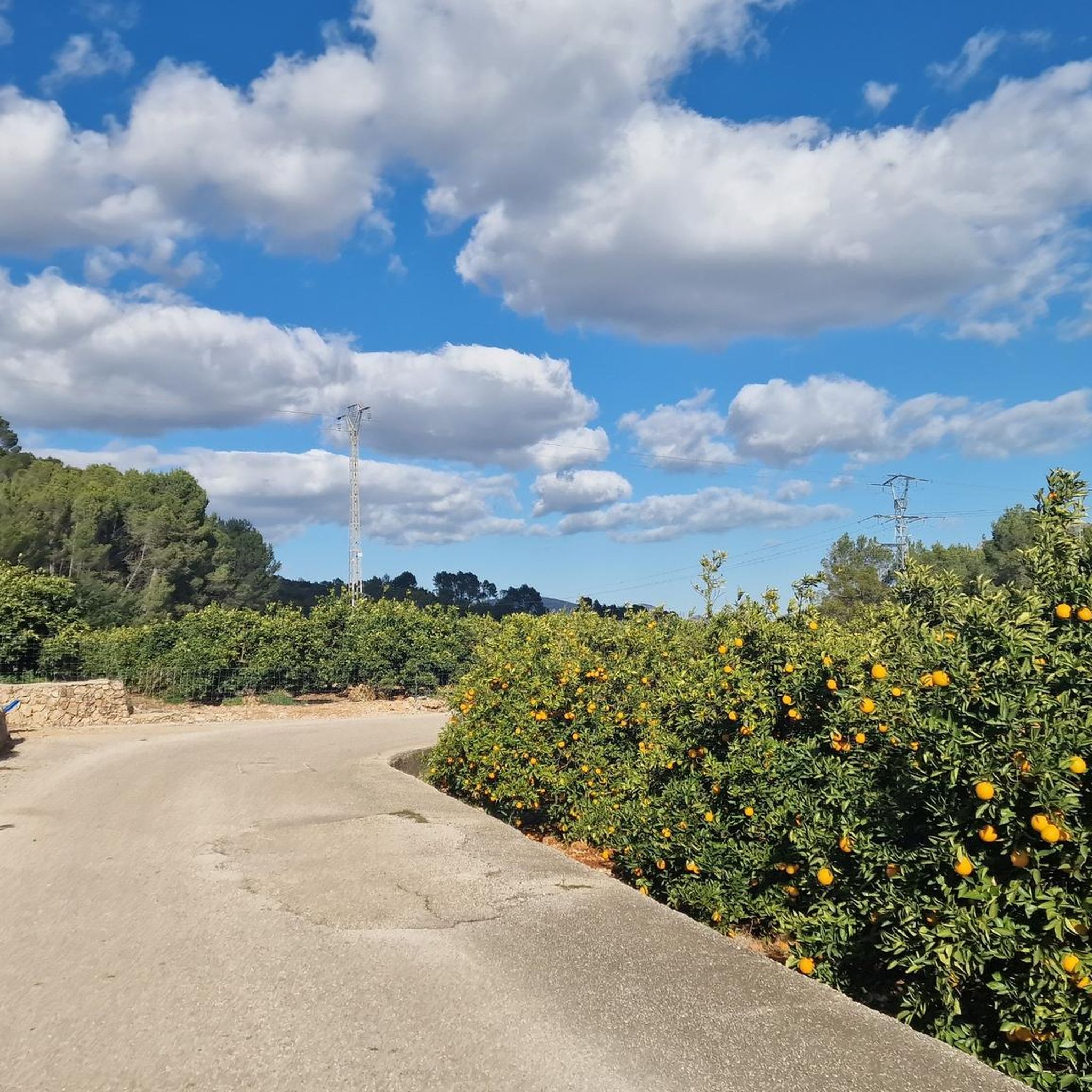
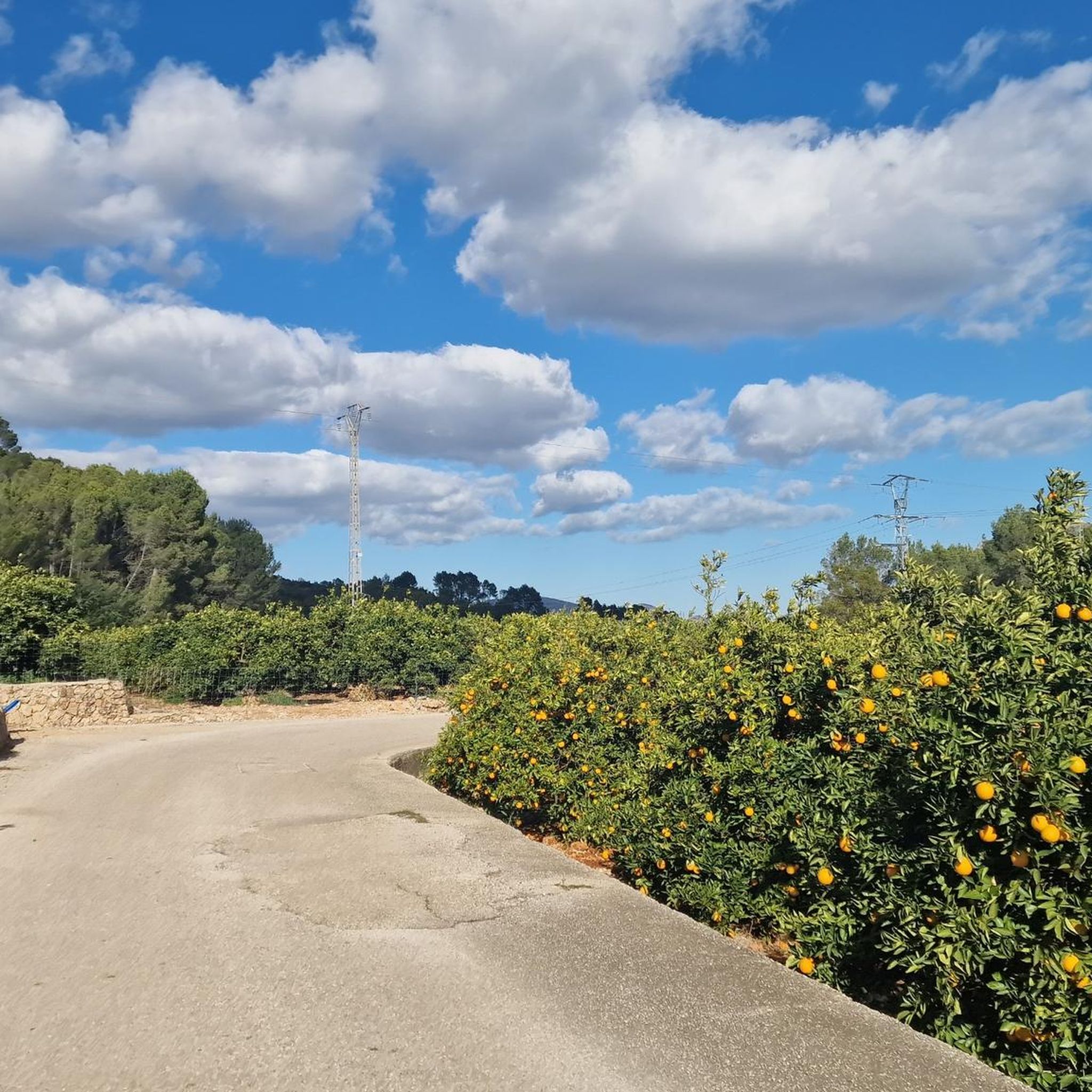
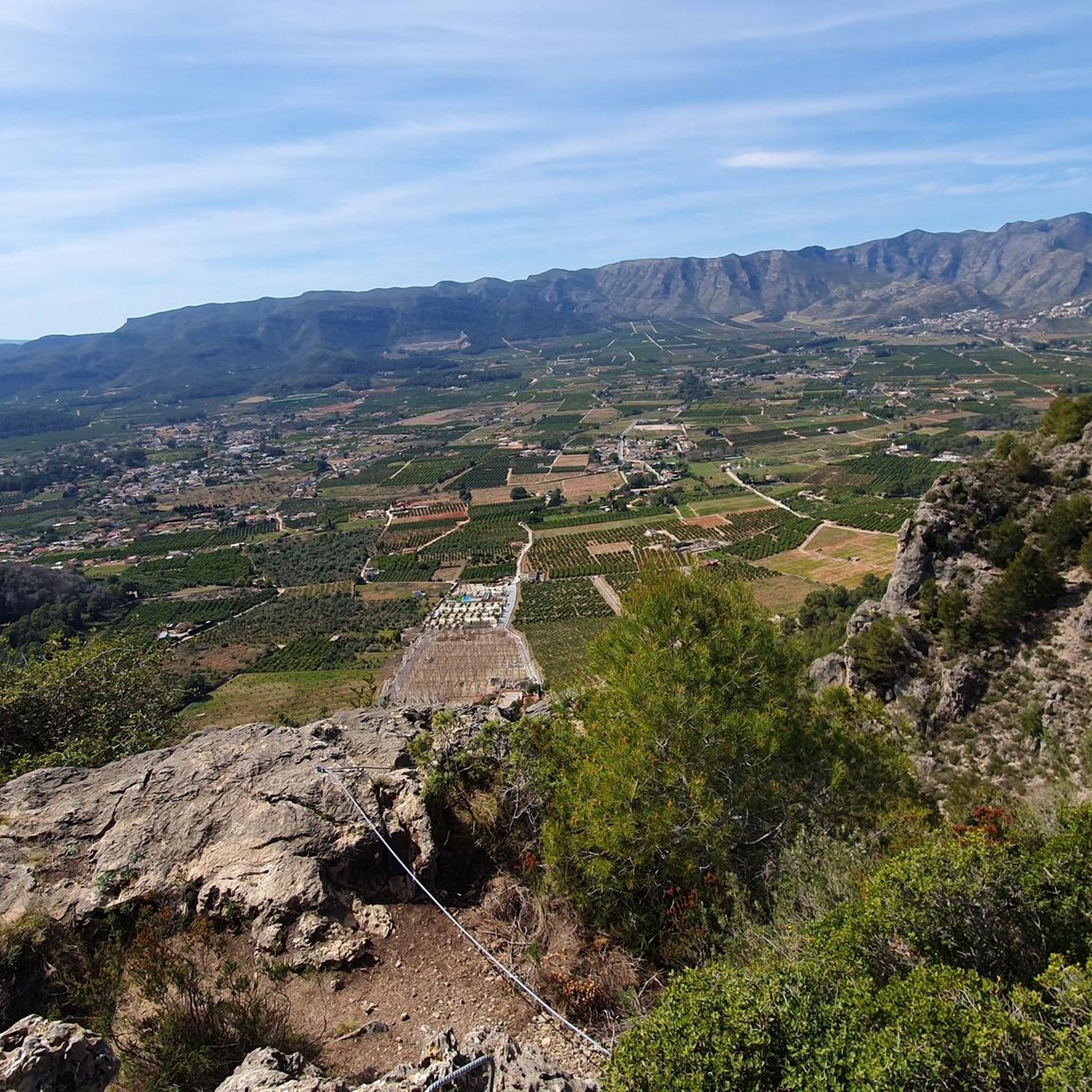
Road cycling routes around Palma De Gandía traverse a diverse landscape, offering both flat coastal plains and challenging mountainous terrain. The region is characterized by its Mediterranean vegetation, including orange groves, and the rugged La Safor mountain range. Inland areas feature significant climbs and descents, while coastal routes provide smoother paths.
Best road cycling routes around Palma De Gandía
- The most popular road cycling route is El Monduver — Circular from Gandia through La Drova and Barx ports, a…
Last updated: July 12, 2026
4.8
(22)
1,419
riders
101km
05:11
1,460m
1,460m
Hard road ride. Very good fitness required. Mostly well-paved surfaces and easy to ride.
50
riders
32.7km
01:44
420m
420m
Moderate road ride. Good fitness required. Mostly well-paved surfaces and easy to ride.

Sign up for free
14
riders
37.1km
02:27
960m
960m
Hard road ride. Very good fitness required. Some segments of this route may be unpaved and difficult to ride.
15
riders
24.4km
01:05
150m
150m
Easy road ride. Great for any fitness level. Mostly well-paved surfaces and easy to ride.
11
riders
Easy road ride. Great for any fitness level. Mostly well-paved surfaces and easy to ride.
Get access to more routes and recommendations from other explorers.
Sign up for free
Already have an account?
Our route recommendations are based on thousands of hikes, rides, and runs completed by other people on komoot.
Start today with a free account
Your next adventure awaits.
Login or Signup

Tips from the Community

IF… you are going here, I recommend having something like 50/34 11-34 and disc brakes, there are steep angles up and down. The gravel part is short and on 28 mm road tyres is manageable. And one more, ride only from Lorcha towards Villalonga, otherwise you’ll hate your life.
0
0

The Palau del Duc ducal palace was built in the late Gothic and Renaissance style in the 16th and 17th centuries. Opening hours: Mon to Sat 10am–1.30pm and 3pm to 6.30pm (November to March) and 4pm to 7.30pm (April to October) and Sunday/public holiday 10am to 1.30pm.
1
0

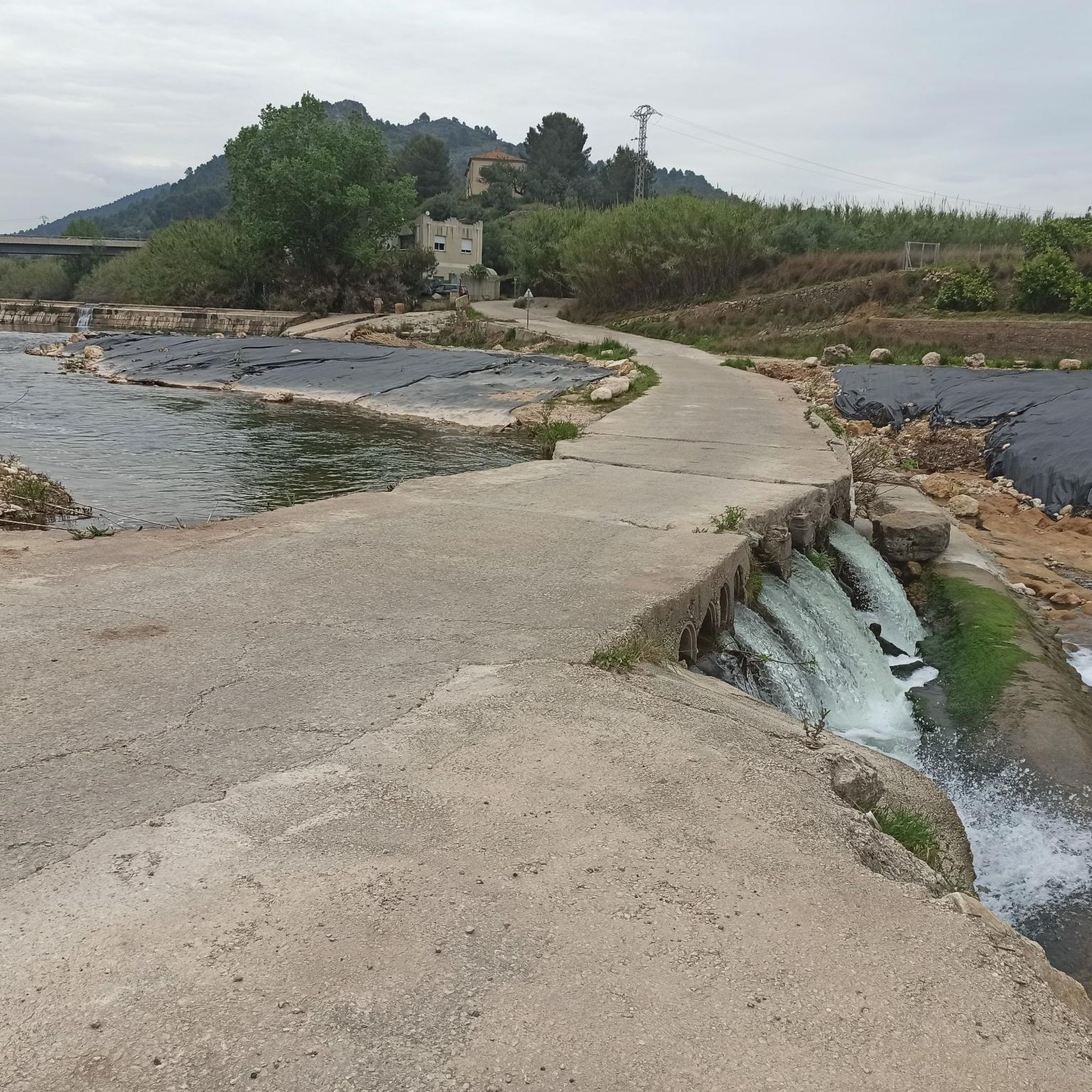
The ford was replaced by a "bridge".
1
0


The Puerto de Sorell is a quiet and under-the-radar ridge climb in the northern Costa Blanca, linking Pego and Ràfol d’Almúnia via the CV‑728. It’s not long, not high — but it’s a perfect connector on a peaceful inland loop. From Ràfol d’Almúnia, the climb is 2.7 km long at an average gradient of 3.1%. It’s a smooth, steady ascent through olive groves and farmland, ideal for keeping a light rhythm and soaking up the rural scenery. The road surface is good and traffic is almost nonexistent. From the Pego side, the climb is roughly the same length but considerably steeper, with sections reaching 6 to 8%. It’s a short but honest effort, and a nice little test when coming up from the coastal plain. The views are wide and open — toward the Segària range, the valley below, and even the sea in the distance. At the summit, you'll spot the blue "Puerto de Sorell – 170 m" sign, a modest but official col marker that makes the climb feel just a bit more special. From here, you can descend either way or continue inland toward Vall de Gallinera, Vall d’Ebo, or Coll de Rates. Puerto de Sorell is a local favourite: short, scenic, quiet — and perfect for linking bigger climbs on a longer ride.
2
1
Just off the road between Sagra and Pego, the small turnoff toward Vall d’Ebo leads into one of the most beautiful and tranquil climbs in the Costa Blanca mountains. It may not be famous outside of cycling circles — but pros know it well: Tadej Pogačar holds the Strava KOM on this climb. From the Pego side, the ascent runs for about 8 km, gaining 400 metres at a steady average of 5%. The road is smooth, quiet, and beautifully engineered — with a flowing rhythm and wide, elegant curves. The landscape is peaceful and wild, with cliffs, pines, and far-reaching views. At the top, just before you descend into Vall d’Ebo, you’re rewarded with a spectacular view in both directions: looking back, the coastline and the Mediterranean Sea; looking ahead, the lush green valley of Vall d’Ebo, framed by rugged ridges and rocky outcrops. It’s a rare and stunning double panorama. If you continue past the village, you can create a magnificent loop via Pla de Petracos, riding through remote canyons and ancient rock formations before descending into Benigembla and back to the Vall de Pop. If you're riding from Vall d’Ebo toward Pego, the climb is shorter — about 3 km at 6% — but still very scenic, especially as you rise above the valley with dramatic views behind you. Vall d’Ebo may be quiet, but it’s world-class: pure road, total calm, and the kind of climb you’ll want to ride again and again.
3
1
Tucked away in the mountains of the Marina Alta, Vall de Gallinera is one of the Costa Blanca’s most scenic and peaceful cycling routes. The name literally means “Valley of the Chickens” — 🐓🐔 — a nod to the valley’s Moorish past, when this fertile land was known for its farms and poultry. These days, the valley is all about cherries. In spring, the hills burst into bloom with white cherry blossoms — an incredible sight on two wheels. By May and June, the trees are full of ripe, sweet cherries, and local farmers sell them fresh from roadside stalls. 🍒 The route winds through eight tiny villages, like Benissili, Alpatró, and Benirrama, connected by quiet mountain roads with gentle gradients, flowing curves, and spectacular views.
1
0
Frequently Asked Questions
How many road cycling routes are available around Palma De Gandía?
The Palma De Gandía region offers a wide selection of road cycling routes, with over 140 distinct tours available. These routes cater to various skill levels, including 28 easy, 59 moderate, and 54 difficult options.
What kind of terrain can I expect on road cycling routes in Palma De Gandía?
You'll find a diverse landscape for road cycling in Palma De Gandía. The region features flat coastal plains with Mediterranean vegetation and orange groves, ideal for leisurely rides. Inland, the terrain transforms into the more rugged La Safor mountain range, offering challenging climbs and descents through areas like the Vall de Gallinera.
Are there road cycling routes suitable for beginners or families in Palma De Gandía?
Yes, there are routes suitable for beginners and families. The region offers 28 easy road cycling tours. A particularly good option is the Vía Verde de la Safor, a flat, paved greenway connecting Gandia with Oliva, perfect for relaxed excursions amidst natural scenery and quiet fields.
Where can I find challenging road bike climbs in the Palma De Gandía region?
For experienced road cyclists seeking a challenge, the mountainous inland areas provide significant climbs. Notable mountain passes include La Llacuna, Beniarrés, Benigànim, and Pla de Corrals, often found on quiet secondary roads. Routes around Real de Gandía also feature substantial elevation gains.
What is the best time of year for road cycling in Palma De Gandía?
Palma De Gandía boasts an excellent climate for cycling almost year-round. With over 300 days of sunshine and an average annual temperature of 18ºC, the best months for road cycling are generally from October to May, avoiding the peak heat of summer.
What scenic viewpoints can I discover along road cycling routes?
Many routes offer stunning vistas. For panoramic views, consider routes that pass by La Visteta Viewpoint or Coll de la Radella Viewpoint. These are often found on routes traversing the mountain passes in the region.
What natural features can I expect to see on road bike trails?
Road bike trails in the region showcase diverse natural beauty. You'll encounter Mediterranean vegetation, picturesque orange groves, and the rugged landscapes of the La Safor mountain range. Some routes may also pass by natural highlights such as the Duke's Pond Spring or the Marjal de la Safor Nature Reserve.
Are there any circular road cycling routes in Palma De Gandía?
Yes, many routes in the area are designed as loops. For instance, the challenging El Monduver — Circular from Gandia through La Drova and Barx ports is a popular option. Another is The Costa del Levante — Circular from Gandia, which offers a moderate coastal experience.
What do other road cyclists enjoy most about road cycling in Palma De Gandía?
The area is highly rated by the komoot community, with an average score of 4.6 stars from over 260 reviews. Cyclists often praise the diverse terrain, from flat coastal routes to challenging mountain ascents, and the beautiful natural landscapes. The well-maintained roads and favorable climate are also frequently highlighted.
Are there any routes that combine cycling with cultural exploration?
Absolutely. Routes like the Tour of the interior of La Safor, La Costera and La Vall d'Albaida lead through historic sites and picturesque villages, allowing you to combine physical activity with cultural discovery. The region's monasteries and charming towns offer unique stops along your ride.
Can I find routes that pass through the scenic Vall de Gallinera?
Yes, the Vall de Gallinera is a popular and scenic area for road cycling. The Gallinera Valley and La Llacuna Loop from Gandía is a challenging route that winds through this beautiful valley, known for its cherry blossoms in spring and sweet cherries in early summer.
Most popular routes around Palma De Gandía
Most popular attractions around Palma De Gandía

Get inspired with the komoot mobile app


Explore more
Browse the best Road cycling routes in other regions.
