Attractions and Places To See around Albero Alto - Top 14
Best attractions and places to see around Albero Alto are concentrated in this municipality located in the province of Huesca, Spain, within the Hoya de Huesca comarca. Historically, Albero Alto held significant strategic importance during the 12th century due to its position, which allowed for the surveillance of roads between Sariñena and Huesca. The area features historical remnants and natural landscapes typical of the Huesca province, offering insights into its past as a strategic location. Visitors can explore a mix…
Last updated: October 10, 2026
Montearagón Castle
Highlight • Castle
Translated by Google •
Tip by

Arab Wall of Huesca
Highlight • Historical Site
Translated by Google •
Tip by

Sign up now to discover places like this
Get recommendations on the best single tracks, peaks, & plenty of other exciting outdoor places.
Huesca Cathedral
Highlight • Religious Site
There is a …
Translated by Google •
Tip by
Castle of Montearagón
Highlight • Castle
Translated by Google •
Tip by

Parque Miguel Servet
Highlight • Natural
Translated by Google •
Tip by
Sign up for free to discover even more attractions around Albero Alto.
Already have an account?
Start today with a free account
Your next adventure awaits.

Tips from the Community


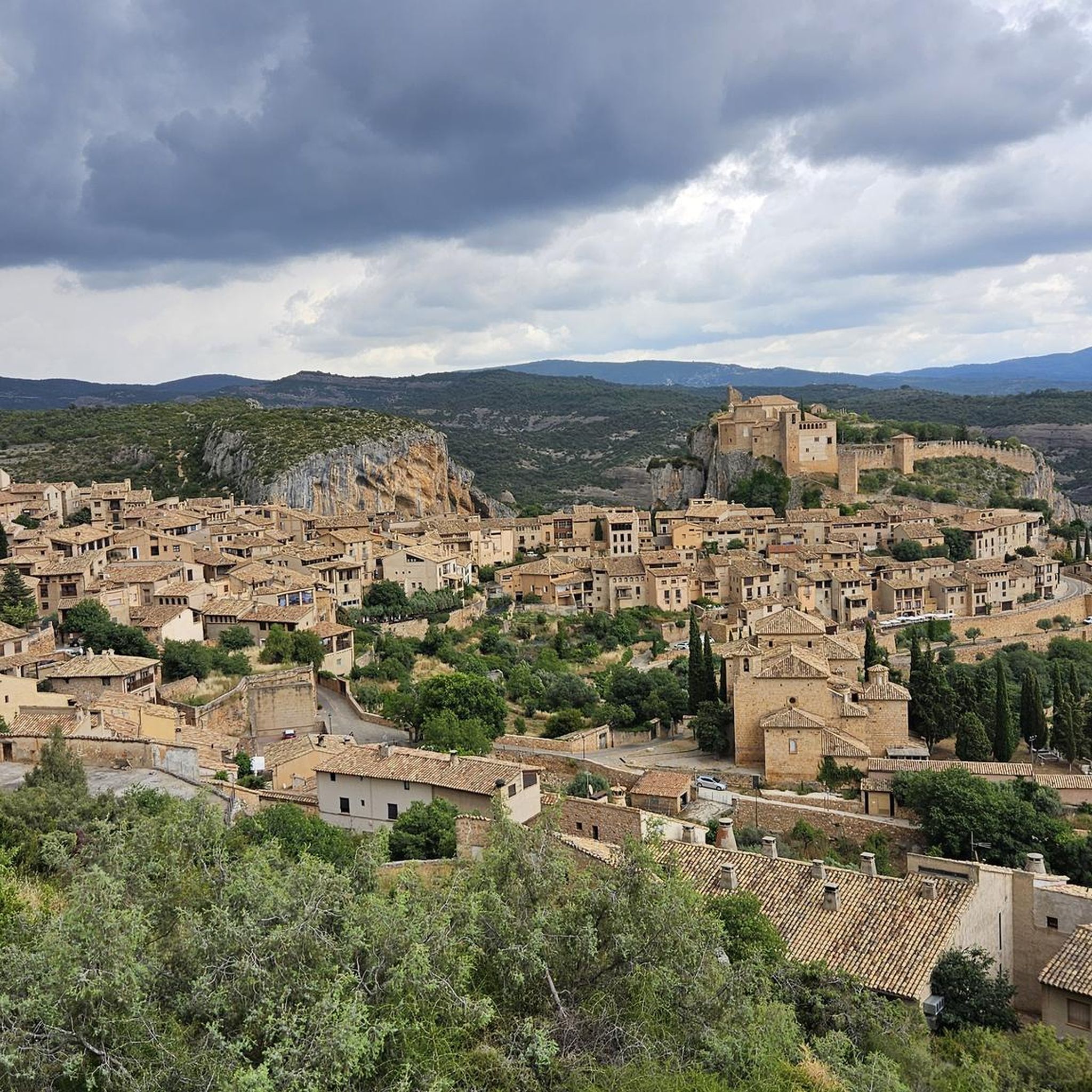
A sturdy 11th-century fortress used to recapture the Muslim city of Huesca in 1096. Sancho Ramírez ordered the construction of the castle-abbey to secure the siege of the city. In 1093 he began building the church and founded a monastery, transferring the community of clerics from Loarre. The Abbey of Montearagón exercised great power throughout the Middle Ages and modern times and had a very wide sphere of influence. The walled complex is hexagonal and irregular, and the church is attached to it, forming part of the wall. The splendor of this castle-abbey can still be seen in Huesca today, notably the high altarpiece in the Diocesan Museum and the tomb of King Alfonso I the Fighter in the cloister of San Pedro el Viejo. Visits: Guided tours of the castle by prior reservation at 622 573 497 (WhatsApp or by phone) - or via the website https://www.facebook.com/CastillodeMontearagon There you can also find videos and photos of the interior.
4
0

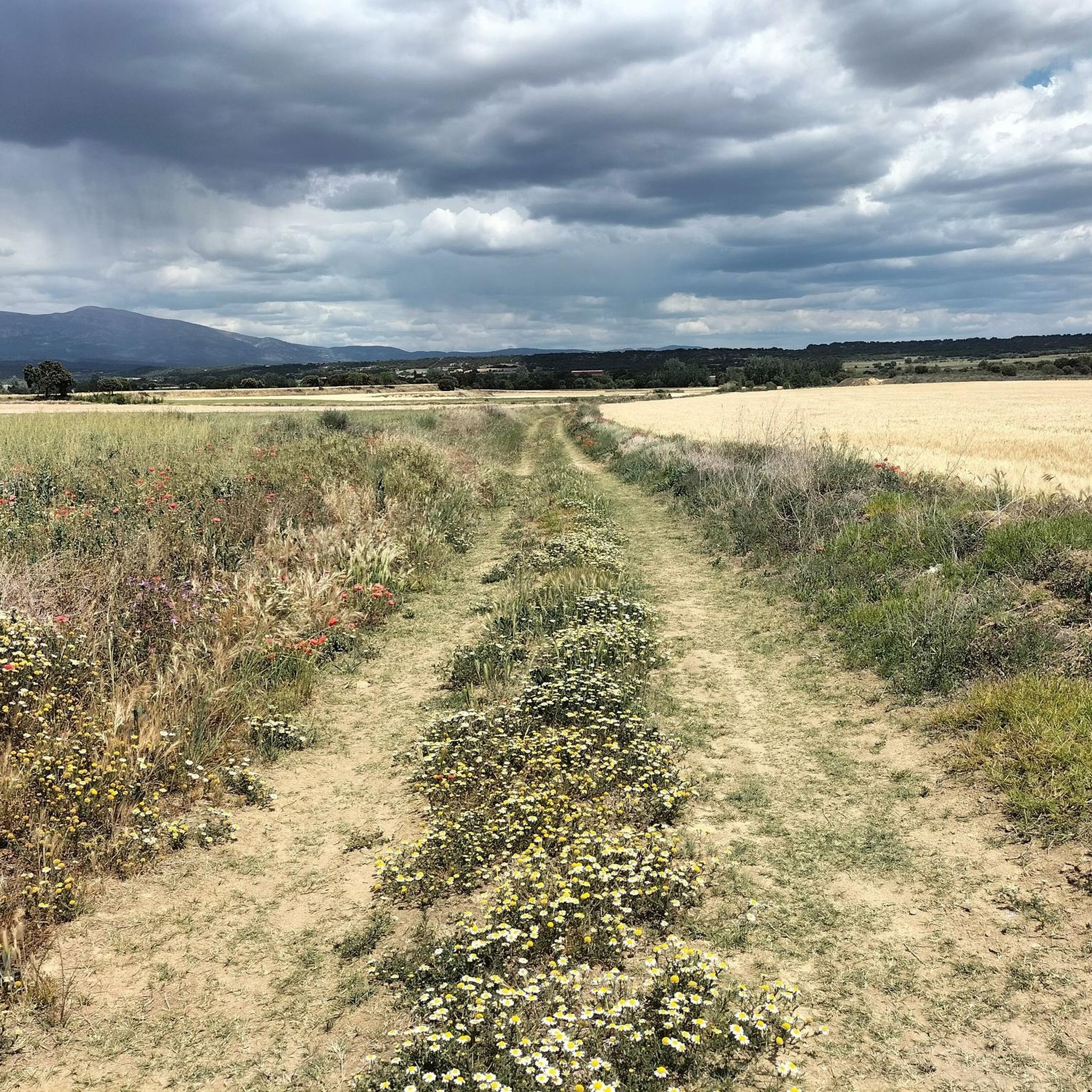
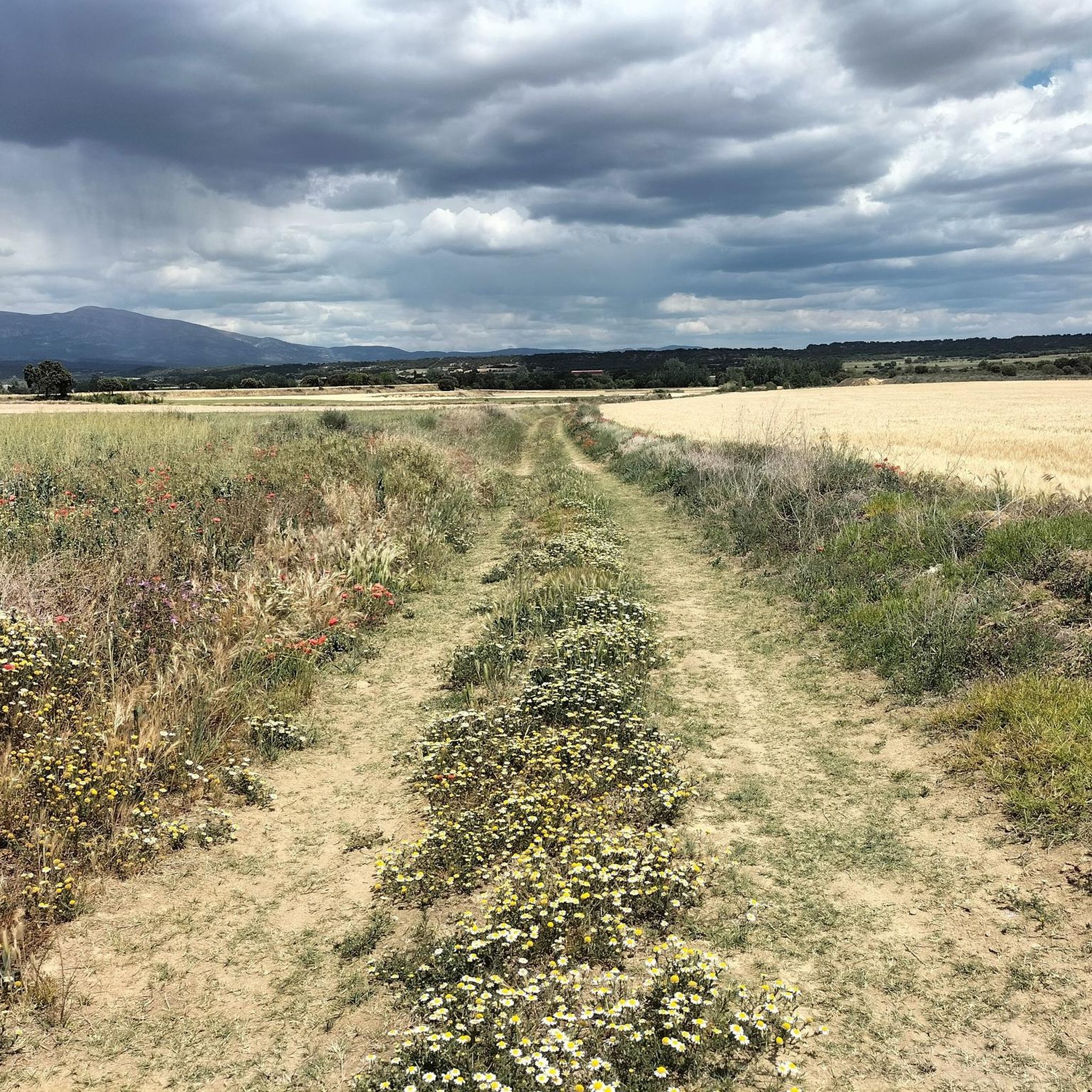
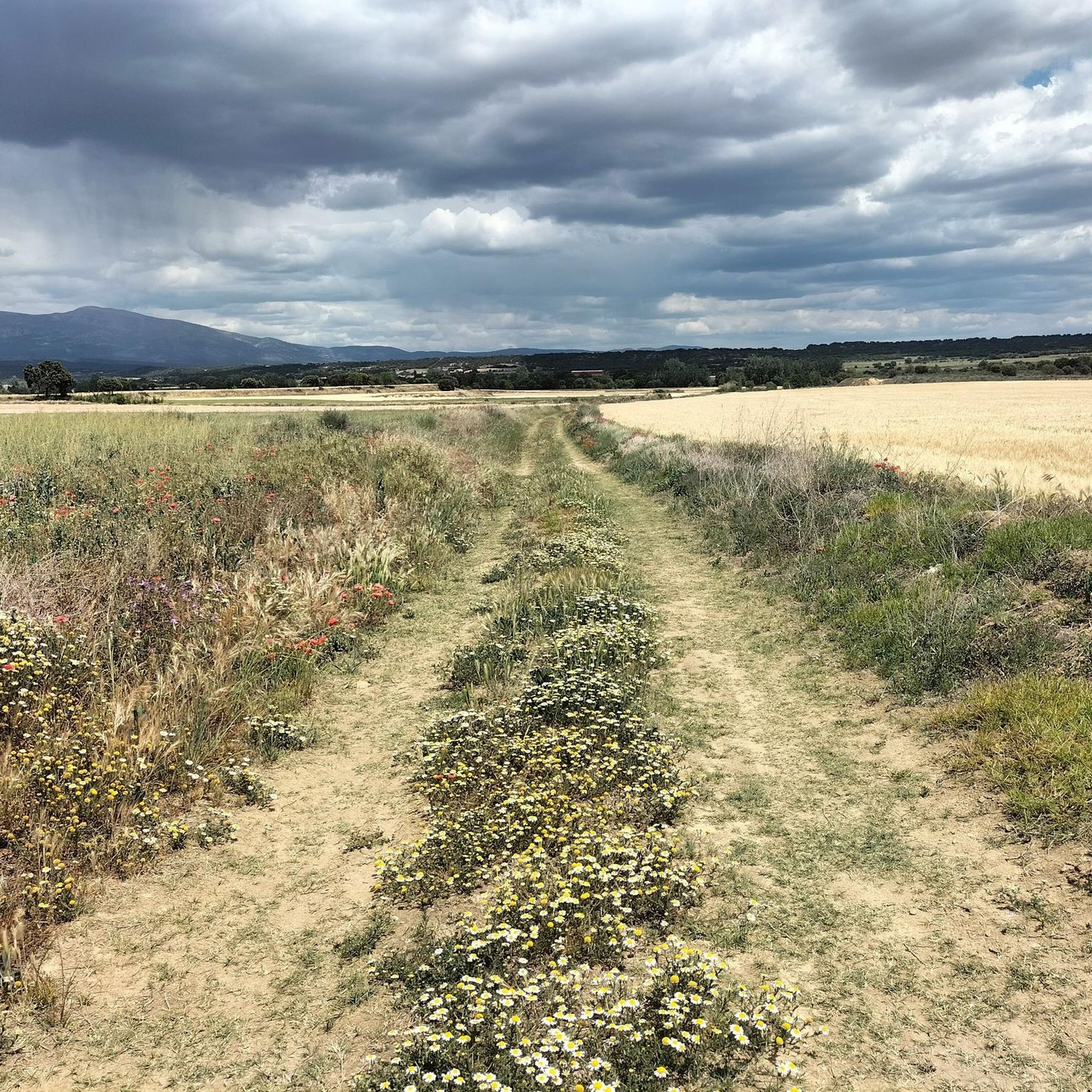
Really beautiful castle in the middle of a semi arid landscape with perfect gravel roads. Surprisingly empty!
1
0

Founded and built by Sancho Ramírez of Aragón in Romanesque style in the 11th and 12th centuries, Montearagón Castle was a fortified complex that included military housing, a church and a royal monastery. It is located on a strategic promontory in the Huesca town of Quicena, in the Hoya de Huesca region, Aragon. Although its military function ended with the taking of Huesca and the end of the Spanish-Arab wars, it continued to house the canonical abbey under the name of the Abbey of Jesús de Nazaret de Montearagón. Several Aragonese kings were buried in the castle in addition to its founder, Sancho Ramírez of Aragón.
2
0
And you can't enter with your dog
0
1

Montearagón Castle is an abandoned castle-abbey located in the municipality of Quicena, in the province of Huesca. It was strategically built in 1085 by Sanç I of Aragon and Pamplona to help in the conquest of Washka (Husca) in the Taifa of Zaragoza.
1
0

This Gothic temple was built on top of the main Muslim mosque. The cover has a large typical Aragonese carved wooden eaves incorporated in the 16th century. There is a geodesic vertex on top of the tower marking an altitude of 525 m above sea level.
1
0
Huesca is one of the oldest important cities on the Peninsula, being a main nucleus in pre-Roman Iberian times. Later in time, when it came under Arab rule, the caliphate of Córdoba around 874 gave the powerful governor of "Waska" Amrus-ibn-Umar the order to wall the city to protect it from the threatening incursions of the troops of Charlemagne. When the city was taken by Pedro I, the Islamic population was expelled to the Moors south of the walls, outside the walls.
1
0
Frequently Asked Questions
What historical sites can I explore near Albero Alto?
The region around Albero Alto is rich in history. You can visit Montearagón Castle, a fortified complex founded in the 11th and 12th centuries by Sancho Ramírez of Aragón, which served as a military housing, church, and royal monastery. Another significant historical site is the Arab Wall of Huesca, a remnant from the 9th century when the city was walled to protect it from Charlemagne's troops. Additionally, the Trenches Route offers insights into Spanish Civil War history with its preserved trenches and views.
Are there any significant religious buildings in the area?
Yes, the most prominent religious building is Huesca Cathedral. This Gothic temple was constructed on top of the main Muslim mosque and features a large, typical Aragonese carved wooden eaves from the 16th century.
What natural attractions are there around Albero Alto?
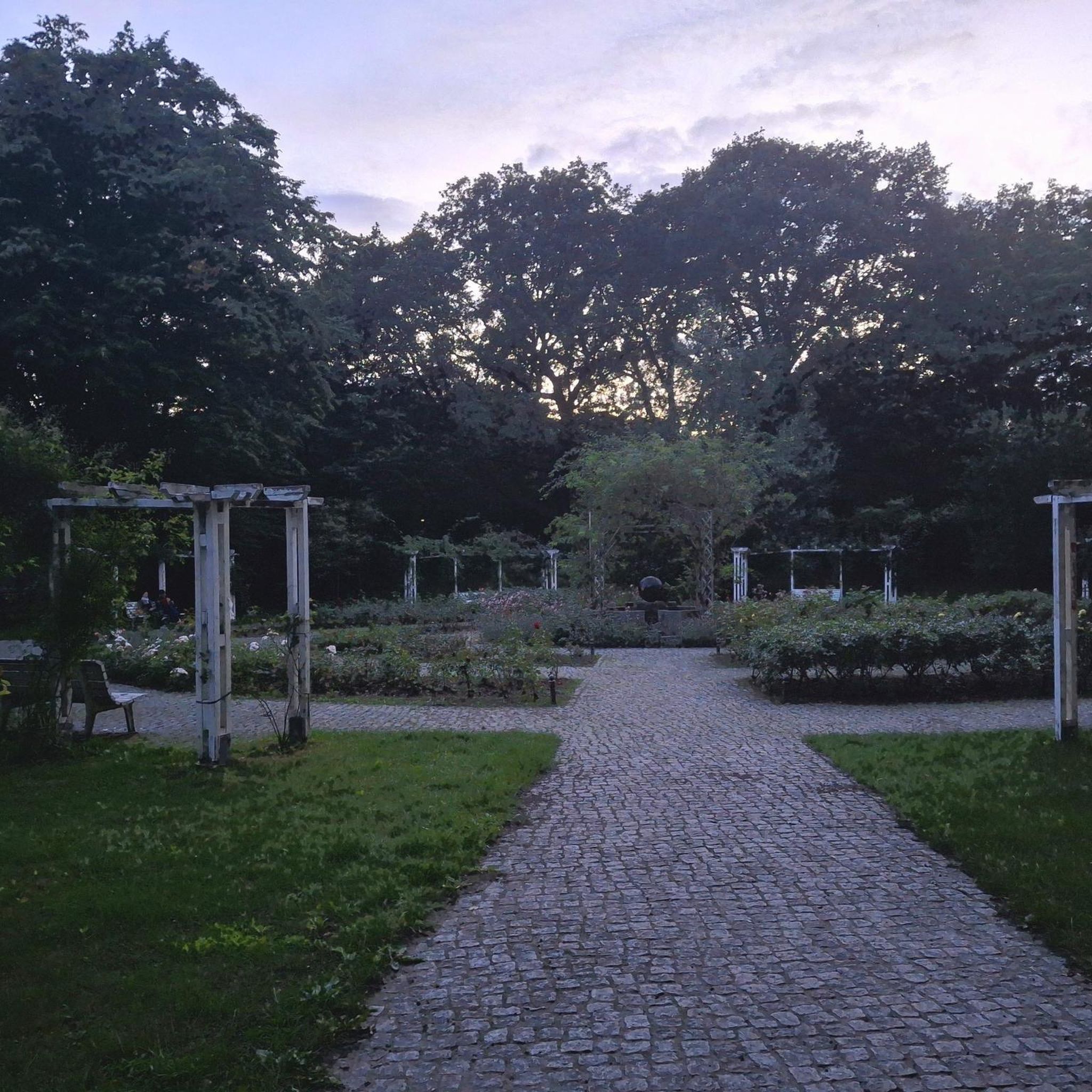
For natural beauty, you can explore Parque Miguel Servet, the main park of Huesca city. It features sculptures distributed throughout its enclosure and much of its landscaping dates from the 1920s. While Albero Alto itself is rural, the broader Huesca province offers typical natural features of the region.
Are there good viewpoints near Albero Alto?
Yes, several spots offer scenic views. Parque Miguel Servet provides pleasant urban views. For historical context and panoramic vistas, the strategic promontory where Montearagón Castle is located offers great perspectives of the surrounding landscape. The Trenches Route also provides nice views.
What outdoor activities can I do near Albero Alto?
The area around Albero Alto is excellent for various outdoor activities. You can find numerous routes for gravel biking, mountain biking, and road cycling. For example, there are guides for Gravel biking around Albero Alto, MTB Trails around Albero Alto, and Road Cycling Routes around Albero Alto, offering options from easy to difficult.
Are there family-friendly attractions around Albero Alto?
Yes, several attractions are suitable for families. Parque Miguel Servet is a great option with its open spaces and sculptures. The Arab Wall of Huesca and Huesca Cathedral are also listed as family-friendly, offering historical and cultural exploration.
What is the best time of year to visit Albero Alto attractions?
Given its location in Huesca, Spain, spring (April-May) and autumn (September-October) generally offer pleasant temperatures for exploring historical sites and engaging in outdoor activities. Summers can be hot, while winters are cooler but still suitable for some activities.
What do visitors enjoy most about the attractions around Albero Alto?
Visitors appreciate the blend of historical significance and natural beauty. The strategic location of sites like Montearagón Castle offers insights into the region's past, while places like Parque Miguel Servet provide relaxing green spaces. The komoot community has shared 11 photos and given 15 upvotes, highlighting the appeal of these diverse attractions.
Can I find easy cycling routes near Albero Alto?
Yes, there are easy cycling options. For road cycling, an easy route is 'Alerre y Cuarte from Huesca (Camino Natural de Loreto)' which is about 25.5 km. For gravel biking, a route like 'Plaza de Luis López Allué – Parque Miguel Servet loop from Huesca' (27.1 km) is also rated as easy. You can find more details in the Gravel biking around Albero Alto and Road Cycling Routes around Albero Alto guides.
Are there any hidden gems or less-known natural spots to discover?
While specific 'hidden gems' are not explicitly detailed, the rural nature of Albero Alto and its historical context suggest that exploring the local paths and viewpoints around the former strategic fortresses could reveal less-traveled natural spots. The Trenches Route, for instance, offers a unique blend of history and nature away from the main city attractions.
What is the historical significance of Albero Alto itself?
Albero Alto held significant strategic importance during the 12th century. Its position allowed for the surveillance of roads between Sariñena and Huesca, forming part of a chain of fortresses in the western Somontano region. This historical role is reflected in the remnants and historical sites found in the broader Hoya de Huesca comarca.
Most popular routes around Albero Alto

Get inspired with the komoot mobile app


Explore more
Still not found the Highlight you’re looking for? See guides of the top attractions in other regions:
